



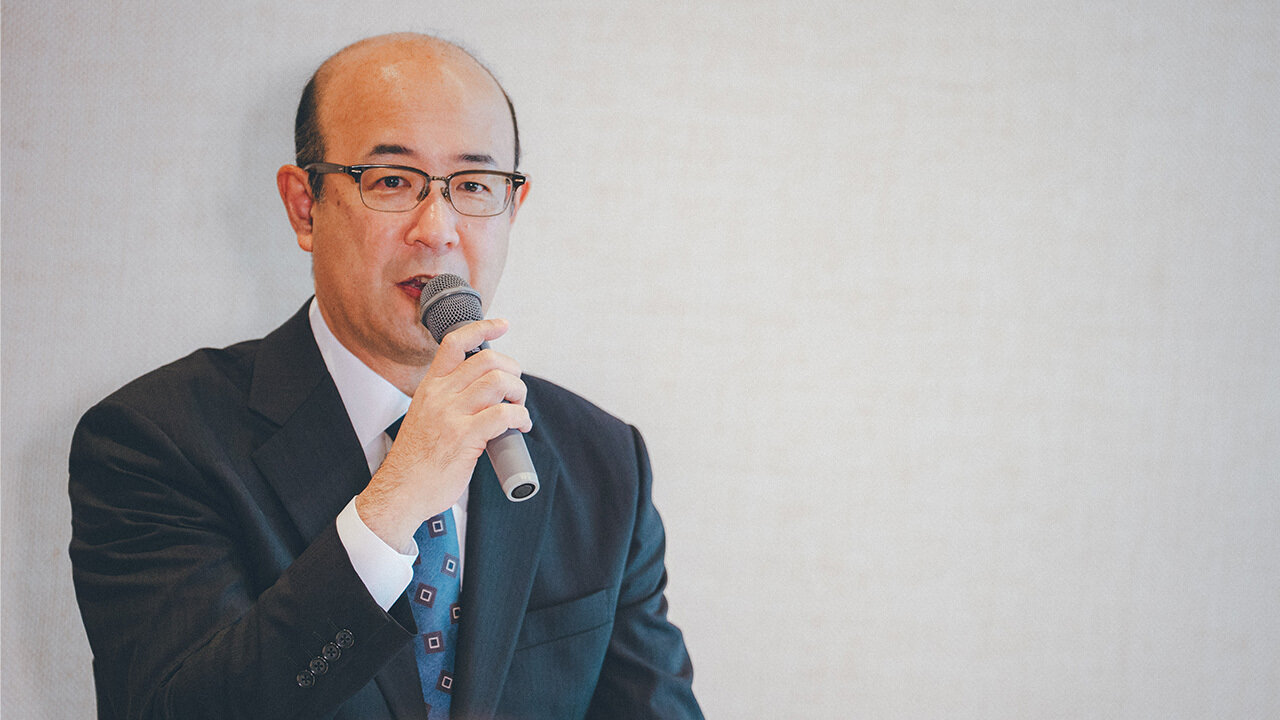
In his first media interview since taking office, President Kenta Kon reflects on what he has learned from visiting the genba over the past three and a half months, and the kind of leader he hopes to become.
I: What guides the president, what creates Toyota’s value
――Just over three months into your presidency, do you feel that your mindset has changed now that you are leading the company, in contrast to your time as an employee and executive? What kind of leader do you hope to be?
President Kon
I first began coming to Tateshina after becoming Akio Toyoda’s secretary in 2009. I remember talking with him about how incredible it was that an event like this has continued for so long, and that nearly all Toyota executives come here on July 17 and 18 each year.
I heard similar sentiments in other settings too. Visiting the Hoko Shrine at Toyota’s headquarters was another way of acknowledging that certain things, such as traffic accidents, are simply beyond our control.
Natural disasters are another example. Although such situations are entirely outside of our control, we must protect our employees, suppliers, and vehicles. I remember being told, “That’s why we do this.”
To put this another way, I came to understand that being a leader means doing whatever it takes to fulfill your responsibilities.
Now, together with my colleagues, I feel it is my turn to carry out these duties.
As for the kind of leader I want to be, I touched on this at the end of the shareholders’ meeting, although I struggled to convey what was on my mind. Having observed Chairman Akio Toyoda for all these years, his example serves as my guide. Of course, I am nowhere near being able to do everything he does, but I can distinctly remember how he would have handled or acted in certain situations, and I want to carry on in the same vein.
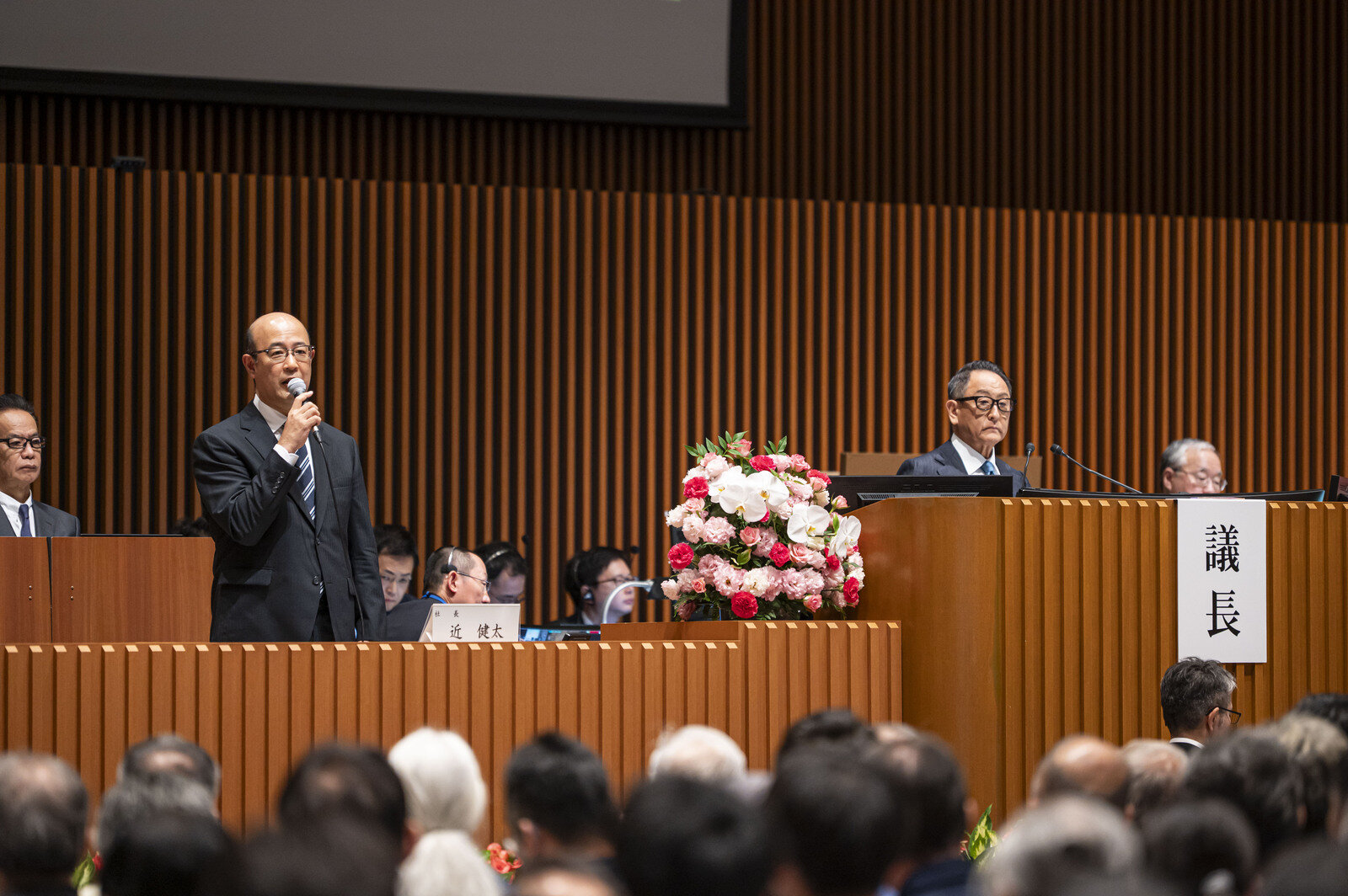
One lesson I learned is that when making a decision, you must picture the faces of those who will be most saddened by it, yet you still need to make the decision. We recently decided to relocate vehicle production, and in such situations, the first people we tell are the employees affected.
Employees should not learn about their own company through the media. Even if the information is incomplete and some points remain undecided, we must ensure that we tell our staff first. I remember Chairman Toyoda consistently doing that as president, and I intend to do the same.
――After becoming president, what was your first message to Toyota employees?
President Kon
Toyota held its entrance ceremony on April 1. That same morning, I delivered a 10-minute message to all our employees. I touched on various topics, but above all I emphasized that I want to visit the genba. I want to support the team members who are working hard to make improvements on the front lines, and to remove any obstacles standing in their way. That was one message that I particularly hoped to convey.
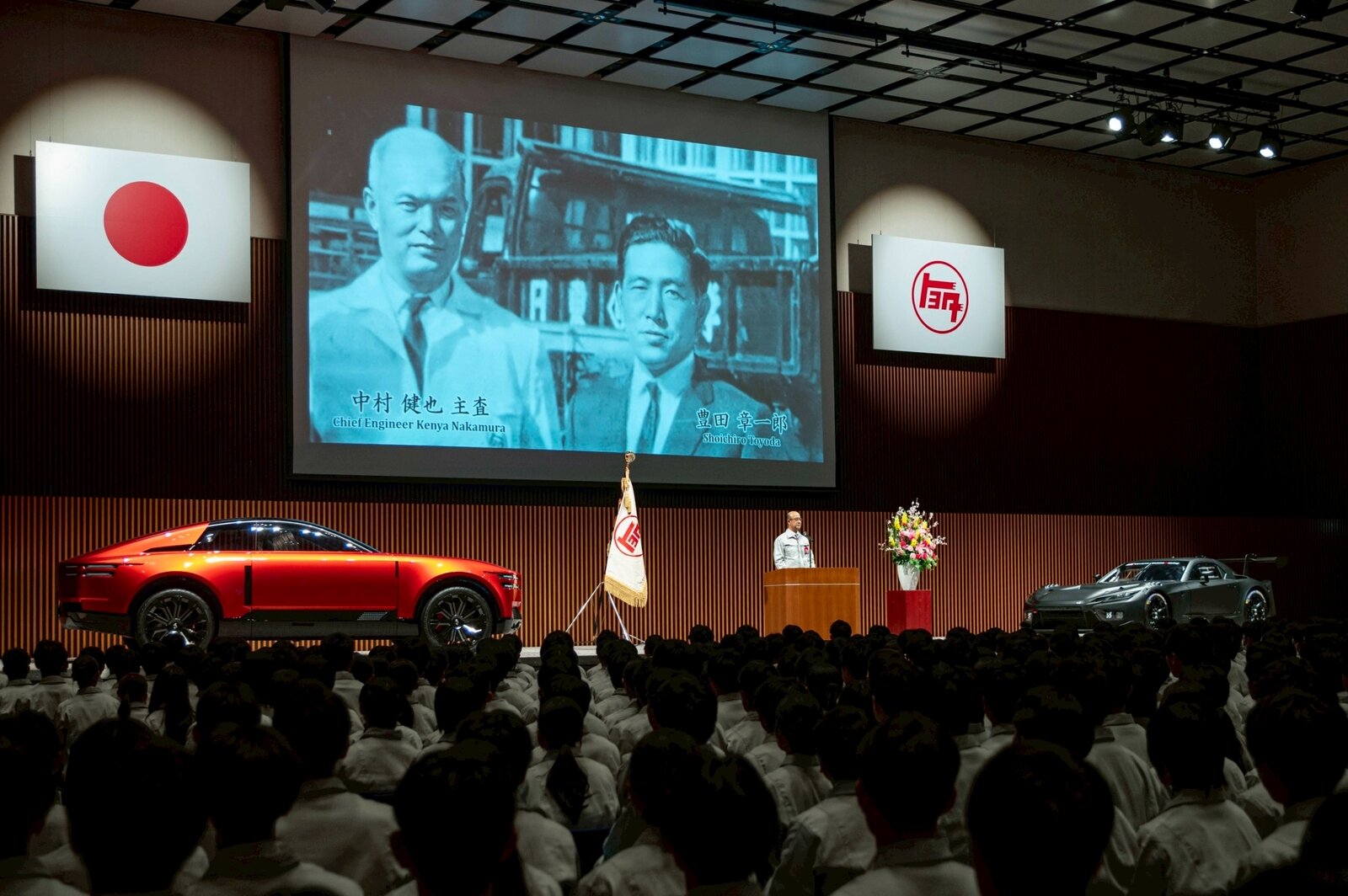
Of course, as a leader I must act as the driving force in many areas. That said, Toyota is home to 370,000 people globally, with 70,000 at Toyota Motor alone. Including suppliers, the auto industry in Japan employs some 5.5 million people, meaning that we must work together to support anyone who may be struggling in the genba. As I made clear to our employees, I do not want to compromise on this point.
――You stated that certain things must be done, “whatever it takes.” Having visited various genba, what do you feel is at the top of your to-do list? What does Toyota need?
President Kon
I believe the genba is where Toyota creates value and generates its earnings. What I need to do, therefore, is listen carefully to the concerns of team members on our front lines and make the necessary improvements.
That said, we have many colleagues who do not work in the genba. Take accounting, for example, where I spent much of my career. Their job is to handle the numbers, processing and analyzing the figures that come up from the genba and determining what they mean. This work is also important, but when accounting staff go to the genba, they too come up with many ideas of their own.
What you see in the genba is far more powerful than data viewed in the office at headquarters, and when Toyota accountants are exposed to that energy, they become even more driven to make improvements.
This is one of the strengths of the genba. I want to give these team members the opportunity to visit the front lines—at Toyota, at our suppliers, at our prototyping sites—to take ownership of the situation and personally work to reduce costs. What I need to do right now is to facilitate that process.
――Are you envisioning something like personnel exchanges?
President Kon
There are various possibilities, which of course include personnel exchanges, as well as assignments to suppliers. It may also be a case of taking the reported information back to the genba and observing how things operate to figure out where those numbers came from. We have many different options.
In one case previously shared at our labor-management discussions, accounting team members who visited the genba were astonished to learn how much trouble was involved in creating invoices. “We had no idea,” they told us. Going to the genba gave them new insights—“We could try it this way,” “This would make things easier,” or “This data isn’t actually needed”—and they could think through solutions together with the frontline members. This is another potential scenario. We currently also have employees being seconded to suppliers, so there are various possibilities.
――Is the idea to bring headquarters and the genba closer together?
President Kon
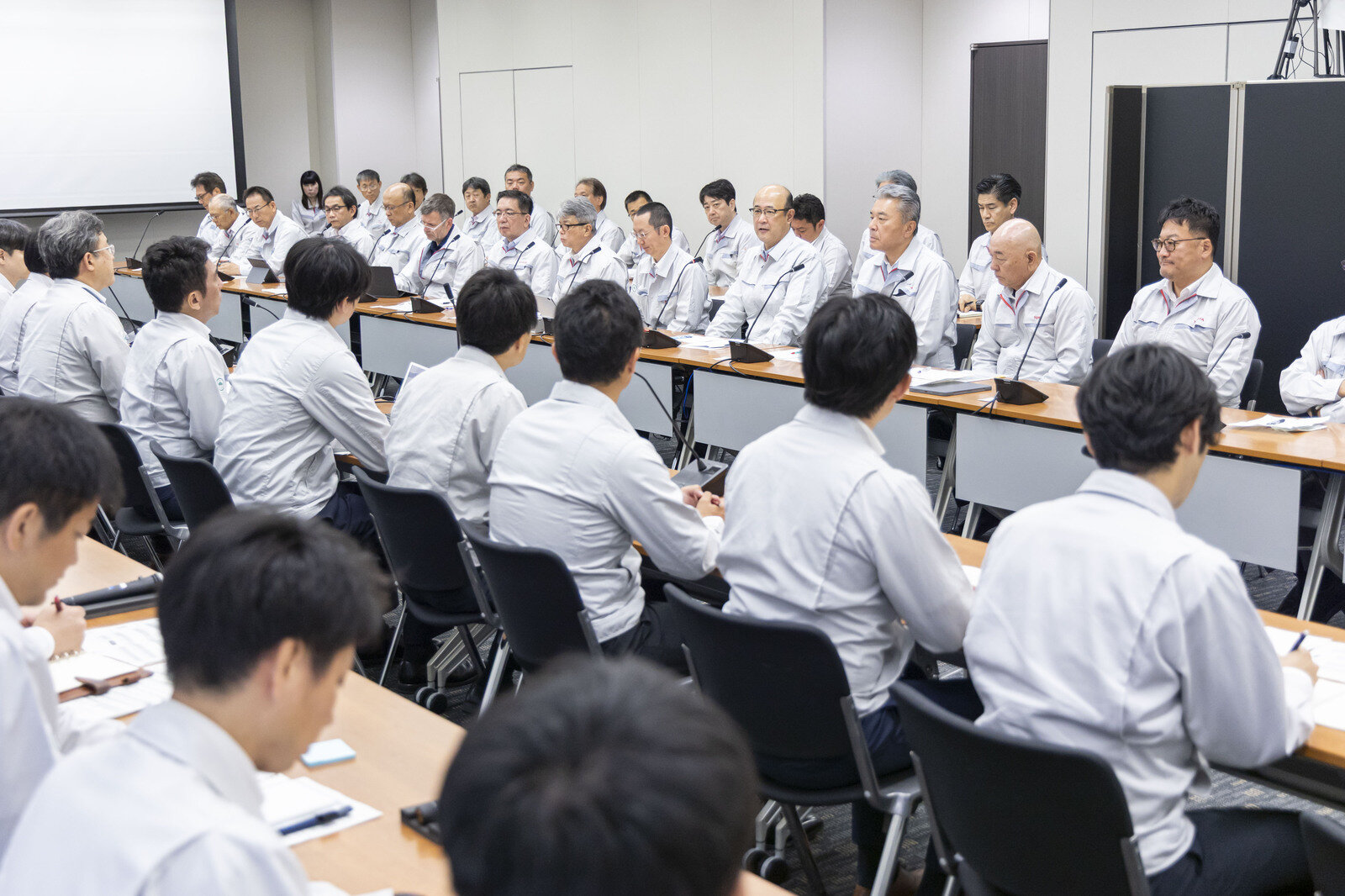
Certain tasks, such as financial reporting, have to be done at headquarters—I don’t think there’s any way around that. But to understand what the figures in your reports really mean, you need to visit the genba. In that sense, as you suggest, I think we should narrow the gap between headquarters and the genba, and place our team members in closer proximity to the front lines.