



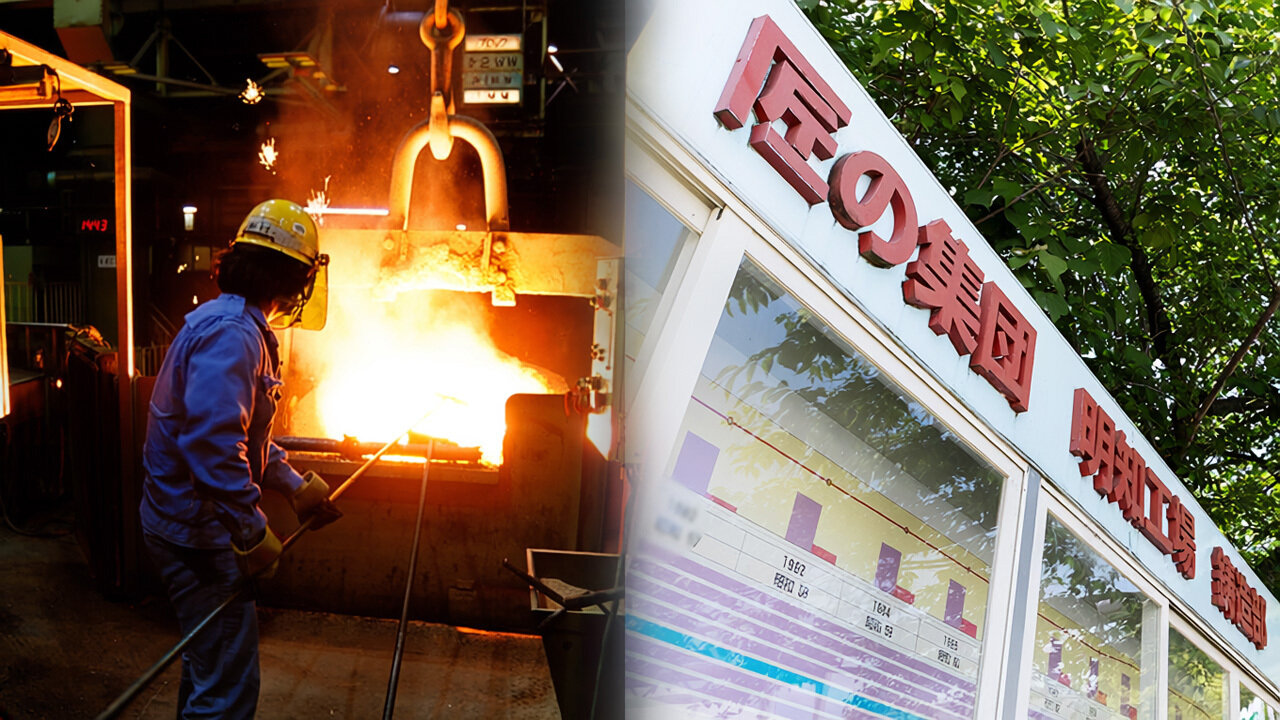
Toyota's Plants: Inheritance & Evolution explores the past and future of Toyota's production sites. This edition traces the history of the Myochi Plant, where more than 50 years of cast iron production came to an end in 2025.
A Casting Plant Born During Japan’s Motorization Boom
Toyota established its casting plant amid the farmland of Miyoshi City, Aichi, in 1973. This was the era of Japan’s rapid motorization, even as pollution became a pressing social issue.
At Toyota Motor, the production of cast parts began with the Honsha Plant, which opened its doors in 1938. However, as demand for automobiles soared in the second half of the 1960s, securing a stable supply of such parts presented a major challenge for management. At the same time, the Honsha Plant’s foundry facilities were increasingly showing their age.
Casting involves pouring molten metal into molds made of sand, which are then broken apart to remove the finished product once it solidifies. Breaking molds and cleaning residue from parts tends to stir up fine sand and dust, and dealing with these particles is an inescapable task for foundries.
By 1970, industrial pollution had become a major issue in Japanese society, prompting sweeping changes to environmental regulations. As Toyota prepared to build a new casting plant, addressing pollution was a central priority.
In March 1971, Toyota acquired land from Aichi Prefecture in the town of Miyoshi; developed for industrial use, it would serve as the site for the company’s new casting facility. That May, a committee was established to steer the construction of the Myochi Plant. The following month, Toyota signed a pollution prevention agreement with the town, and broke ground with the aim of building a “pollution-free” factory. From the outset, Toyota’s seventh plant was built on a promise to the local community: a factory that would generate neither dust nor noise.
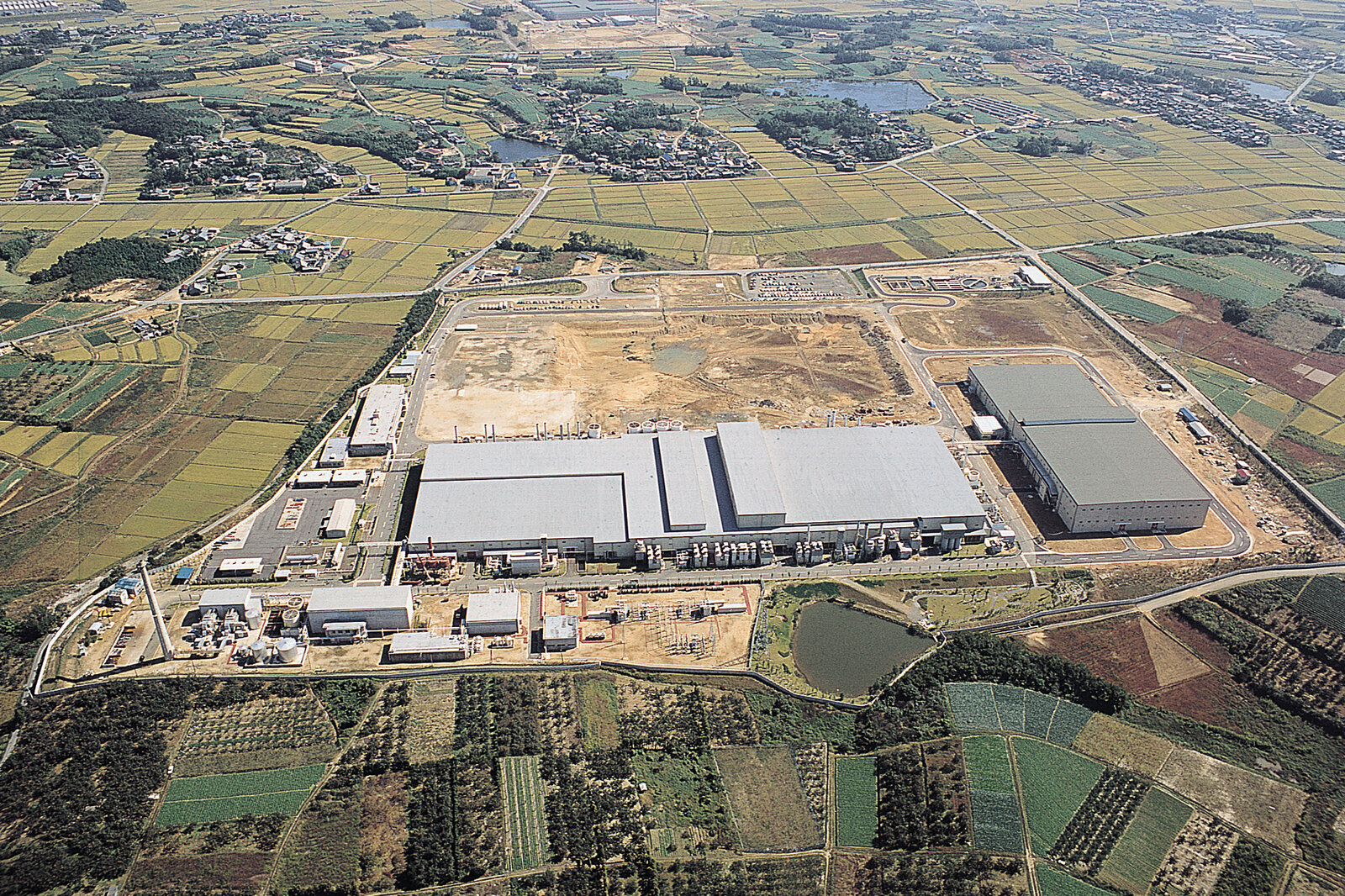
With the power supply system completed in February 1973, followed by the No. 1 casting plant in June, the Myochi Plant began operations. The plant’s design was centered around three principles: a good working environment, thorough pollution controls, and high productivity. Toyota’s mission for Myochi was to create an entirely new kind of casting plant, a trailblazing facility that anticipated the future to come.
Toyota’s first flat-roofed, windowless plant
At the time, foundries typically featured sawtooth roofs with upper windows. Myochi broke with this convention, becoming Toyota’s first flat-roofed, windowless plant, designed to prevent dust from escaping into the surrounding environment.
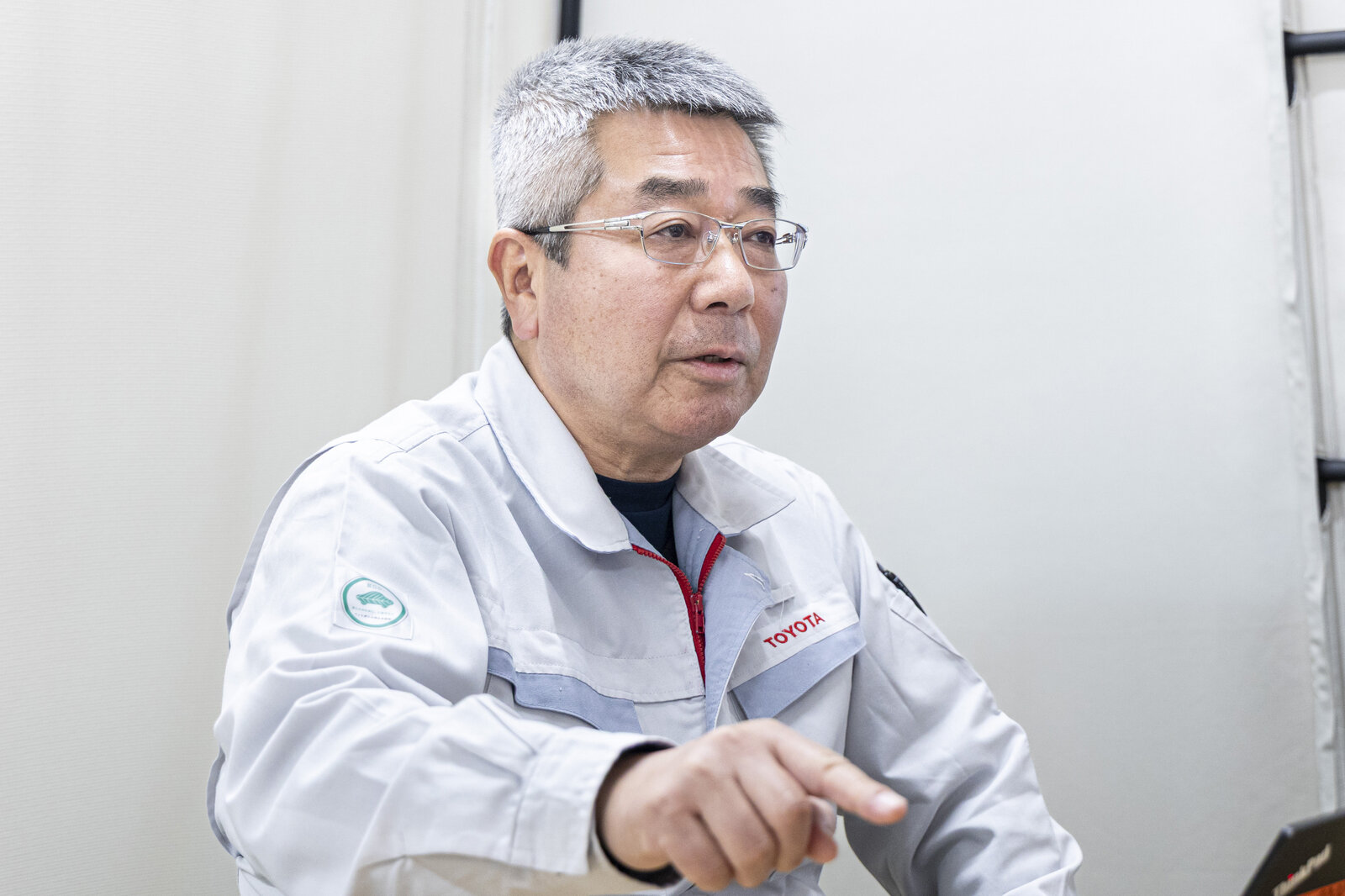
Hisashi Hata, who joined the company in 1982, worked on maintaining and improving environmental equipment in the plant’s foundry and administration divisions, and later contributed to obtaining ISO certification as part of what is now the Plant & Environmental Engineering Division. He explains the Myochi Plant’s innovative approach.
Hisashi Hata, Plant & Environmental Engineering Division
The ventilation system was designed to prevent dust emissions by filtering everything through dust extractors before releasing the air outside. Similarly, instead of conventional localized air conditioning, the plant used a coordinated system for the entire building, which was rare at the time.
With centralized dust and odor extractors, and negative pressure maintained throughout its buildings, the Myochi Plant was designed to prevent dust from escaping even when the doors were opened.
Becoming a world-class casting plant
Following the start of operations in 1973, Myochi expanded rapidly. The No. 2 casting plant was completed in 1977, adding capacity for cylinder blocks and smaller cast iron components. This expansion allowed the Honsha Plant's foundry to close in February of that year. In July 1981, the No. 3 casting plant began operations, boosting production capacity for aluminum cylinder heads.
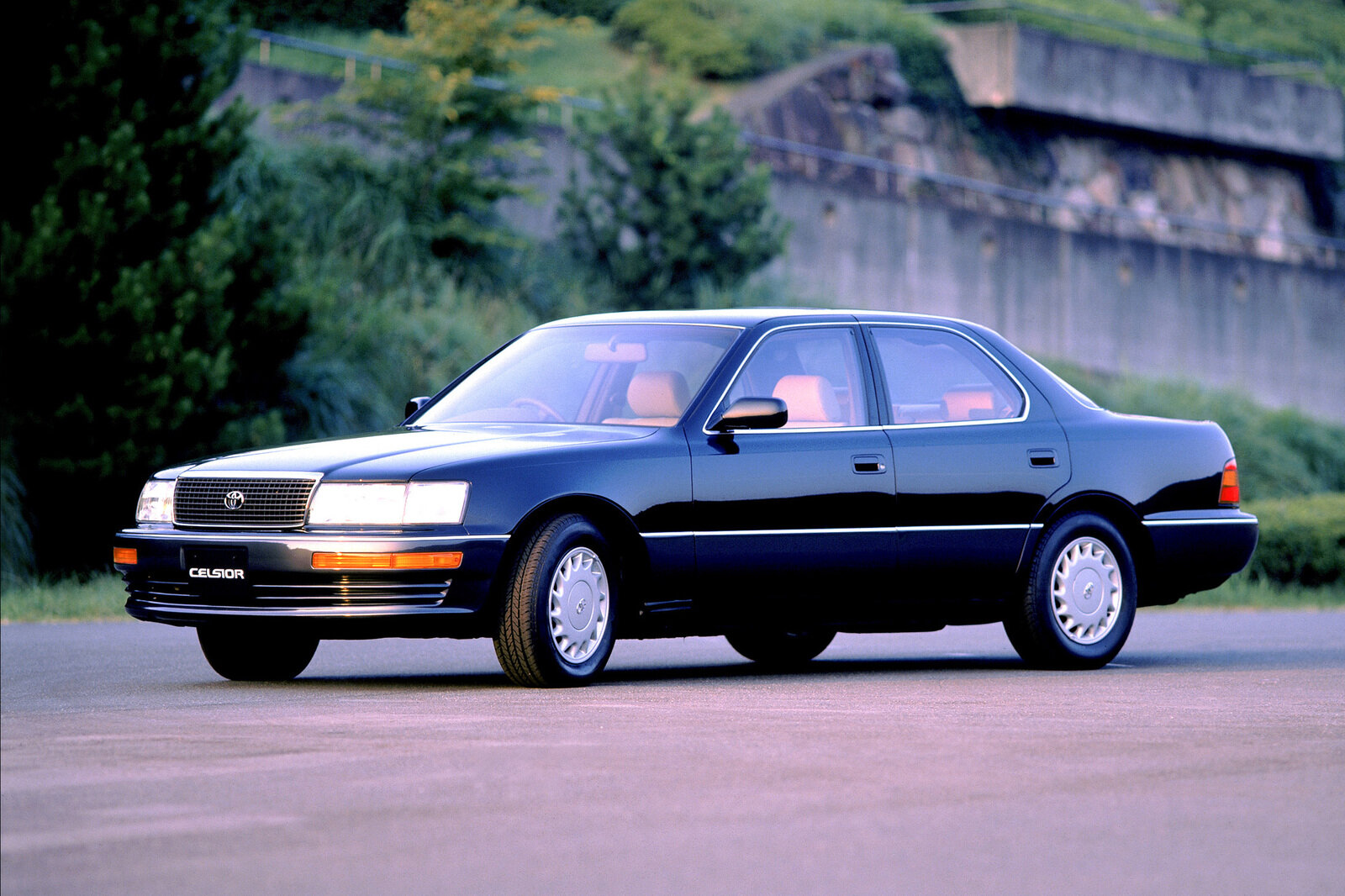
In 1989, the groundbreaking ceremony was held for a new machining plant. Its first lines started up the following year, and the entire facility was completed by 1992. With machining and assembly lines for components including Celsior steering columns and axles for the Crown Majesta and Mark II, Myochi began to cement its place among Toyota’s leading unit plants.
Shigeru Murai joined Toyota in 1977 and later went on to head the plant’s Foundry Division. He recalls the Myochi Plant in its heyday.
Shigeru Murai, Former Head of Foundry Division
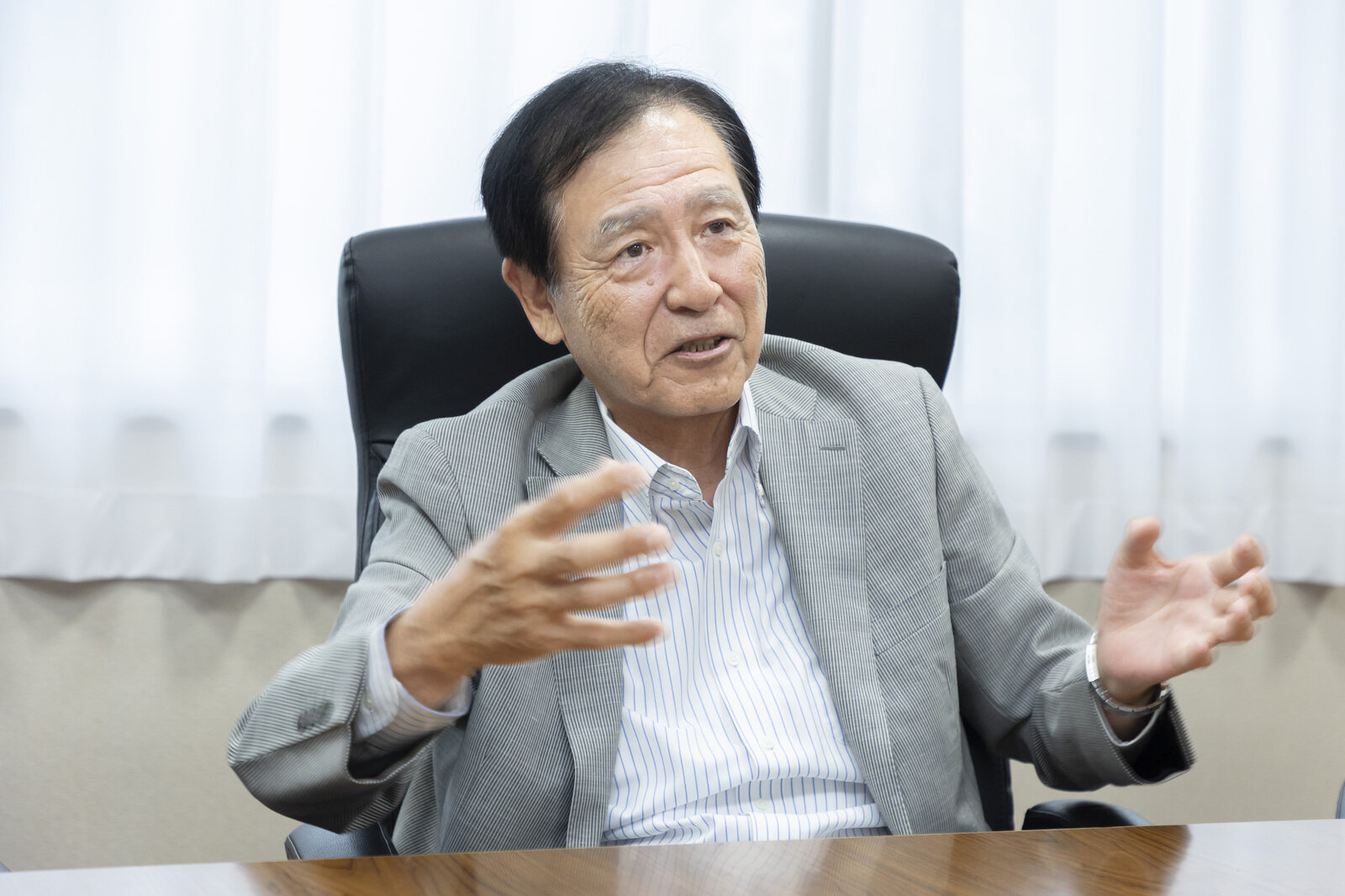
This was around 1990, when we were one of the world’s largest casting plants with an output of 13,000 tonnes per month, producing cylinder blocks, differential cases, and other components both large and small. In those days the entire plant was buzzing with energy.
One of the men working under Murai in the Foundry Division was former section manager Katsuei Koyanagi. After entering the company in 1975, Koyanagi dedicated his entire career to casting. He also speaks to the scale of those operations.
Katsuei Koyanagi, Former Foundry Section Manager
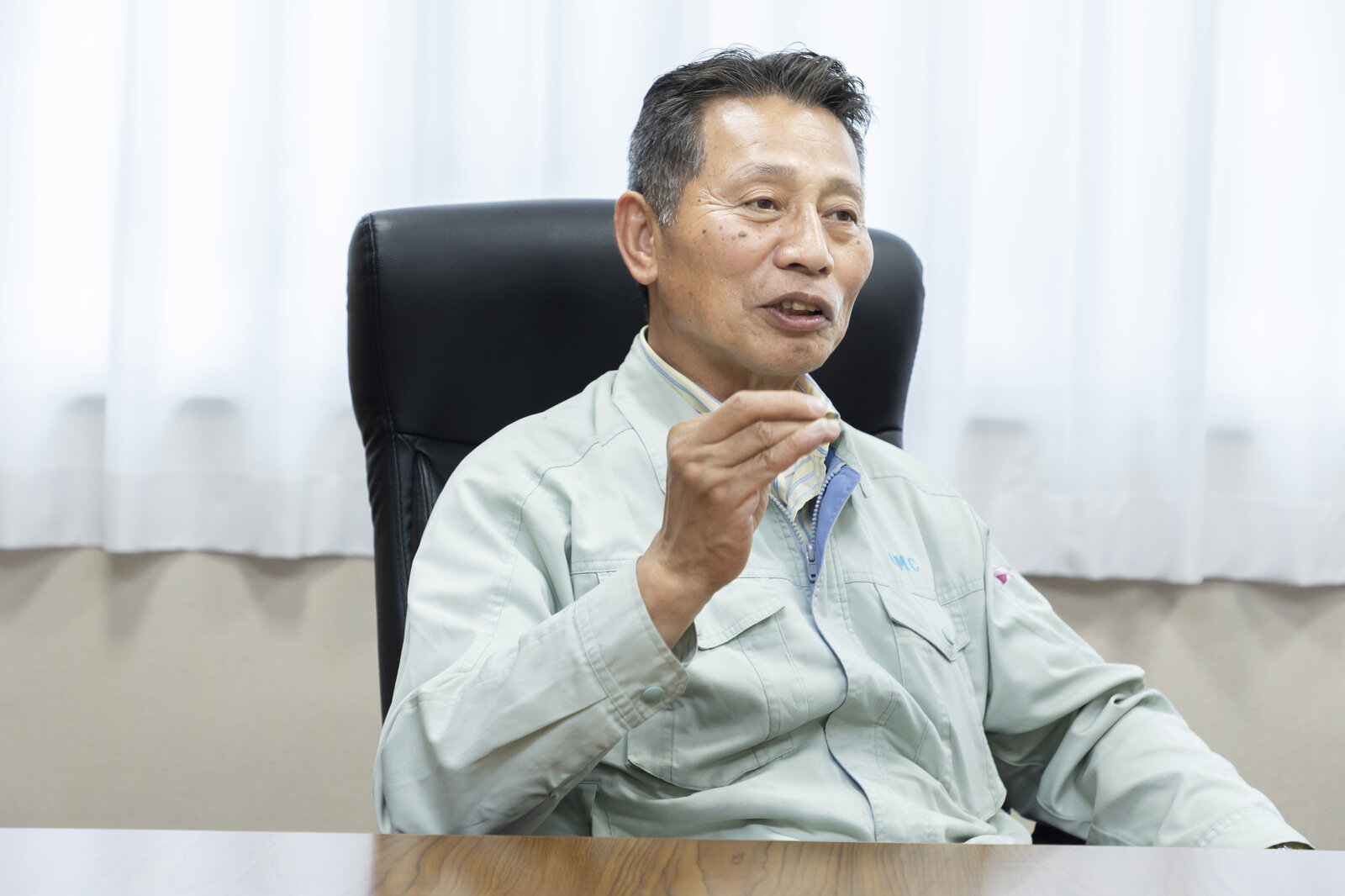
When I began working at the Myochi Plant, it consisted of only the No. 1 casting plant. By the time we reached our peak, we were running a total of nine cast iron production lines, four in No. 1 and five in the No. 2 casting plant. It was impressive to see how far the plant had come.
Despite its ambition to be a “pollution-free” factory, dust extraction technology at the time had its limits. Working conditions inside the foundry were far harsher than they are today. Kazuaki Takahashi, now the plant’s general manager, joined Toyota in 1990 and was assigned to Myochi. He recalls his first impressions.
Kazuaki Takahashi, Plant General Manager
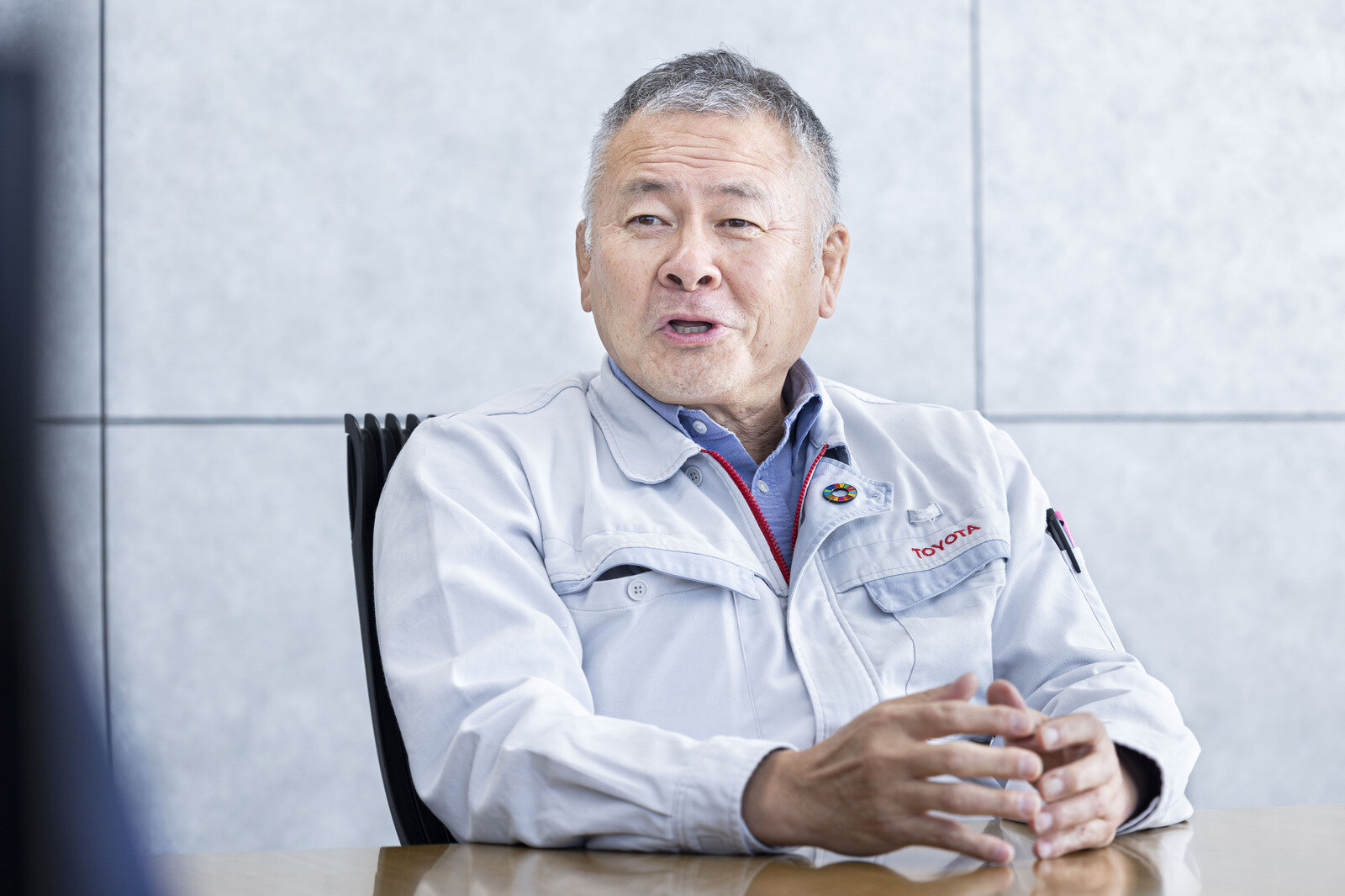
Joining the company straight out of university, I was honestly shocked by the conditions at the Myochi Plant foundry. The inside of your nose would turn pitch black, and your hair stiff and gritty. I thought anyone working in this place was incredible.
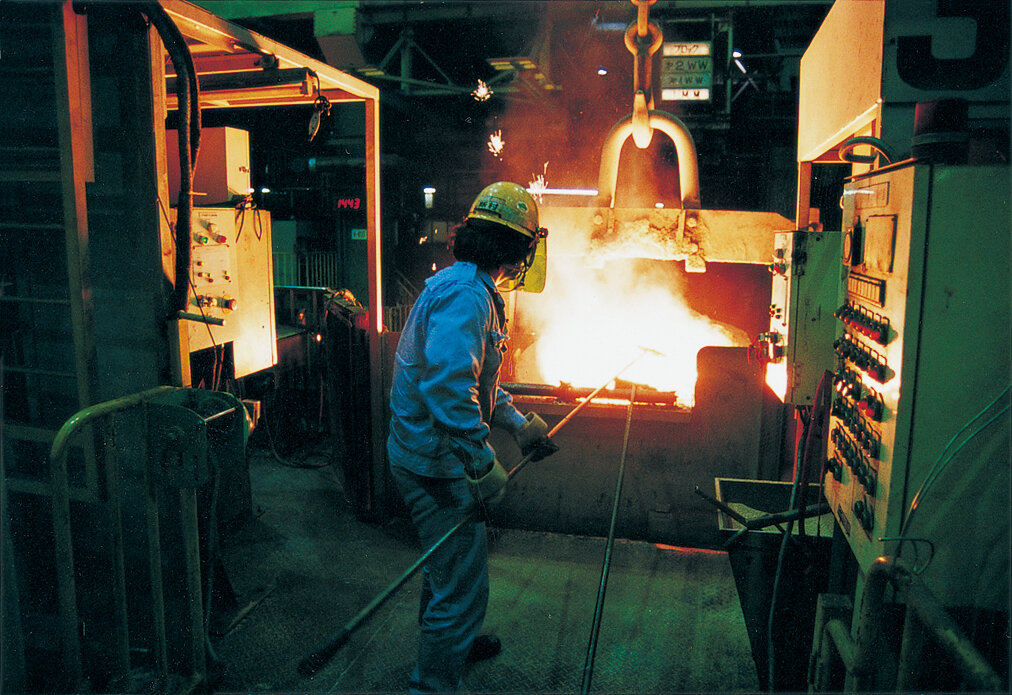
Back then, the casting process involved manually raking the slag from a 1,400ºC melting furnace. Using metal rods to scrape away impurities, those tasked with this grueling work would be drenched in sweat during the summer. As well as staying hydrated, genba staff relied on salt and pickled plums to replenish salt levels.
In an age when safety systems were not as rigorous as they are today, teams were also particularly strict on safety. Plant General Manager Takahashi recalls that senior colleagues would come down hard on even the slightest moments of carelessness, but adds, “Strangely enough, handling molten iron at 1,400ºC leads to very warm camaraderie in the workplace. Even thinking back now, I can remember how well we looked out for each other.”
The "Maskless" Push
One of the biggest turning points in Myochi’s history came in 1998, when the plant launched a three-year initiative to tackle dust at its source and create a “maskless” working environment.
The cylinder block manufacturing process includes a step known as “shot blasting,” in which small steel pellets are fired at freshly cast parts in order to remove any sand residue left by the mold. To keep the steel shot and sand from spreading, the equipment was enclosed in a sealed structure. As Murai and Koyanagi recall, however, this arrangement ironically created new problems.
“Enclosing the space meant that you couldn’t see inside. People worked surrounded by piles of sand, the equipment wore out, and we had frequent problems. It was very hard on the genba personnel.” (Murai)
“Inside, the enclosed space was really dirty. Piles of sand, spilled shot pellets scattered around. There was a pit that went about 6 meters into the ground, and even that was a mound of sand and shot pellets. It was like a desert.” (Koyanagi)
This space became a “back alley,” hidden from view and proper safety oversight, where managers would not even notice if guardrails had been removed.
After witnessing this situation for himself, Murai made the call: “Let’s get rid of the enclosure.” With that, the plant embarked on a new initiative based on the efforts of a genba-led quality control (QC) circle, seeking to go “maskless” by creating a work environment where even dust masks were no longer necessary.
The initiative was pursued as a three-year project, with the first year devoted to thorough cleaning by hand. Every member of the Foundry Division pitched in, getting covered in sand and sweat as they scrubbed even the normally no-go areas behind each piece of equipment. In the second year, they turned to tackling the actual sources of dust. Unable to secure an adequate budget for the project, frontline personnel came up with clever solutions.
Murai
This was right around the time that corrugated plastic first appeared. We cut it up with utility knives to build chutes and covers to prevent dust from spreading around the plant. If these proved effective, we upgraded them to permanent fixtures made from steel plates and other materials.
In year three, the team moved swiftly to implement comprehensive, permanent measures. One standout idea that originated on the production floor was to install dust extractors and ducts directly onto the crane that transported molten iron. Using ceiling extractors to collect dust scattered around the entire plant could never result in a space clean enough to eliminate the need for masks. The only way to do that was to stop the dust from spreading in the first place—that is, to tackle the problem at its source.
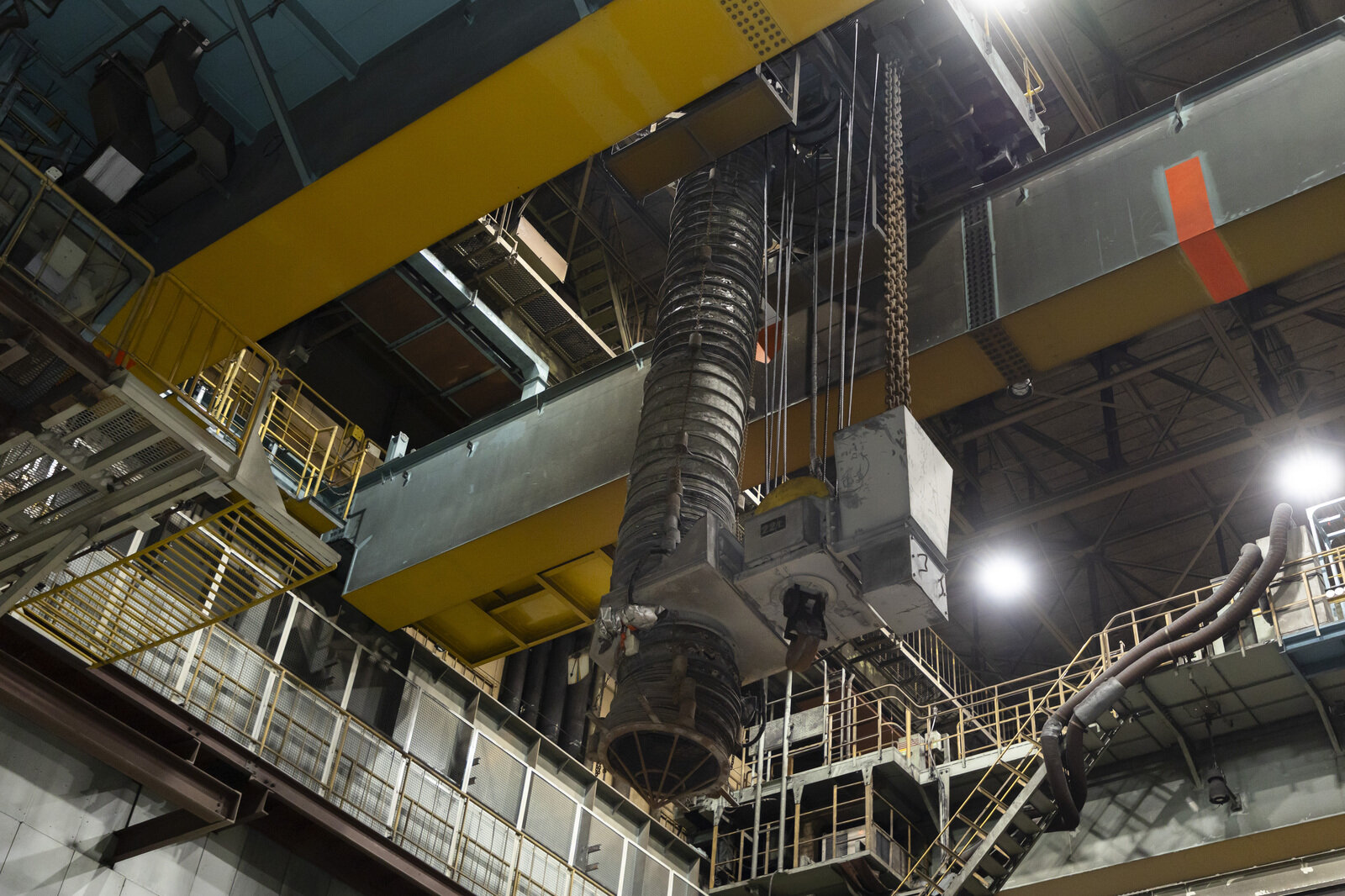
This invention received the Director-General’s Award from the Ministry of Economy, Trade and Industry. The initiative itself was driven by the philosophy of respect for people that lies at the heart of the Toyota Production System. “Humans have minds that can figure out solutions, and the people working in the genba understand the problems better than anyone. They know what needs to be done. We have to harness that wisdom—that’s what makes the genba stronger,” Murai recalls.
Murai laid out “Three Guidelines for a Pleasant Workplace,” which were enforced as strictly as any work orders: “If in doubt, stop the line,” “Return items after use,” and “Use designated walkways and wear protective gear correctly.”
The first of these, “stop the line,” meant that workers should not hesitate to halt a production line if a problem arose. This principle continues to be passed down among younger generations of Myochi staff today, long after the casting lines themselves were shut down.
By the end of 2001, dust concentrations had fallen below 0.2 mg/m³, essentially making the maskless workplace a reality. At this concentration level, collecting all of the dust in a space roughly the size of a school gymnasium (approximately 5,000 m³) would yield no more than the weight of a single 1-yen coin. Set against the standards of the time, this was an exceptionally low figure.