



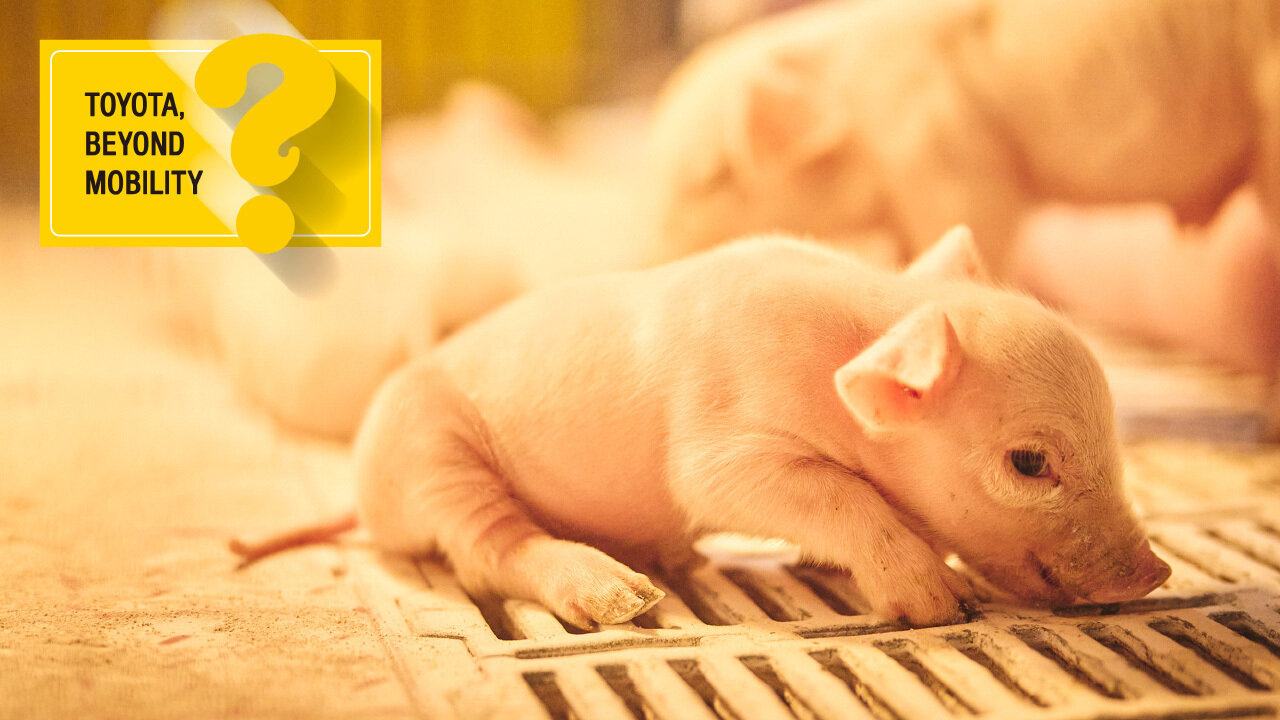
This is an ongoing series showcasing Toyota's activities in non-automotive fields. This time, we turn to pig farming...
What do cars and pigs have in common?
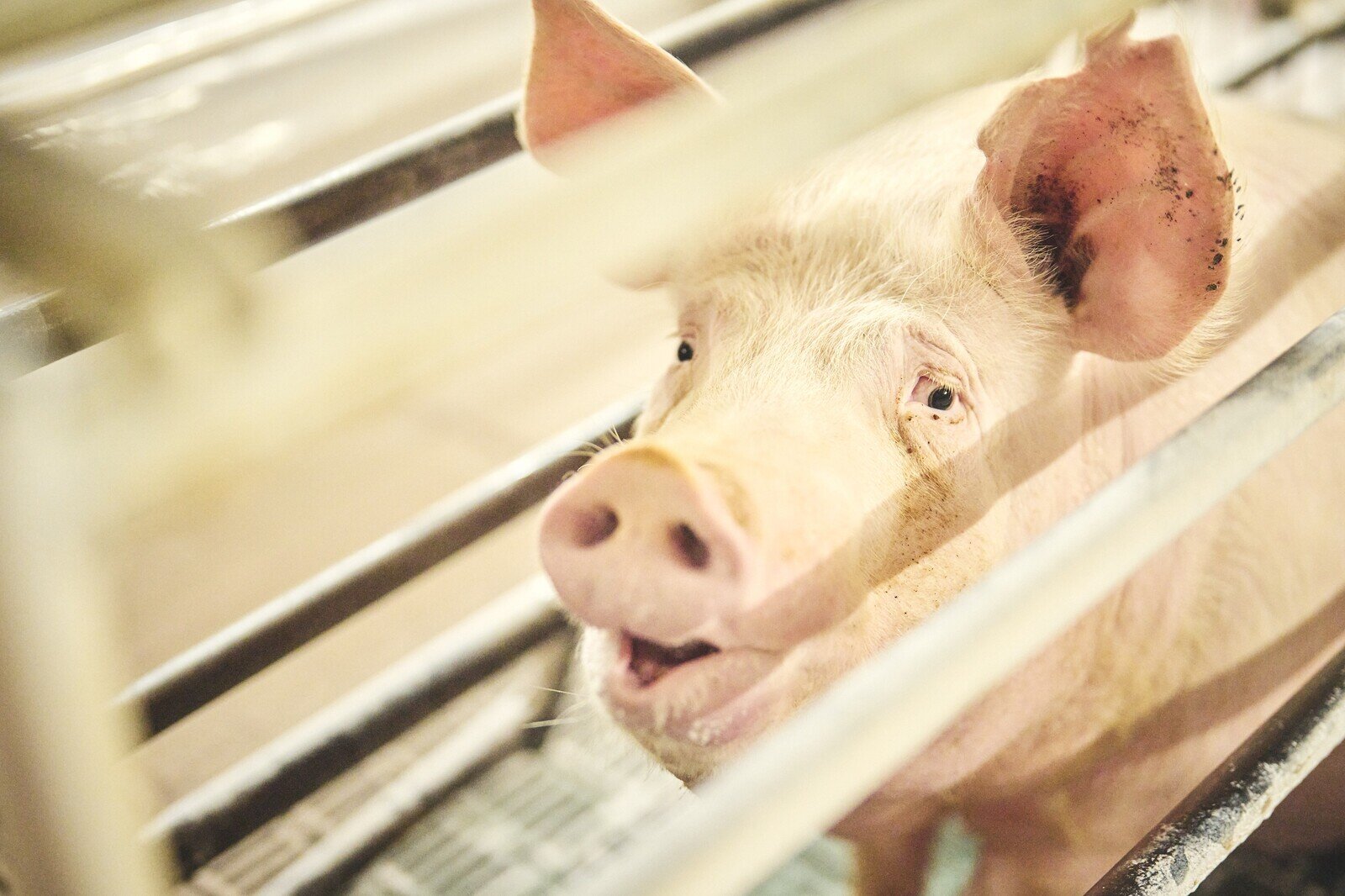
While it may be hard to see any connections between the two, they do share one trait: like carmaking, pig farming is a process with many steps.
In Kagoshima Prefecture, Japan’s top pork-producing region, a Toyota team has taken up the challenge of bringing auto industry kaizen to the livestock sector. These improvements can benefit all kinds of jobs, so make sure to read on!
What’s a car company doing here?
In recent years, the livestock industry has been operating in an increasingly challenging environment, facing soaring material costs, labor shortages, and infectious diseases.
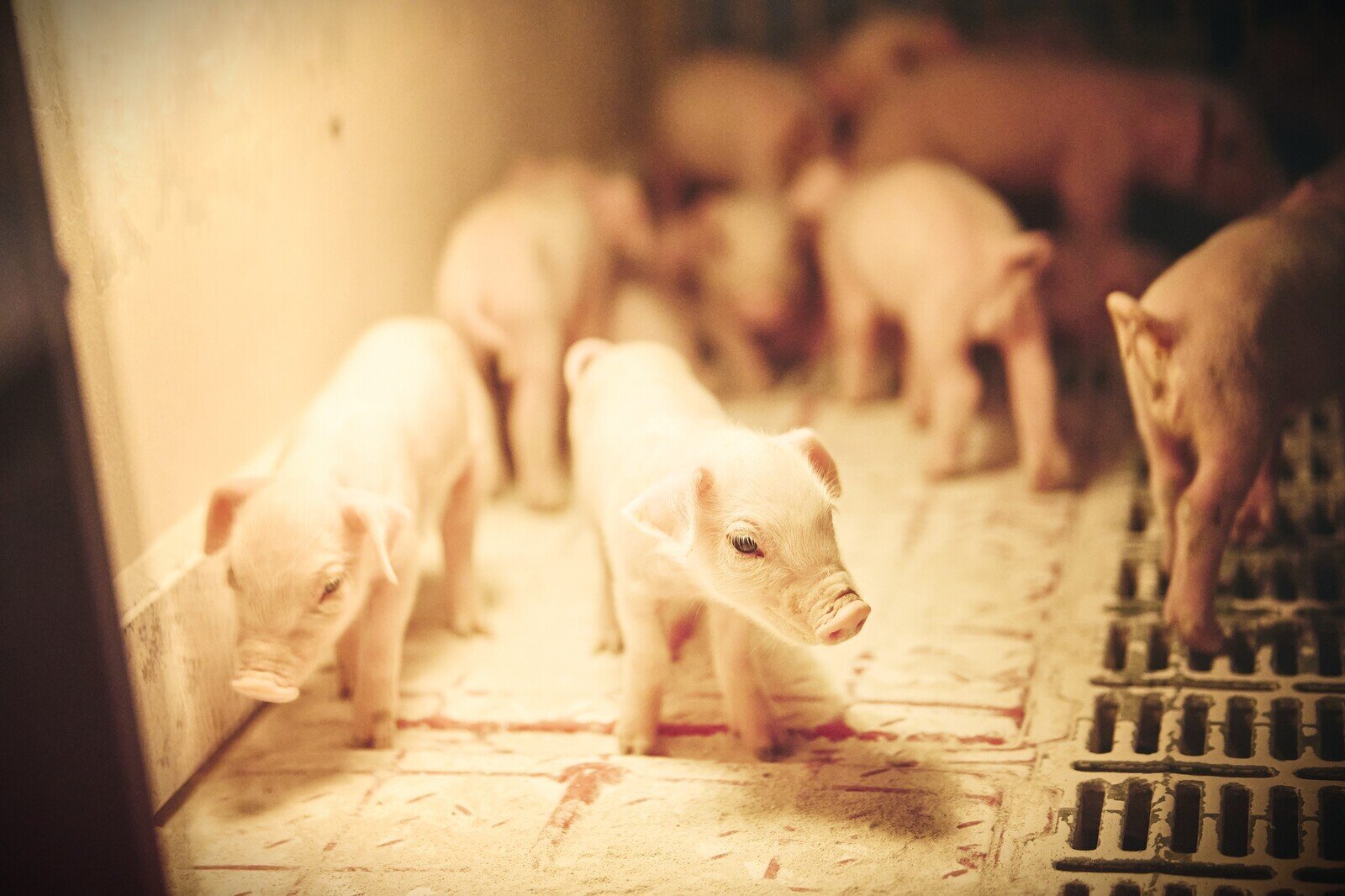
Pigs also don’t do well in hot weather, making them vulnerable to Japan’s soaring summer temperatures. What’s more, much of the work is physically demanding, while the sector is aging rapidly...
Given all these factors, the Toyota Production System (TPS) offers a crucial way to lighten workloads and boost production efficiency.
Kohei Nishimura, Japan Agriculture (JA) Kagoshima Prefectural Economic Federation of Agricultural Co-operatives
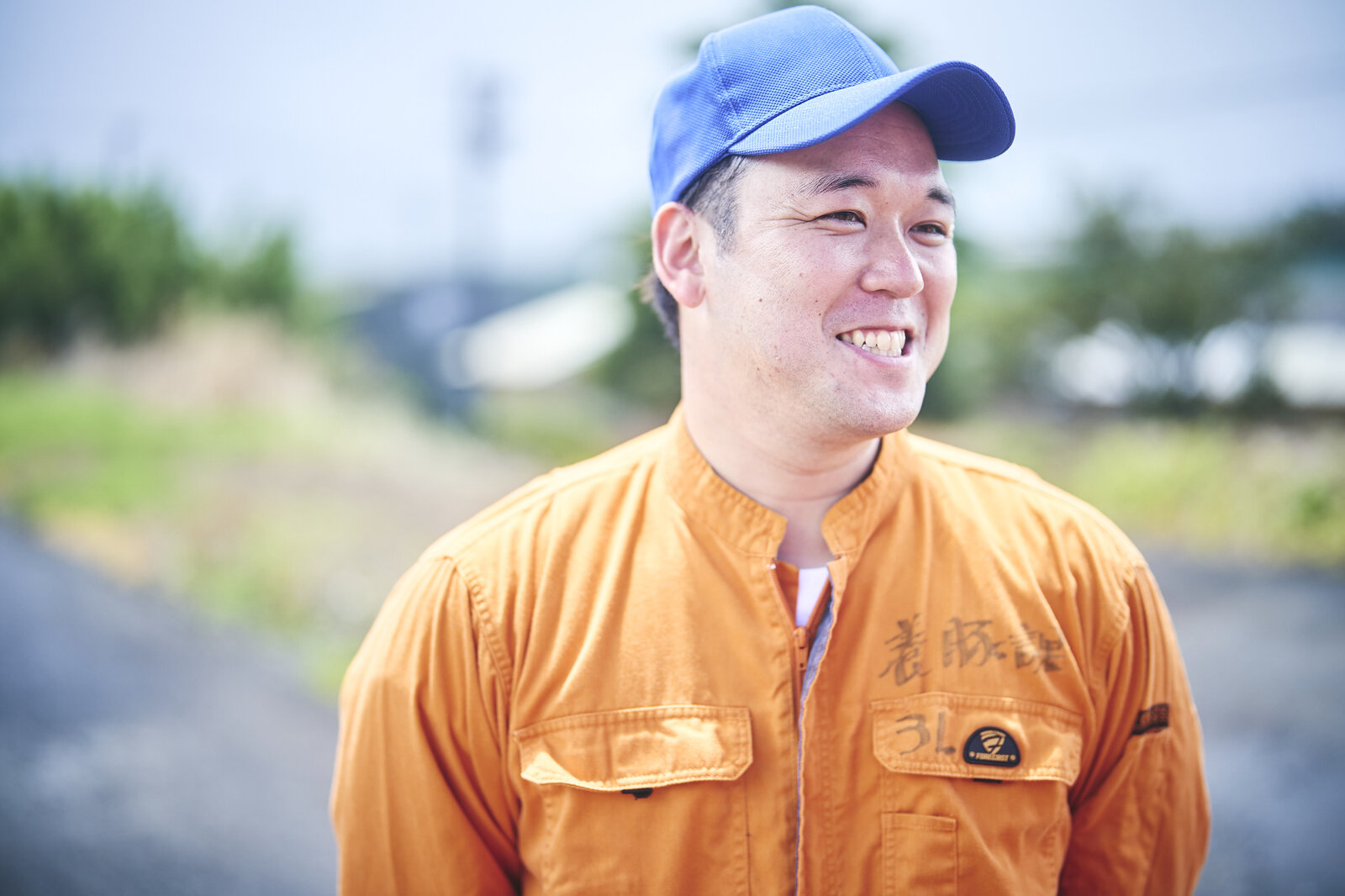
In many aspects, the livestock industry still relies on individual instincts and intuition, the old “watch and learn” approach. But given the looming labor shortages, it’s crucial that we make the work something anyone can do.
That said, the veteran workers each have their own ways of doing things. We figured that Toyota would be able to offer an objective view and help clear away these ingrained ideas. Although, I think they had a hard time at first understanding us with the thick Kagoshima accents (laughs).
Nishimura is passionate about his mission of protecting local industries. On the ground, however, change takes time. He tells us that, initially, the response was largely, “What’s a car company doing here?” and “There’s no need to change what we’re doing at this point...”
Koji Kawate has spent many years assembling models such as the Corolla Ⅱ and the Fun Cargo at Toyota’s plants, while also gaining experience in kaizen-related duties. Today, he is part of a department that seeks to boost agricultural productivity by applying production management techniques and process improvement expertise.
Koji Kawate, Senior Expert, Agriculture & Biotechnology Business Dept.
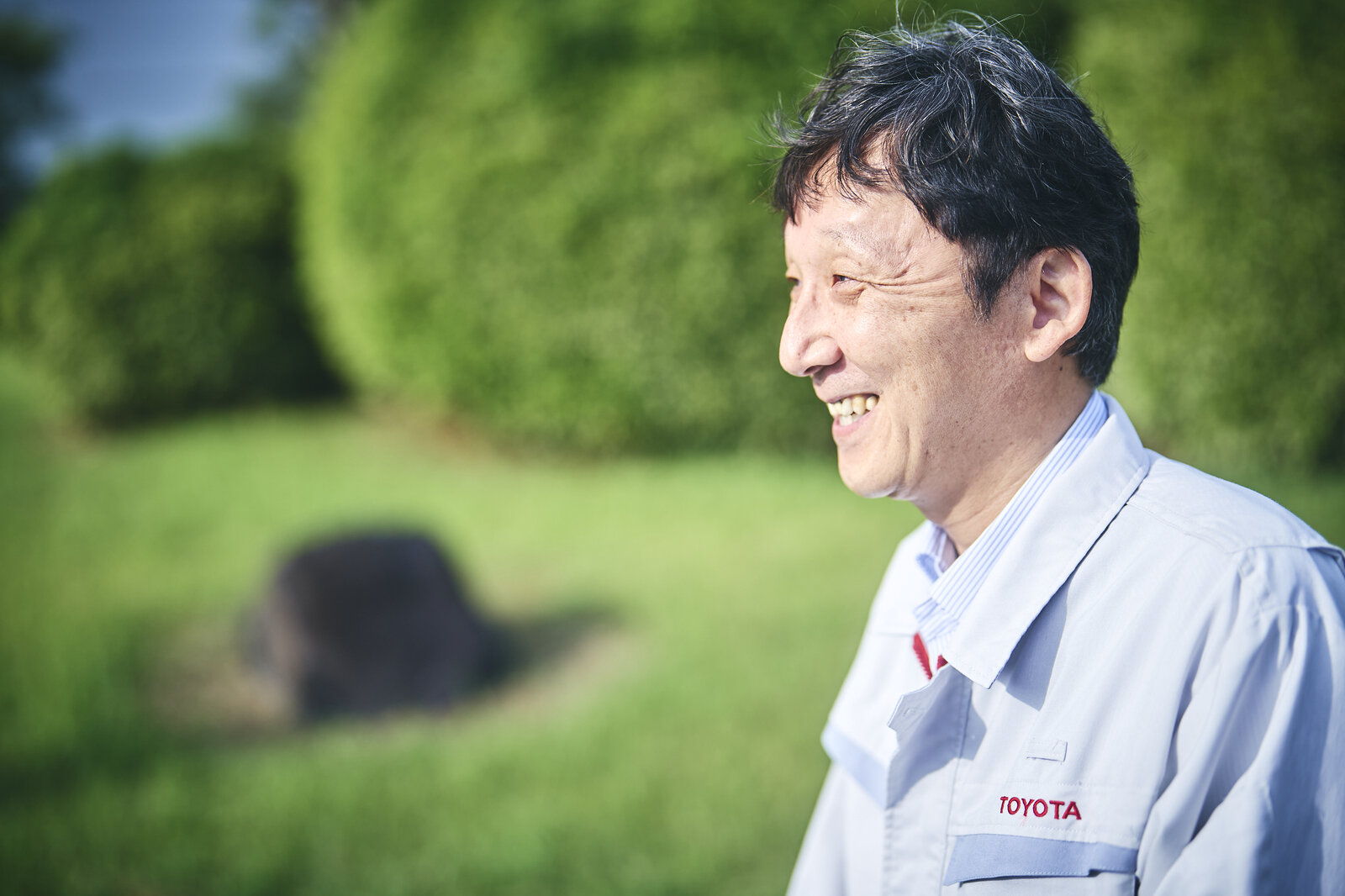
In the beginning, when I asked, “Why are you doing this?” the reply was often, “That’s what we’ve always done!”
But at Toyota, we want to help farmers solve their problems through TPS. We believe this benefits communities, and if it gives young people a sense of hope for the future, it can also help to revitalize agriculture.
The team’s concrete kaizen efforts are outlined below, showing how even the smallest improvements can have an astonishing impact.
Saving time with organized storage
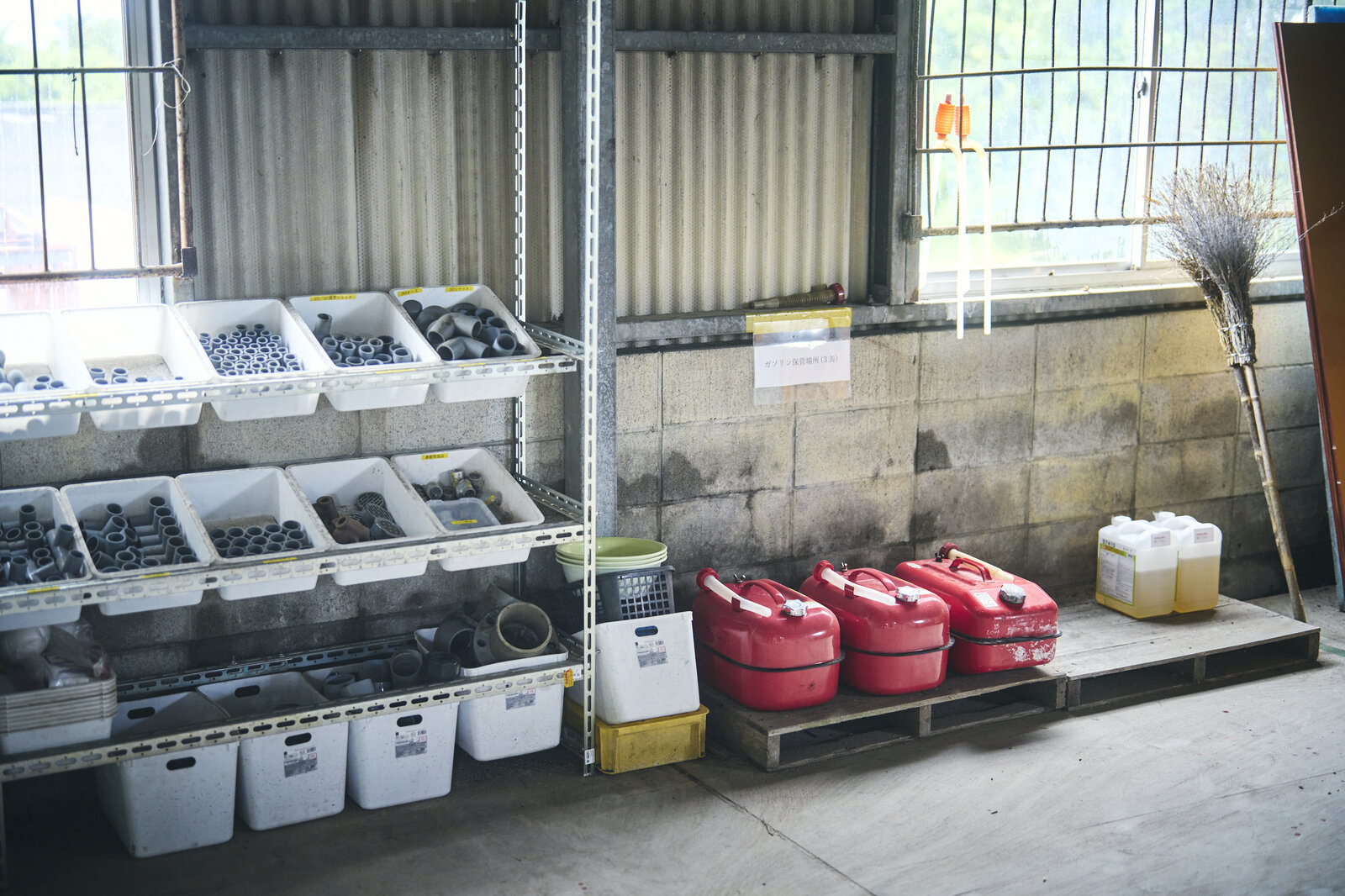
Setting a specific place for each item freed up 4.5 hours a month of wasted searching time. The process also helped identify unnecessary things that had been kept “just in case,” and reduced the risk of items being lost.
A single partition improves safety and saves time
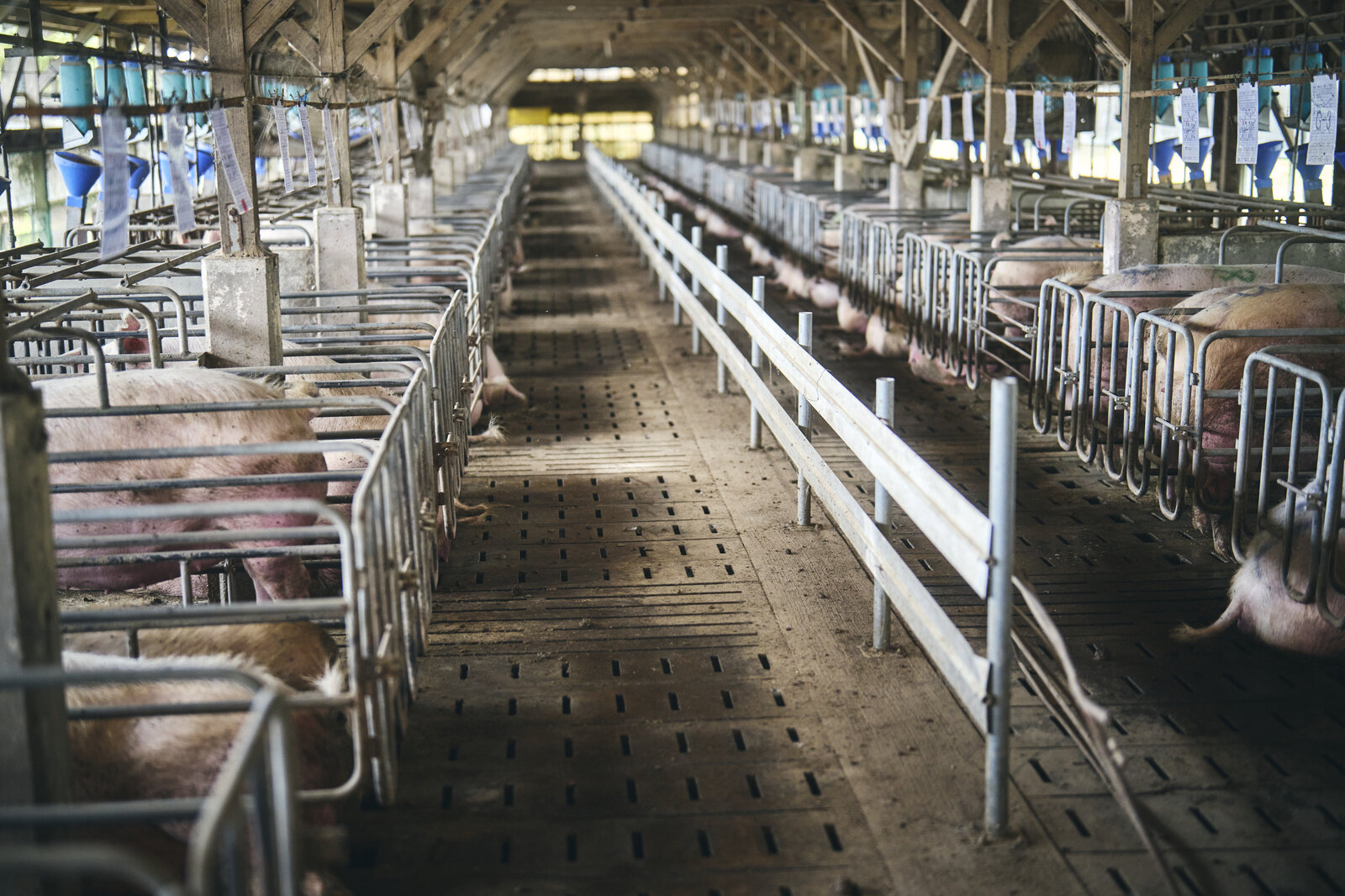
After a partition was built down the middle of this wide walkway, the 200-kg pigs naturally moved in orderly lines without any fuss. Besides lowering the risk of injury to workers, this slashed transfer time by 34%. The power of kaizen!
All-in-one tool cart makes work easier
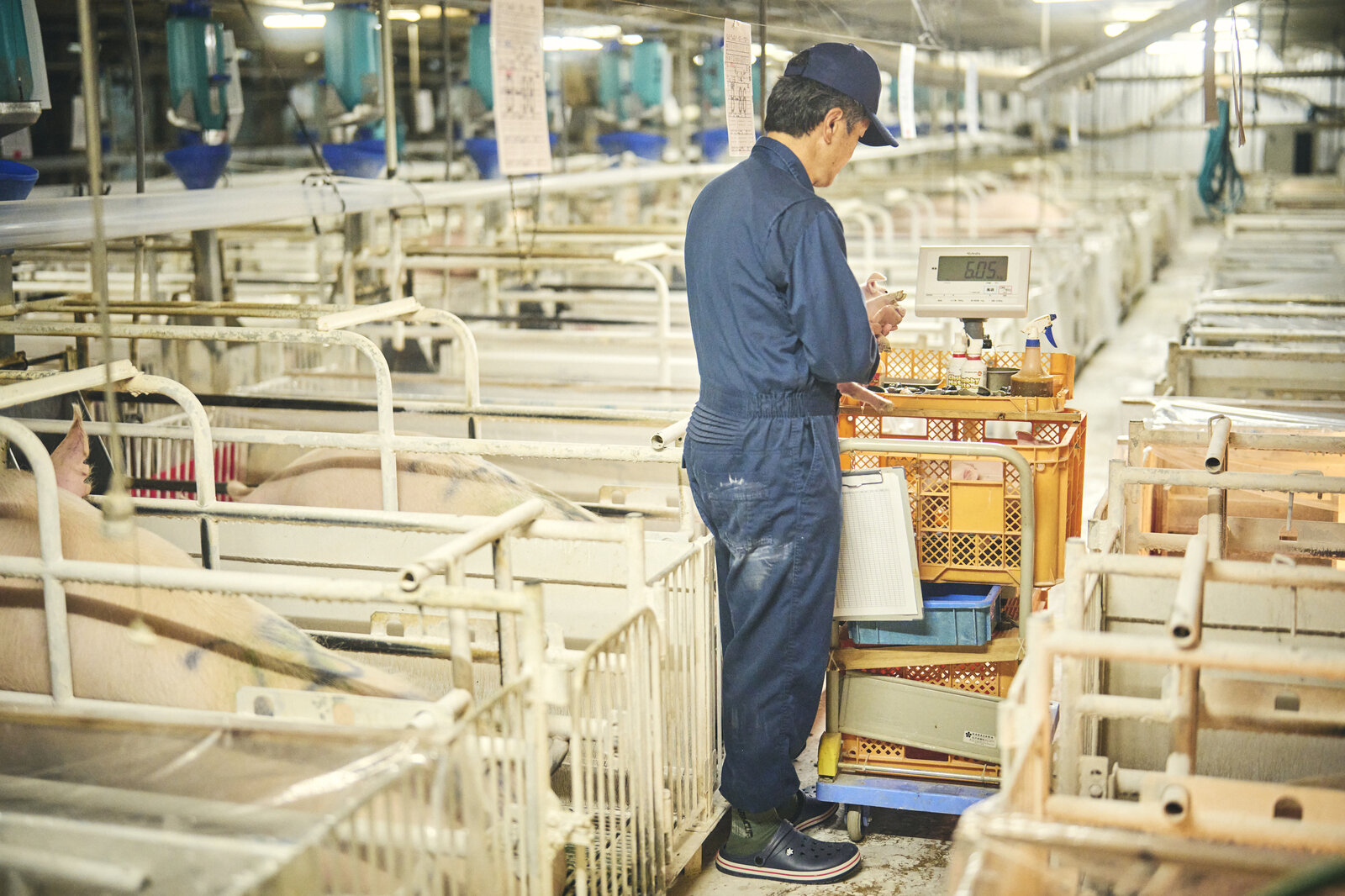
Two different carts, one for weighing piglets and one to assist with the birthing process, were merged into one. Eliminating the need to switch carts for each task reduced the number of times workers have to step over stall fences. As well as minimizing back strain and improving safety, this change saves no less than 12 working hours per month.
Transporting pigs more safely and smoothly
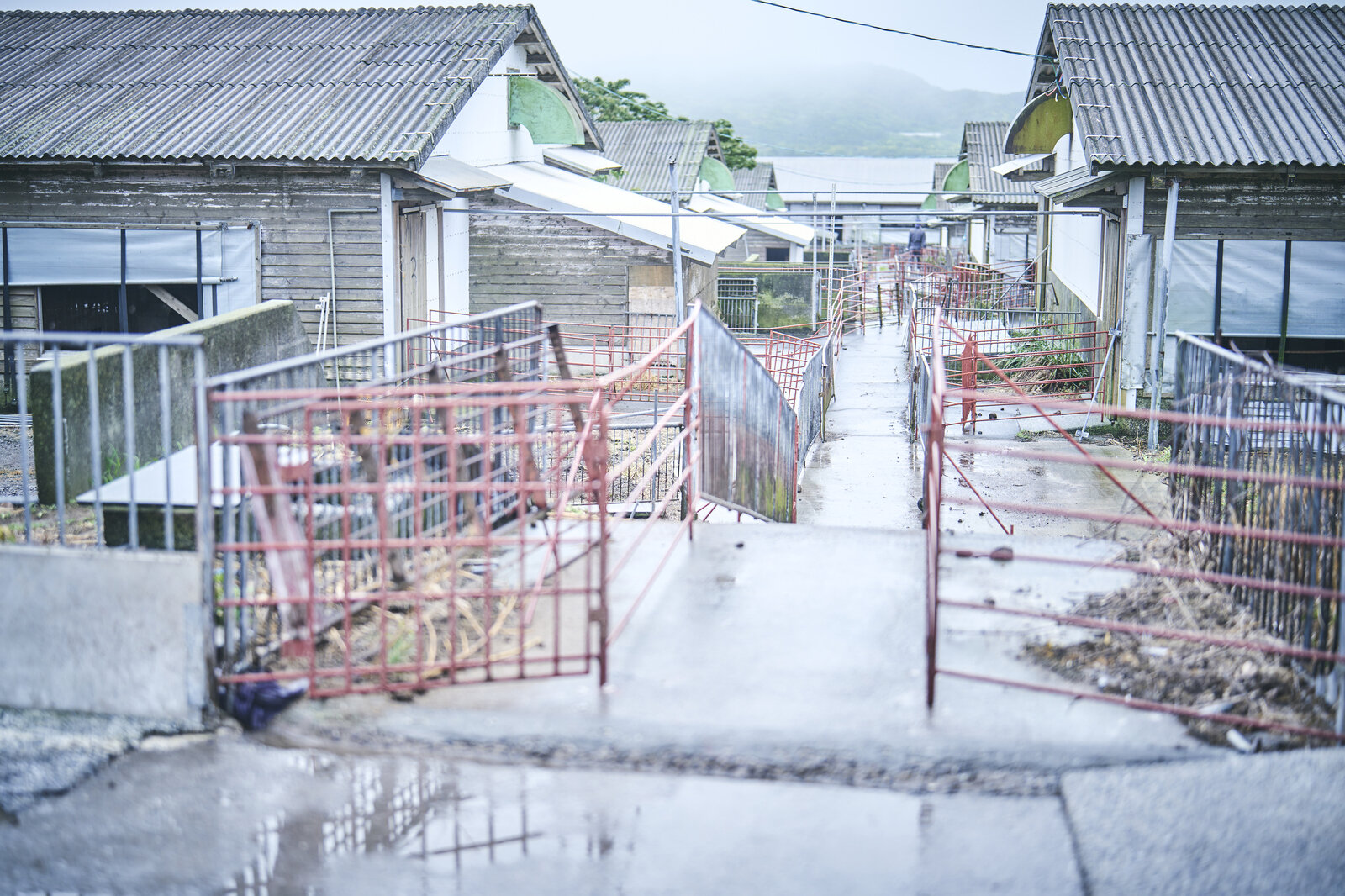
Whereas previously the pigs refused to move in a straight line because they disliked walking on gravel, paving the path and installing fences to make it narrower has ensured that they proceed in an orderly fashion. A trip that took four people more than an hour can now be done with two or three in just 30 minutes.
Akihiro Takada, who manages the Nejime Farm, spoke about the effect of these improvements.
Akihiro Takada, Japan Agriculture (JA) Kagoshima Prefectural Economic Federation of Agricultural Co-operatives Nejime Farm
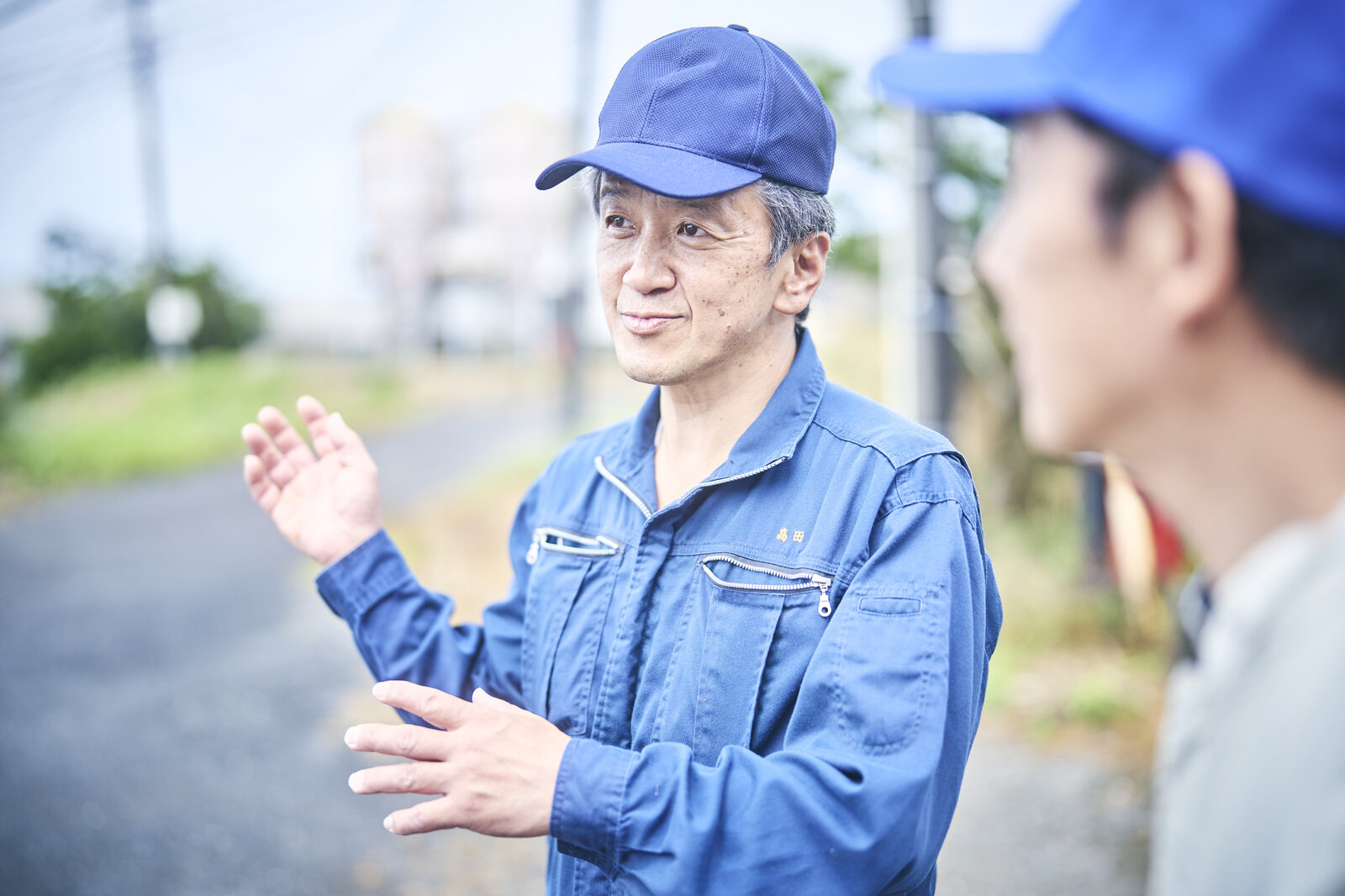
If a 200-kg sow rushes at you, there’s a risk of serious injury. With the size of the property and our limited staff, moving the pigs was difficult. Given the shrinking and aging workforce, these improvements have been a great help.
Despite the initial resistance to changing how things had always been done, the farmers’ tone shifted as soon as the kaizen efforts began to make their jobs easier.
By the way, do you know how many piglets a sow can suckle?
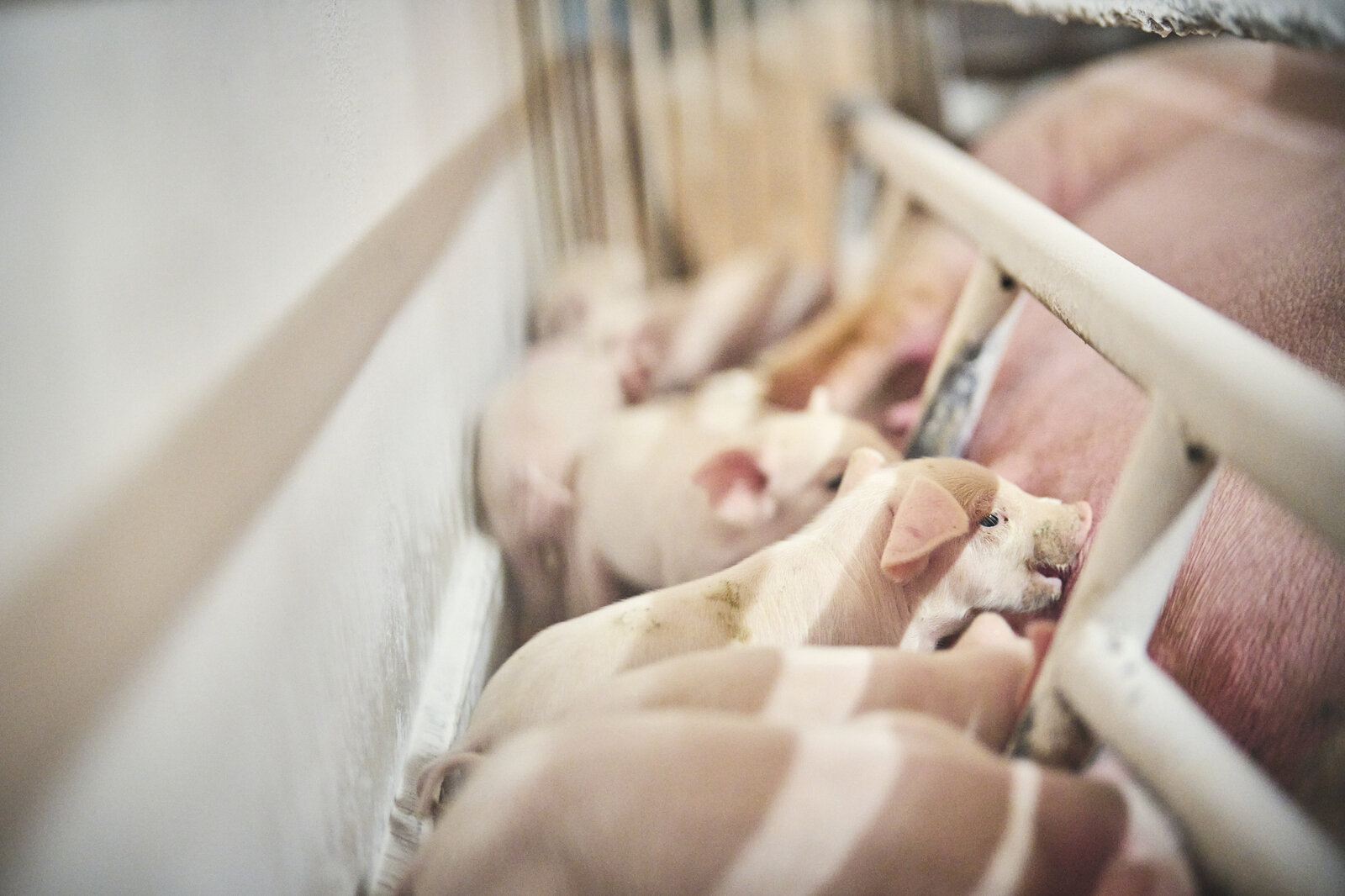
We too were surprised to find out the answer during our visit...