


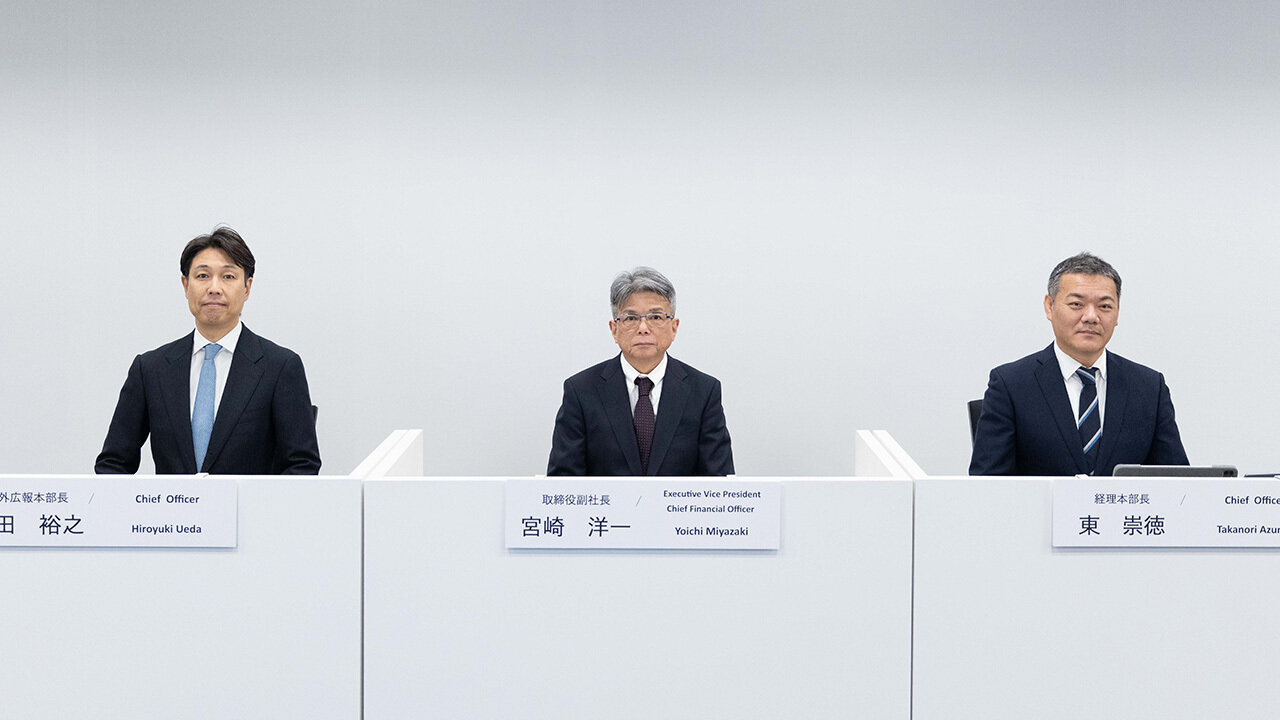
Toyota's financial results for the second quarter of FY2027 showed a year-on-year increase in profit for the first time in three years. We break down Vice President Yoichi Miyazaki's explanations, as well as the outlook for the company's structural reforms.
On November 5, Toyota presented its financial results for the second quarter of fiscal 2027, revealing the first year-on-year profit growth in three years with an operating income of 2.2 trillion yen.
Detailed figures were published on Toyota Times the same day.
In this article, we take a closer look at Toyota’s growth strategy, as laid out by Executive Vice President and Chief Financial Officer Yoichi Miyazaki after the results briefing.
At the FY2026 results briefing in May, Toyota outlined a roadmap back to sustainable growth through ever-better carmaking and its transformation into a mobility company. In August, the FY2027 first-quarter results included plans to boost performance and cost competitiveness to meet strong demand for hybrid electric vehicles (HEVs) and reorganize the company’s global production models.
How are these business structure reforms progressing, and what kind of future do they paint?
The foundations of growth
Vice President Miyazaki began by presenting an overview of Toyota’s growth through its transformation into a mobility company, summed up as “New vehicle business × Value chain businesses + New domains such as robotics.”
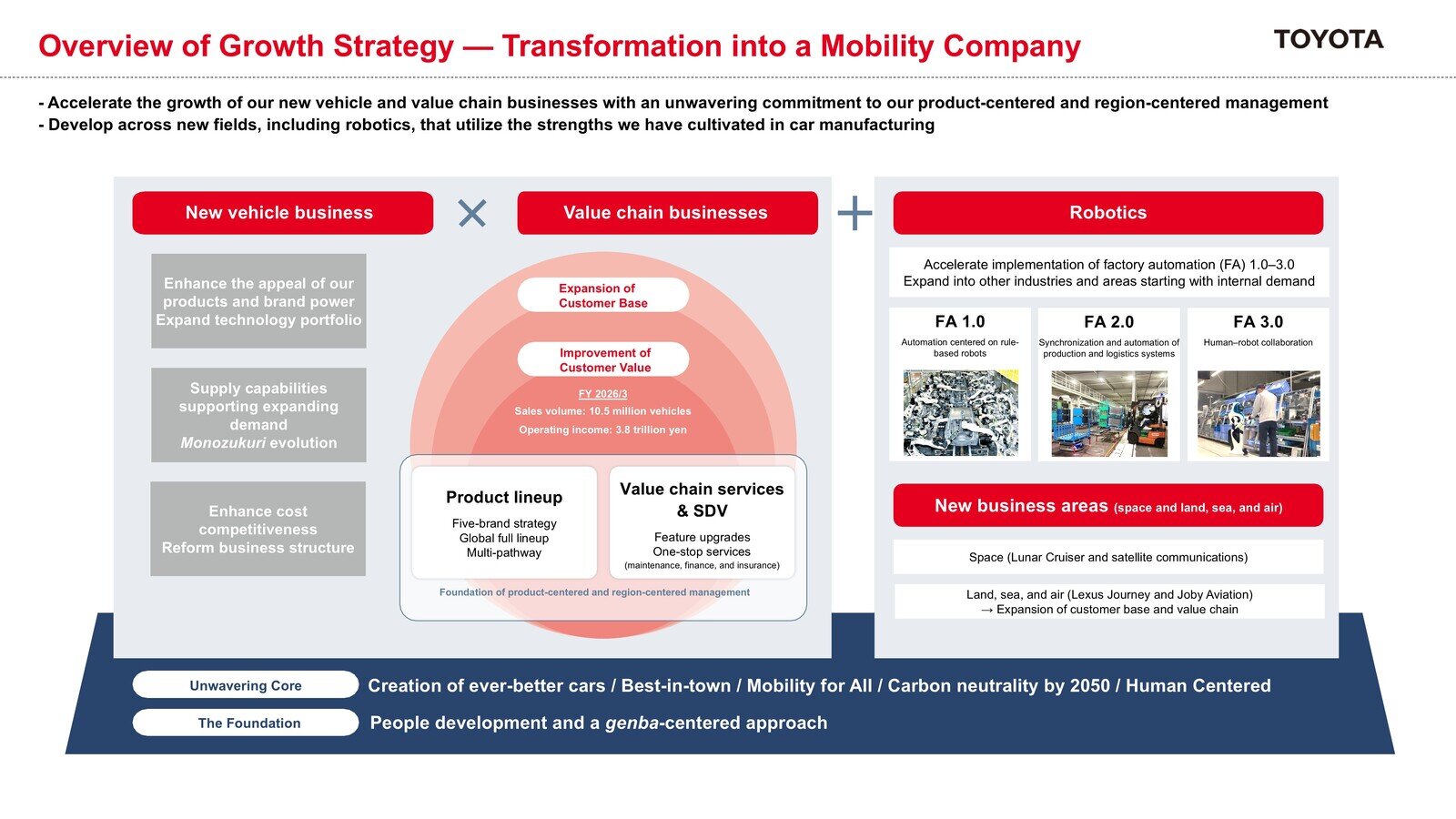
Toyota will work to accelerate growth in its existing new vehicle and value chain businesses while remaining committed to the product- and region-centered management established by Chairman Akio Toyoda. At the same time, the company will leverage the strengths cultivated through carmaking in new fields such as space and robotics.
This growth will be underpinned by Toyota’s people and genba capabilities.
On the day of the results briefing, the company also announced organizational changes that will create a new Toyota Philosophy and Education Group, headed by Chairman Akio Toyoda, and a new Kanri Group, bringing together the General Administration & Human Resources Group and the Accounting Group, both effective January 1, 2027.
During the press Q&A, Vice President Miyazaki and Accounting Group Chief Officer Takanori Azuma gave more background on these two new groups.
Vice President Miyazaki
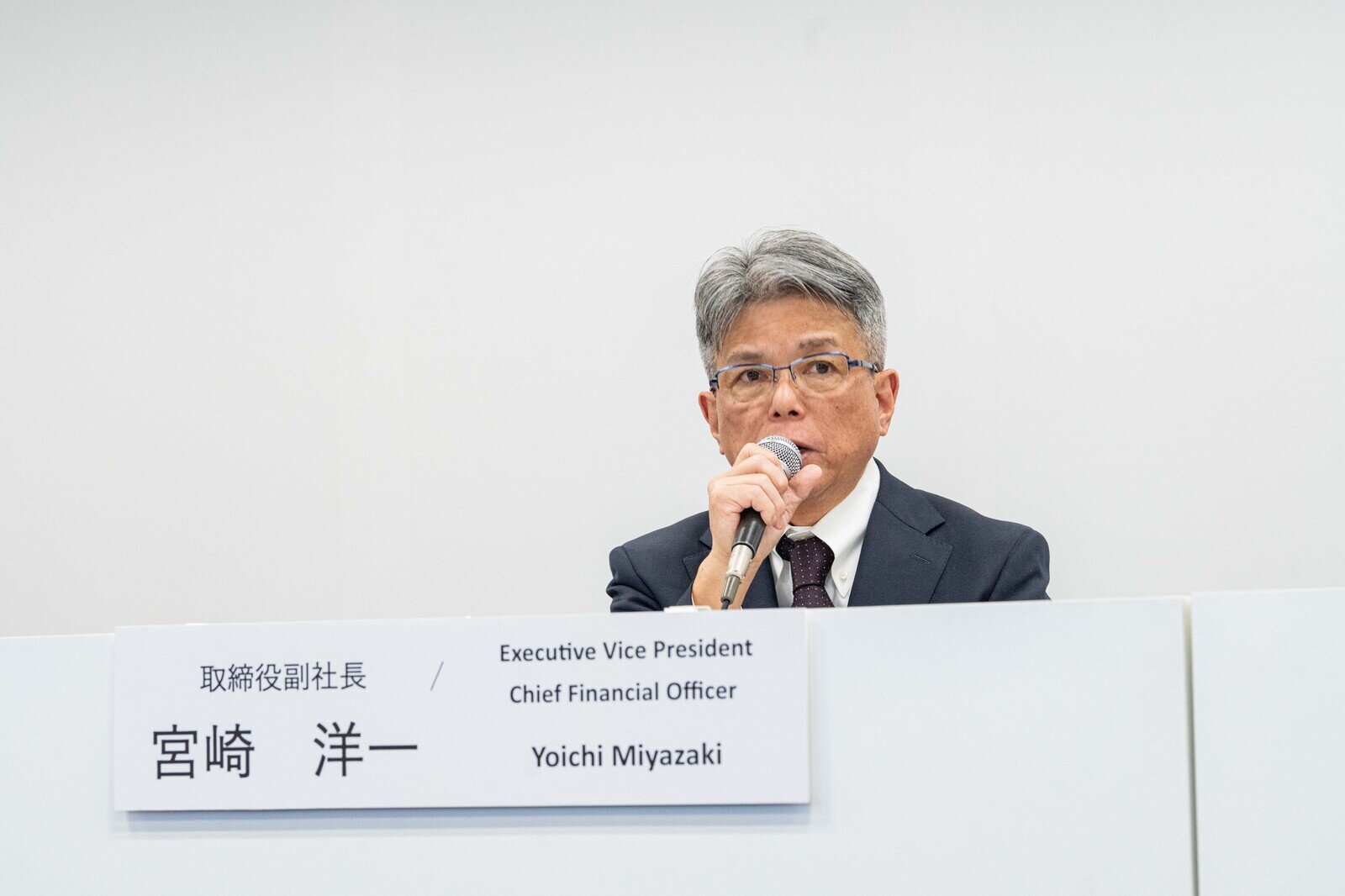
Toyota has always operated under the philosophy that making things begins with developing people.
In particular, as we navigate this period of once-in-a-century transformation, we recognize the importance of nurturing people who can think for themselves, grapple with problems, take on challenges, and ultimately act for the benefit of someone other than themselves.
Within the company, we have repeatedly discussed the need to rethink our approach to personnel development.
In your question, you used the word “training,” which typically suggests acquiring specific skills.
What we discussed, however, is the idea that working at Toyota should first and foremost nurture people who can think and act independently.
In considering how to educate those who will lead the next generation, our executive team agreed that, given his experience overcoming countless difficulties, Chairman Toyoda is best placed to impart Toyota’s philosophy, skills, and ways of working.
At the same time, we were aware that in past crises we had always relied on Toyoda to fight these battles alone. This was the case with Toyota’s quality issues, the criticisms about falling behind in battery EVs, as well as the certification issues.
Amid these concerns, we came to the conclusion that Chairman Toyoda was the only person who could guide the education of Toyota’s people.
This time, however, we too will fight alongside him. With this in mind, our executive team unanimously decided to ask Toyoda to lead the new group.
When President Kenta Kon and I tentatively approached him about the role, Toyoda replied, “I understand. I will do my utmost to share my way of life and nurture people who can think through challenges and take action to ensure success.” He also spoke about developing the kind of people who can attract support from outside the company.
Our vision for the Toyota Philosophy and Education Group is to work together with Toyoda to develop people who can thrive in the genba through their work.
Accounting Group Chief Officer Azuma
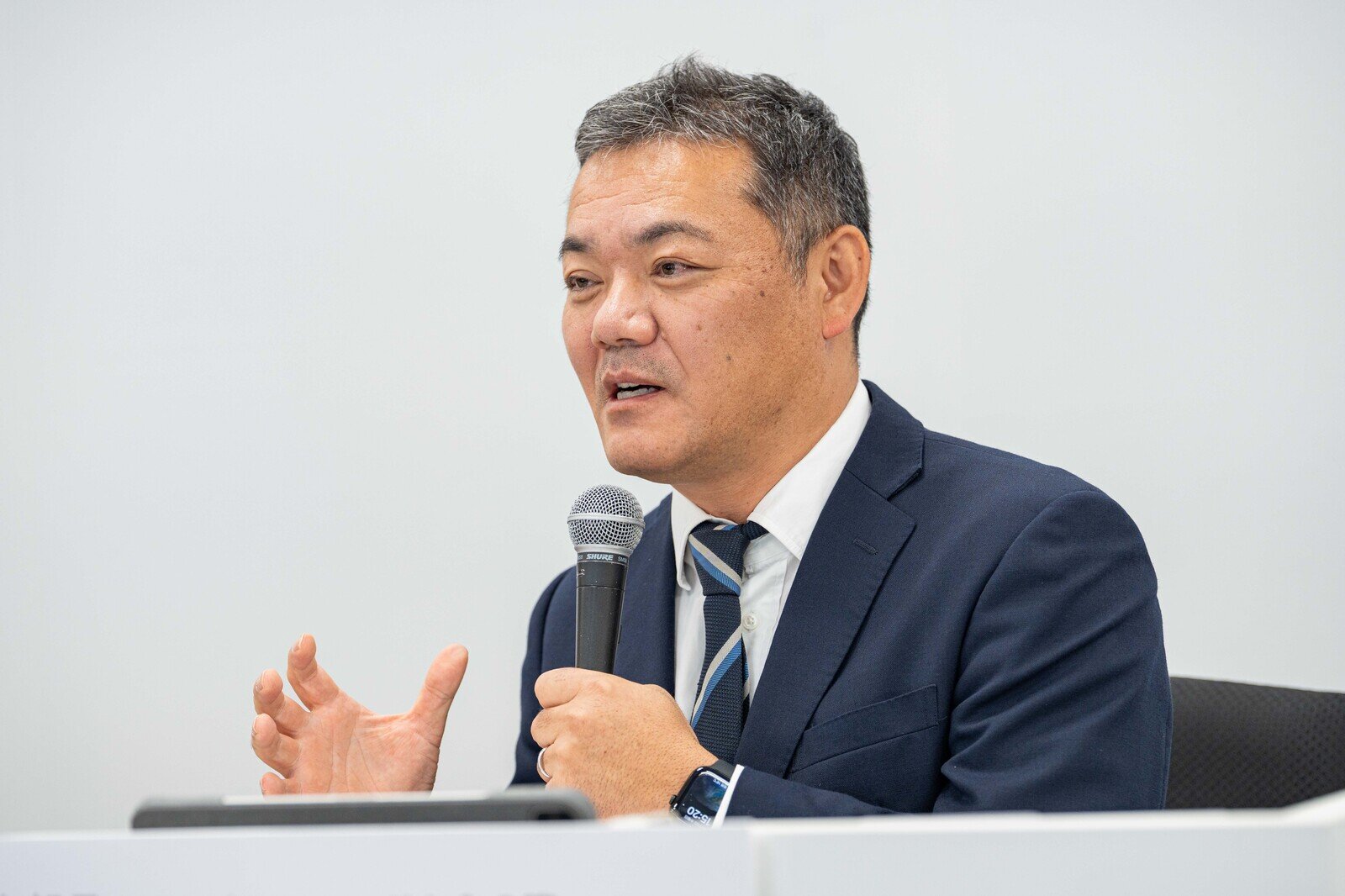
The Kanri Group came out of discussions that followed the establishment of our BR Administration Reform unit in August.
Our aim is for the administrative functions to be closely connected to the genba, to use their expertise to help address frontline problems and concerns, and to grow together. That is our vision for the group.
Typically, administrative departments have carried out their role in ways that make it difficult to gauge the pulse on the ground, relying on survey averages or secondary information about what’s happening in the genba.
The “Kan” character in Kanri conveys the idea of observing carefully with both one’s hands and eyes. This reflects the company’s early history, with labor disputes in 1950 followed by a 12-year period of rebuilding that led to the Joint Declaration of Labor and Management.
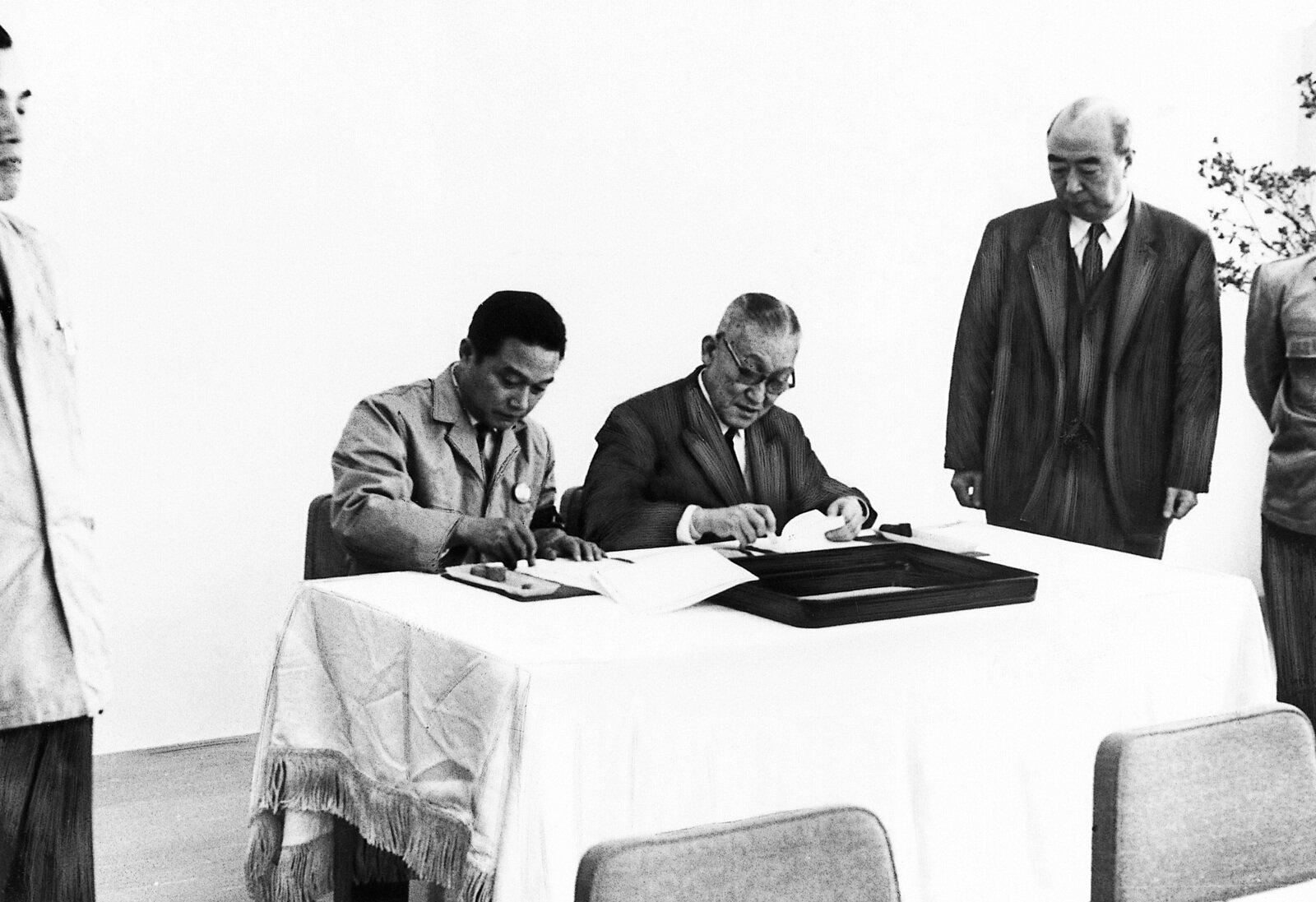
During that time, HR and accounting staff would visit the genba every day. They spent a decade sitting down face-to-face to discuss the problems on the ground, and ways they could help. We decided to return to those roots and begin by making changes to General Administration, Human Resources, and Accounting.
This is not simply a revision of our headquarters operations, but a message to all of our companies and overseas subsidiaries about the direction of our administrative functions. We see this as a step toward becoming a company where people can speak openly and honestly.
From Vice President Miyazaki’s growth overview and the necessary people development, we now turn to the initiatives in each business area that will drive Toyota’s sustainable growth.