



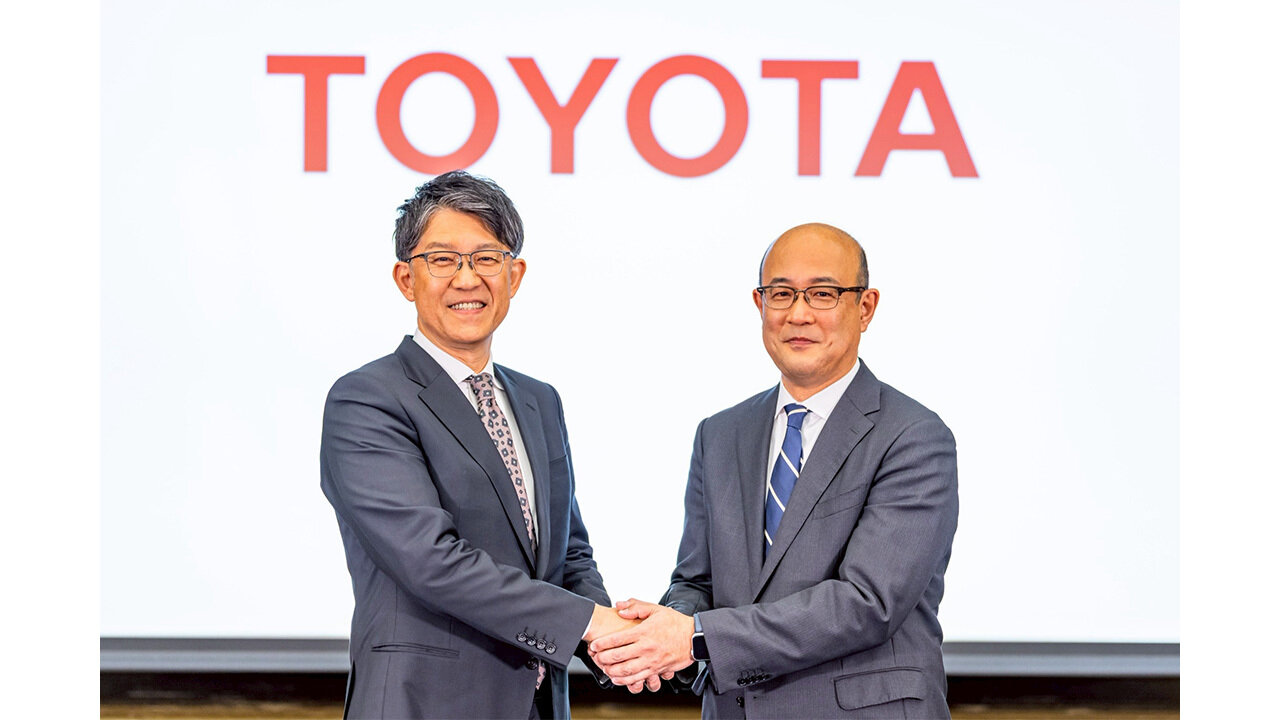
Toyota's management team is making changes to its lineup. Effective April 1, President Koji Sato will move into the position of vice chairman and the newly established role of chief industry officer, with Operating Officer Kenta Kon taking over as the incoming president.
Break-even volume
Tomikawa
In the press release, improving the break-even volume was highlighted as a priority issue. Meanwhile, in his New Year’s address, Koji spoke of making 2026 an “intentional pause” and entering a phase focused on productivity and execution. Does this mean that, rather than increasing volume, the emphasis will be on quality, including on the financial side?
Incoming President Kon
I think both.
We still have many customers waiting for delivery of their new cars. Given that we currently face constraints on orders, I think working to produce and deliver each vehicle to customers as quickly as possible is a crucial foundation.
On the other hand, as you pointed out, there is quality.
Toyota is not a company that sets earnings targets of “this many trillion yen.” That said, no matter how challenging the environment becomes, we make sure that we continue to generate income to keep the business running and avoid having to slash various operations.
I believe this is the earnings structure that Toyota’s stakeholders seek, and to maintain it, we need to lower our break-even volume and build a structure that gives us a firm footing in tough times.
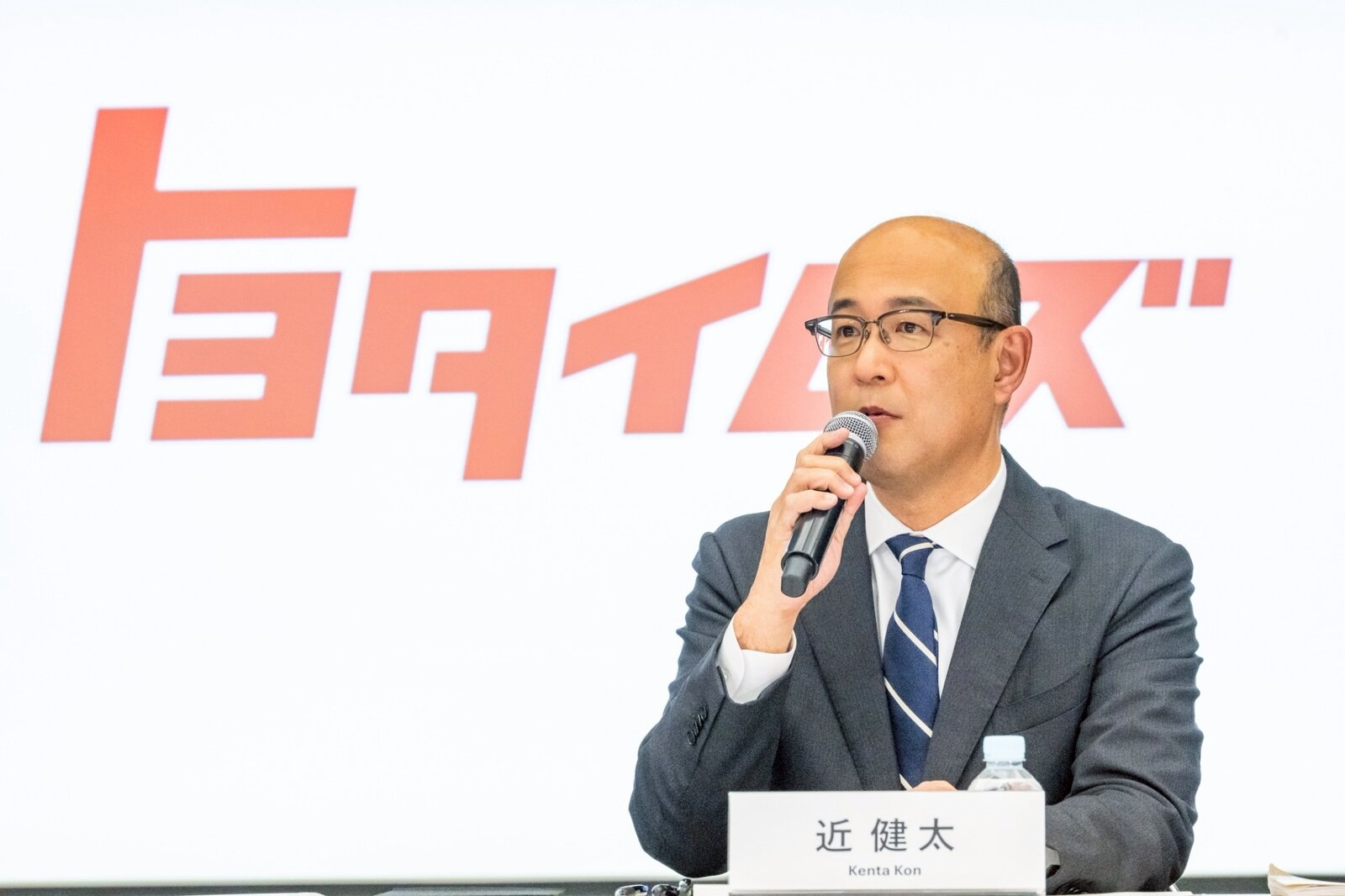
President Sato
Without earning power, you can’t do the things you want to do. For Toyota to accomplish what we hope to accomplish, we need to strengthen our ability to earn.
Also, since Mr. Kon is too modest to show his car-loving side, I will speak for him: we once did a minivan talk together, and Mr. Kon loves minivans. He probably wouldn’t bring it up himself, but when you get him talking about minivans, he is very passionate about Noahs and Voxys. He’s quite the car-lover in my eyes.
Did I say too much?
Incoming President Kon
No, not at all (laughs).
Tomikawa
Mr. Kon, you have also driven in the Rally Challenge, and when I interviewed you at last year’s event, you said something like, “Let’s race in a year.” Will you keep jumping behind the wheel and competing?
Incoming President Kon
I want to keep creating opportunities to drive cars, as I have been. So that we can race a year from now.
A conversation with Chairman Toyoda
Tomikawa
Did you discuss this role change with Chairman Toyoda?
President Sato
When we spoke briefly in early January, he said very simply that he wants to “help make Japan better.”
Chairman Toyoda shared his current outlook and thoughts in very simple terms, which is why they resonated. There was no talk about the details, whether we should go one way or another with the leadership formation.
That’s probably what everyone expects, but we didn’t go into it at all. Not even a hint. But we did discuss the big picture, along the lines of “Let’s work to make Japan better, after all this talk of contributing to society through industry.”
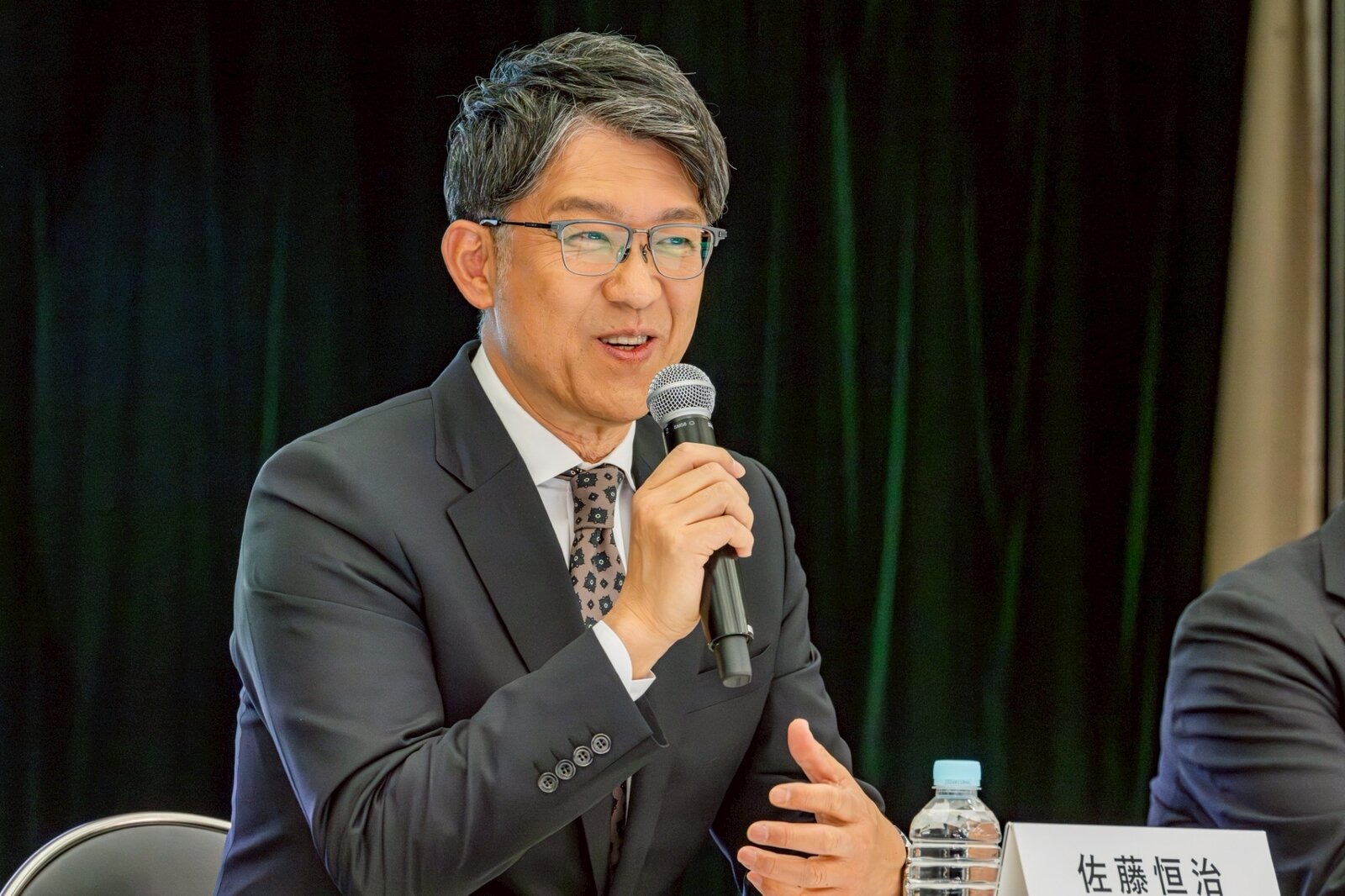
Tomikawa
So, Chairman Toyoda was not involved in these personnel decisions?
President Sato
I’m sure he has opinions on the matter, but he was not involved in the decision-making process.
Executive changes at Toyota go through the Executive Appointment Meeting that we mentioned earlier, which has effective authority over appointments. In our case, we reviewed the institutional framework and, following last year’s General Shareholders' Meeting, transitioned to a Company with an Audit and Supervisory Committee, establishing a new board structure. As part of that arrangement, the Executive Appointment Meeting personnel were also reviewed, and this served as the starting point.
That kicked off discussions about how Toyota’s leadership structure should look in the future. In terms of risk management, for instance, how would management recover if something happened to the sitting CEO, and how should we prepare successors? We have been discussing such questions since that stage.
Regarding these particular changes, my appointment as chairman of the Japan Automobile Manufacturers Association was largely finalized by the end of last year, and that’s when the discussions up to that point became concrete—all right, what are we going to do? After taking part in several of these discussions, I ultimately made the decision, and the proposal was put to the board of directors, resulting in this arrangement.
Tomikawa
How has Chairman Toyoda responded to these personnel changes?
President Sato
He noted that, firstly, adapting the leadership formation in this way requires a flexible management structure. From his perspective—Chairman Toyoda is currently 69 and will turn 70 this year—he also stated that as chairman, he will focus his efforts in three areas, with the foremost being nurturing talent.
We need to create opportunities for people to learn management practices under Akio Toyoda, adding more depth to Toyota’s management team.
This formation change will make Toyota stronger. Chairman Toyoda hopes that, by making Toyota a more competitive company, we will, in turn, energize the industry in Japan, and I believe he views these personnel changes in light of that conviction.