



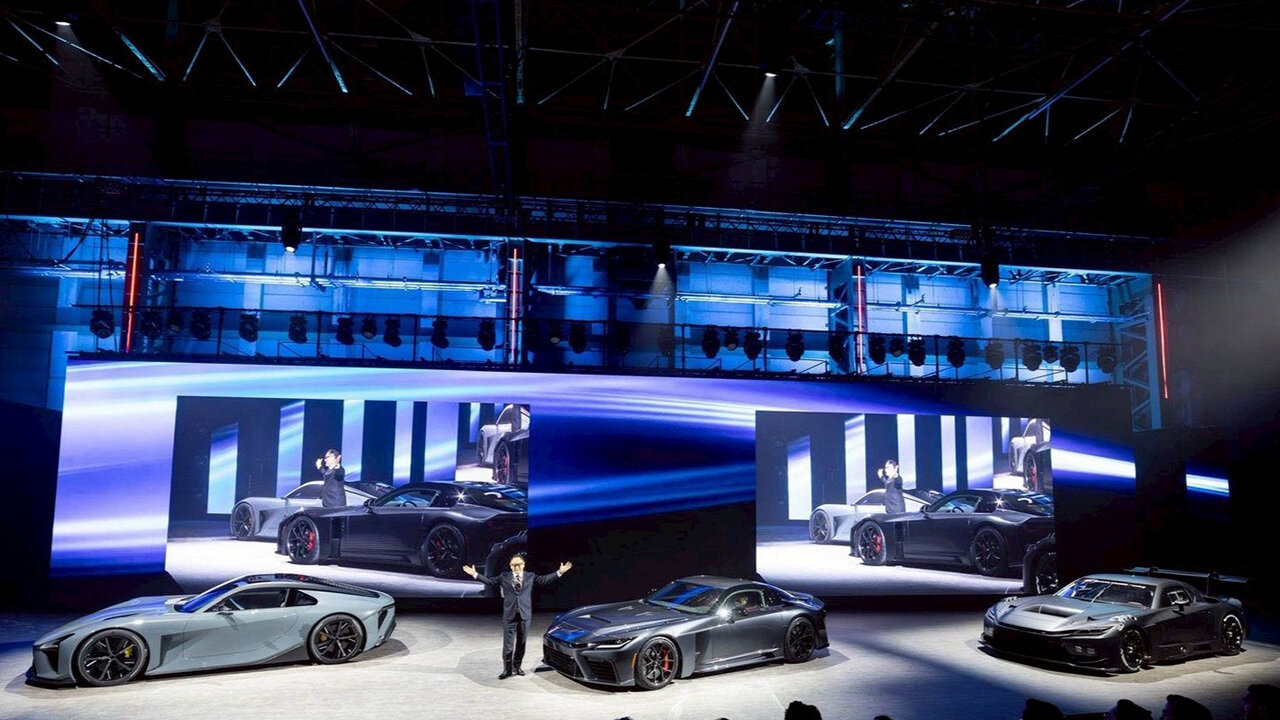
On December 5, three new sports cars had their world premiere at the Inventor Garage in Woven City. Take a look.
In Japan, there is a ritual known as Shikinen Sengu.
At Ise Jingu in Mie Prefecture, this sacred ceremony has involved rebuilding the entire shrine and transferring the sacred objects of worship from old to new every two decades for the past 1,300 years.
The shrine explains the significance of this ritual: “The history of Japan and the spirit of our ancestors must never be cast aside. We must continue to safeguard those things that need to be preserved for the future. Doing so is more difficult than embracing change, and more important.”
So, what does Shikinen Sengu mean for Toyota?
Back in 2009, then-Vice President Akio Toyoda, aka Morizo, commented on this topic for GAZOO, the company’s website for car-related information in Japan.
Sports car development is like Ise Jingu’s Shikinen Sengu ceremony.
…
In 1967, Toyota brought out many sports models, including the 2000GT and 1600GT.
One of the junior mechanics working on these cars was Hiromu Naruse.
Forty years on, Naruse-san is now the master craftsman, passing on his skills and expertise to young engineers, mechanics, and drivers.
Rather than abandoning development because “times are bad,” I think it’s vital that, even in times like these, we look to the future and continue to pass on our skills and technologies.
Of course, the LFA contains many technologies that did not exist 20 years ago.
There have also been various technological breakthroughs, including carbon materials, functional components, and technologies that allow a car to turn or stop safely even when driving at speeds of 300 km/h.
Considering that these advances will now be incorporated into all kinds of vehicles, I see no reason to stop developing.
(“Ise Jingu’s Shikinen Sengu,” from GAZOO feature “Morizo’s Driver Journey,” May 29, 2009)
On December 5, Toyota held a world premiere for three new sports models at the Woven City Inventor Garage in Susono, Shizuoka.
*All vehicle designs shown in this article are current at the time of writing.
A story of strength born out of humiliation
On the TOYOTA GAZOO Racing website, a countdown began on November 27. The big moment finally arrived at the event, as the screen ticked down the final seconds: three, two, one…
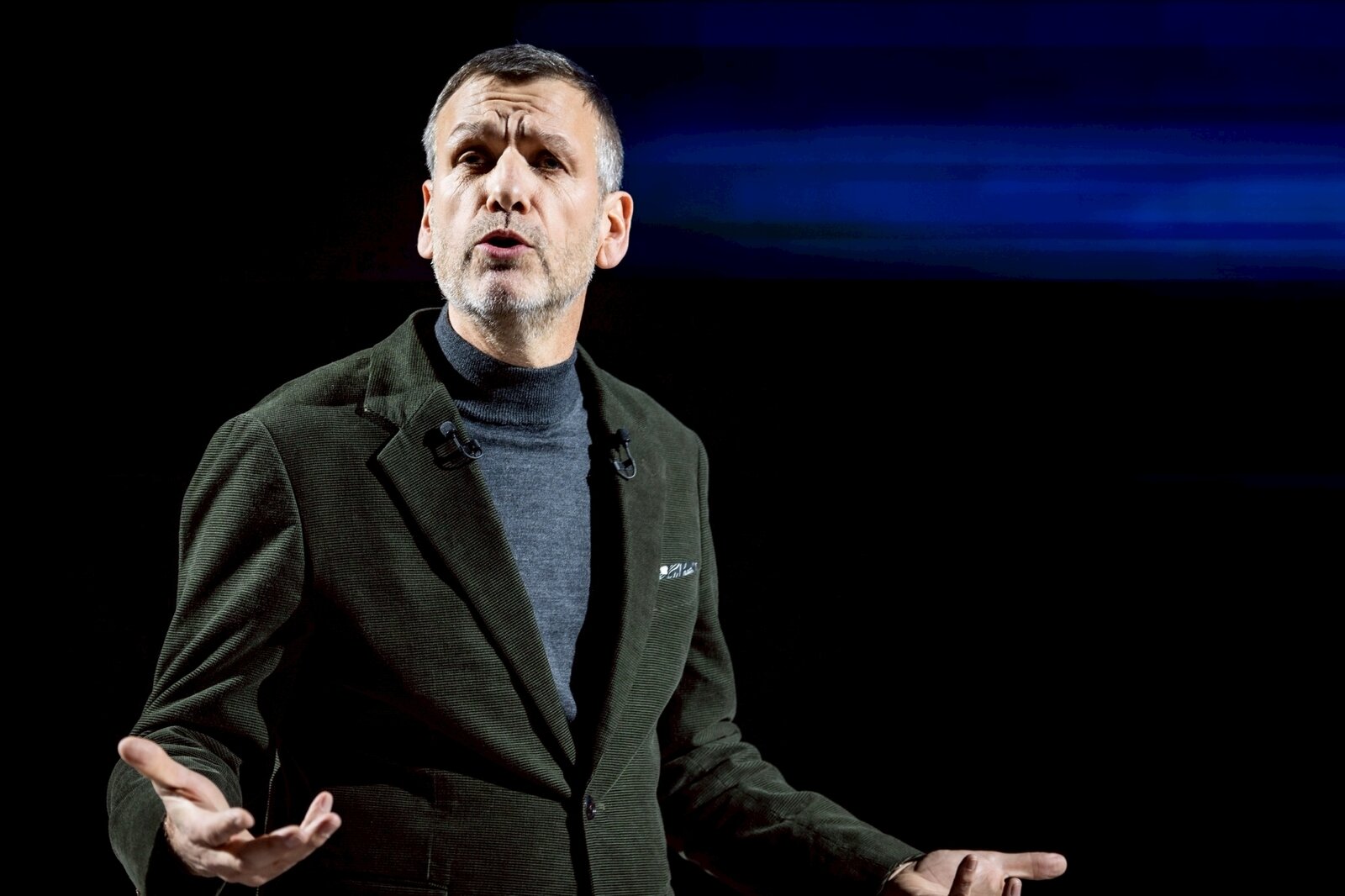
After the opening movie, Chief Branding Officer (CBO) Simon Humphries took the stage.
Across from him stood the Lexus LFA Concept, a car that had been exhibited at the Japan Mobility Show (JMS) 2025 as the Lexus Sport Concept.
The world premiere was also streamed live on YouTube. With many people eagerly looking on, Toyota’s head of design presented two tales of humiliation.
CBO Humphries
Good morning everyone.
Thank you for taking the time and trouble of coming all this way to the Toyota Higashi-Fuji Plant here in Eastern Japan.
Now originally, this was a press shop.
And as some of you may know, it was the factory where Shoichiro Toyoda and Nakamura Kenya created the first Century in 1967.
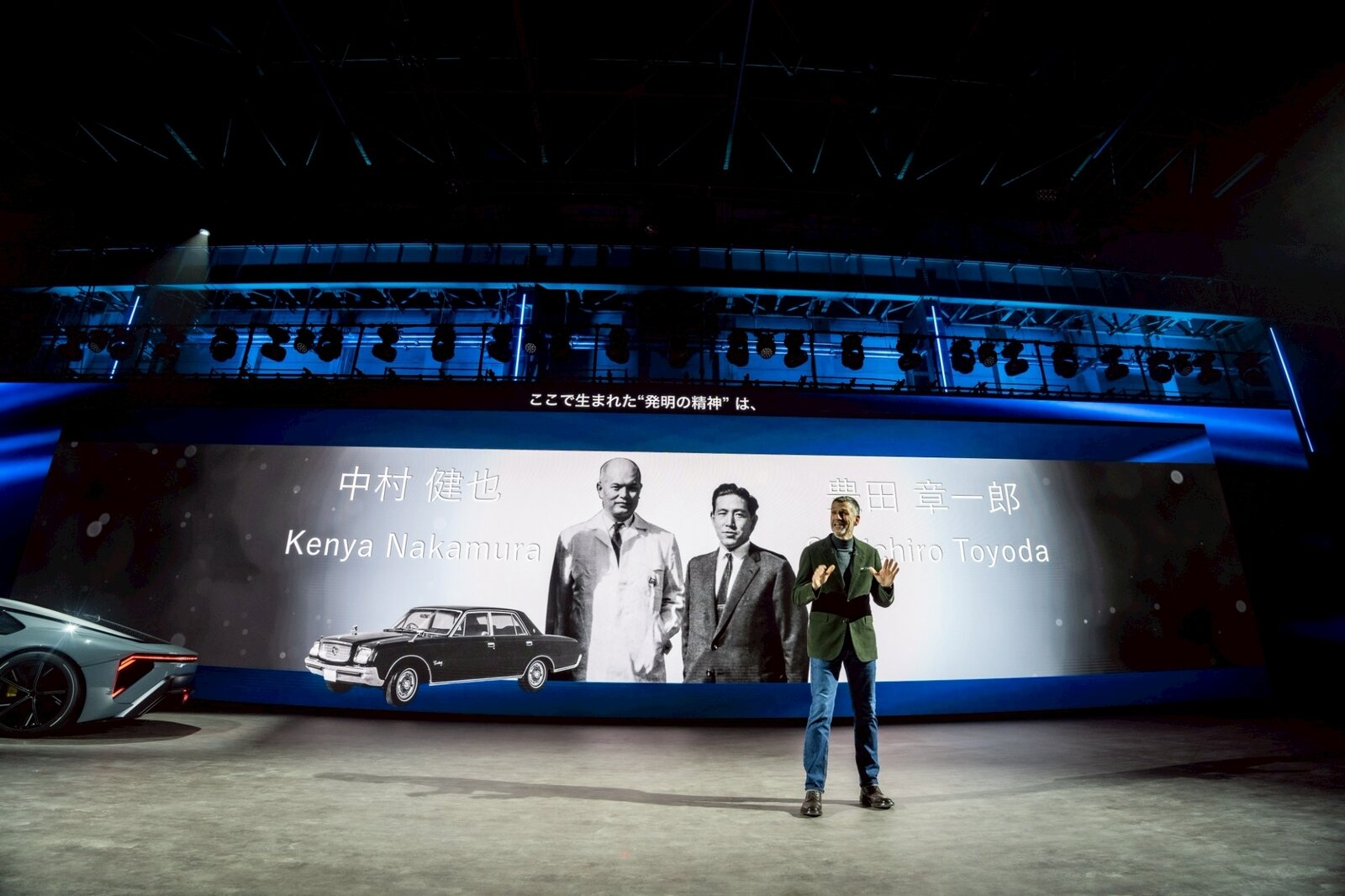
The spirit of invention that was born here is now reborn as the Inventor Garage of Woven City, a facility for creating the future.
Now today will be a celebration of not only invention but of something that I know we all love: a celebration of the car.
The excitement, the thrill, the love for speed, all things I think, everyone in this room and everyone watching online shares a passion for.
But as with many things in life, a story of strength begins with a story of what is called in Japanese kuyashisa--humiliation.
And I want to tell you about this from two viewpoints.
I have been working as a designer for 36 years, and I can honestly say that as a designer, there is nothing more painful than being told that what you have put your heart and soul into is boring.
14 years ago at Pebble Beach in America, that is exactly what happened when Akio was told on his visit there, “Lexus is boring.”
That feeling of humiliation was a turning point, and it became a source of determination.
At the time, Toyota had come to prioritize volume and profits in pursuit of greater scale, an approach that skewed its carmaking toward certain regions and models. Chairman Toyoda reflected on this period during a lecture in January 2024, saying, “I believe this stemmed from our oversized ego as a manufacturer that led us to believe we could sell whatever we made.”
Over the course of 14 years, Chairman Toyoda continued fighting to transform the company, shifting its focus from making money to creating better products.
When asked how the new concept car should be showcased at Pebble Beach this year to ensure no one could call it boring, Akio gave a very simple answer.