



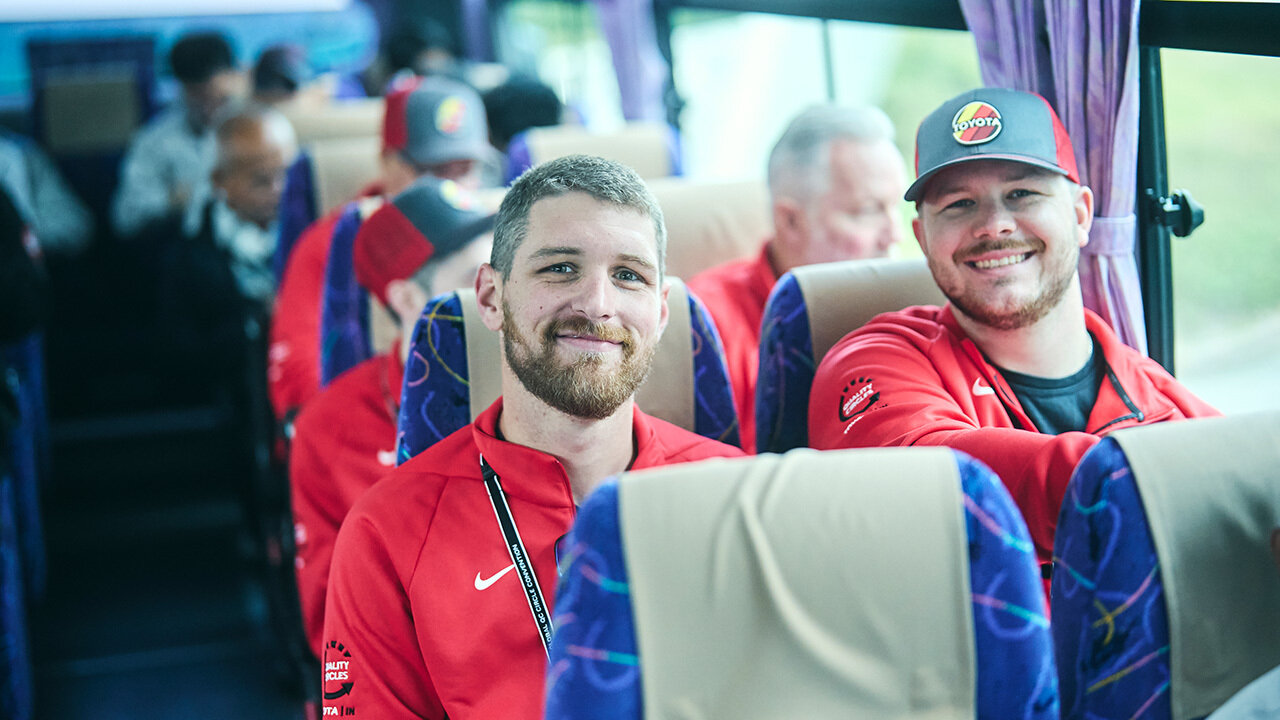
English, Chinese, Spanish, German... at least eight different languages could be heard as Toyota employees from 64 overseas business entities gathered to share their knowledge. Toyota Times took a peek inside this globe-spanning company event.
“Toyota is family.”

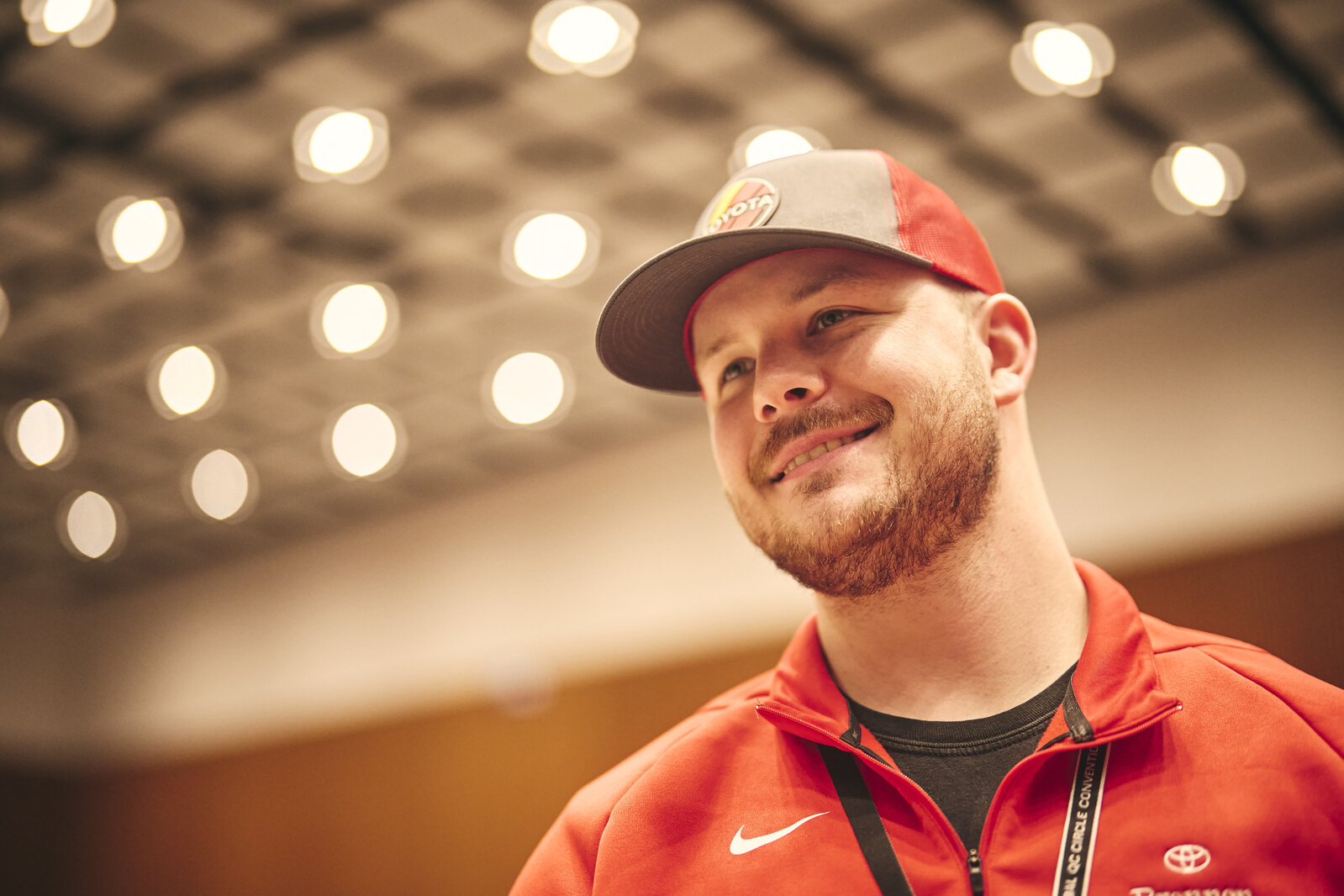
These were the words of a smiling Brennon Benton, part of the crew at Toyota Motor Manufacturing, Indiana, Inc. (TMMI), a production facility located in Indiana, U.S.
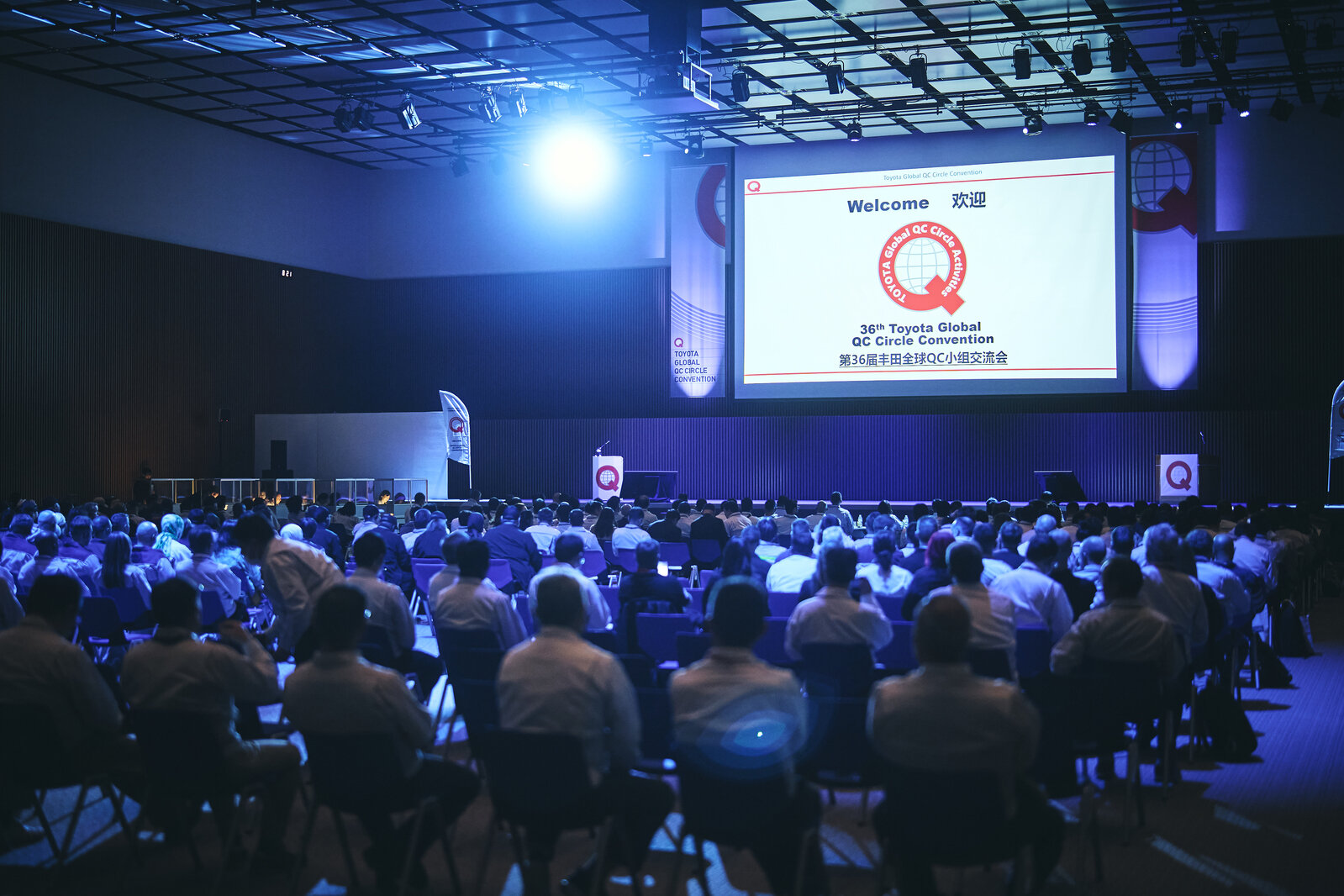
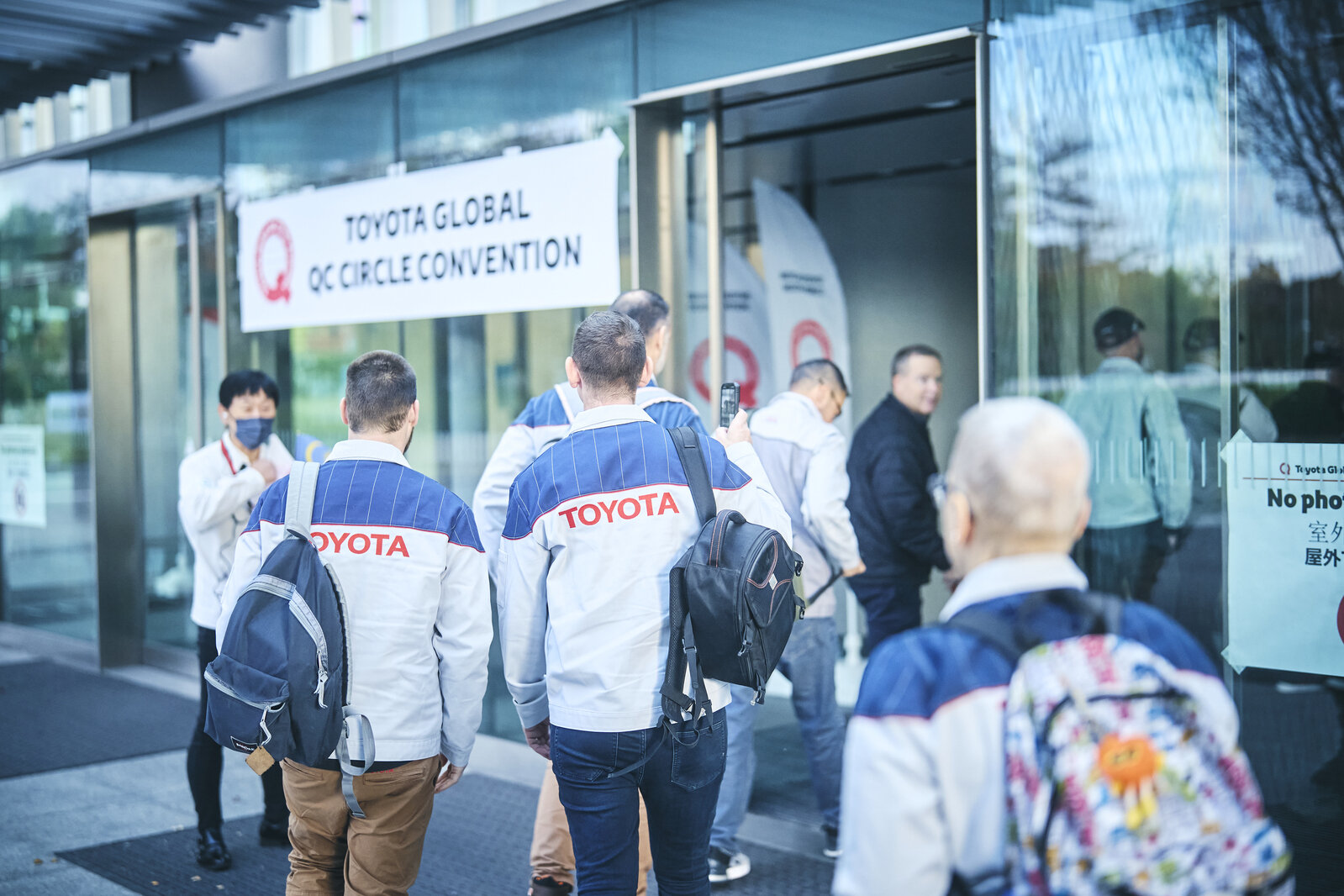
He was in Japan to attend the 36th Toyota Global QC Circle Convention, held on November 18-19. The global event brought together some 300 members from 64 circles, belonging to 64 business entities operating in six regions around the world. Over the two days, they shared the successes and lessons gained from their QC circle activities.
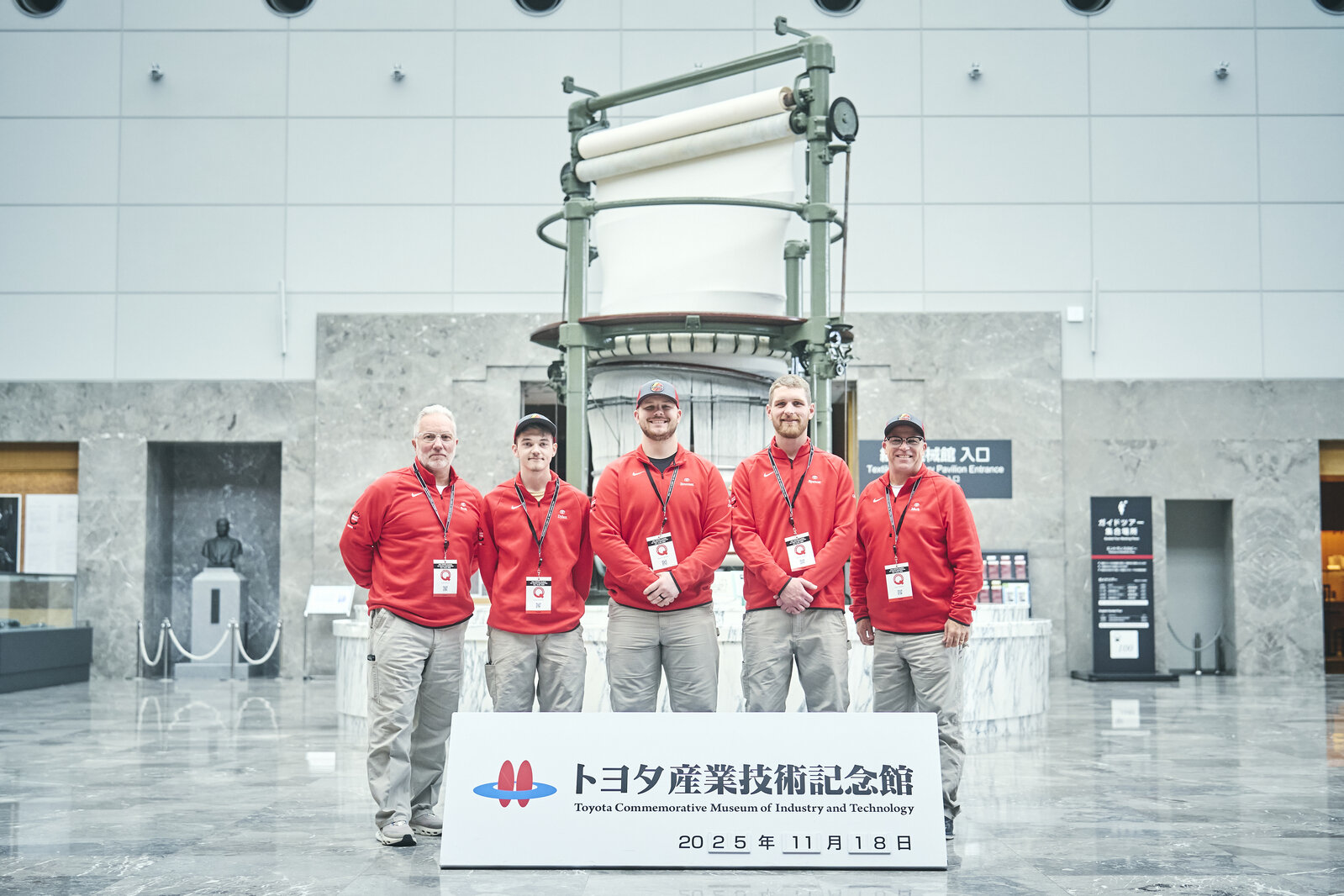
For this article, Toyota Times followed Forklift Certified, the team representing TMMI. Through their eyes, we look at the two-day convention and its participants, as well as the importance of Toyota’s QC circles.
The world’s top QC circles come together
The Toyota Global QC Circle Convention is an opportunity for QC circles from the company’s business entities across the globe to gather under one roof, allowing them to share kaizen success stories that drive people development and forge deeper relationships.
The circle leaders are given the title of “Ambassador,” and upon returning home, each serves as the head of QC circle activities in their region over the next year.
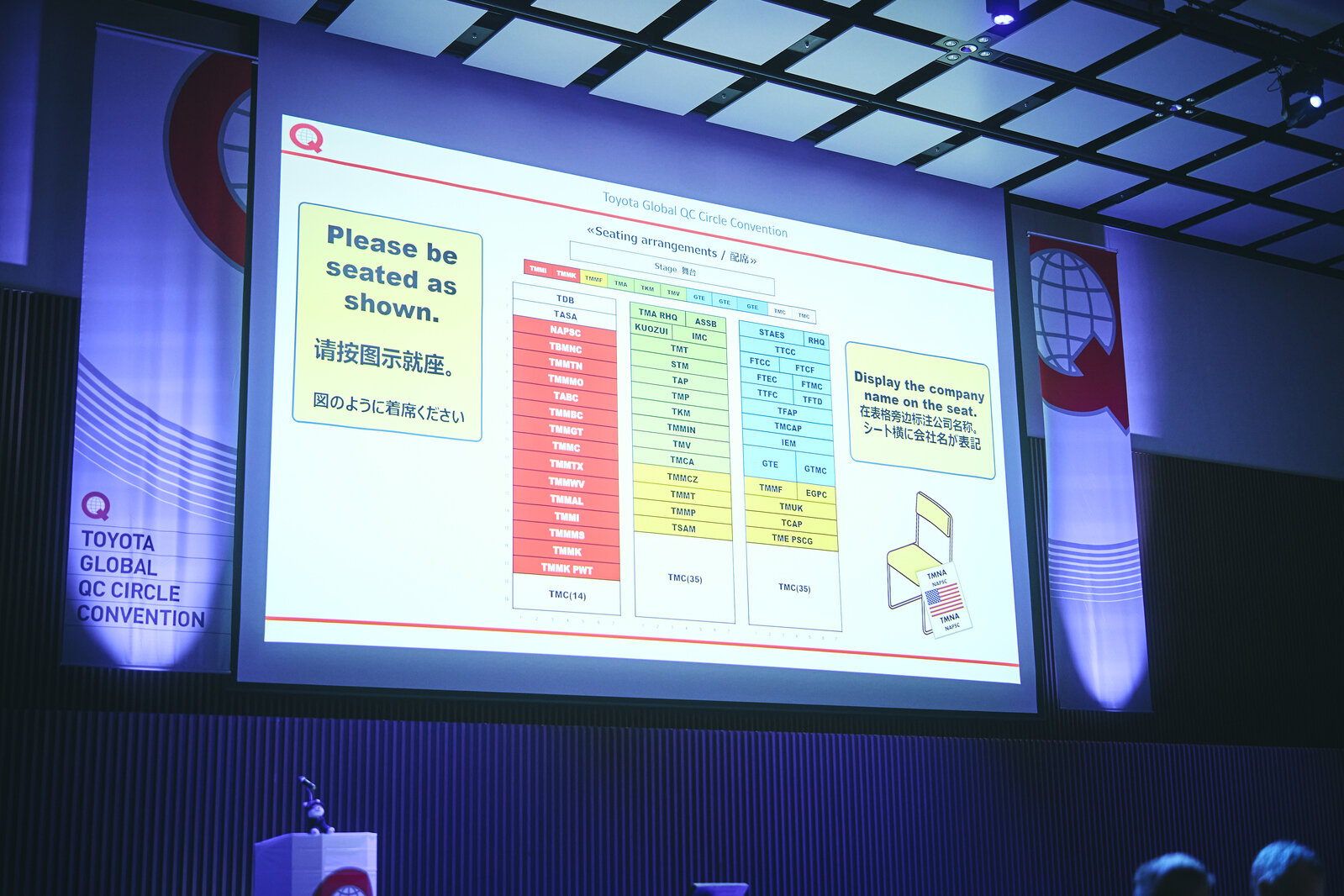
QC (Quality Control) circles consist of five to seven workplace members who strive to improve the genba by identifying and discussing issues, while also contributing to people development and the creation of positive, engaging workplaces. Though primarily used in manufacturing, the concept has also been embraced in various sectors around the world.
The Toyota Global QC Circle Convention is not a contest to crown the world’s best. Instead, the aim is to bring together outstanding teams from each entity to share their experiences and insights and discover takeaways that can boost their own workplaces back home. The event is intended as a platform for this kind of professional development and grassroots exchange.
The TMMI QC circle that we shadowed during the event, Forklift Certified, is made up of employees from East Body Weld Internal Logistics. Four of the circle’s members made the trip to Japan, along with a representative from the QC office.
Brennon Benton, Circle Leader
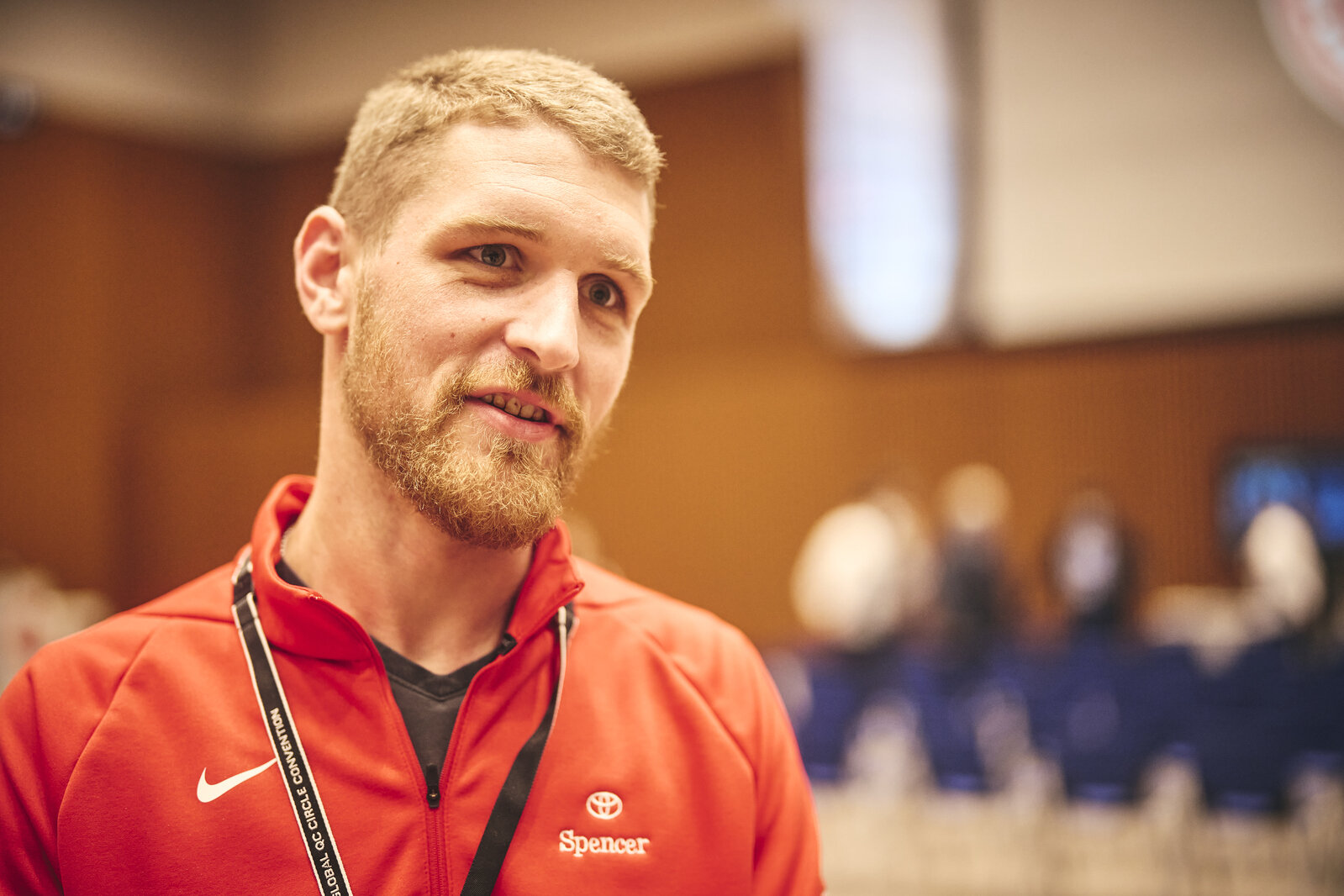
Spencer Sexton, Theme Leader
Scott Merrick, Gate Keeper

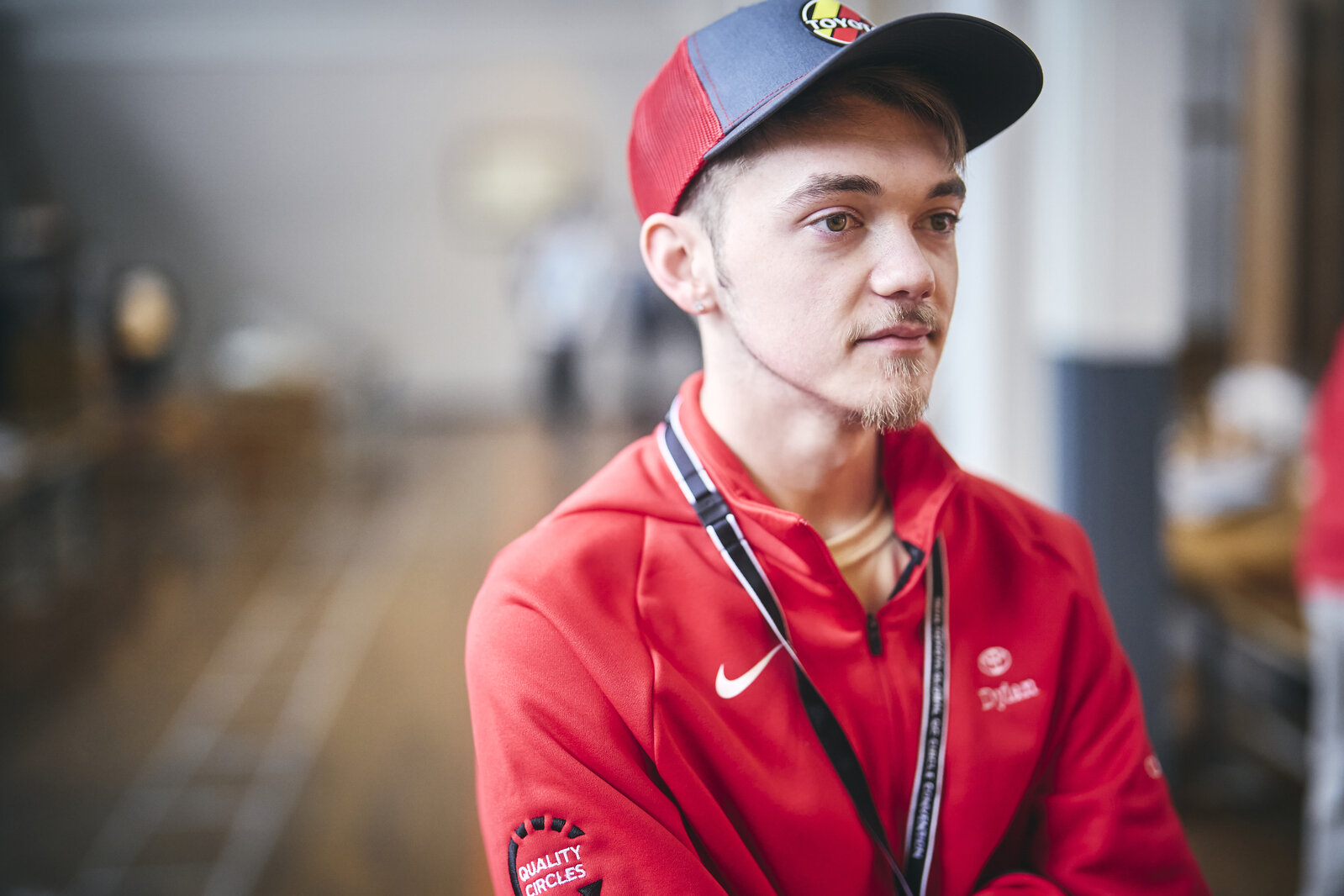
Dylan Meredith, Time Keeper
Mark Pellerito, TMMI Trainer & TMMI QC Secretariat
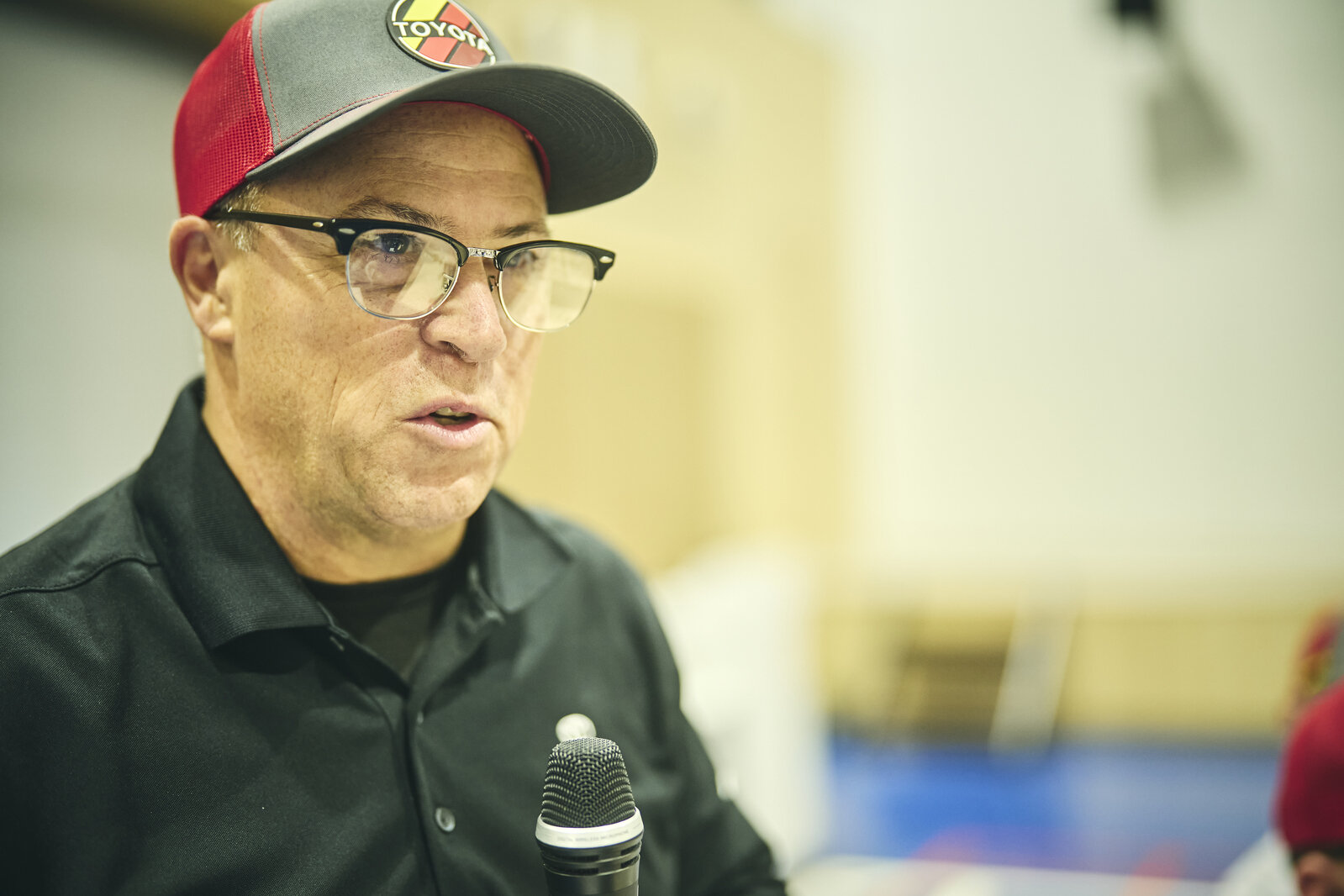
Aside from Mark, everyone was visiting Japan for the first time. From the spotless streets to the polite people and unfamiliar foods, they admitted to feeling some culture shock at being in a completely new place.
Day 1: Museum tour exploring Toyota's history
The first day began with an opening ceremony and orientation in the main hall at Toyota’s head office, after which the group embarked on a museum tour of the Toyota Commemorative Museum of Industry and Technology and the Toyota Automobile Museum.

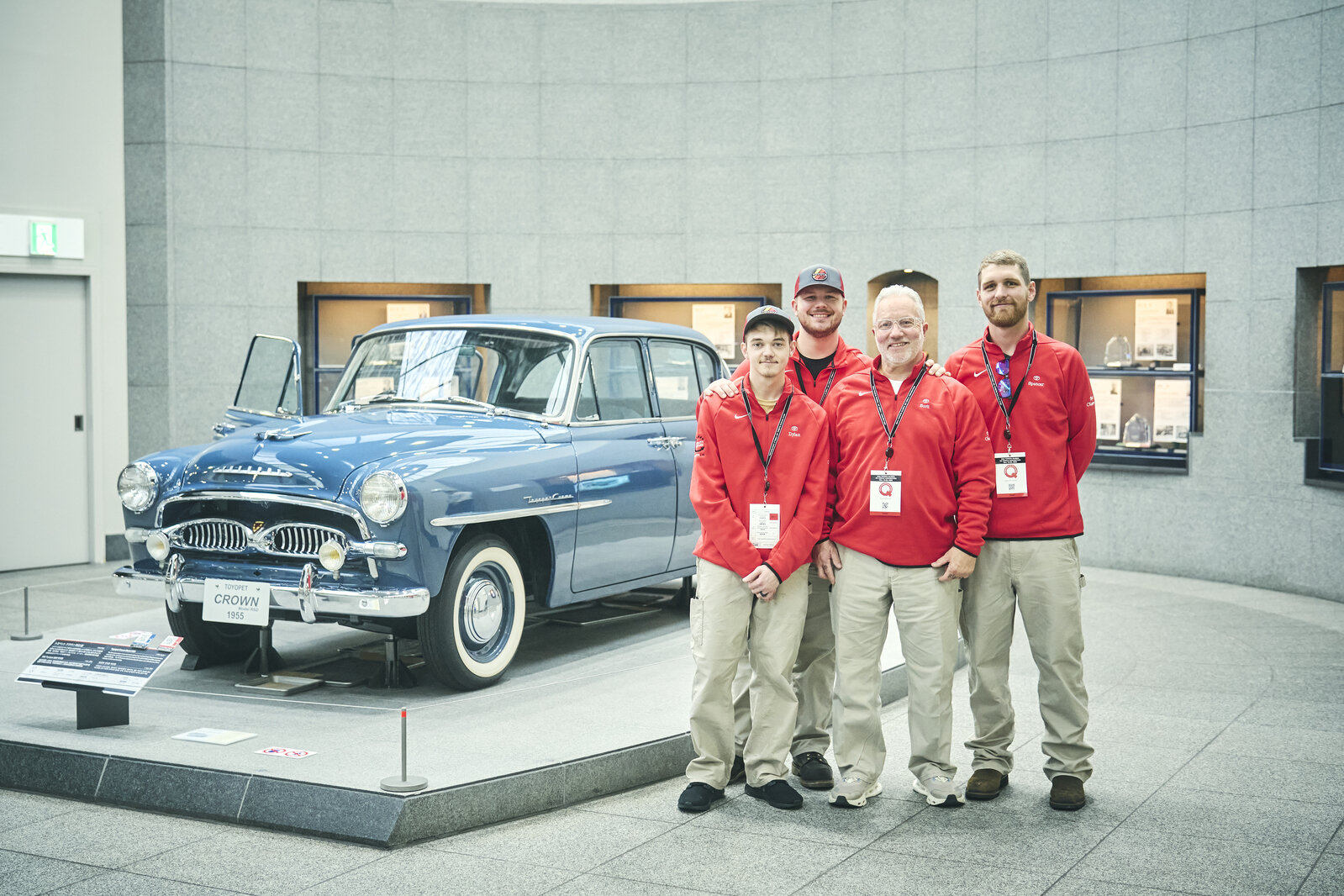
At the Toyota Commemorative Museum of Industry and Technology, the tour traced Toyota’s journey from loom manufacturer to global carmaker, featuring demonstrations of the weaving machines that mark the company’s origins, including the Type G automatic loom. Then, at the Toyota Automobile Museum, the participants immersed themselves in the evolution and culture of the world’s cars.
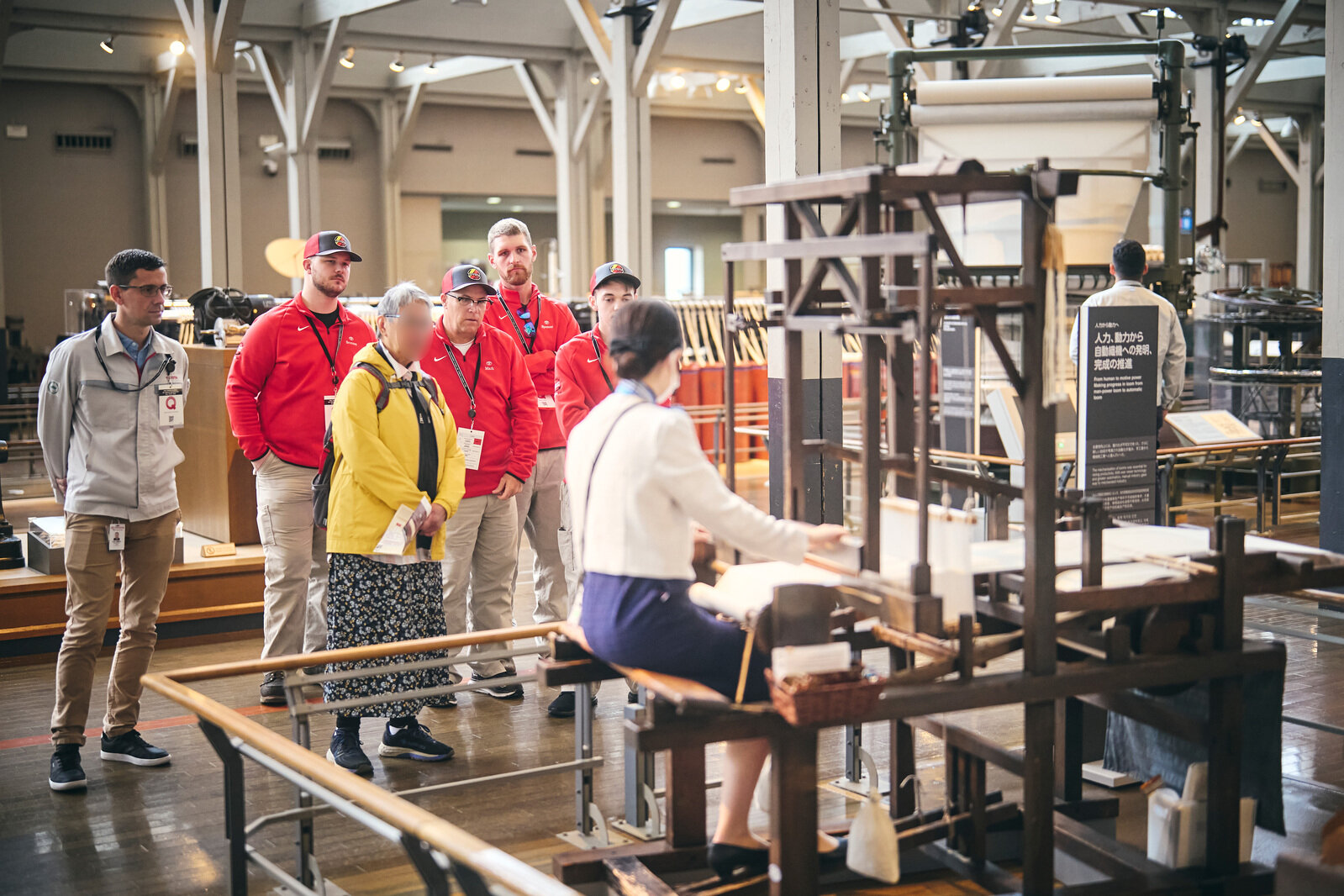
“Having started from looms, Toyota is now building supercars and has become the world’s biggest carmaker. It was really amazing to see that evolution.” (Spencer)
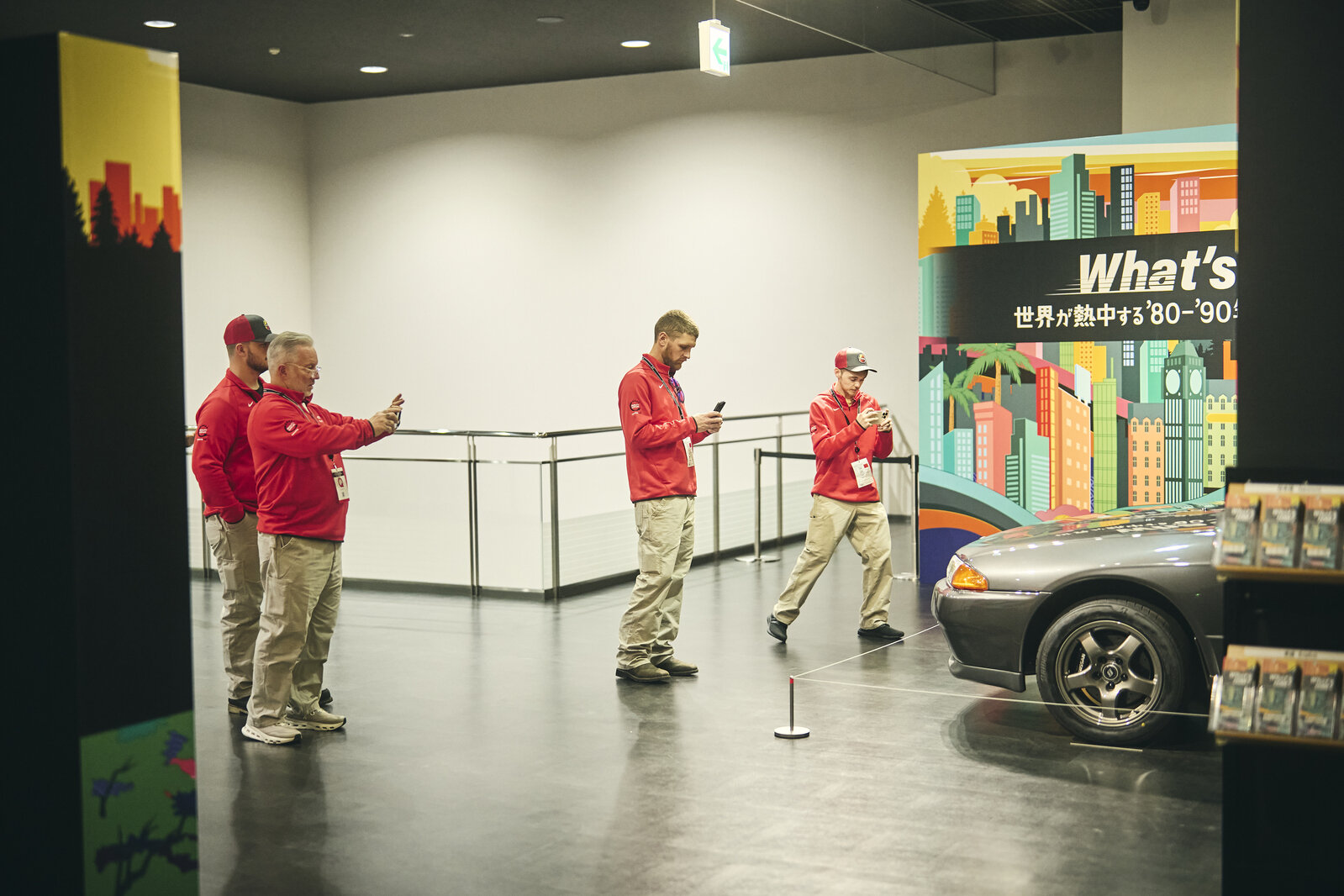
“I was happy that I got to see a GT-R at the exhibition*. I remember Brian O'Conner always driving one in the Fast & Furious movies.” (Dylan)
*15 Japanese cars were displayed as part of a special exhibition titled “What's JDM? – The Timeless Allure of Japan's Rad Era Cars.”
“Being able to experience this history together with team members from the plant, that’s what will stay with me the most.” (Mark)
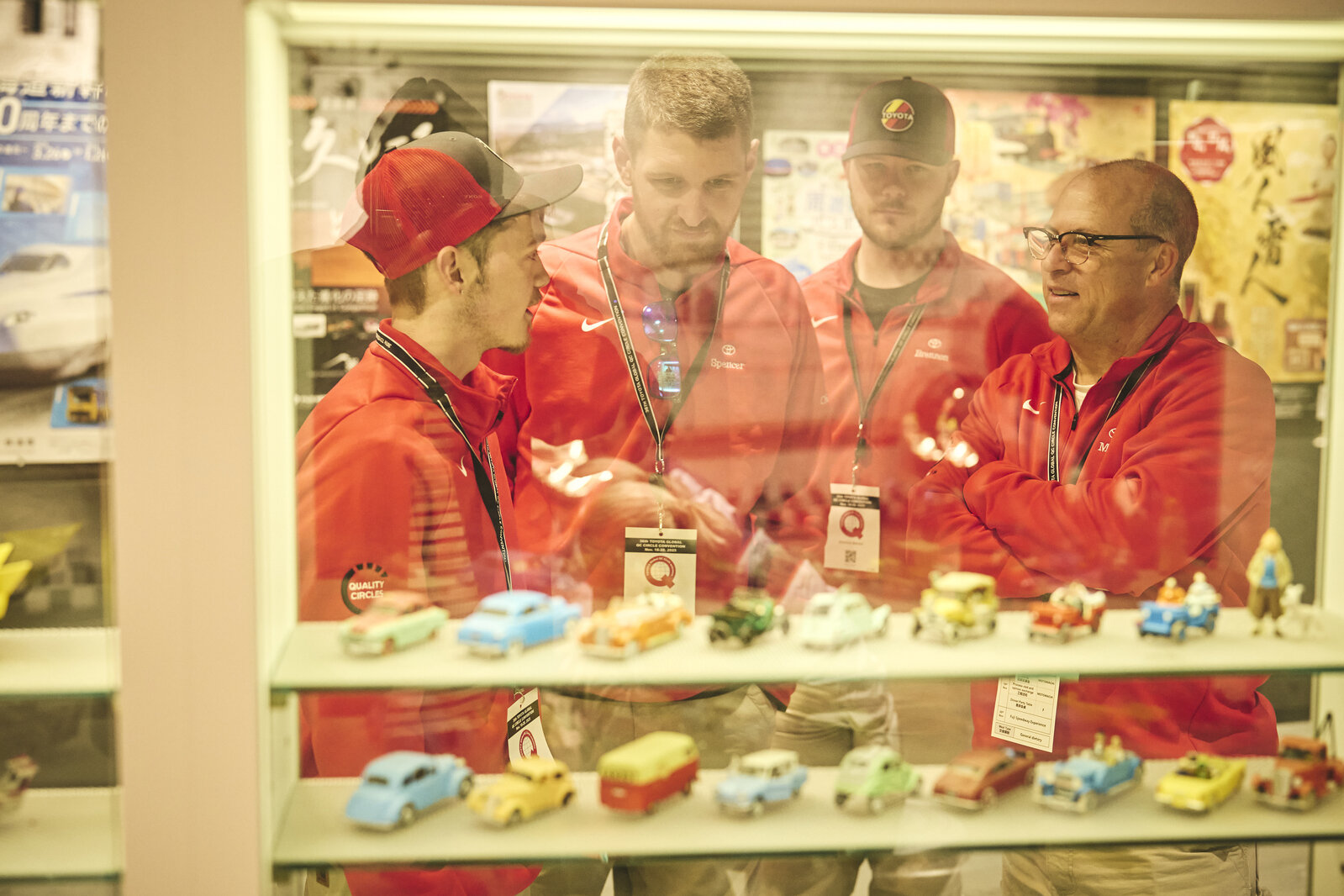
At the museum shop, alongside gifts for supervisors, daughters, and grandchildren, everyone also bought themselves miniature versions of the forklifts used in their own departments. Their choice of souvenirs revealed a desire to share their work with family and friends.
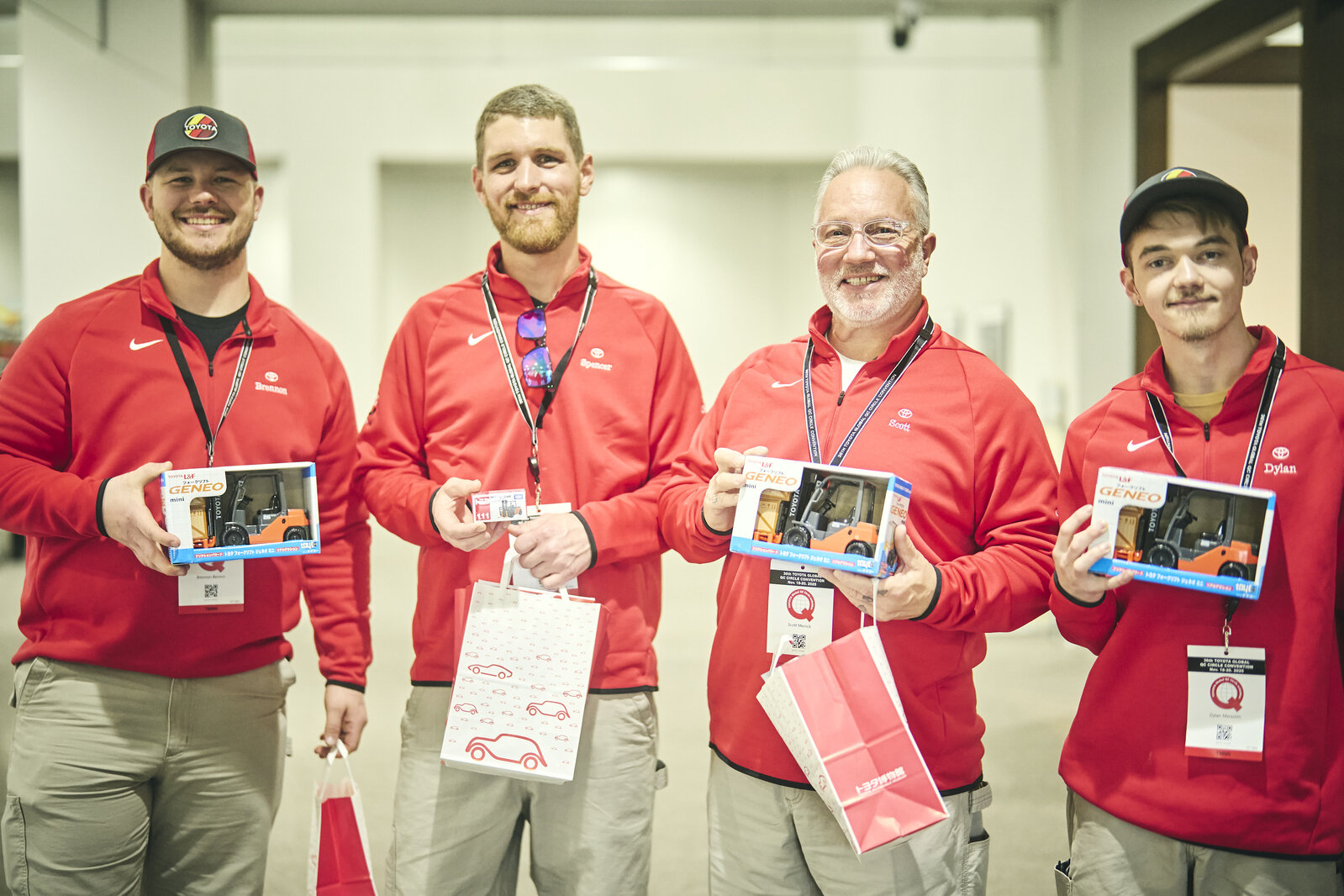
At TMMI, QC circles meet weekly over a period of three to four months. During this time, members collect data and use tools such as fishbone diagrams (cause-and-effect diagrams) to dig deeper into root causes and develop countermeasures.
Brennon
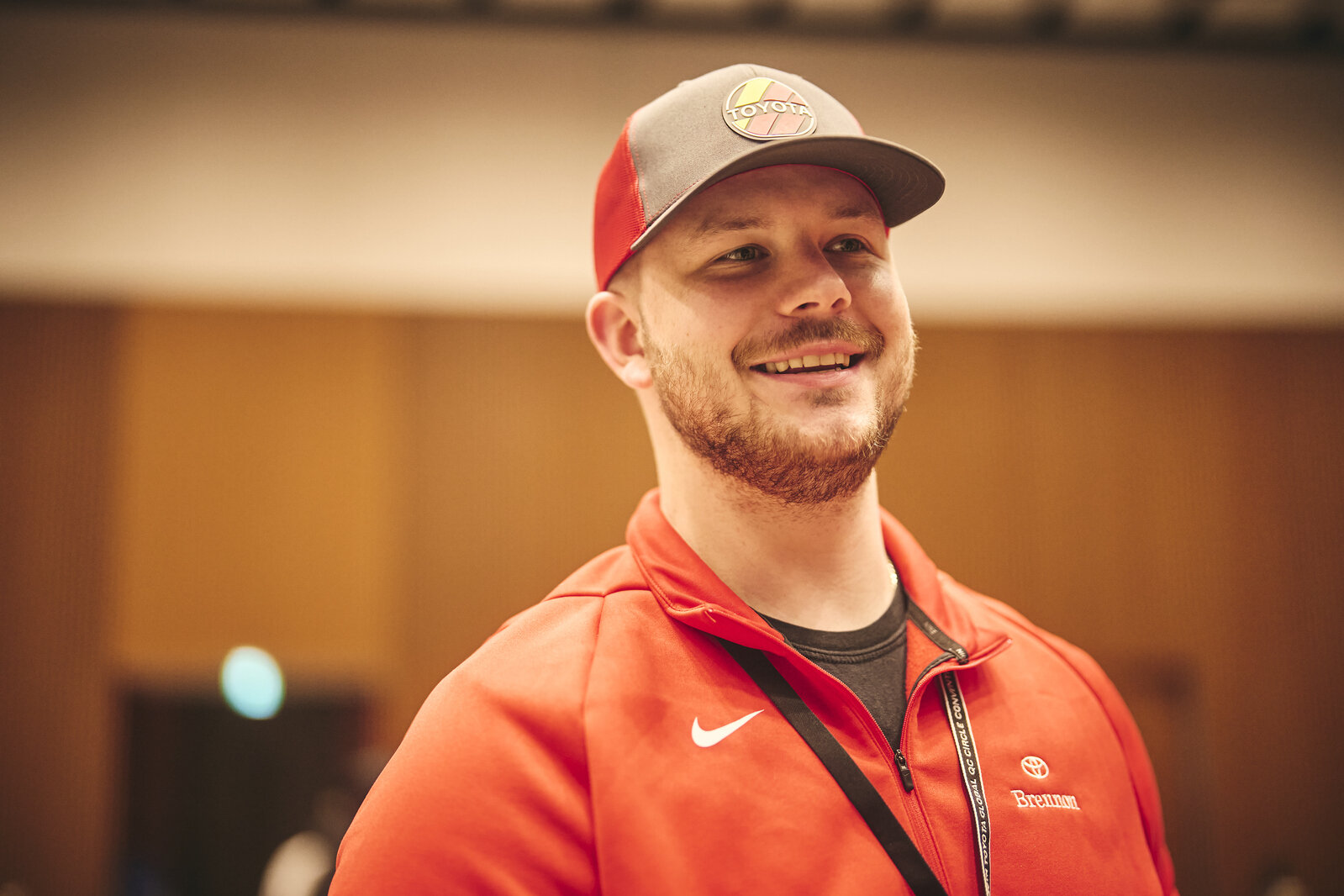
The beauty of QC circle activities is that we can break down problems and incorporate everyone’s opinions.
For example, whereas one person might only come up with one or two ideas, working as a team means each member can contribute one or two, and we can map out the information using tools like fishbone diagrams. In Toyota’s QC circles, we can show team members various skills. I also like being able to exercise leadership.
Spencer
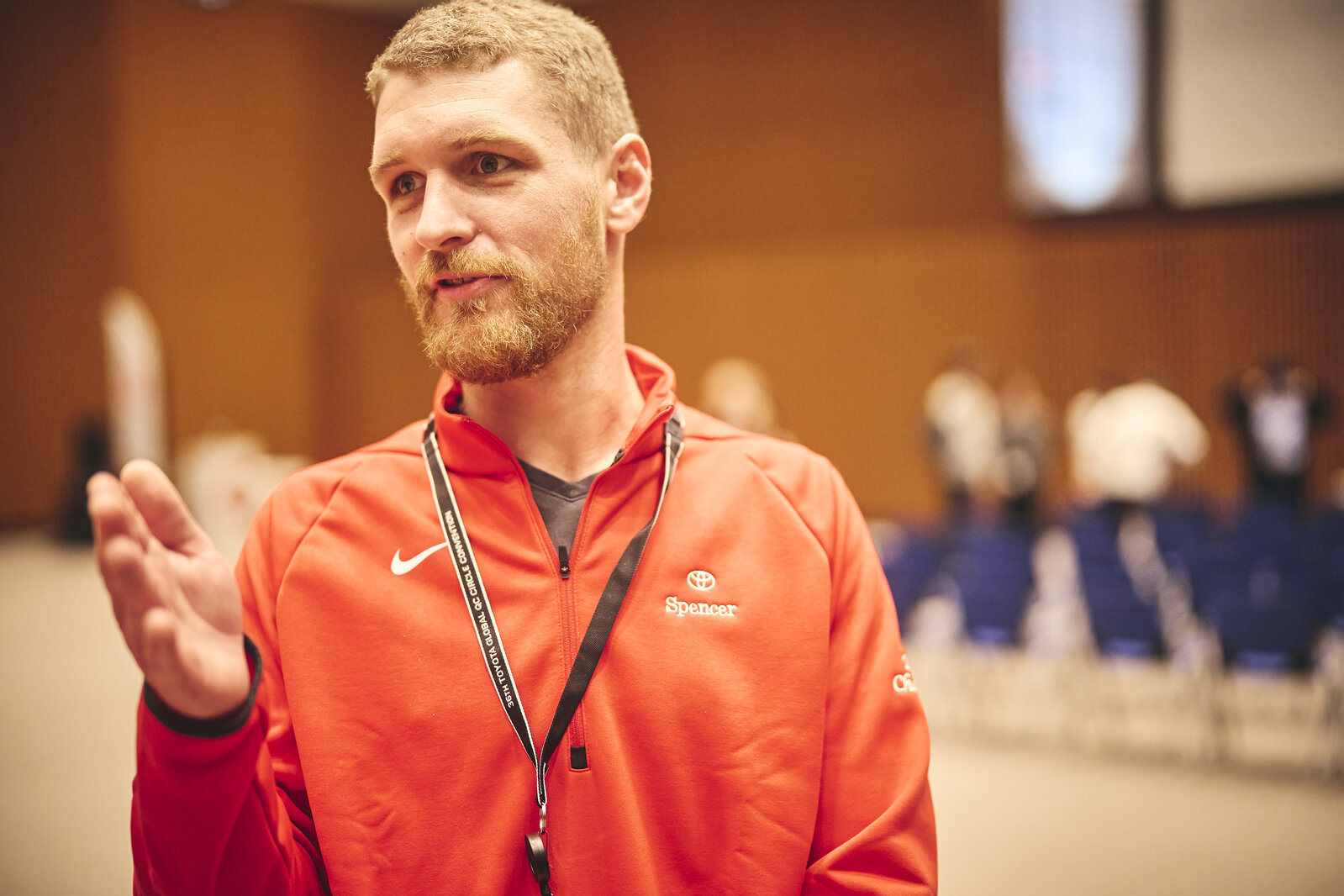
Another benefit is that you can get input from both veterans and new employees. While the veteran staff tend to repeat the same things out of habit, newcomers bring a fresh perspective, so both viewpoints are valuable.
When veterans and newcomers put their heads together, unexpected ideas emerge. What’s important is that we show respect to every member and value each other’s contributions. That’s what makes everything flow smoothly.
QC circles develop personnel and cultivate leaders. This process has clearly taken root in the TMMI genba.