



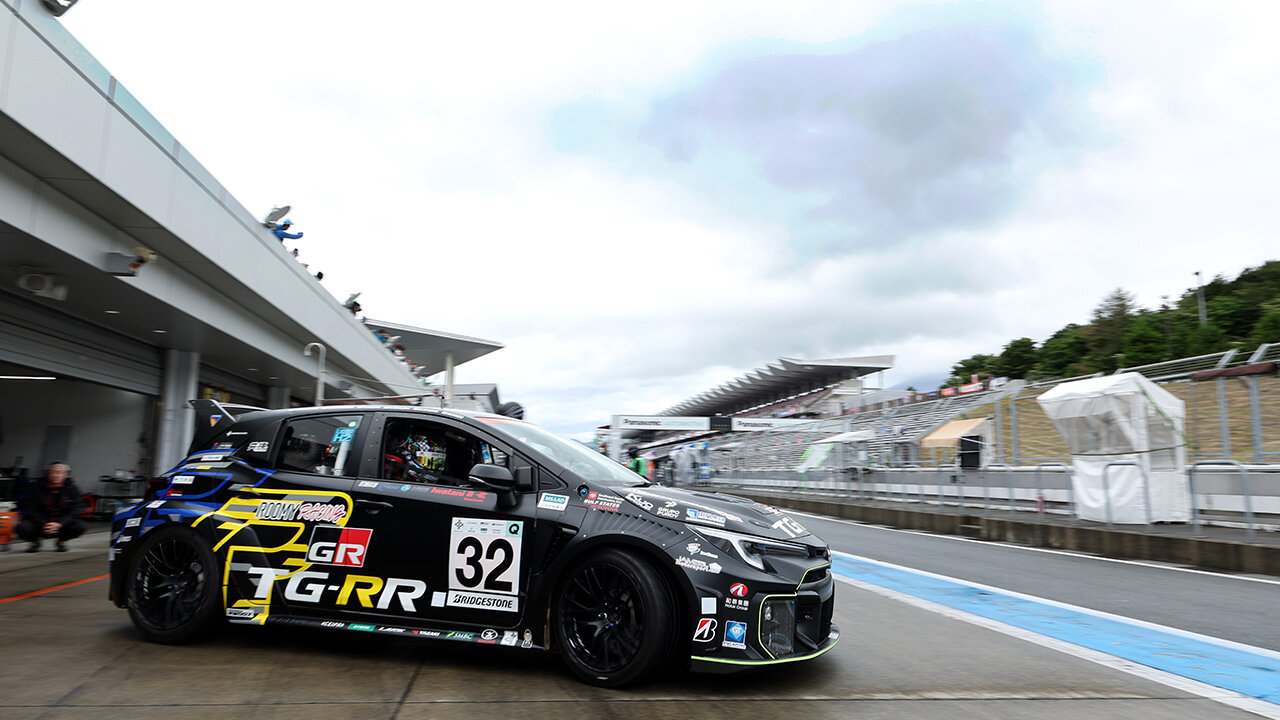
Engine sounds enchant car enthusiasts. In this article, we explore how those sounds are experienced by race car drivers who hear them all the time in racing and development settings.
What engine sounds mean on the racetrac
As we pressed on with our reporting for this series, one question that came up was how much of the engine sound racing drivers actually hear during a race.
After all, during a race drivers wear not only helmets but also earplugs that also function as earpieces for team radio communications.
It’s true that race cars produce ear-splitting noise, but just how much of it can the drivers themselves actually hear?
Sasaki

Of course, some sound is blocked by the helmet and other gear, but we can hear it, and we actively listen to it.
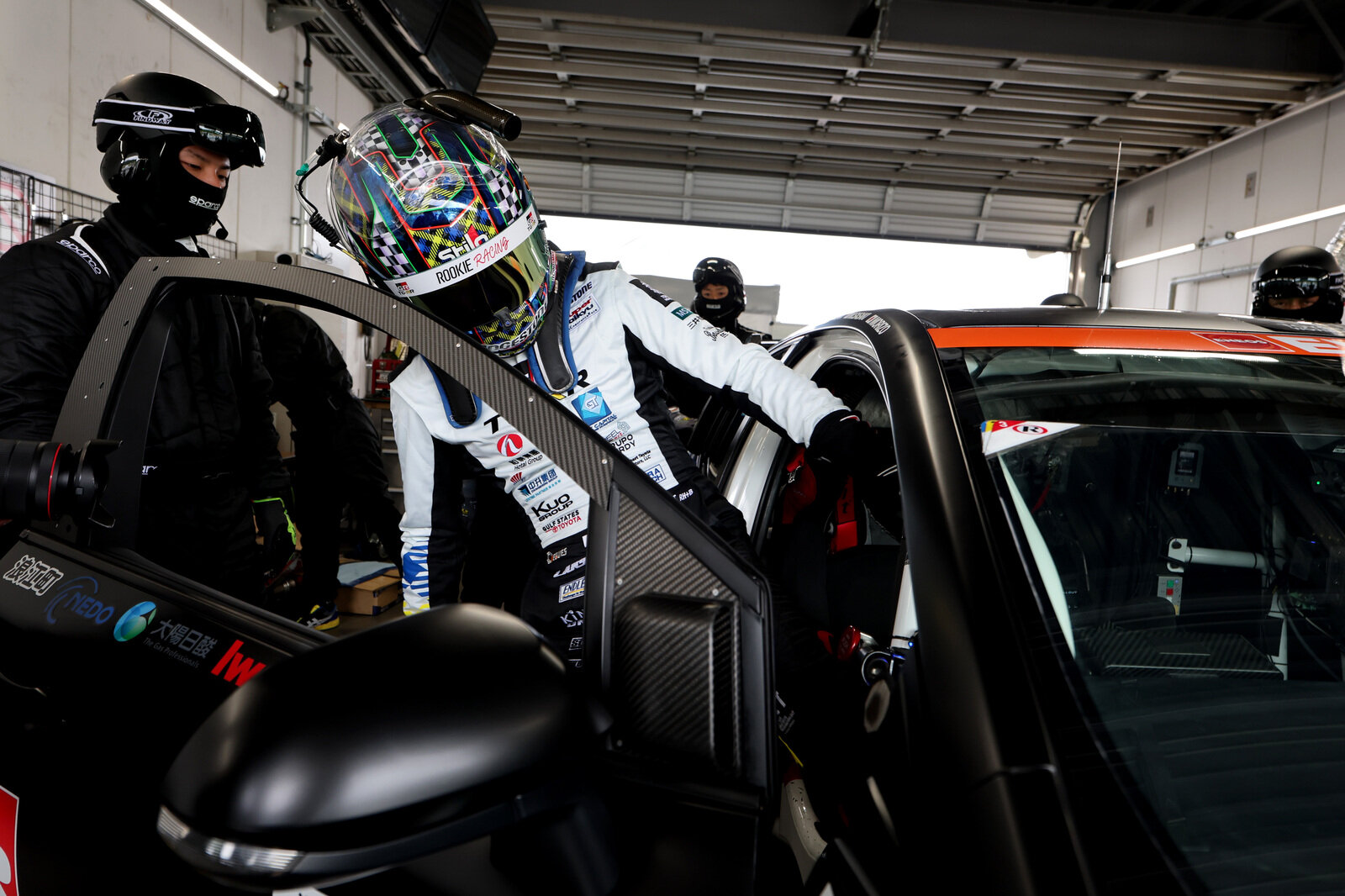
The main reason we listen to engine sound during a race is to help time our gearshifts.
By listening to how the engine revs rise—that is, the frequency at high RPM—we can shift gears without looking at the tachometer. We can also tell whether our cars are in good working order.
When I was competing in Super Taikyu with the GR Yaris, it sounded like the engine sound was out of sync with what I was sensing physically, so I asked the team to check the data.
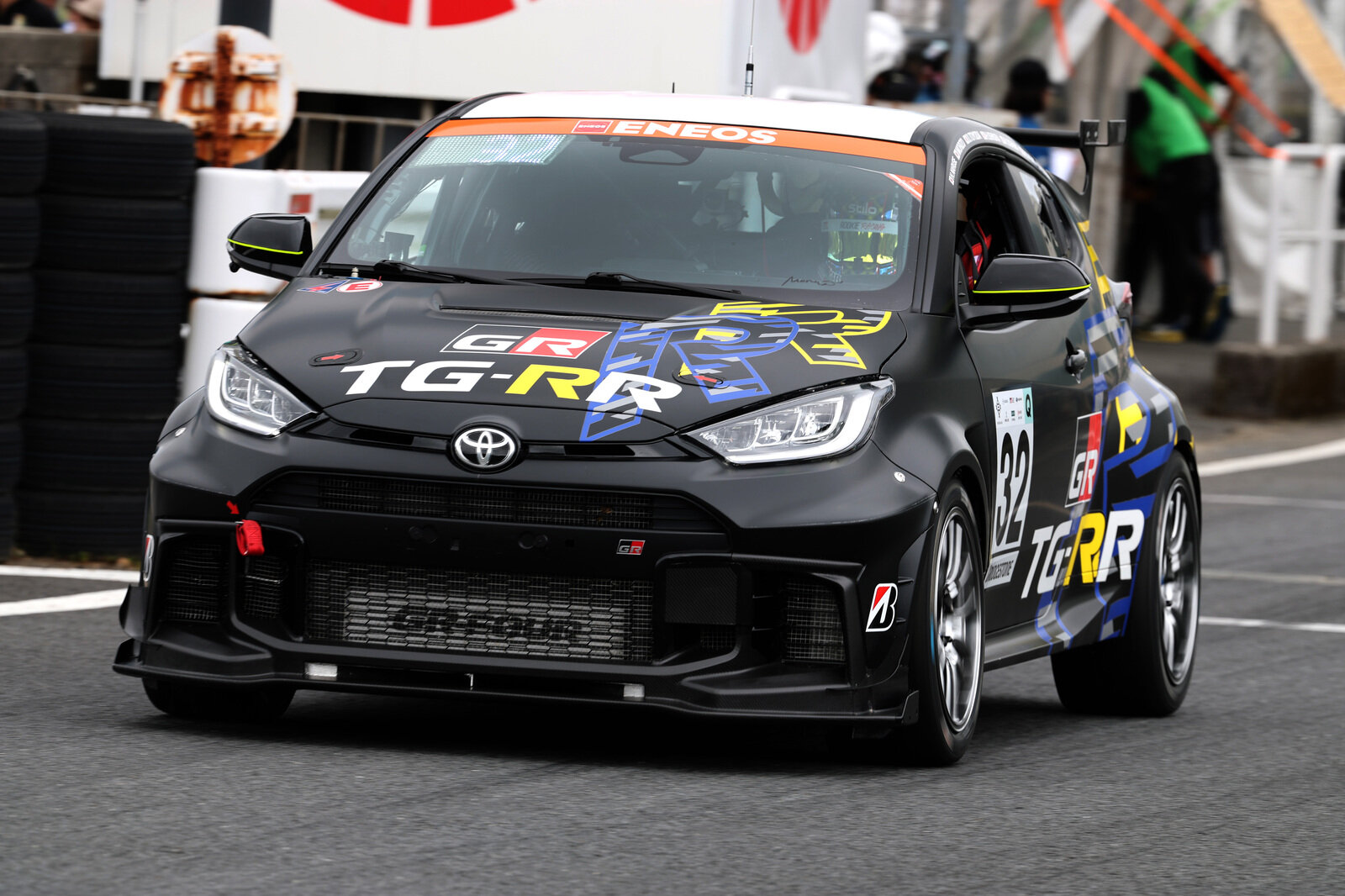
Sure enough, power output was low, so we added some overshoot—briefly increasing boost pressure beyond its set value to restore output.
You can also use engine sound to see how your opponent’s car is doing. Especially in Super Taikyu, where car trouble happens all the time, you can sometimes tell from a rival car’s exhaust note that the engine isn’t running as it should be.
Sound differences between old and new cars
Sasaki, who has also worked as a mechanic, is also a fan of classic cars and motorcycles, and has worked on a wide variety of engines since his youth.
Sasaki
Because modern ECU-controlled cars only sound different when something is seriously wrong, it is difficult to discern subtle changes in their performance by sound alone, but with classic cars you can rely on your ears.
I really do love cars. Beyond sports cars and race cars, I also tinker with carburetor-equipped cars and motorcycles without electronic control, and I judge the condition of their engines entirely by how they sound.
When it comes to engine sound, the exhaust note tends to be what gets the spotlight, but intake note is also extremely important.
The intake note changes completely depending on whether the engine uses individual throttle bodies or a single throttle body.
During maintenance and racing, as well as test drives for vehicle development, Sasaki keeps all five senses sharp, with hearing foremost among them, so he can stay in tune with the car.
He believes a driver-first approach, saying that the driver’s feel for the machine should take priority over numbers on paper.
In motorsports, this reflects what master driver Akio Toyoda has always said when it comes to making cars: they have to be easy for drivers to handle. Simply making an engineering-driven car loaded up with Toyota’s technical prowess won’t cut it. What matters is how well engineers listen to driver feedback and translate it into cars that are easy to drive.
Sasaki
After all, people are the ones who operate the machines. What matters is building cars that allow the machine and the driver to communicate properly.
Of course, we also look at the data and think through how to respond to what it tells us. Data is, of course, essential.
But ultimately, I think what should take priority is human perception.
No matter how fast or safe the data suggests a car may be, if it does not align with the driver’s physical perception, that performance cannot be reproduced on real roads.