



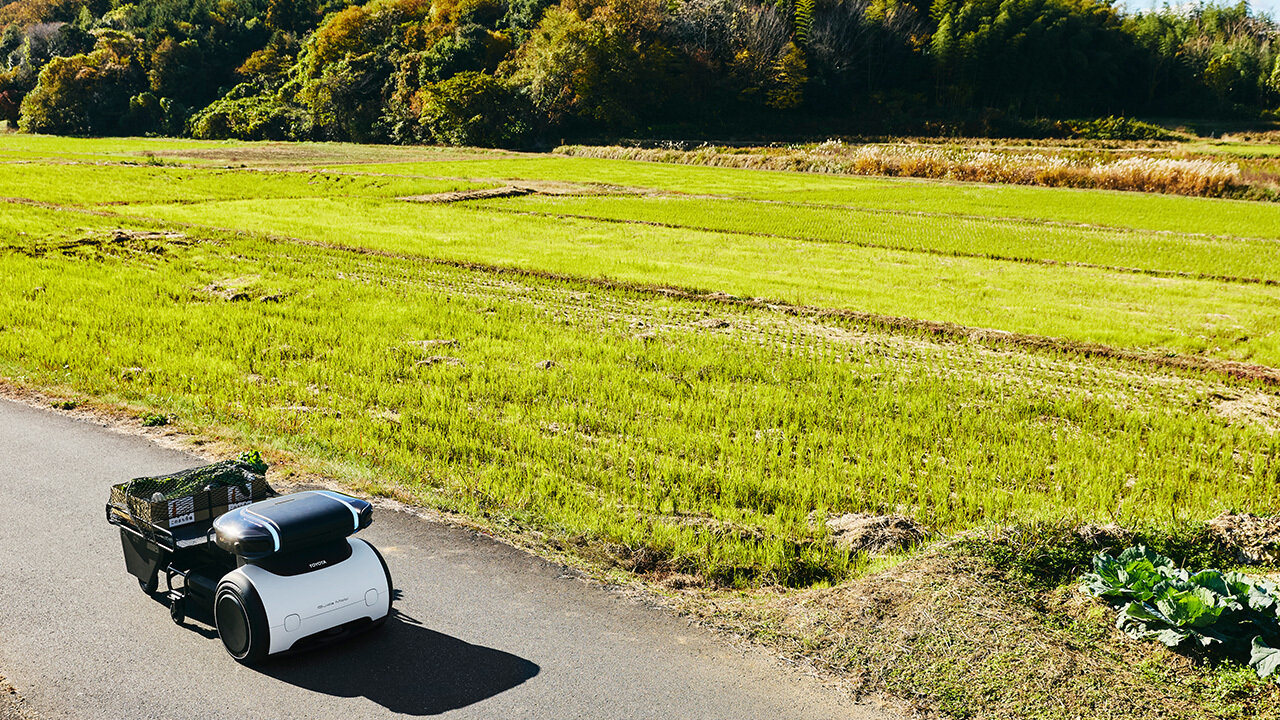
Our report on a rather unique pilot project in Japan, including two questions that provide much food for thought.
“Here it comes, here it comes!” “Is that it?”
Amid the cries of excitement, something zips past. Today, we are shining the spotlight on this mystery object.
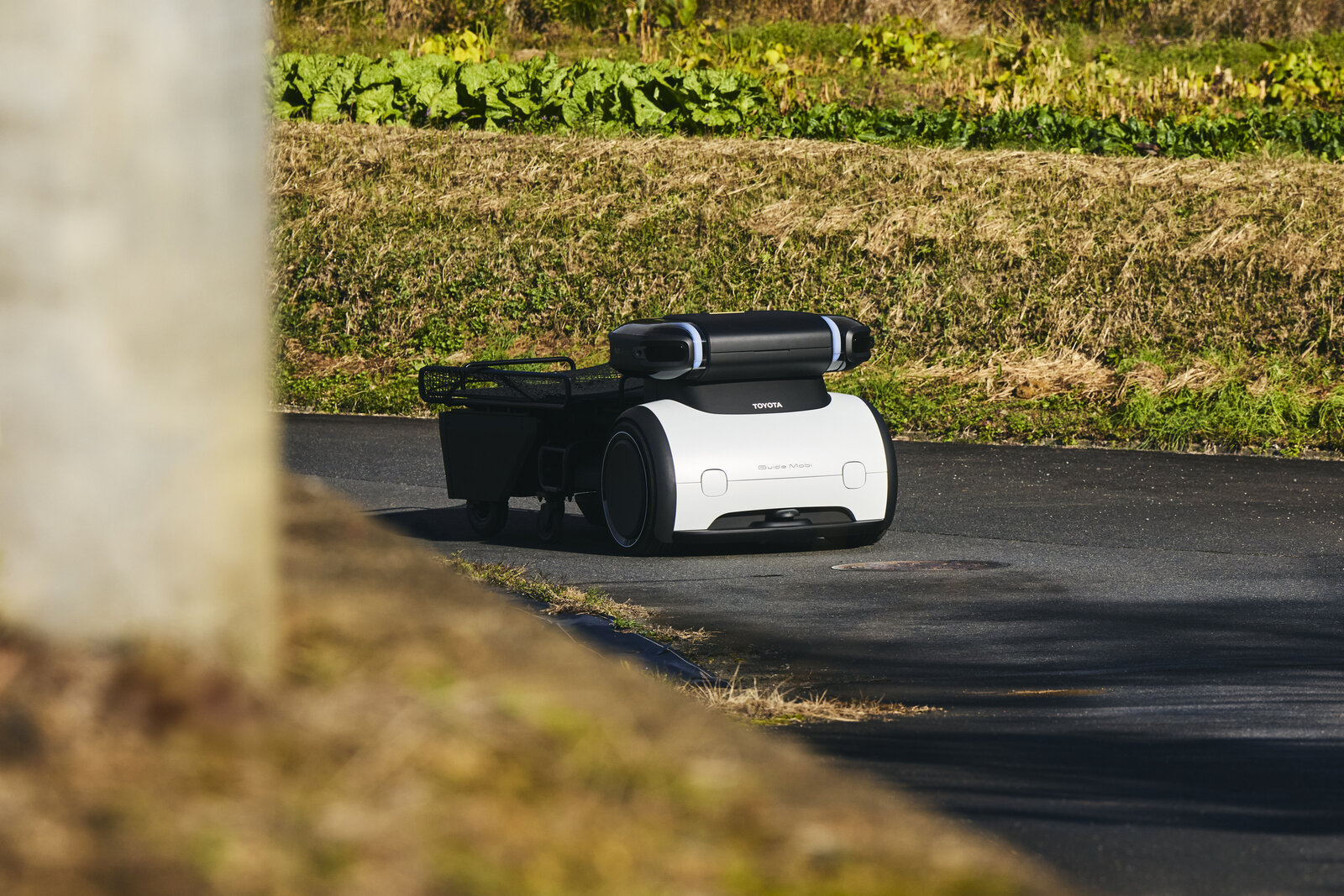
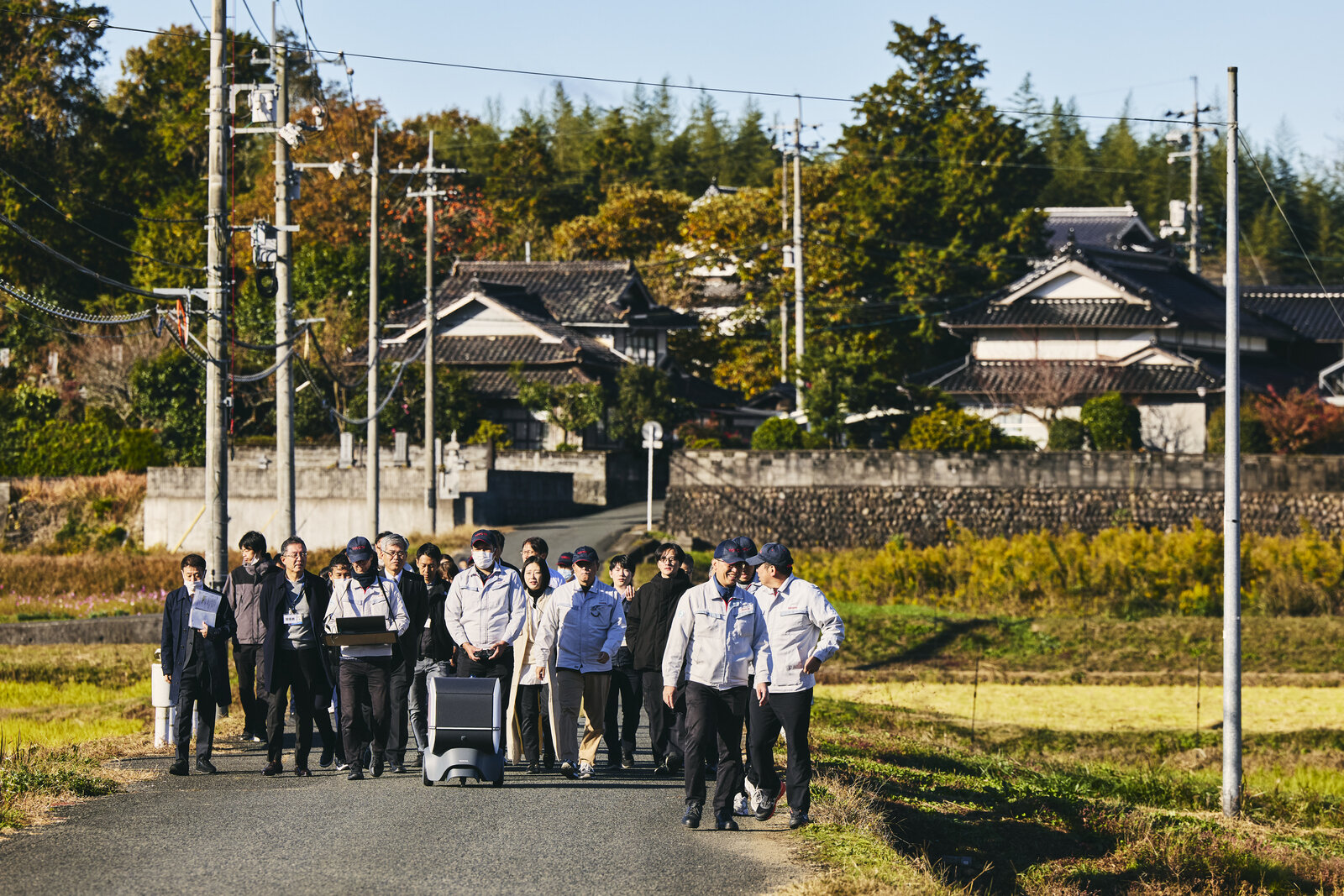
This particular mobility project remains virtually unknown even within Toyota. Arriving on site for our report, we encountered a strange group making their way through the rice fields like a procession. What on earth was going on?
Do you know a Mr. Kato?
We’ll jump right in with a quiz: What percentage of Japanese municipalities are depopulated areas?
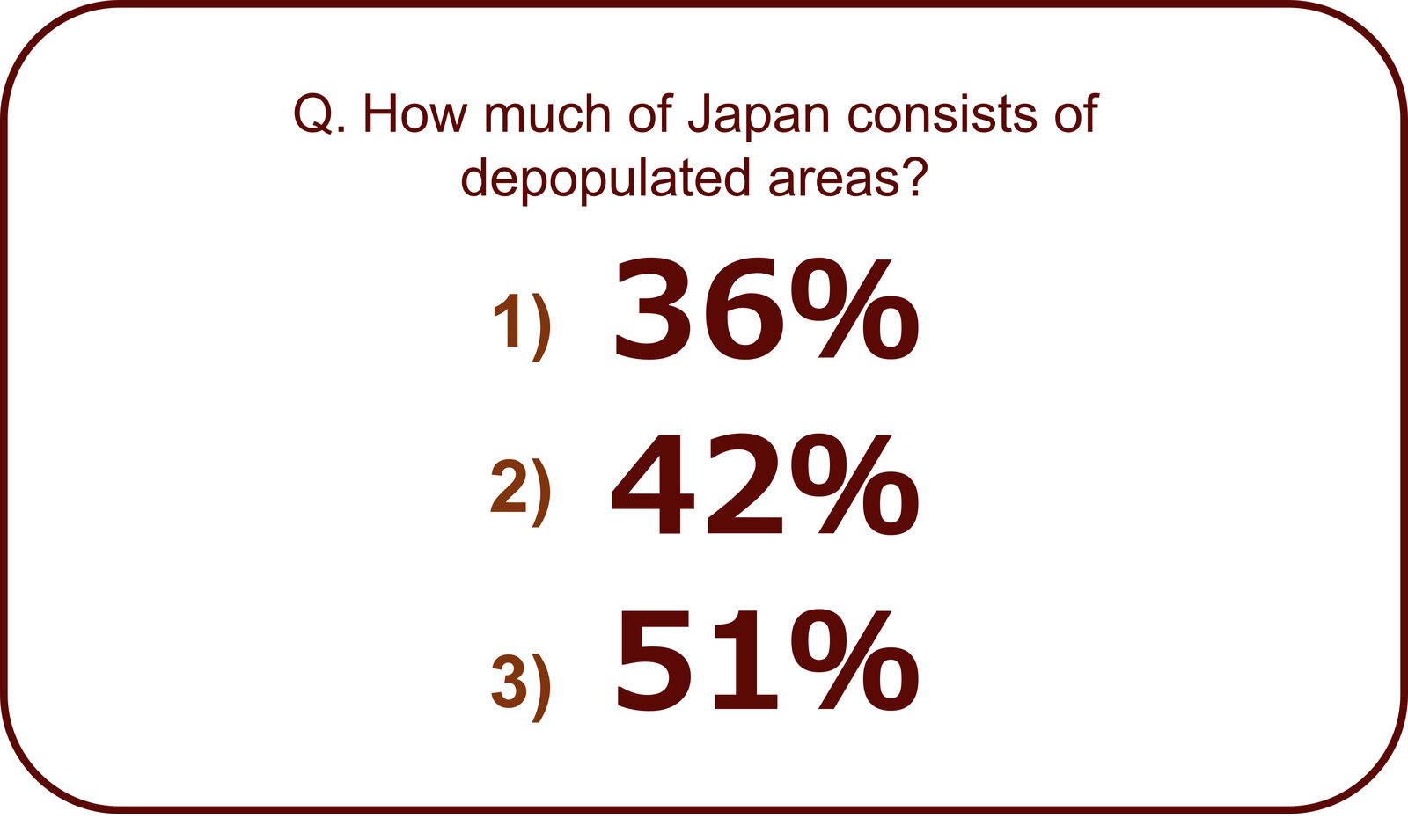
The correct answer is 3) 51%.
That’s right—more than half! According to Japan’s Ministry of Internal Affairs and Communications, approximately 51% of the country’s 1,719 municipalities are designated as wholly or partially underpopulated.
Okay, one more question.
Who are you more likely to meet in Japan: a person with the last name “Kato,” or a truck driver?
In fact, the country has roughly 880,000 of each. Yet while the numbers are nearly equal, most people would probably say they know more Katos.
Perhaps this has something to do with the fact that, while Katos crop up across all generations, young and old, truck drivers tend to be on the older side, with the average age continuing to rise.
Let’s look at some data from the Ministry of Economy, Trade and Industry.
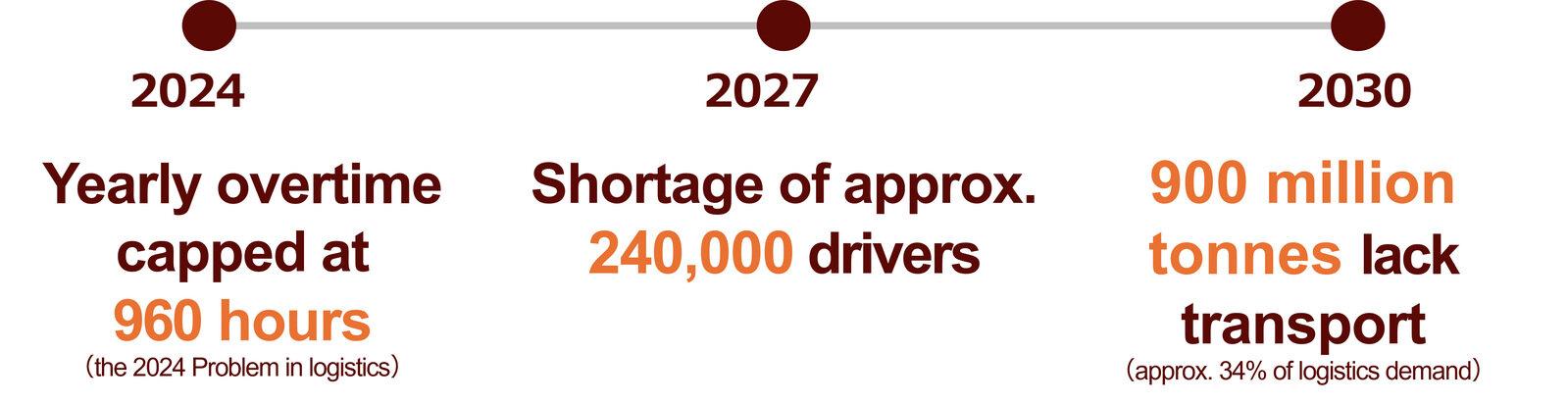
By 2027, Japan will face a shortfall of around 240,000 drivers, and by 2030, approximately 34% of logistics demand will go unmet. Just four years from now, more than a third of goods will have no way of reaching their destinations—a rather alarming proposition…
Particularly in regional areas, access to shopping is becoming increasingly difficult for many people. At the same time, the number of drivers delivering goods is shrinking. One promising solution is the one we introduced at the beginning of this article: autonomous delivery robots.
For this article, we went to see how Toyota’s trials are progressing.
When we spoke with older residents who were seeing an autonomous delivery robot for the first time, they seemed rather delighted. “We thought a robot like Tetsujin 28-go was going to come along (laughs).” Something unusual was happening in their familiar surroundings.

No doubt some astute readers are already thinking, “Aren’t other companies already doing autonomous transport robots?”
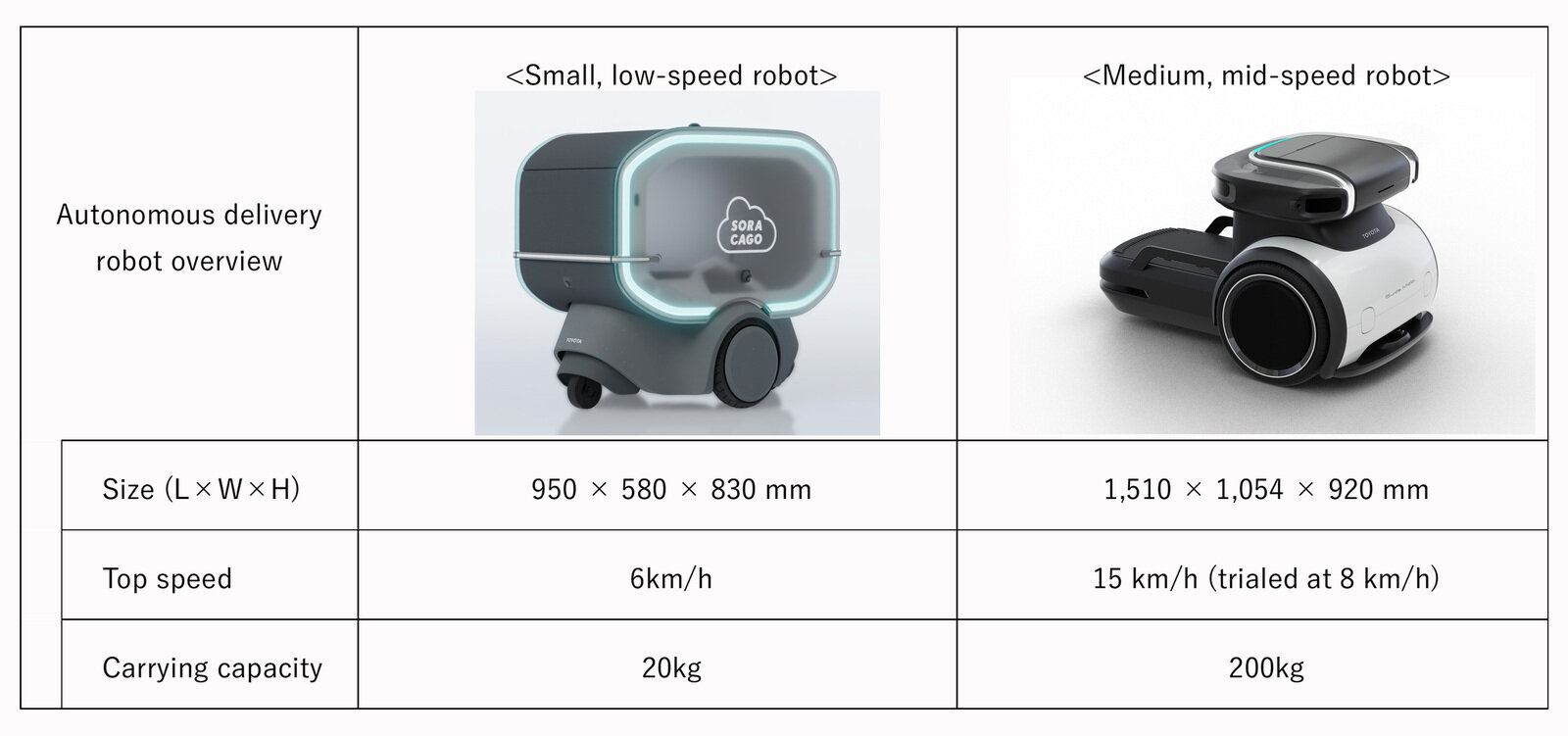
Indeed, following a revision of Japan’s Road Traffic Act in April 2023, “small, low-speed robots” have begun operating in many areas. However, when it comes to more capable “medium, mid-speed robots,” there are very few cases of such vehicles even being tested on public roads in Japan.
With the carrying capacity expanded from 20 to 200 kg, entirely different uses emerge. Unfortunately, in Japan, the necessary regulations and systems are not yet in place.
The data gathered through repeated trials paves the way for a full-scale rollout in society. For that reason, testing these medium, mid-speed robots on public roads is extremely important.
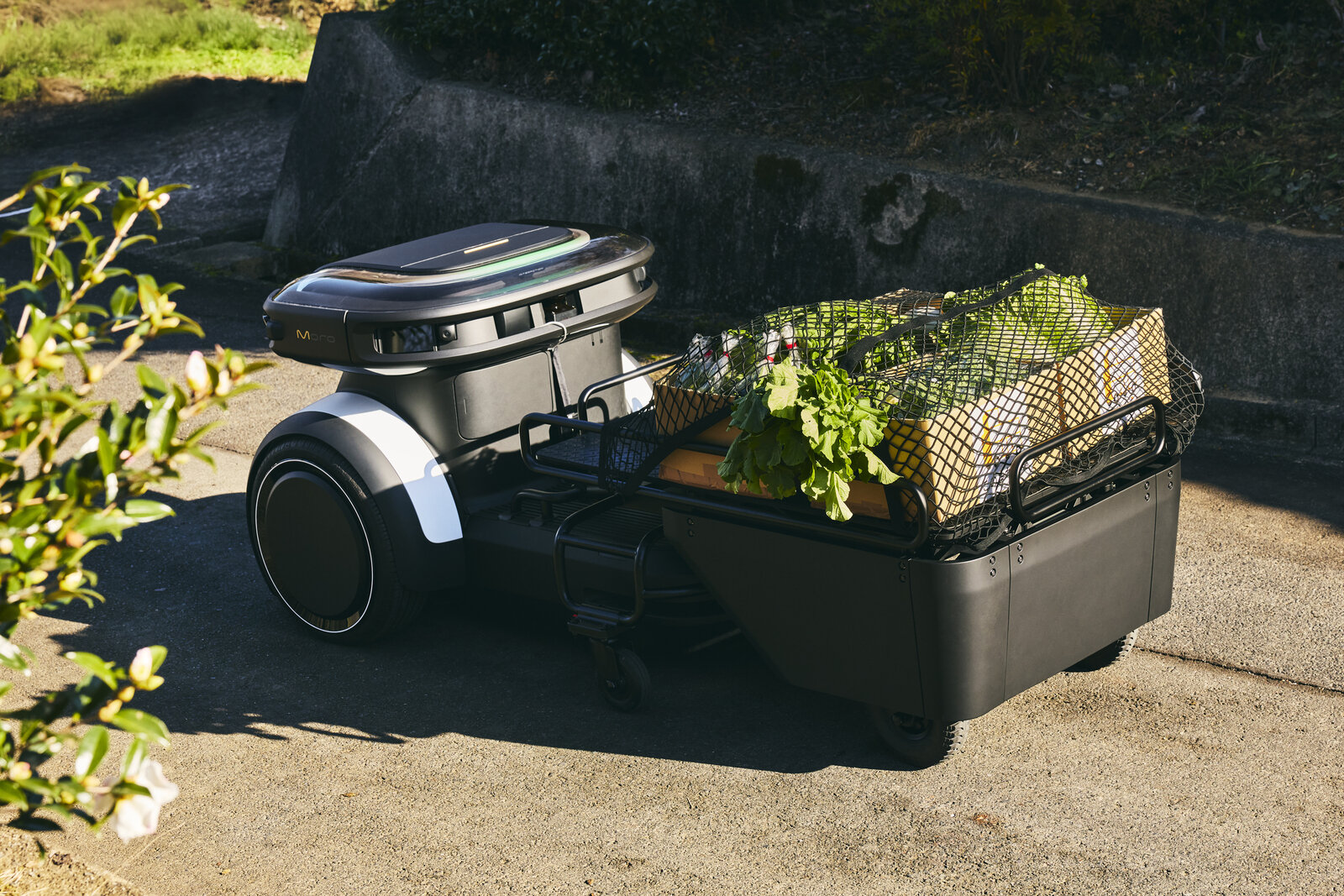
The efforts on this particular day were steered by the Ministry of Economy, Trade and Industry, which is aiming for a public rollout in 2027. In addition to solving societal challenges, it is hoped that such robots will become a growth industry, creating jobs and a positive impact on the economy.
Honed on the road
The trials we witnessed were held in the town of Shōō, located in a mountainous region of Okayama Prefecture. It is said to be the place where the Japanese folklore hero Kintaro spent his last days at the age of 55.
When we surveyed the community’s older residents about their transportation difficulties, they told us, “I live alone now and don’t have a driver’s license,” “The bus only runs three times a day, in the morning, noon, and evening,” and “I can’t even ride my bicycle anymore.”
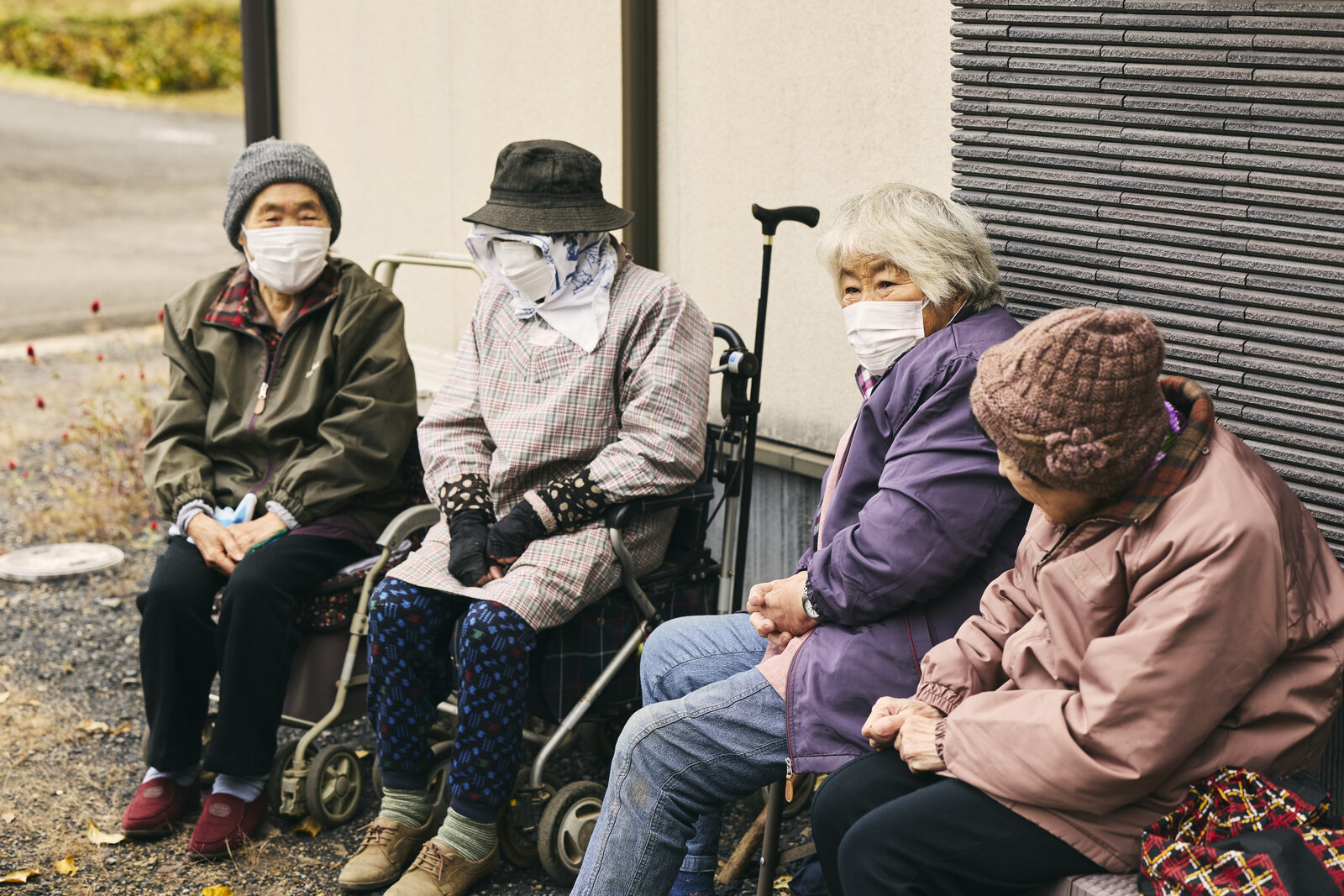
On social media and elsewhere, some people coldly dismiss these concerns—“If it’s so inconvenient, move to the city…”—but everyone values different things. For these residents, this is the town they know and love. What can be done to help them?
Daisuke Sato, one of the developers of Toyota’s medium-sized, mid-speed autonomous transport robots, told us that shopping was also a struggle for his own grandparents. He explained the current project.
Daisuke Sato, Assistant Manager, Advanced Mobility System Development Div.
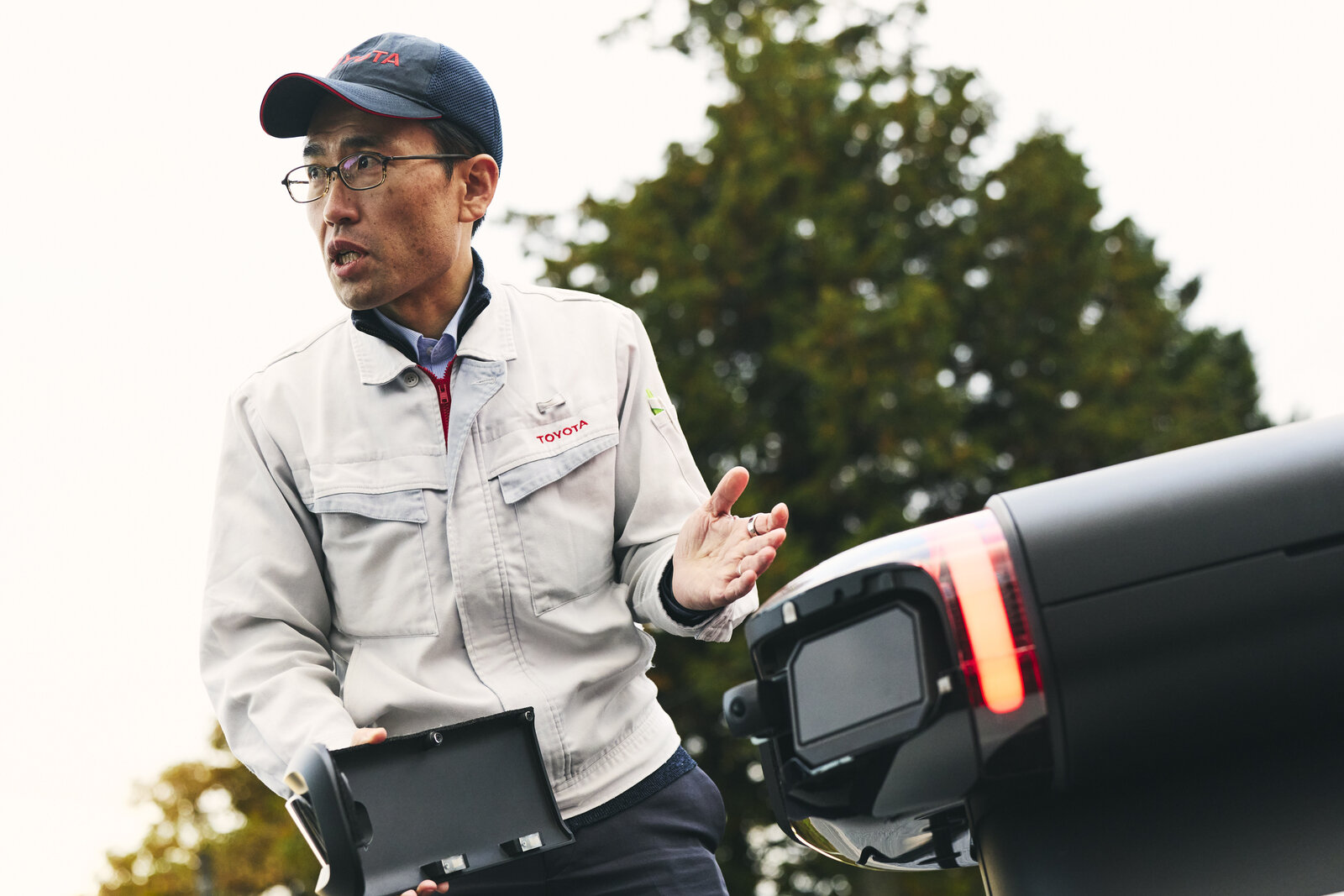
The Guide Mobi has been operating in Woven City, where we were able to solidify the basic functions. Next, it is finally time for public roads, and we set out to refine it on more rural roads.
We had set the collision-prevention sensors at a height low enough to detect a child lying on the ground, but driving on actual roads revealed areas for improvement. A perfect example of how “roads build cars.”
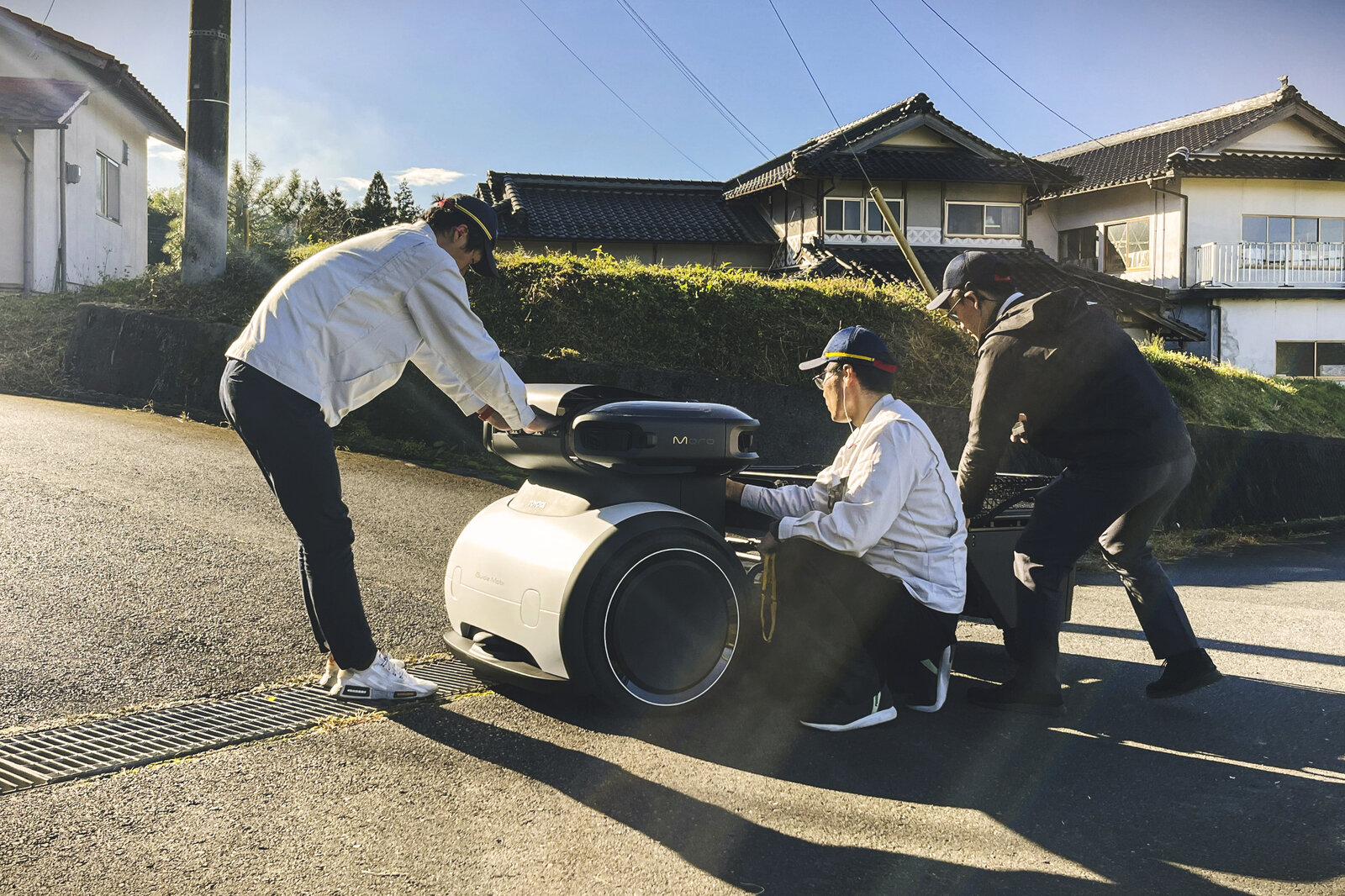
My own grandparents found shopping difficult in their later years, but being able to go and buy the things you want is a real source of joy. Despite the convenience gap between urban and regional areas, no one should be left behind.
Autonomous transport is especially vital at night and in rainy weather. We want to keep improving sensor sensitivity and other aspects to help bring happiness to many people.
Transport robots are useful for more than just shopping.
They can also transport a farmer’s harvested crops to market, for example, or automatically pick up parts in a production plant. In depopulated areas with many older residents, there is also considerable demand for delivering medical goods.
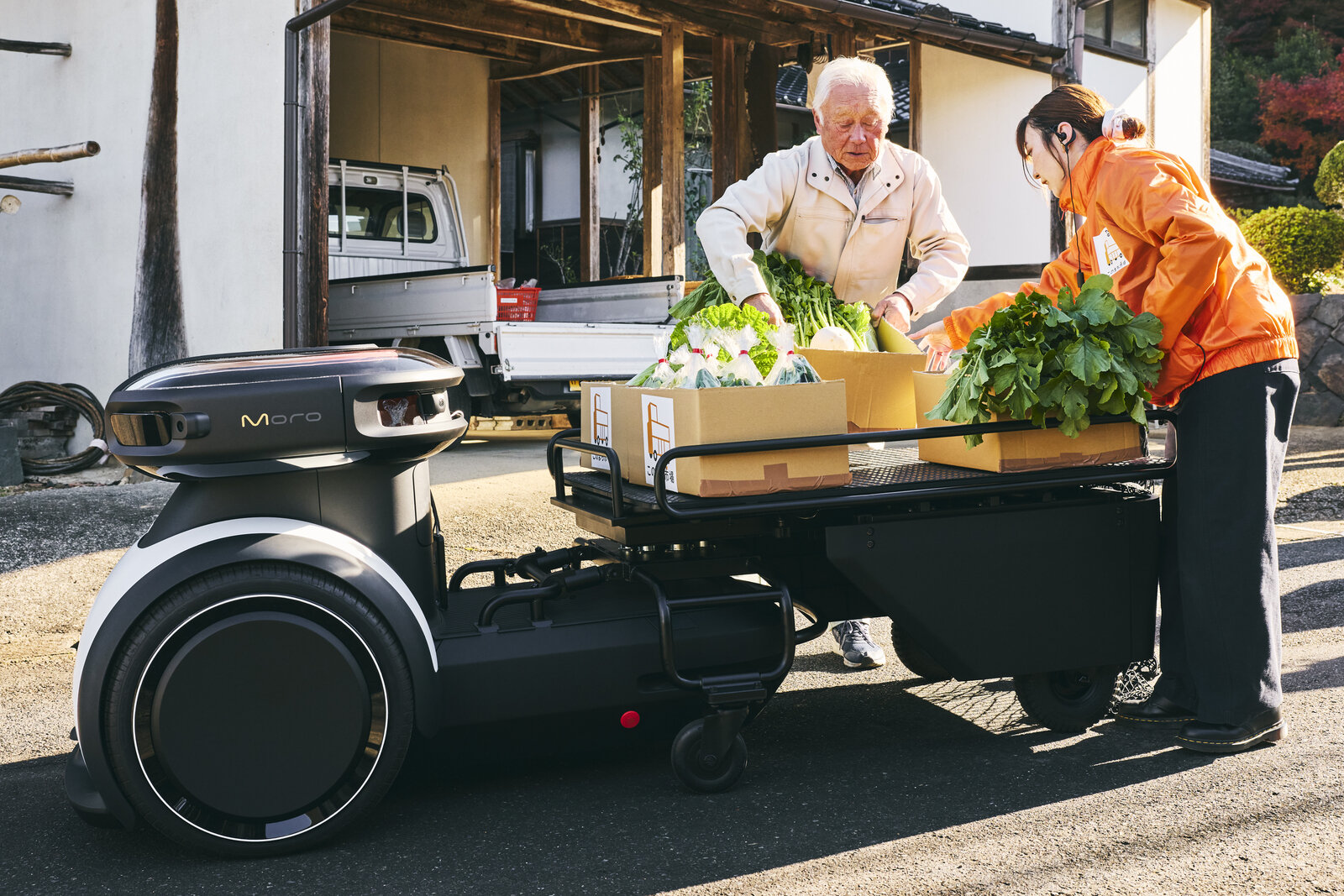
Toyota’s robots also differ from those of other companies in some interesting ways.