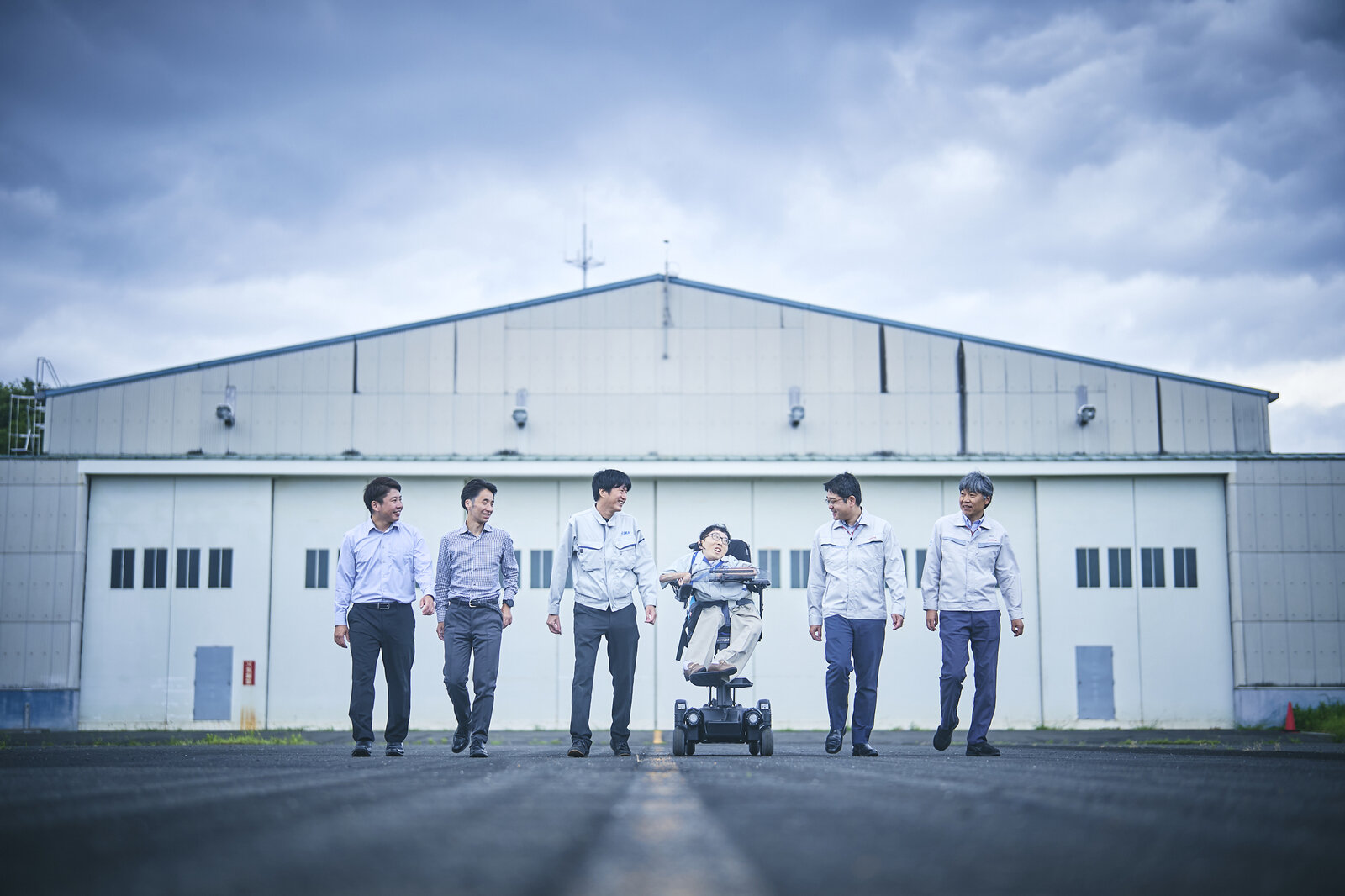
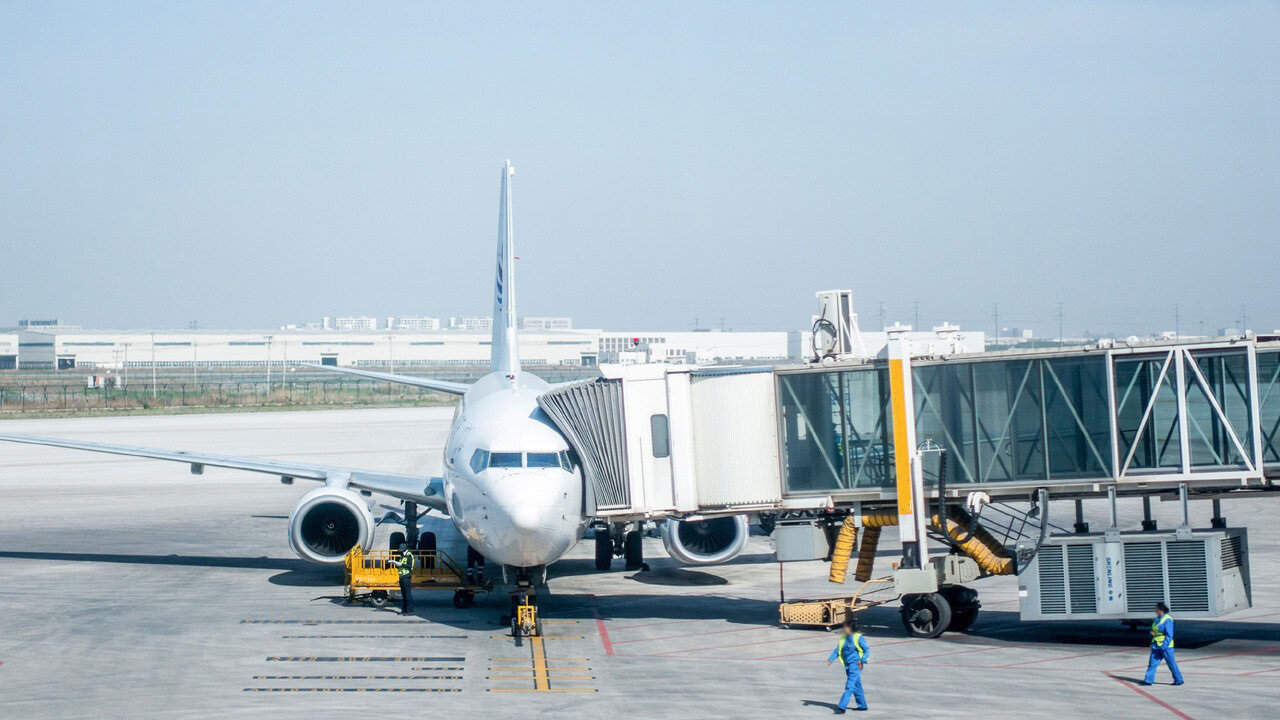
A sneak peek inside JAXA's research facilities! Will Toyota's one-touch wheelchair fastening device prove a good fit for airplanes?
Hisaya Hagiwara, Aircraft Interior Designer, Jamco Corporation
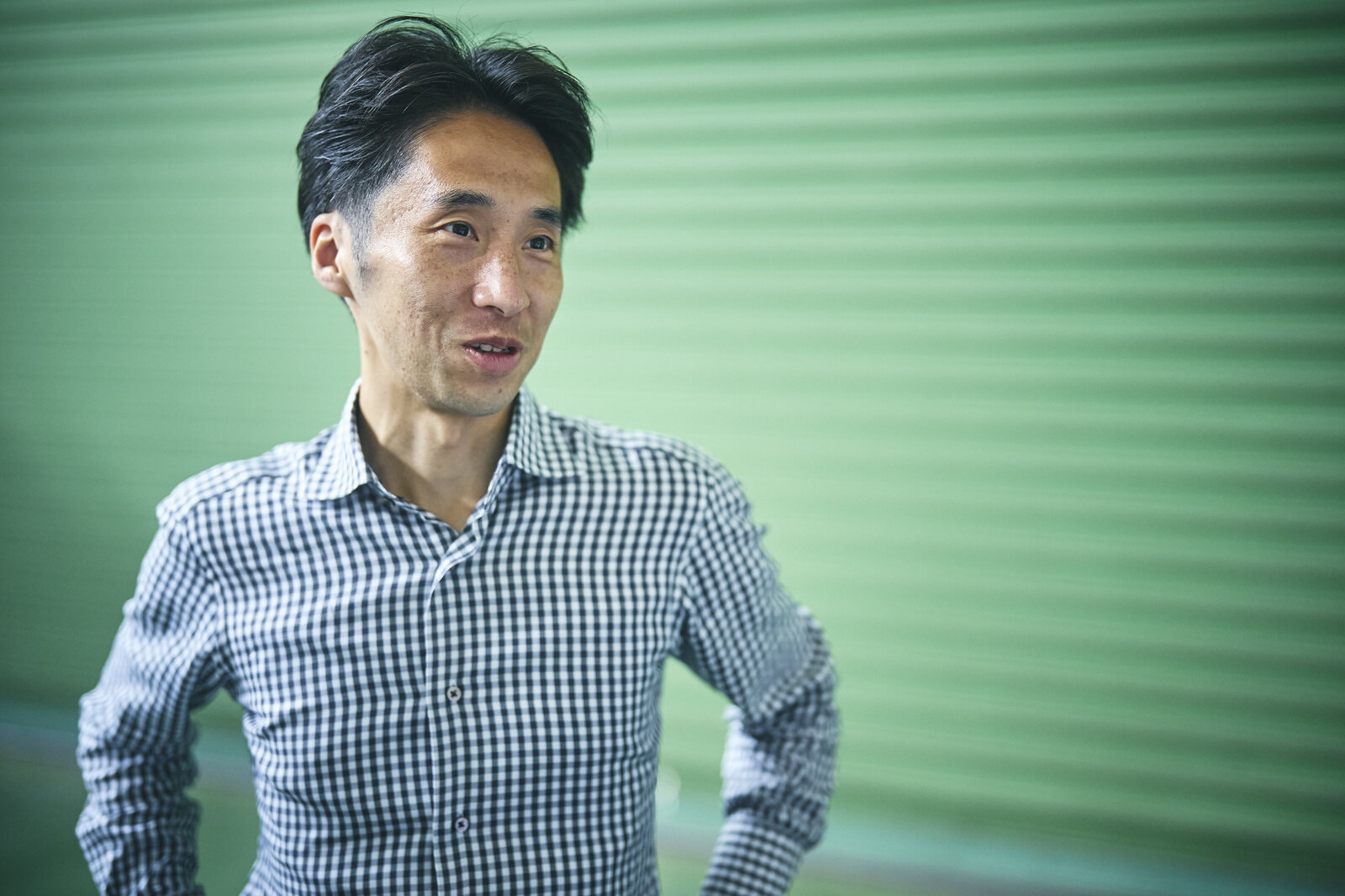
If we consider how the system would actually work in practice, there is a whole host of challenges—establishing common standards for the anchor bars, ensuring they can fit down the narrow aisles on board, figuring out assistance for using the restroom, as well as the issue of aviation-specific certifications and costs…
Once an airplane takes off there’s no way out, and it also becomes a living space where passengers eat and sleep. This means you need comfort as well as safety.
If we tried to solve everything at once we wouldn’t get anywhere, so instead we’re aiming for a proof of concept through repeated trials, using smaller aircraft on domestic routes.
Why JAXA looks beyond space
For this article, we visited JAXA’s Chofu Aerospace Center Aerodrome Branch, situated beside Chofu Airport.
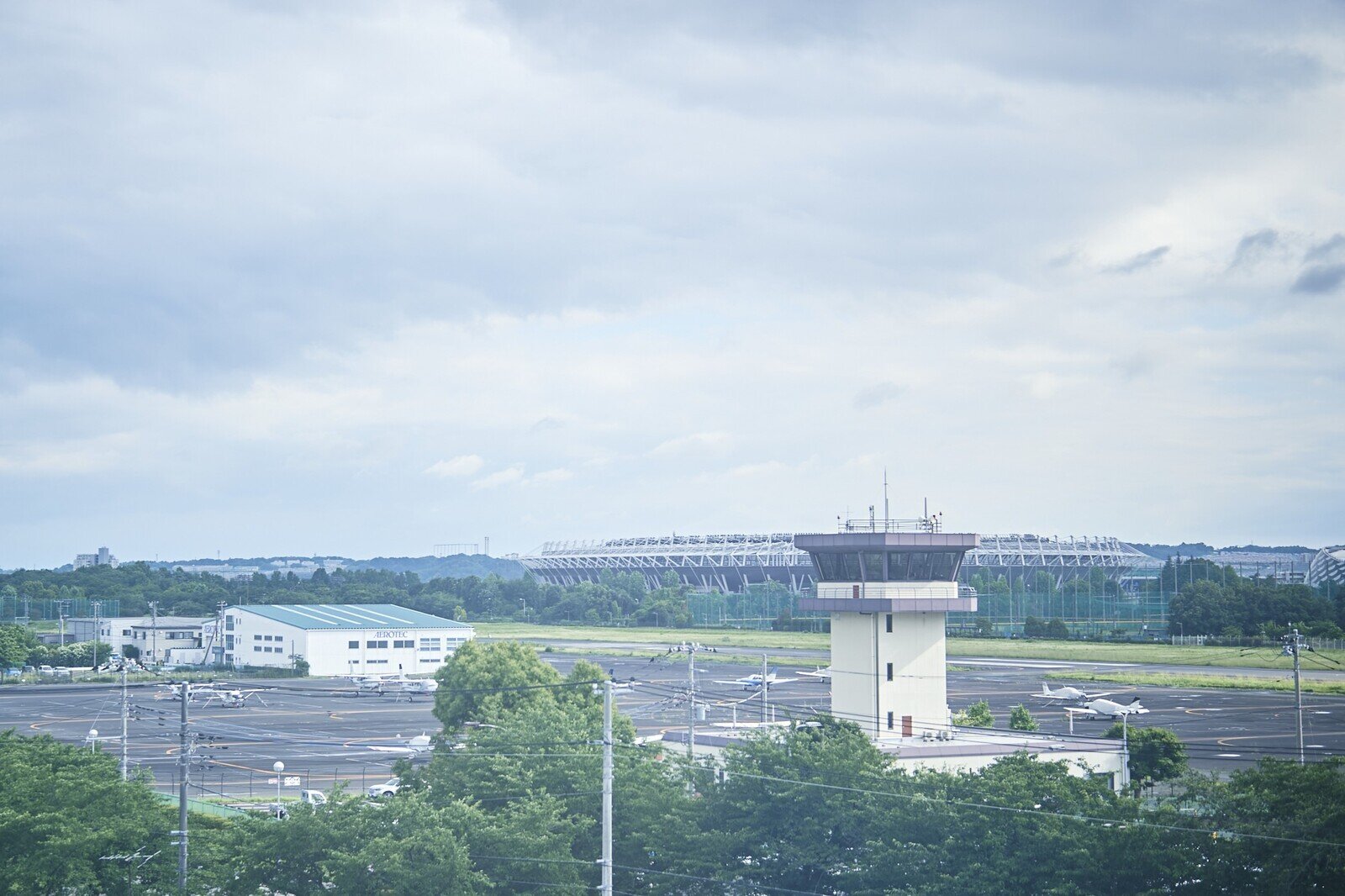
Although the name “JAXA” tends to be associated with space missions, the agency also has a long history of researching aviation technology.
Alongside projects like carbon-neutral electric aircraft and supersonic flight that would revolutionize travel times, in recent years JAXA has also pursued research into accessibility and universal design in the field of aviation.
Public research institutions like JAXA are able to work on future technologies with a longer-term perspective.
Similarly, for this project JAXA is playing the role of torchbearer, gathering input from stakeholders, steering the direction of research, and bringing together the other parties, including Toyota, Jamco, the airline industry, and the Japanese government.
Tetsuo Yasuoka, Dr.Eng., Associate Senior Researcher, Aviation Technology Directorate, JAXA
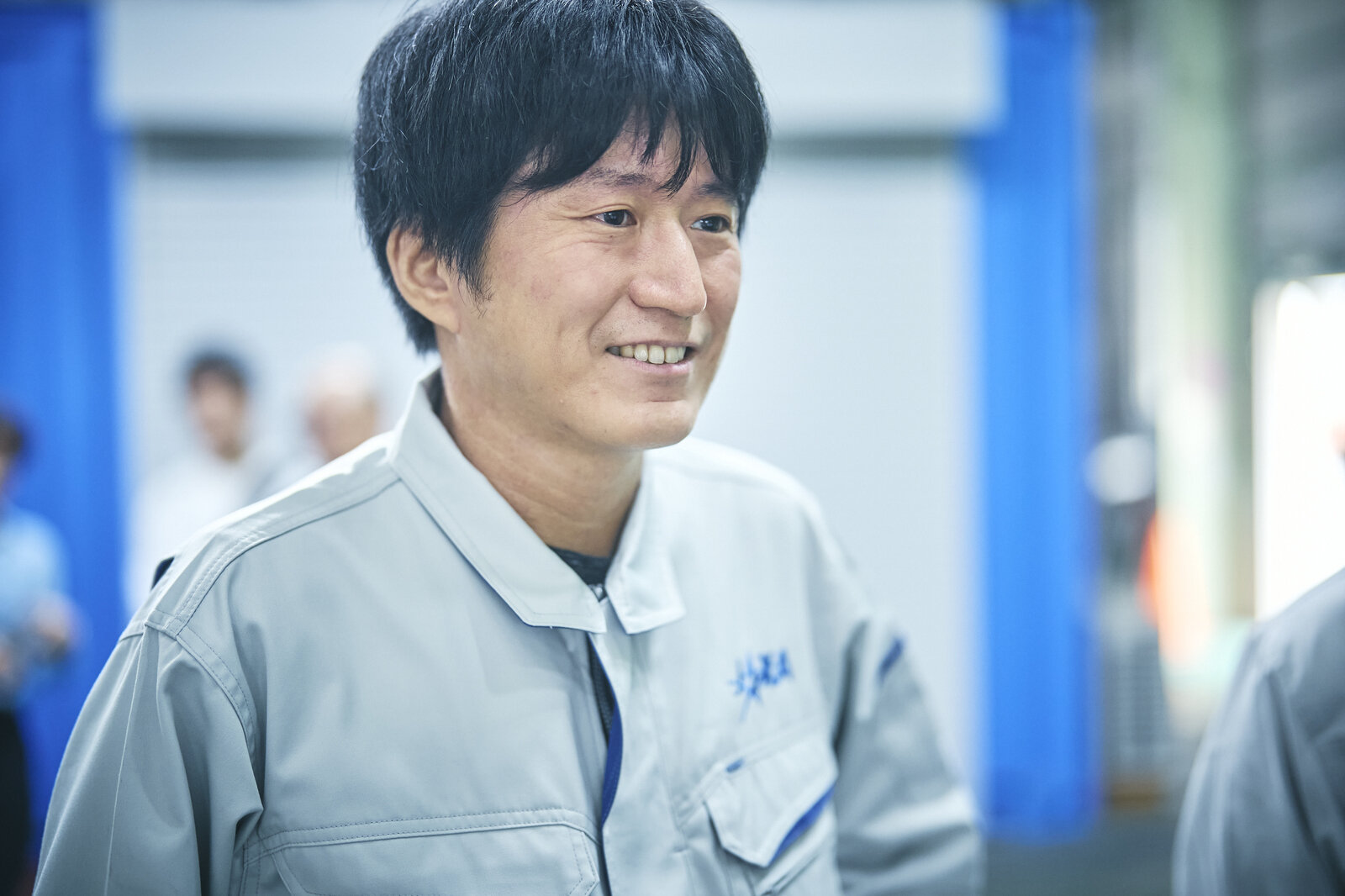
Every wheelchair user has their own unique needs, so there is no one-size-fits-all solution.
I think it’s important that we try to offer as many options as possible, allowing individuals to choose what’s right for them.
This philosophy is shared by Toyota.
In 2025, the company adopted “TO YOU” as the brand’s new vision.
Instead of broad solutions that try to serve everyone, Toyota strives to keep creating products for specific individuals—“you.” The accumulation of these efforts brings us closer to Mobility for All.

Purposeful action transforms the future
The one-touch fastening device is a prime example of this mindset.
Yukio Inaguma, Project General Manager, CV Management Div.
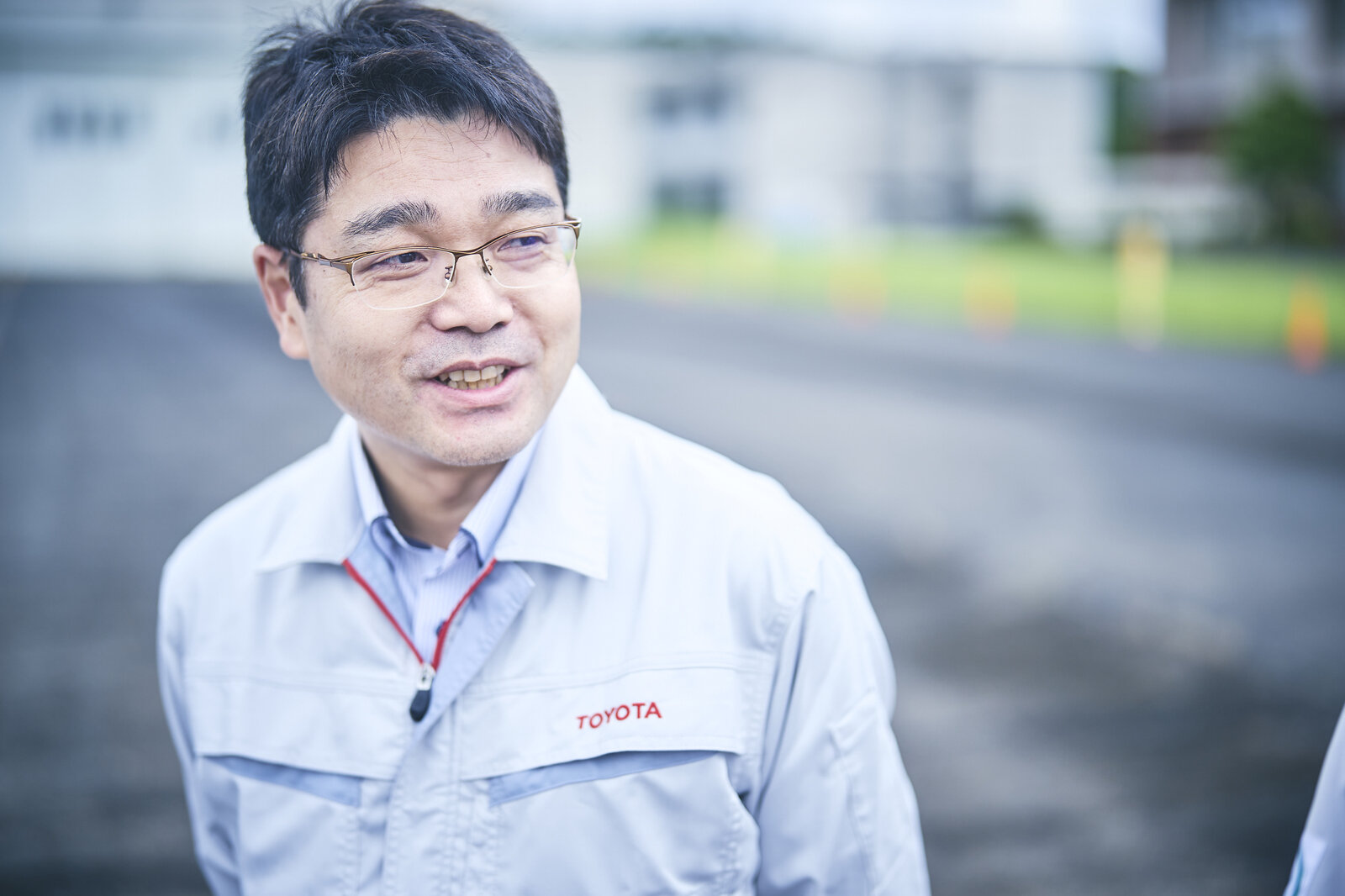
In a future where automated driving makes buses more convenient, if securing wheelchairs still takes a long time then wheelchair users will be left behind. We’re determined not to let that happen.
Airplanes can travel far greater distances than other forms of transport.
If we seamlessly linked cars, buses, boats, and even airplanes, people could journey around the world in the comfort of their own wheelchairs, and I believe this would dramatically expand the possibilities of mobility for many.
Mako Shibuya, who we heard from earlier, has high hopes for this project. “I could board the plane and even use the onboard restroom in my own wheelchair. It would be wonderful if this made flying less physically demanding and allowed passengers to choose how they travel according to their disability.”
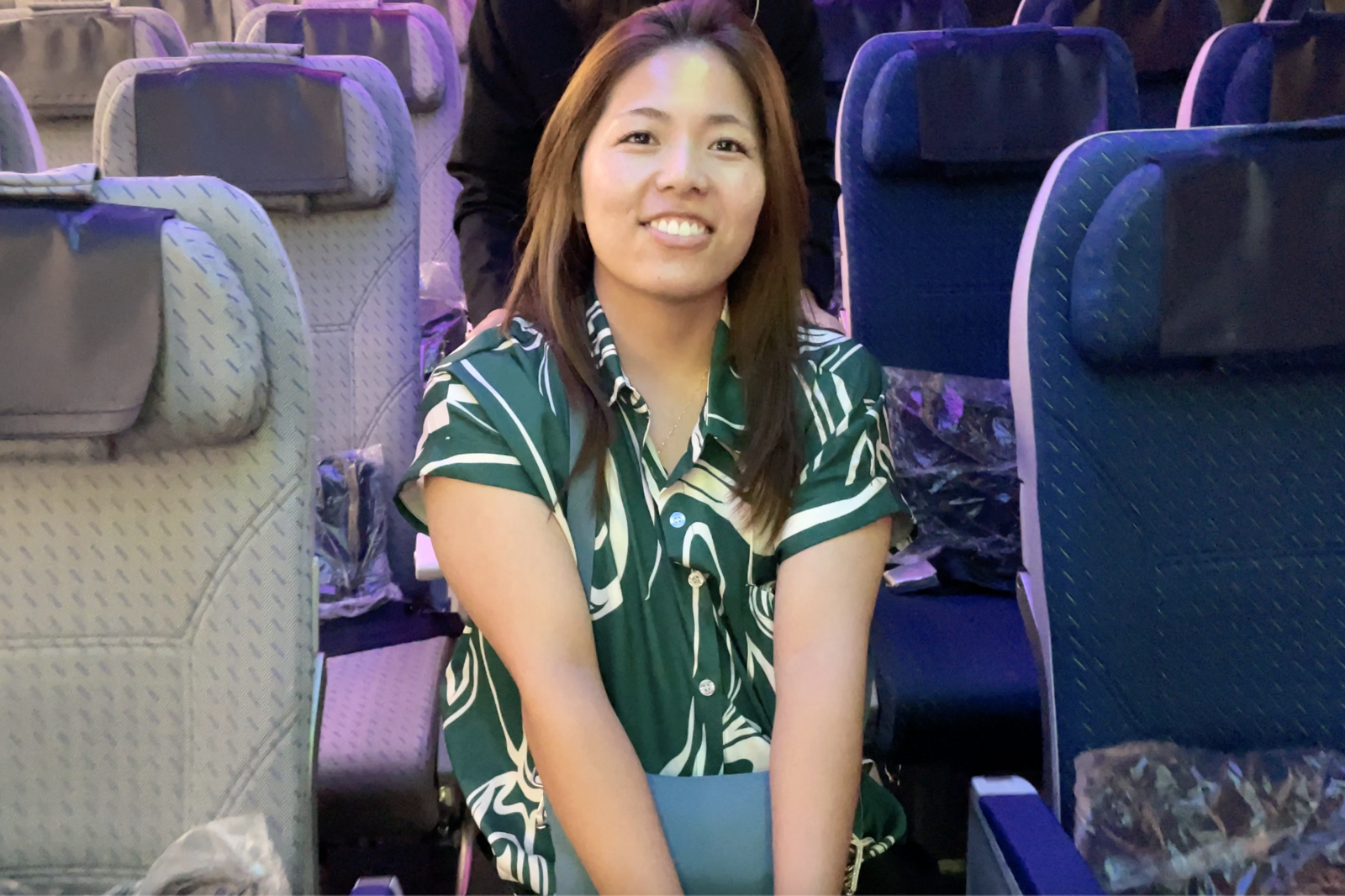
Toyota envisions a society where the dream of mobility is available to all. When products are created to serve individual needs, what kind of future awaits?