



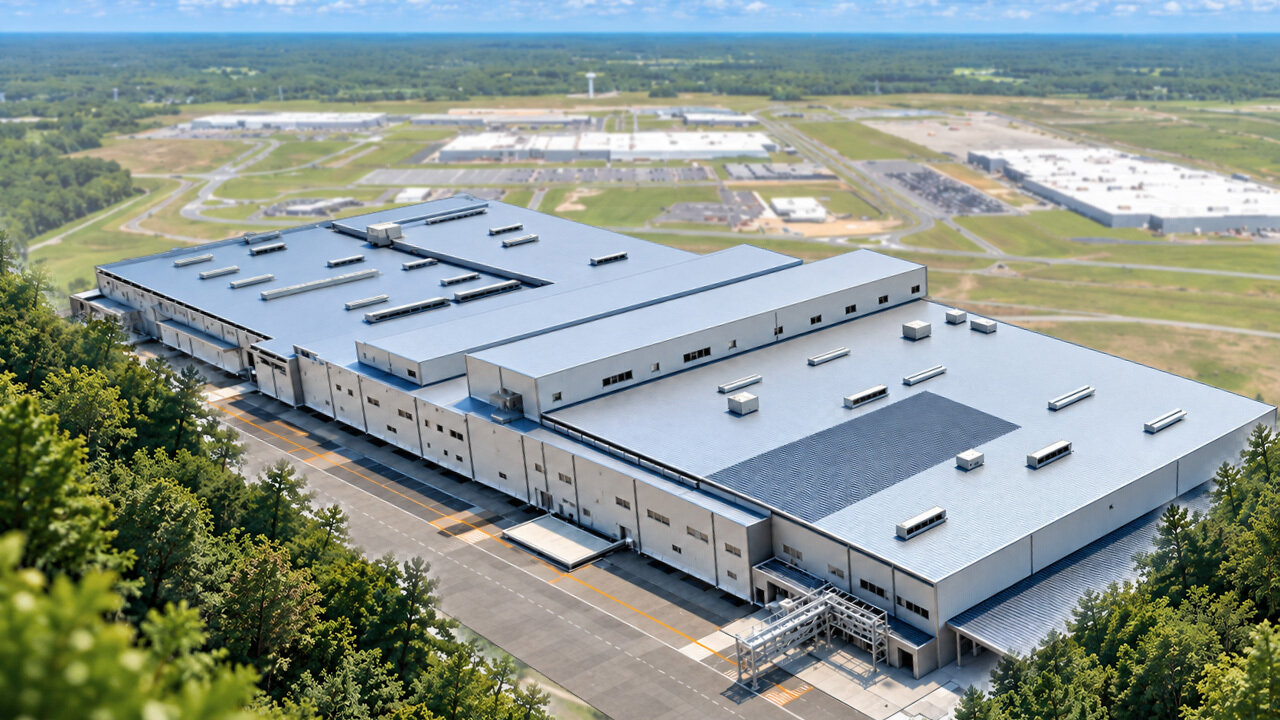
In 2025, cast iron production ended at Toyota's Myochi Plant after more than half a century. As the plant shifts to battery production, a culture of embracing change and caring for colleagues, nurtured on the foundry floor, lives on.
Coming together as one team
This diverse team, drawn from Shimoyama, Kinuura, Kamigo, and other plants across the company, started out with former General Manager Okubo’s group of around 24 people and has since grown to nearly 800 members. Amid this rapid growth, they were united by a shared sense of urgency that transcended their different backgrounds—the fear that they might eventually have nothing left to produce.
Atsuro Okubo, Former General Manager, Global Battery Manufacturing Division
We are not here to compete against PPES or Toyota Battery. Our real competitors are the mega-suppliers in China and other countries. It’s a common plotline in children’s manga, former rivals joining forces when faced with a bigger challenge. In the same way, if we want to compete on the global stage, Japanese companies must stand united. That is how I view our role.
Within these team-building efforts, Deputy General Manager Mitsugu Fujita serves as something of a counselor, helping employees adjust to the unfamiliar work environment by taking time to listen to their concerns.
Mitsugu Fujita, Deputy General Manager, Global Battery Manufacturing Division
Make work lively, fun, energetic—that’s what I strive for every day. But on a battery production line, that’s far from a simple task. When everyone is wearing safety goggles and masks, it’s hard to even read facial expressions. And with the rotating three-shift schedule, we rarely get to see those who work on different shifts.
That’s why I want to fix up the area around the pond on the plant grounds, to create a place where everyone can gather. In autumn, I’d like to harvest sweet potatoes and share them with the team. A battery plant doesn’t offer many opportunities to come together, so I want to create more myself.
At present, Myochi is merely writing the first chapters of its history as a battery plant. CPL Tsuchiya spoke about the significance of Myochi’s role.
Kenji Tsuchiya, Chief Project Leader, Global Battery Engineering Division
If you look solely at cost competitiveness, in some respects it may be better to hand production over to other group or partner companies. But whether it’s casting, engines, or complete vehicles, the strength of Toyota’s monozukuri comes from continuous improvement in the genba, the endless push to make quality products more affordably and more efficiently.
Mix raw materials, apply heat, remove the part for machining, then seal it—when you break things down to their core technologies, the basic process remains the same for casting and batteries alike. If we can channel those same kaizen capabilities into batteries, we should be able to create higher-value products and develop entirely new manufacturing techniques. That’s why I believe there is tremendous significance in pursuing in-house production.
At the same time, Toyota has also cast its sights beyond Japan. Despite limited engagement with overseas facilities in the past, Myochi’s shift to battery production has led to a new role as the parent plant for Toyota Battery Manufacturing North Carolina. Increasingly, employees who gain the necessary expertise at Myochi are being sent over to assist on the ground in the United States.
Inheritance spurs evolution
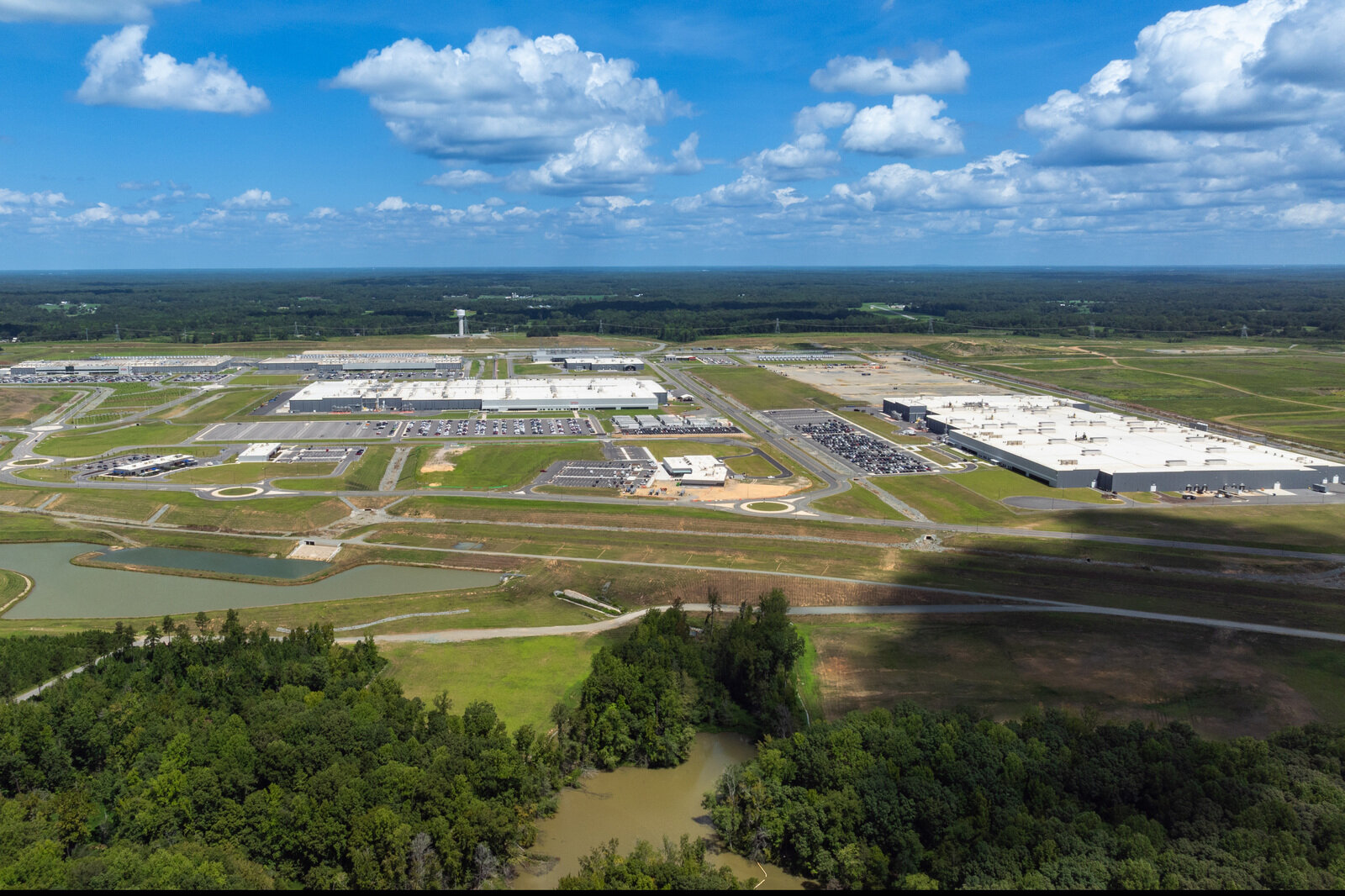
Half a century as a casting plant, and a few years producing batteries. Having been at Myochi during both of these vastly different eras, former General Manager Okubo is now working on the ground in North Carolina, supporting the battery plant’s startup. What he brings is more than just technical expertise.
Atsuro Okubo, Former General Manager, Global Battery Manufacturing Division
Our plant in North Carolina is a new company, with freshly hired employees. People who just yesterday were working at gas stations and supermarkets are now taking on the challenge of making batteries. The company, the products, the people—in every sense, we are starting from scratch, and to be honest the situation is far more difficult than in Japan. This means we need a different approach than we took at Myochi. Even so, it all starts with developing our people.
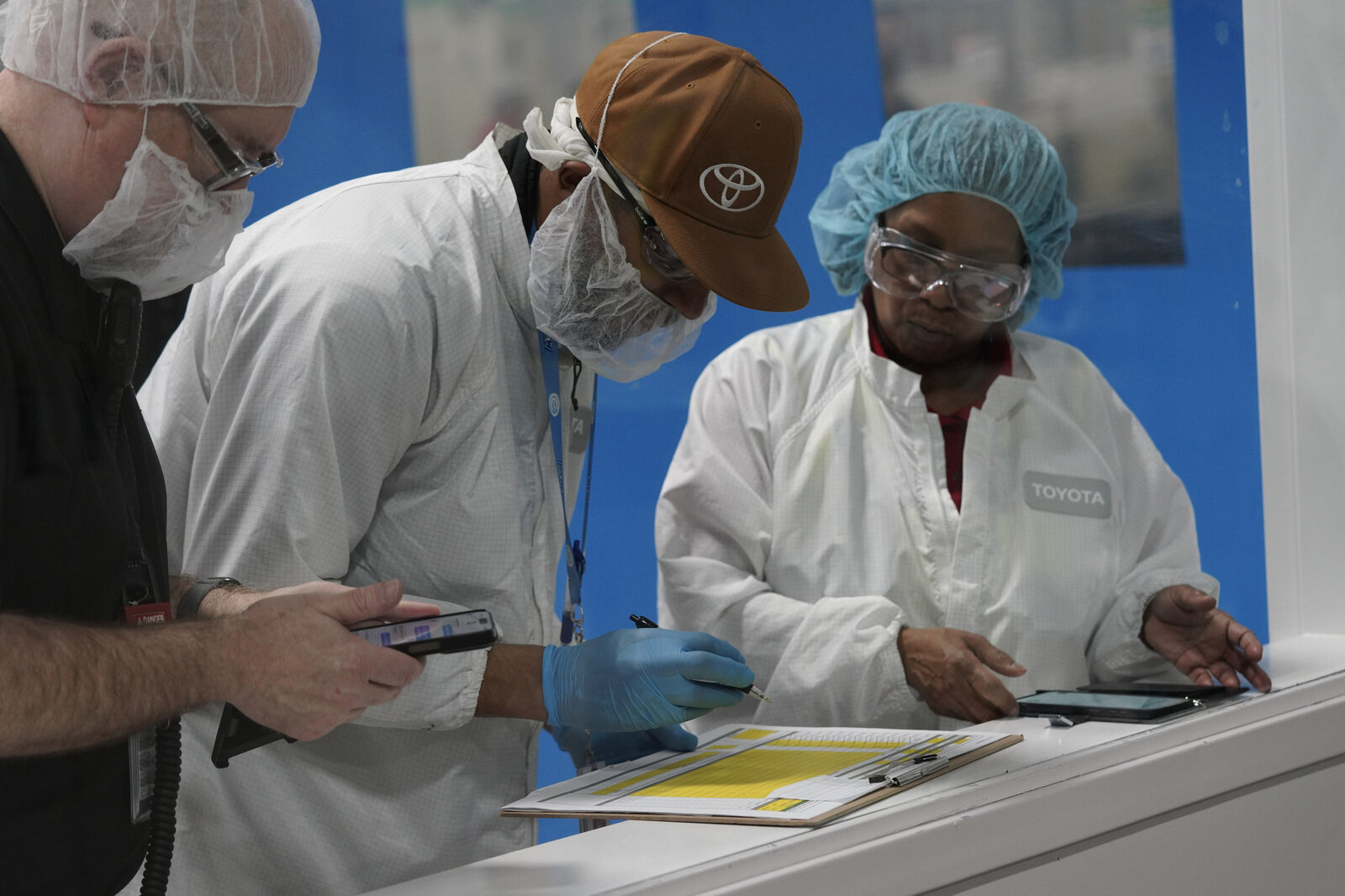
Okubo also reflected on the past few years at the Myochi Plant.
Atsuro Okubo, Former General Manager, Global Battery Manufacturing Division
Within the company, we have a space called the “DNA Inheritance Museum,” chronicling our history. The displays feature photographs from the company’s earliest days, when the automobile division was established within Toyoda Automatic Loom Works. I hope that, 50 years from now, they will be joined by photos of our colleagues working in battery production. “Their pioneering efforts made us who we are today.” If people come away feeling that way, then I think our work will have been worthwhile.
Okubo’s analogy, which draws parallels with Toyota’s beginnings as the automobile division of Toyoda Automatic Loom Works, resonates strongly with Plant General Manager Takahashi.
Kazuaki Takahashi, Plant General Manager
PPES and Toyota Battery are leaders in battery production, and we can learn a great deal from them. Toyota, however, really excels at solving production line issues and driving continuous improvement.
How can we incorporate these capabilities to create an even better production line? It feels the same as when the company was first starting out. Toyota’s true strength lies in its employees. Toyota's unique mindset of continuous improvement, even in the face of challenges, sets it apart. This is not something you can cultivate overnight.
From the billowing dust of a casting plant to cleanrooms with micron-level precision. Built in 1973, partly in response to the social issue of environmental pollution, the Myochi Plant is now tackling the defining challenge of a new era: electrification. Yet even as the products change, the plant’s culture of nurturing people and continuously honing skills will steer it through the next half-century.