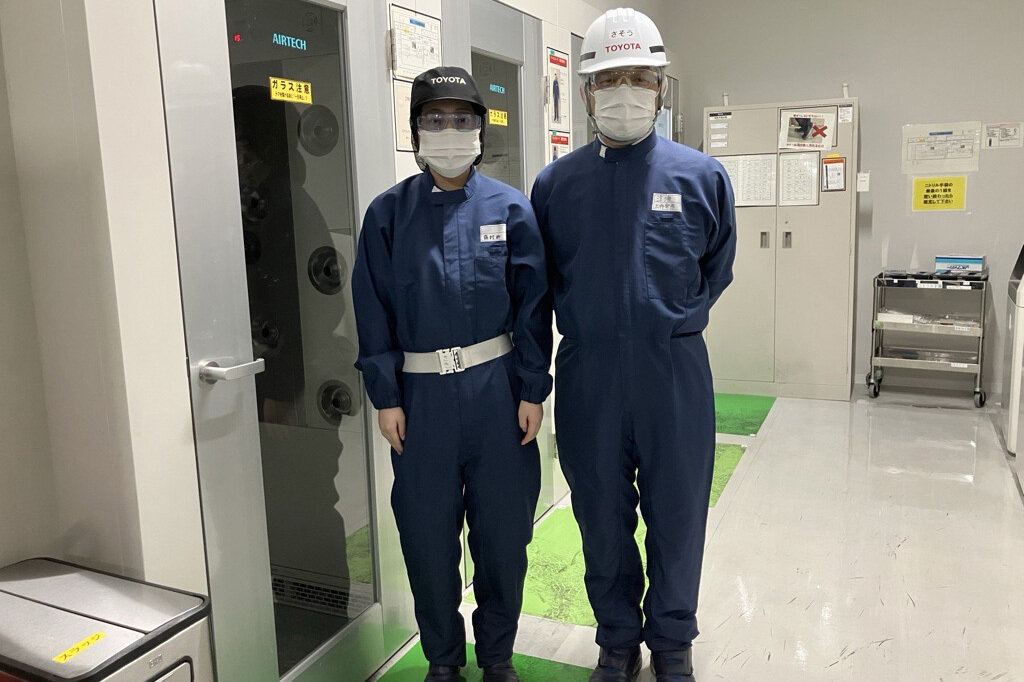
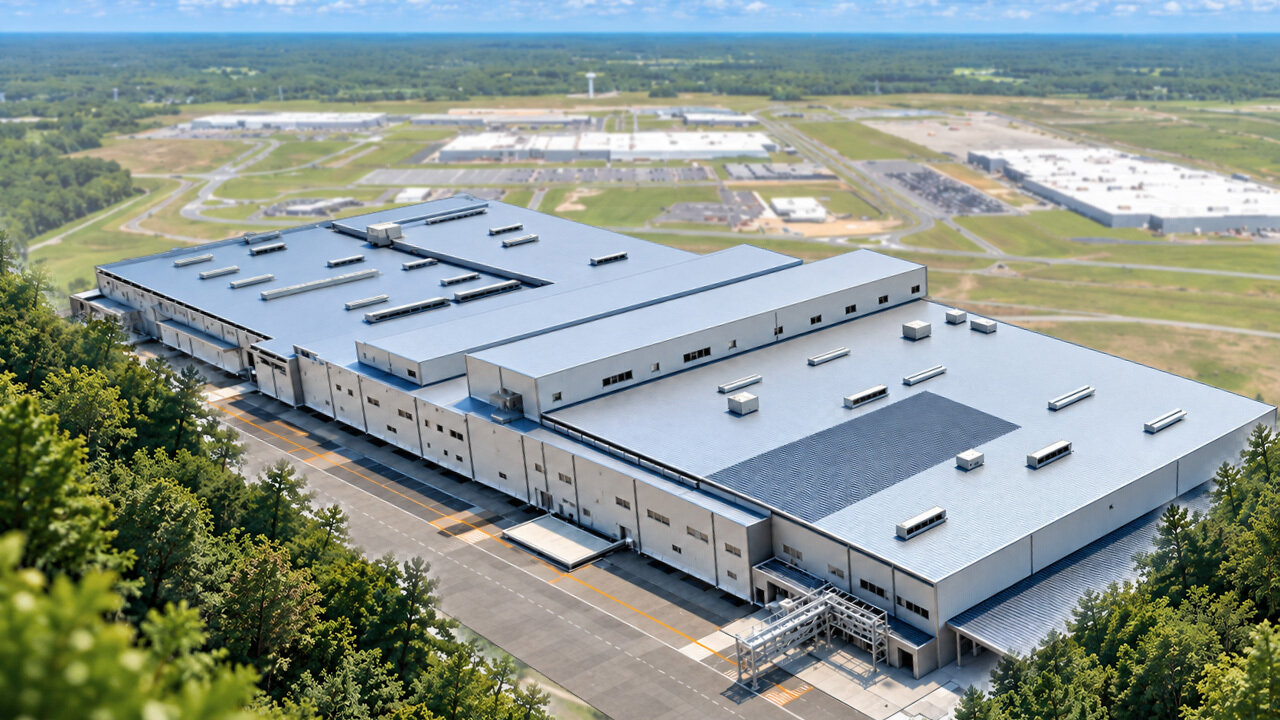
In 2025, cast iron production ended at Toyota's Myochi Plant after more than half a century. As the plant shifts to battery production, a culture of embracing change and caring for colleagues, nurtured on the foundry floor, lives on.
Foundry Skills Live On in Battery Production
Assistant Manager Tsuyoshi Saso joined Toyota in 1990 and for more than three decades worked exclusively in aluminum casting, producing cylinder heads. At the end of 2023, he was informed by his supervisor, “Next year, we want you to move to the battery plant.”
Tsuyoshi Saso, Assistant Manager
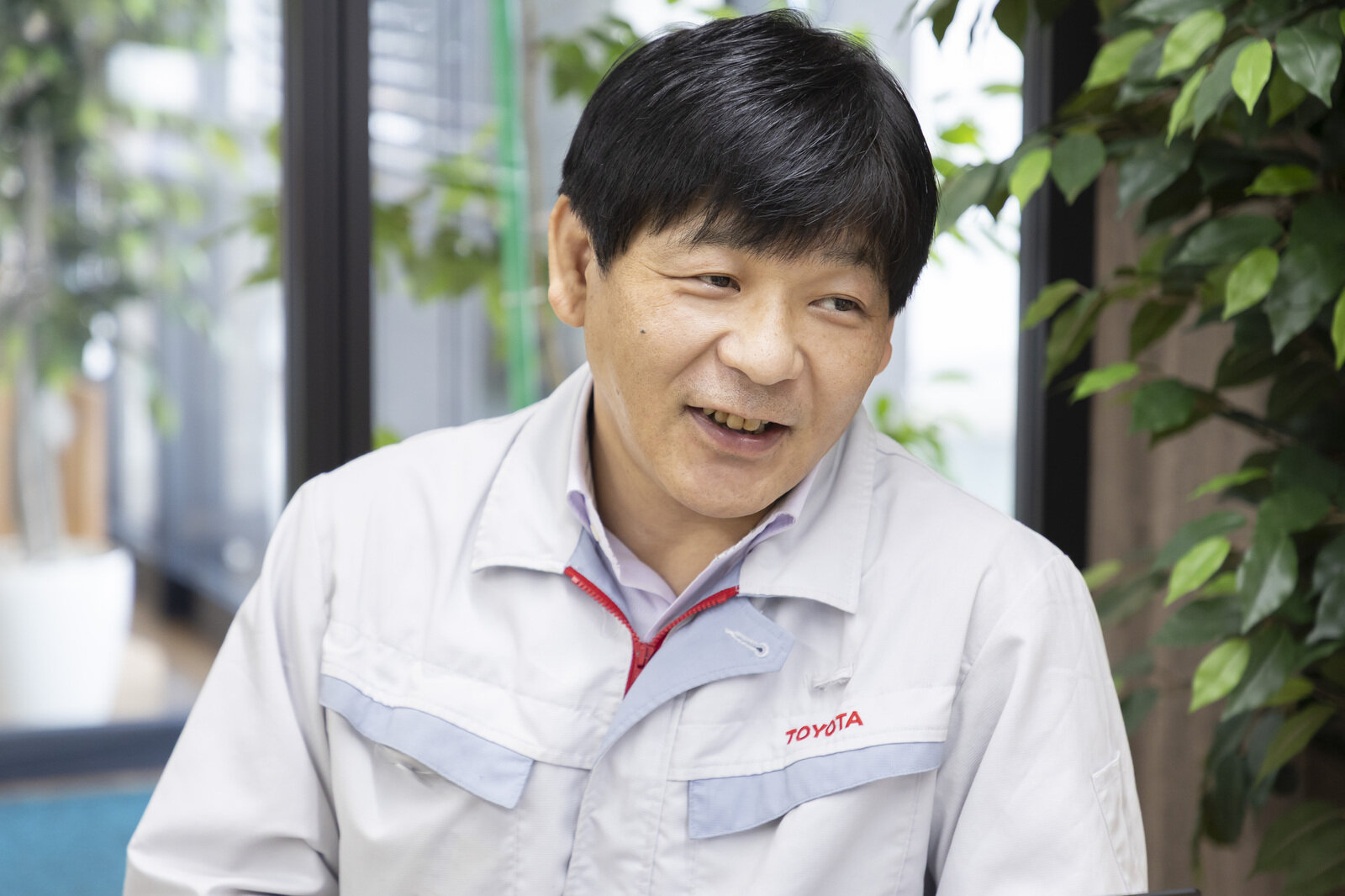
I was anxious about starting from scratch in casting, including building new relationships, because I had spent my entire career in the field. However, if I'm given an assignment, I complete it. I didn't hesitate. I think everyone who came together from across the company was facing the same kind of challenge.
The place to learn from was naturally the PPES Himeji Plant. Initially, Saso would make regular visits amid his work duties, and it took him about half a year to settle in with the genba team. Then from May 2024, he was stationed at the plant for a ten-month stint and, together with just one other assistant manager, found himself overseeing more than 100 employees who were also there on temporary transfers.
Tsuyoshi Saso, Assistant Manager
At first, I had no idea what to do, and I really felt like I was on someone else’s turf. But ultimately, what matters most is personal relationships. If you’re simply expecting people to teach you, they’re not going to respond. As we toiled together, faced problems, and figured out solutions, the trust gradually grew.
At the same time, there are also situations where casting skills can be applied directly to battery manufacturing. Chief Project Leader (CPL) Kenji Tsuchiya of the Global Battery Promotion Division (now the Global Battery Engineering Division) had begun researching batteries as a student, and after joining Toyota, continued to work on battery design and production technologies. Now responsible for overseeing production engineering at both the Myochi and Shimoyama battery plants, he offered an example of how casting expertise contributes.
Kenji Tsuchiya, Chief Project Leader, Global Battery Engineering Division
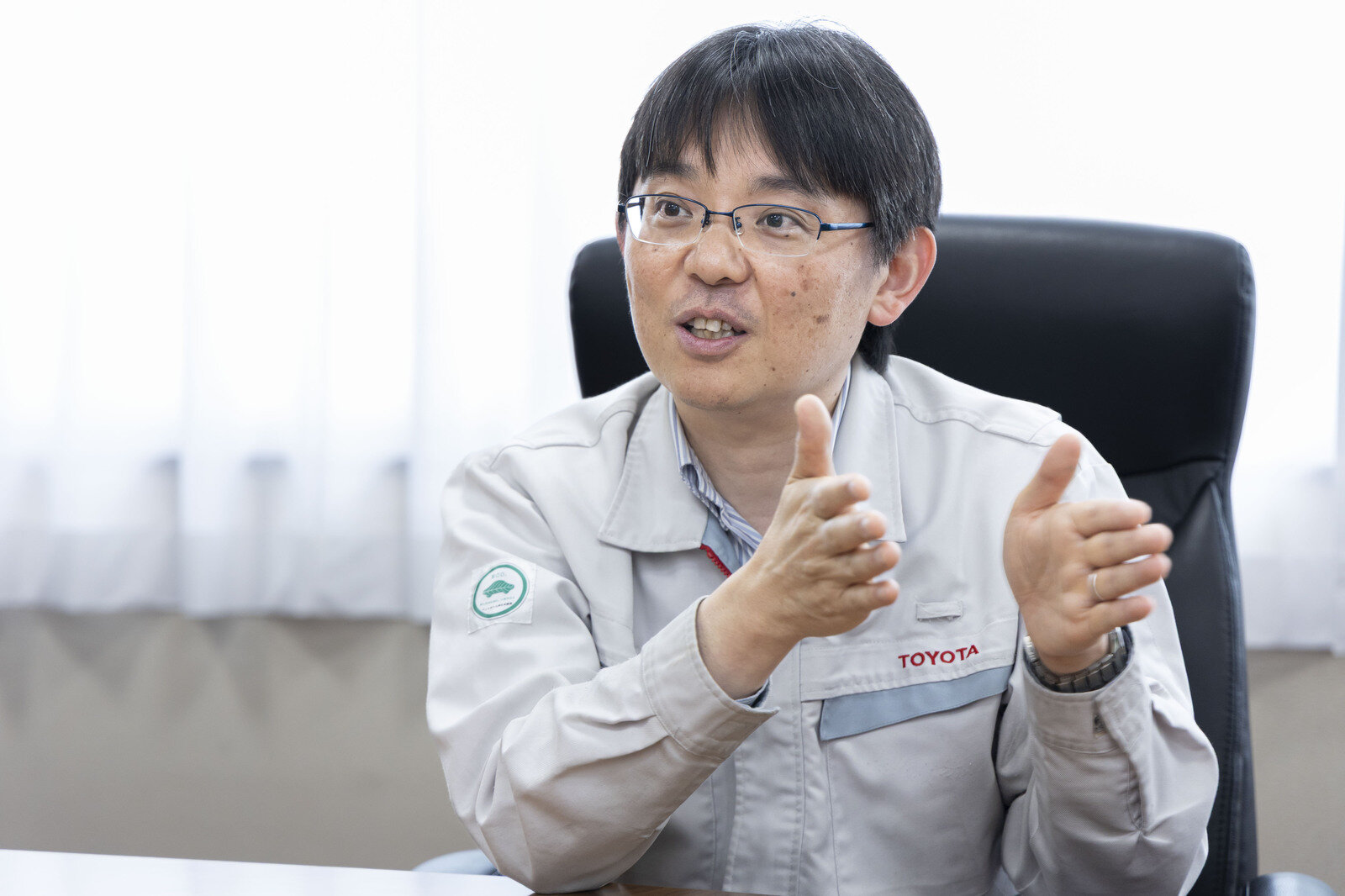
Part of the battery production process is coating, which involves applying layers of material onto metallic foil, to a thickness of just over 100 microns. To make this possible, the tool assemblies that are used must also be put together with micron-level precision. Without sufficient skill, you could reassemble them countless times and still not achieve the desired precision.
In casting, the molds also have to be precisely assembled. Although the work itself is completely different from battery-making, the dexterity involved in using your hands to align components against a surface plate at the micron level is exactly the same. People with casting experience can bring that same micron-level precision to the jigs used in battery production.
Even though the objects being made seem totally different, when you break them down to their core technologies, there is a surprising amount of overlap in the abilities of skilled craftspeople.
Saki Fujimura began working at the Myochi Plant on a temporary contract in 2020 before becoming a permanent employee in 2024. As part of the Foundry Division, she contributed to cylinder head production. Then in July 2025, when the casting line was shut down, she requested a transfer to the battery side.
Saki Fujimura, Battery Manufacturing Team
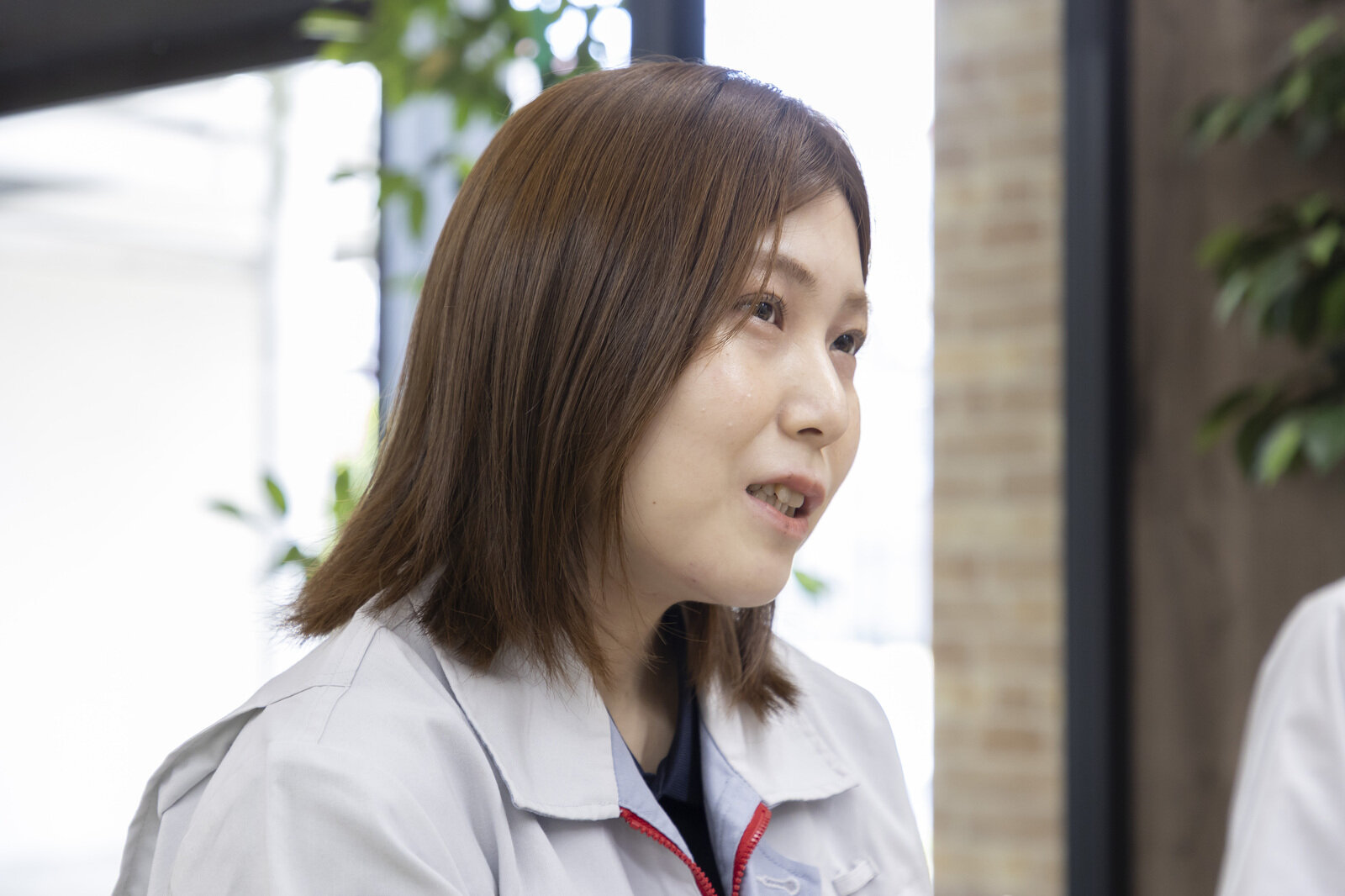
In the Foundry Division, I relied on experienced senior colleagues to teach me everything, but at the battery plant everyone is a novice. I wanted to work together to solve problems, and by sharing the knowledge I’d gained in casting, help the team grow.
Upon being transferred, Fujimura found that the lines weren’t running as expected and, lacking a proper understanding of how the equipment worked, spent her days poring over operating manuals. Even so, she discovered a different sense of fulfillment compared to her time in casting. There, she rarely even knew which cars the engine parts would end up in once they left the foundry.

With batteries, by contrast, whenever she spotted a Toyota BEV around town, she could say, “I helped to make that.” Being able to share this with people around her keeps her motivated.
New ways of working in a plant that knows no weekends
One of the biggest hurdles in Myochi’s rebirth as a battery plant was changing the way people worked. Atsuro Okubo, a former head of the Global Battery Manufacturing Division who was involved in getting battery production up and running at the Myochi and Shimoyama plants, explains what makes battery manufacturing unique.
Atsuro Okubo, Former General Manager, Global Battery Manufacturing Division
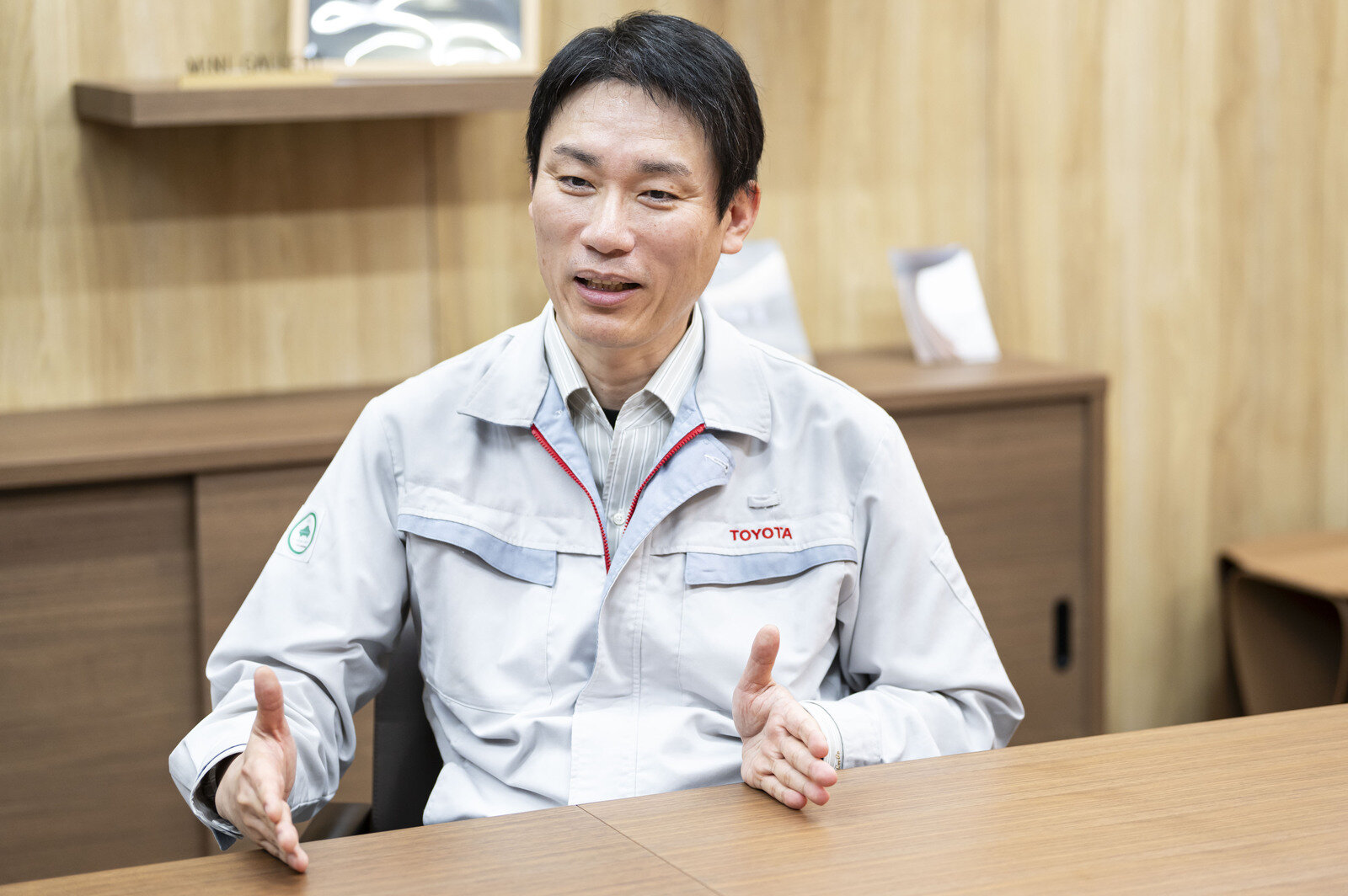
Battery production is highly time-sensitive. We work with materials that change over time, and once processing begins, it cannot be stopped midway. That’s why, in a first for Toyota, we decided to keep the plant running every day, including weekends.
However, this decision overturned Toyota’s long-standing working arrangements, which had been based on a Monday-to-Friday schedule. Okubo and his team spent more than a year negotiating with the labor union over working rules.
As these changes were rolled out in the genba, further refinements were made. The division’s deputy general manager, Mitsugu Fujita, was responsible for bringing in personnel through the Battery Manufacturing Preparation Department. After seeing the toll that 11-hour shifts took on members who spent time at the Himeji Plant, Fujita reassessed the work schedule.
Mitsugu Fujita, Deputy General Manager, Global Battery Manufacturing Division
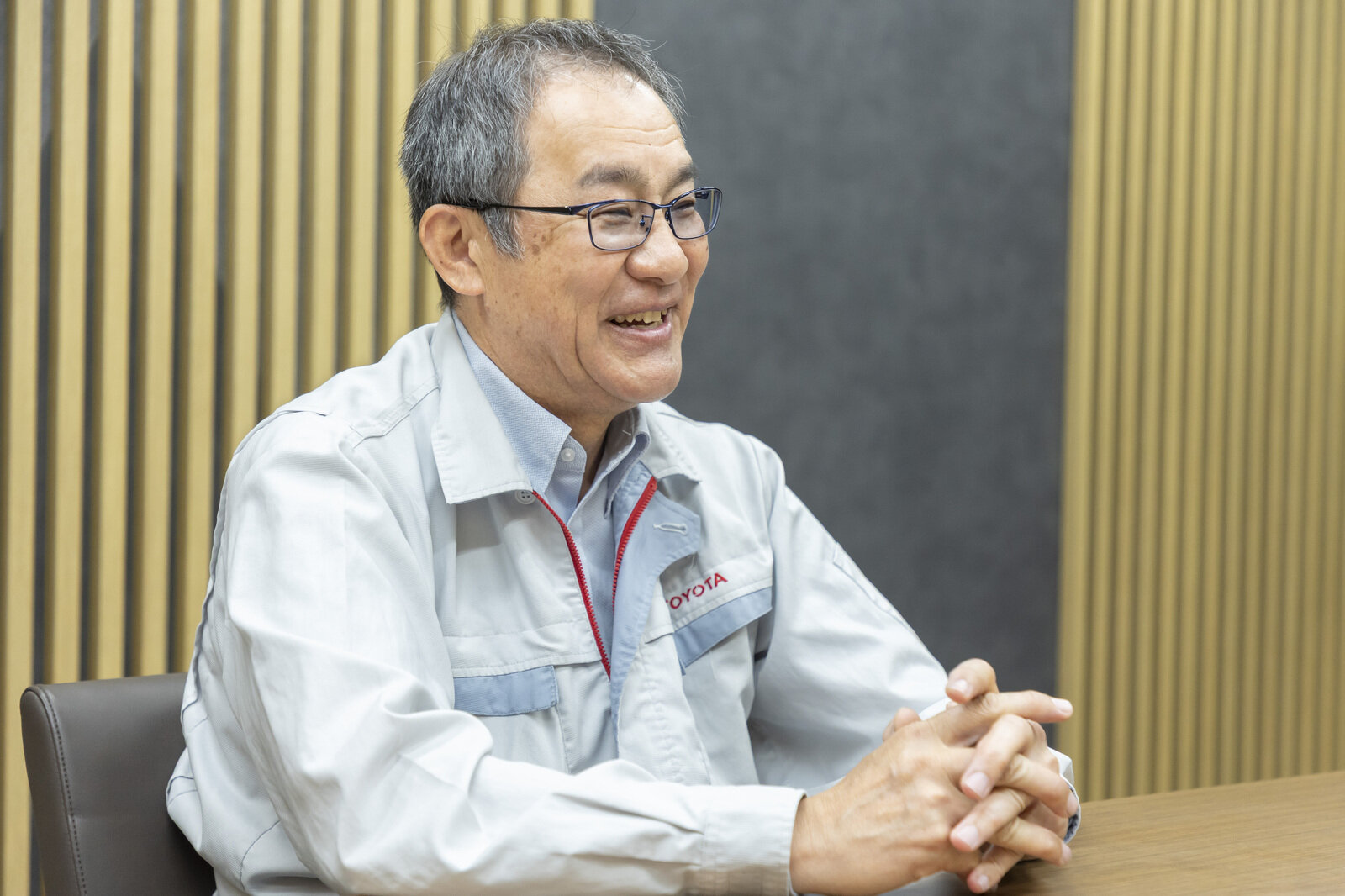
At the PPES Himeji Plant, staff work 11-hour shifts. Since the standard at Toyota is around 8 hours, I felt that 11 hours would simply be too long, and we reorganized the schedule into a rotating system of three 8-hour shifts. Staff on the middle shift support those before and after.
Led by section managers, the genba teams are currently also making their own improvements, for example adjusting the work hours to facilitate the handover between the first and second shifts. At this stage, we are all figuring out the best way forward.
However, it wasn’t simply a matter of getting the labor union on board. As already mentioned, the Myochi Plant’s battery unit was a mixed team assembled from facilities across the company. To secure personnel for its new system, Myochi also needed the approval of those plants that were being asked to send over their staff. Former General Manager Okubo recalls the days spent persuading these other plants.
Atsuro Okubo, Former General Manager, Global Battery Manufacturing Division
For a time, the impression that “you don’t even get weekends off” overpowered any message we were trying to convey. Despite that, we continued to visit each plant to explain the options that this arrangement offers. Once people actually started working at the plant, our surveys showed that the number who viewed the schedule positively was higher than expected.
Assistant Manager Saso and Fujimura are among those who now work under this new system. They rotate through the three shifts—early, middle, and late—with four days on each and two days off in between. On the day we visited, they were both on the last day of a work cycle.
“I don’t think I could go back to five-day workweeks. I sense that many people enjoy being able to take trips or go out to eat on weekdays.” (Assistant Manager Saso)
“I love getting out and about on my own, so I’m grateful for the chance to shop during the week. Working five days straight has come to feel like the harder option.” (Fujimura)