



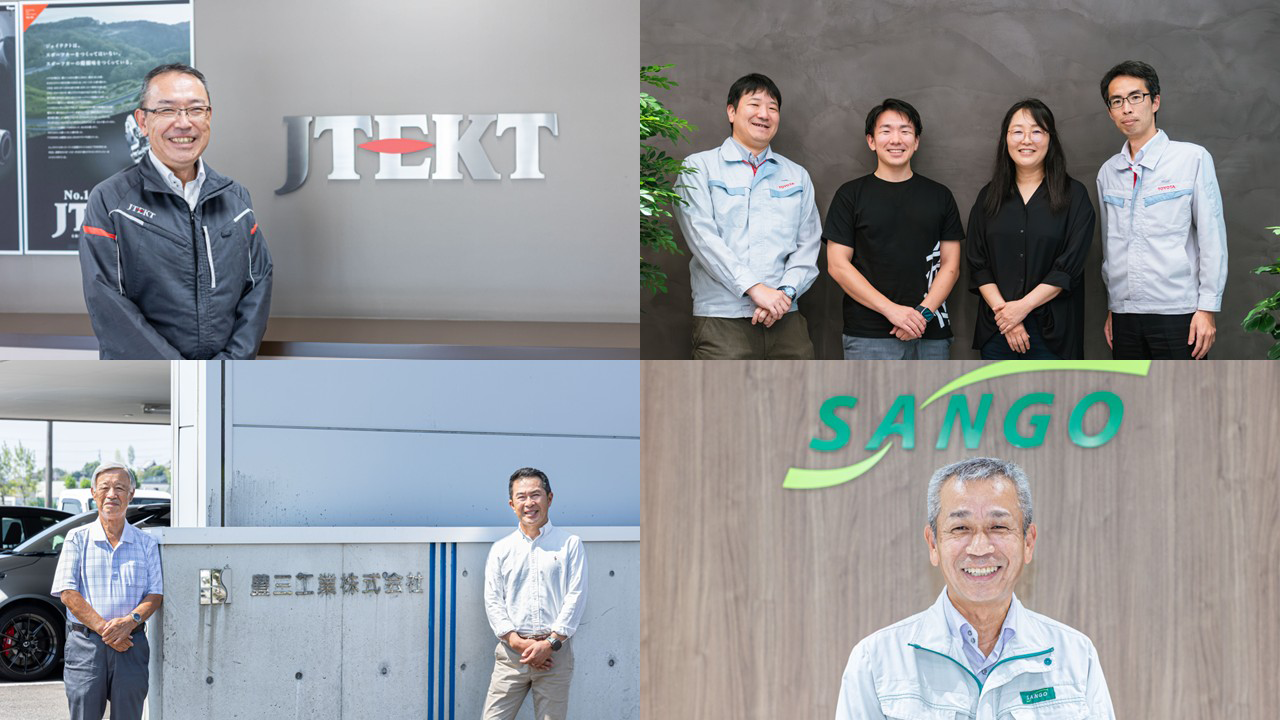
Miyoshi Plant has long faced fierce competition as a specialist in chassis components. As major suppliers expand and emerging suppliers in China gain strength, we look at how people across the plant are staying united in spirit and evolving to keep moving forward.
In Part One: Inheritance, we traced the history of the Miyoshi Plant. Since its founding as a chassis component specialist, it has survived competition with major suppliers by developing technologies and passing them on to external partners. Through the years, it has shifted resource allocation toward new parts and technologies, such as engine components and environmentally focused parts.
Miyoshi Plant is now stepping into a new phase to ensure its survival.
Parts produced by an external manufacturer—inside a Toyota plant
In 2028, Miyoshi Plant will reach a major turning point in its preparations for competition with both major suppliers and the up-and-coming suppliers gaining momentum in China.
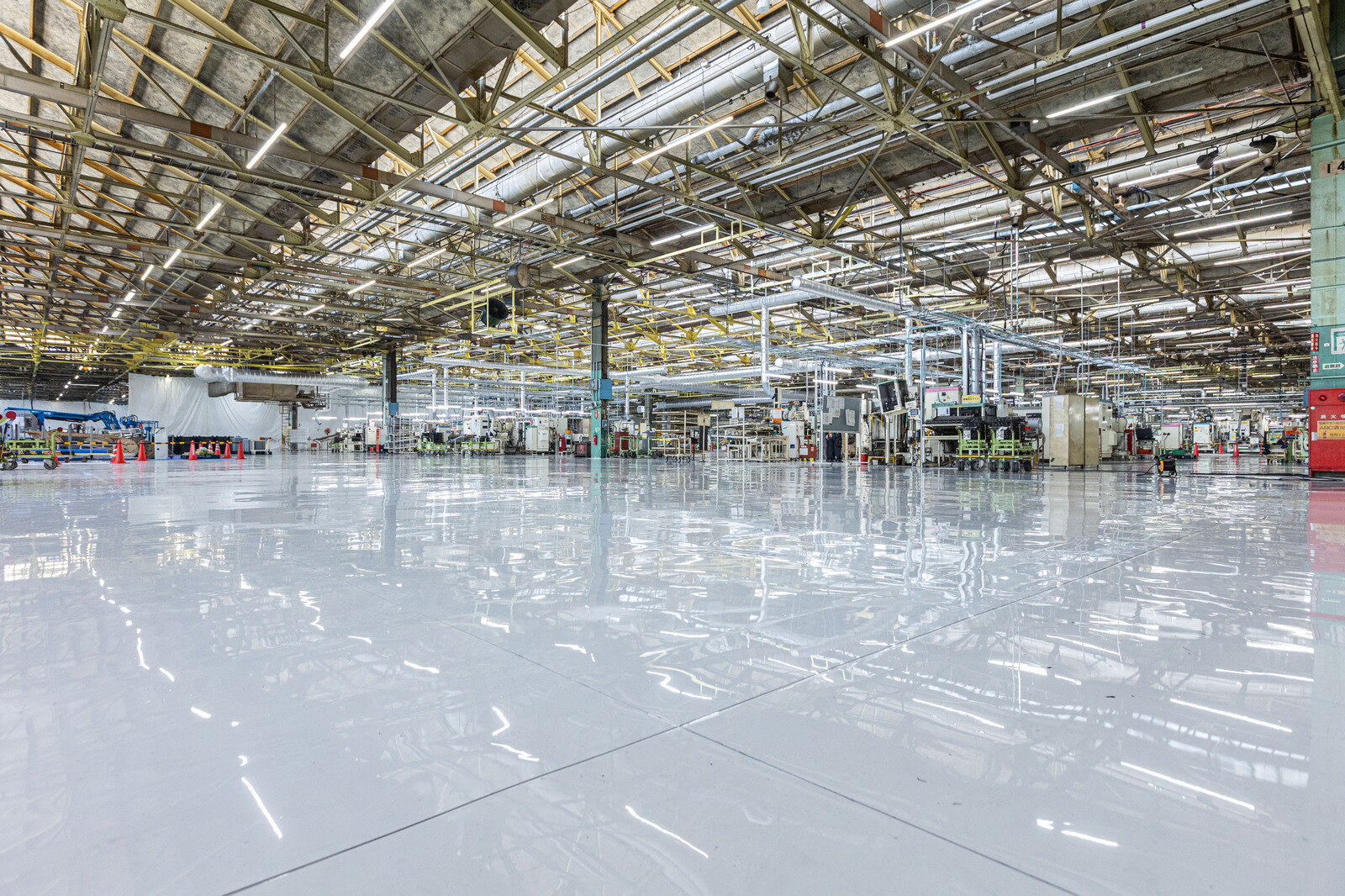
For the driveshafts designed and developed by JTEKT—now set to be produced at Miyoshi Plant—component production, previously spread across the No. 2, 3, and 4 Machine Plants, will be consolidated at the No. 2 Machine Plant. Under a new operating structure, the finishing processes will also be transferred to Sango, the supplier of materials and preforms.
Sango is a parts manufacturer that produces automotive exhaust products and body components, as well as steel parts for secondary processing. Sango has built a long relationship with Miyoshi Plant through business ties and personnel secondments ever since the plant began operating.
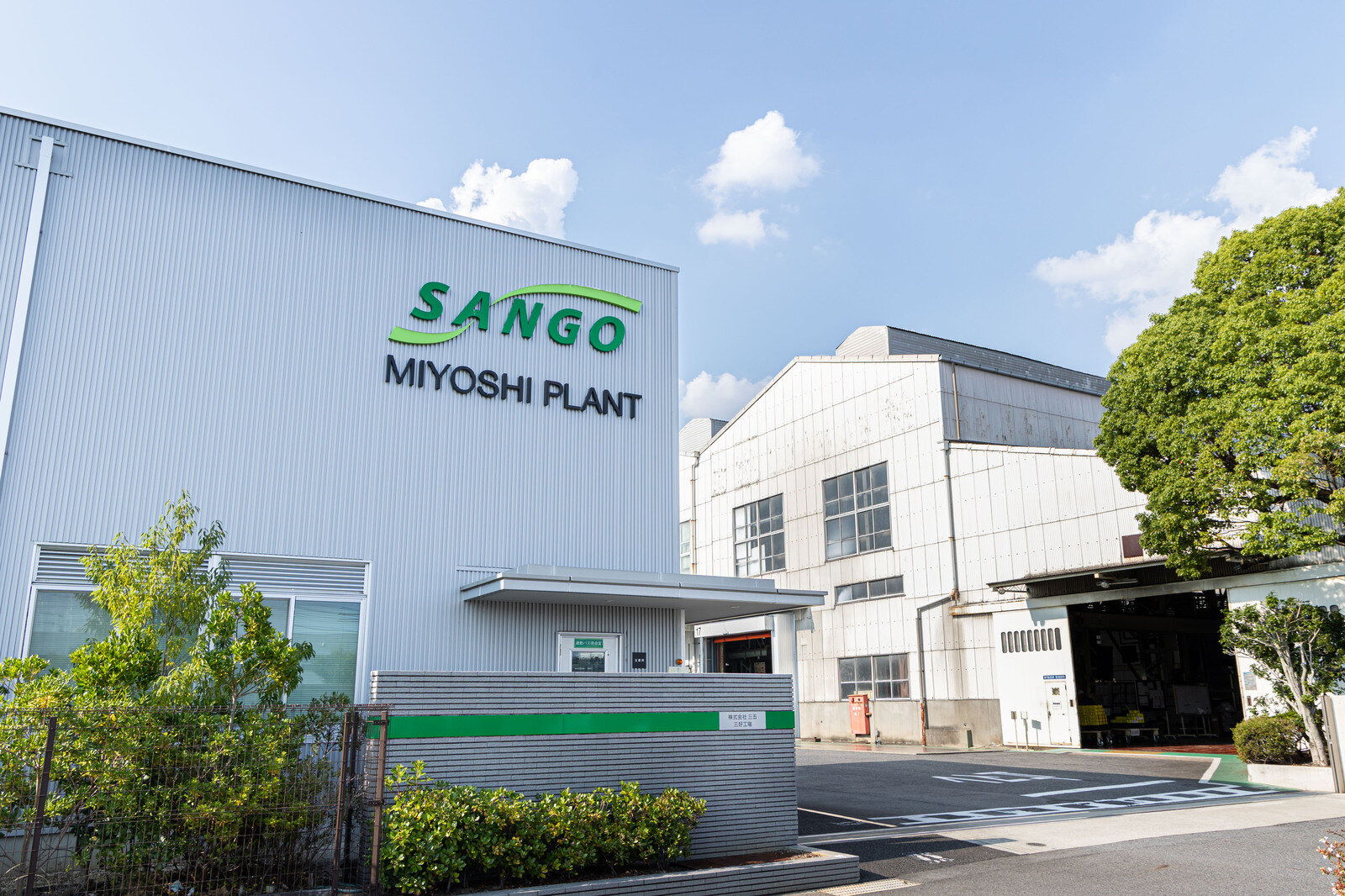
This transfer of operations has two objectives, both intended to strengthen competitiveness. One is to leverage Sango’s workforce toward new ends, as demand for steel parts requiring secondary processing is expected to decline with the shift to vehicle electrification. The other is to use the space freed up by the transfer to produce driveshafts more efficiently by applying the principles of jidoka* and improved flow.
*Designing machinery so that it stops automatically when an abnormality occurs, thereby preventing the production of defective parts. This improves productivity by freeing workers from having to constantly watch over the machines.
Masashi Godo, General Manager of the Business Transfer Preparation Office at Sango, was dispatched to Miyoshi Plant in 1988, where he learned cold forging. Because Sango launched its own forging operations in 1990, he characterizes the relationship between Miyoshi Plant and Sango as being like that of a parent and child.
Even so, Godo says he feels that compared with past operational transfers, this one is different.
General Manager Godo, Sango
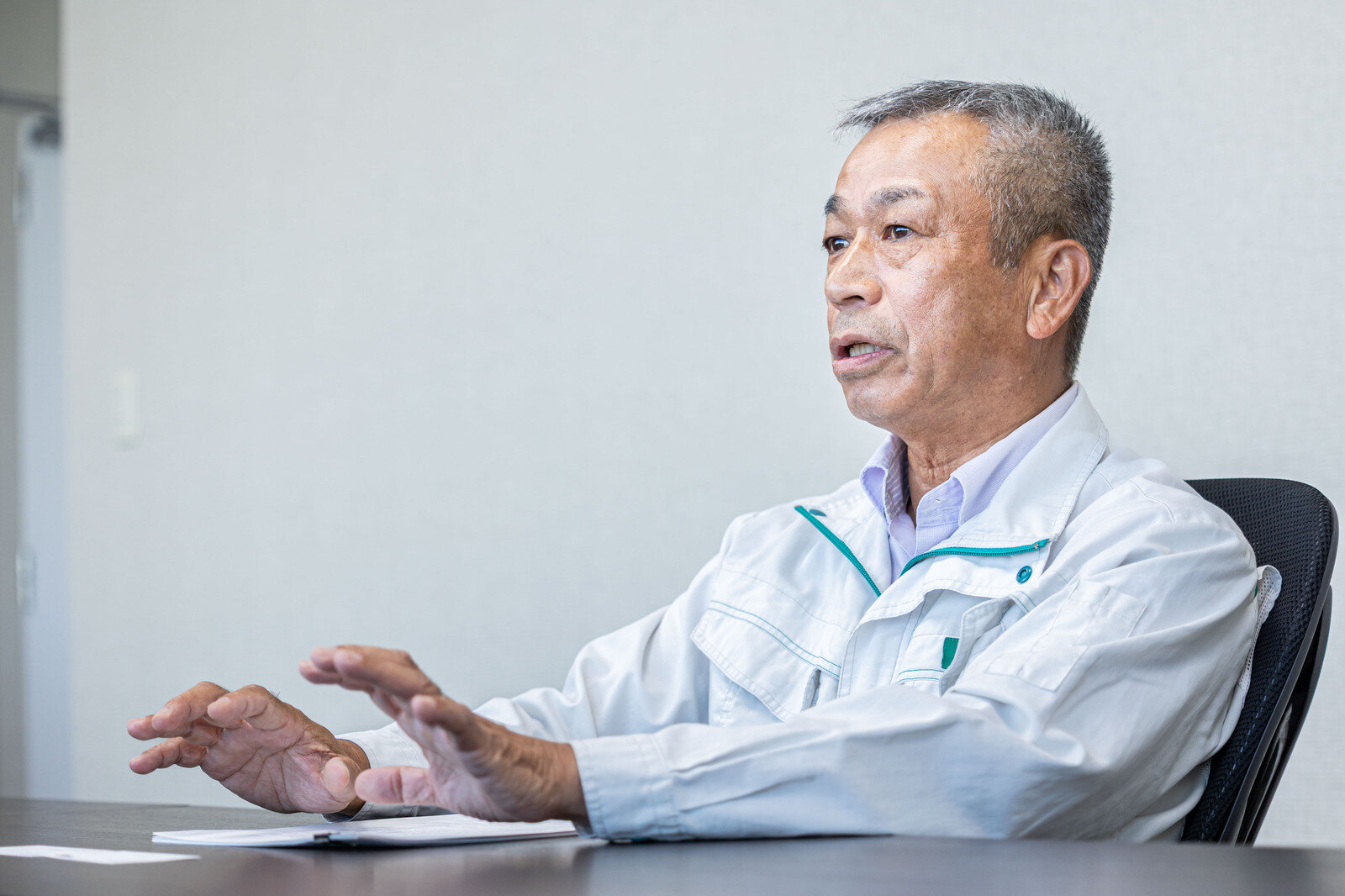
In the past, when we took on operational transfers, we brought Toyota’s processes into Sango. This time, we’re coming inside Toyota and making the parts together.
What I find amazing about Toyota is that even when their equipment gets old, they maintain it with such skill that they can continue achieving high-precision machining with it. Since Toyota’s equipment has been handed down to us and, as Sango, we will be taking on new manufacturing work, I want to begin by ensuring that we can carry on the same level of quality.
We aim to further study performance and function so that we can grow from a materials manufacturer into a parts manufacturer that proposes its own designs and carries them through to production. We don’t just want to make what Toyota makes at a lower cost. We want to carry forward Toyota’s standards and take advantage of what Sango brings to the table precisely because we are able to take materials all the way through to finished parts in an end-to-end process.
The repeated operational transfers at Miyoshi Plant, along with the accompanying changes to equipment and office layouts, affect more than just Miyoshi Plant and the facilities taking over the operations.
We met Takenori Kato, president of Housan Kogyo KK—the company responsible for cleaning equipment and office areas at Miyoshi Plant—in Part One: Inheritance. This is how he describes the impact of the transfers:
President Takenori Kato, Housan Kogyo
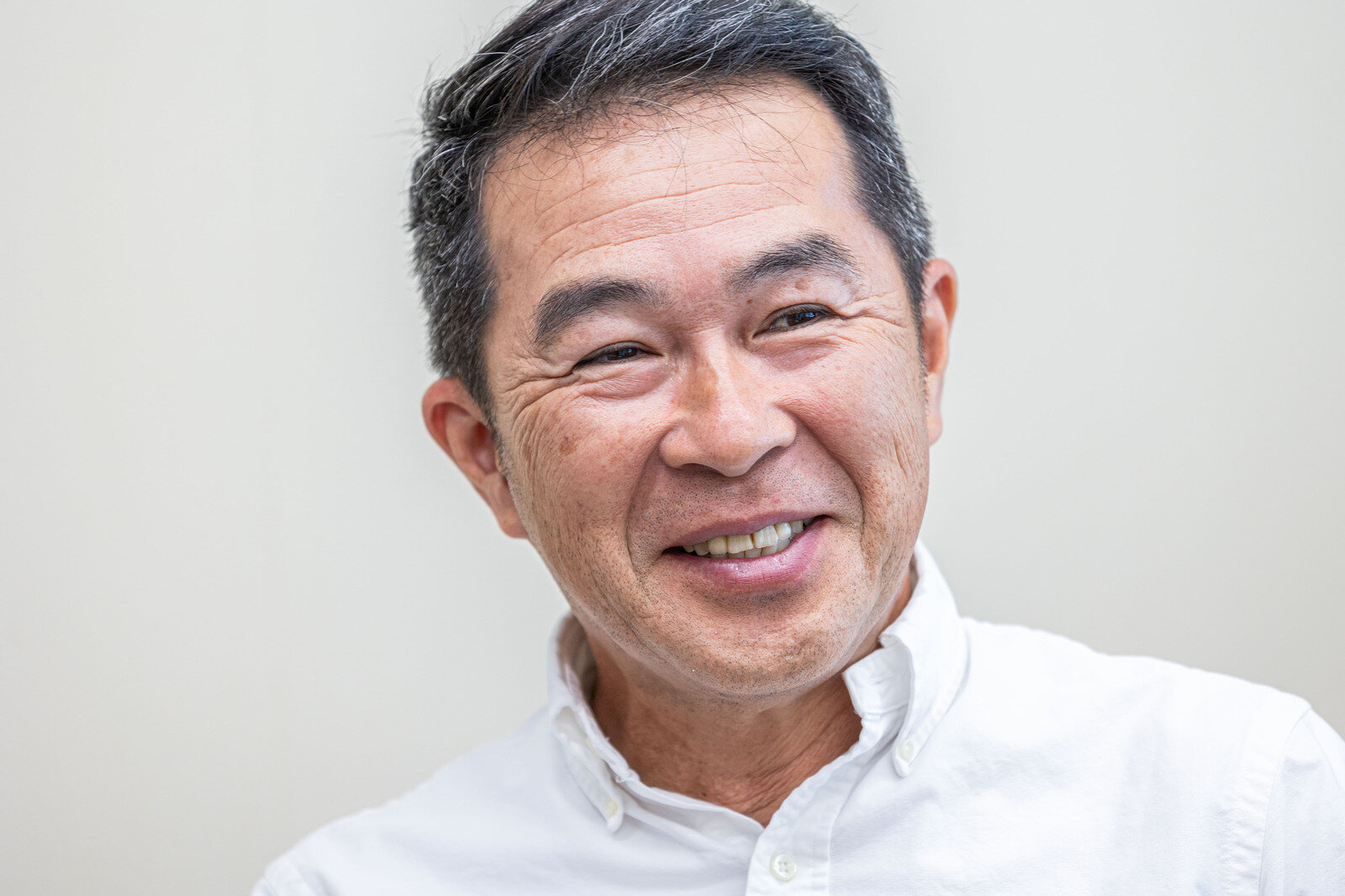
When the Miyoshi Plant takes on a challenge, it becomes our challenge too. We adjust the way we work to keep up with changes in equipment and layout.
I hope we can remain closely aligned with Miyoshi Plant and contribute to its continued prosperity.