



This series showcases Toyota's activities in non-automotive fields. This time, we visit a test home for the future.
Have you ever heard of “Miharu House,” or “Miharu no Ie” in Japanese? You might assume it belongs to someone named Miharu—but it is not a private residence at all.
Miharu Town is a small community located not far from Koriyama City in Fukushima Prefecture. There stands Miharu House, an experimental home built 39 years ago that now attracts visitors from around the world.
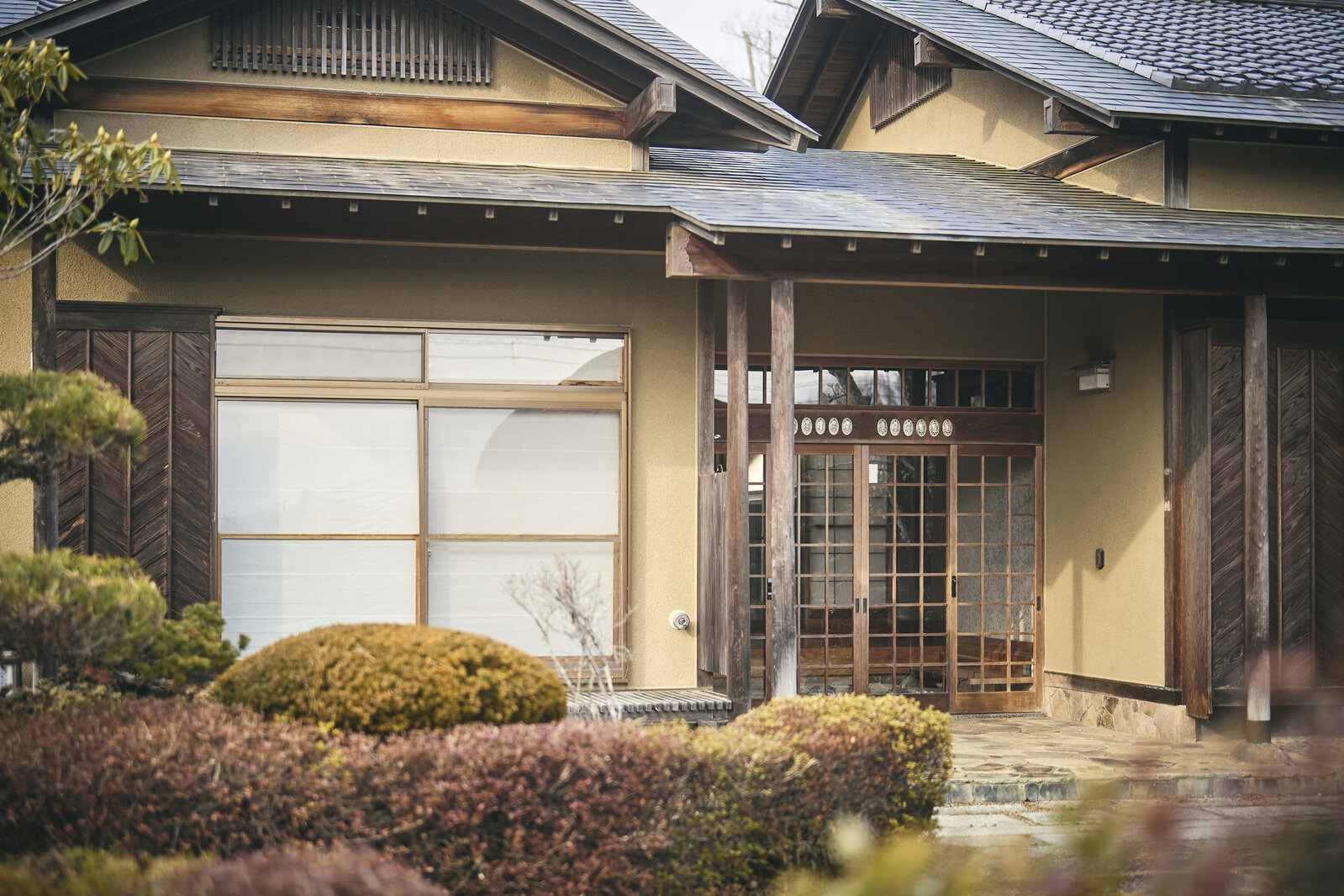
It looks like an ordinary home from the outside, but inside…
Viewed from the outside, it just looks like a typical house. But step inside, and you’ll discover surprising possibilities. The home serves as a testing ground for a hydrogen-powered sustainable lifestyle, something still rarely attempted even in Japan.
If Woven City is a test course for future mobility, Miharu House could be called a “test home” for the future. We often hear the term “all-electric homes,” but an all-hydrogen home? Why is Toyota even working on a house in the first place?
Surprisingly, even the homes we live in now can be transformed into innovative homes of the future. We just had to learn more!

As of 2024, the population of Fukushima Prefecture had declined by as many as 400,000 from its peak in 1998. Only about 52.9% of farming operations have resumed since the 2011 Great East Japan Earthquake, while the value of fishery catches has fallen to about one-third of pre-disaster levels.
Public concern and support for Fukushima, however, have been gradually fading with the passage of time. In 2021, Fukushima Governor Masao Uchibori expressed his desire for Fukushima to reclaim its pride, which resonated with Toyota’s then-President, now Chairman, Akio Toyoda.
Initiatives aimed at achieving a sustainable lifestyle powered by clean hydrogen energy also began in 2024 as part of this effort to reclaim Fukushima's pride. The hub for these efforts is Miharu House, a place designed to connect Fukushima to the future.
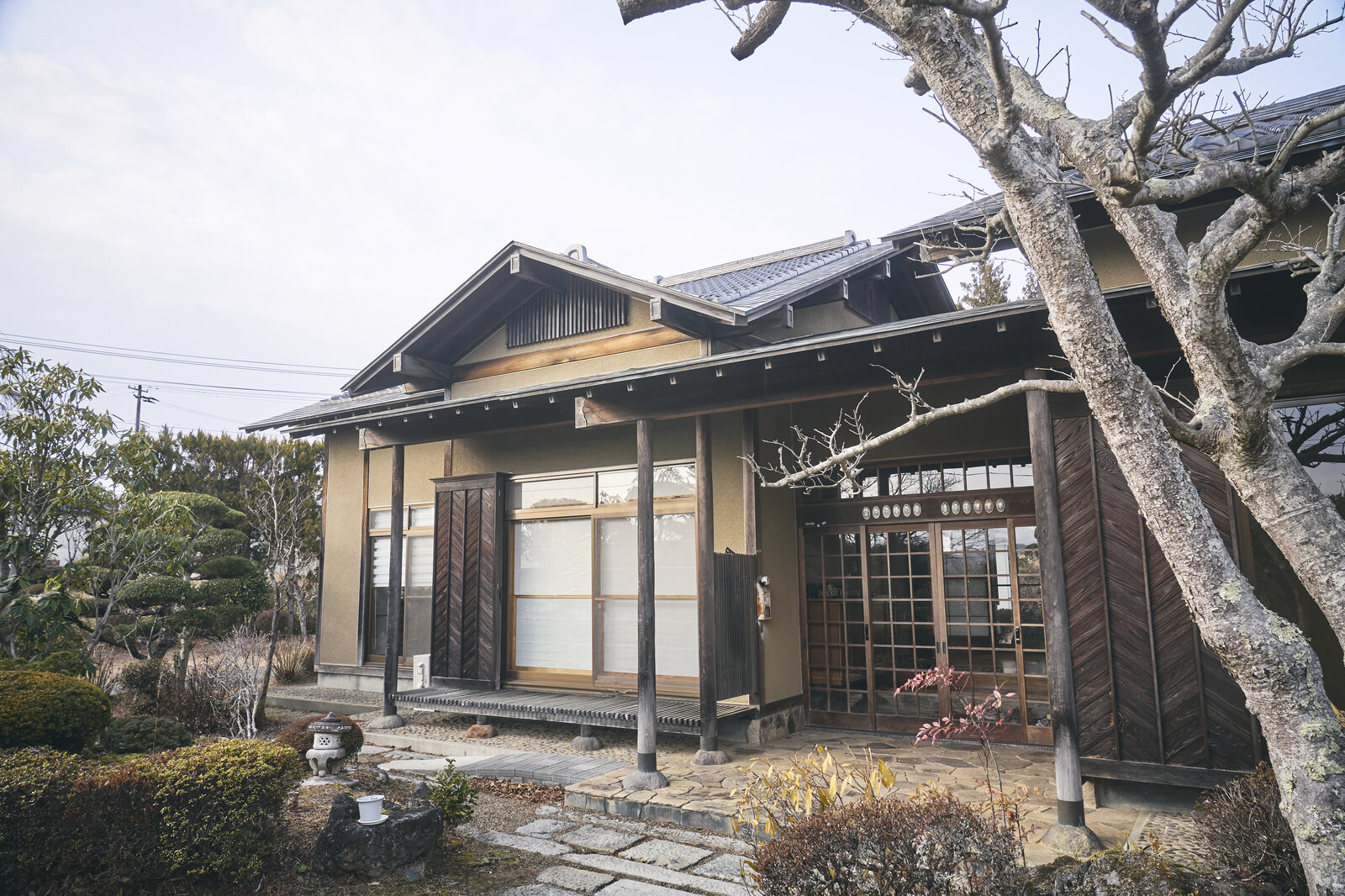
Concerns about the risks posed by some mega-solar installations, such as the potential for landslides that could endanger nearby residents, have recently raised questions about what form clean energy should take. For this very reason, hydrogen, which allows electricity to be stored and transported after it is generated, holds enormous potential.
How FCEVs can protect you in a disaster
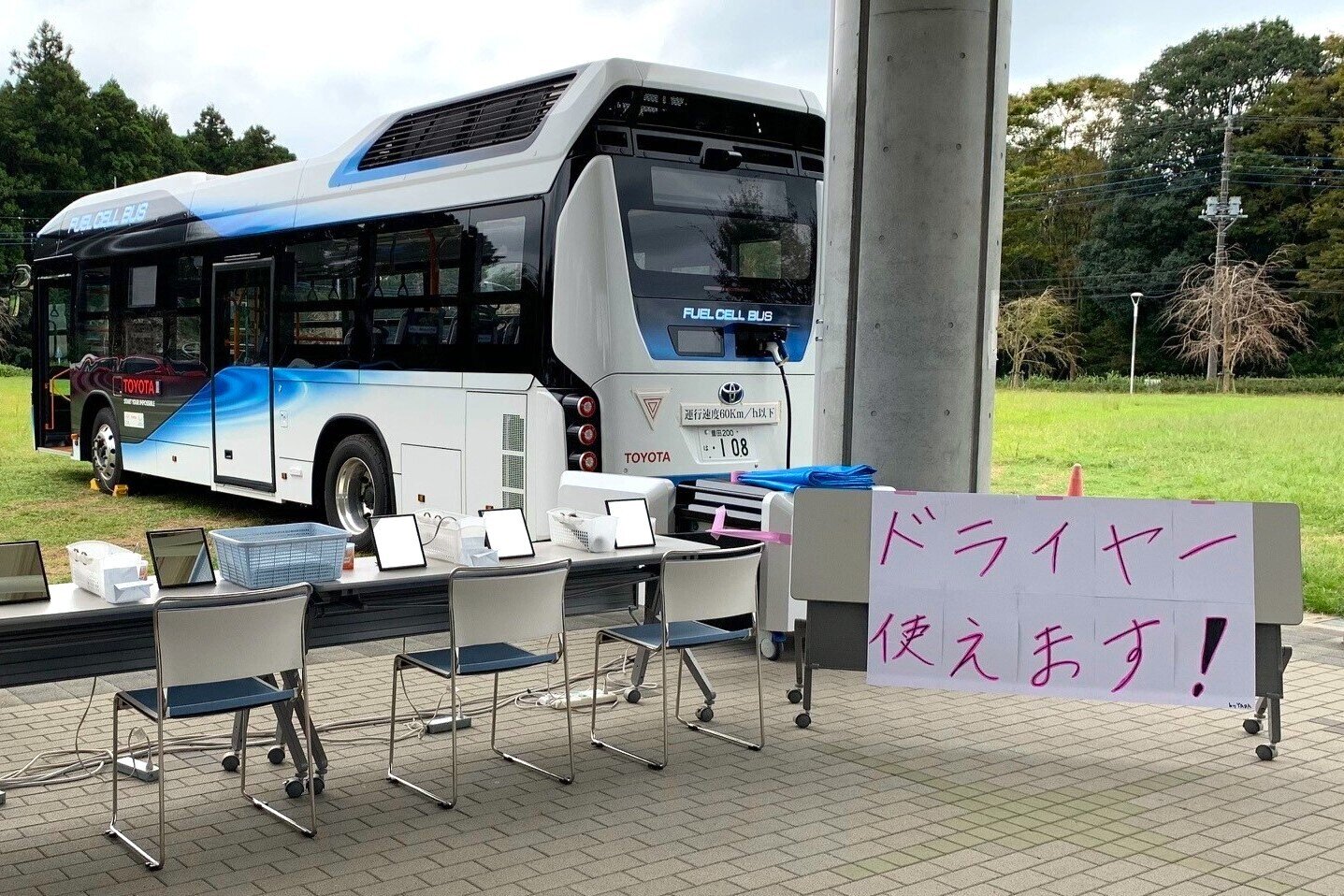
The Miharu House team is also collaborating with Associate Professor Akihiro Shibayama of Tohoku University. Testing is underway to determine how much electricity a fuel cell electric vehicle (FCEV) can supply for indoor use.
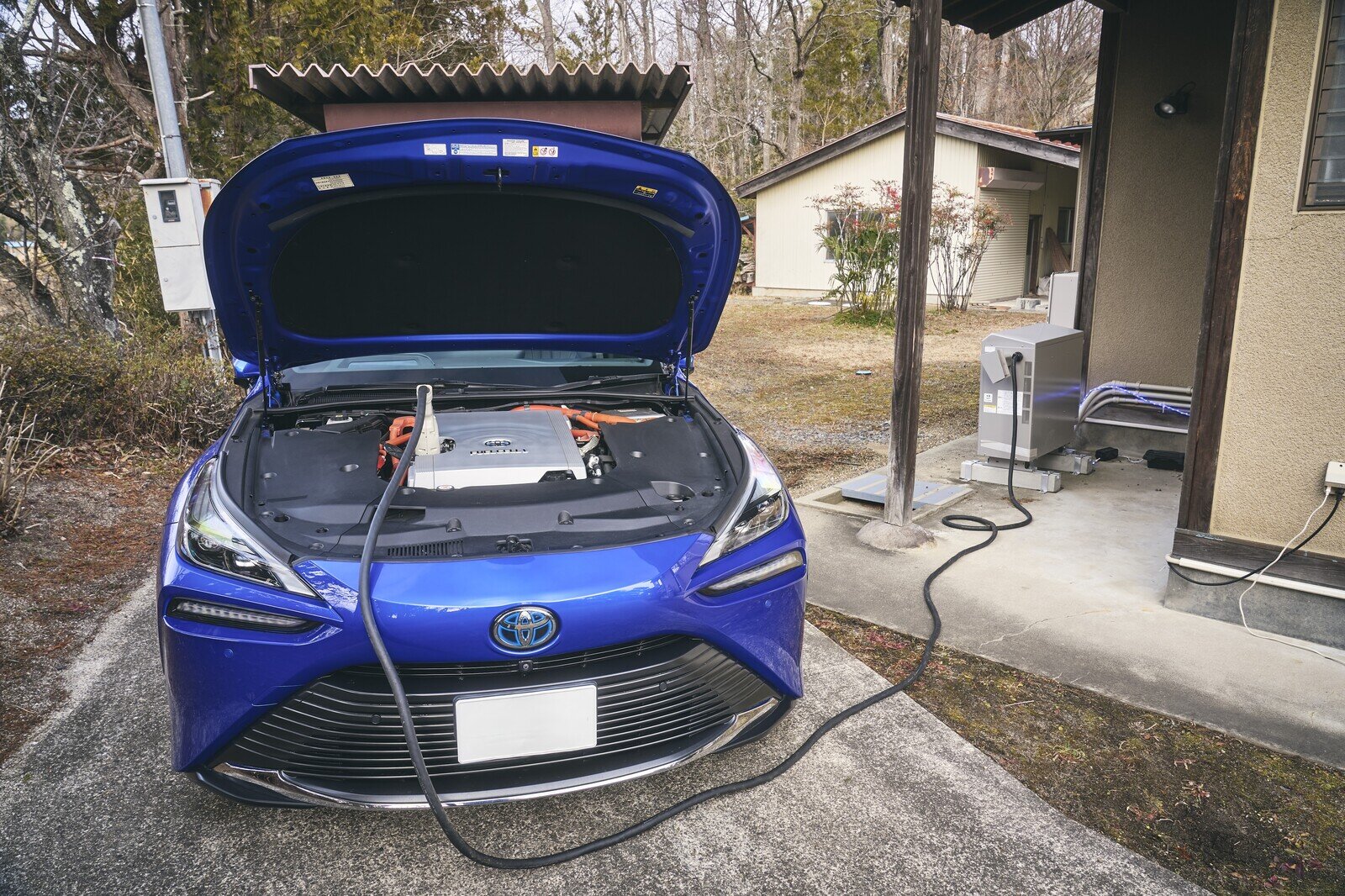
As you can see in this photo, a Mirai can supply enough electricity for ordinary household use for a week. It can make a blackout almost feel as if it never happened and produces none of the noise or exhaust of a generator.
Vehicles that can supply power can also serve as mobile power sources, delivering electricity to evacuation shelters and people in need. The sheer volume of electricity an FCEV can deliver is astonishing.
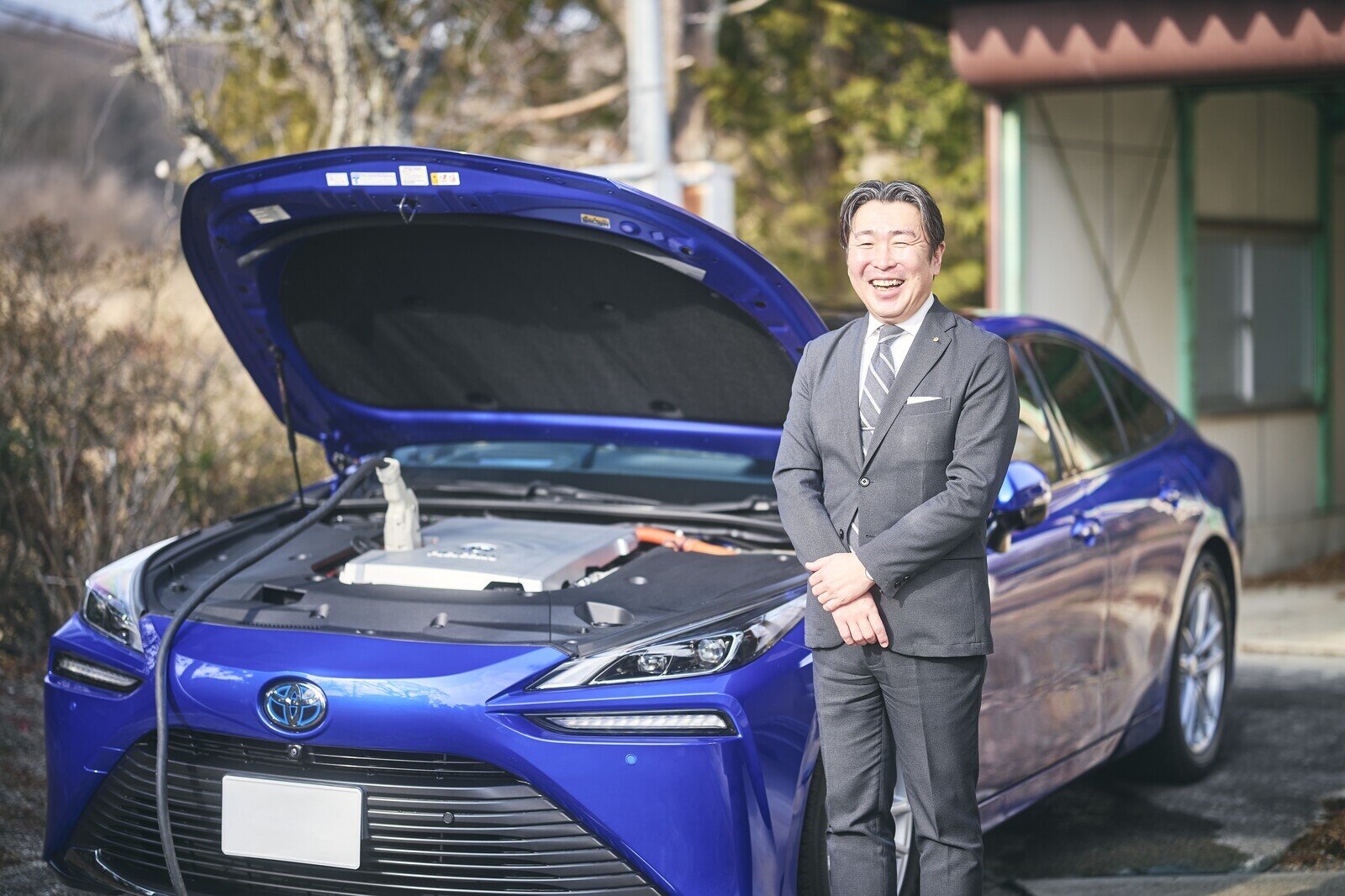
Here is what a local dealership had to say.
Takehiro Onuma, President & COO, Netz Toyota Fukushima
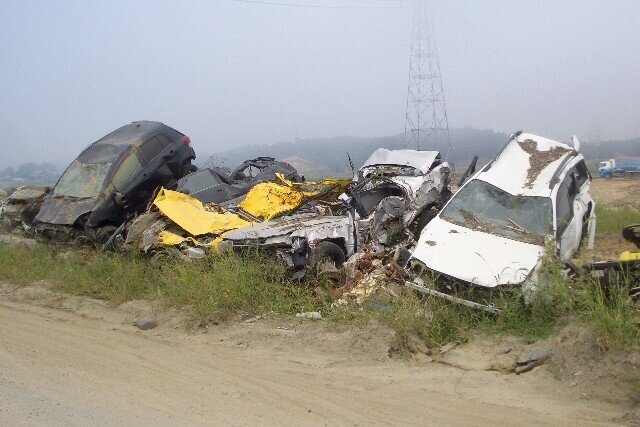
An elderly woman who had lost everything in the tsunami, her husband, her family and her home, found herself staying at an evacuation shelter after the disaster struck.
When we delivered supplies to the shelter one day, her face immediately lit up and she said, “This is the first real item I’ve received. Thank you.” In that moment, I truly understood that what we do is really about being there for the people in the community.
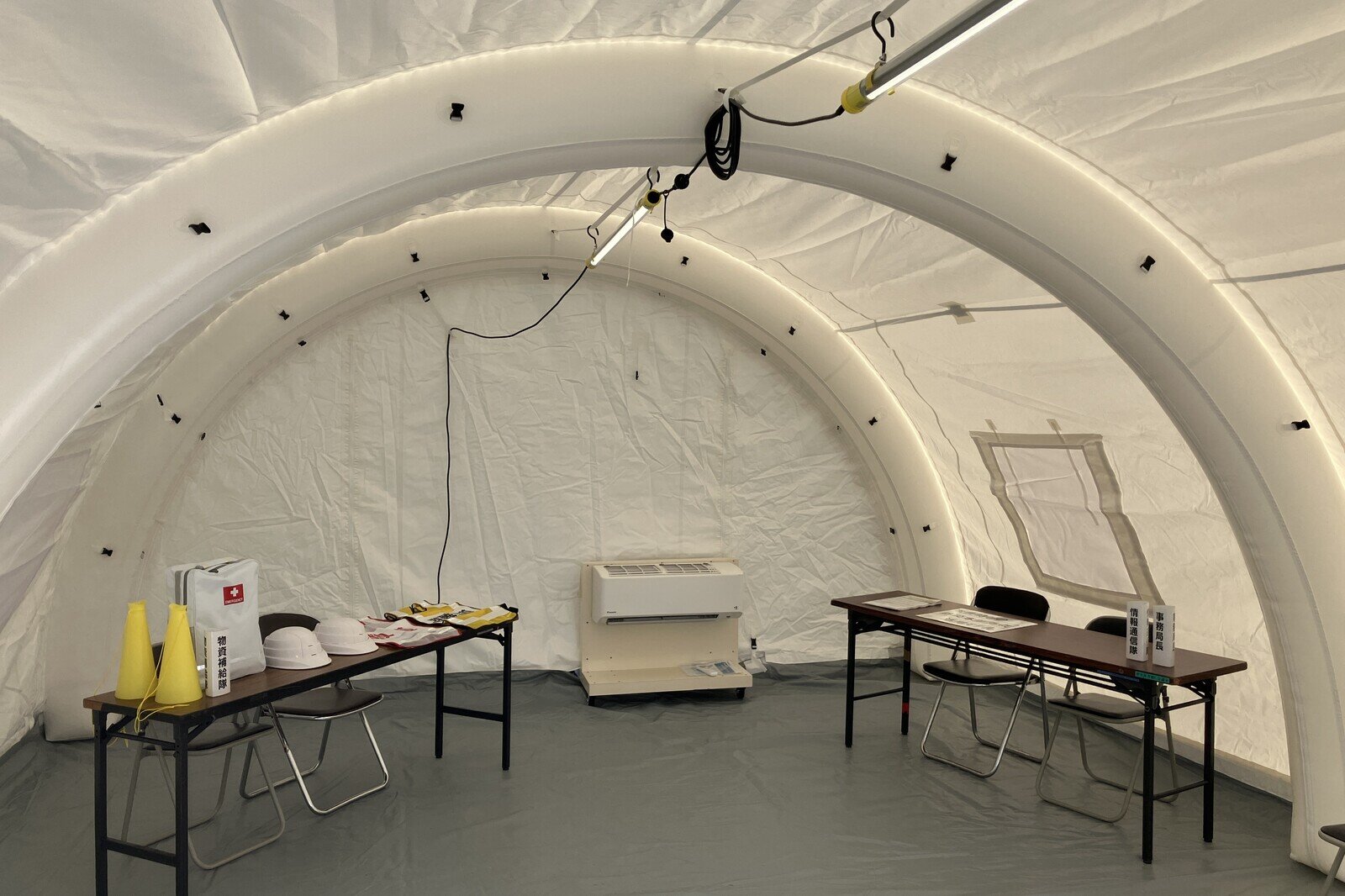
If people, goods, and information stop circulating, a community is finished. Our business can exist only if the local community is thriving. If people work only to make themselves happy, society begins to go off the rails.
Living among the kindhearted people of Fukushima, you really come to feel that way.
Could your home become a home of the future?
Miharu House also uses a V2H (Vehicle to Home) system that connects the home and the vehicle.
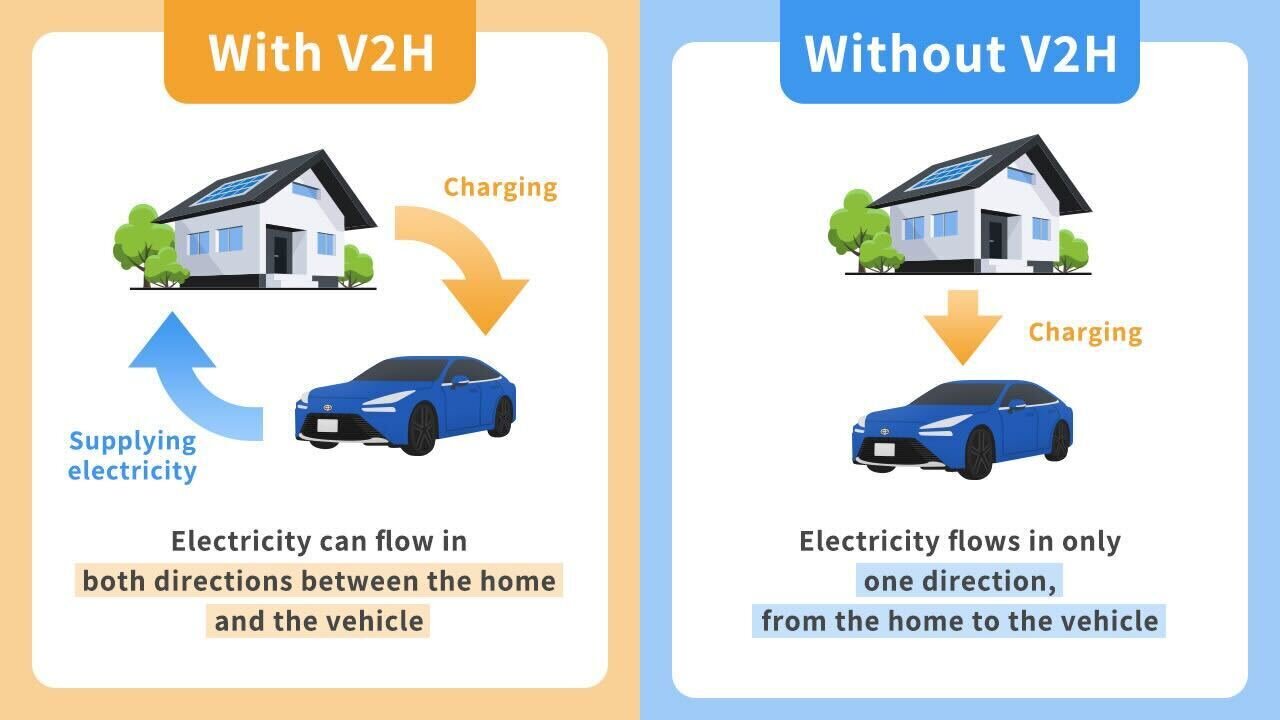
Storing cheaper off-peak late-night power in a car's battery for daytime use can help reduce electricity costs. Surplus electricity generated during the day at homes equipped with solar panels can also be stored in a car's battery for use at night. This allows homes to supply themselves with clean electricity around the clock.
In addition, the car can also be used during power outages as a massive backup battery, making the home more resilient to disasters.
After the Noto Peninsula Earthquake, elderly people reportedly spent anxious nights shivering in the cold, and more than 700 people suffered disaster-related fatalities. Moments like this highlight just how important V2H can be.
As demonstrated by Miharu House, a 39-year-old home, it's surprising to learn that the house you live in now can be upgraded into a home of the future simply by connecting a car to it.
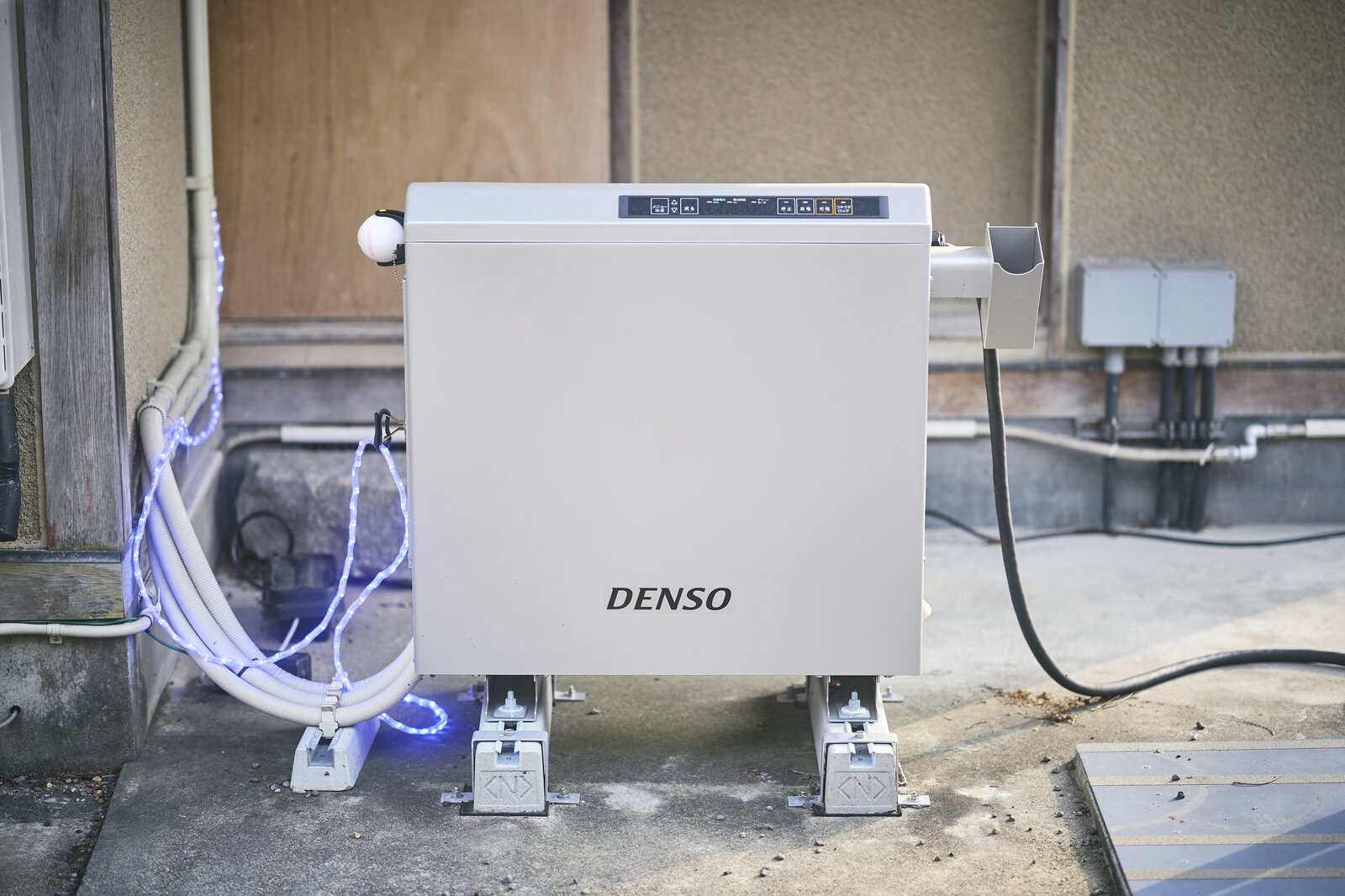
However, the situation in Japan still presents major challenges.