



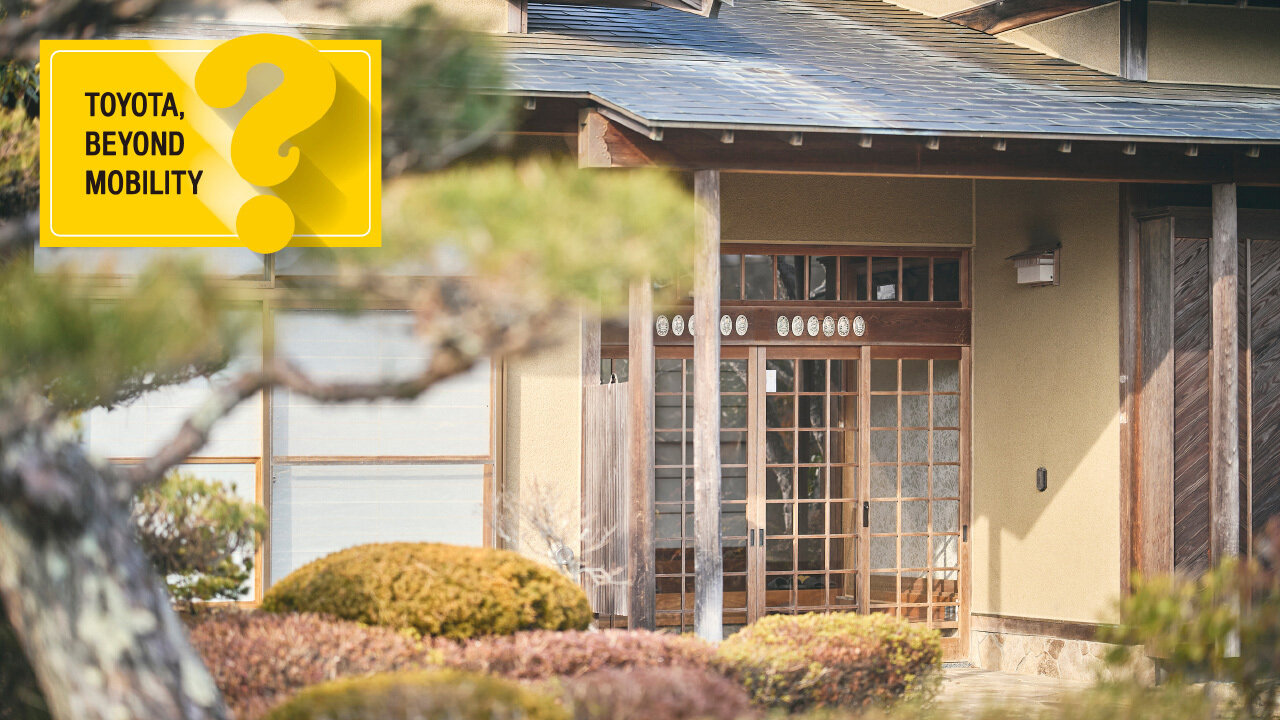
This series showcases Toyota's activities in non-automotive fields. This time, we visit a test home for the future.
One major issue with V2H is that there are a limited number of examples of its use in ordinary households.
As of January 2025, 46 models* worldwide support V2H, including battery electric vehicles (BEVs), plug-in hybrid vehicles (PHEVs), and fuel cell vehicles (FCEVs) from Toyota and other manufacturers. However, in terms of vehicles, there are still only about 50,000 in Japan.
※Number of vehicle models compatible with the DENSO V2H charging/discharging unit (DNEVC-SD6075, DNEVC-SD6075S).
This leaves significant room for growth. Conventional ways of thinking about energy may also change dramatically in the near future.
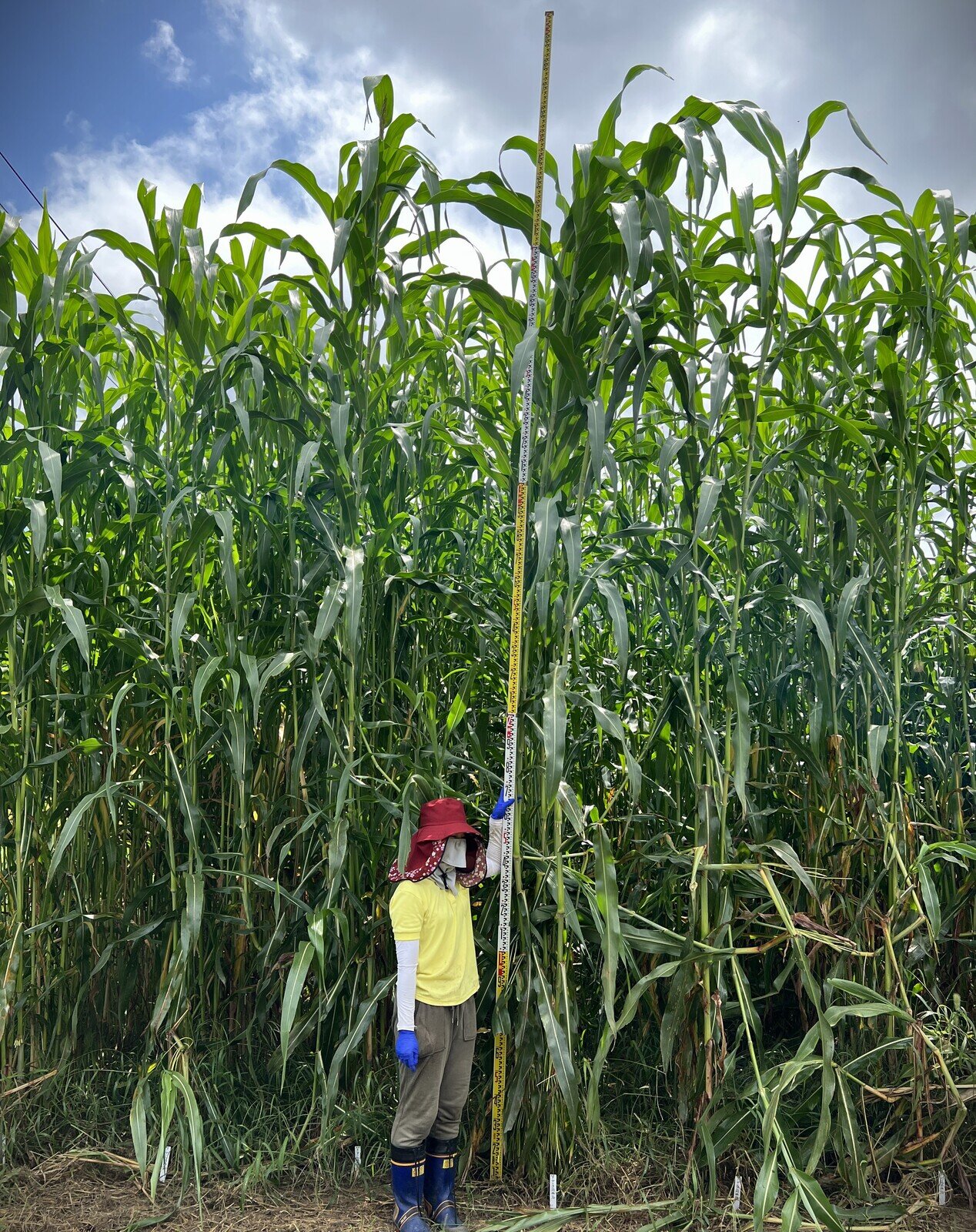
Are you familiar with this plant?
The use of bioethanol fuel made from sorghum is also being tested at Miharu House. You’re probably wondering what sorghum even is. It is actually a plant that may even overturn what we think we know about fuel.
Many readers of Toyota Times are probably aware that fuels are made from plants such as corn and sugarcane. With that in mind, let’s take a look at this diagram.
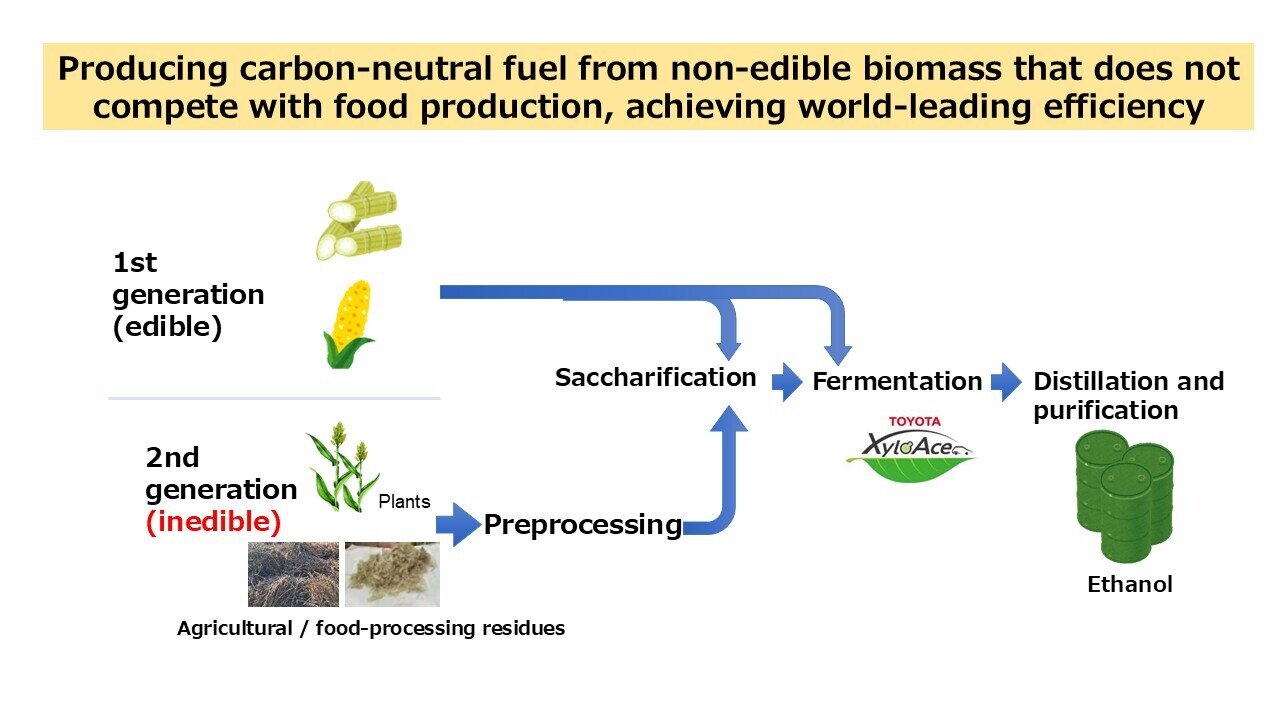
First-generation ethanol was produced from food crops. Going forward, ethanol may also be produced from inedible plants and waste material.
The organization that has been advancing this research in earnest since 2022 is the Research Association of Biomass Innovation for Next Generation Automobile Fuels (raBit), a consortium that includes Toyota and many other companies.
Koichi Nakata, Chairperson of the Board, raBit

Sorghum grows rapidly, so you can harvest it as many as three times a year in warm regions. Even in colder regions like Fukushima, it can be harvested twice a year. Because it grows tall, it also offers high yields per unit area. For these reasons, we expect it to allow us to produce biofuel efficiently.
Technical complications still prevent mass production, but there is great potential to produce the world’s most efficient fuel in the future.
At Toyota’s farm in Okuma Town, Fukushima Prefecture, sorghum varieties are being bred to grow larger. Cars used bioethanol fuel made from sorghum at this January’s Hakone Ekiden, a university relay marathon in Japan, and test use in the 2026 Super Formula series is also planned.
It has also been used as fuel for a next-generation fireplace in Miharu House aimed at achieving carbon neutrality in the home.
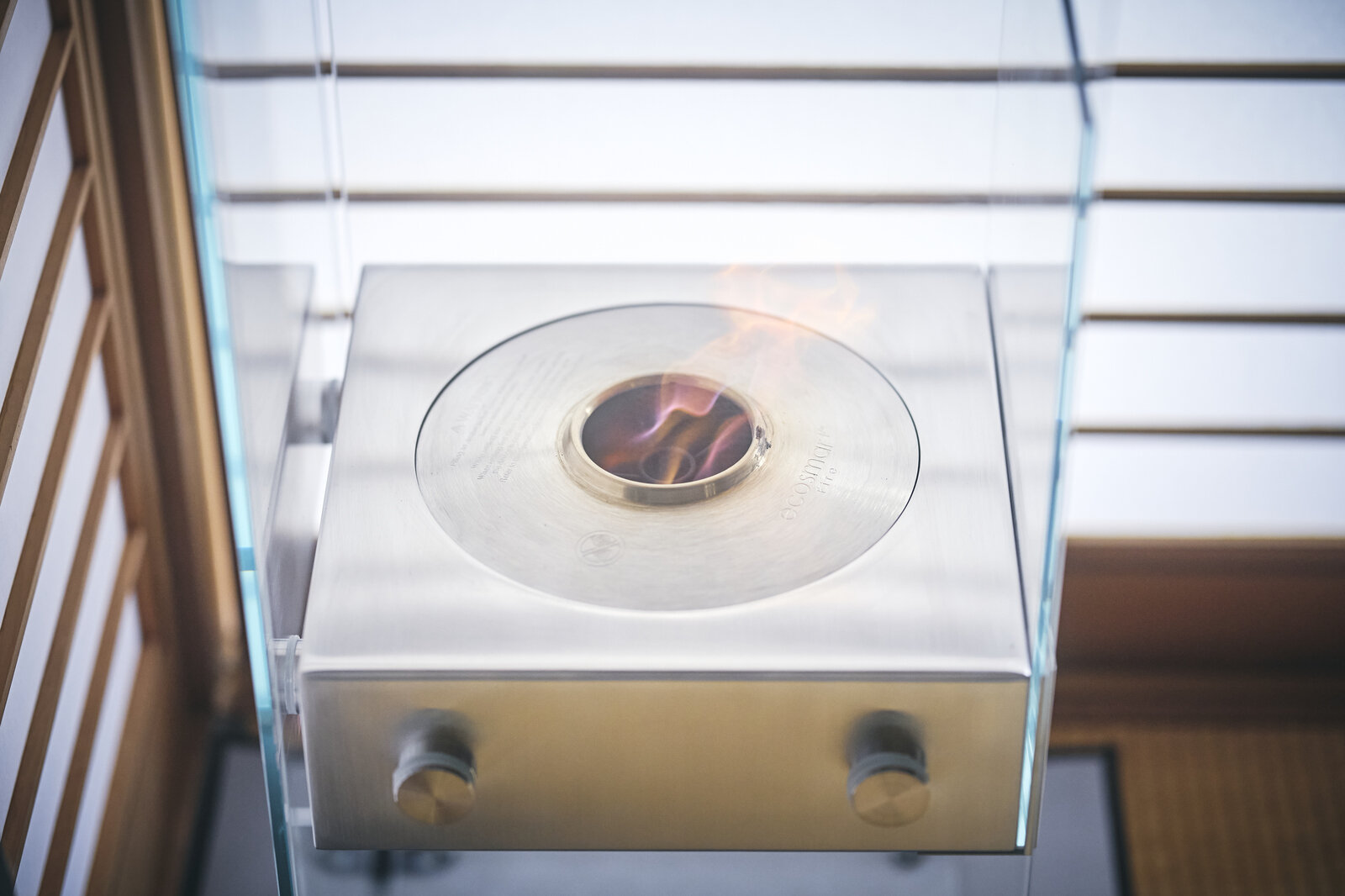
Expansion into a wide range of industries, such as aviation and shipping, is also anticipated, and the project has attracted many visitors from overseas who come to observe the technology. We reporters were also taken aback to hear that even weeds might be turned into fuel in the future. Really?!
The future of Fukushima is brimming with possibilities
All kinds of technical trials are underway at Miharu House, but what do locals think about Miharu House? We asked Watanabe, who had temporarily evacuated outside the prefecture at the time of the earthquake, her honest opinion. She replied with a laugh that it wasn’t very well known.
She also told us, “Back when the disaster struck, people were saying even the water and air were dangerous. It would have been reassuring if we could generate our own safe energy in the town we live in. I’m glad seeds for the future are being planted for our children.”

The initiatives at Miharu House are led by members of Toyota’s Corporate Citizenship Division.
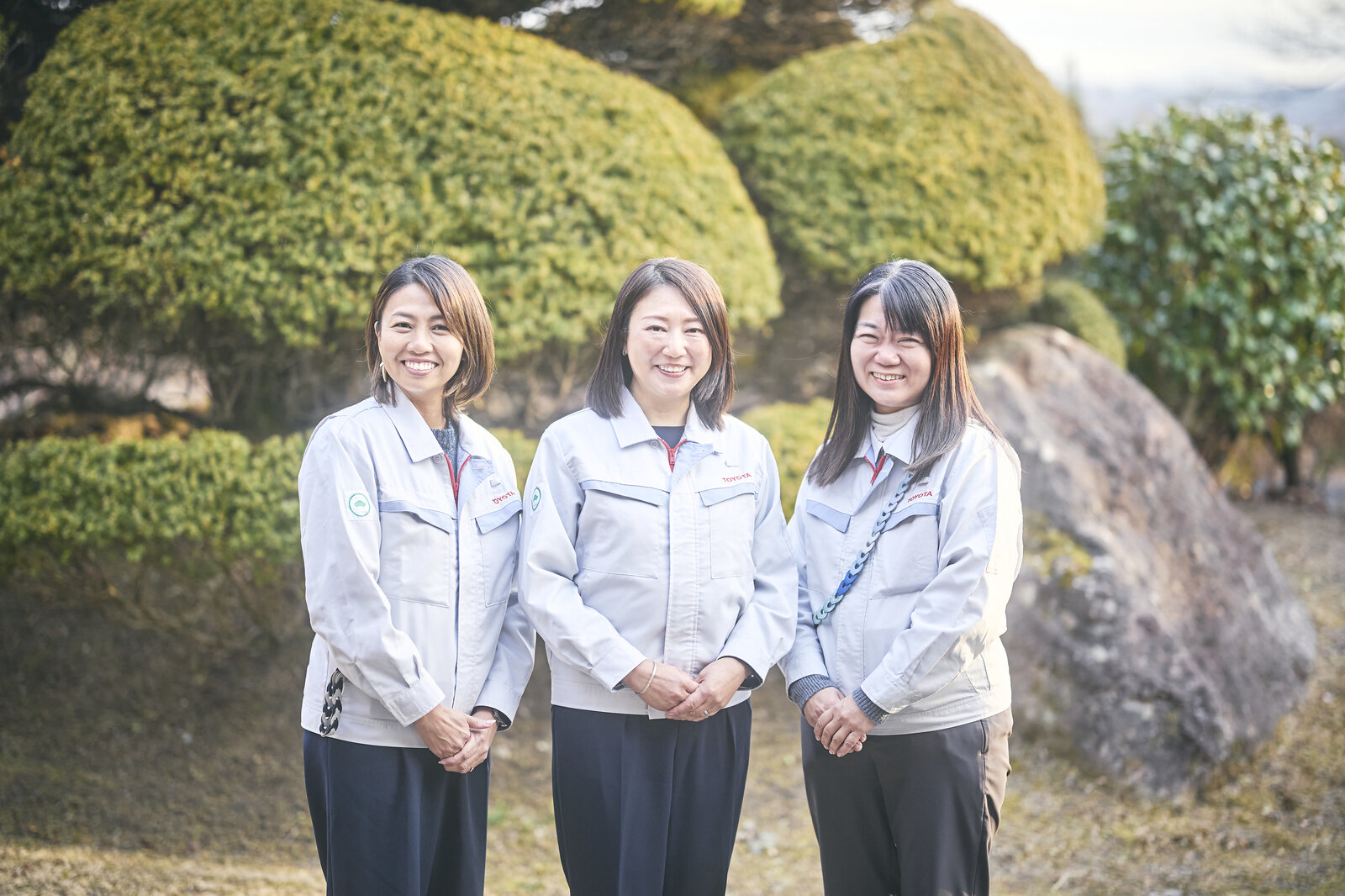
One of the people leading the initiative is Chika Matsui of the Corporate Citizenship Division. She says, “By continuing to share what we are doing from Miharu House, we hope that even those who have moved outside Fukushima Prefecture will one day want to live in Fukushima again.” What kind of future will emerge from Miharu House, where sustainable living is being put to the test? Stay tuned.