



In this era of constant change, Toyota's Future Factory Project seeks to keep the excitement of monozukuri alive by transforming how production plants operate and people work.
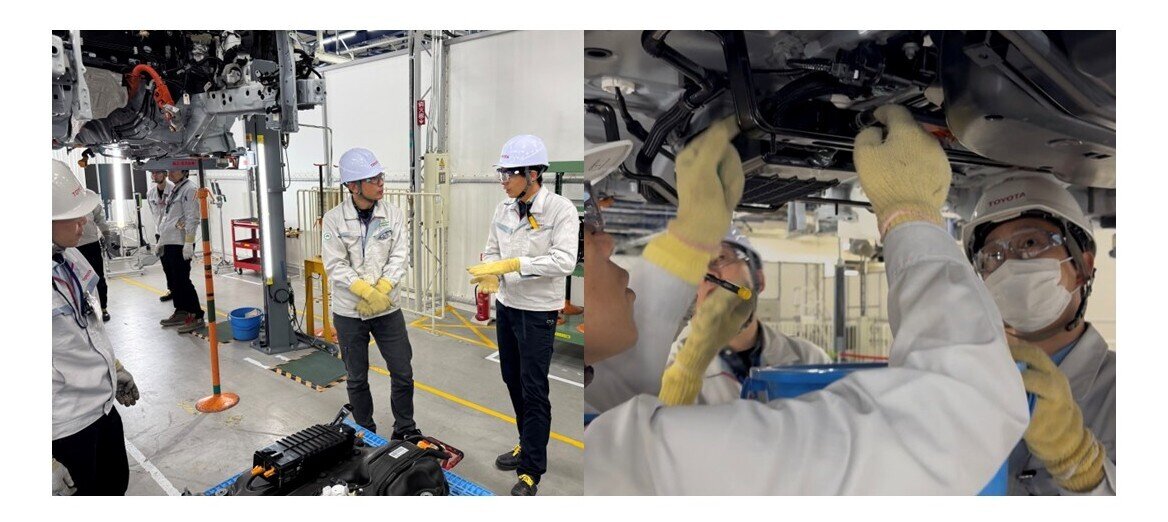
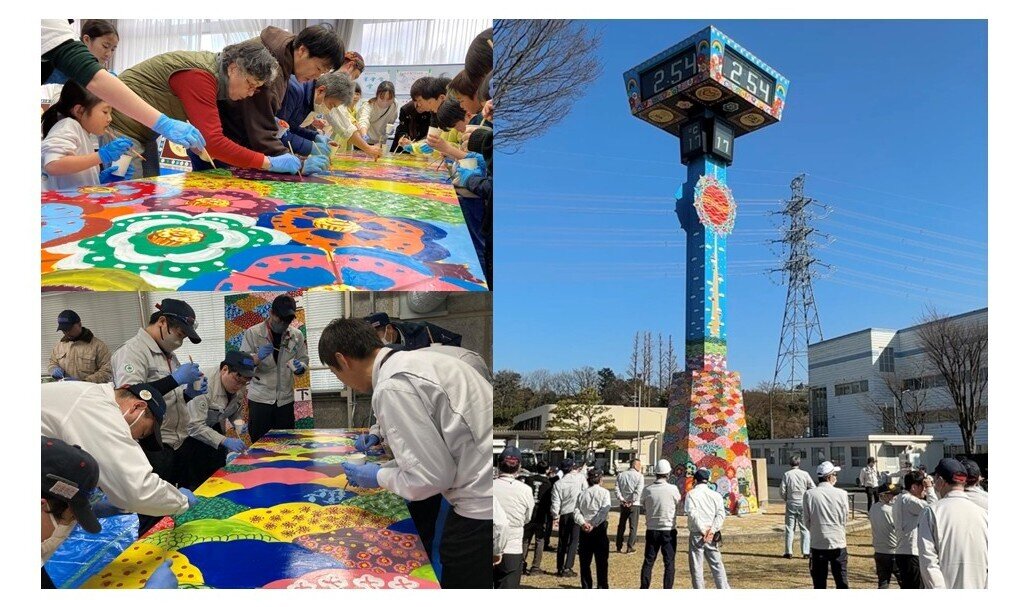
Employees dismantle a RAV4 to reassess its structure and production process. Elsewhere, employees, family members, local residents, and suppliers give a historic clock tower a colorful new look…
Step inside a Toyota plant and you’re likely to find people doing much more than just making cars.
And while at first glance these activities may seem unrelated, they are in fact part of a project with a single unified vision. In this article, we shine a light on that vision and the project itself.
Creating an environment for sustainable monozukuri
What can be done to ensure that monozukuri remains an exciting field, even 30 years from now?
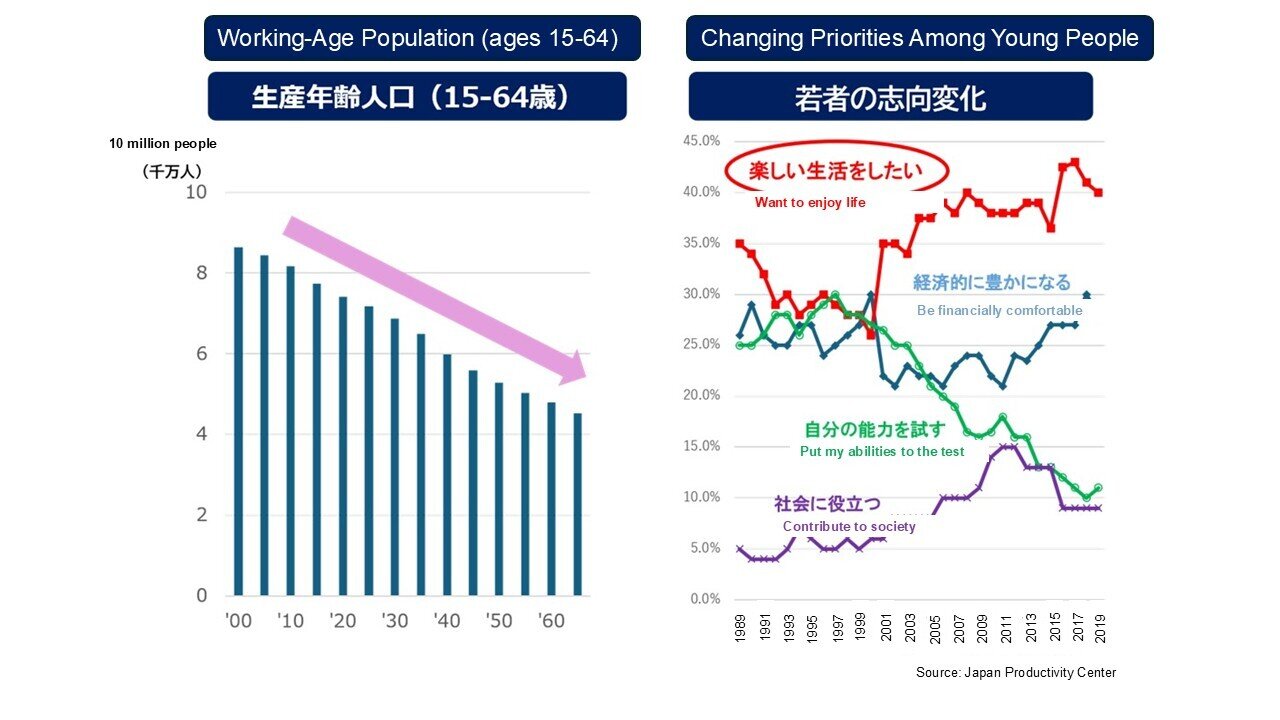
According to the Japan Productivity Center, the country’s working-age population is expected to halve in size between 2000 and 2060.
At the same time, young people are increasingly seeking a better work-life balance. If factory work cannot shake its past image of being “dirty, dangerous, and demanding”—in Japanese, the three K’s (kitsui, kitanai, kiken)—few people will be eager to take up manufacturing.
Although AI can perform various tasks in place of humans, monozukuri that can only be passed on by people must be preserved for the future.
This requires changes in working environments and how people work.
Then-president Koji Sato viewed this looming crisis as an opportunity for profound transformation. He set “fundamental reforms to plant environments and working conditions” as one of Toyota’s key sustainability initiatives, which kick-started the Future Factory Project.
A people-centered approach
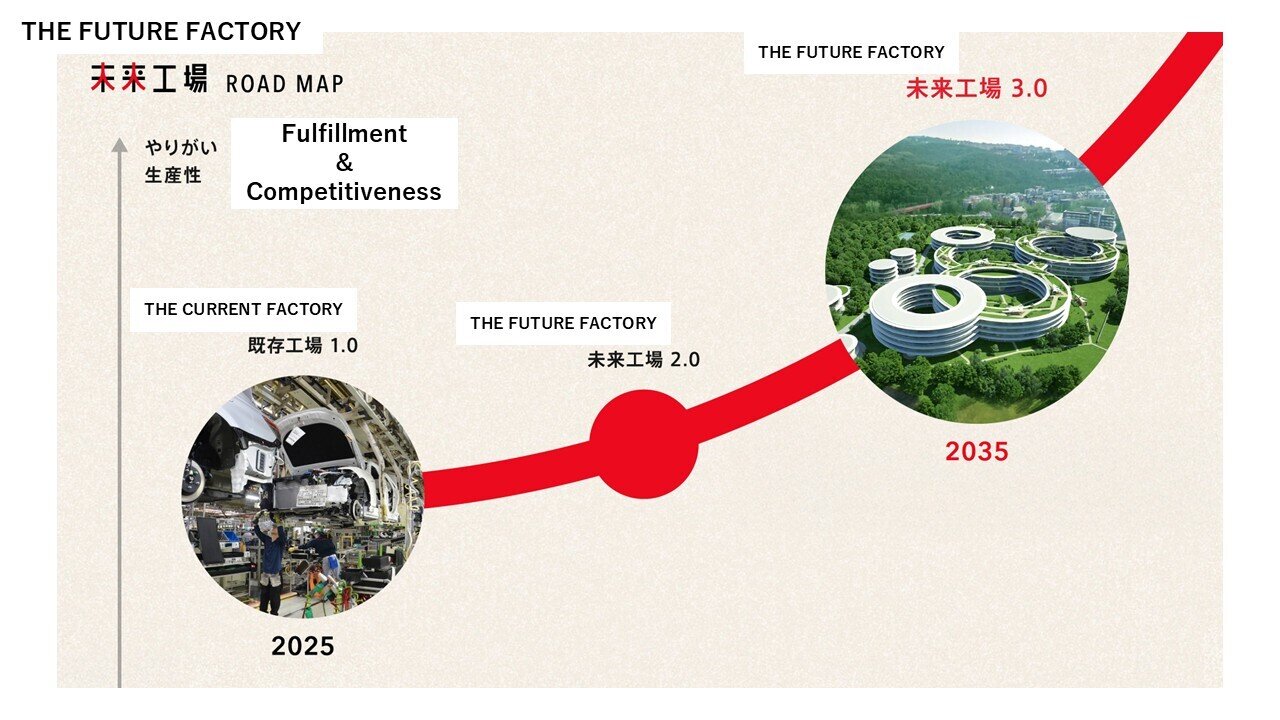
The Future Factory Project aims to improve both productivity and employees’ sense of fulfillment through people-centered, sustainable monozukuri.
From past to present, and into the future, value has always been created by people rather than machines. However, we also live in an era where, if efficiency is the only priority, people can be bypassed altogether. This raises the question of what role people are meant to play.
That is why Toyota emphasizes a people-centered approach, creating conditions that provide workers with a sense of fulfillment and happiness by inspiring them to grow and take on new challenges, while at the same time boosting productivity through innovation in how cars are designed and manufactured.
The reforms being undertaken as part of this project are divided into three phases: actions that can be taken immediately (1.0), initiatives looking three years ahead (2.0), and those focused on a decade from now (3.0).
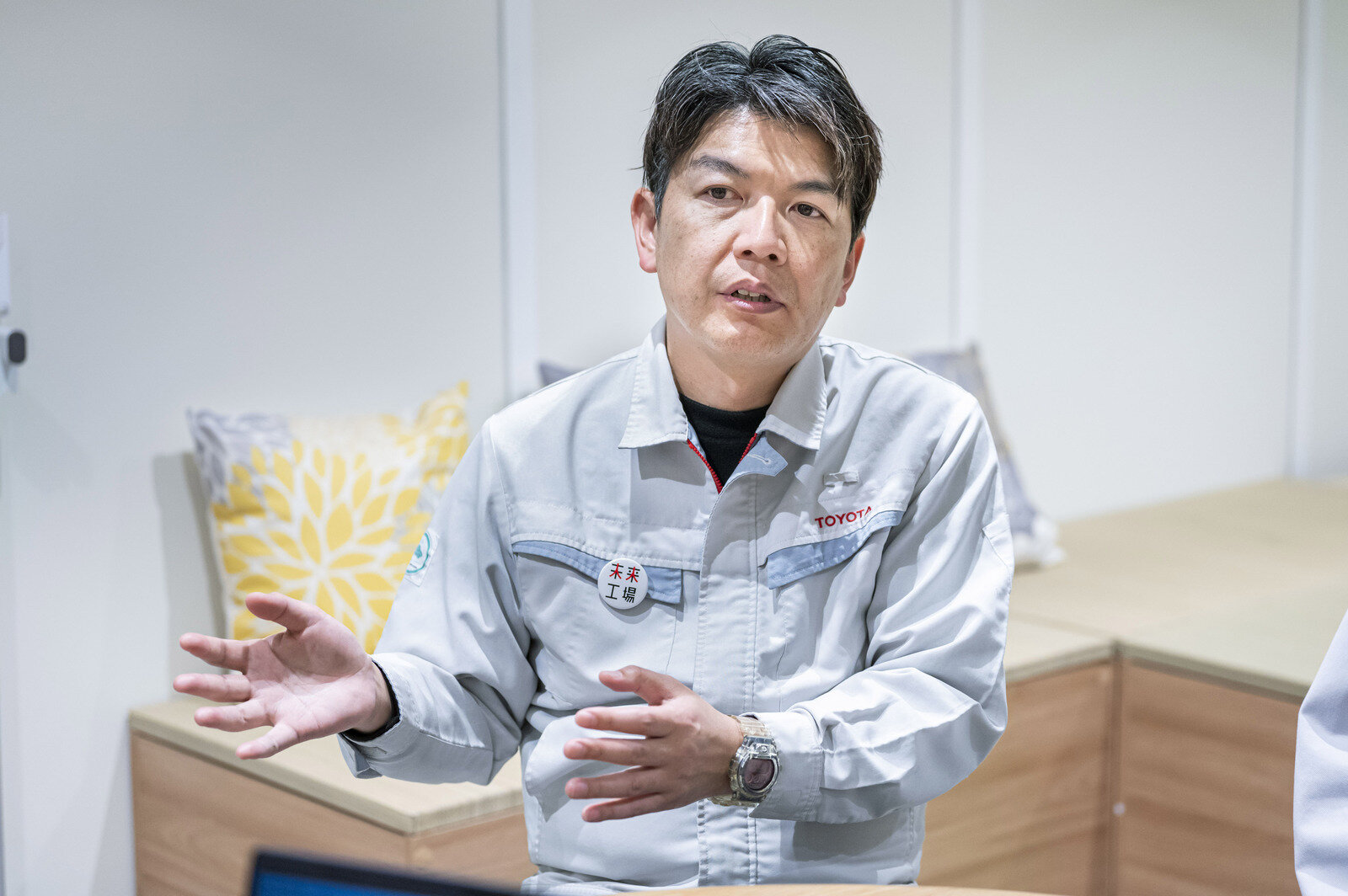
To spearhead this project, Toyota established the Mirai Factory Division, led by Jun Kawamata.
Jun Kawamata, General Manager, Mirai Factory Div.
As for how to proceed with the project, President Sato told us, “In carmaking, the initial ‘concept’ phase is where you put all your dreams into the car. If you can turn even 50 percent of that into reality, that car will be amazing.”
Without a vision for how you want things to turn out, you’ll only end up with uninspired results. The same is true for the Future Factory Project—focusing solely on Phase 3.0 is nothing but wishful thinking, but Phase 1.0 alone will not create the future we envision. I think both are essential in moving forward.
Of the team’s 84 members, 12 are engaged in the project full-time. The majority take part alongside their other duties in manufacturing, manufacturing engineering, and management divisions at Toyota’s various plants, as well as functions such as procurement and HR.
Rather than having the Mirai Factory Division lead all of the project’s various aspects, the aim is to encourage individual departments to take ownership and act with initiative.
From pushback to growing movement
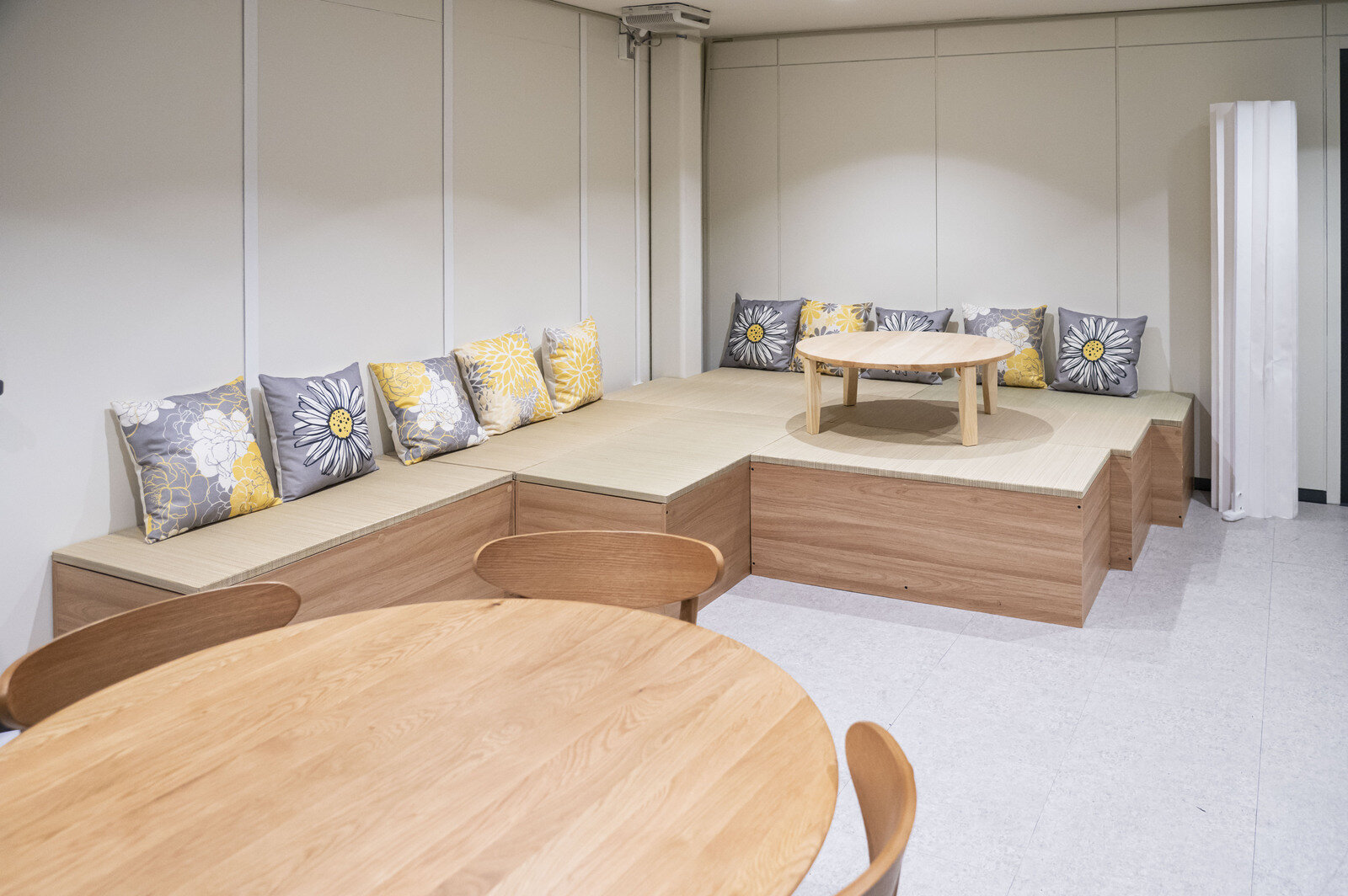
The project has already begun taking the first steps toward the production plants of the future. As one example of Phase 1.0 initiatives that will improve day-to-day job fulfillment, workplaces are renovating and expanding their limited and aging restroom and locker facilities, as well as improving break areas to draw a clear line between work and downtime.
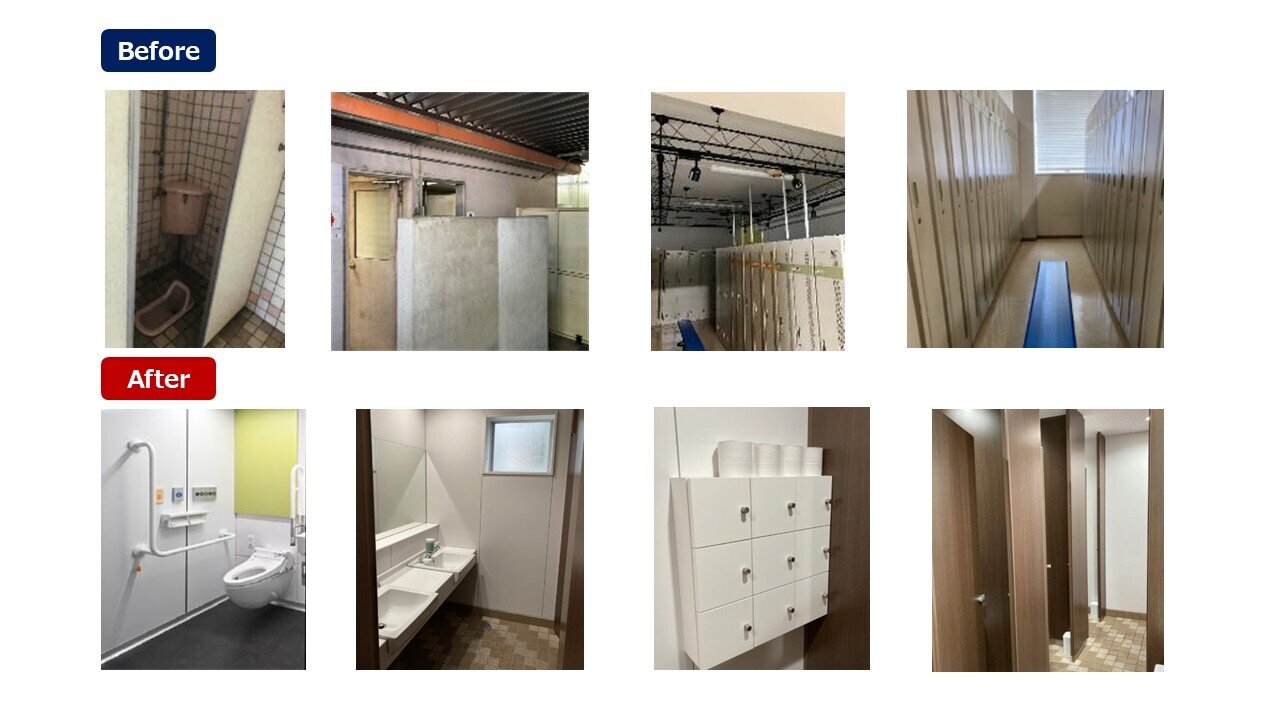
While this may seem like a small step, Mirai Factory Division Project Manager Kyoko Takiue says that female staff in particular were far more unhappy about the state of the restrooms than the production floor.
Kyoko Takiue, Project Manager, Mirai Factory Div.
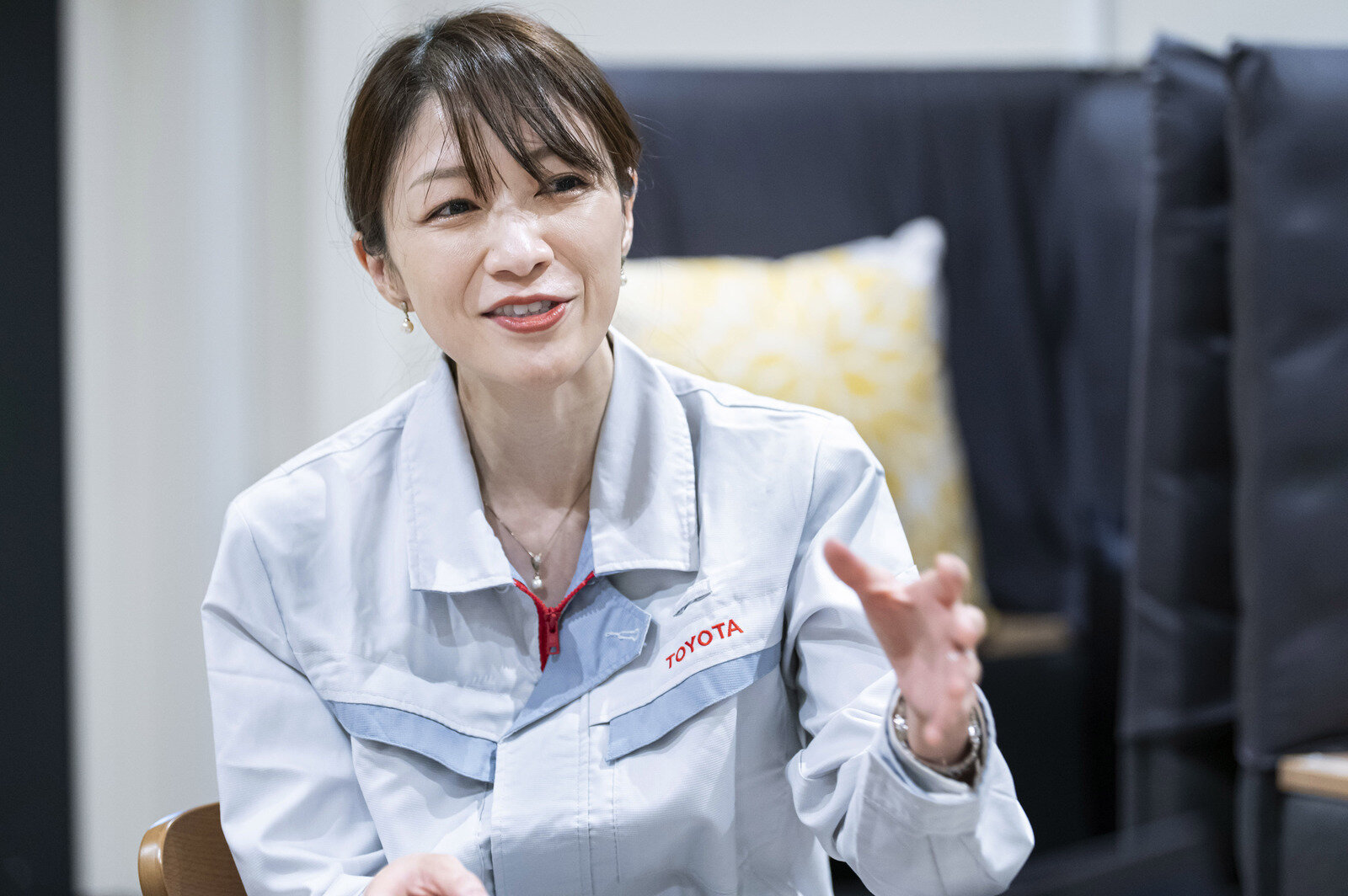
To begin with, since few women worked in the production genba, I don’t think the restrooms were really built with women in mind.
When I visited our plants and asked about the improvements people wanted to see, many told me, “There aren’t enough restrooms,” “Just build more restrooms.”
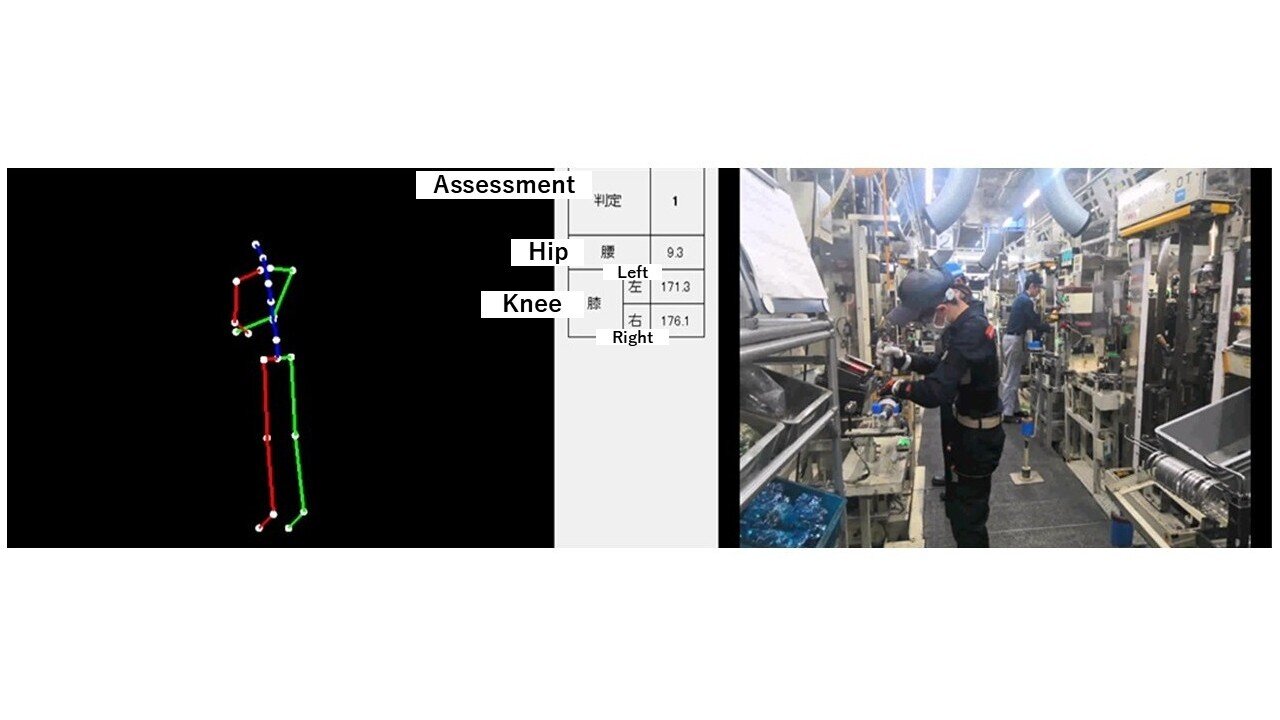
Similarly, while past production line improvements were chiefly about raising productivity, the focus has now expanded to ensuring that tasks can be comfortably performed by all employees. The Any Member Any Process (AMAP) initiative uses motion capture to visualize the physical strain of individual operations. Karakuri solutions are also being used to revamp production processes so that all line positions can be effectively filled by anyone—not just young men but also women, older employees, or part-time and temporary workers, whose numbers are currently limited.
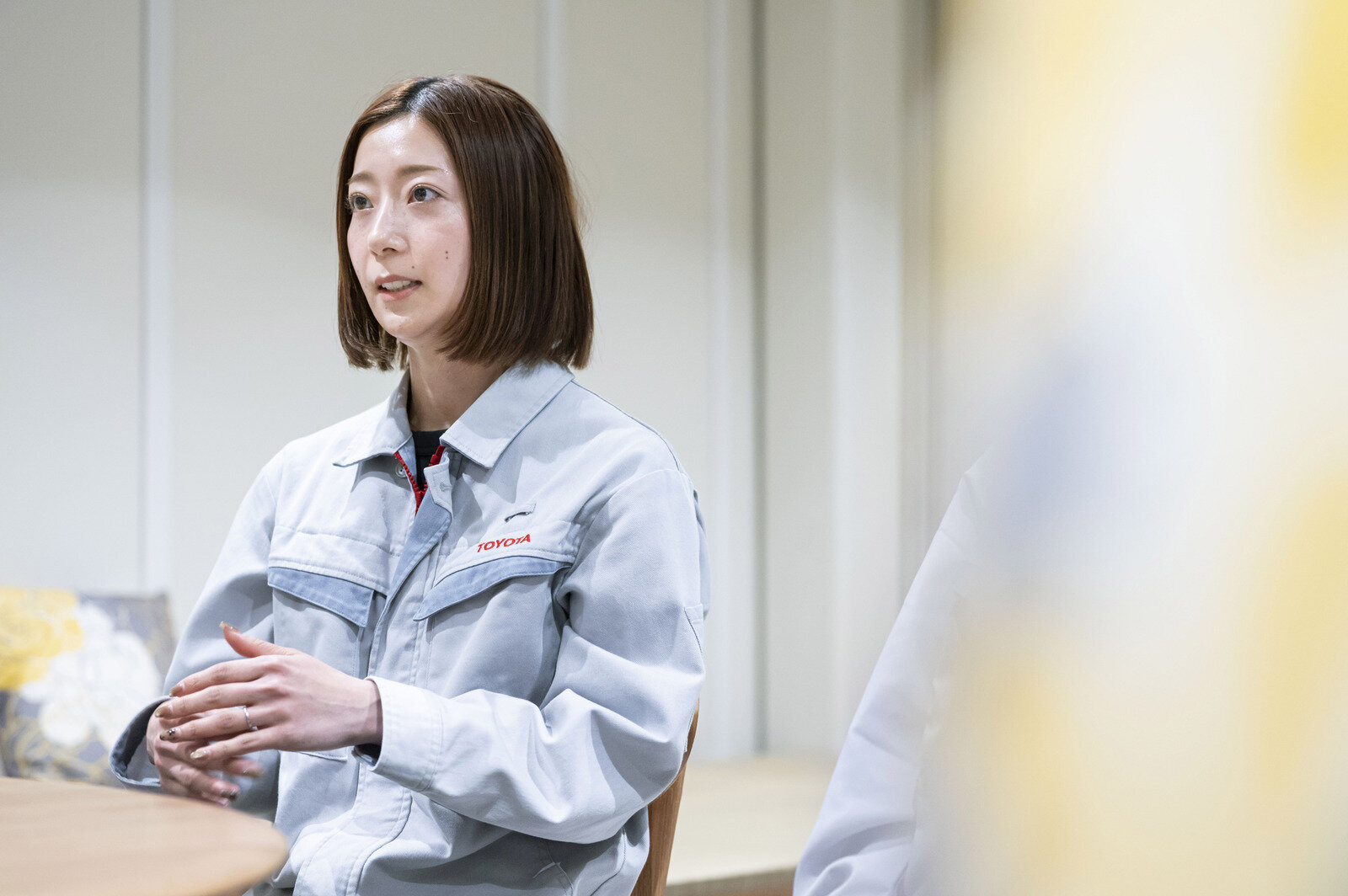
So how are these efforts being received on the front lines? Marin Matsuoka has worked in the Takaoka Plant’s Surface Finishing & Plastic Division since 2015, including a period of maternity and parental leave. She shared her thoughts:
Marin Matsuoka, Takaoka Plant Surface Finishing & Plastic Div.
This break room has gone from being very run-down to a relaxing space, and thanks to initiatives like AMAP, even areas that once posed challenges for women are much more easier to work in.
Until now, I had always kind of hoped that things might improve, but there hadn’t really been any major changes. Since the Future Factory Project began, we can see the changes with our own eyes, and that makes me excited for what’s to come.
Business as usual will not create a different future. By addressing current genba concerns, both big and small, Toyota is striving to create a more worker-friendly environment for the years ahead.
Jun Kawamata, General Manager, Mirai Factory Div.
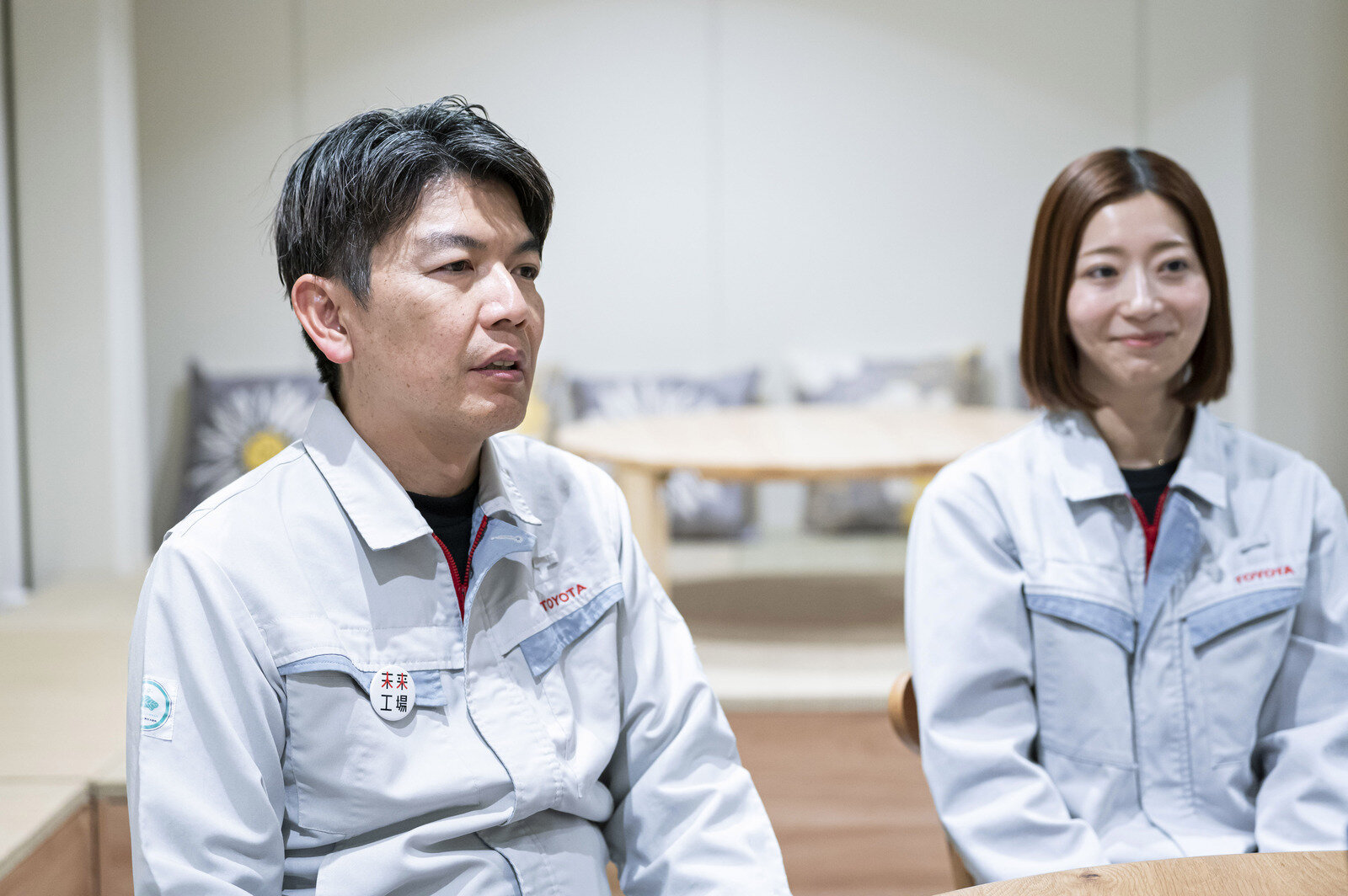
In the early days of the project, I think we struggled to get our vision across to those in the genba. When we tried to convey the idea of working together for a better future, we received some harsh responses—“What, don’t you have anything better to do?”
And yet, we’ve been able to get people on board and gradually yet steadily transform plant environments, in a way that employees can actually feel. I see genuine value in that.
Today, individual plants are increasingly taking the initiative and pursuing their own efforts, without relying on the Mirai Factory Division.
The activities mentioned at the beginning of this article are also part of the Future Factory Project.
Disassembling a finished vehicle offers workers a chance to reexamine its structure and production process from the ground up, and explore ways to consolidate functions and integrate components. The goal is to create conditions where anyone can engage in carmaking without limitations, and to boost employee motivation by giving everyone equal opportunities to tackle new challenges.
Meanwhile, having staff, family members, local residents, and partner suppliers come together to paint a historic clock tower creates opportunities to connect beyond their usual work and builds mutual understanding. It is also an opportunity to raise awareness among people in the community and encourage them to view the plant positively, which in turn leads employees to feel proud of their workplace.
Despite looking entirely different on the surface, both of these initiatives are linked by the project’s overarching goal: raising genba productivity and fulfillment by putting people first.
A return to Toyota’s roots
In March 2026, two years after the project began, a letter arrived on Kawamata’s desk.
“Work is unbearably tough every day. I come back to the dorm completely spent and go straight to sleep. It’s impossible to imagine continuing this lifestyle forever. I’ve heard that the Future Factory Project is going to improve job fulfillment and productivity, and make the company a better place to work. Please make this happen as soon as possible.”
The letter was from a 19-year-old genba employee. Kawamata told us he was grateful to the young man for having the courage to share his thoughts with a division manager he had never met. The experience reignited his determination to see the project succeed.
Jun Kawamata, General Manager, Mirai Factory Div.
I believe our project shares the same roots as the wooden loom that Sakichi Toyoda built out of a desire to make life easier for his mother.
Value has always been created by people, not machines. We want to create a future in which people can continue to feel happy. To do that, we are forging a path forward through job fulfillment and productivity, putting people at the center.