



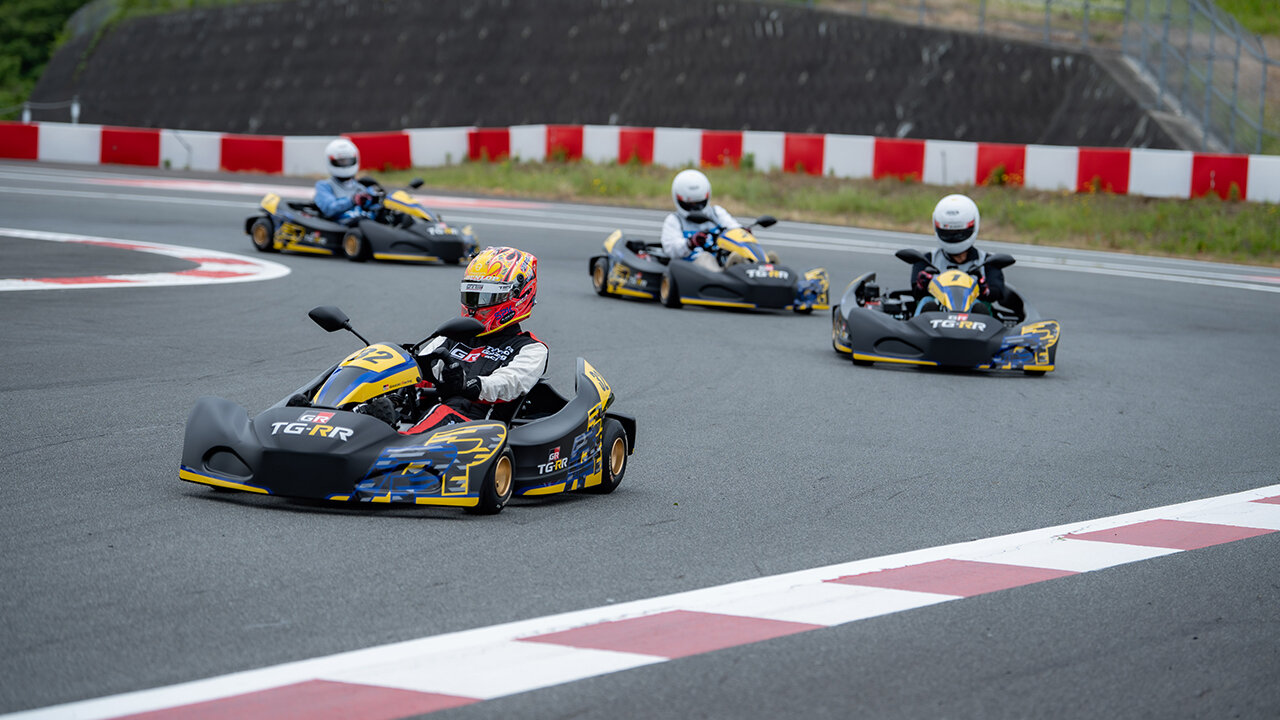
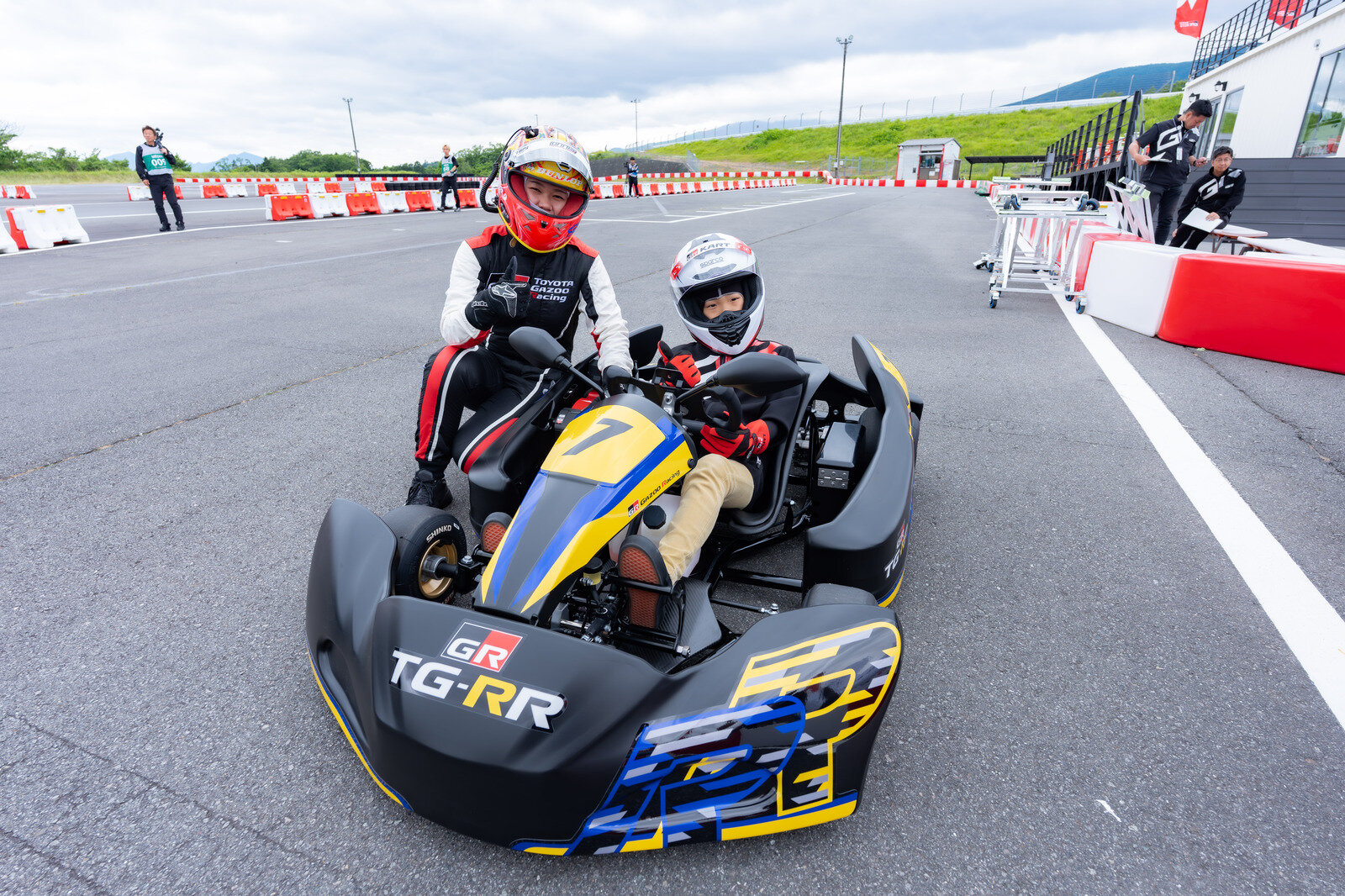
Set to launch in autumn 2026, the GR Kart seeks to make karting both fun and affordable. We showcase a kart that was designed to complement rather than compete with existing machines.
Striving to ensure a sustainable future for motorsports, Toyota has been developing the GR Kart as an accessible entry point for children to experience racing.
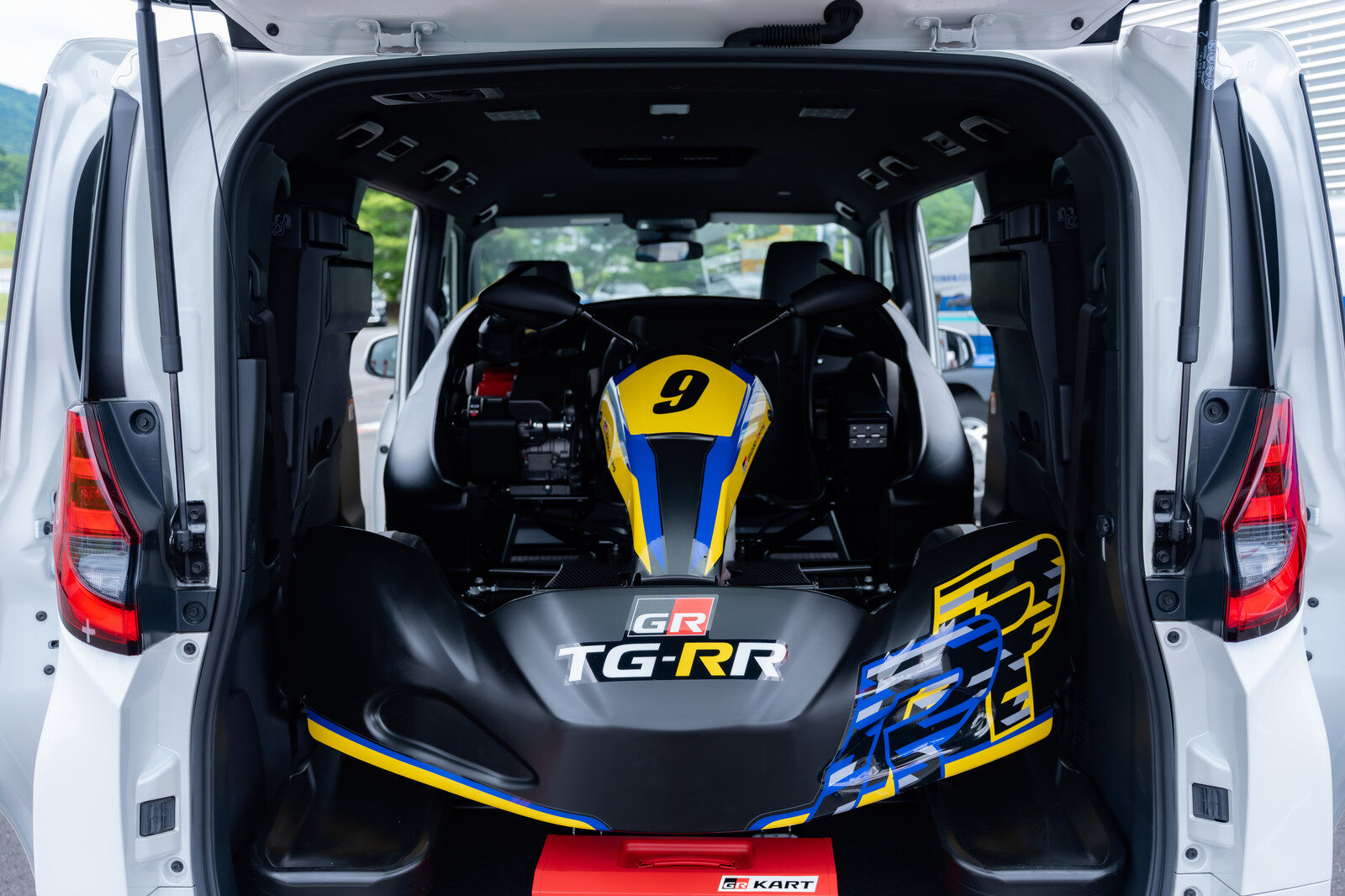
At Round 3 of the 2026 Super Taikyu Series, the Fuji 24 Hours, held at Fuji Motorsports Forest from June 5 to 7, Toyota announced both the establishment of a dedicated production site, the Gamagori GR Kart Workshop, in Gamagori City (Aichi Prefecture), and that the karts built there are scheduled to go on sale this autumn.
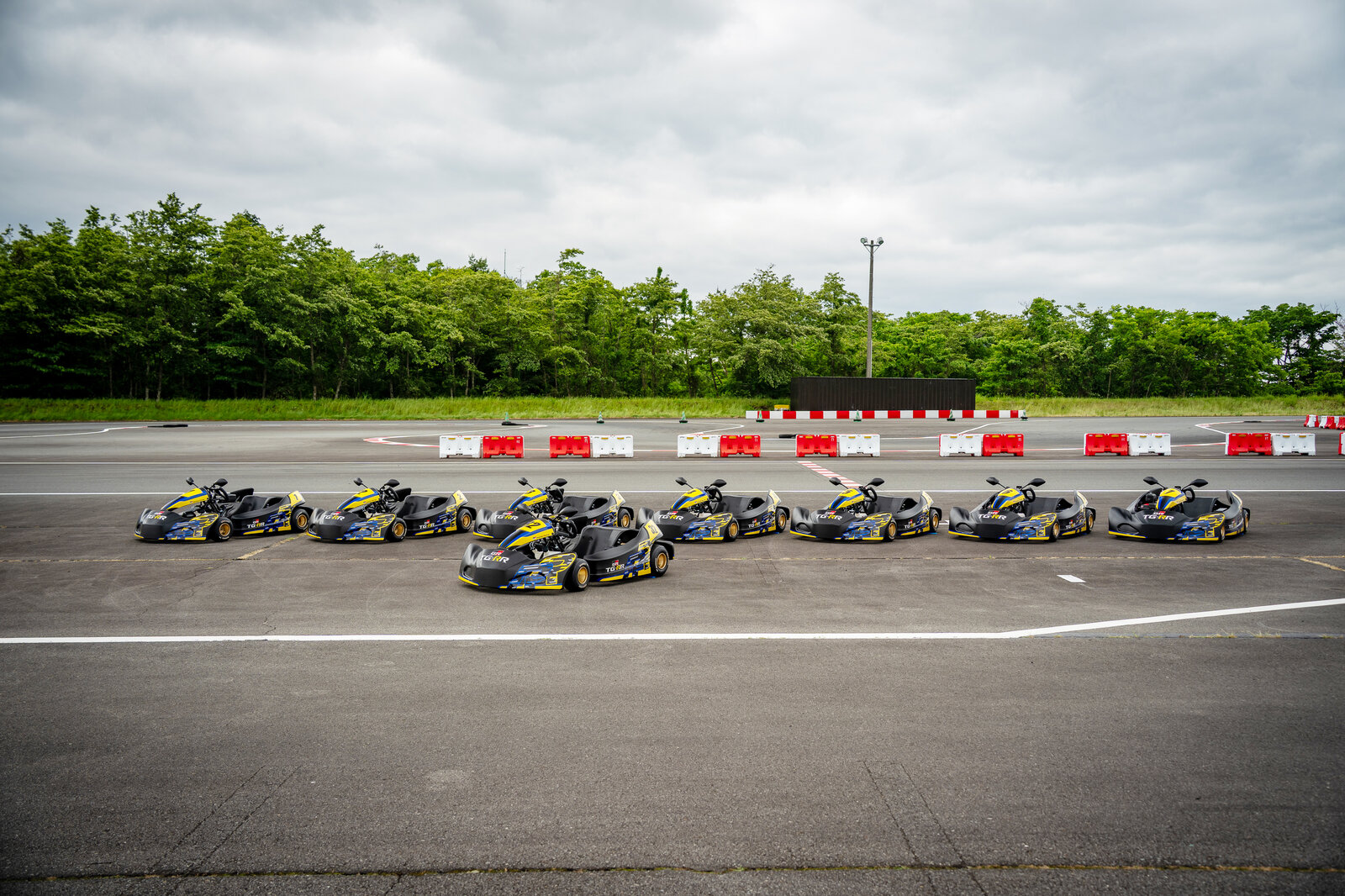
A kart for every family
Speaking to the assembled reporters, GAZOO Racing (GR) Company President Tomoya Takahashi said he wants to make karting as easy for children to take up as any other sport.
President Takahashi
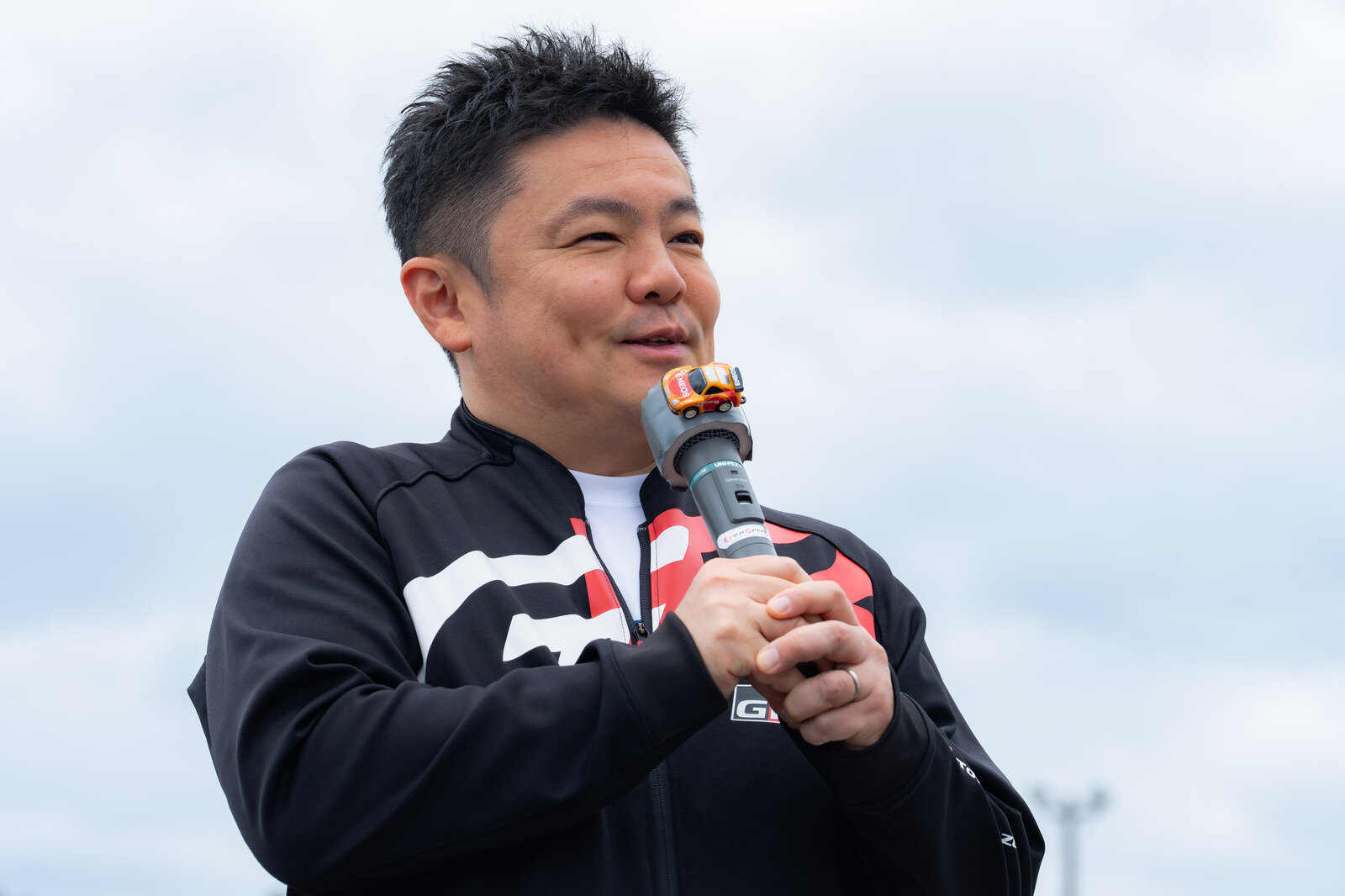
The racing karts that are currently available are incredibly expensive, both in terms of initial investment and ongoing costs. As a result, in general only kids from wealthy families are able to take part. Instead, we want to put the sport on par with baseball or soccer.
To put karting on the same playing field, we decided we need to make a kart that is affordable.
Another key point is that we are not trying to move into the racing kart market. Morizo’s vision is to coexist, not compete, with the current racing karts, which is why our machines have lower specs.
In making this kind of kart, we want to work with everyone to increase the number of kids who progress upward from our entry-level karts. We want to encourage children to give it a try.
Project General Manager Naoaki Ito, a member of the GR Vehicle Development Division responsible for the GR Kart, also oversees the development of the hydrogen Corolla.
As it turns out, the GR Kart can also run on carbon-neutral fuels, and Ito’s team is exploring the possibility of a hydrogen engine for the future. These efforts were highlighted at last year’s Super Taikyu 24-hour race.
Despite his commitment to carbon neutrality, Ito says that, for this kart, the team changed their approach in order to achieve a lower price.
Project General Manager Ito
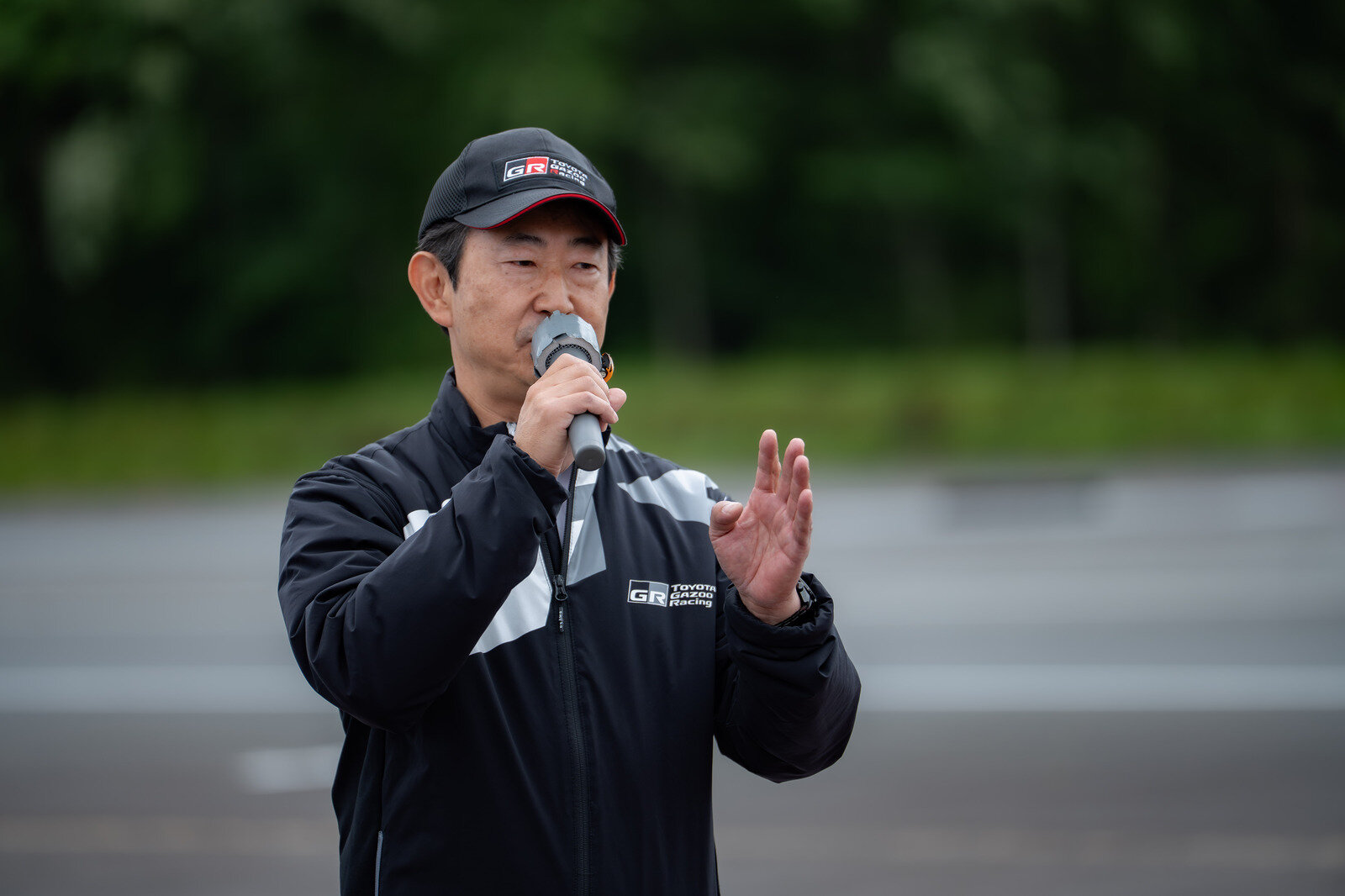
In this case, what’s most important for us is lowering the price, which is why we came in with a different mindset.
With a typical kart, I think the goal is to both win races and deliver a fun ride, but we decided to focus specifically on the “fun to drive” aspect.
First, rather than trying to shave off tenths of a second, our design concept was about ensuring that children enjoy getting behind the wheel. We developed our kart to serve as a gateway, something to show how fun vehicles and cars can be.
Conventional karts can easily reach top speeds of more than 100 km/h, while our GR Kart hits just over 60 km/h on the straights here at the Fuji Speedway kart course. Despite the overwhelming speed difference compared to these 100 km/h racing karts, I have no doubt that people will find them fun.
I think what makes it so fun to drive is that the kart responds precisely to the driver’s inputs, with quick, agile movements. That’s why we put a great deal of care into areas such as the steering and brakes.
Safety fuels the fun
A kart built for fun rather than speed. Yet as Project General Manager Ito went on to explain, the GR Kart is also equipped with extensive safety features.
Project General Manager Ito
Visually, the most distinctive feature is that the rear wheels are completely enclosed by the bumpers. In kart racing, many crashes, accidents, and issues are caused by wheel-on-wheel contact.
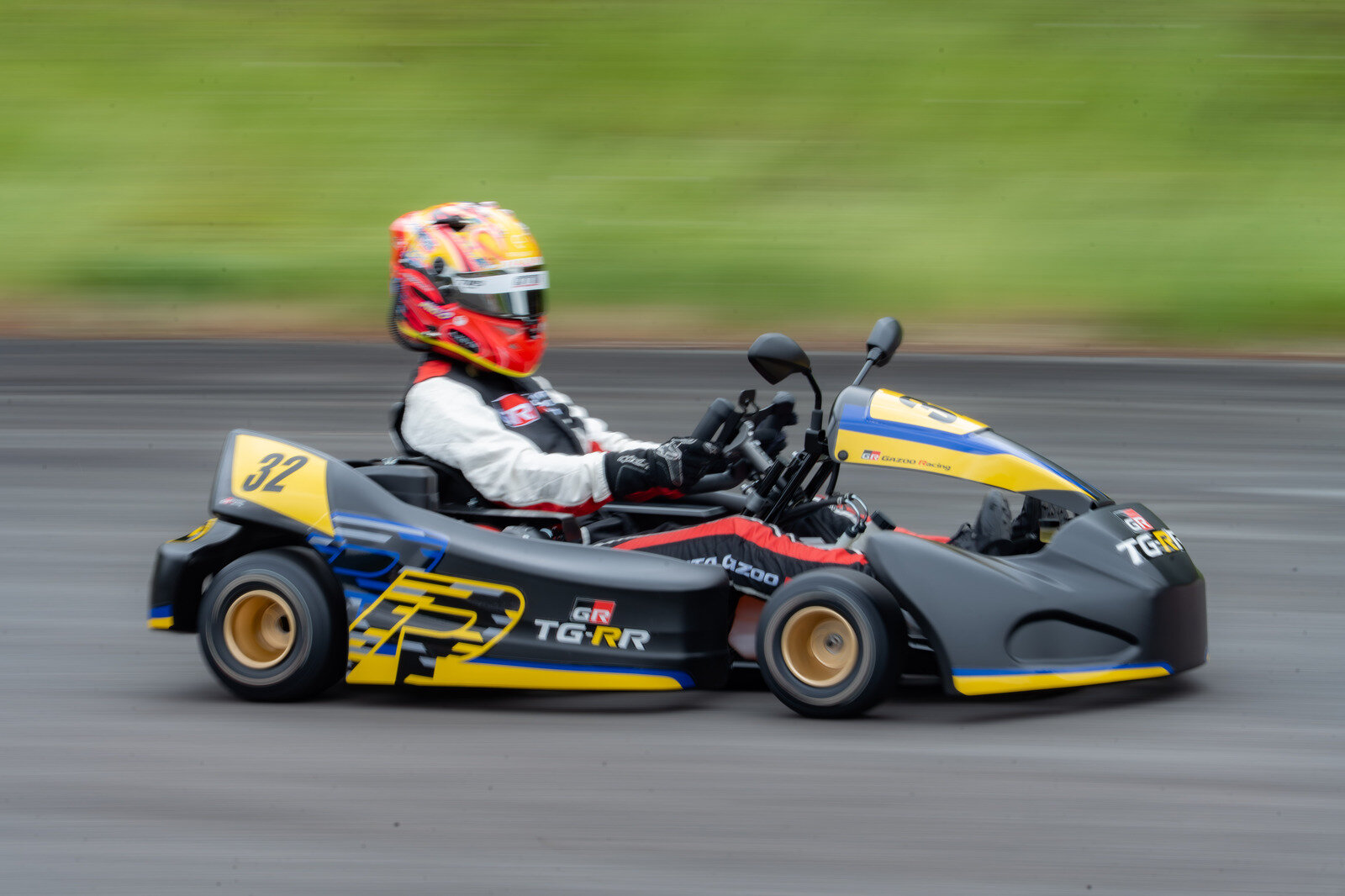
In particular, if a front wheel comes into contact with a rear wheel, the kart could even flip over, but our design ensures that the bumpers prevent such contact.
This is just one example of how we have worked to address aspects of karting that might be inconvenient or could be improved.
Among the numerous other safety precautions, GR’s designers have also reduced the danger of burns from accidental contact with the engine, which is normally exposed in regular karts.
In order to drive down the price, which is critical for reaching new users, the team also drew on technologies cultivated through car production.
Project General Manager Ito
To keep our karts affordable, we’re making full use of automobile production technologies. One example is the addition of robots in the frame manufacturing process.
Robotic welding is a technology that we have honed in our automotive production plants over many years. We have continued to refine it, resulting in a new welding technology that is also being used to manufacture roll cages for GR vehicles.
As for the frame material, instead of the high-end chromoly (steel alloy containing chromium and molybdenum) favored by European kart-makers, GR achieved the optimal performance characteristics with inexpensive, widely available alternatives.
Racing drivers share their impressions
Also present at the event were Takamitsu Matsui and Miki Onaga, both professional racers who started out driving karts as kids.
Matsui spoke about the challenges of kart racing.
Matsui
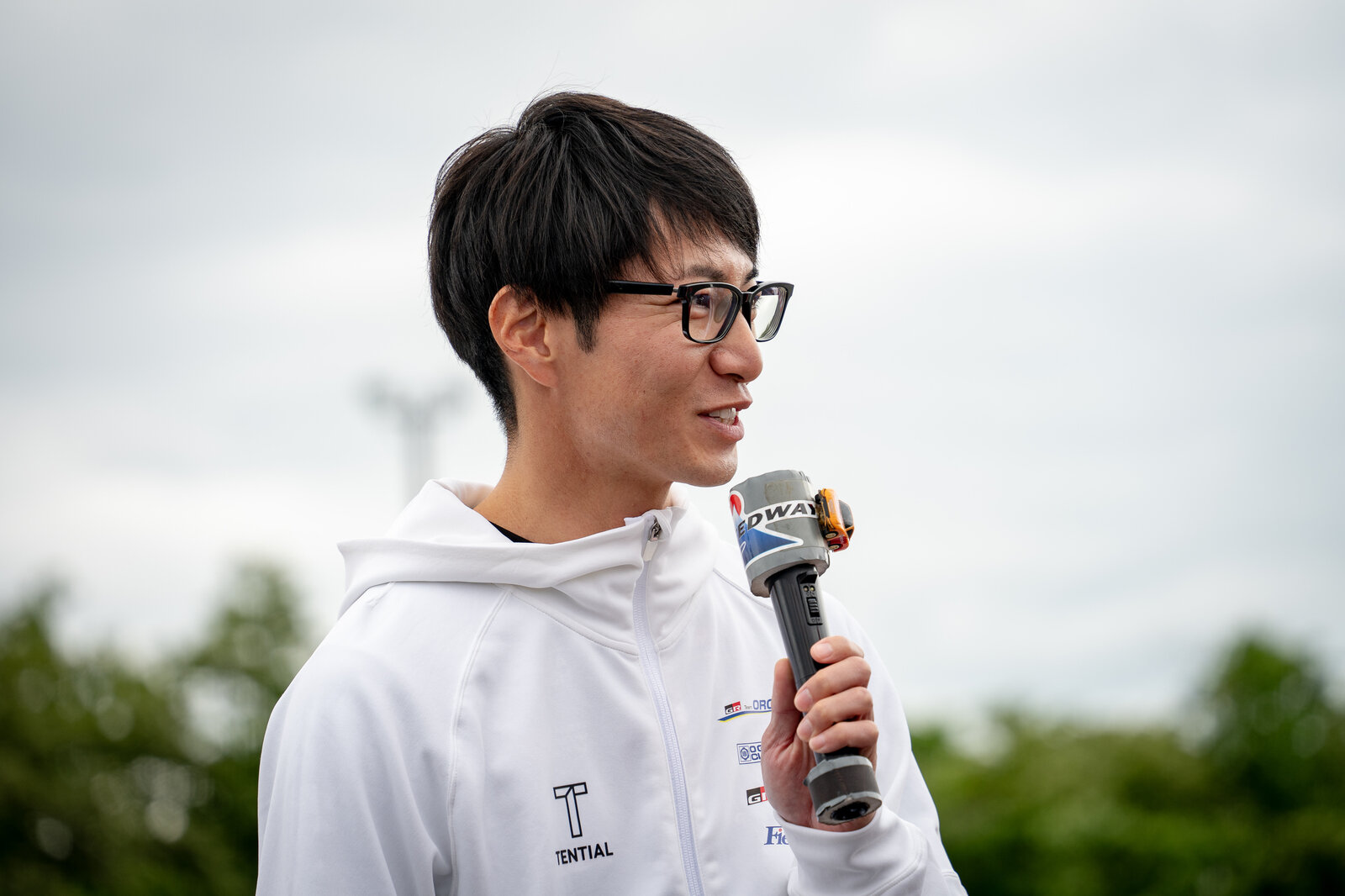
I started racing karts around junior high school, and even back then it felt rather expensive. These days I drive karts as part of my physical training, and I still find it quite costly.
Including the engine and everything, you’re looking at upwards of 1 million yen, which makes the GR Kart a really great option.
As for my driving impressions, I went for a spin with Naoya Gamou and he’s just like Morizo, he stays out there until he runs out of gas. I think what makes this kart super fun is how easily you can create a really good contest.
With racing karts, because of the high speed you don’t get many clear chances to pass, but the GR Kart lets you do battle at many points around the course.
Battling it out with other drivers improves your skill, so this is also a great form of training.
Rather than allowing you to simply outrun opponents through sheer speed, I think the thrill of this kart is that it forces you into those head-to-head contests.
Onaga, who grew up driving karts at the track her family runs in Okinawa, added her thoughts on the appeal of the new GR Kart.
Onaga
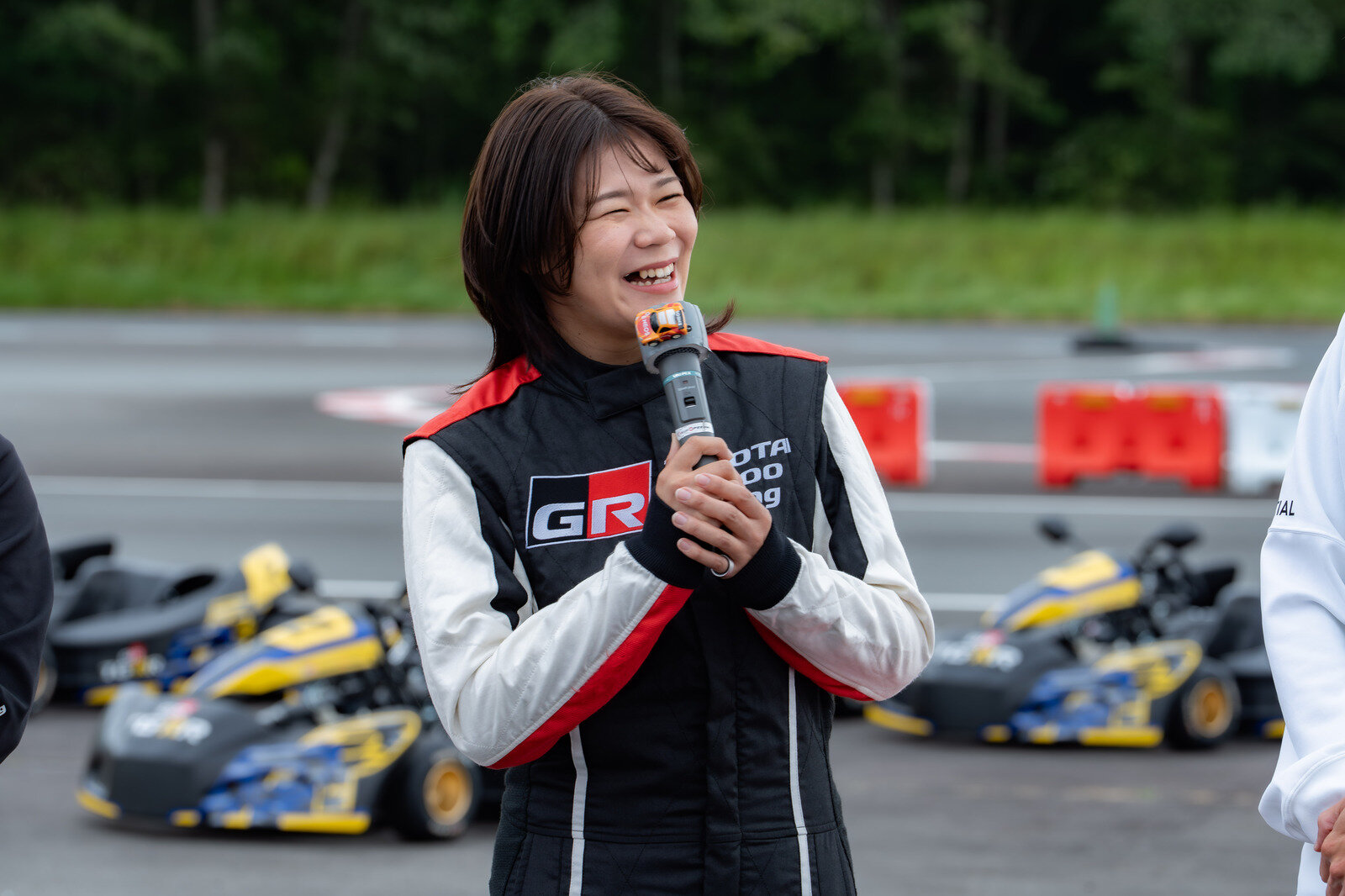
I can remember the first time I rode a bicycle, but I have no recollection of my first drive in a kart. That’s how much they have always been a part of my life.
I was very fortunate to grow up in a karting environment, but I saw how other kids that I raced with in Okinawa were unable to keep going because the parts were too expensive, or they missed races because they lacked the parts they needed. It was sad that rivals who had given it their all could not be out there on the track with us.
That’s why the low price is really the biggest benefit. And one-make racing, as Matsui mentioned, paves the way for head-to-head battles, which allow you to analyze what’s holding you back and continue to sharpen your driving skills. Given all that, I think this kart has a lot to offer.
Having taken the kart for a drive, Onaga also described how it feels out on the track.
Onaga
It’s really responsive and very tricky to control. But it’s also a ton of fun.
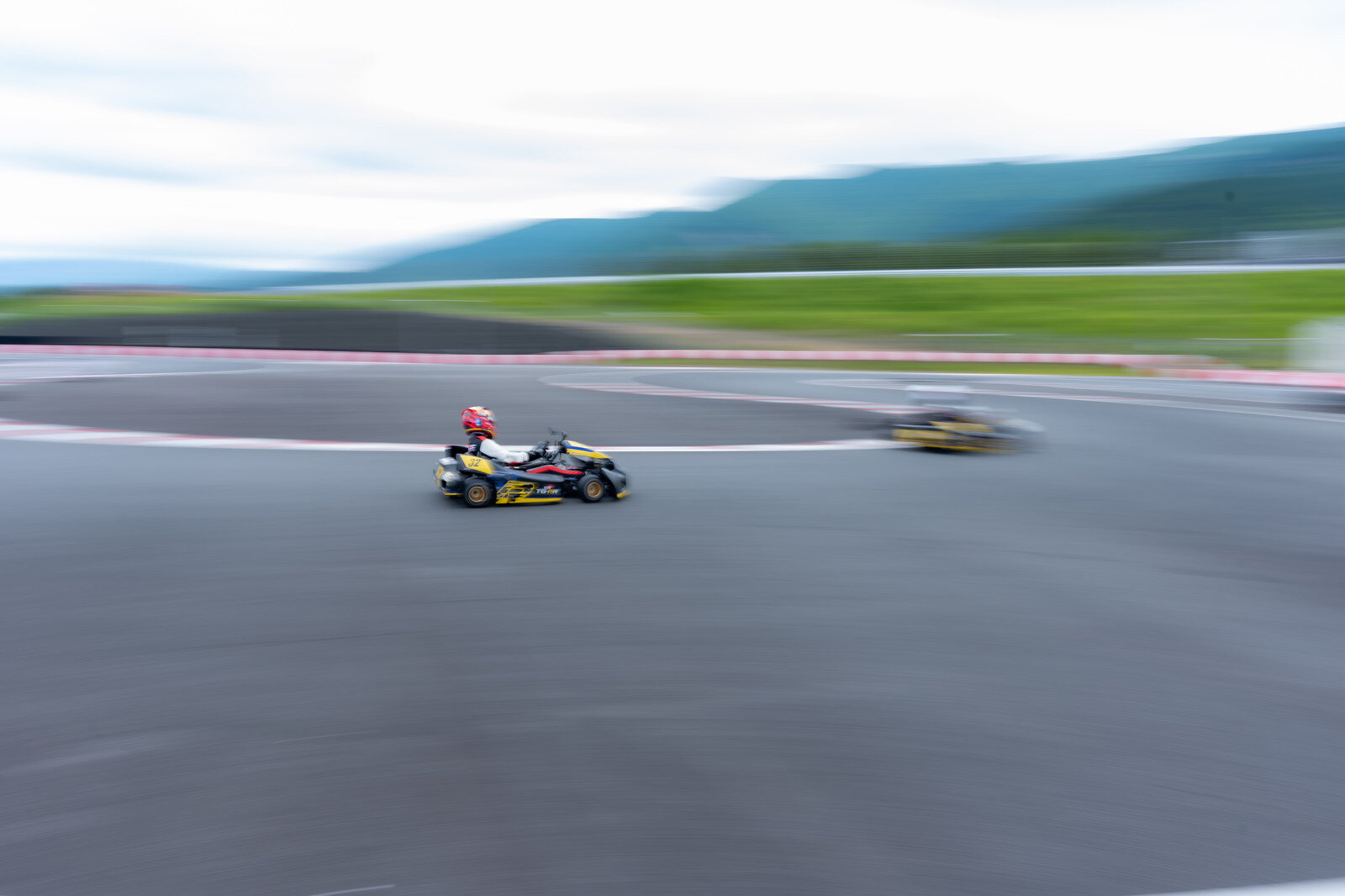
Because it’s not as high-powered as a two-stroke (the engines typically used in racing karts), it pushes you to think further ahead—how can I take this corner without losing speed, how can I get back on the accelerator as quickly as possible? It tests you both mentally and physically.
Project General Manager Ito followed up on the drivers’ comments:
Project General Manager Ito
Another feature of this product is the highly adjustable seating position, which means it can be driven by anyone from professional racers to moms, dads, and children.
You can slide the pedals with a single touch and tilt the steering wheel up or down to set yourself up perfectly. We want parents to race with their kids, so right now at GR we’re exploring different possibilities.
Here, President Takahashi jumped in to declare, “We’ll make it happen!” He then continued:
President Takahashi
Looking around the world, the top drivers all get their starts at a very young age, and we want to create that kind of environment in Japan as well.
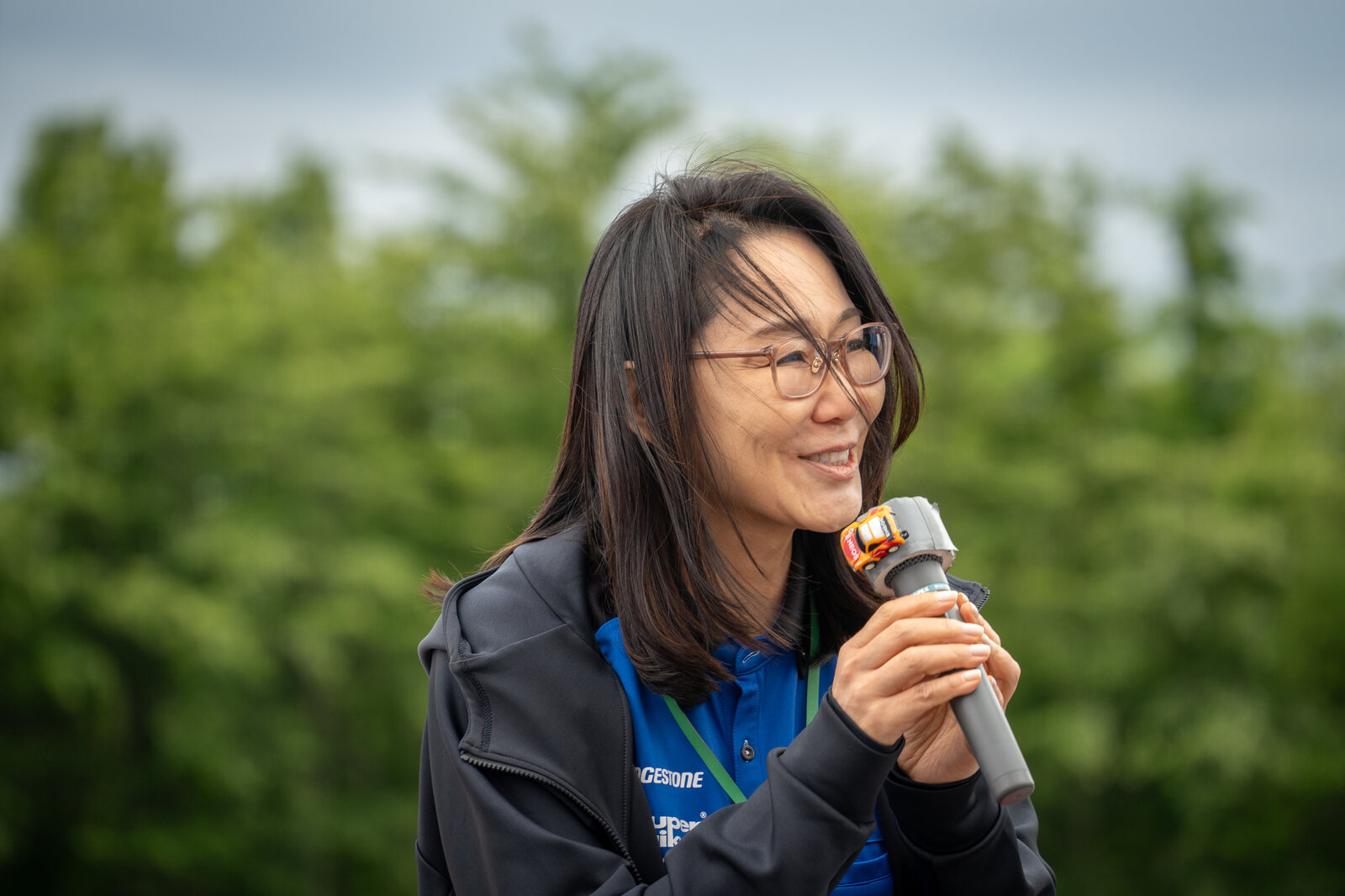
At the event, the GR representatives were also joined by Vice Chairperson Harumi Kuwayama of the Super Taikyu MIRAI Organization (STMO). As part of efforts to broaden the reach of motorsports, the organization has established a new entry-level class called Super Taikyu Challenge.
After watching the announcement in person, Vice Chairperson Kuwayama expressed her interest in bringing the karts to Super Taikyu.
Vice Chairperson Kuwayama
Part of our mission at Super Taikyu is to offer inclusive races that bring new participants into motorsports. Our various initiatives are captured in the pyramid we created last year, with Super Taikyu at the top, followed by the Super Taikyu Challenge, which we launched officially this year. At the bottom is our next project, First Super Taikyu.
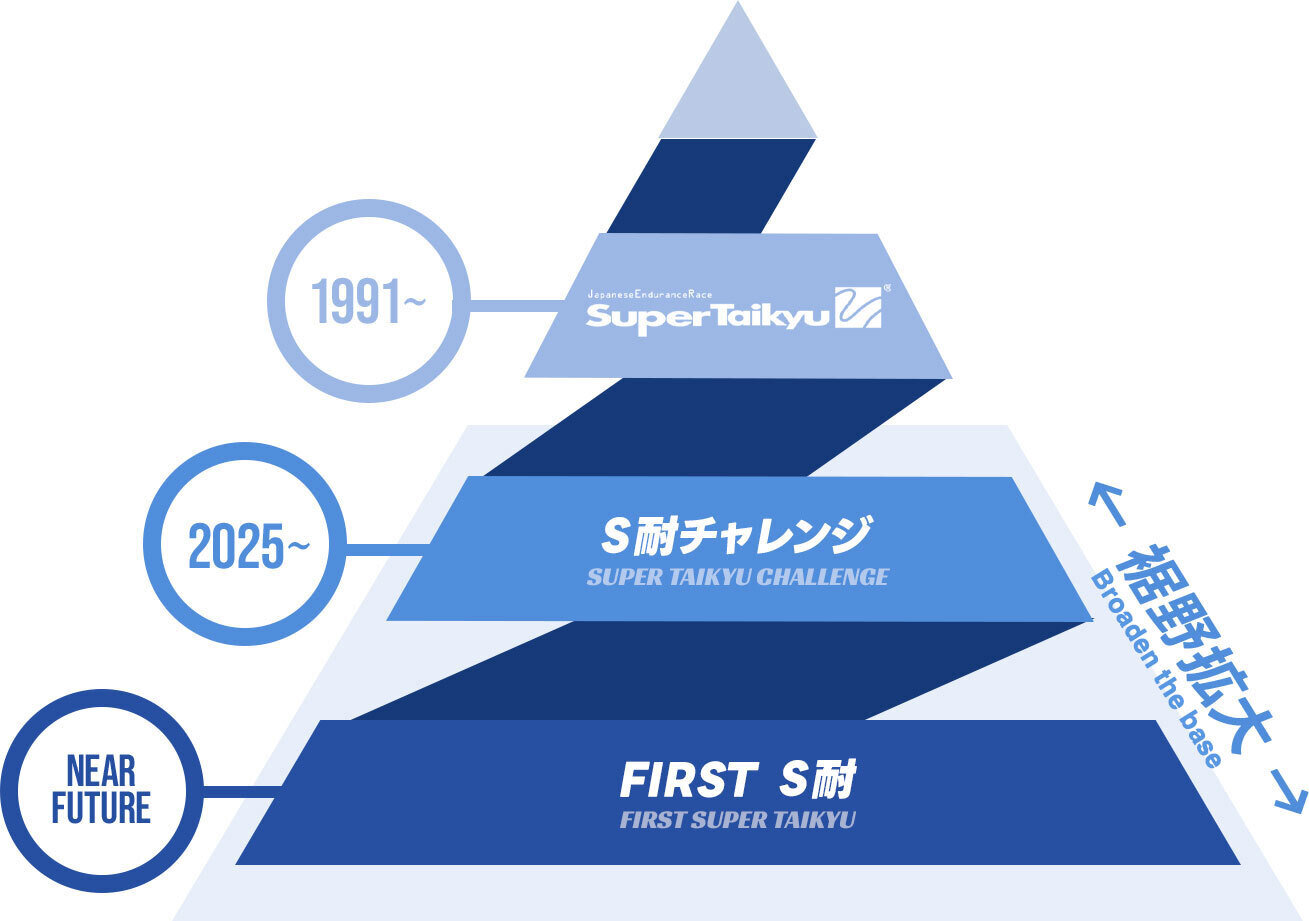
We hadn't yet begun developing that part of the pyramid. As we were considering what First Super Taikyu should look like, seeing these karts made me think we’d love to have them involved.
Getting your hands on the GR Kart
So where will these GR Karts actually be available for purchase? Project General Manager Ito explained:
Project General Manager Ito
To begin, we think it’s best to sell the karts in places where they can be driven. This will help ensure that buyers receive proper instruction, including about safety. In that sense, kart tracks around Japan are an ideal option, and we also plan to gradually begin selling through the GR Garage. As sales staff learn more about karts, we will expand the areas where it is sold.
President Takahashi then touched on the all-important question of price:
President Takahashi
We’re hoping to keep the price under 400,000 yen. We’ll also keep running costs low. Kart tires tend to require frequent replacement.
That would place the GR Kart at around a quarter of the price of conventional racing karts. What's more, whereas a set of four kart tires typically costs 40,000 to 50,000 yen, GR is aiming to keep the price of a set in the 10,000-yen range.
President Takahashi
Affordable and long-lasting. Just yesterday, Morizo reminded us several times, “Let’s pay close attention to the tires.”
Finally, the two drivers, Matsui and Onaga, summed up their thoughts on the new kart.
Matsui
I think karts distill the fundamentals of driving, which makes this a great way to start learning how to drive, steer, and brake, and from there hopefully some kids will go on to become professional drivers.
I really think the GR Kart gives you everything you need to experience the fun of driving and to learn by going head-to-head with other racers.
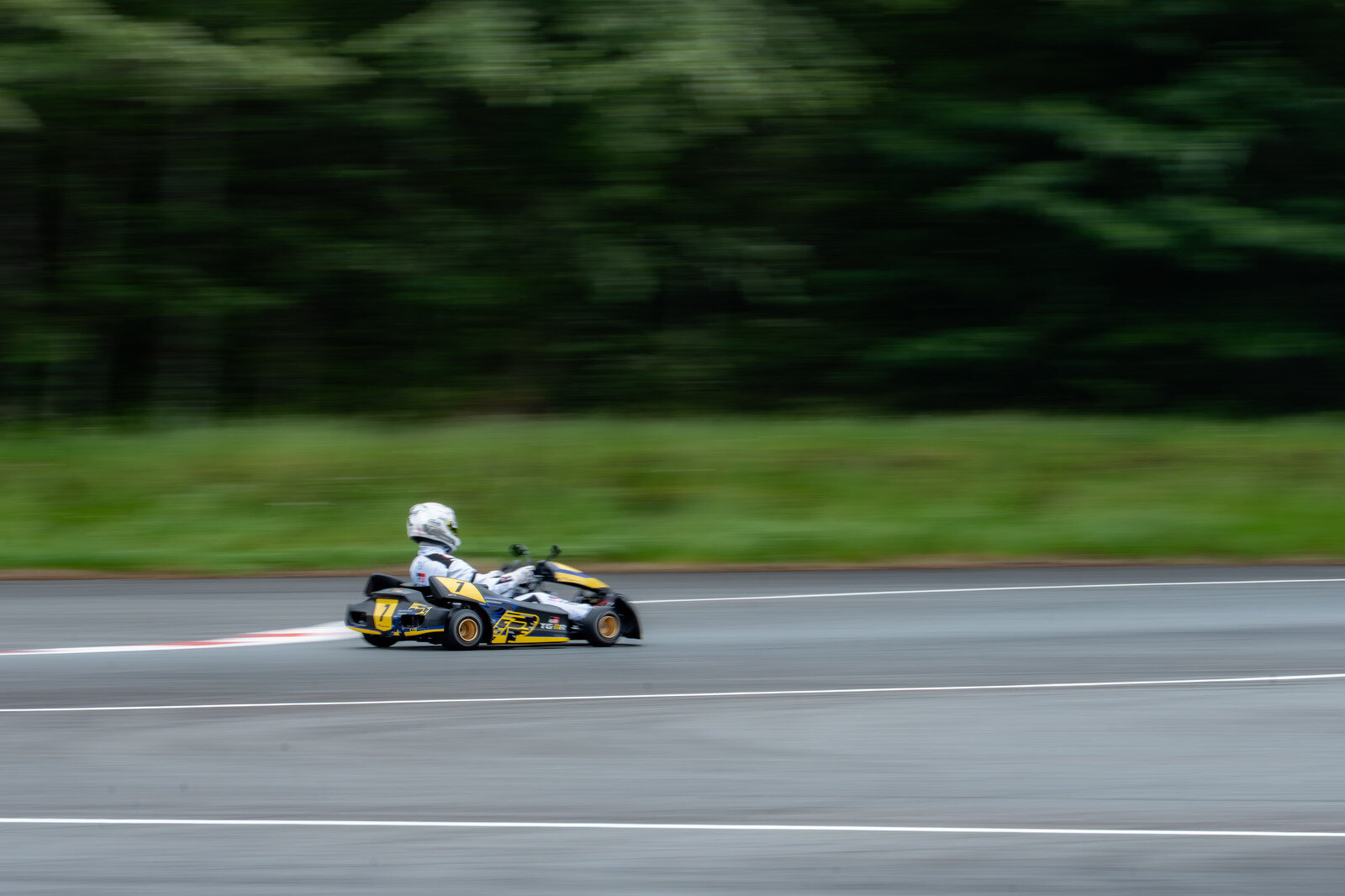
These karts are fun for children and adults alike, and I hope that encourages more people to get behind the wheel.
Onaga
Karts have always been a massive part of my life. Driving a kart, I feel like I am one with the vehicle, and that’s what drew me into the world of racing.
Unlike baseball or soccer, karting involves very large equipment, and since it’s not a sport children can do by themselves, they must rely on the support of adults or start together with their parents.
In that sense, since I was always engaging with adults through the sport, I feel that karting taught me a lot about life itself.
Through karts, you build friendships with rivals, learn how to compete, and grow in many different ways.
It’s not simply a sport. Karting enables you to create bonds with all kinds of different people and really broadens your horizons. With the GR Kart, it would be wonderful to see more kids take an interest not just in driving but also becoming mechanics, for example, or getting involved with racetracks. I hope karting opens up these worlds for more people.
Project General Manager Ito
Above all, we hope lots of kids will get behind the wheel and discover the fun of not only karts but vehicles in general. I’m sure these kinds of experiences will spark something that shapes the rest of their lives.
President Takahashi added, “I want children all around Japan to experience the same kind of joy that Onaga feels when she’s behind the wheel.”