



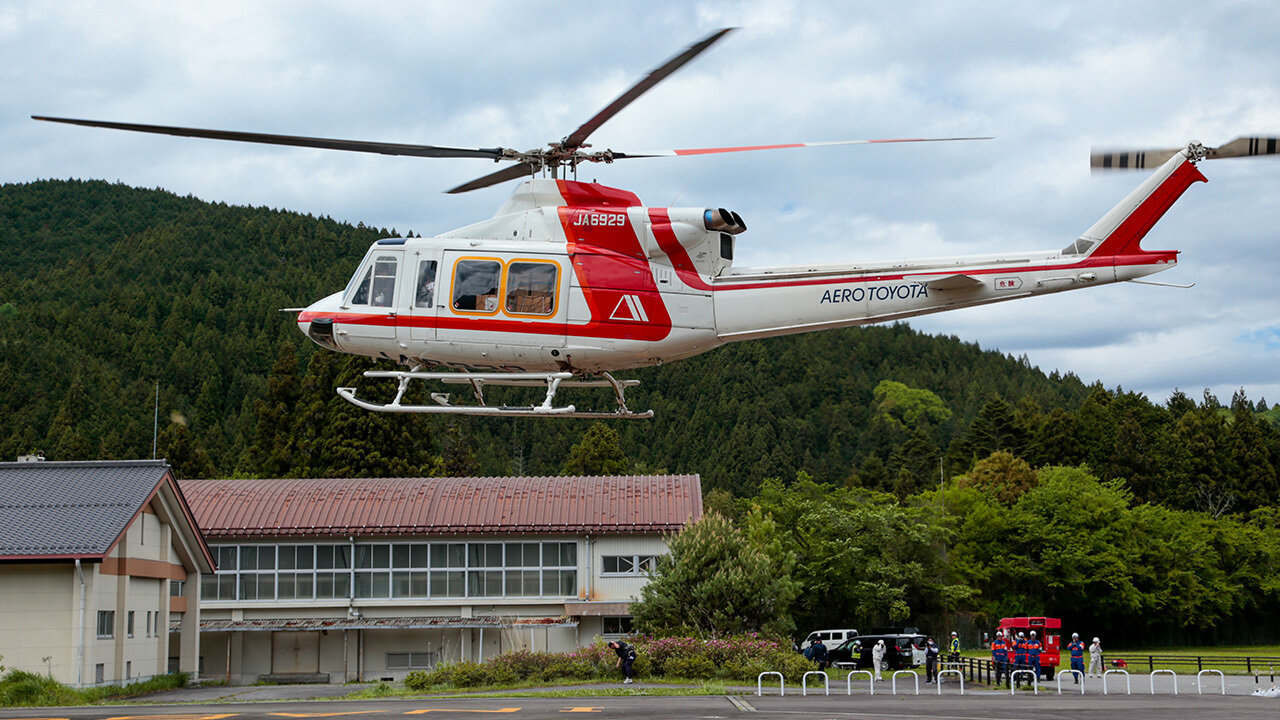
Toyota Technical Center Shimoyama (TTC-S), the venue for the world premiere of the new Lexus TZ, also serves another role: a disaster response hub protecting the people of Toyota City in times of emergency.
On May 7, Lexus held the world premiere of its new TZ model.
Toyota Technical Center Shimoyama (TTC-S) in Toyota City, Aichi, which served as the venue, was also host to a disaster response drill linking TTC-S with surrounding communities.
200 Communities at Risk of Isolation
Toyota City contains many areas that could be cut off if major disasters sever road access. According to Mayor Toshihiko Ota, in the worst-case scenario, more than 200 communities could be isolated.
Toyota City and Toyota signed a disaster aid agreement in 2013, and TTC-S has been making preparations to serve as a disaster response hub.
This time, Toyota City and Toyota conducted a joint disaster response drill using helicopters, exploring how air mobility could help protect residents in areas at risk of becoming isolated.
For example, the northeastern Inabu district is a cold mountainous area that relies primarily on two national roads for access to other regions. If those roads are cut off by earthquakes or heavy snowfall, blankets and daily necessities would need to be transported by air.
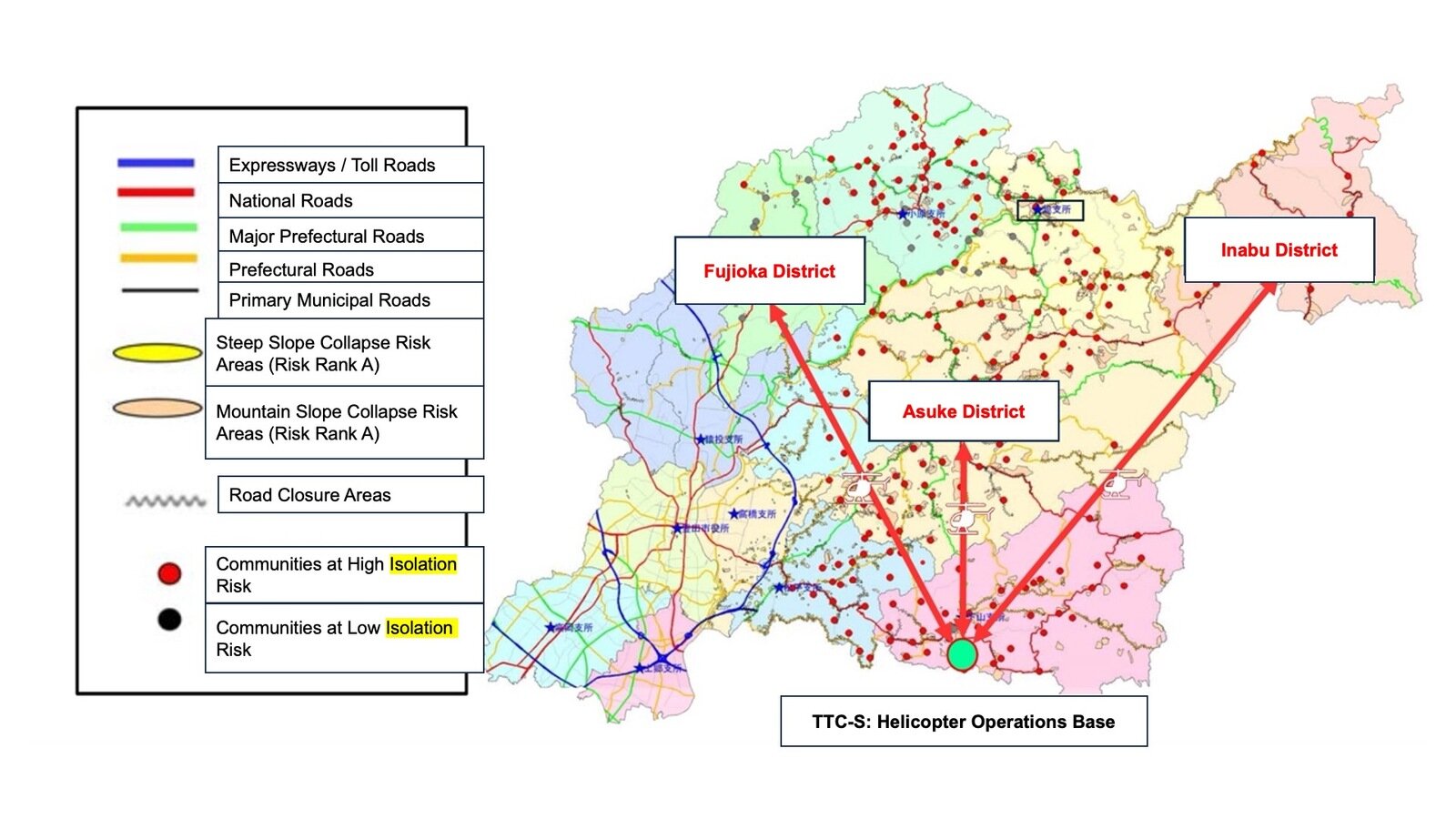
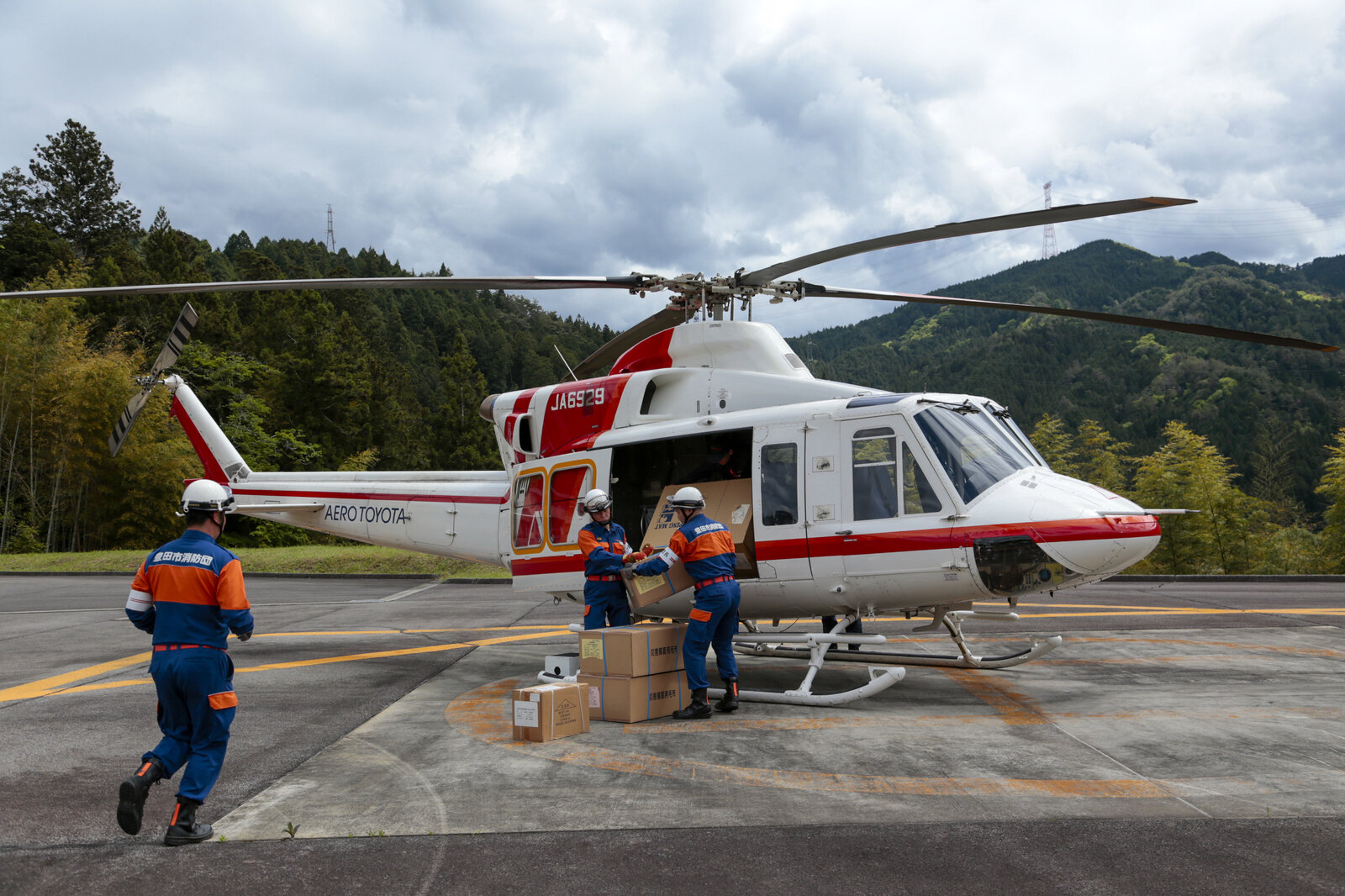
During the drill, TTC-S served as the operational base, with three helicopters owned by Toyota subsidiary Aero Toyota transporting relief supplies to affected areas.
At the delivery sites, crews carried out procedures for receiving the supplies. On the return flights, the drill also examined how residents facing difficulties in daily life, as well as evacuees requiring medical support, could be transported by helicopter to TTC-S.
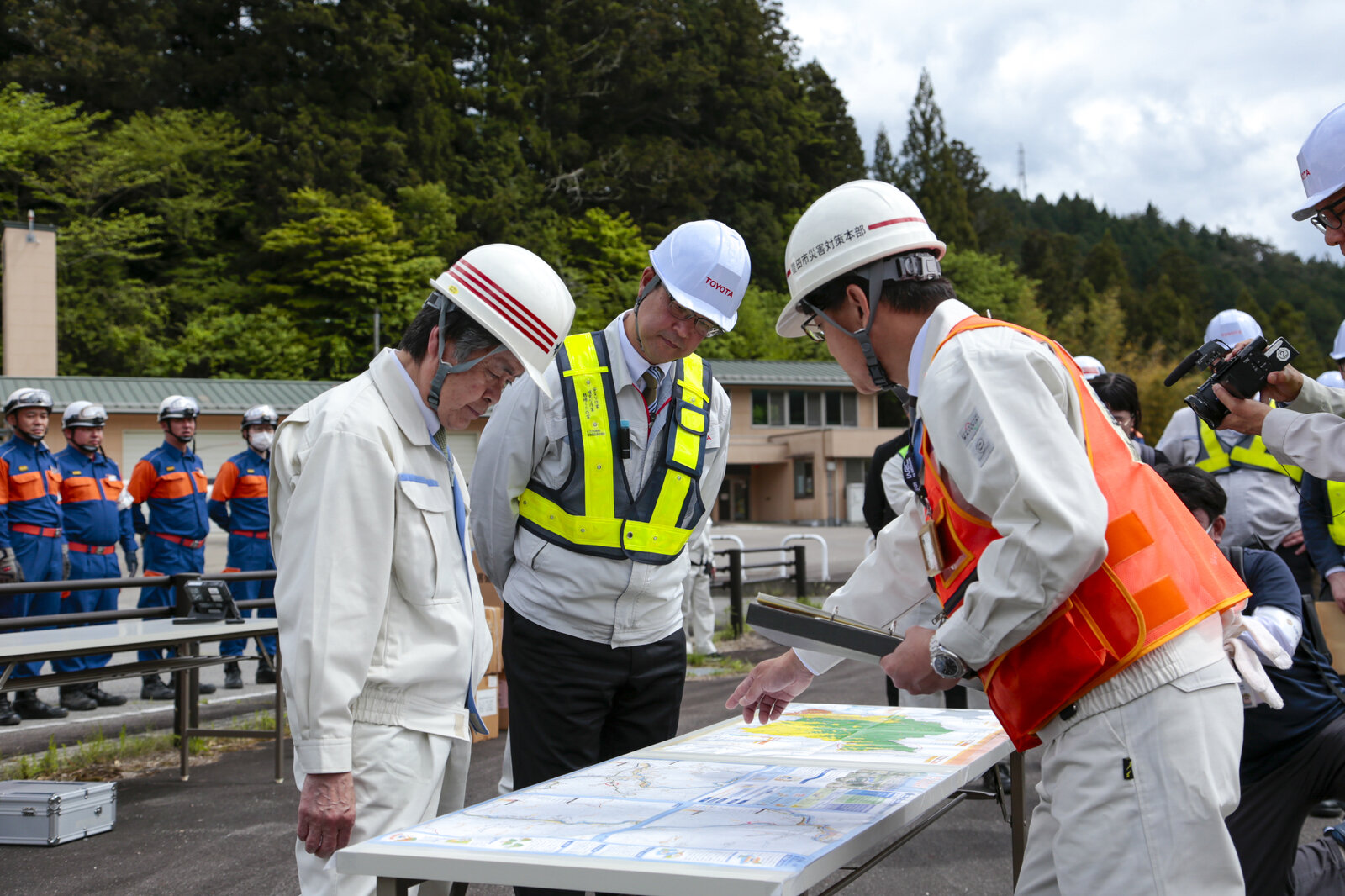
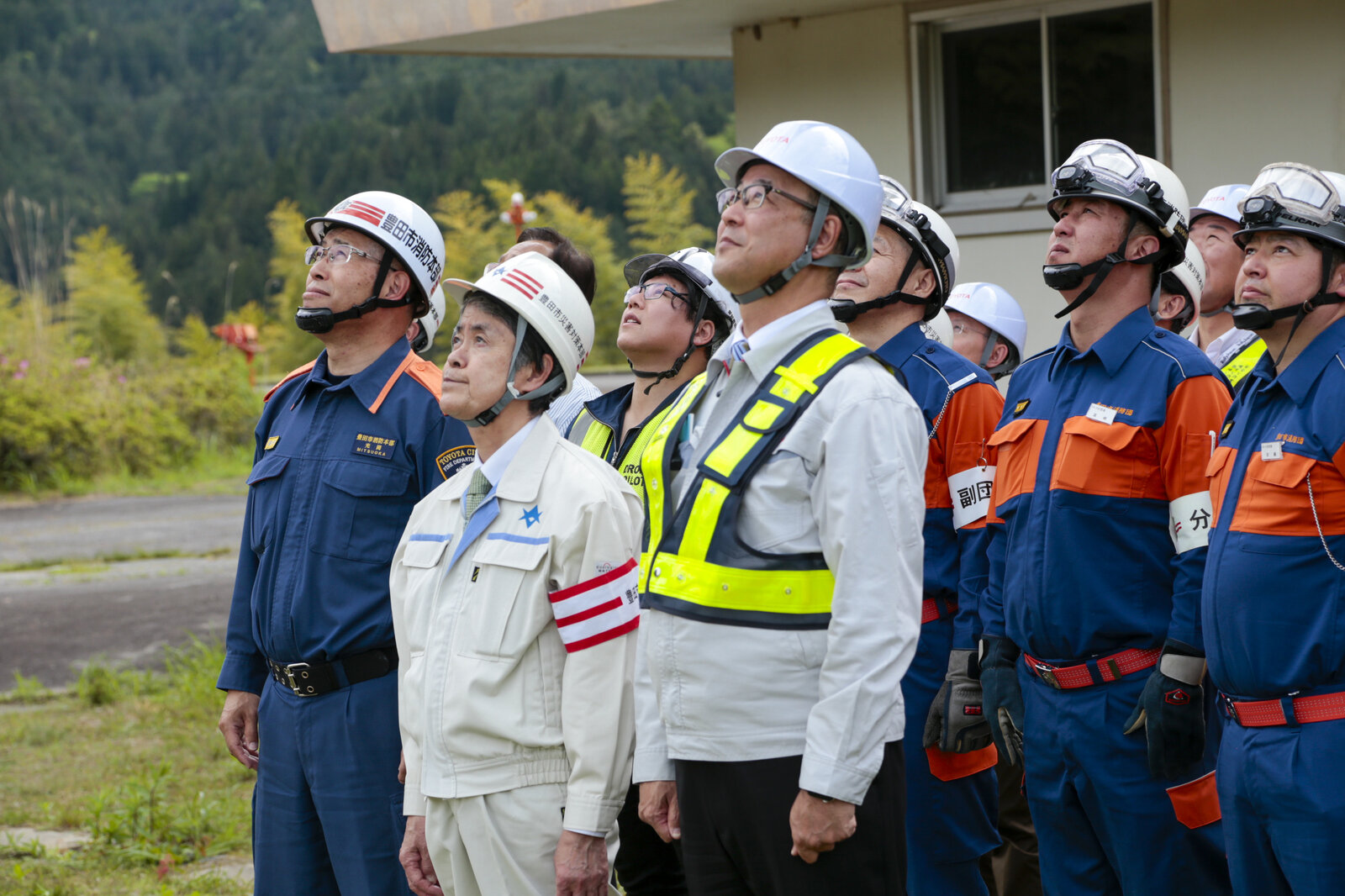
Mayor Ota, members of the city’s volunteer fire corps, and Toyota President Kenta Kon participated in the drill. Together, they confirmed TTC-S’s suitability as a disaster response hub, taking advantage of its wide-open space for helicopter takeoffs and landings as well as collecting and distributing relief supplies. They also assessed the practicality of air mobility, which is unaffected by road conditions.
The use of air mobility in times of disaster also reflects a long-standing vision passed down from Toyota Motor Corporation founder Kiichiro Toyoda.
Air mobility protecting freedom
In the Great Kanto Earthquake of September 1, 1923, railways—the primary means of transportation at the time—suffered devastating damage. Witnessing buses converted from American-made trucks play a vital role in transportation during the disaster, Kiichiro came to clearly recognize the importance of mobility in supporting freedom of movement.
Ten years later, in 1933, Kiichiro established the Automotive Department, the predecessor of Toyota, within Toyoda Automatic Loom Works (founded by Sakichi Toyoda and now known as Toyota Industries Corporation). Around 1936, he also began research into aircraft as a form of air mobility, and by 1943 had completed a prototype helicopter.
When Kiichiro later took over his father Sakichi Toyoda’s research into fire-resistant housing, which had begun in response to the earthquake, he spoke of a future like this:
“We will build large numbers of fire-resistant homes in cities, and from their flat rooftops, people will fly freely to various destinations in private helicopters. A world like that will surely come in the near future.”
The vision of “a future where people can move freely through the skies” was also inherited by his son, Honorary Chairman Shoichiro Toyoda. In later years, Shoichiro often reflected on his father’s dream of “traveling in flying cars,” and is said to have envisioned the same future himself.
That vision also lived on in Chairman Akio Toyoda, who shared it with employees across the company in his 2026 New Year message.
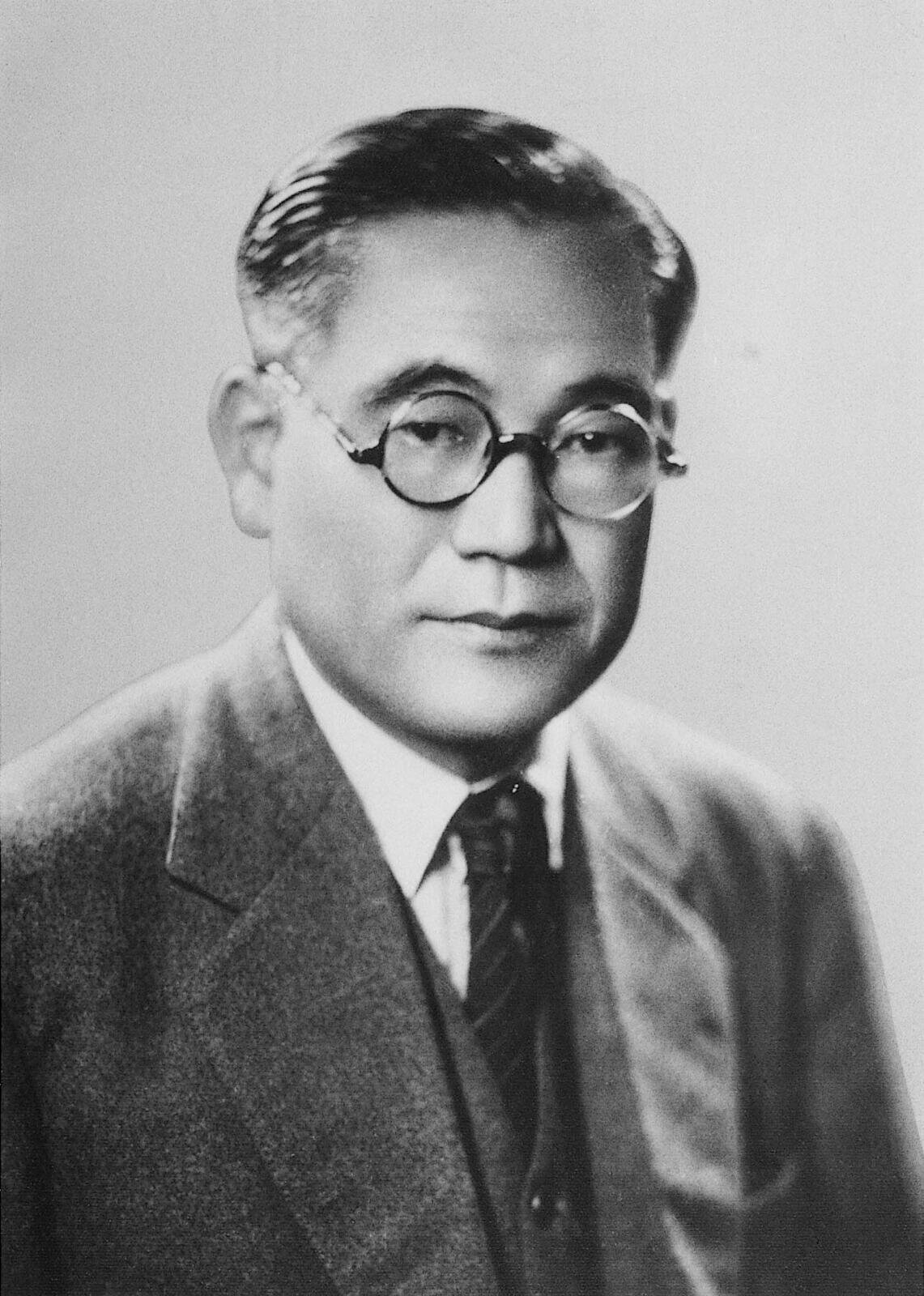
Since its founding, Toyota has carried on Kiichiro’s vision by enhancing mobility across land, sea, and air in all directions, striving to deliver the freedom and joy of movement.
A carmaking genba coexisting with the community
Now, back to the disaster response drill.
At the drill site, President Kon addressed members of the Toyota City volunteer fire corps.
President Kon (center)
Chairman Toyoda has often said that in times of disaster, there is a tendency within the company to focus on resuming production as quickly as possible.
But first comes human life. Second comes the recovery of the local community. Production recovery comes only after that. He told us we must never lose sight of that order, and that is something I always keep in mind.
Chairman Toyoda also said at the start of full-scale TTC-S operations in April 2024 that he hoped people in the region would “smile and feel that Toyota coming to Shimoyama was a good thing.”
Living alongside the local community while pursuing the freedom and joy of movement—this uniquely Toyota pursuit of ever-better carmaking will continue at TTC-S.