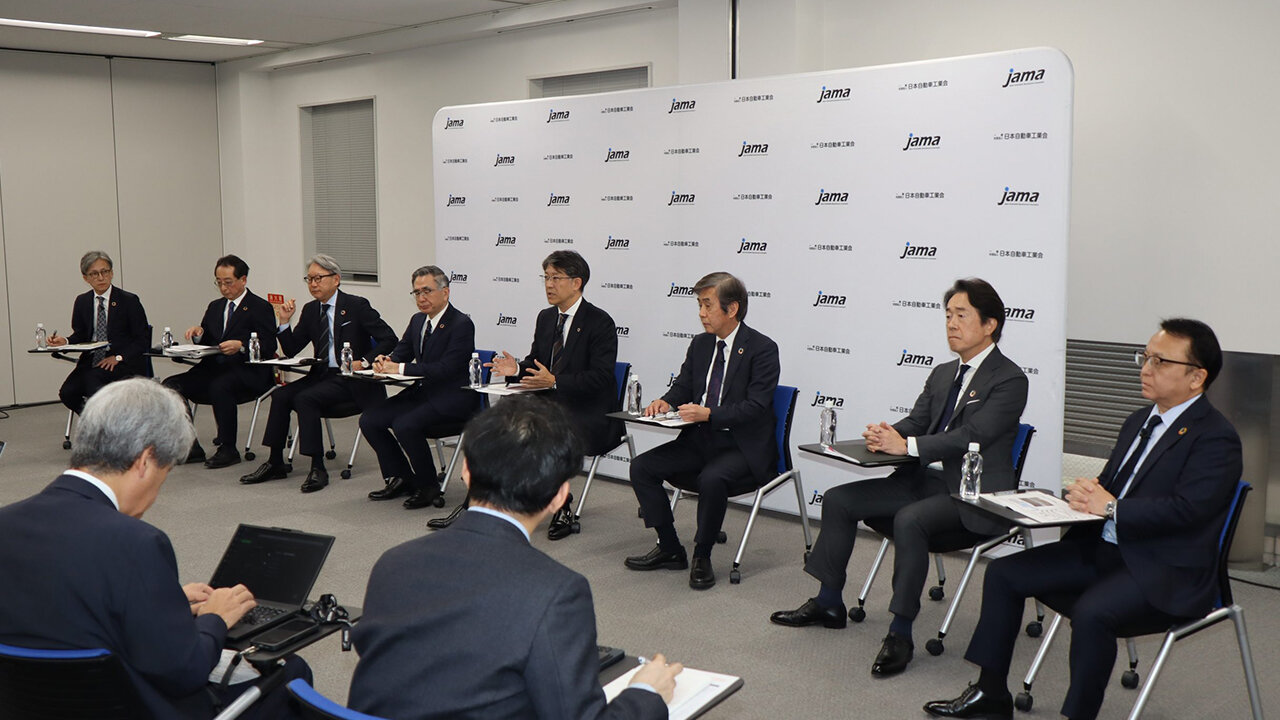
The Japan Automobile Manufacturers Association's new leadership gathered for their second board meeting, sharing a sense of urgency about strengthening Japan's international competitiveness.
Bringing automated driving into the world
As an example of how the lines of cooperation and competition might be boldly redrawn, the discussion turned to the topic of automated driving.
A reporter asked about specific challenges in light of the current international landscape, and how shared solutions would be found amid the differing backgrounds and supply chains of Japan’s carmakers. Chairman Sato gave the following response:
Chairman Sato
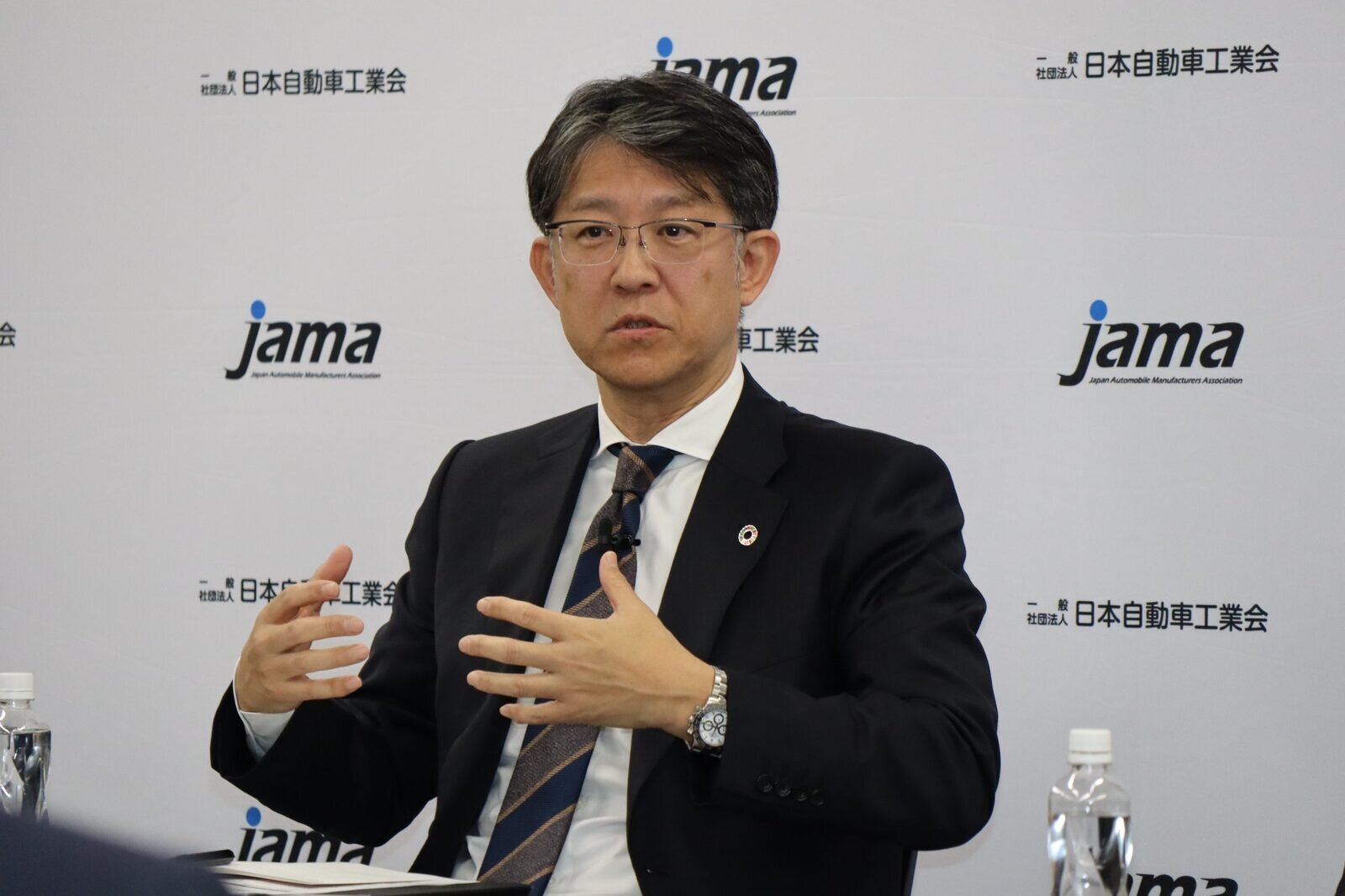
I think automated driving is a very clear example. To be specific, we are keenly aware of the gap in the pace of implementation between Japan and countries like the United States and China.
That said, we need to start by properly discussing exactly what kind of automated driving we want to pursue, and that foundation is ultimately safety and security.
In terms of widespread adoption in society, it’s crucial that automated vehicles running on Toyota’s algorithms can share the roads safely and securely with those driven by algorithms from Honda and Nissan.
The algorithms themselves do not need to be integrated. I see that as an area of competition. On the other hand, in order to speed up the rollout, we all need to work together to build the foundations.
In the areas of genuine competition, JAMA must create the environment for competition. Since private companies cannot do this alone, we need government involvement, boosting the speed of implementation by treating this as a major project pursued through public-private schemes.
Actual roads are also used by motorcycles, light trucks, and other vehicles. At present, we do not yet have a real-world testing environment.
But without that, our automated driving algorithms will not evolve. We know what we need to do, and we agreed on working together to make that happen.
Vice chairmen Toshihiro Mibe (Honda) and Motofumi Shitara (Yamaha) added to these comments.
Vice Chairman Mibe
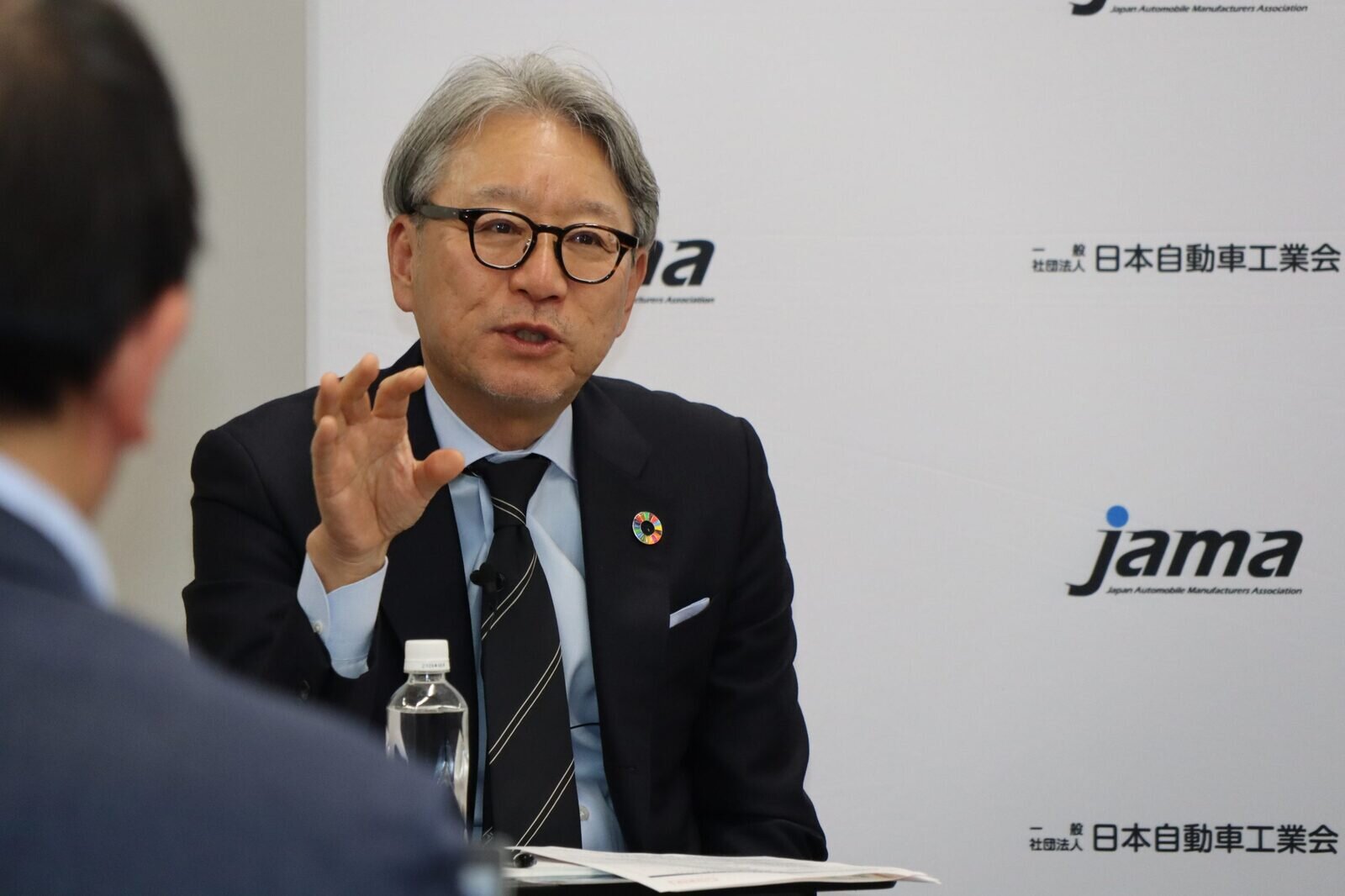
In total, Japan is home to 14 automotive manufacturers (OEMs). Our country is in a position where we should be driving global developments, but implementation has been slow.
Following thorough discussions within JAMA, we intend to accelerate our efforts to ensure that by 2030 we are leading the world with new transportation systems. This is the vision we have in mind, and we are committed to vigorously pursuing it.
Vice Chairman Shitara
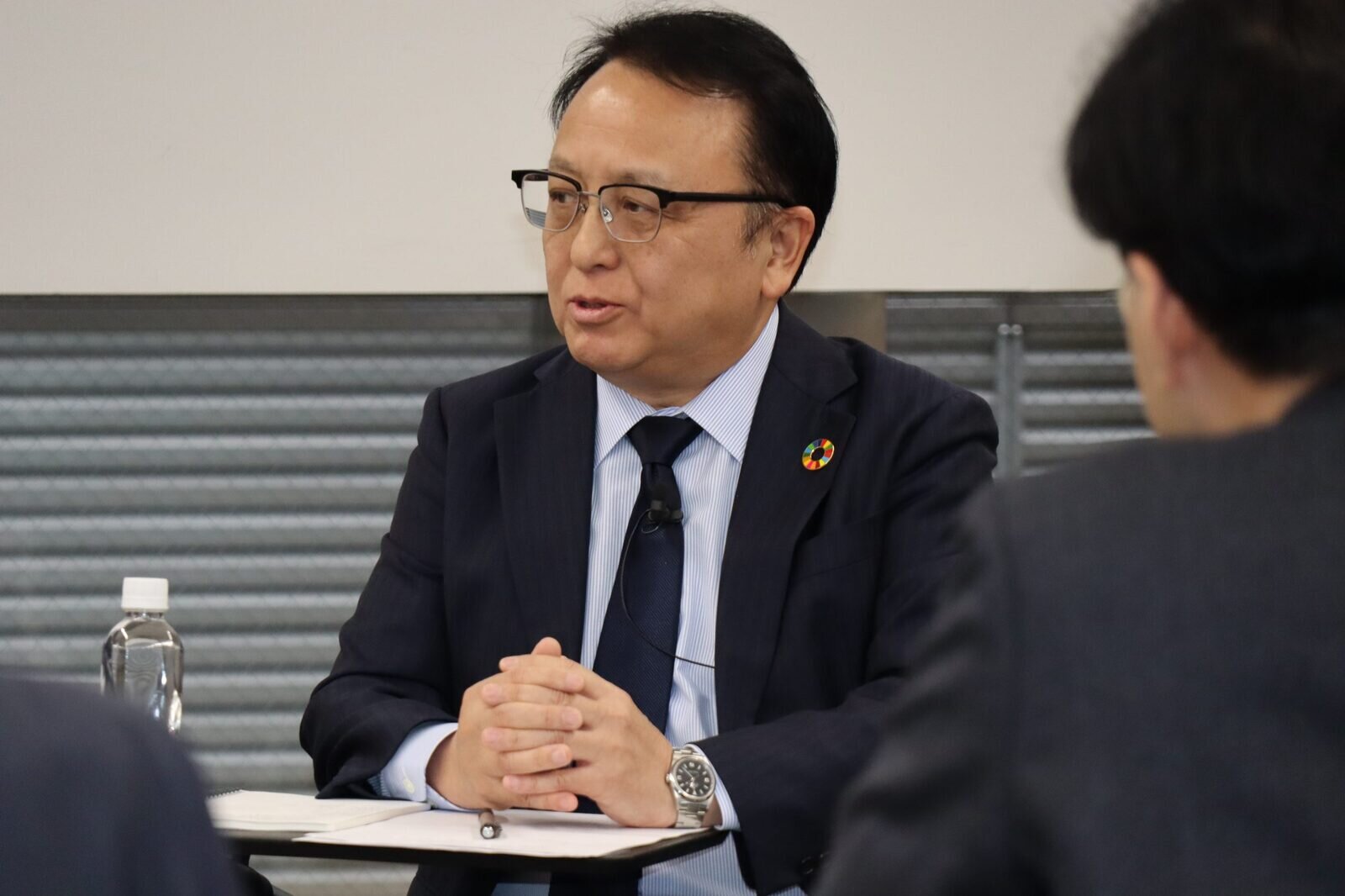
If we try to deploy automated driving in regions with aging populations, for example, naturally the ecosystem alone will not be sufficient to provide everything that’s needed.
What should automated driving look like, not only in cities but also in depopulated regions around Japan? This can truly become a solution to a social issue.
If we try to tackle this challenge as individual companies, the problem of system costs becomes insurmountable. In that case, do we simply stop trying? That’s no longer the question. It is up to us at JAMA to seek out and communicate the solution. Deciding what message we want to send out is precisely the kind of area where we should be cooperating.
Cooperation in logistics
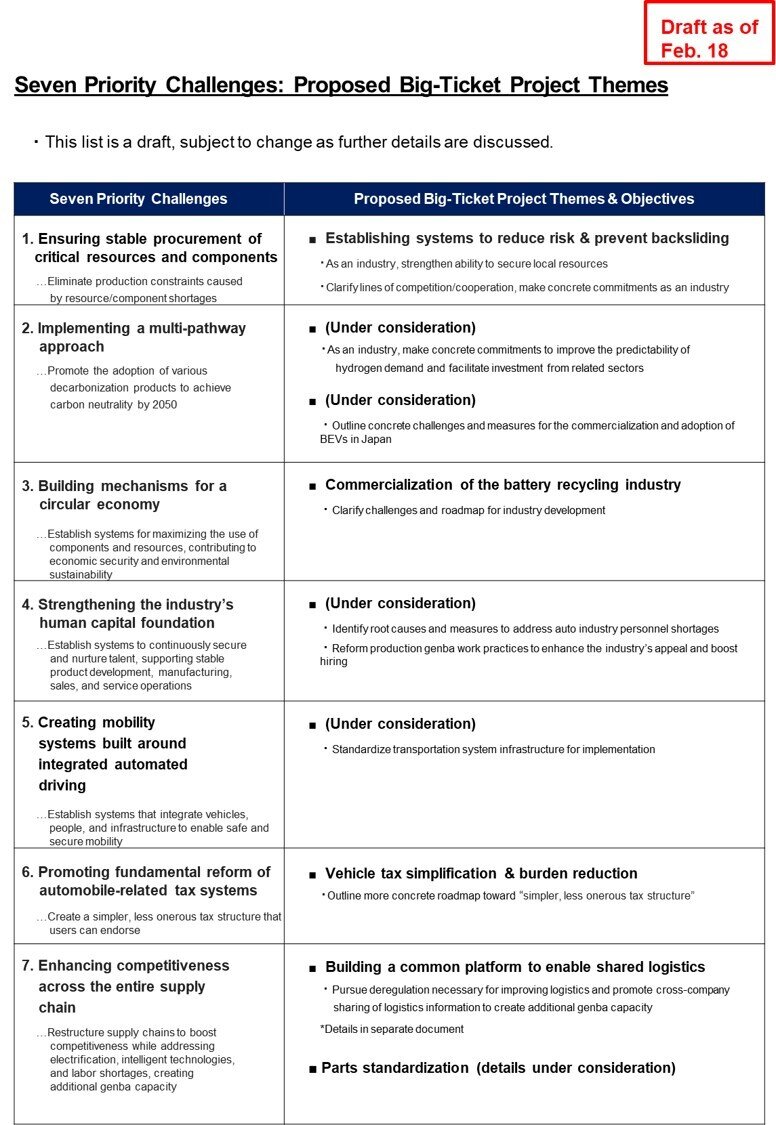
At the briefing, another question concerned the last item on the list of seven priority challenges, “Enhancing competitiveness across the entire supply chain.”
Currently, the finished vehicles coming out of production plants are transported to nationwide dealerships by each manufacturer’s own logistics companies. Each OEM maintains its own separate distribution systems and networks.
Although the loading efficiency is good when delivering cars to dealerships, empty trucks on the return trips are an unnecessary waste for each company.
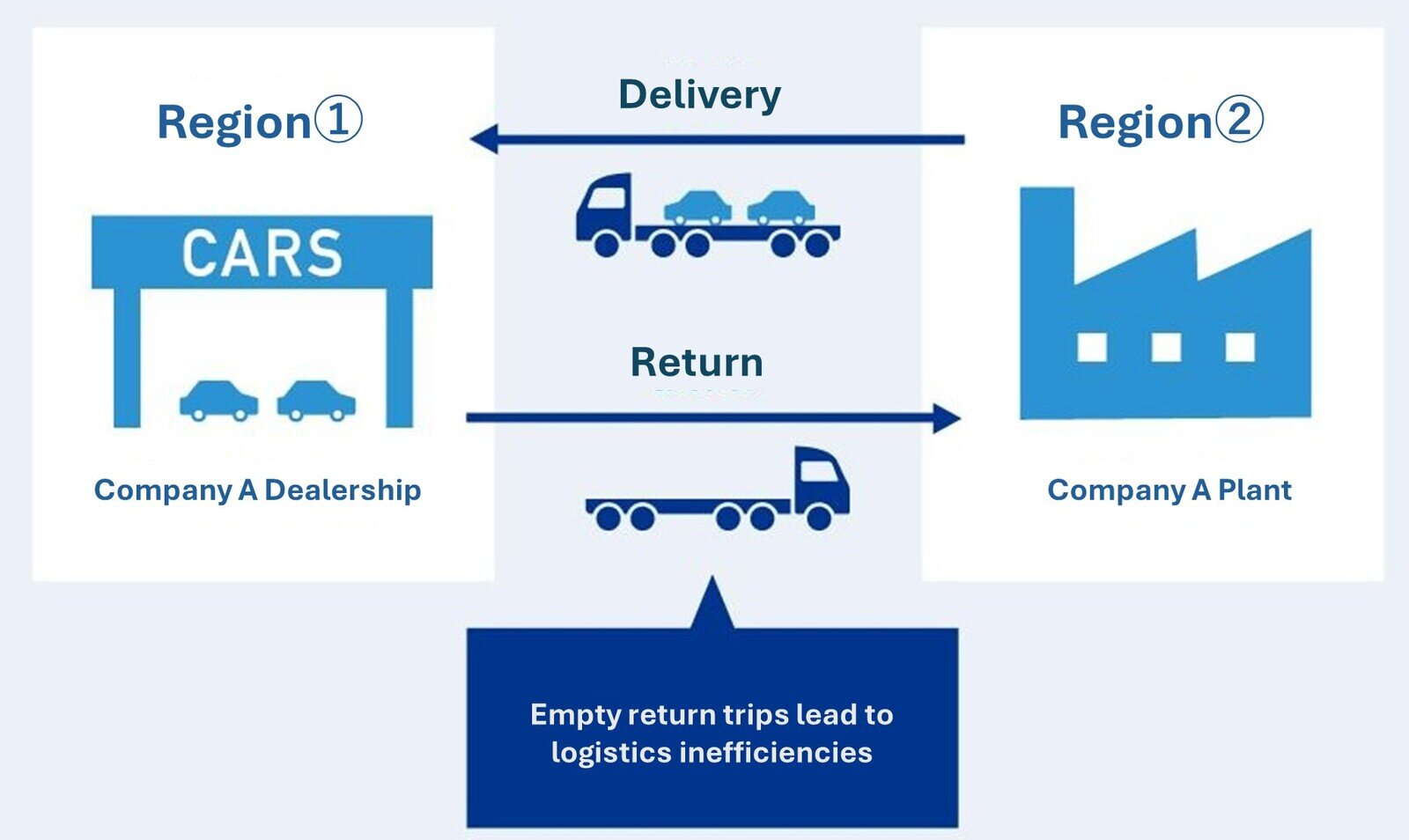
One potential solution is collaborative logistics. Jointly using the same truck among multiple manufacturers can improve loading efficiency for both legs of the journey.
In this regard, the most critical obstacle to overcome is data coordination.
The locations of each company’s plants and dealerships, delivery routes, and the status of trucks on the road—sharing this information is essential for collaborative logistics, but operations and systems are essentially a black box, differing from company to company.
“That doesn’t mean we have to wait for all companies to be in alignment—we can start with the elements that are ready to go,” said Chairman Sato, noting that in parts logistics, rather than finished vehicles, Honda and Toyota have already begun small data coordination trials.
Transforming auto industry work practices
Another subject of discussion raised at the recent meeting was whether the manufacturing calendar, organized around production efficiency, should also be tackled in earnest.
As its name suggests, the manufacturing calendar refers to the working schedule typically adopted by the manufacturing sector. Facilities continue to operate through general public holidays, and employees receive these additional days off around major holiday periods such as Golden Week or New Year’s.
Production stops during these prolonged breaks, which are used to install large-scale equipment or conduct line upgrades.
Such work arrangements make it difficult to balance family commitments, while also having an outsized impact on the supply chain. In a world of increasingly diverse values and lifestyles, they are also among the factors driving people away from manufacturing jobs.
One reporter suggested that this irregular calendar might be making it harder to secure auto industry talent, and asked about the possibility of aligning days off more closely with public holidays.
Chairman Sato
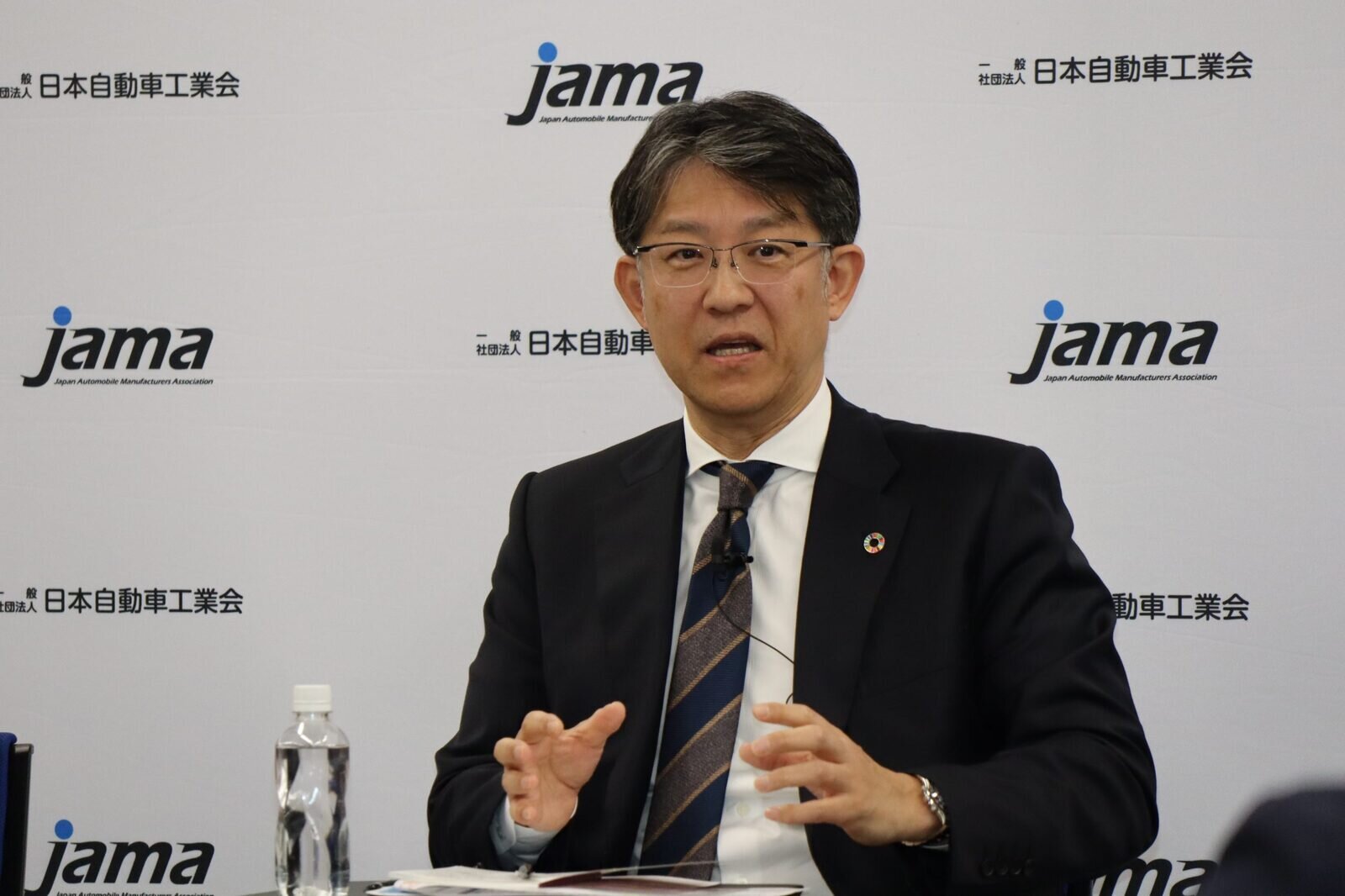
I believe the foundation of Japanese monozukuri is the power of our people, who engage in their craft with ingenuity and a sense of purpose.
If we are to sustain that energy, as an industry, we cannot base our operating schedules solely on productivity. In a society where people live and work in increasingly diverse ways, we must create an environment that allows for balancing lifestyles and careers.
During the discussion at today’s board meeting, the response and commitment from our directors were even greater than I had anticipated.
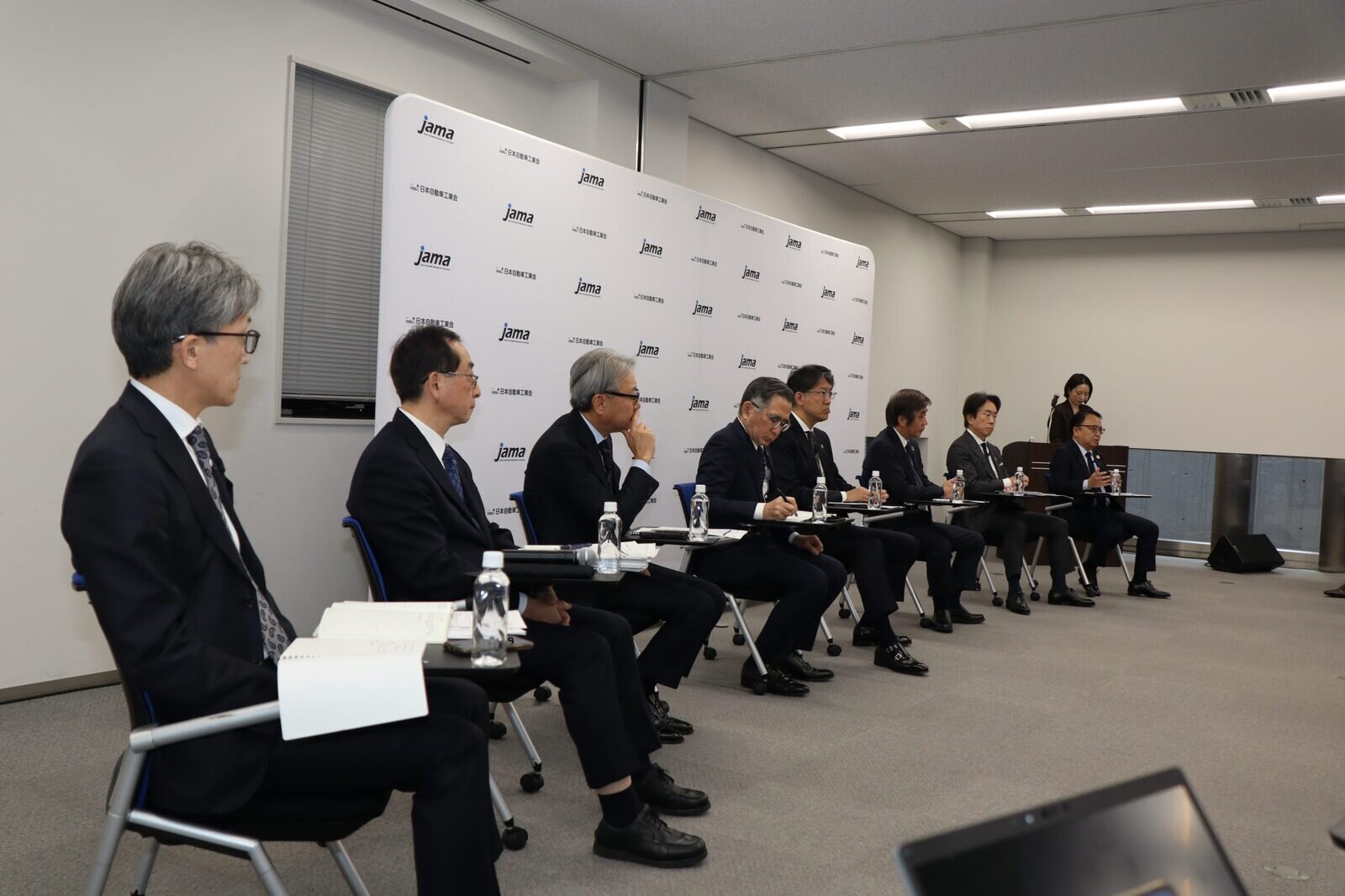
I think raising the number of holidays is closely tied to how much we can improve productivity. If we simply increase days off while productivity and industrial competitiveness decline, we will be left unable to protect those jobs.
To safeguard jobs, first and foremost, we must boost productivity. I believe that will naturally tie into discussions about days off.
That said, approaching the calendar a little more flexibly, and treating public holidays as holidays, is something we should be able to manage.
Unfortunately, within our current framework, the plant changeover work has already been scheduled for the extended holidays.
Even if we were to get everyone on board and try to shift one day from the long holidays, what stands in our way is the reality that the changeover work would no longer fit within the manufacturing calendar holidays.
At today’s board meeting, the consensus that emerged was “Let’s do this, let’s begin looking into moving holidays.” Figuring out how to overcome that obstacle is the next step.
Working now for the future
“If cooperation is simply doing what we can, we won’t have a future ten years from now.”
“Rather than leaving things as they stand today, or accepting a shared sense of urgency as our takeaway, I want to build on that sense of urgency and push forward with discussions.”
These were Chairman Sato’s words at the board meeting, once again emphasizing the need to speed up reforms.
On February 6, Koji Sato announced that, as part of changes within Toyota’s leadership team, he would step down as president to become the company’s vice chairman and chief industry officer. At that press conference, he stated, “I intend to focus my efforts increasingly on industry-centered activities, including the Japan Automobile Manufacturers Association and Keidanren.”
The comment revealed his determination to unite Japan’s carmakers and accelerate reforms aimed at making the country’s auto industry more globally competitive.
Below is a snapshot of JAMA’s progress on its seven priority challenges as of February 18. In the first half of 2026, the association will look to organize and propose the big-ticket projects listed on the right.