




At the final round of the 2025 Super Taikyu Series, Toyota revealed a year of progress in hydrogen. How much closer has it come to realizing a hydrogen-based society? Here is a snapshot of the progress so far.
Achieving Both Power and Fuel Efficiency
The Hydrogen Engine Corolla Cross
The hydrogen engine has been honed in the harsh environment of racing. However, additional hurdles remain before the technology can be commercialized for everyday use.
In racing, the engine primarily relies on stoichiometric combustion, injecting sufficient fuel to deliver high output. In everyday urban driving, however, high output is not always required. In such situations, lean combustion is used, reducing fuel injection to improve fuel efficiency.
With an eye toward a future in which hydrogen engine vehicles operate on city streets, Toyota unveiled the Hydrogen Engine Corolla Cross to the media, showcasing its ability to switch smoothly between these two combustion modes.
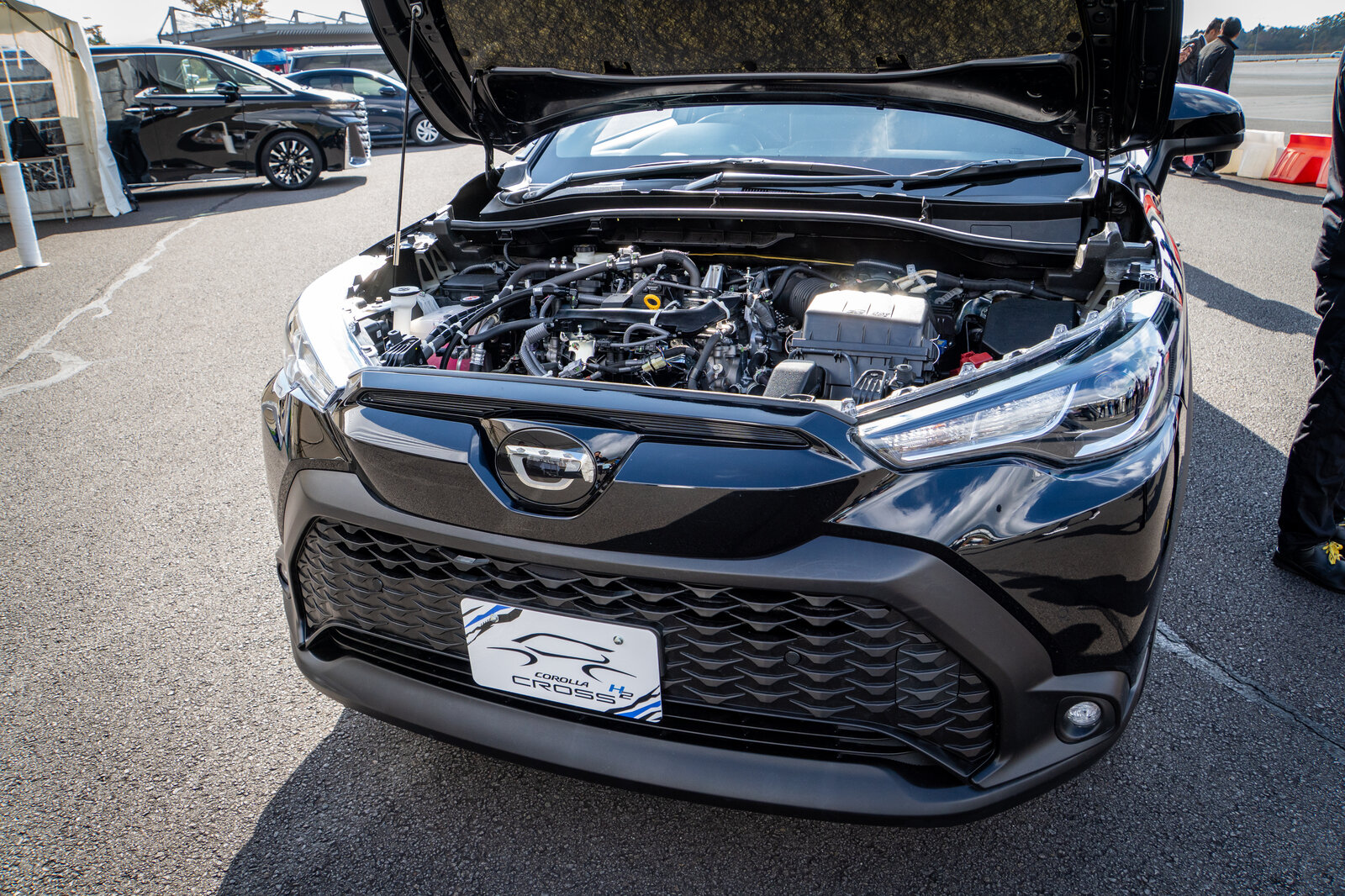
Depending on how far the accelerator is pressed, the display indicates either “Stoichiometric” or “Lean.”
The engine is the same G16 unit used in the liquid hydrogen Corolla that competes in racing. Through test drives, members of the press experienced the drivability of the hydrogen engine vehicle and the smooth transitions between combustion modes, gaining a first-hand sense of the progress being made toward commercialization.
Making Hydrogen More Accessible Through Lower Repair Costs
So far, this report has focused on advances in vehicle technology, but realizing a hydrogen-based society also requires development of infrastructure and supporting environments.
Efforts to improve the usability of hydrogen are now getting underway in Fukushima Prefecture.
The price of hydrogen can be broadly broken down into four main components:
- Hydrogen procurement costs, including transportation
- Labor costs for operating hydrogen stations
- Repair and maintenance costs required to use hydrogen safely
- Depreciation and other expenses
Hydrogen prices are determined not only by the cost of hydrogen as a raw material, but also by the operating costs of hydrogen stations.
Among these, repair and maintenance costs account for the largest share. To reduce them, multiple companies are working collaboratively.
One such effort is being led by Nemoto Tsusho, a hydrogen station operator. “The fastest way to lower hydrogen prices is to reduce repair costs, which are the most expensive,” the company said. Nemoto Tsusho has begun bringing repair work in-house, previously handled by external contractors, marking a first for a commercial hydrogen station operator.
From April 2025, staff have been acquiring the skills needed for in-house maintenance, including hands-on training at Toyota plants.
By advancing in-house maintenance, the company aims to respond independently to equipment issues and improve station uptime.
Other initiatives are also underway to reduce repair costs by improving the durability of replacement parts.
One company contributing to this effort is Kaji Technology Corporation. Holding the largest domestic share in ultra-high-pressure compressors for FCEV (Fuel Cell Electric Vehicles) hydrogen stations, the company is working to extend the service life of piston rings inside its compressors.
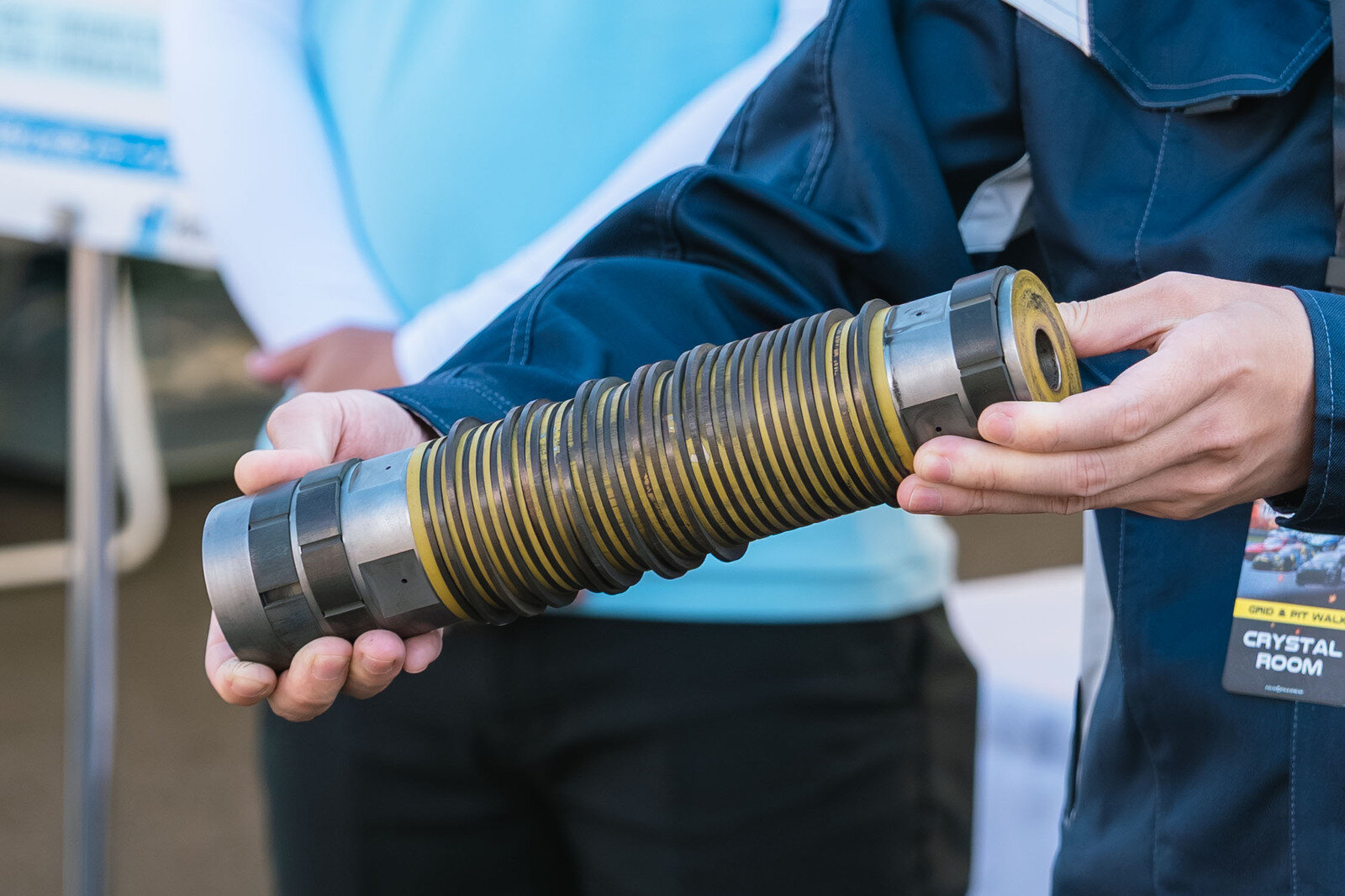
Hydrogen has a property that strips away the thin film that helps pistons move smoothly during fueling, leading to piston wear.
To address this, the company is currently working with ideas from various manufacturers, aiming to reduce replacement frequency from twice a year to once a year.
Bridgestone is another company taking on the challenge of reducing replacement frequency.
The focus is hydrogen fueling hoses. At present, hydrogen stations replace these hoses after approximately 1,000 fueling cycles.
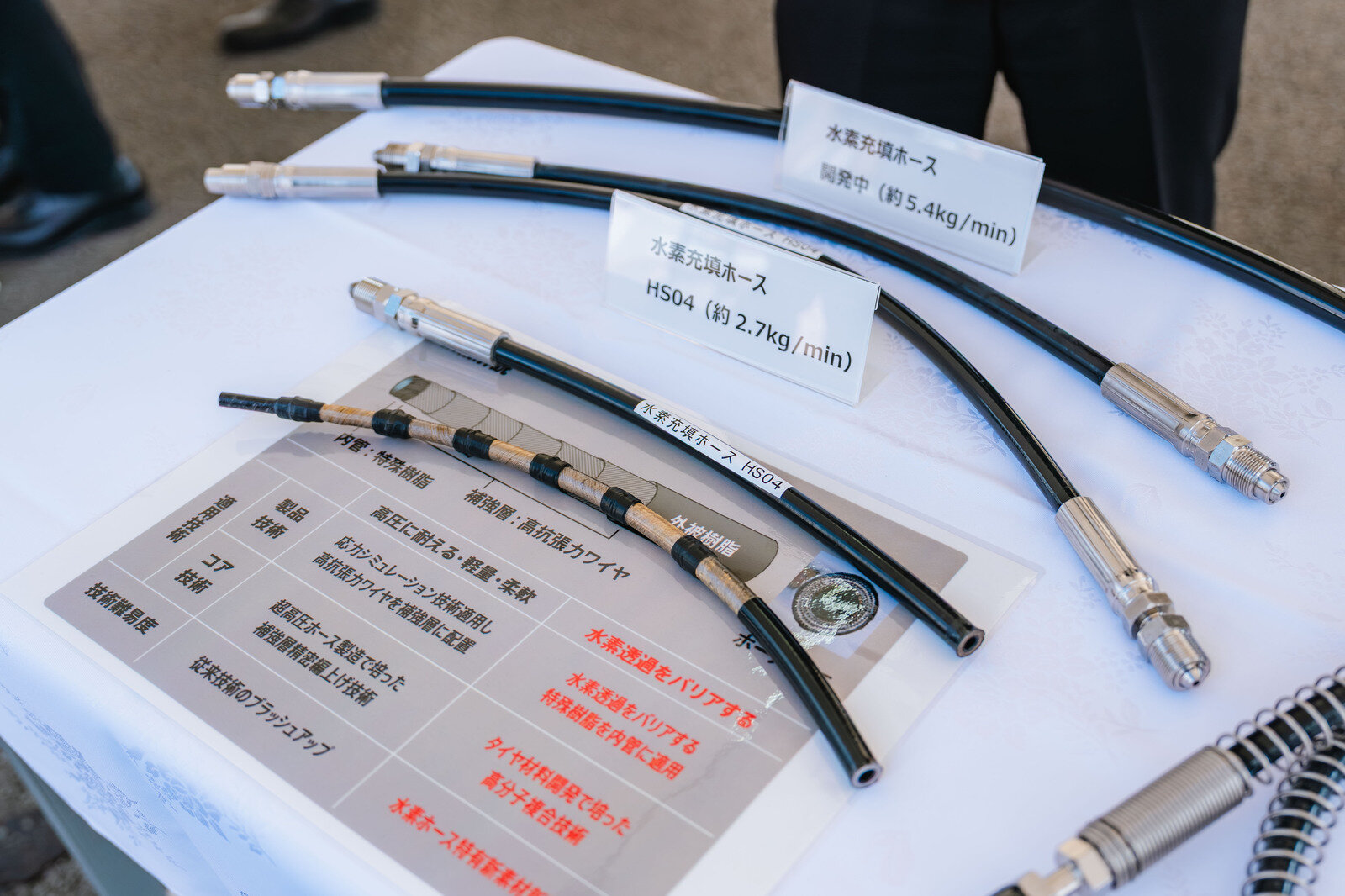
The hose brings together Bridgestone’s core technologies, drawing on polymer composite expertise developed through tire materials research.
The company has confirmed that the hose can withstand up to 10,000 uses, ten times the current level. It is now undergoing verification in real-world conditions at hydrogen stations operated by companies such as Nemoto Tsusho to ensure performance in actual use.
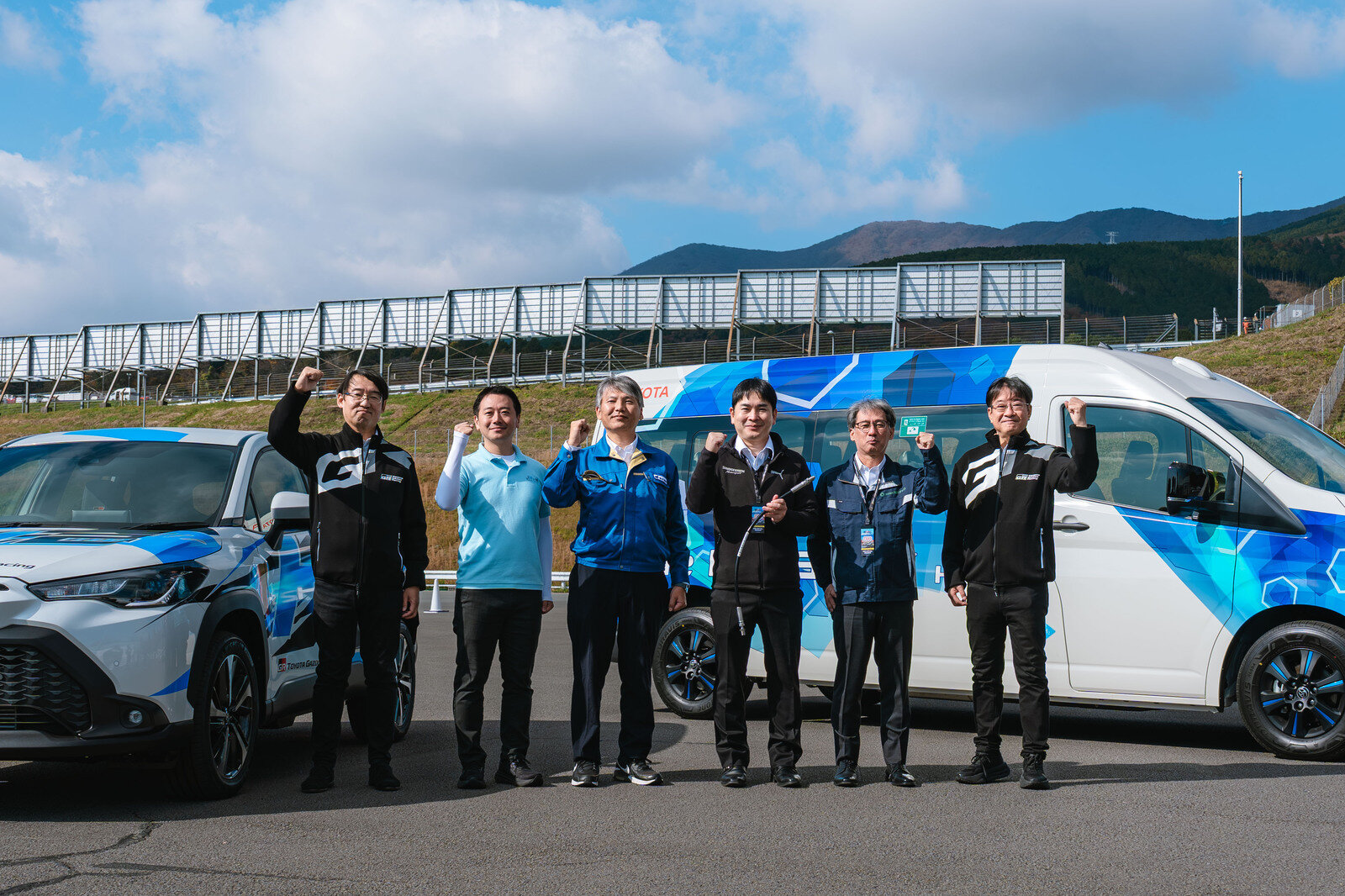
Building Partnerships to Promote Environmental Technologies
Toyota holds a firm belief that environmental technologies only make a difference when they are widely adopted. No matter how advanced an eco-friendly vehicle may be, it cannot contribute to the environment unless it reaches society at scale. That is why Toyota pursues initiatives that extend beyond vehicle development alone.
Hydrogen, as a fuel, still holds vast and largely untapped potential. For this reason, Toyota continues to pursue a wide range of technologies without narrowing its options.
In all these efforts, the presence of trusted partners is essential. Each time that circle of collaboration expands, another step is taken toward realizing a hydrogen-based society.
What developments will 2026 bring? Toyota Times will continue to follow the challenges and progress of this project.