





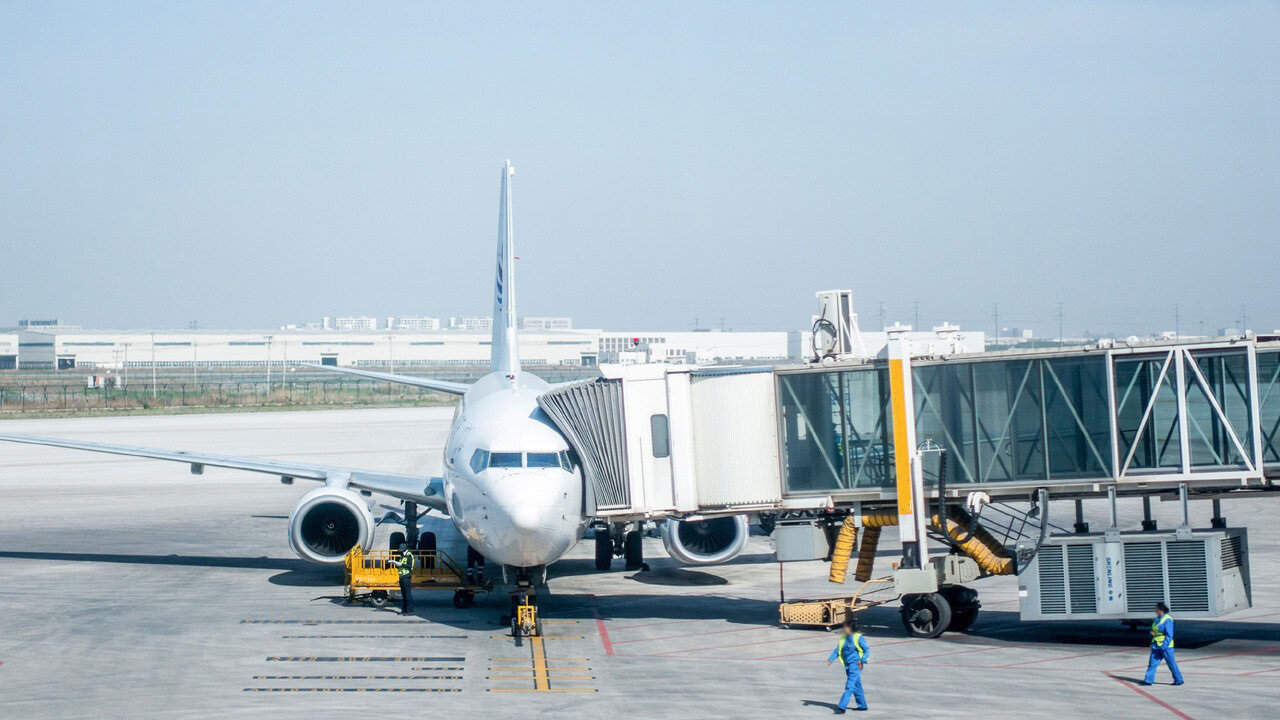
A sneak peek inside JAXA's research facilities! Will Toyota's one-touch wheelchair fastening device prove a good fit for airplanes?
Wheelchair users can roll straight onto trains, buses, or the Shinkansen, but how do they board an airplane? A surprisingly small number of people can answer this question.
Although airlines provide comprehensive assistance to travelers using wheelchairs, many issues, such as the width of aircraft aisles, cannot be easily solved. As a result, these passengers often find themselves being the first to board and the last to disembark.
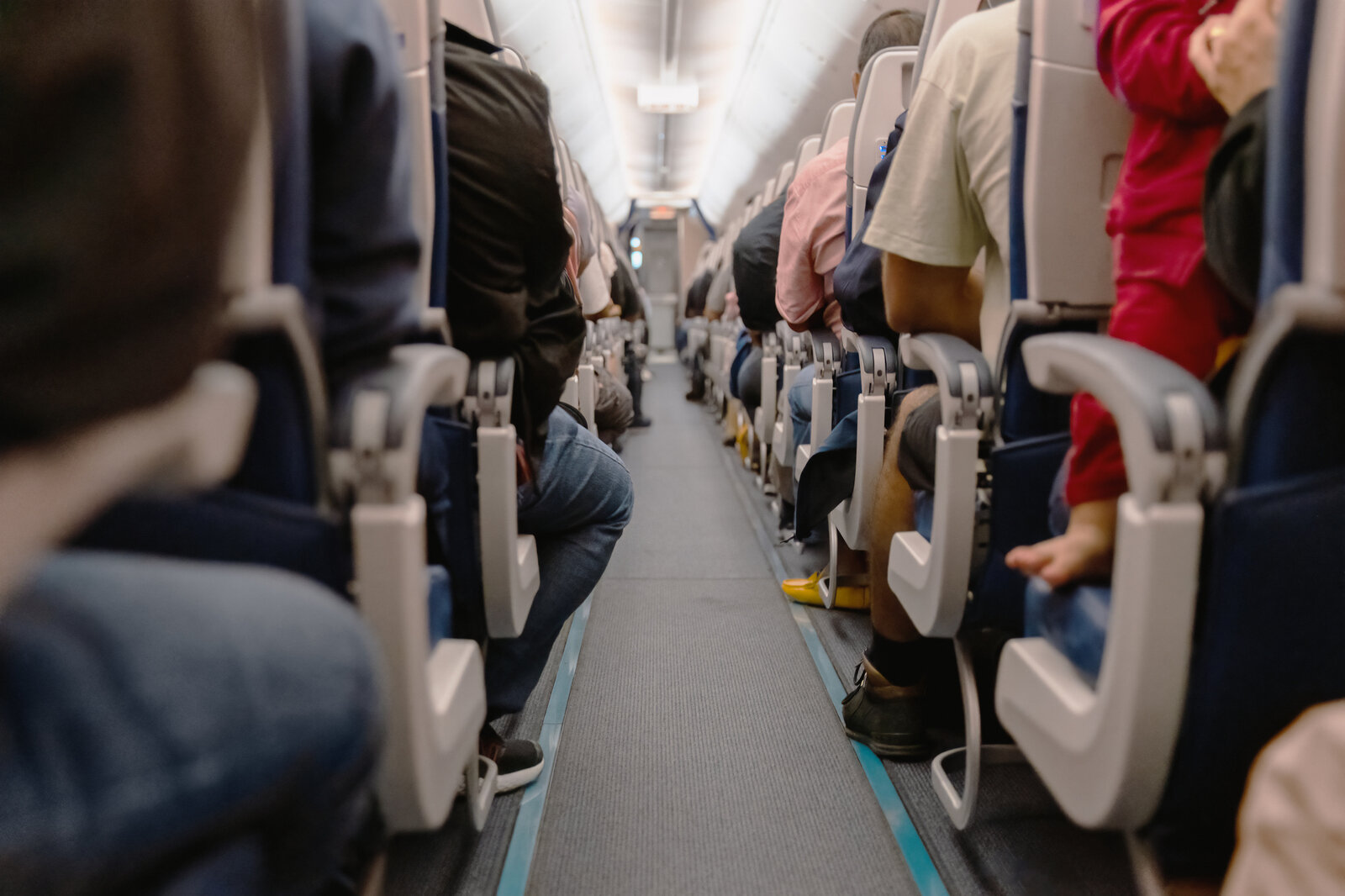
The process begins with booking the flight, when detailed information about wheelchair size and battery specifications must be provided to the airline. Upon arriving at the airport, the traveler must complete procedures at a designated counter and transfer to a special wheelchair narrow enough to pass down the aisles of a plane. The passenger’s own wheelchair is handled as checked baggage.
They then board the plane and take their seat before other passengers. For domestic flights in Japan, someone arriving at the airport 20 minutes before departure could still expect to board on time; by contrast, wheelchair users often ensure they are at the airport at least an hour prior.
After landing, the passenger must wait on board while their wheelchair is retrieved from the cargo area. It may take more than an hour before they are able to leave the airport.
Yuki Kishi, Ph.D., Researcher, Aviation Technology Directorate, JAXA
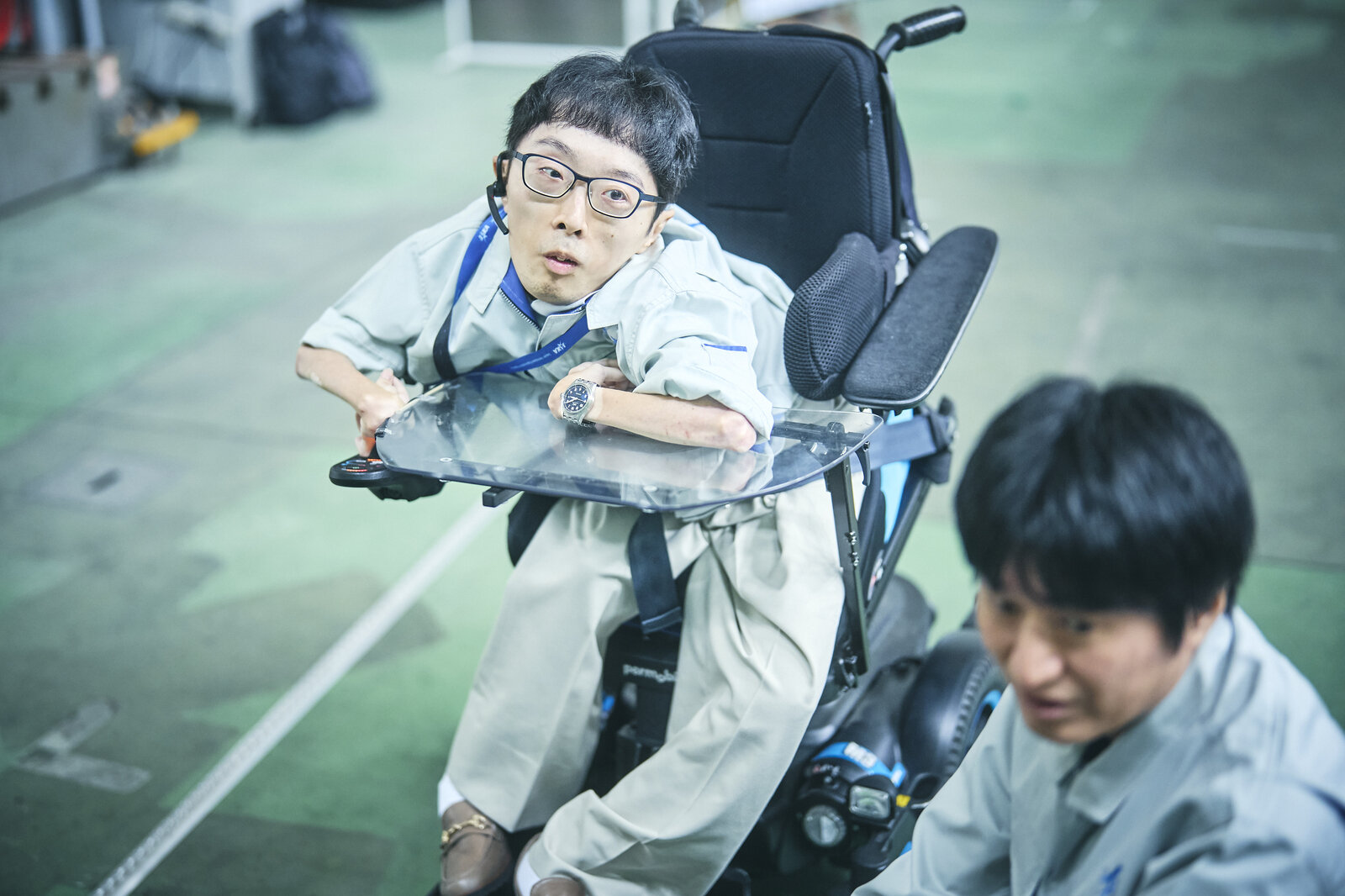
I myself am a wheelchair user, and without my regular wheelchair I have difficulty maintaining my posture. For that reason, I travel in my own chair up to the entrance of the aircraft, and from there I am carried to my seat. Once seated, I manage to keep my posture by propping myself up with blankets and pillows.
An extension of the body
A wheelchair is more than just a mobility aid. It is an extension of the user’s body, tailored to their individual needs. Should the wheelchair be damaged while being handled as checked baggage, the passenger will have difficulty getting around at their destination.
“Being able to board the plane in my own wheelchair would bring both comfort and peace of mind,” says Kishi.
Mako Shibuya, who shares many of her experiences as a wheelchair user online, also noted that “depending on the type of onboard wheelchair, transferring over can be quite difficult.”
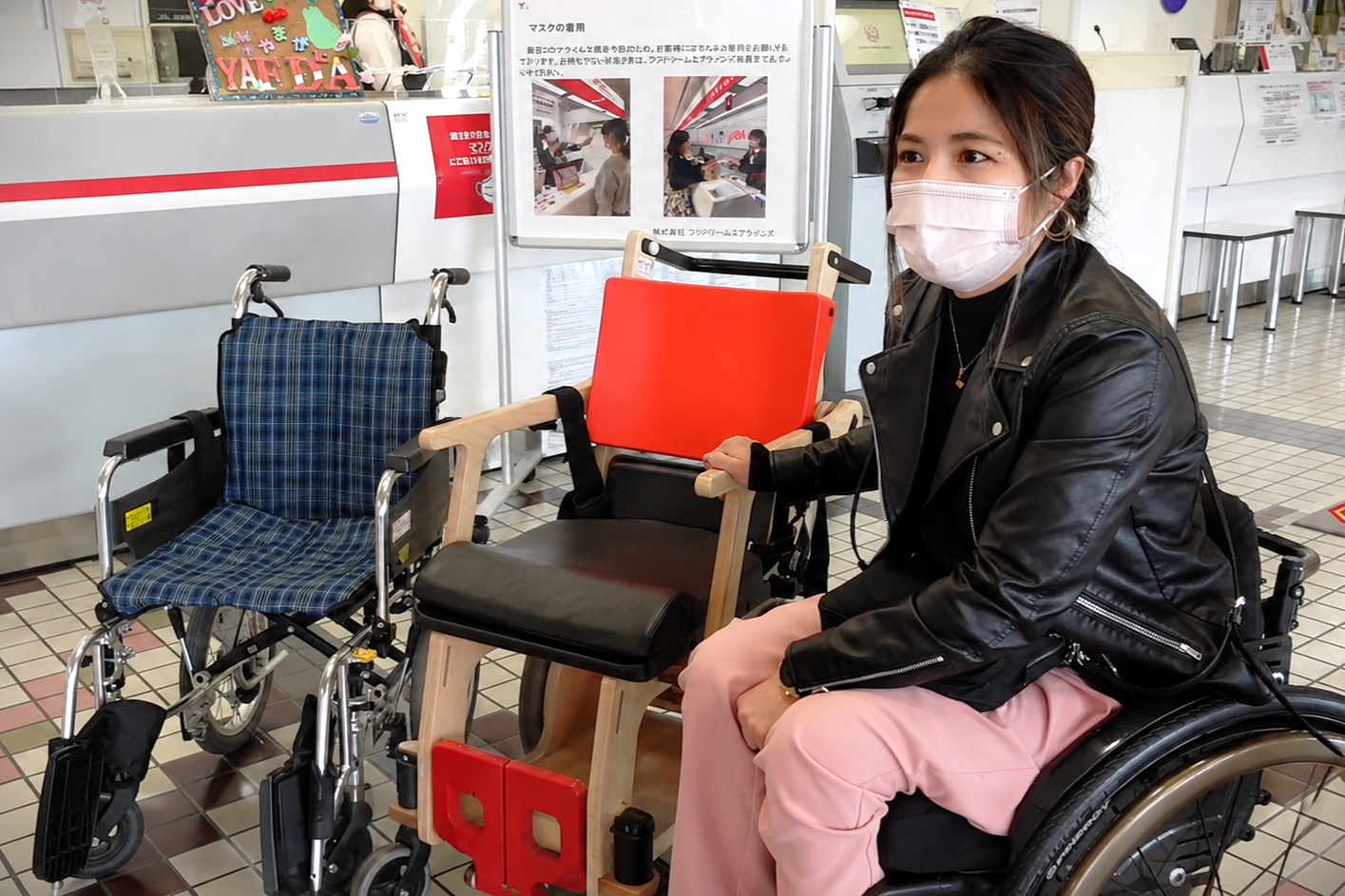
To address these issues, the Japan Aerospace Exploration Agency (JAXA), Jamco, and Toyota are jointly developing a one-touch fastening device for aircraft.
The device is already being used in welfare vehicles such as the HiAce, Noah, and Voxy. Hooks installed in the vehicle clamp down on an anchor bar attached to the underside of the wheelchair, securing it in just two seconds.
As this video shows, the entire process really is as simple as pressing a button.
Given its potential for reducing the burden on wheelchair users and caregivers alike, the device is being trialed on buses and boats with the aim of a swift rollout. As we found out, however, integrating the system into airplanes presents unique challenges.
Takeshi Yamamoto, Project Manager, CJP Planning Div.
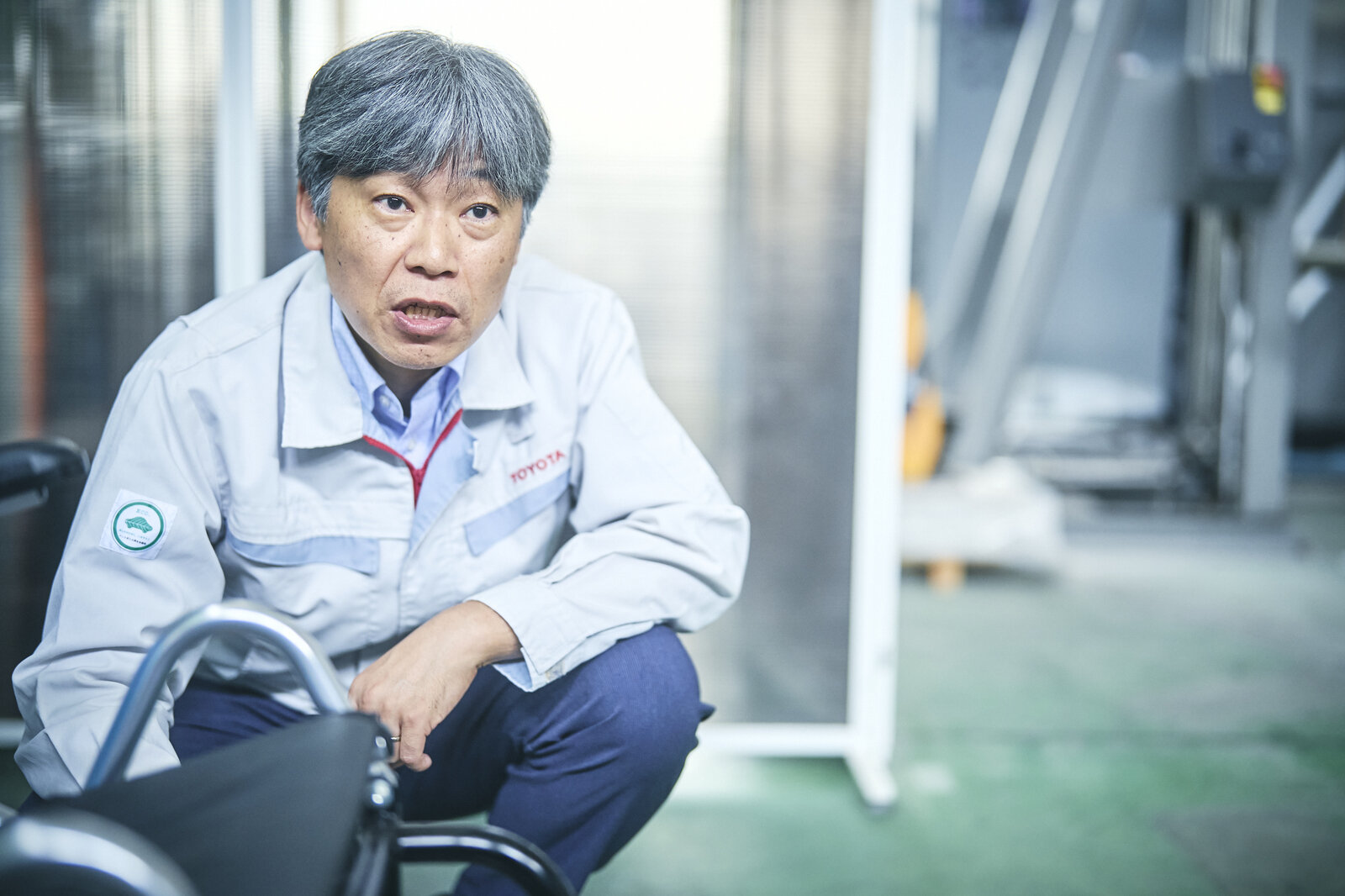
Unlike cars, aircraft safety standards factor in impacts from below, such as might result from a belly landing, and we must also anticipate the plane being thrown about by turbulence. As an automaker, clearing these unique aviation safety requirements on our own would be a tough challenge.
Fortunately, Toyota could draw on the expertise of Jamco, a manufacturer of interior fixtures for aircraft. Having designed and manufactured everything from cabin seats and restrooms to equipment for preparing and serving meals, the company is well-versed in the relevant regulations and safety standards.
Shumpei Toyomi, Aircraft Interior Engineer, Jamco Corporation

The wheelchair must remain securely locked even if the aircraft body distorts upon impact or is shaken violently by turbulence. That is why we opted for a dual-locking mechanism.
In an emergency, the onboard power could also be cut off. To enable passengers to release the lock and evacuate in such situations, we designed a hand-operated system in place of the electric version used in road vehicles. Safety, usability, weight, and cost—we want to tick all the boxes if the device is to be used on airplanes.
Can it withstand a 16G impact?
With all these modifications in place, the fastening device was subject to dynamic load testing.
The maximum force that a fighter pilot undergoes during a sharp turn is said to be around 9G. In the video below, the device is subject to a frontal collision test at 16G, and another at 14G simulating the upward jolt of an emergency landing. Both were passed with flying colors.
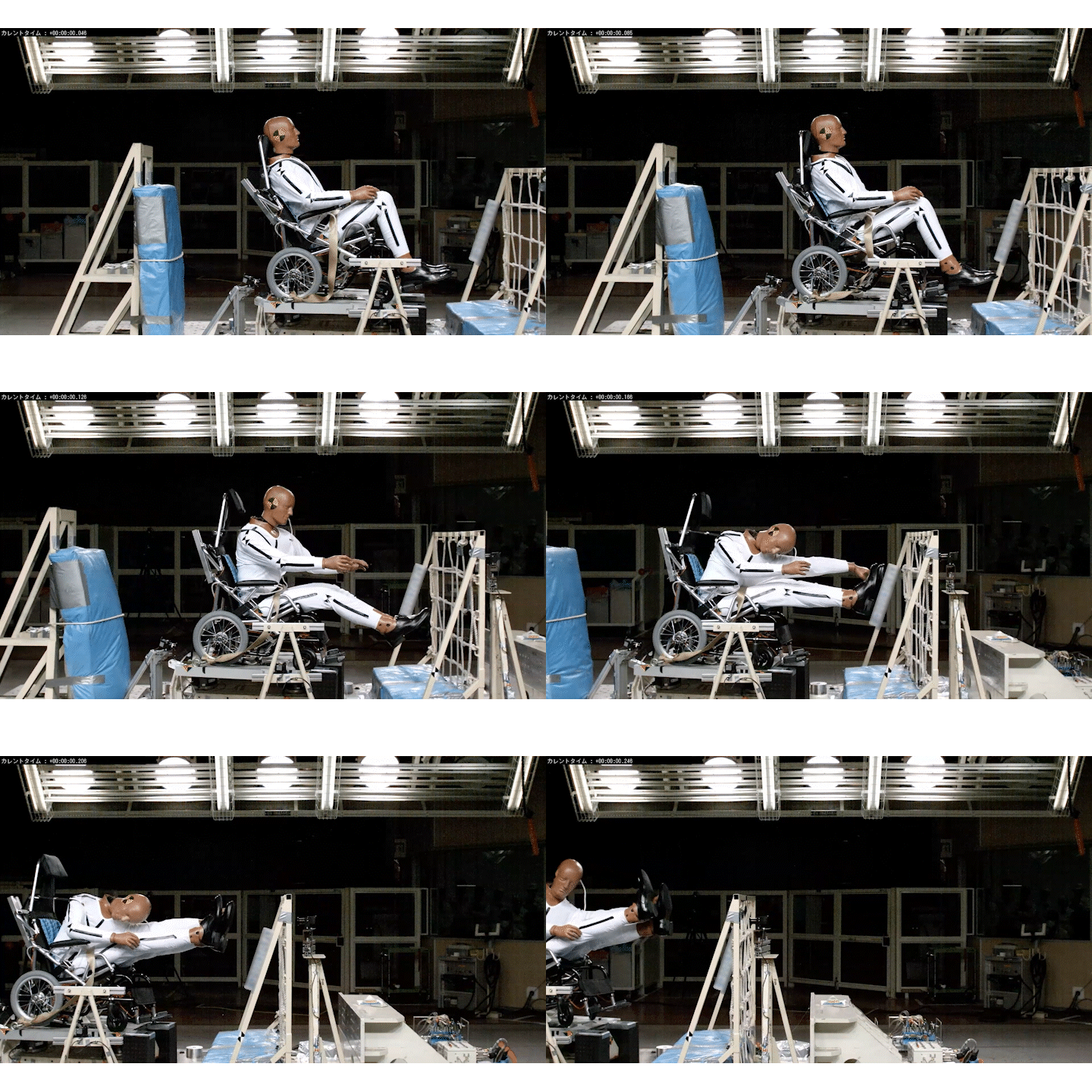
Success is in sight! Or so we thought until one of the team members spoke up. “Actually…”