


In our ongoing series showcasing Toyota's activities in non-automotive fields, we turn our attention to something unexpected. This time, it's a resort hotel?!
Buffet diners can be divided into two groups: those who start with appetizers and those who prefer salads first. Separating these two sections has resolved the issue of people clustering around a single spot.
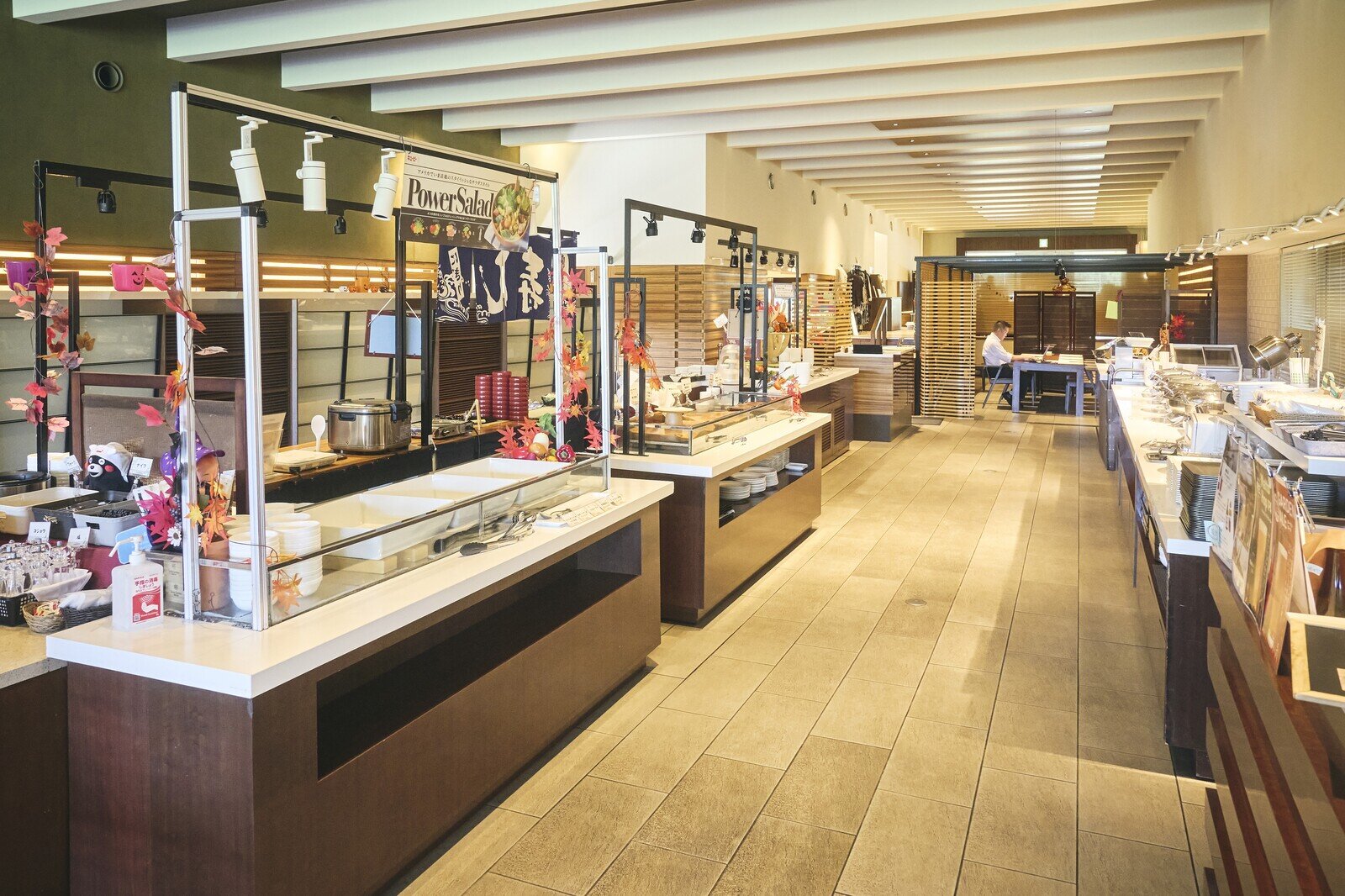
Main dishes such as teppanyaki would also normally be placed near the seating area to attract diners’ attention. At Terrace Tateshina, however, they are positioned farther back to keep people moving smoothly and prevent congestion.
Desserts near the entrance? At first, that seemed odd. But from the dining area, it made perfect sense: desserts, eaten last, were the farthest away. Diners can seamlessly select their meals, while staff have shorter distances to carry the hot, heavy serving plates, improving safety. It is a layout designed to make many people happy.
And after dinner, the long-awaited spa session.
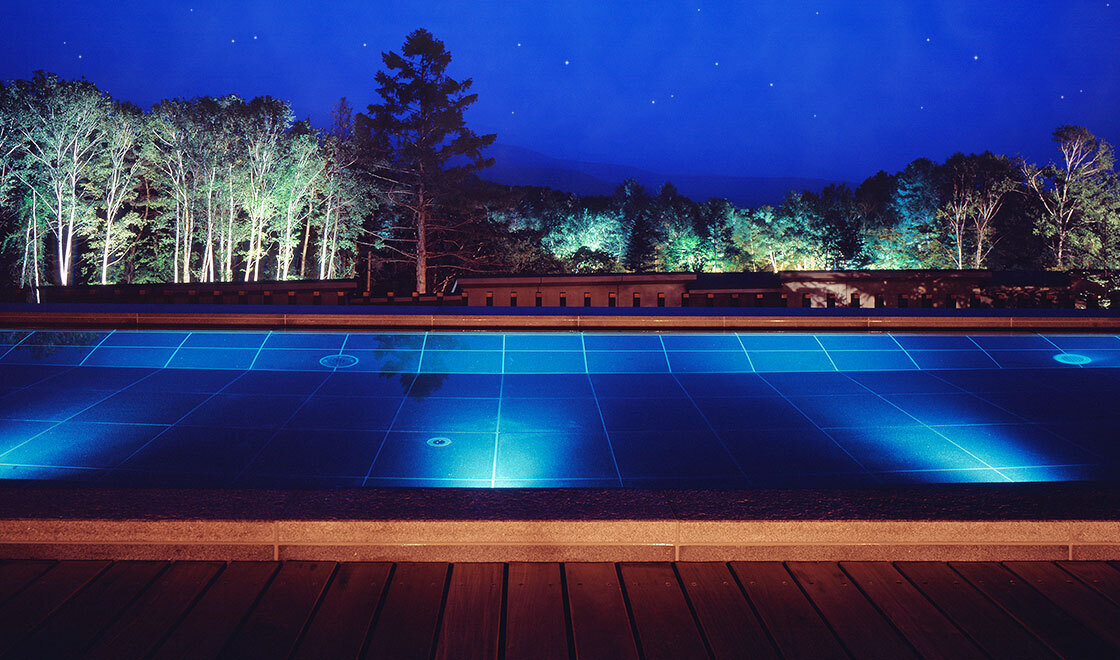
In the past, towels were provided in the spa area for guests’ convenience, but this service has since been discontinued.
If towels are available in the spa, those provided in guest rooms often go unused, but even unused towels must be sent for cleaning once a guest checks out. From an environmental standpoint, the decision was made to change this practice.
Ultimately, as bringing towels from guest rooms has more or less become the norm, customers haven’t complained of any particular inconvenience.
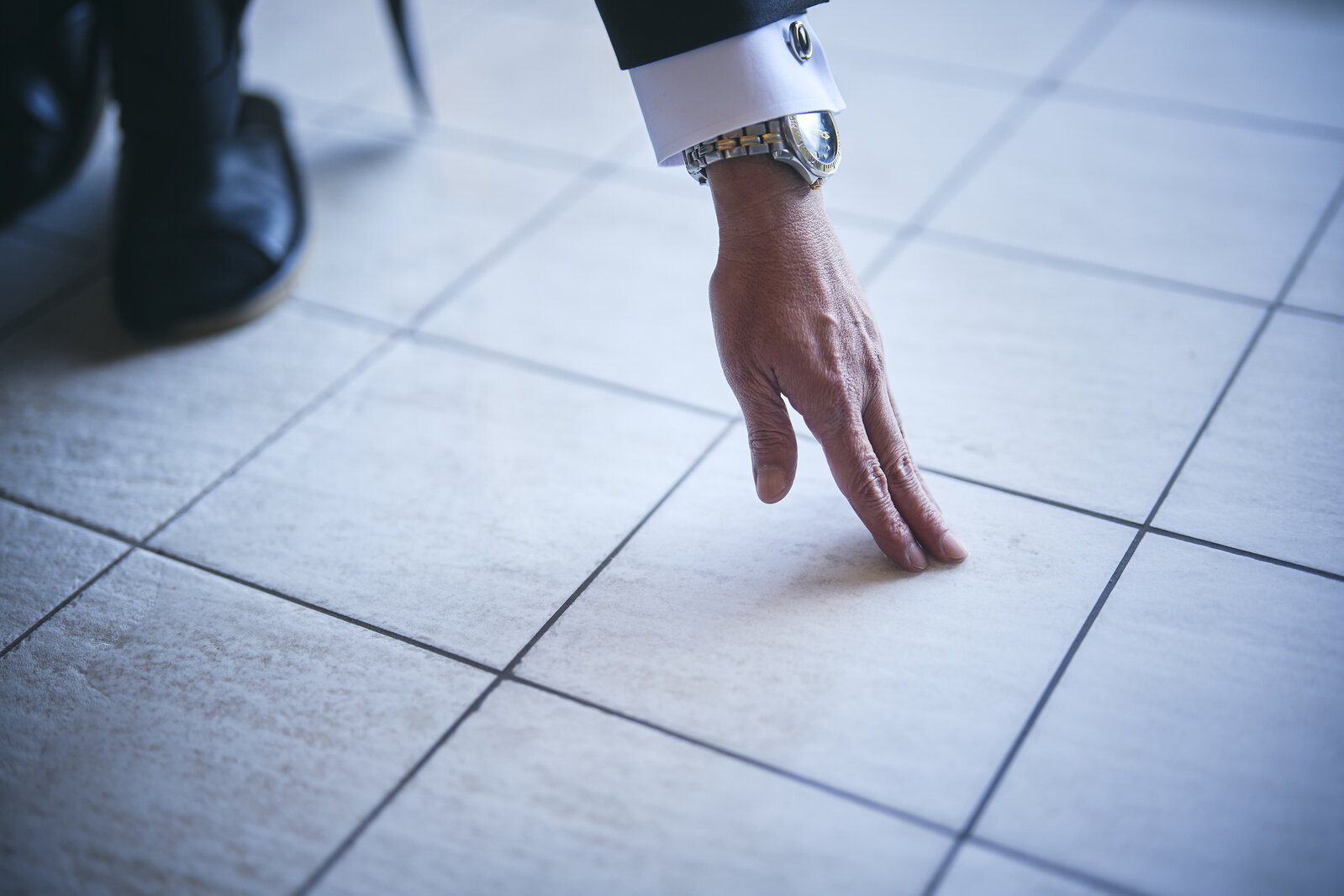
In addition, in March 2026, the main bathing area was completely re-floored with non-slip materials, replacing the use of mats. While prioritizing safety, the renovation also brought an aesthetic improvement and reduced the workload for staff.
Then the following morning, on our way out to the breakfast buffet, we realized there were no meal tickets. As it turns out, Terrace Tateshina decided to do away with breakfast tickets to eliminate another potential hassle for guests.
The hotel receives many returning guests. From their perspective, simply giving their name at the restaurant is easier, while also saving staff the task of managing meal tickets—a win-win.
Part-time staff paid to suggest improvements
The hotel’s constant improvements are fueled by ideas that emerge voluntarily from the genba, following the very same approach used in Toyota’s carmaking plants.
Toyota Enterprise, which runs Terrace Tateshina, employs the Creative Idea Suggestion System across its operations, not just the hotel business.
Executive Manager Ogawa
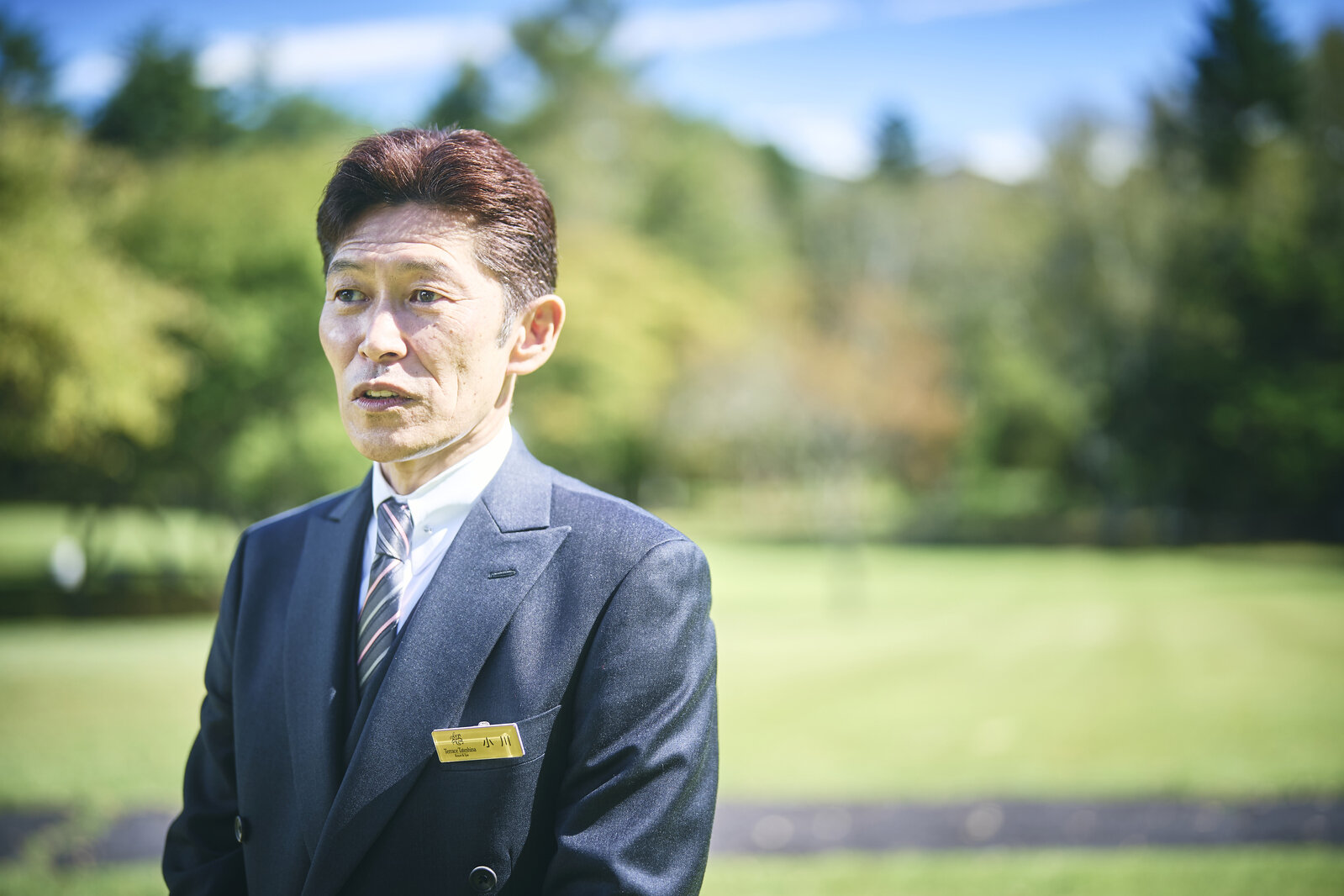
Our motto is not “Safety First,” but “Safety Zero”—putting safety ahead of everything else. Only by feeling safe can guests truly relax, which is why many of our improvements focus on safety. Yet even if everyone embraces the kaizen mindset, it’s hard to change things on the ground without a system that enables people to voice their ideas and put them into action.
Notably, part-time staff receive their regular hourly wages for time spent writing improvement suggestion forms. Some 40 to 50 proposals are made every month, with cash rewards starting at 500 yen. The system benefits staff and customers alike.
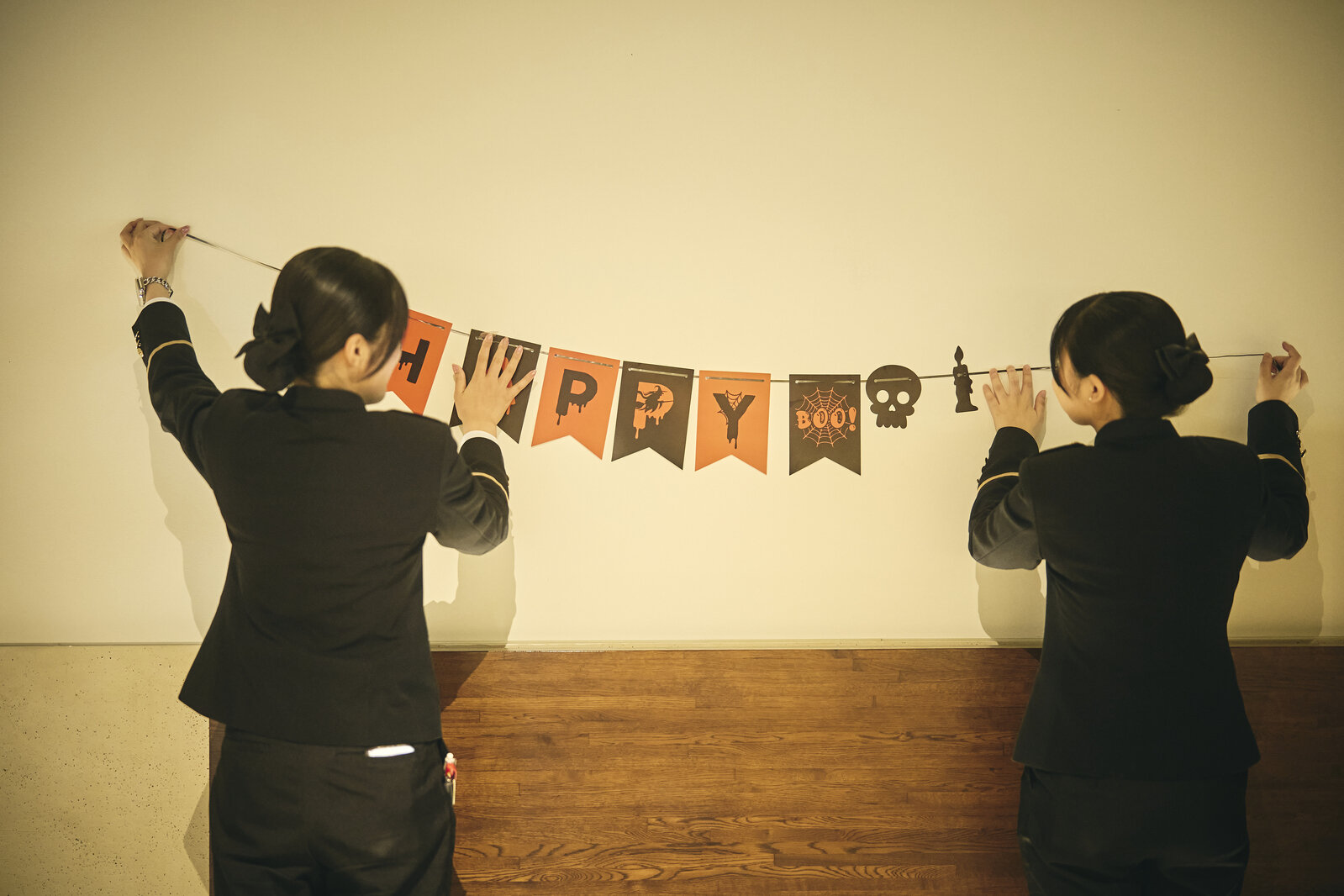
Executive Manager Ogawa
The Toyota spirit of taking on new challenges—trying something with the knowledge that, if it doesn’t work out, you can always go back—is deeply ingrained here.
In the hotel industry with its pressing personnel shortages, the key is to enable staff to grow quickly. How can we eliminate waste and increase communication with guests? After all, for us the greatest joy is seeing the smiles on our guests’ faces.
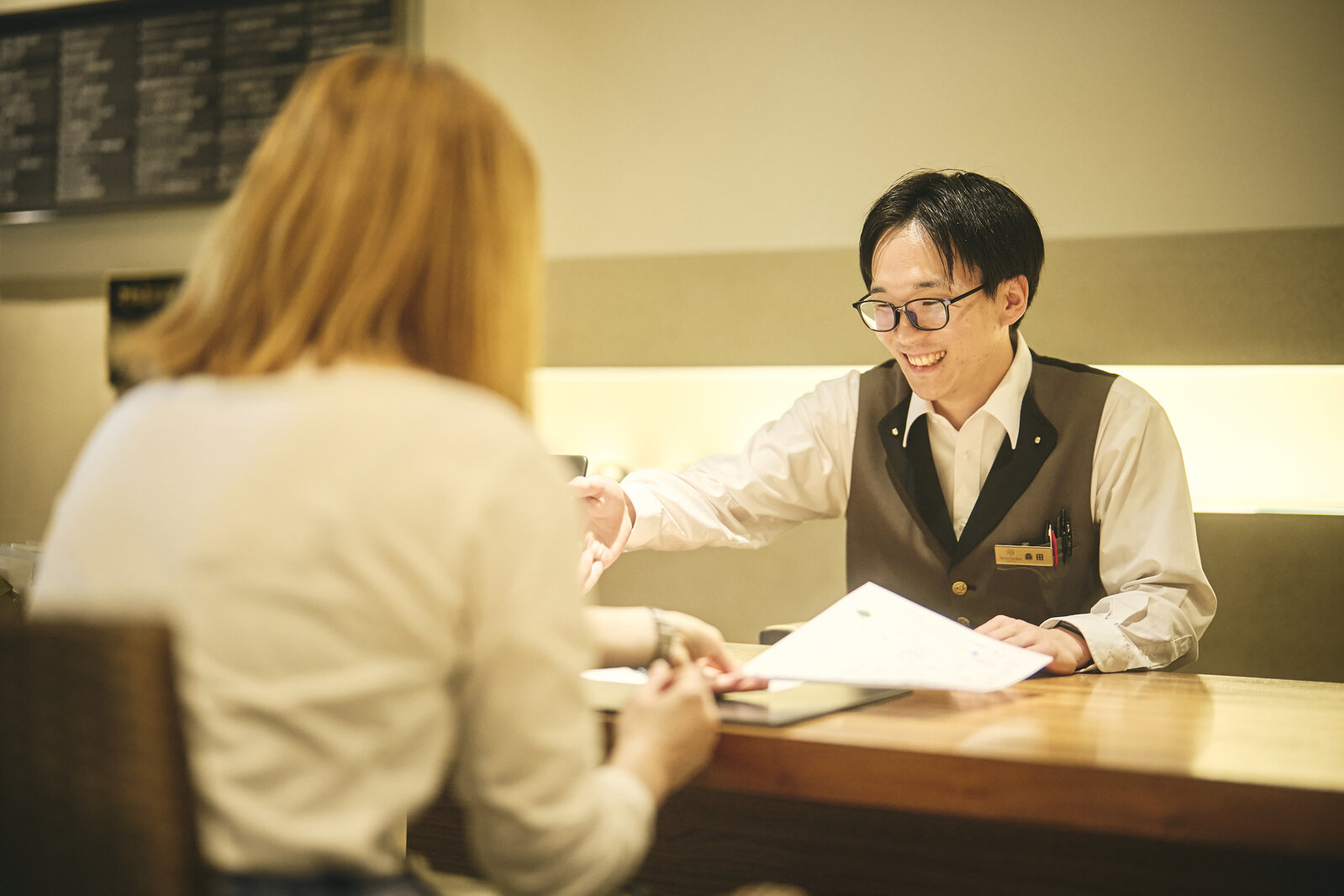
Start small and see how it goes. With this philosophy, the hotel has created a system that supports both employee growth and guest satisfaction.
“We want to always be a comforting place for our guests, like a second home,” says Executive Manager Ogawa with a smile. On our next visit, we will no doubt be greeted by new improvements, even greater safety and peace of mind, and the exceptional service that makes for a truly relaxing stay.