


In our ongoing series showcasing Toyota's activities in non-automotive fields, we turn our attention to something unexpected. This time, it's a resort hotel?!
This photo shows the entrance of a resort hotel. Notice the freshly repaved section of asphalt in the lower right corner? There’s a reason for it.
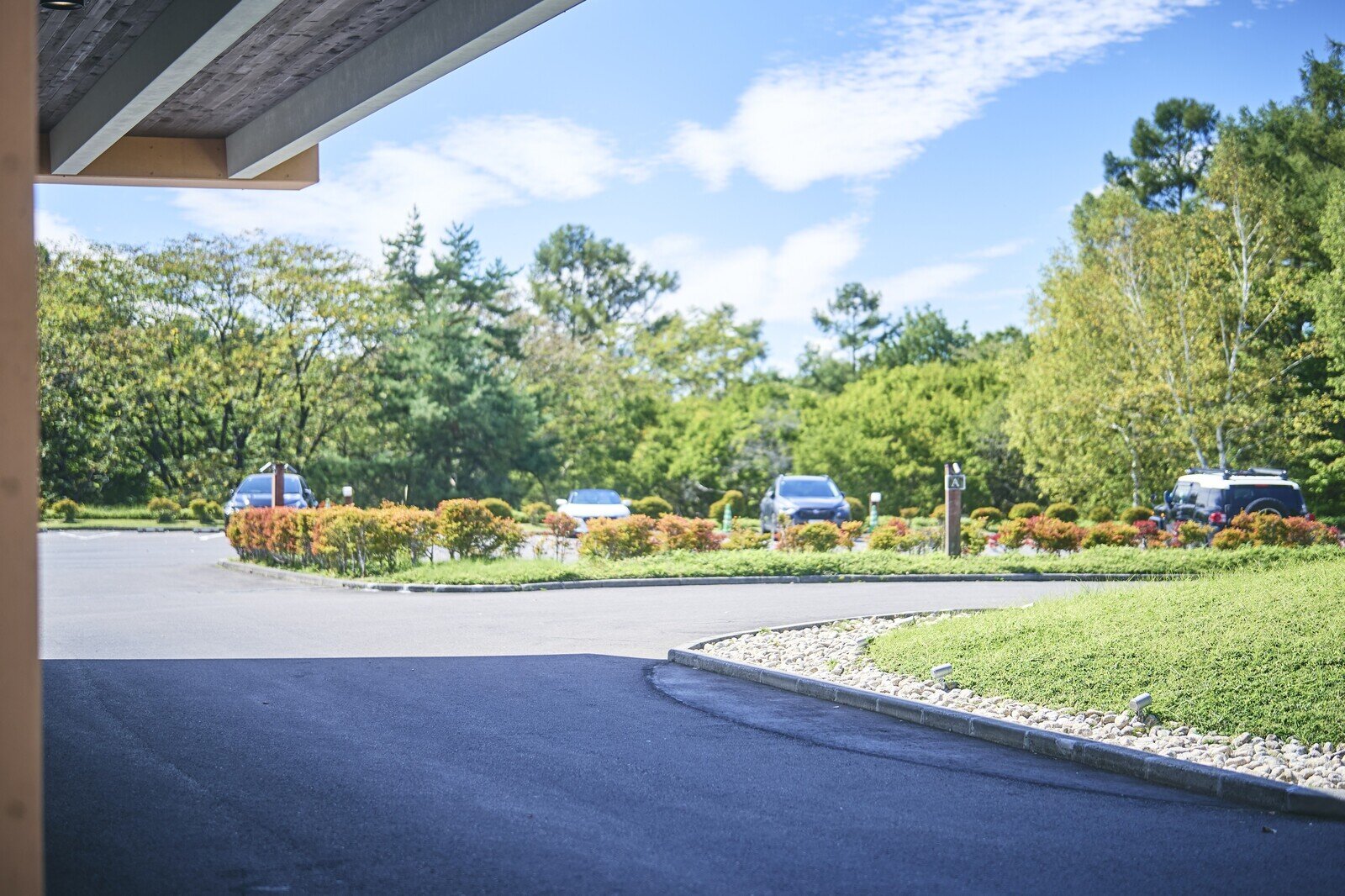
The entrance is the face of a hotel, but here, practicality took priority over appearances. The driveway was widened despite the visible repaving marks, making it easier for less confident drivers to pass a car already stopped outside. The change has not only provided peace of mind but also reduced wait times.
We also found a mysterious hidden door along the passageway leading to the hotel’s spa. This too was installed recently—but why?
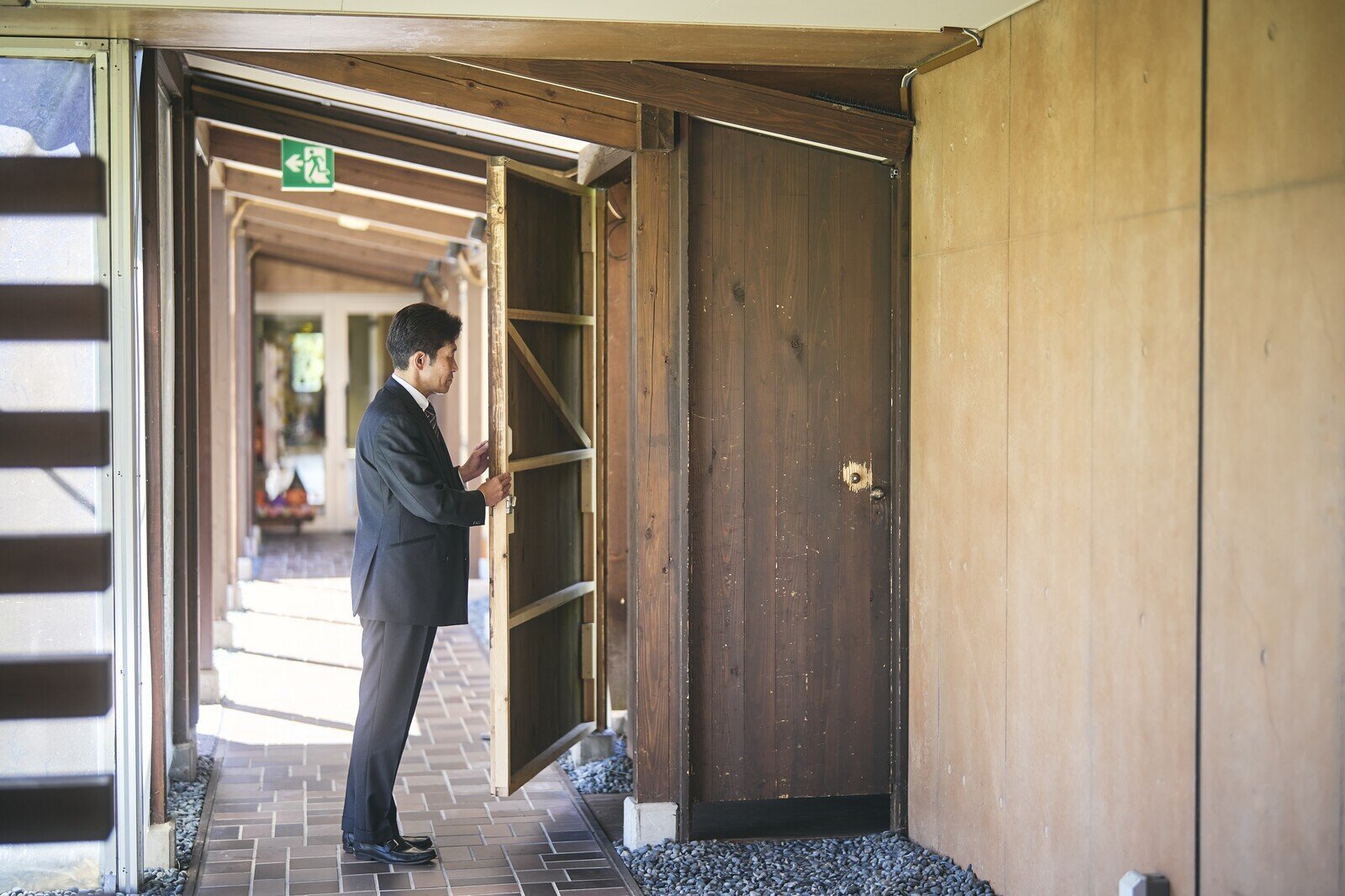
As it turns out, removing a section of wall to create a shortcut greatly reduced the workload for the hotel’s linen service provider. This hotel has fully embraced the Toyota Production System (TPS) mindset, creating a more convenient guest experience while also making work easier for staff.
More important than paperwork
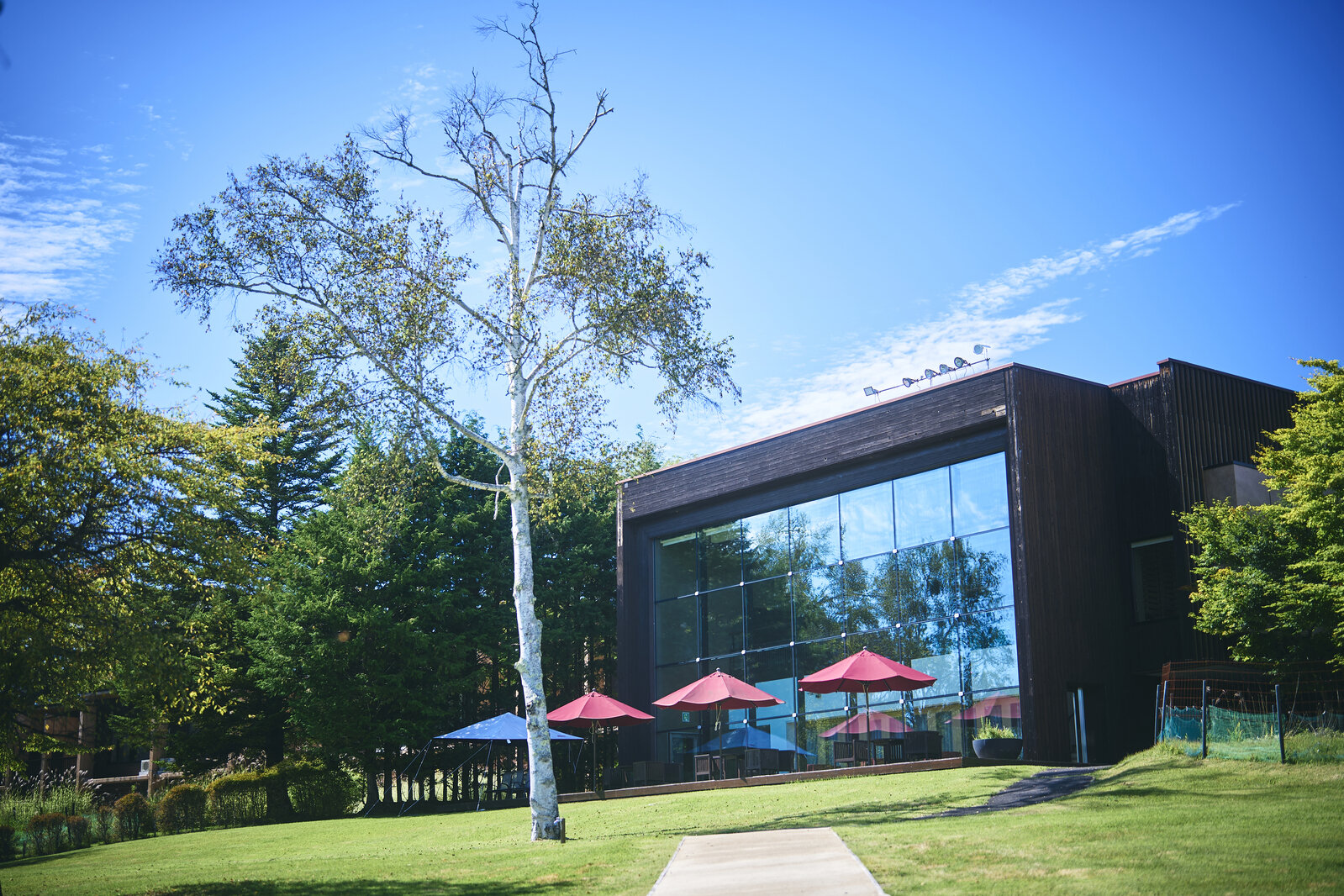
This is Terrace Tateshina Resort & Spa, situated within a quasi-national park in Chino, Nagano Prefecture. Run by the Toyota Group, the facility was built to make the most of approximately 40 acres of pristine, undulating forest. Highlights include majestic views of the Yatsugatake Mountains from every room, free-flowing natural hot springs, and an infinity bath.
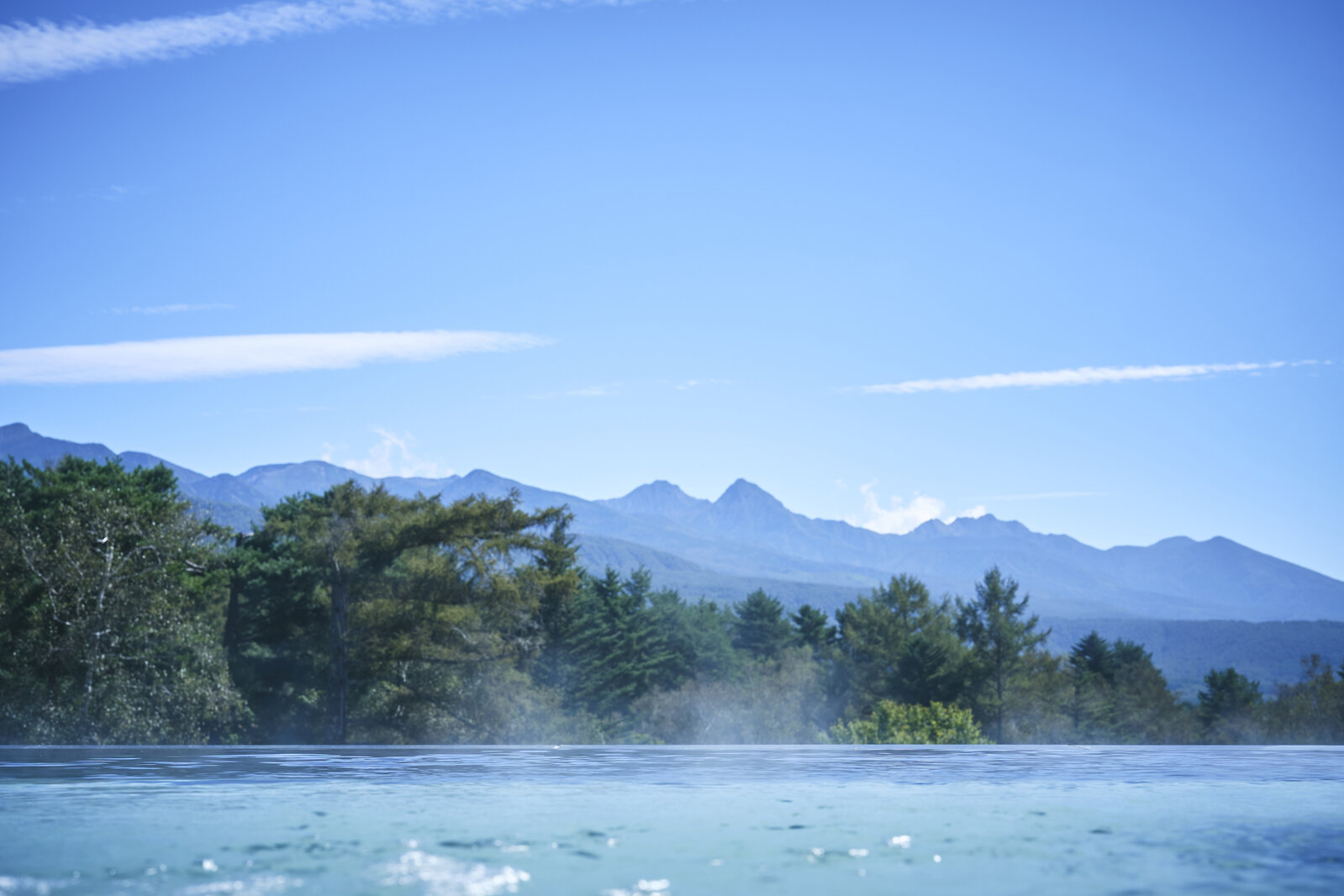
In this article, we showcase some of the hotel’s astonishing improvements, from arrival to the dining and spa experiences. We hope to give readers a taste of our stay at Terrace Tateshina.
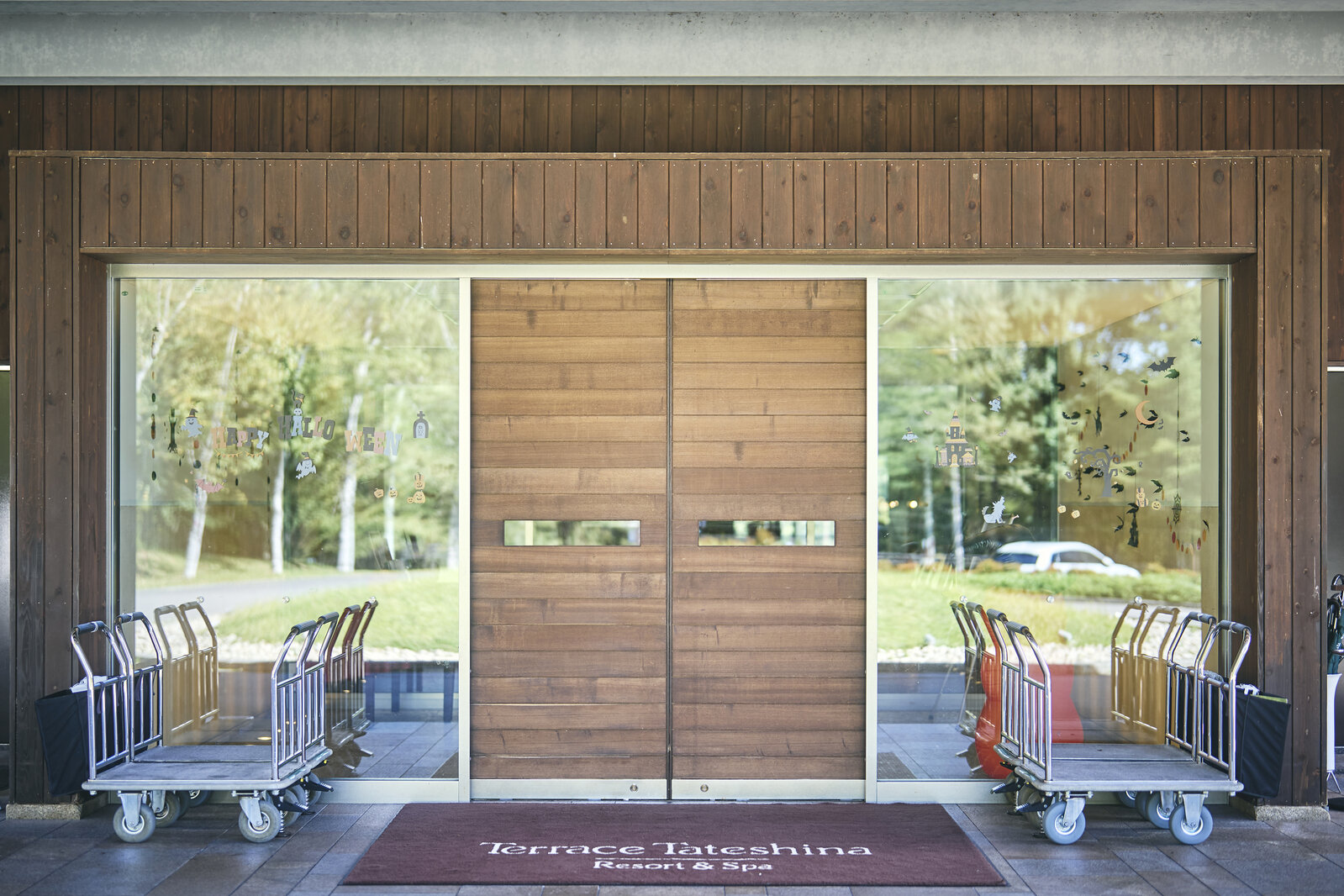
First, the entrance. Instead of heavy, stately doors to give an air of luxury, the hotel opted for automatic ones. This design choice prioritized convenience and safety for all visitors, from children and the elderly to wheelchair users.
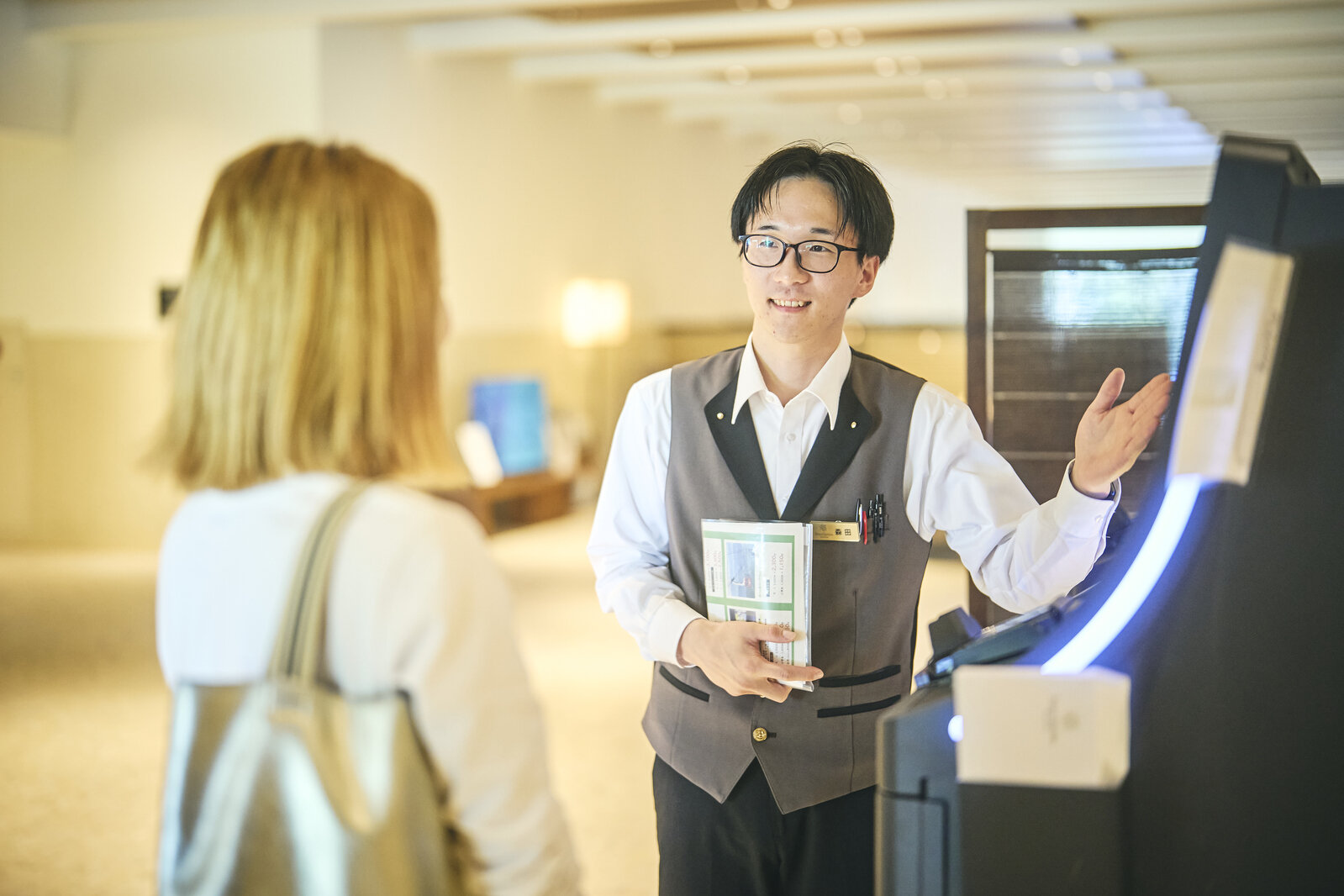
Upon entering, we were directed to an automated check-in terminal. The system was introduced in February 2026, but why did Terrace Tateshina adopt something that would feel more at home in a business hotel?
Hiroshi Ogawa, Executive Manager, Terrace Tateshina Resort & Spa, Toyota Enterprise Inc.
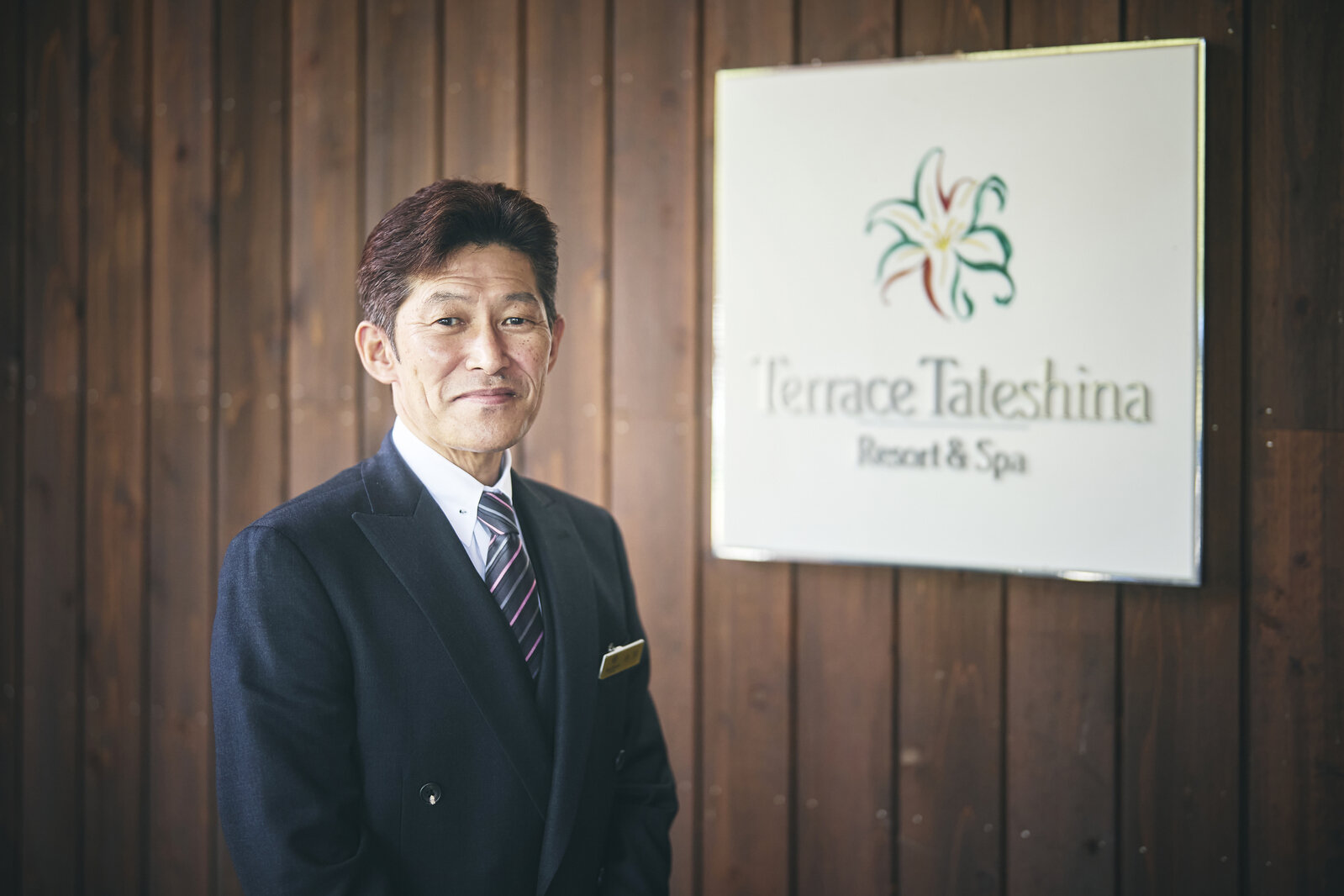
The check-in explanation used to take about five minutes, sometimes leading to long queues during peak periods. Introducing self-service terminals streamlined the check-in, while ensuring we can still converse with guests as we guide them to their rooms, as we have always done since the hotel opened.
We felt that conversation with guests should take priority over administrative procedures at the front desk.
This also creates an environment where younger staff can develop their communication skills. Believe it or not, hotel work offers surprisingly few opportunities to speak with guests.
Executive Manager Ogawa
One of our regular guests had been reluctant to tell us they were having difficulty walking, but we learned about it while escorting them to their room. This allowed us to take their needs into account when assigning a room and arranging seating at the buffet.
Likewise, learning about which sightseeing spots guests enjoy helps us to give better recommendations to other visitors as well.
Counting steps at the buffet
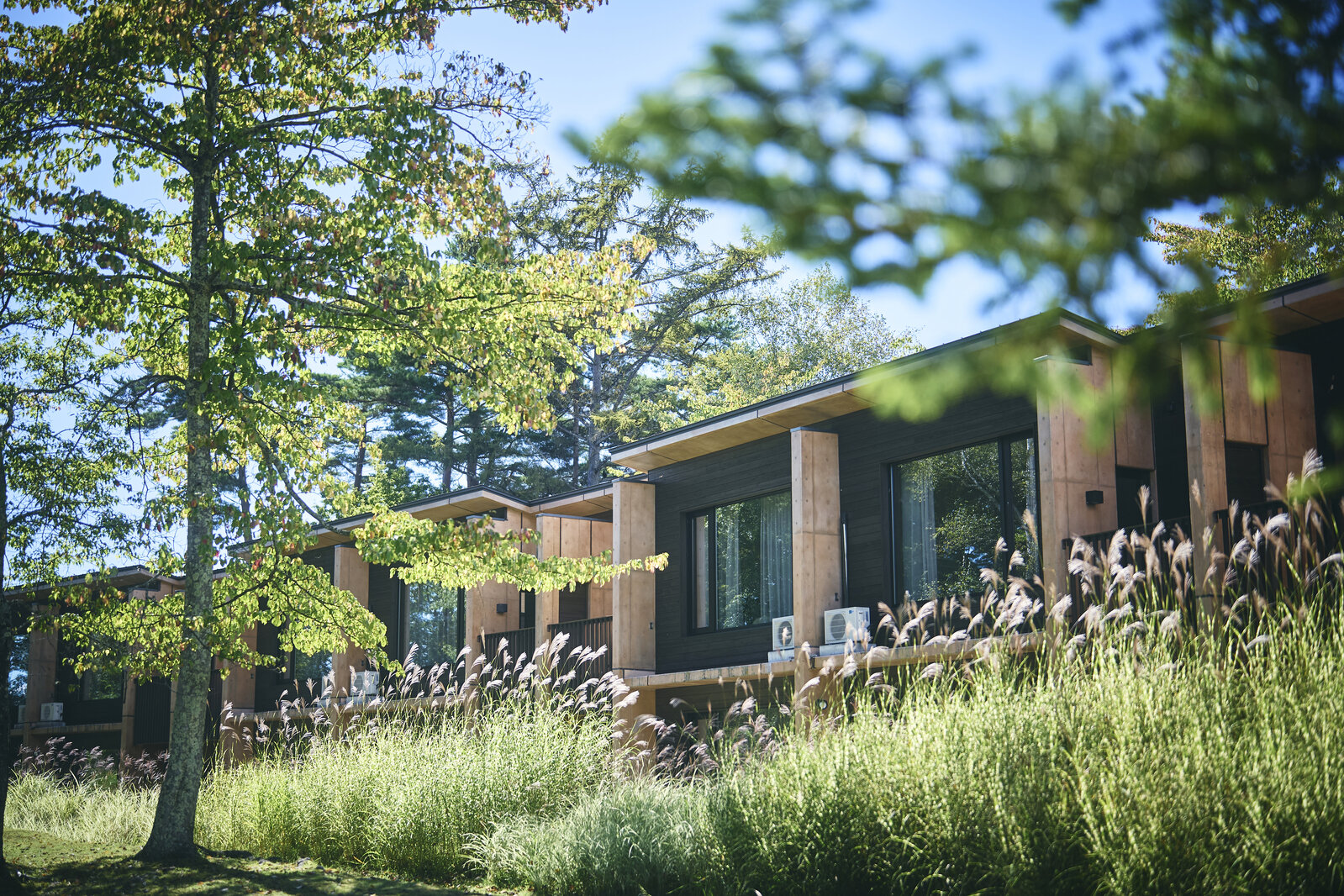
Our room opened out onto a spacious terrace. True to the hotel’s name, every room features a terrace where guests can enjoy the magnificent scenery of the Yatsugatake Mountains. The large windows are another hallmark, offering sweeping views of the starlit night skies.
In the evening, we headed to the buffet hall, which held yet more striking improvements.
To give every seat a better view of the mountains, the hotel had been designed with a raised floor between the lounge and restaurant areas. A few years ago, this height difference was leveled out for a very specific reason.
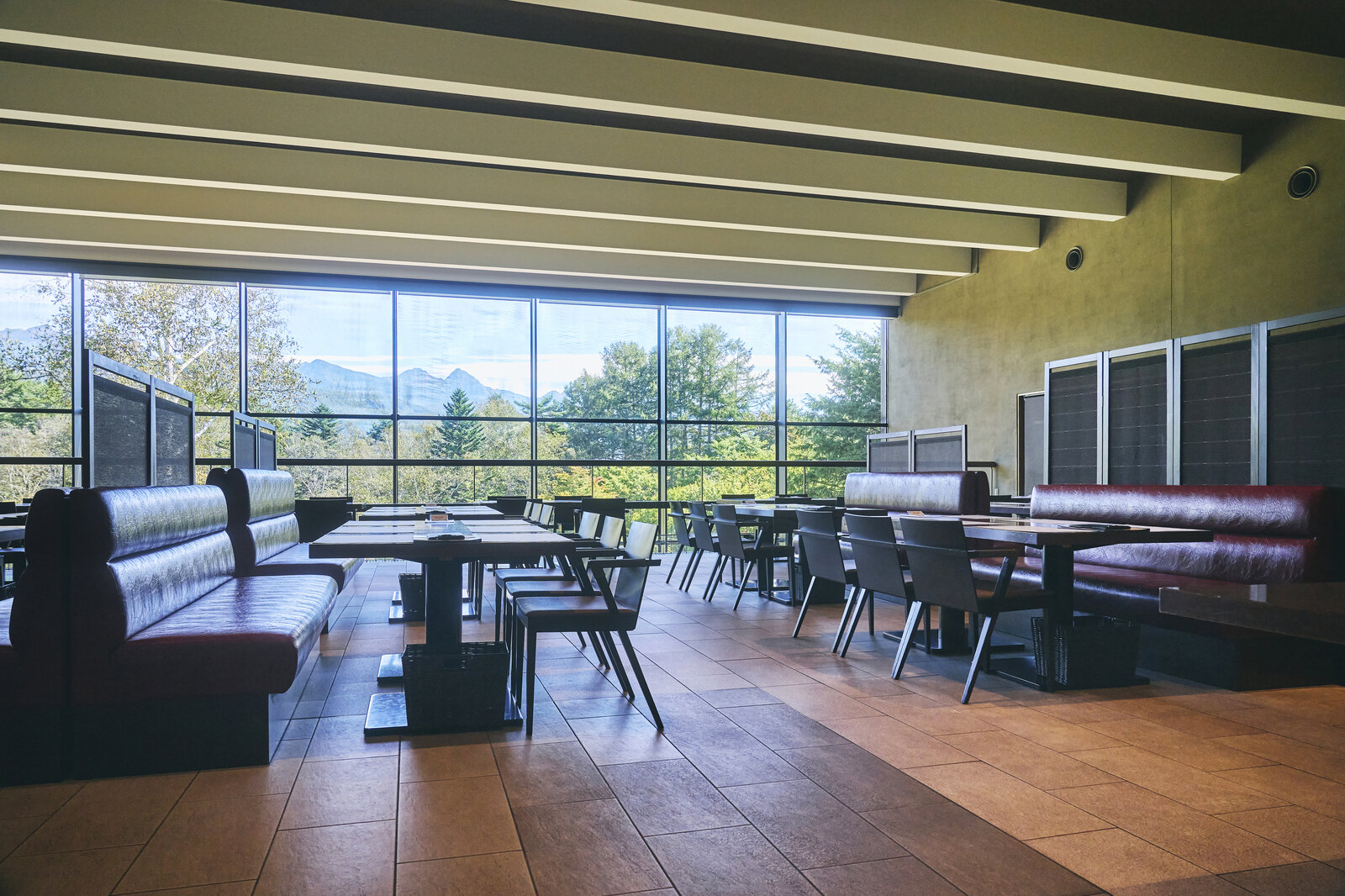
With guests of all ages, including wheelchair users, a flat floor reduces the risk of falls. Views are important, but safety is a bigger priority. Even with the step removed, diners can still enjoy the wonderful vista, along with greater convenience.
The buffet layout also incorporates a technique commonly used in Toyota’s carmaking. Here, the paths diners take when selecting their meals are measured in seconds and steps, and the data is used to optimize the arrangement of food.
Appetizers and salads, typically kept near each other, have ended up in completely different places. The reason, once pointed out to us, seemed remarkably obvious.