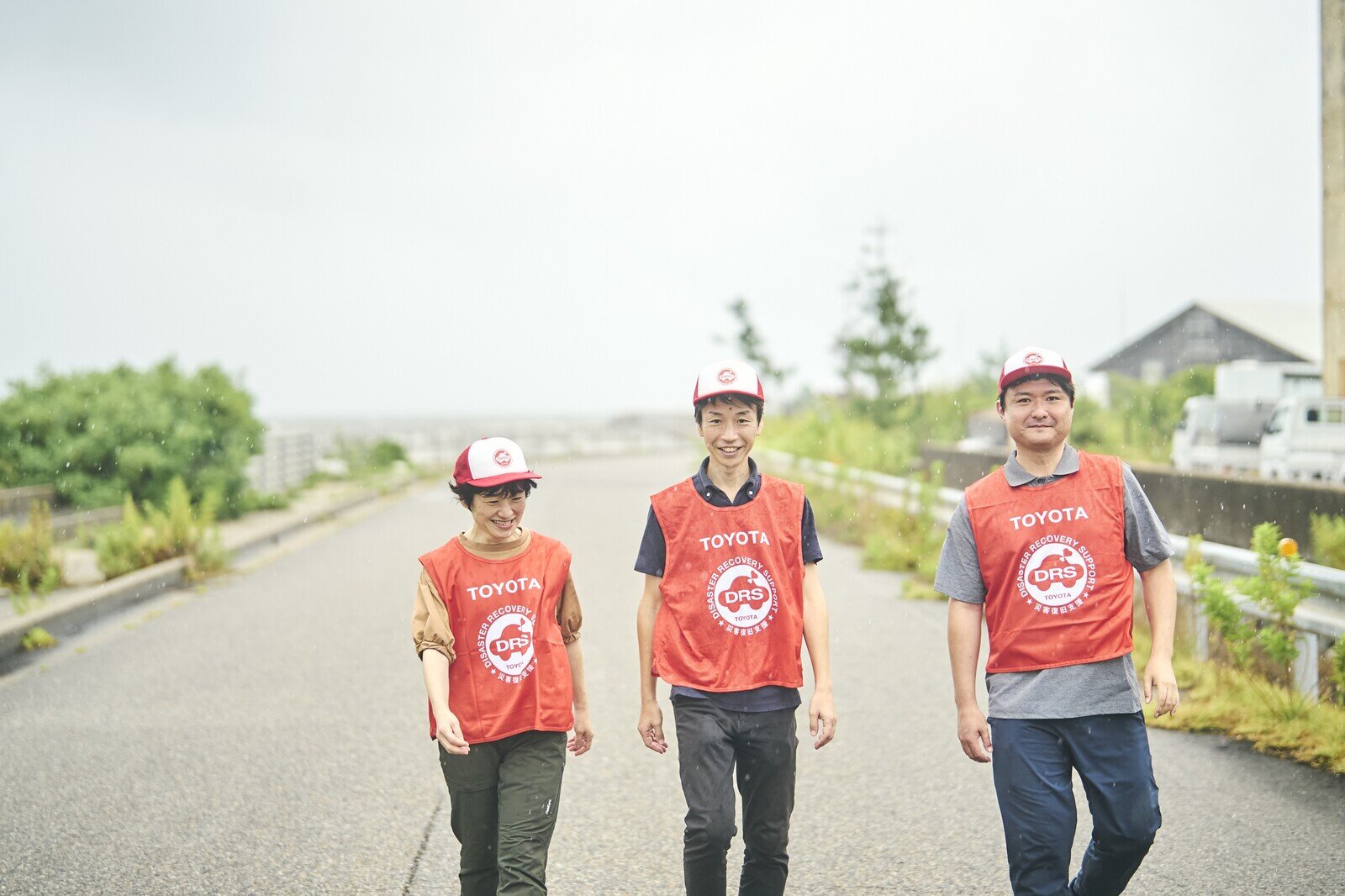
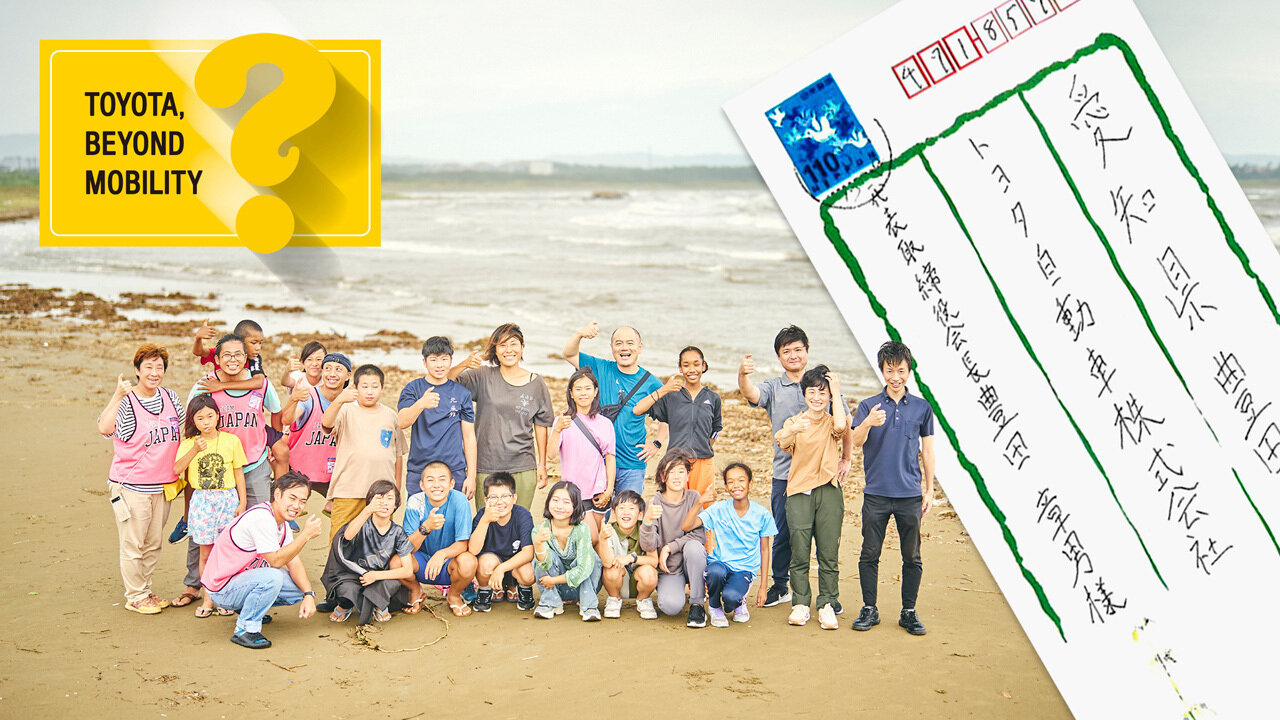
A series showcasing Toyota's activities in non-automotive fields. This time, we focus on children and disaster recovery support.
A valuable experience for volunteers
Kohya Shobu (Measurement Instrumentation & Digital Development Innovation Div.)
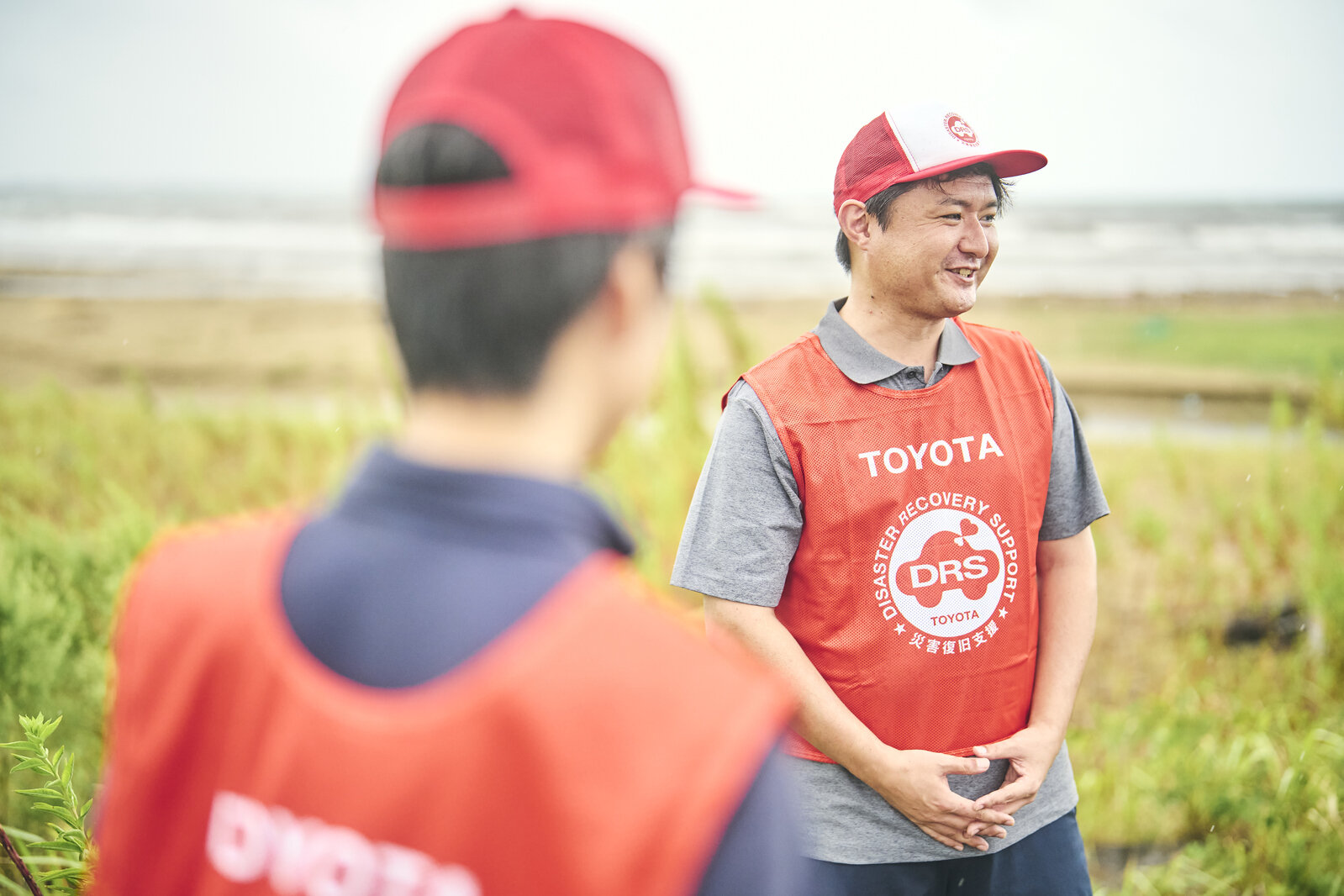
When you get your hands dirty helping out on the ground, you receive words of gratitude and gain knowledge about disaster support. You also learn skills that will be useful if you ever find yourself in a disaster situation.
In the affected areas, Toyota also delivered the kind of mobility support that only it can offer, including mobile toilets and Nukumaru mobile mist saunas. Many departments within the company looked for ways they could help and took action.
These efforts are underpinned by a “best in town” mentality that seeks to bring smiles to local people. The children who wrote letters were also driven by that same spirit of wanting to help others in need.
The spark that first ignited Kotonosuke’s interest in volunteering, and led him to write that letter, was seeing a classmate collecting donations in their neighborhood, right after the Noto Peninsula earthquake. That classmate was Yusei.
Yusei, Youth Volunteer Leader
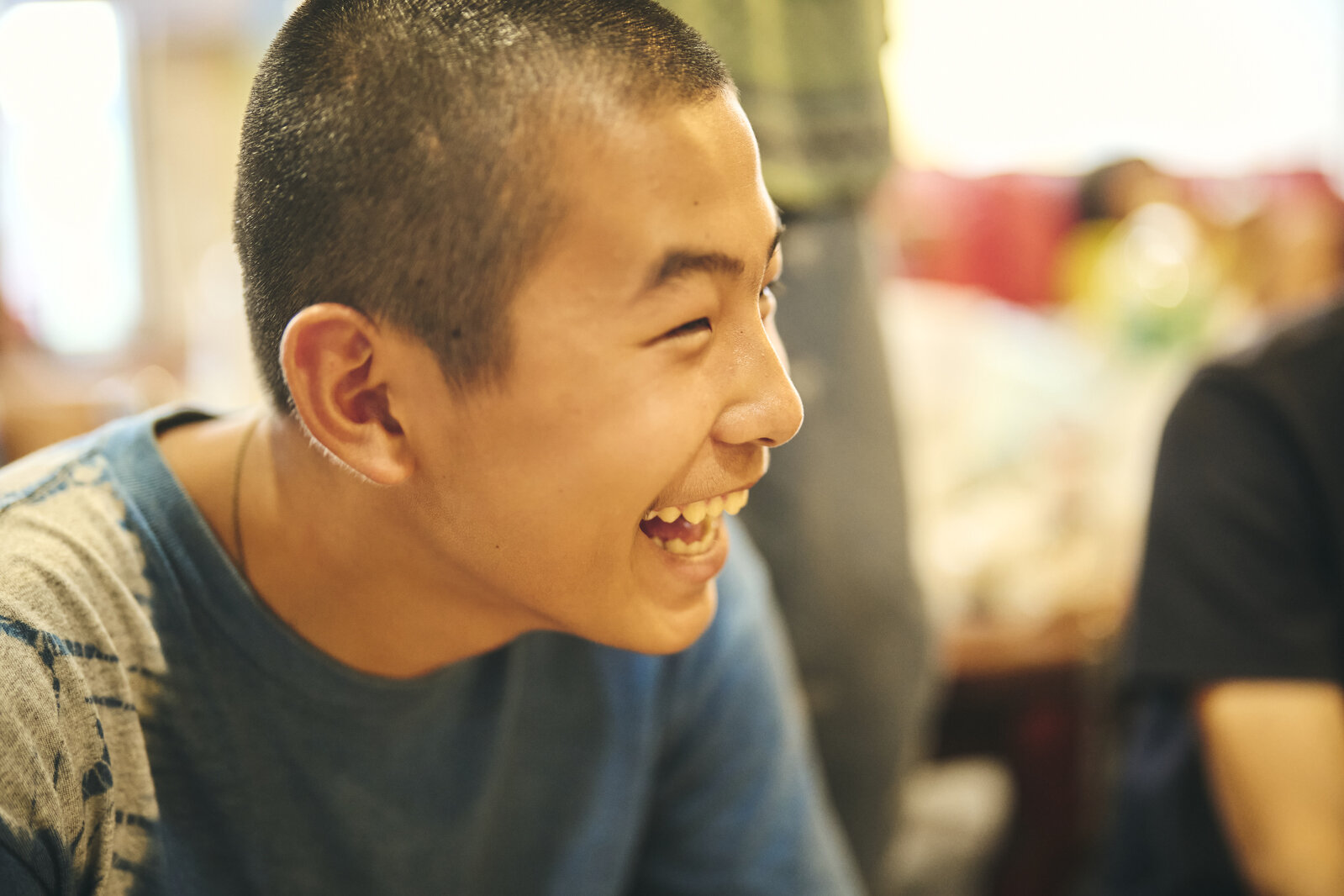
With a group of friends, we stayed up late strategizing about what we could do for people affected by the disaster. But as kids, we have no way to make money.
So, the first thing we did was make onigiri and lemonade to sell in the village, and then donated the 9,200 yen we raised. Two weeks after the quake, my dad took us to NotoNoto, and we passed the money on to an organization. Just delivering rice porridge to people in the area made them cry with joy.
Returning to Kitaaiki inspired, Yusei appealed directly to the village mayor, trying to get the whole community involved in the charity effort. In a heartwarming detail, Yusei’s legs trembled with nerves as he headed out to the village office, and he asked his mother to come with him.
The mayor proposed using the village's broadcast system to call for donations, and the campaign quickly grew. One after another, children leapt into action. How do they approach their work in the disaster-stricken region?
Kotonosuke
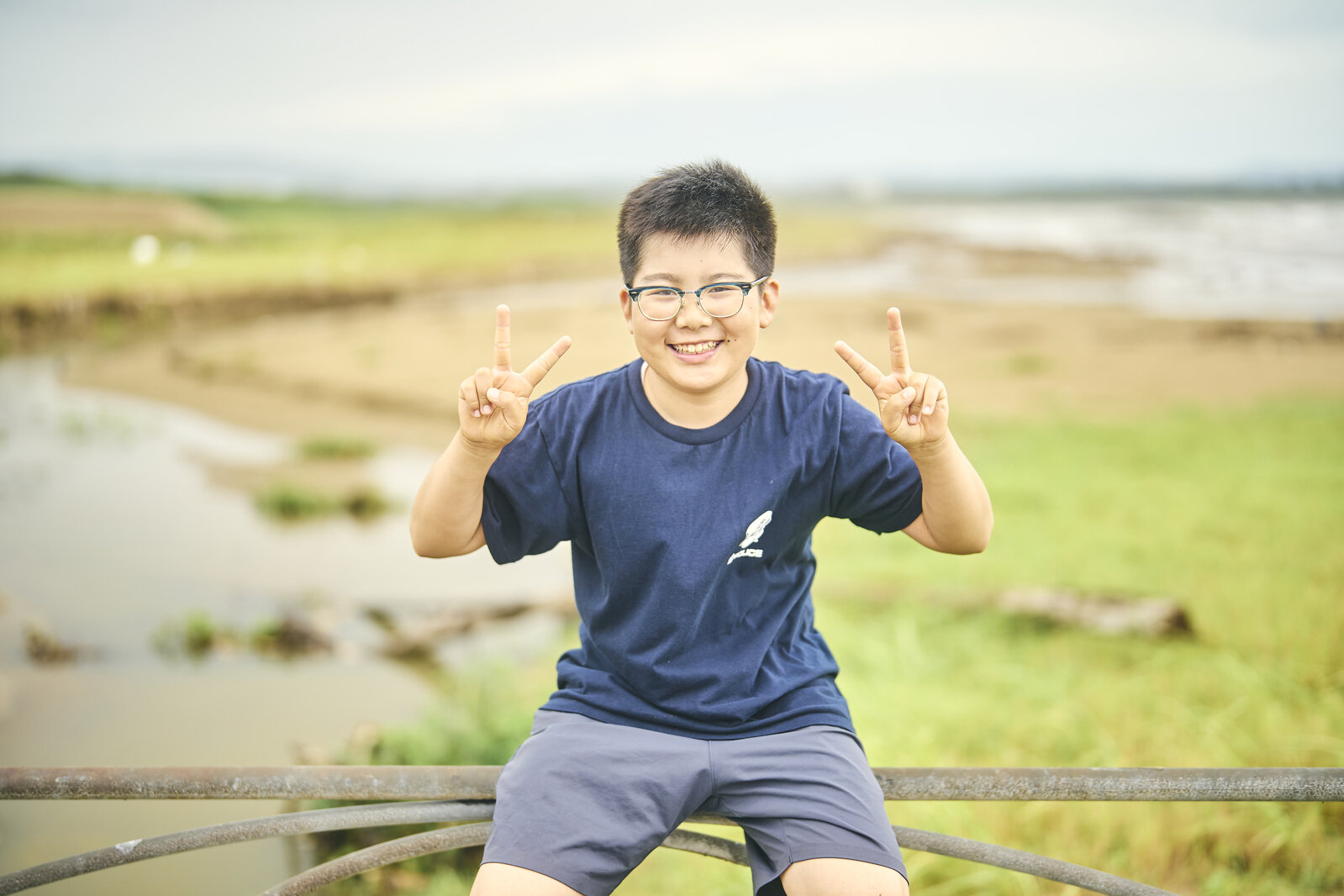
When an 80-year-old lady tells me, “I’m fine,” I feel like I need to do more for her. It’s also important to consider the other person’s feelings before you speak.
While emotional support is important, people can’t live in houses filled with mud, so next time I want to help with the physical work as well.
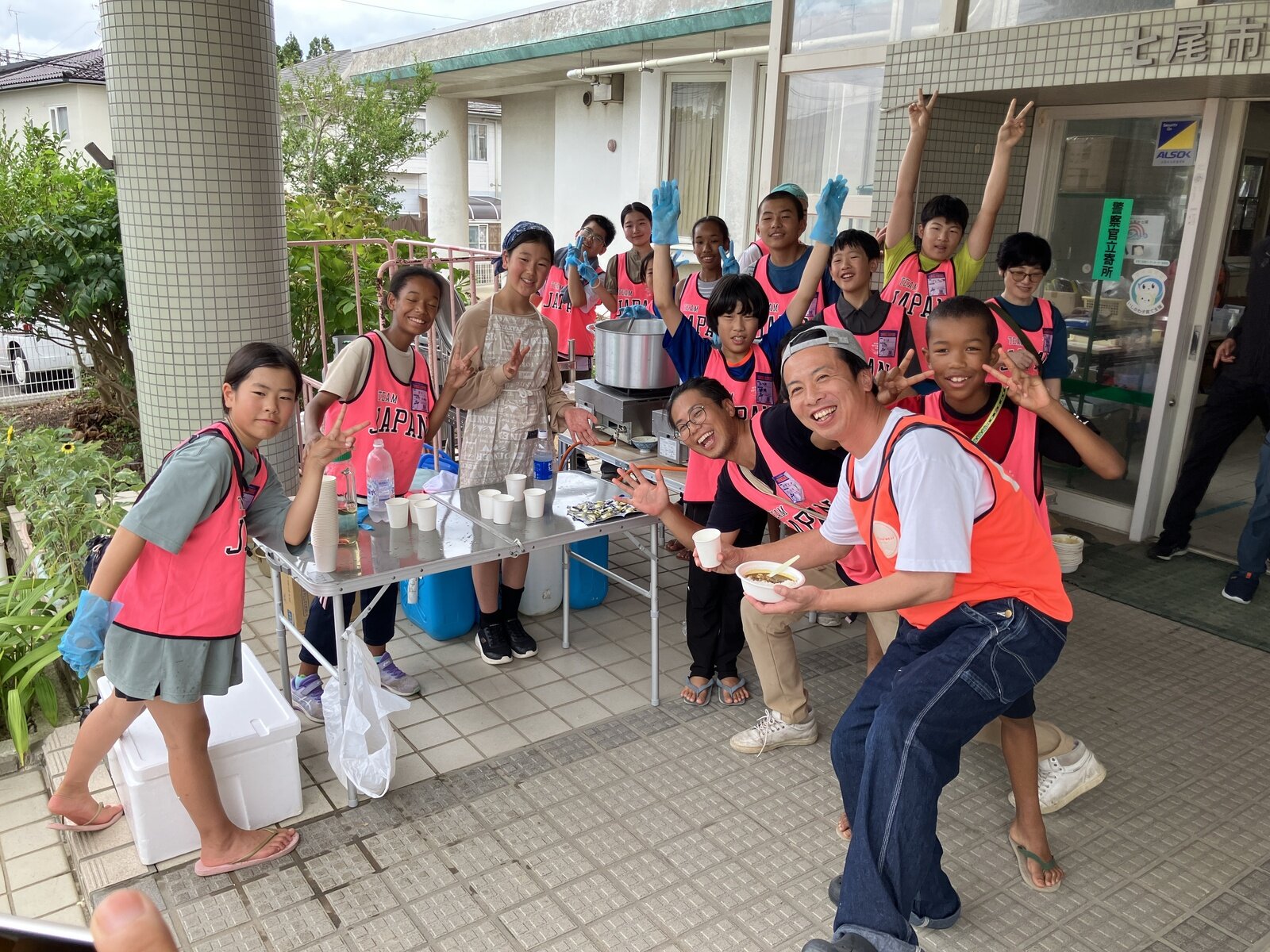
While volunteering, Kotonosuke says he became friends with a local boy, Ayanoshin, who was among those affected by the disaster.
Ayanoshin
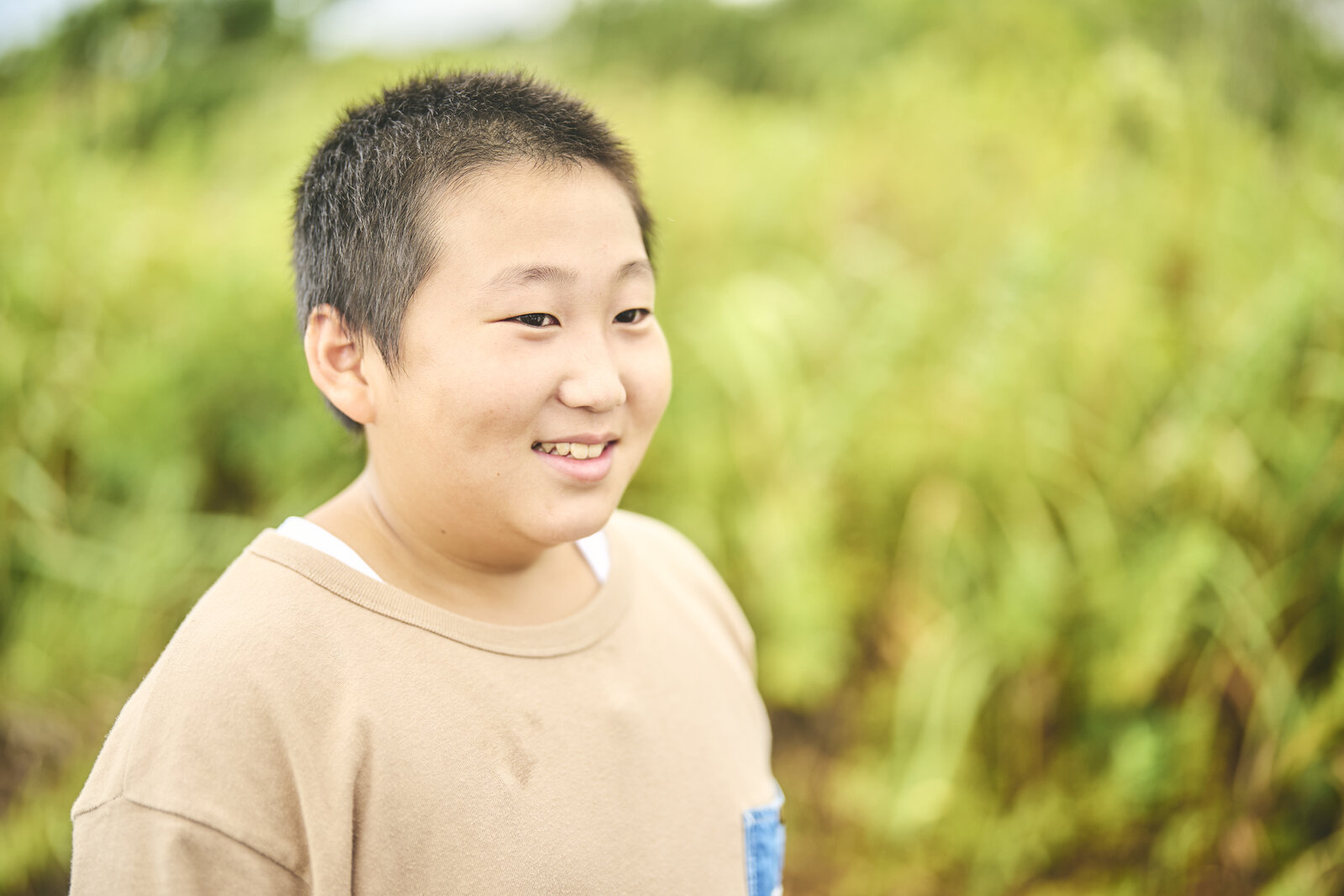
Many of my friends moved away because their houses were destroyed, but I was really happy to make new friends with the volunteers who came to our town! When the earthquake hit, the stone lanterns at the shrine fell over and it was really scary, but I joined the other volunteers because I wanted to do something for the community.
One of the support team members added:
Teru Kawabe, Team Japan
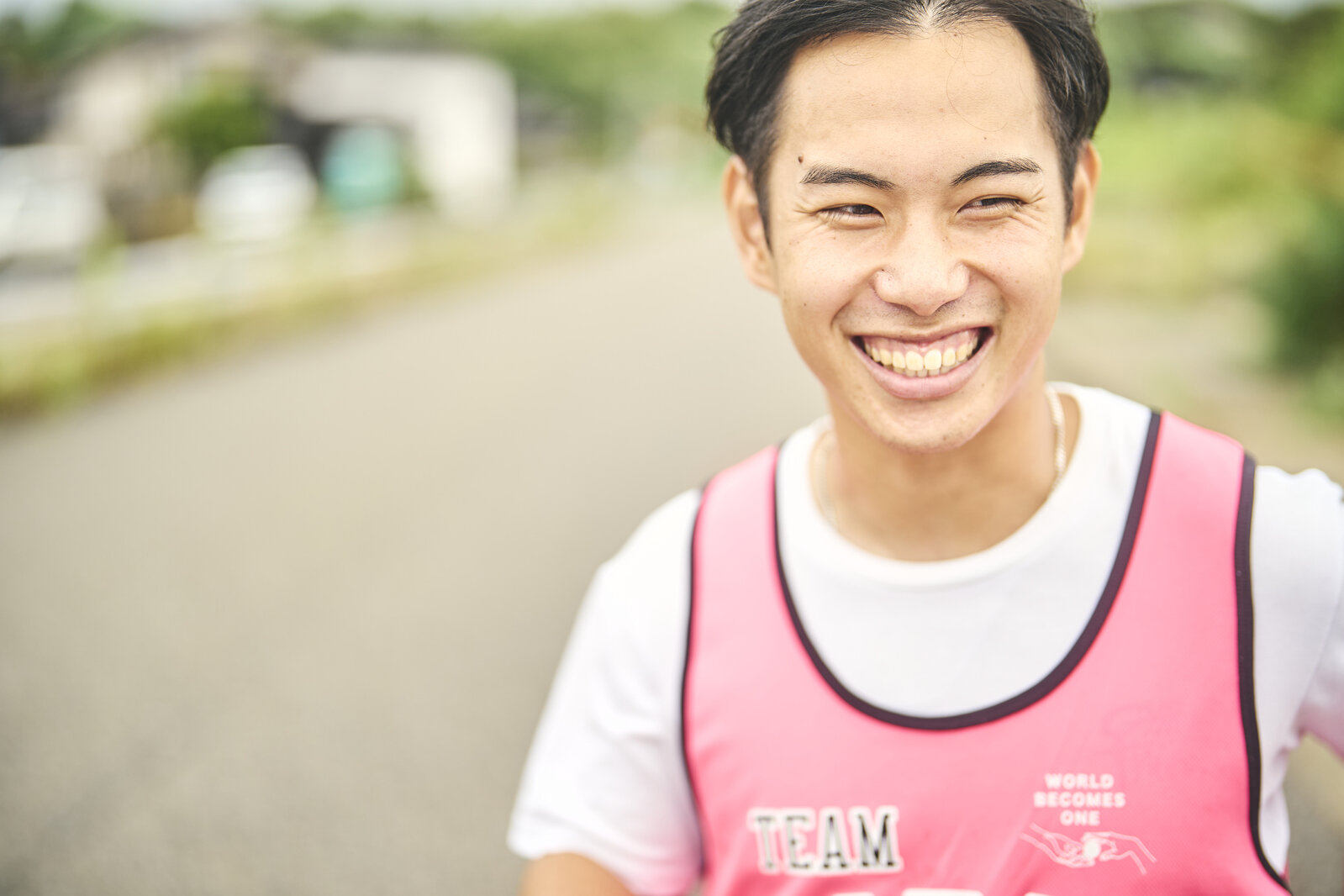
With the population aging, there were already few children here, and after the earthquake there are even fewer. That’s why, when the children come to help, it truly brings joy to the hearts of the older residents.
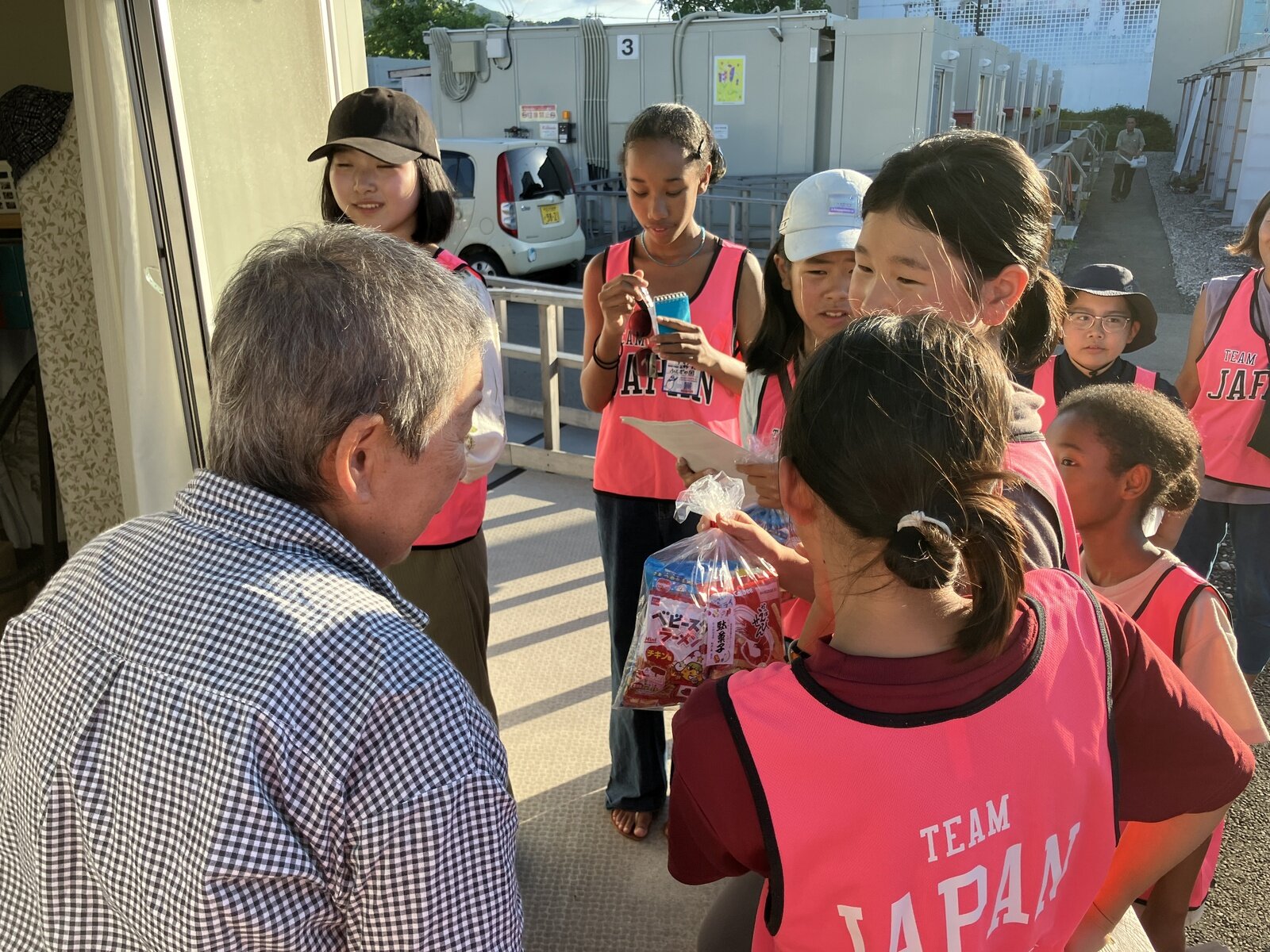
Helping as only children can
Reiko Miyazaki (Production Parts Logistics Div.)
Volunteering is also wonderful for the children’s education. Hearing friends report on what they have done also teaches them a lot, as they learn about different perspectives. I too learned an important lesson from the children: speak your mind, and put those words into action.
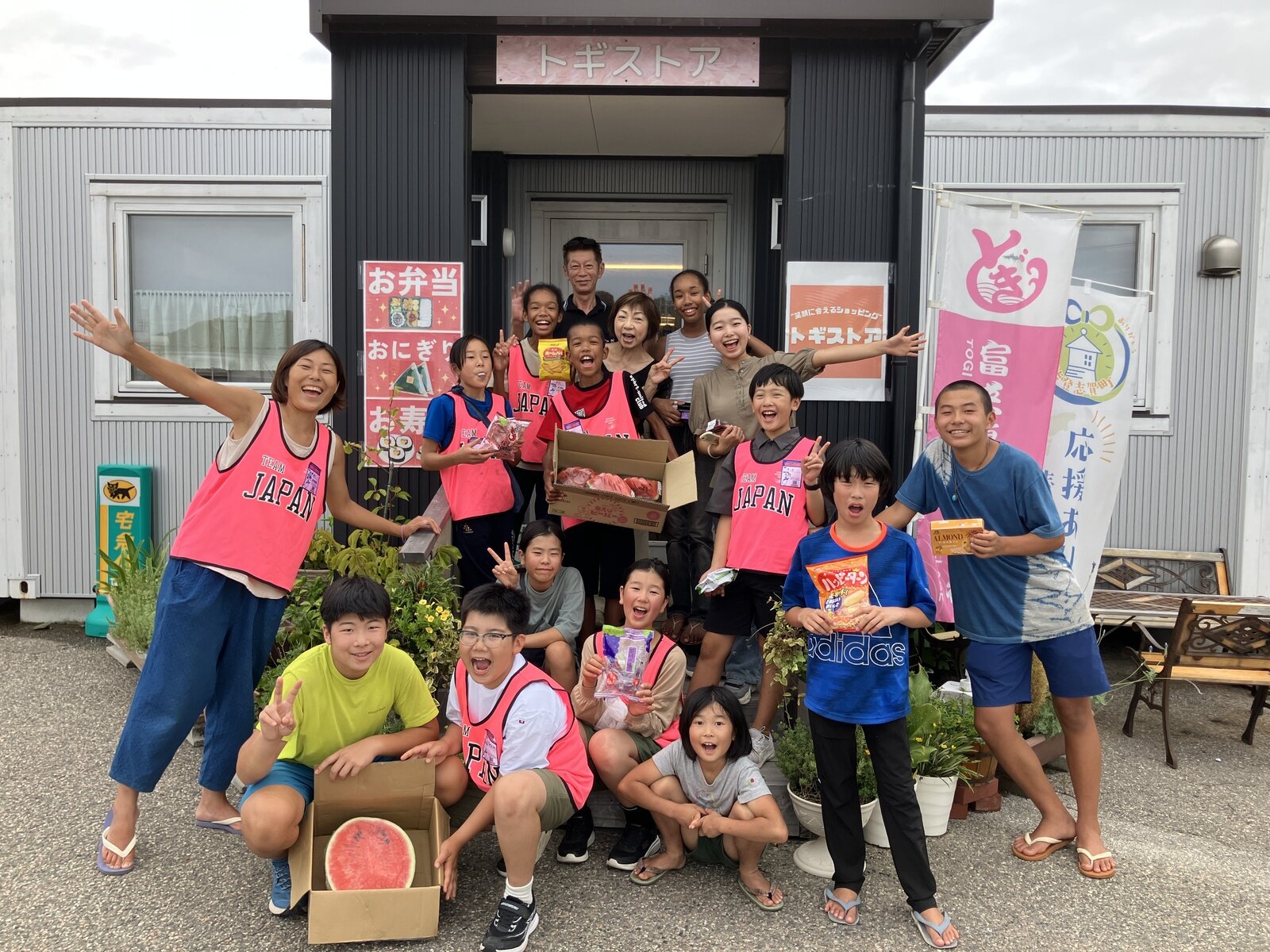
Kohya Shobu (Measurement Instrumentation & Digital Development Innovation Div.)
Simply having children around brightens up a place. Adults could never hope to have the same effect. I was impressed to see them coming up with ideas that we just don’t think of, such as offering to water flowers at the temporary housing. They gave us a whole new perspective.
Those displaced by the disaster also shared their thoughts.
Tanaka, Former Wajima City Social Welfare Council Employee
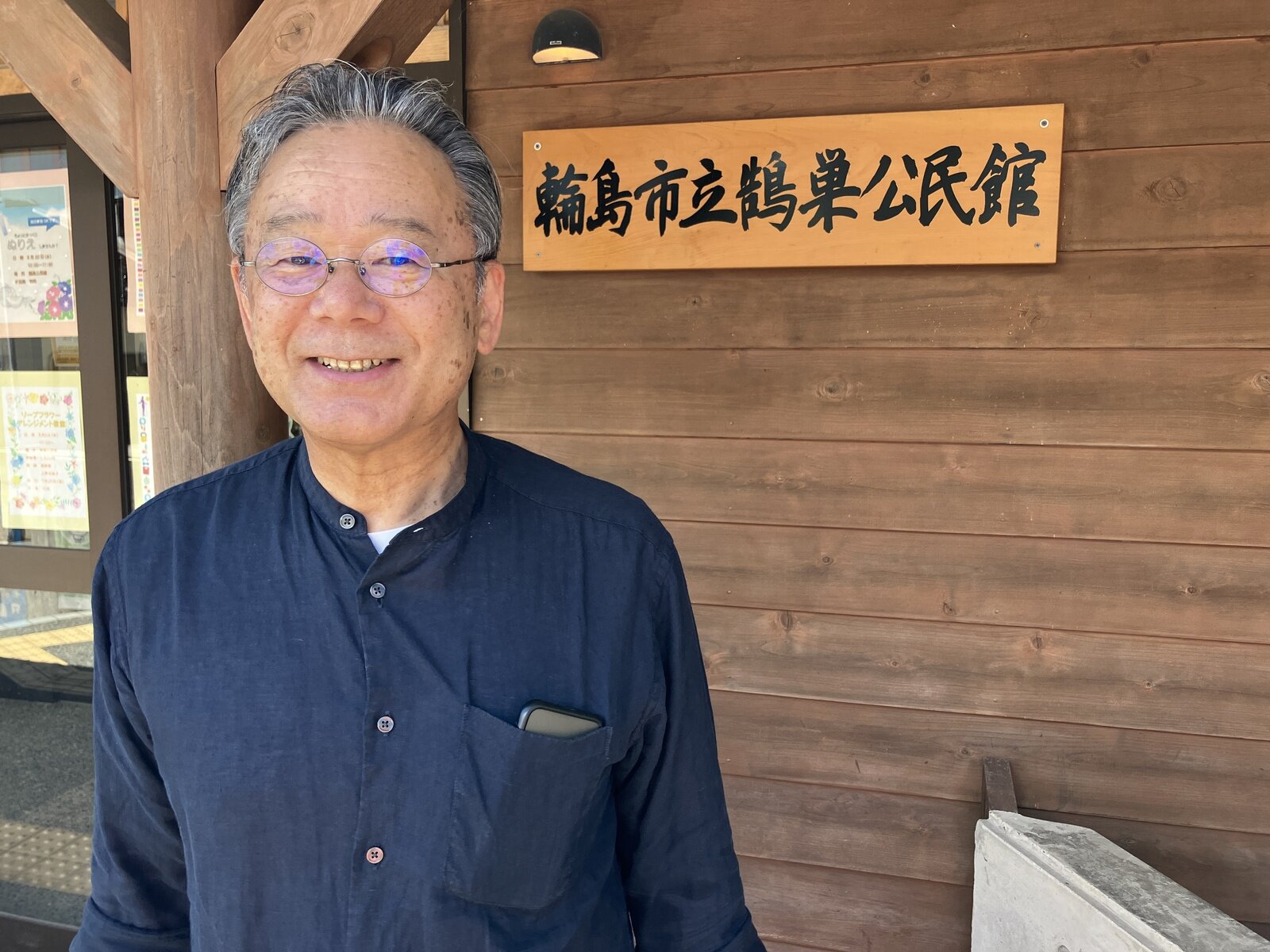
Living in temporary housing, you really become less physically active, so I’m grateful to the children for giving us opportunities to go outside. Being exposed to that different energy is fun, and interacting with other people is extremely important. I think they provide emotional support for the people of Wajima, and a breath of fresh air.
Thanks to these activities, even as the children grow up, I am sure they will never forget the importance of assisting others.
Spending time with the volunteers on the ground, we found the very essence of what it means to be human: learning from each other, growing together, and joining hands to help those in need.
Many people in Noto still need that help. And soso, the volunteers continue to roll up their sleeves, carrying on with their tireless efforts.