



A series showcasing Toyota's activities in non-automotive fields. This time, we focus on children and disaster recovery support.
Kitaaiki is a village in Nagano Prefecture with a population of just 670. One elementary school student there from the local elementary school wrote a letter to Chairman Akio Toyoda, asking for help. What coulddid a schoolboy’s troubleschild’s concerns possibly have to do with Toyota’s chairman?
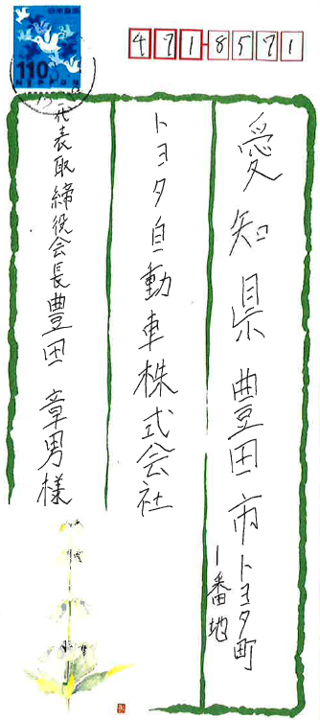
The letter wasn’t a personal request, but rather a plea to help others in need. This was no ordinary schoolboy!
His name is Kotonosuke Fujii, a fifth grader at the time. As a regular participant in volunteer activities, he was hoping that Toyota’s disaster recovery support team might assist with efforts on the Noto Peninsula.
Kotonosuke Fujii
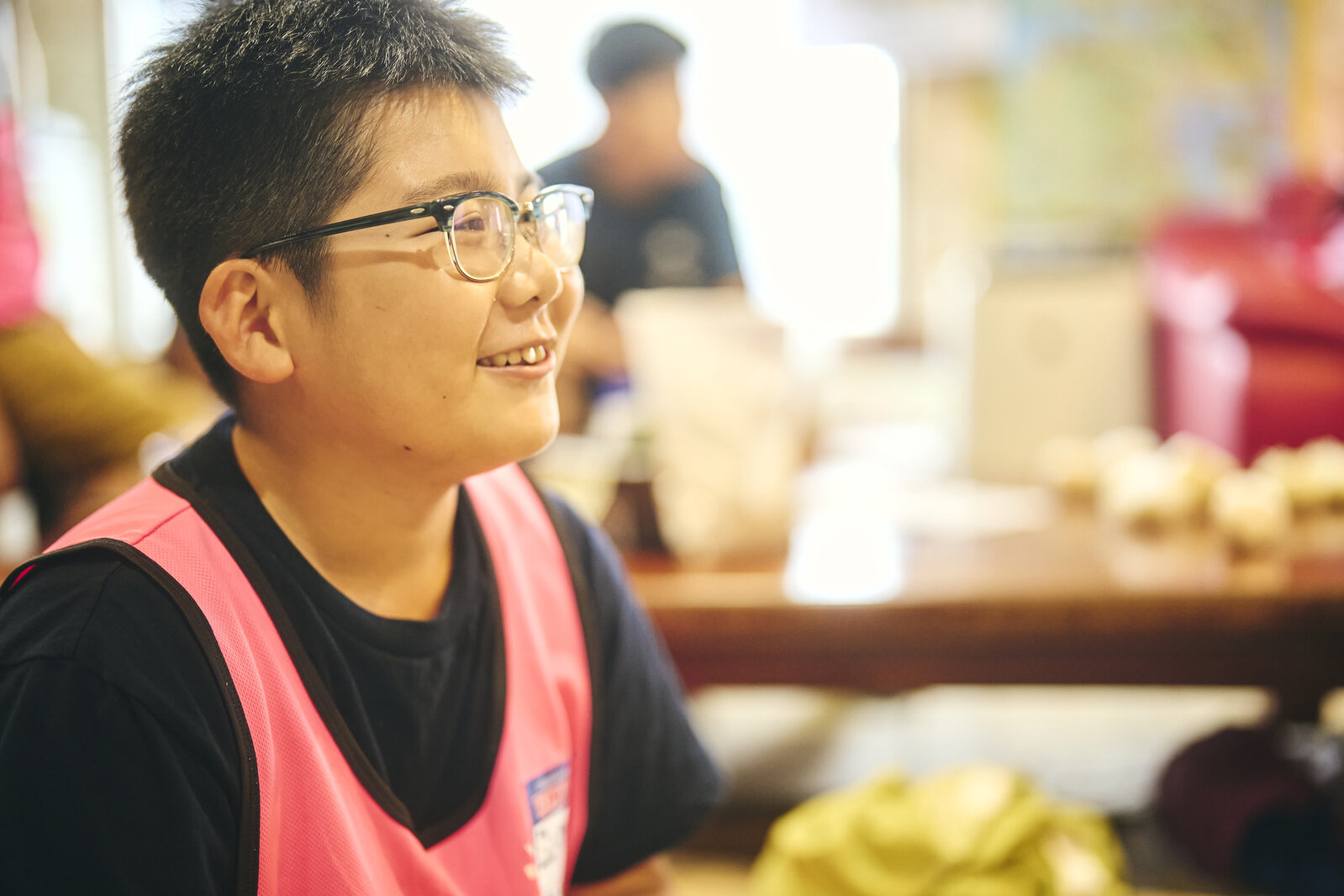
To be honest, I had’d already given up hope—there was’s no way he’d’s gonna write back! Then a while later my mom told me that a reply had come from Toyota, and I was shocked. “What?! No way!”
By that time everyone was saying I had done a great job just by sending the letter, and suddenly I was overjoyed.but then all of a sudden, “Yay!”
How had he known about Chairman Toyoda?
“My dad showed me a video of his speech at Babson College,” explained Kotonosuke. “I thought, this person is amazing.”
“I was just terrified”
What prompted Kotonosuke to write the letter was the fear he felt upon first seeing the disaster area in Noto. The highway had collapsed down a cliff, and most houses were destroyed. Large trees lay fallen on top of homes.
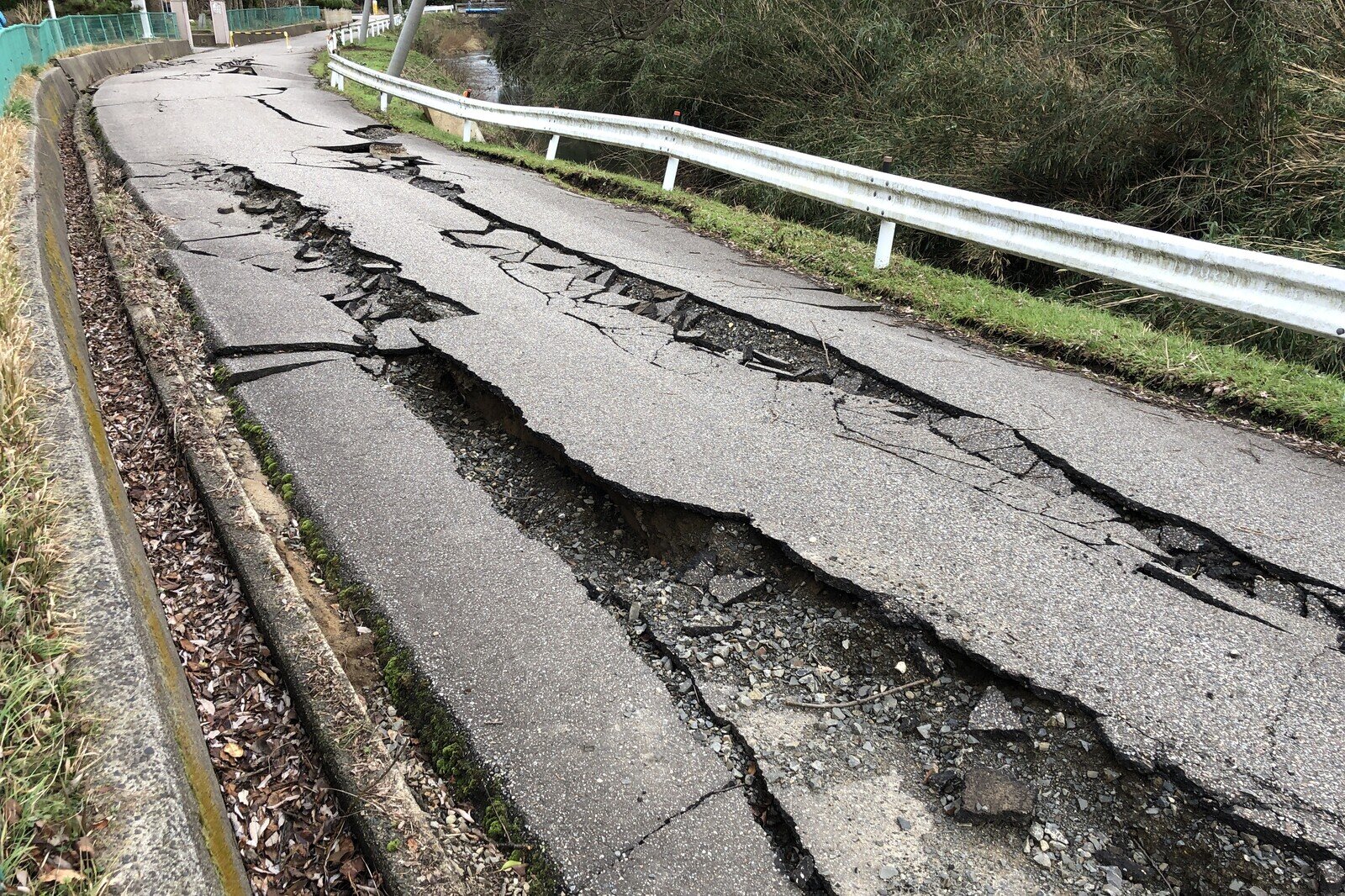
“What’s going on… I don’t understand,” he recalls thinking. “I was just terrified.”
Six months after the earthquake, the area was hit by heavy rains. The softened ground made rebuilding homes difficult, and the children's spirits sank as well. “How can a whole town be left unusable like this…”
All the more reason why those in need must not be neglected. As he thought about the problem, Kotonosuke hit on the idea of enlisting Toyota’s disaster assistance expertise. But why does the carmaker even have a dedicated disaster recovery support team?
Yoichi Takagi (Corporate Citizenship Div.)
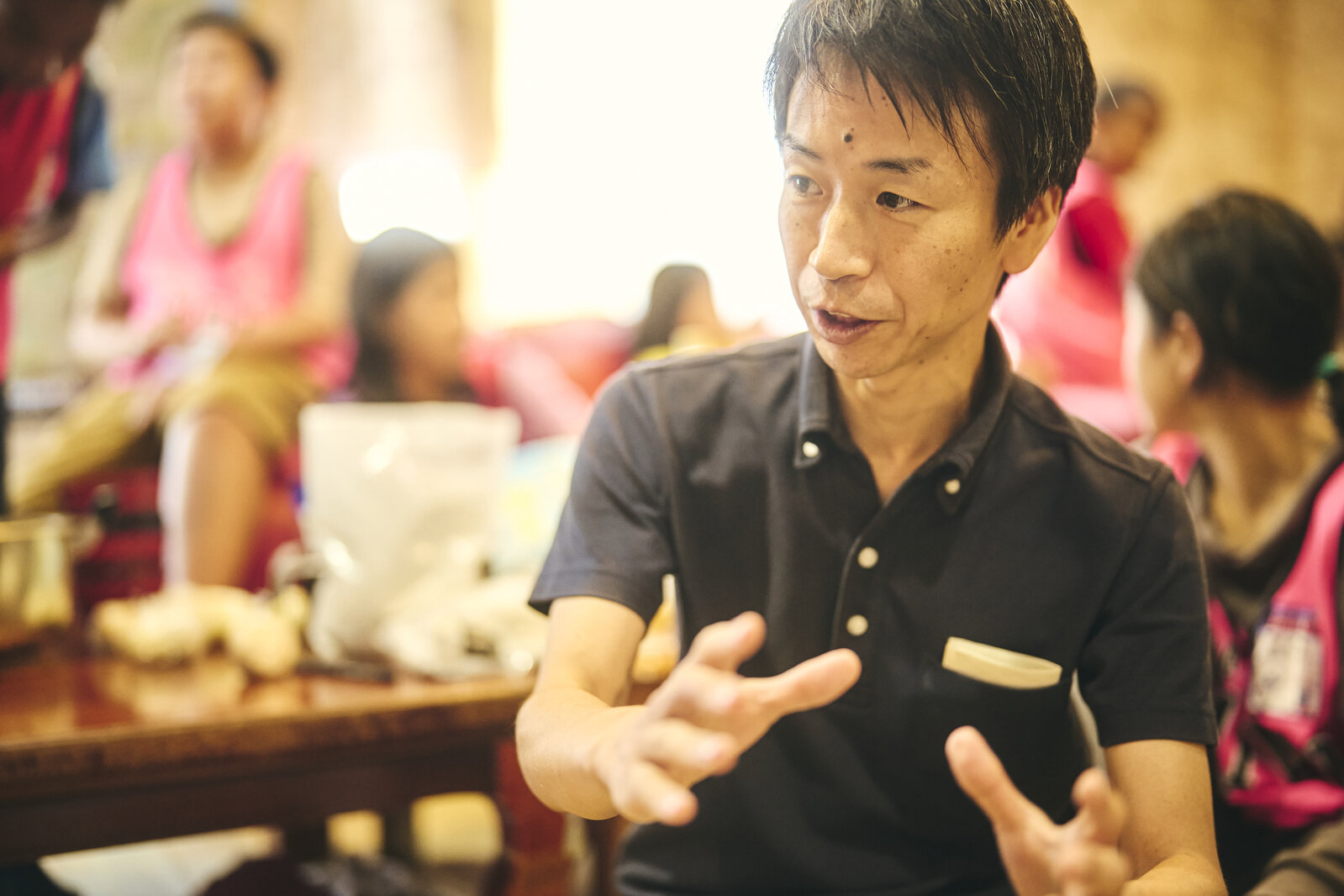
Municipalities all around the country hold training courses for disaster volunteer coordinators. The purpose is to nurture people who can serve their communities and save lives in the event of a disaster.
Among Toyota employees in Japan, we also have around 300 volunteer coordinators who have taken the training on their own initiative. When a disaster occurs, our specialized Toyota Disaster Recovery Support (TDRS) team within the Corporate Citizenship Division leads the response, contacting these 300 individuals to see whether they are able to go and provide assistance in the affected area.
Toyota’s 300 disaster relief volunteers
Having long delivered disaster relief in the form of vehicles and donations, in 2018 Toyota established its dedicated TDRS team. Since then, the company has also provided hands-on assistance via people on the ground, harnessing the carmaker’s resources and the expertise cultivated through its core business.

Together with TDRS, the volunteer employees take leave from work and rush to where people need aid. While traffic congestion and damaged roads make it difficult for individuals to get around, TDRS arranges safe travel routes and accommodations to make the process smoother.
Even in Japan, few companies undertake such efforts.
Yoichi Takagi (Corporate Citizenship Div.)
After the Noto Peninsula earthquake struck on New Year's Day, by January 5, we had begun organizing within the company to send out 1,200 copies of our guidebook for safely sheltering in a car, 1,800 flyers on sheltering in cars, and large quantities of compression socks to prevent deep vein thrombosis.
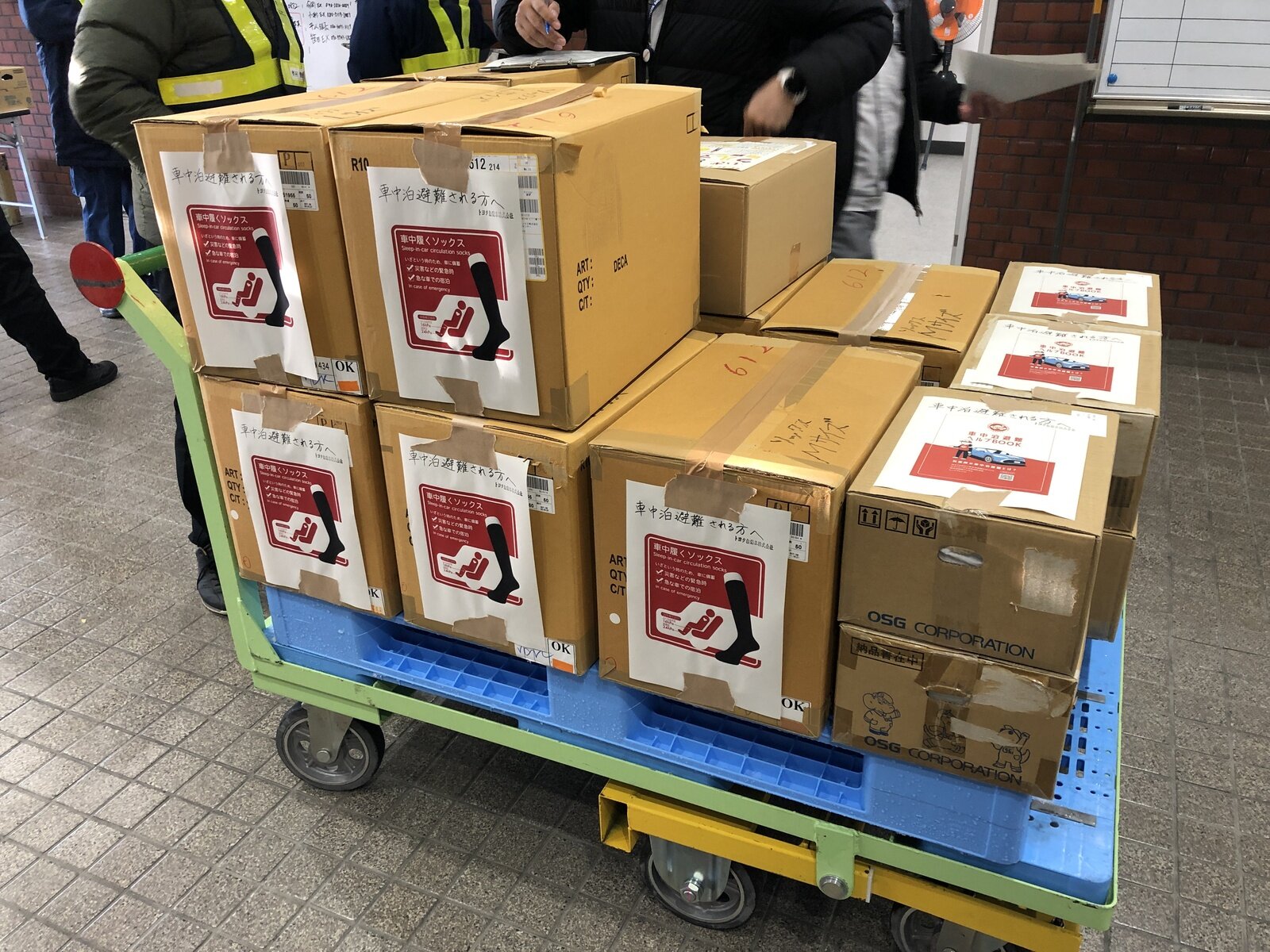
By the end of January, TDRS was also assisting with the running of volunteer centers. At the same time, it was coordinating with Toyota Group companies and dealerships.
As well as providing personnel, the team also assisted with administrative paperwork, preparing manuals, and delivering the supplies arriving from across Japan to those in need. We spoke with one member who was volunteering in Noto for the third time about what it means to her.
Reiko Miyazaki (Production Parts Logistics Div.)
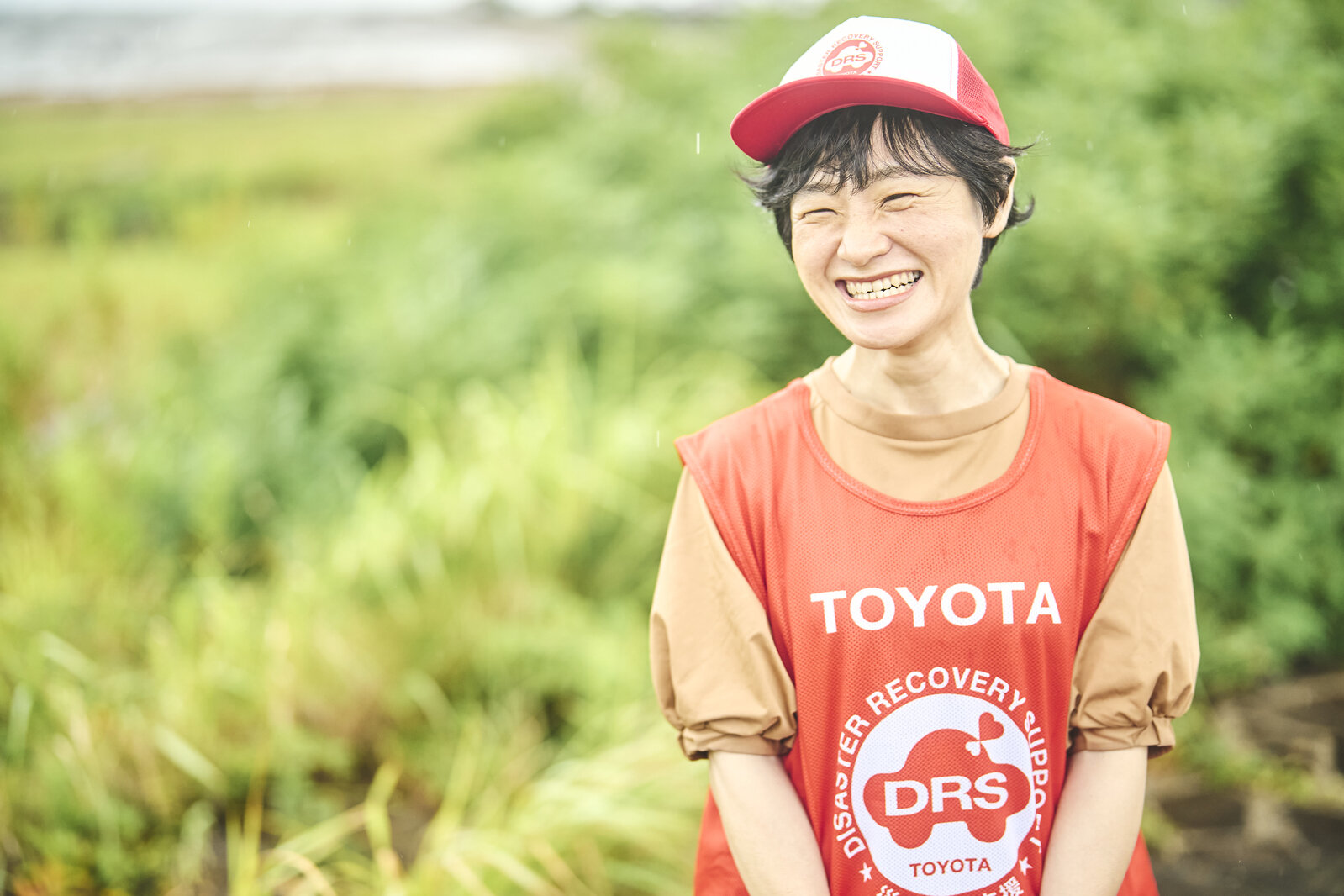
Even as a woman who is not very physically strong, there is always something for me to do. When visiting the affected areas, you can see that they still need more people, so I keep going back as a volunteer.
Local residents have told me, “Having you here helps us to move forward.” Hearing that makes me truly glad that I came, and motivates me to keep going.
Others have found that volunteering is not only good for the people they help, but also for themselves. We asked what they meantdecided to dig deeper.