


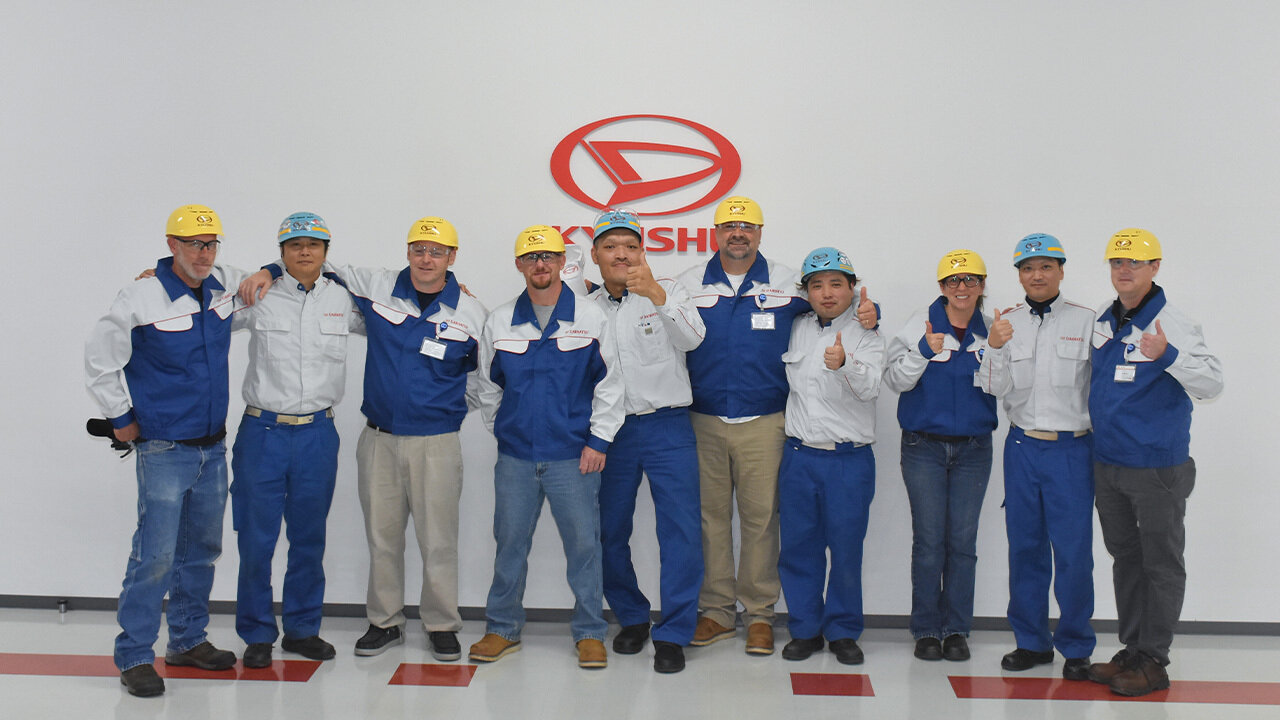
Born in Japan. Soon to be built in America. But how do you bring a distinctly Japanese truck to life on the other side of the Pacific? Teams at Daihatsu Kyushu and Toyota Motor Manufacturing Indiana (TMMI) are working together to answer that question.
A Japanese “National Car” Crosses the Pacific
On November 9, Toyota Motor North America (TMNA) introduced Scion by Toyota, a new brand for North America. Its first model, the KEI-01, is an ultra-compact utility truck inspired by Japan’s kei trucks. Powered by a 660cc three-cylinder engine with a CVT and four-wheel drive (4WD), the right-hand-drive vehicle will come to the U.S. in the second half of 2027.
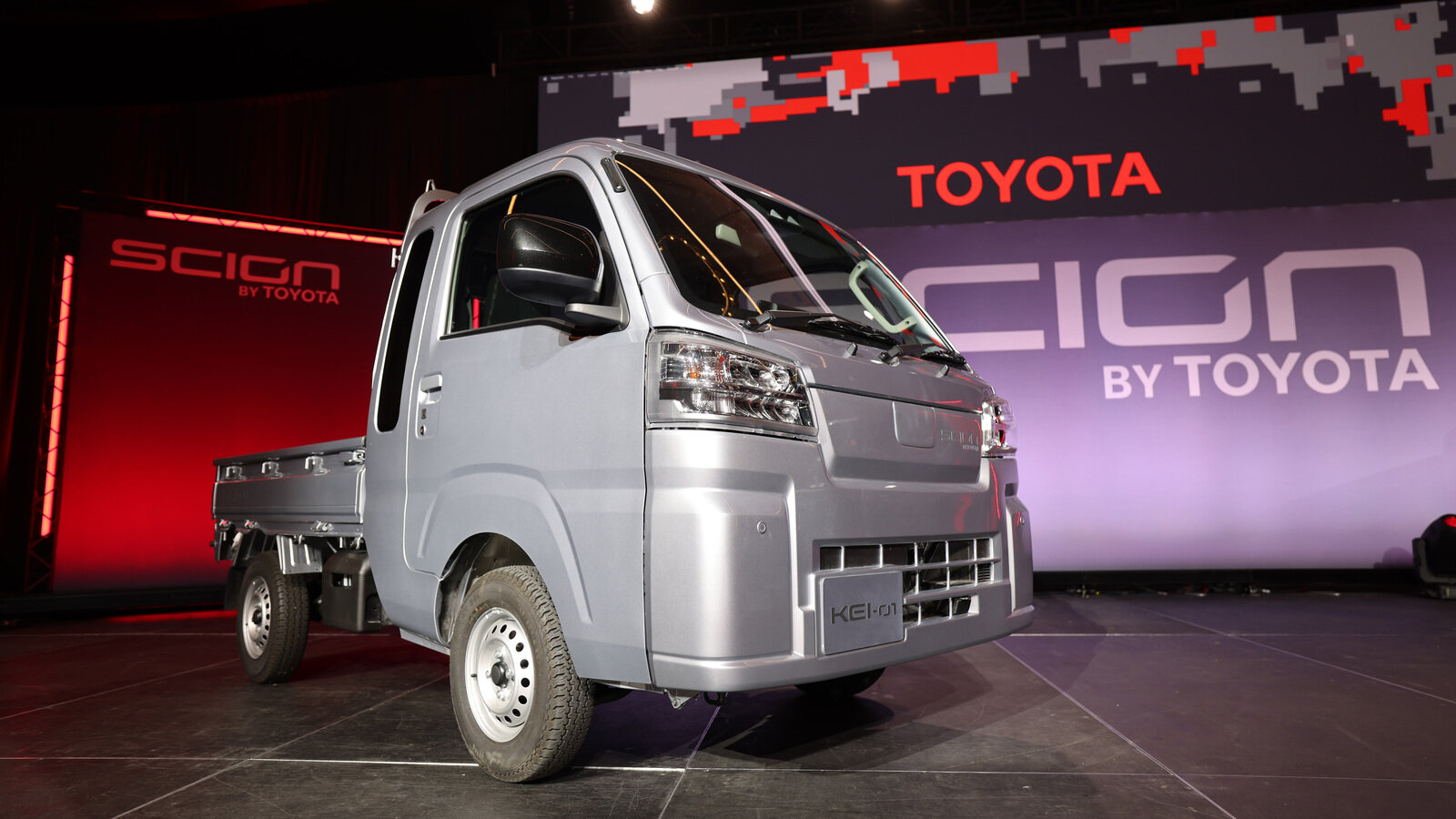
Born from Japan’s roads and daily life, kei trucks have long supported people’s mobility and work. Chairman Akio Toyoda often refers to kei vehicles as Japan’s “national car,” reflecting how deeply they are embedded in everyday life in Japan.
The KEI-01 will be assembled at Toyota Motor Manufacturing Indiana (TMMI) using the semi-knockdown (SKD) method, with parts shipped from Japan. It will be Toyota’s first kei vehicle assembled in the United States, and the project is supported by a $34 investment and expected to create approximately 50 new jobs.
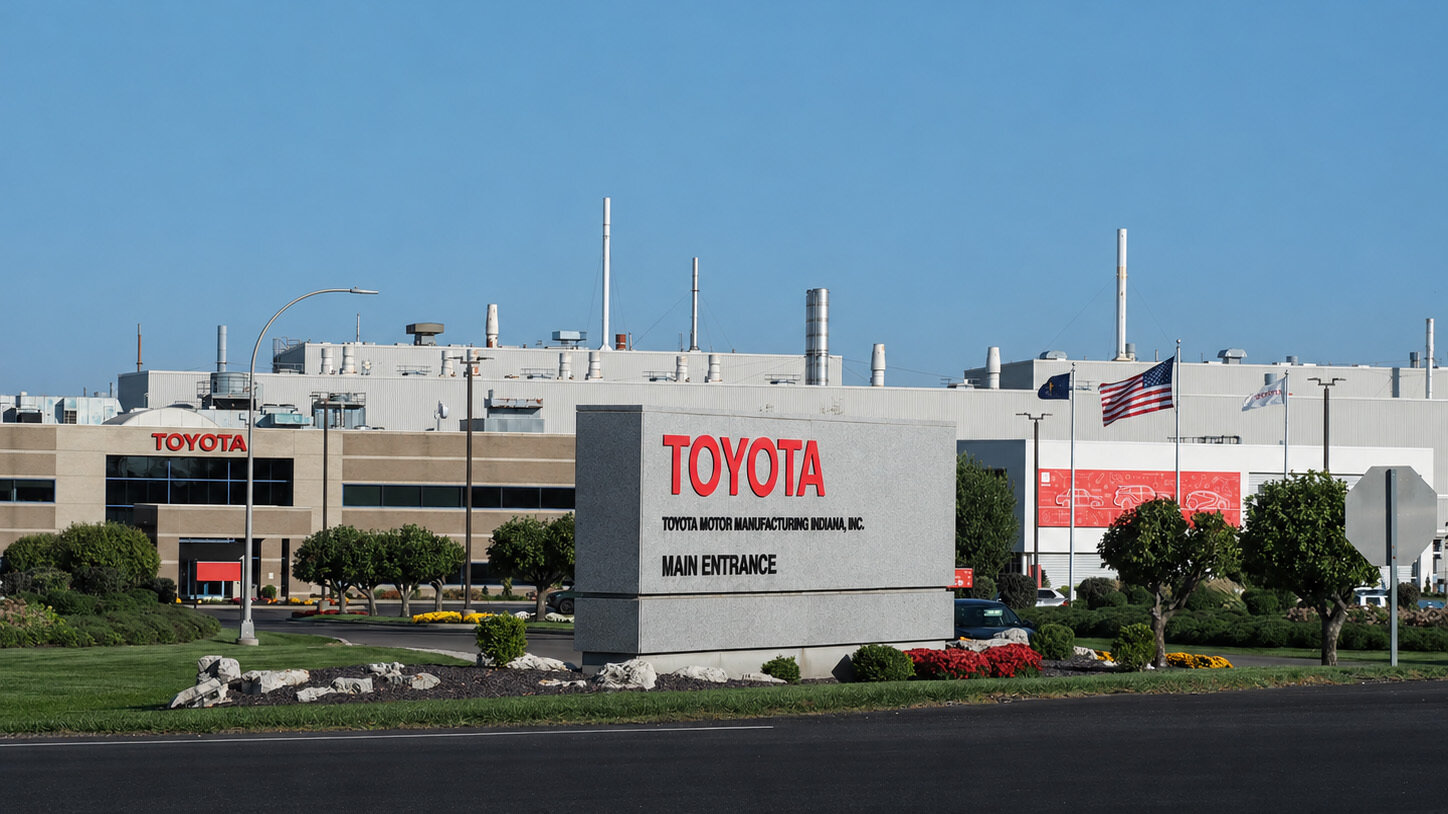
TMMI currently builds relatively large vehicles, including the Sienna, Grand Highlander and Lexus TX. Now a small kei truck from Japan is set to join them, giving the TMMI team a very different kind of production challenge.
TMMI President Jason Puckett says the project reflects Toyota’s confidence in the plant and its people.
Jason Puckett, President, TMMI
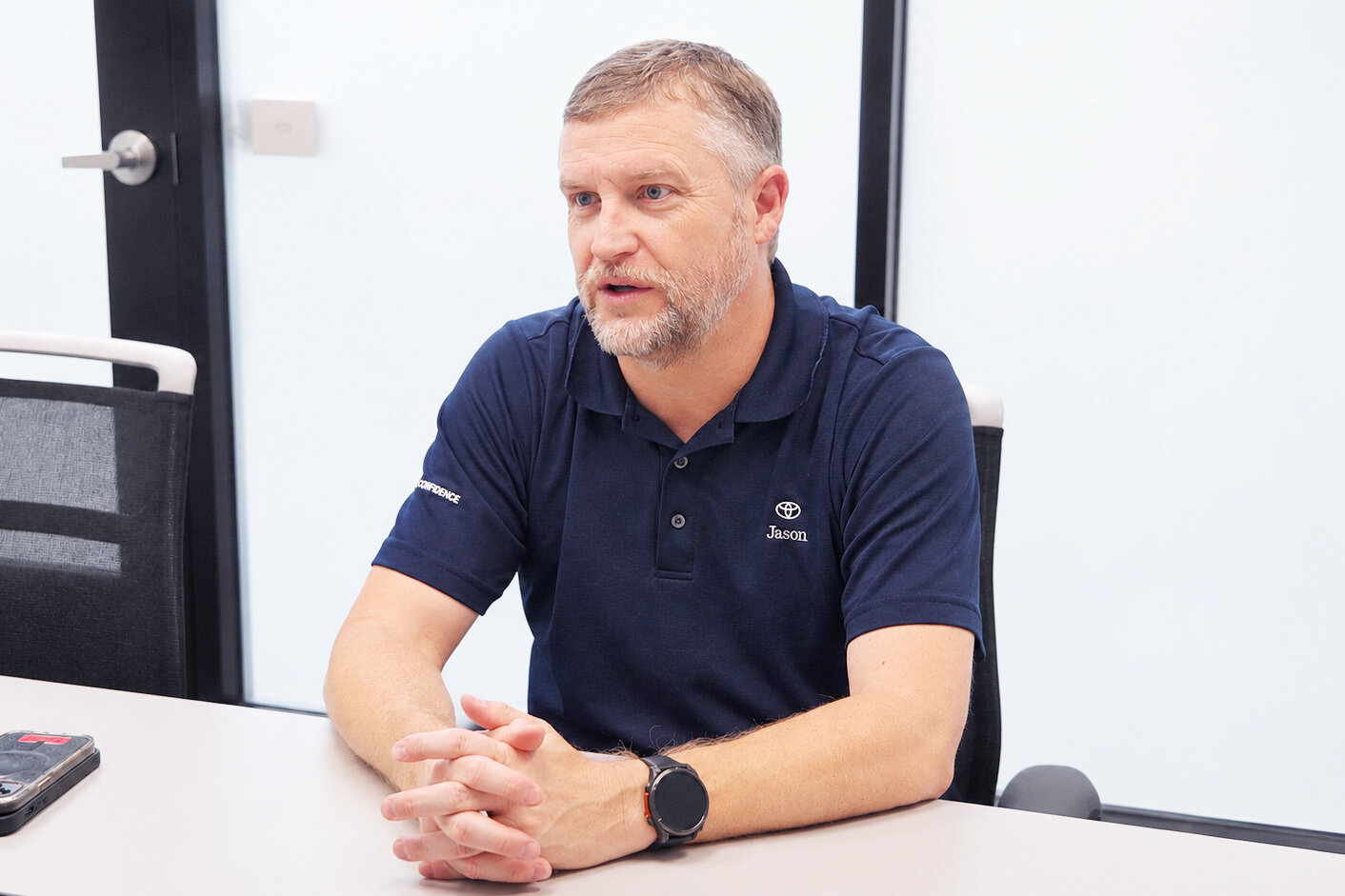
I was excited when I first heard it was possible. It’s something different—a new challenge.
More than anything, we’re happy that Toyota believes in us, our team members and the quality we produce here. One of TMMI’s strengths is the passion and can-do attitude our team members bring to the plant. On a unique project like this, that is a big strength.
Our team is ready for the challenge. I’m excited to see what this could open up.
The members preparing the KEI-01 for production at TMMI come from assembly, inspection, production engineering and other functions.
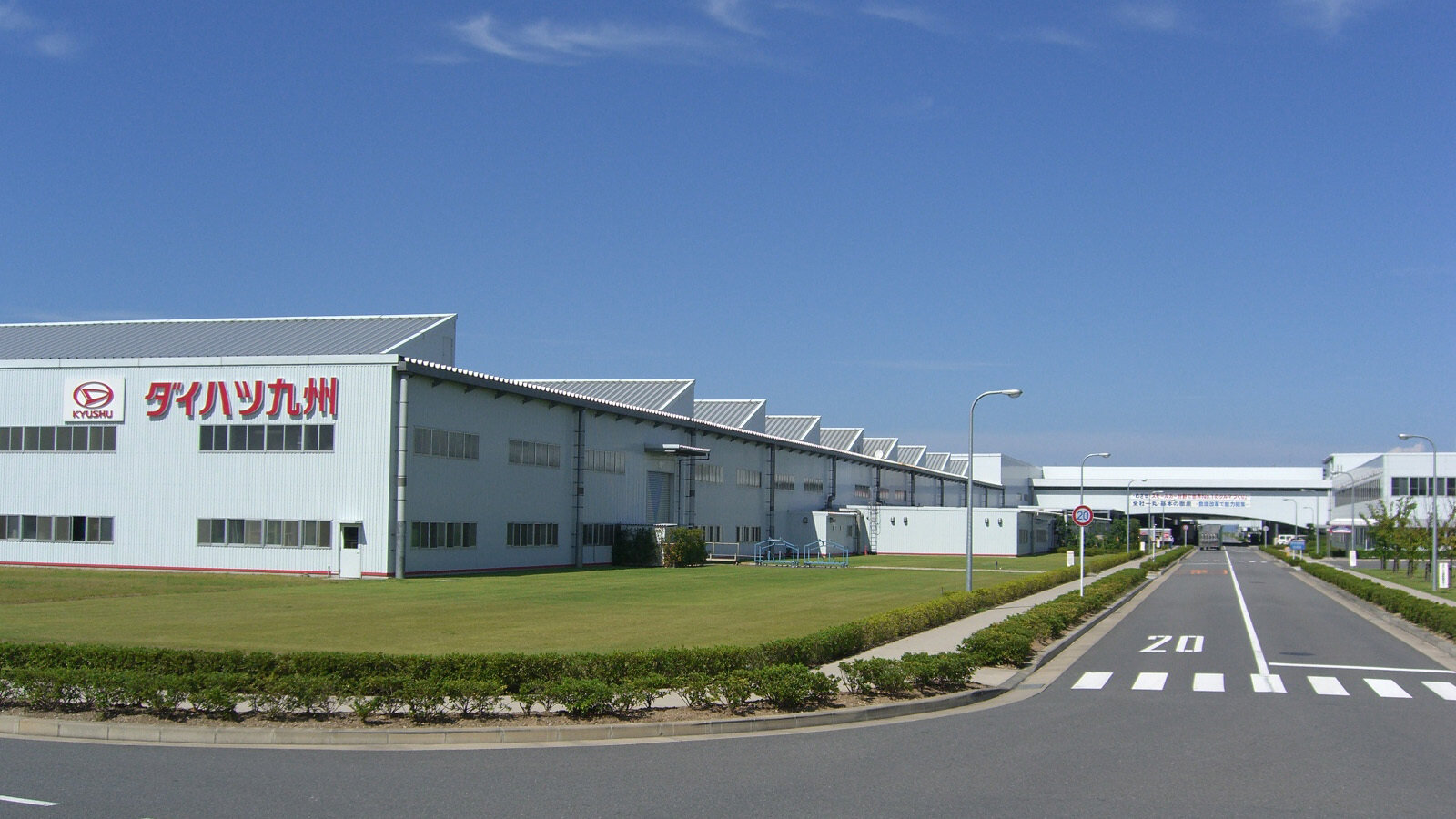
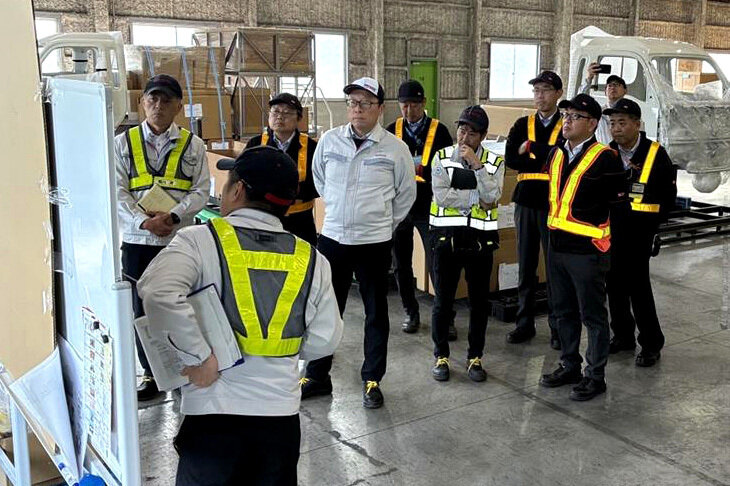
At the end of August 2026, 22 members traveled to Japan for a trial ahead of local production. Their destination was Daihatsu Kyushu in Nakatsu, Oita Prefecture, where kei trucks have been built for decades.
Before the trip, the TMMI team used 3D data for the KEI-01 in a process known as digital assembly, mapping out the build sequence and turning it into more than 2,000 EISs, or Element Instruction Sheets, in just three weeks.
But the actual vehicle still revealed things the digital work could not—how operators moved, handled parts and used their tools.
First Reaction: "Crazy!"
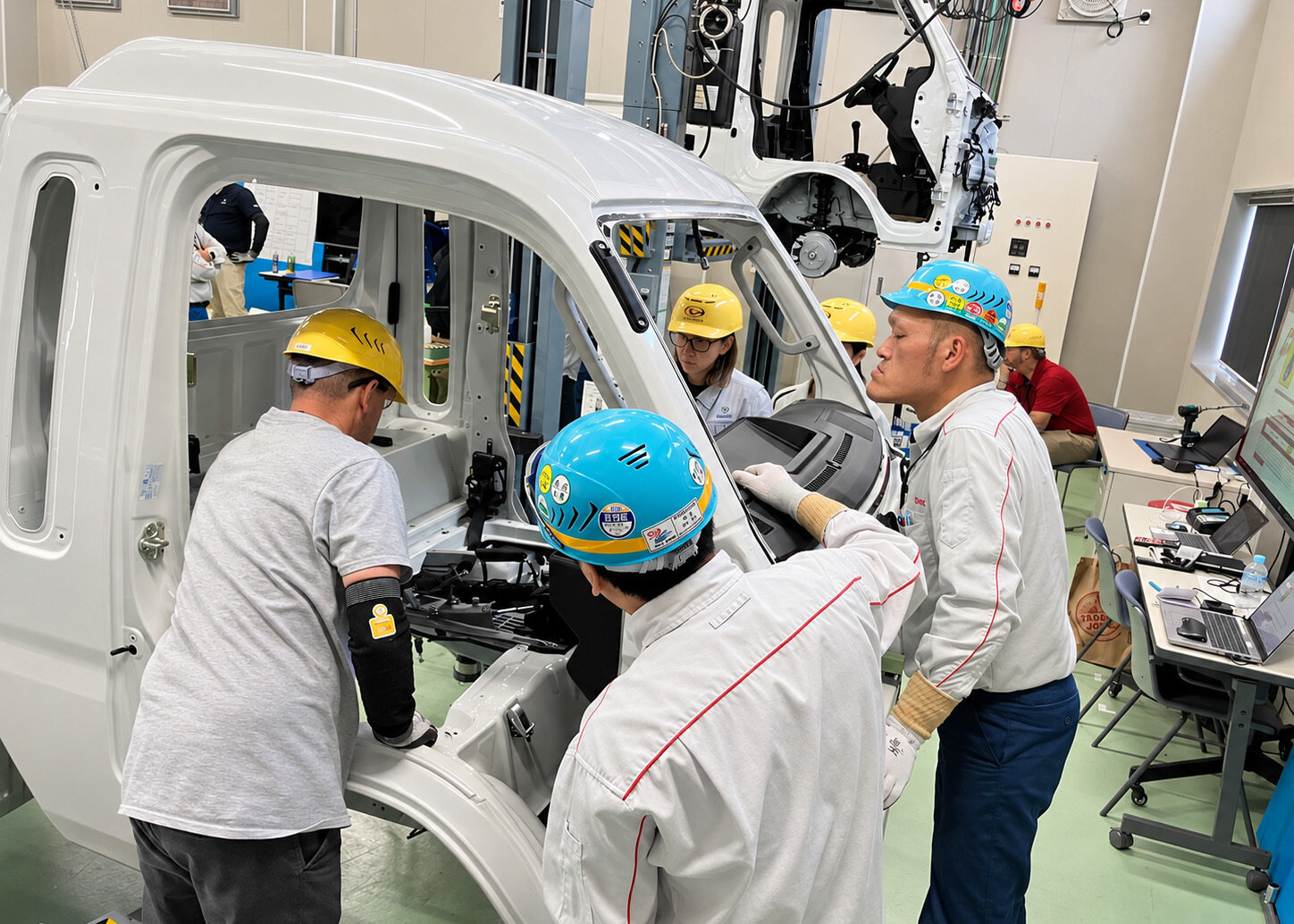
Before the engine is installed, an operator steps through the opening beneath the floor and reaches overhead to install parts around the roof.
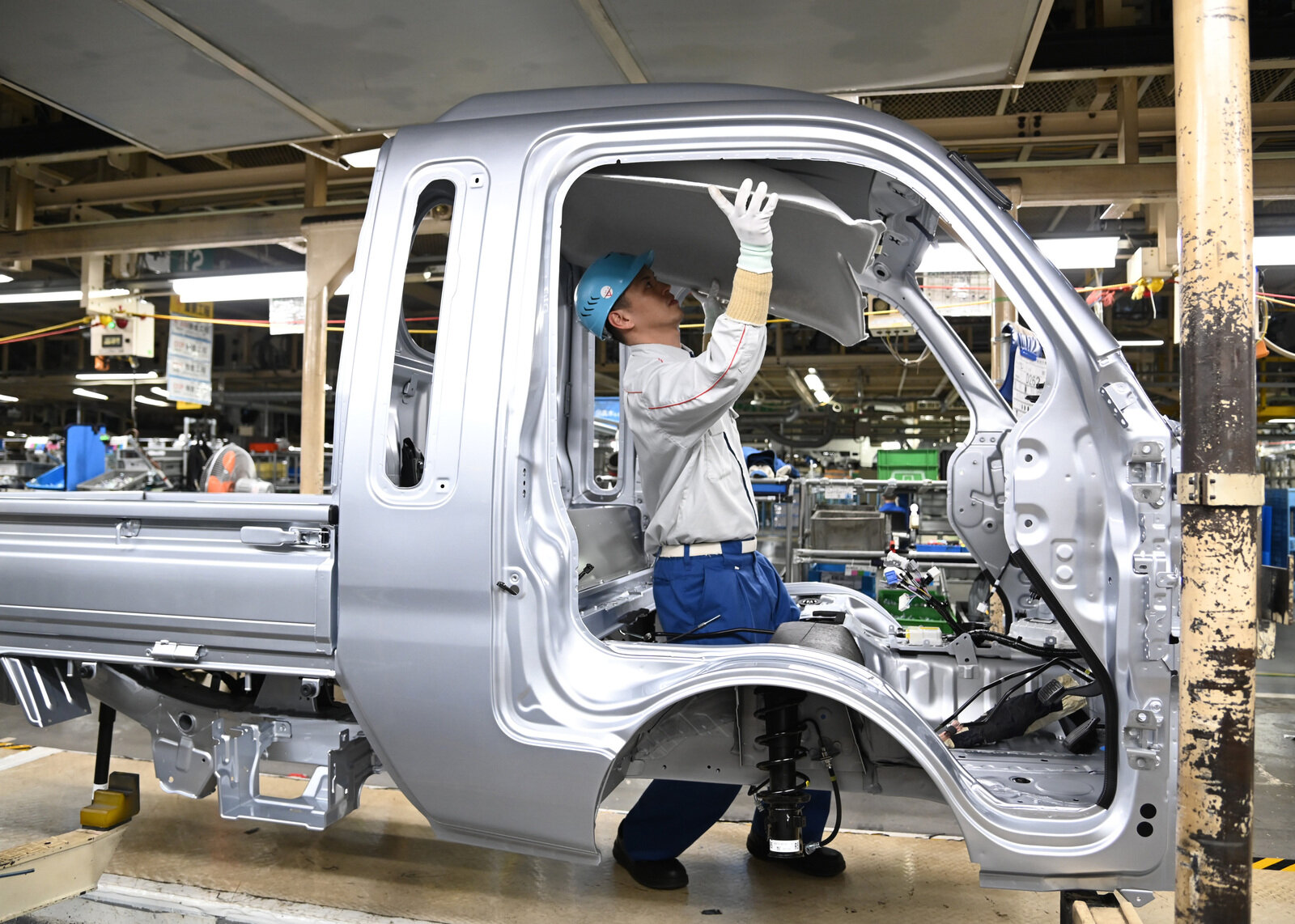
For the TMMI members seeing the process for the first time, the reaction was immediate: "Crazy!"
Kiyoteru Otsubo of Daihatsu Kyushu’s production engineering organization, who helped host the TMMI team, explains why the process looks so different.
Kiyoteru Otsubo, General Manager, Production Engineering Office, Daihatsu Kyushu
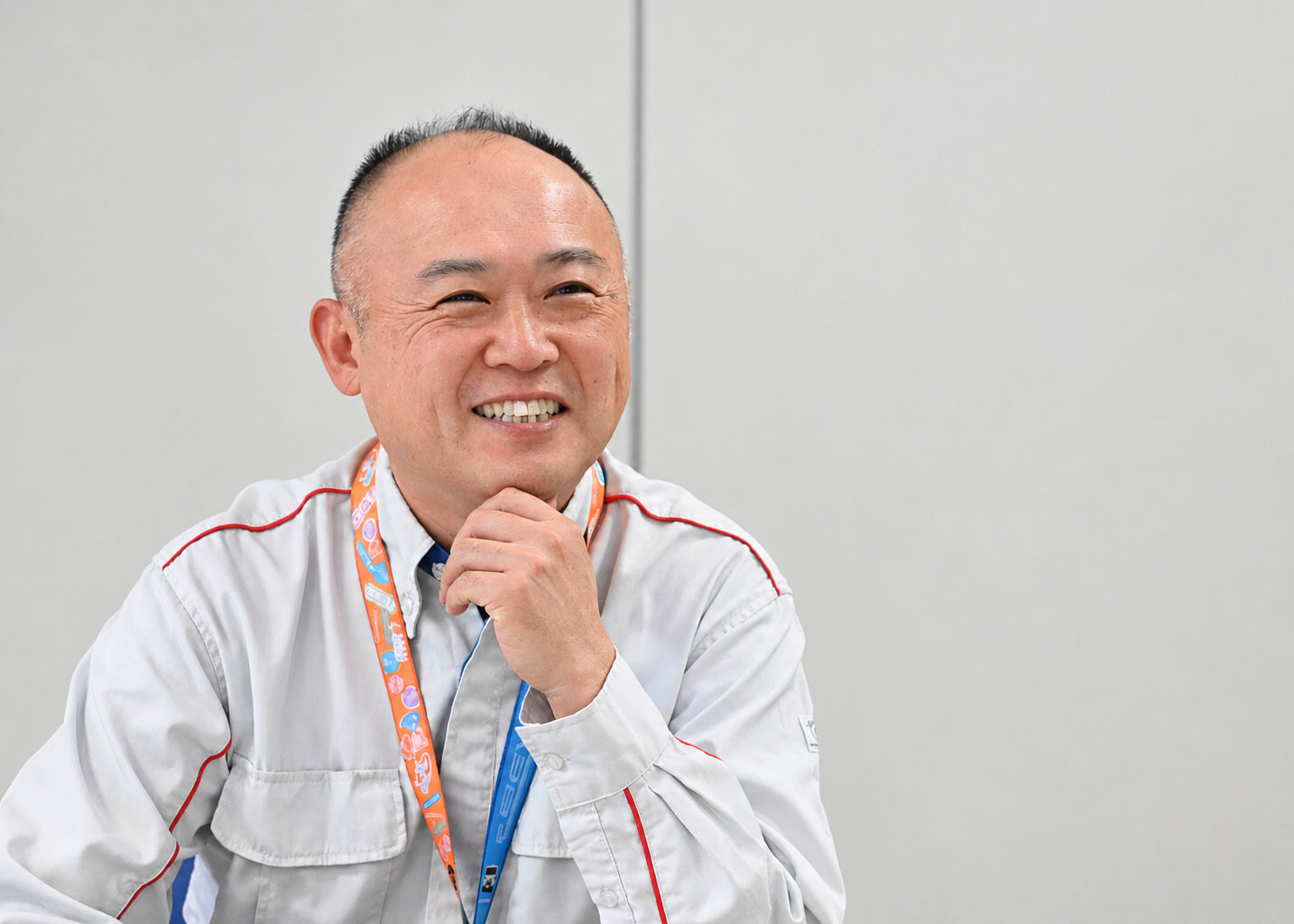
On a kei truck, the engine sits directly beneath the floor—essentially, you are sitting right on top of it. Unlike a passenger car, there is not enough space to work from inside the cabin, so before the engine is installed, operators enter through the opening and install parts around the roof.
Kei trucks have been part of work and daily life in Japan for decades, and their basic layout has been carried forward over the years. As a result, some distinctive production methods remain in use today.
That is why I felt it was important to work with the actual vehicle and pass on the hands-on techniques that come with it.
One of the visiting members was Angela Ruggles, a 24-year TMMI veteran with extensive experience on the assembly line and in new-model launches, including the Sienna and Grand Highlander. Even for Ruggles, the kei truck was something different.
Angela Ruggles, TMMI
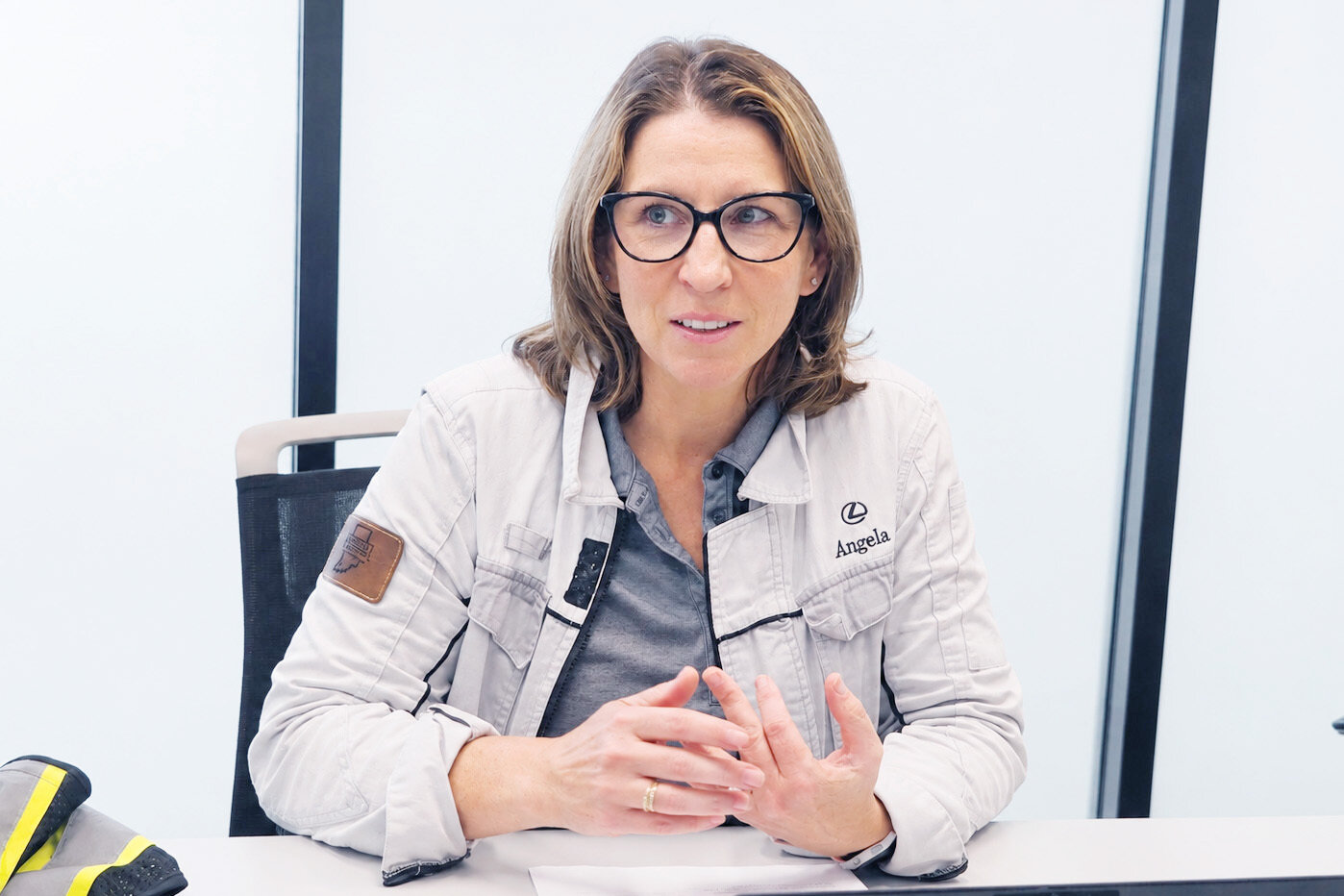
The first thing that amazed me was the size. I knew it was a small truck, but here we are used to seeing big vehicles like the Tundra. It looked like a little toy.
On the trim side, I learned every part—how it goes on and how to hold it. You know the basics, but then every little thing is just a little different. It’s all the same, but different.
KEI-01 will initially be offered in small volumes to fleet and business customers. Could TMMI, built for high-volume production, adapt to a new low-volume line and an unfamiliar kei truck?
Takayuki Kawazoe of zero ten lab., who helped lead the project at Toyota, recalls the challenge.
Takayuki Kawazoe, zero ten lab.
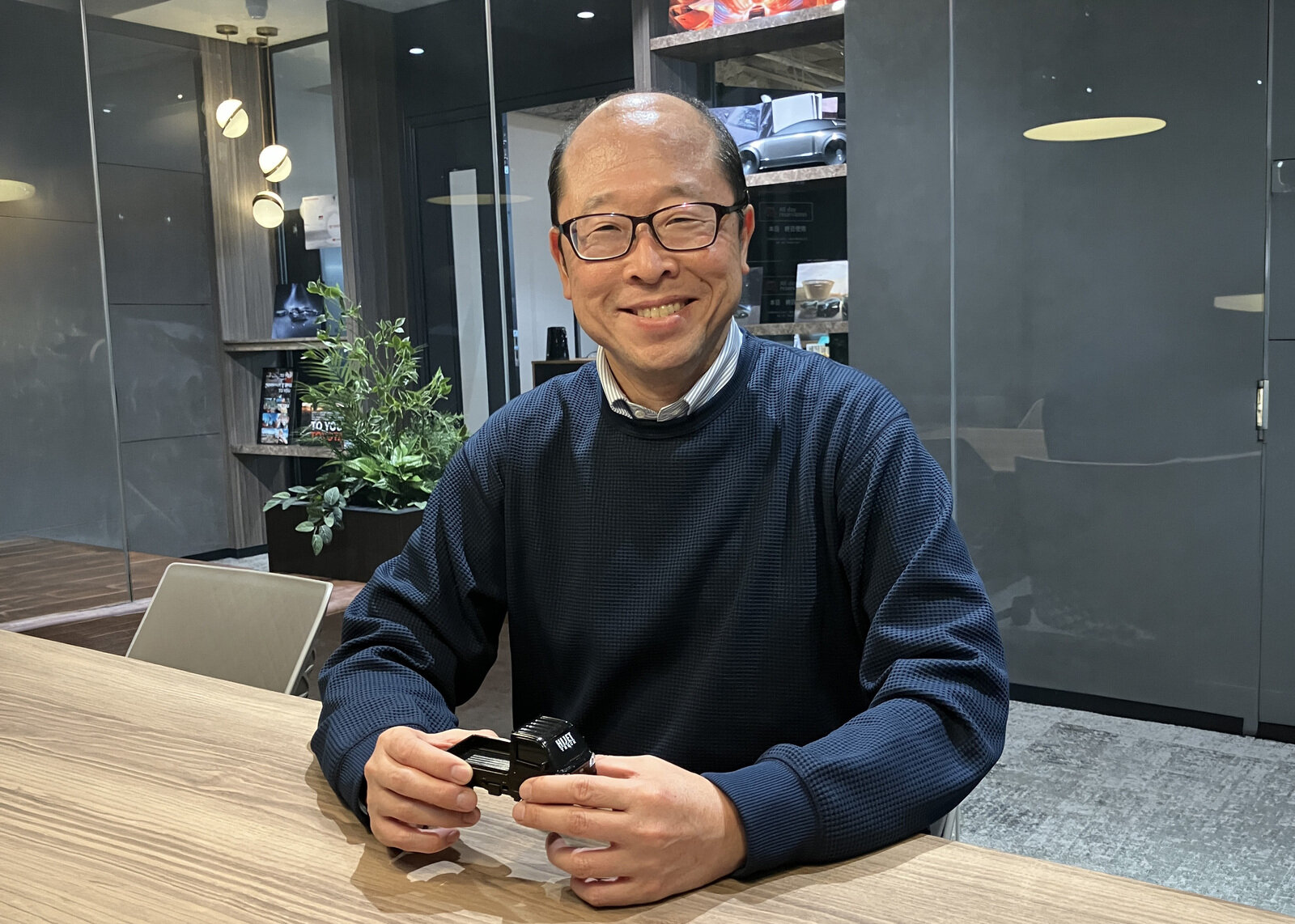
For this project, we wanted to start small and keep the launch as lean as possible, using off-the-shelf equipment and manual work wherever we could.
What worried me was whether a team so experienced in high-volume production would be comfortable with that approach—and whether they could adapt to building such a small vehicle.
Still, the TMMI members were seasoned manufacturing professionals with years of shop-floor experience. They were initially caught off guard by the kei truck’s size and distinctive structure, but soon began asking how each process could be adapted to TMMI, drawing on both their own experience and Daihatsu Kyushu’s know-how.
Kawazoe said, "As preparations moved forward, people on the shop floor kept bringing their own ideas and ingenuity to the challenge. Little by little, that turned our uncertainty into confidence."
Learning from Differences
Andy Kissling has spent 27 years at TMMI. Now, on his first new-model pilot assignment, he is supporting the chassis side of the KEI-01 launch.
Andy Kissling, TMMI
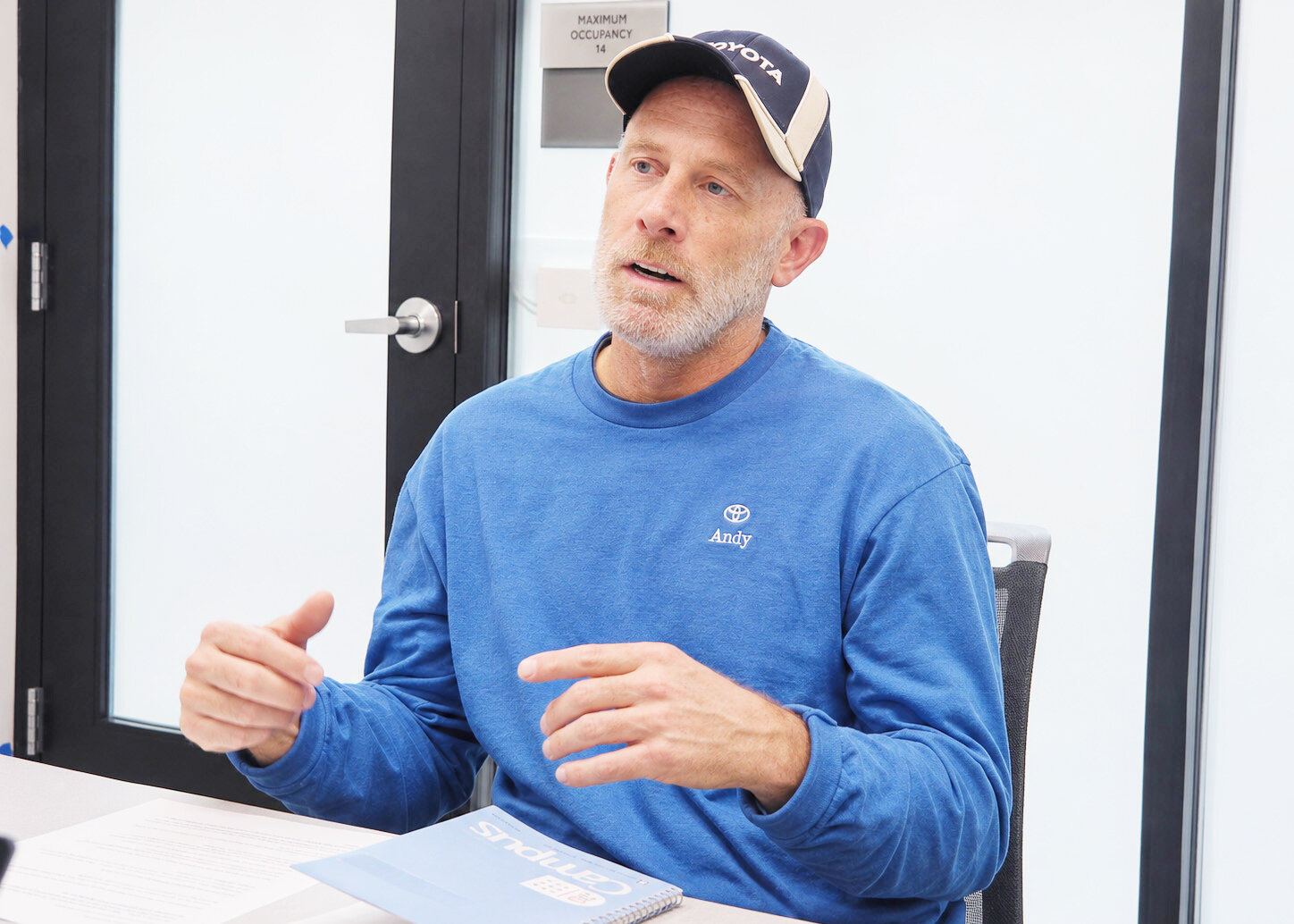
This is a very unique project—nothing I’ve experienced before. In some ways, it feels like taking the old Tundra we used to build here and shrinking it down. On the chassis side, for example, you have leaf springs in the rear and rear-wheel drive.
We haven’t dealt with some of those structures here in a long time, so for me it feels a little like going back in time.
Even after digital assembly, some things only become clear with the actual parts in hand.
Aaron Loudermilk, an engineering manager at TMMI who leads the team preparing the KEI-01 for production, was struck by one part in particular when he saw the vehicle in Japan: the radiator.
On TMMI’s larger models, radiators can require an assist device for installation. The KEI-01’s was small enough to pick up by hand.
Aaron Loudermilk, TMMI
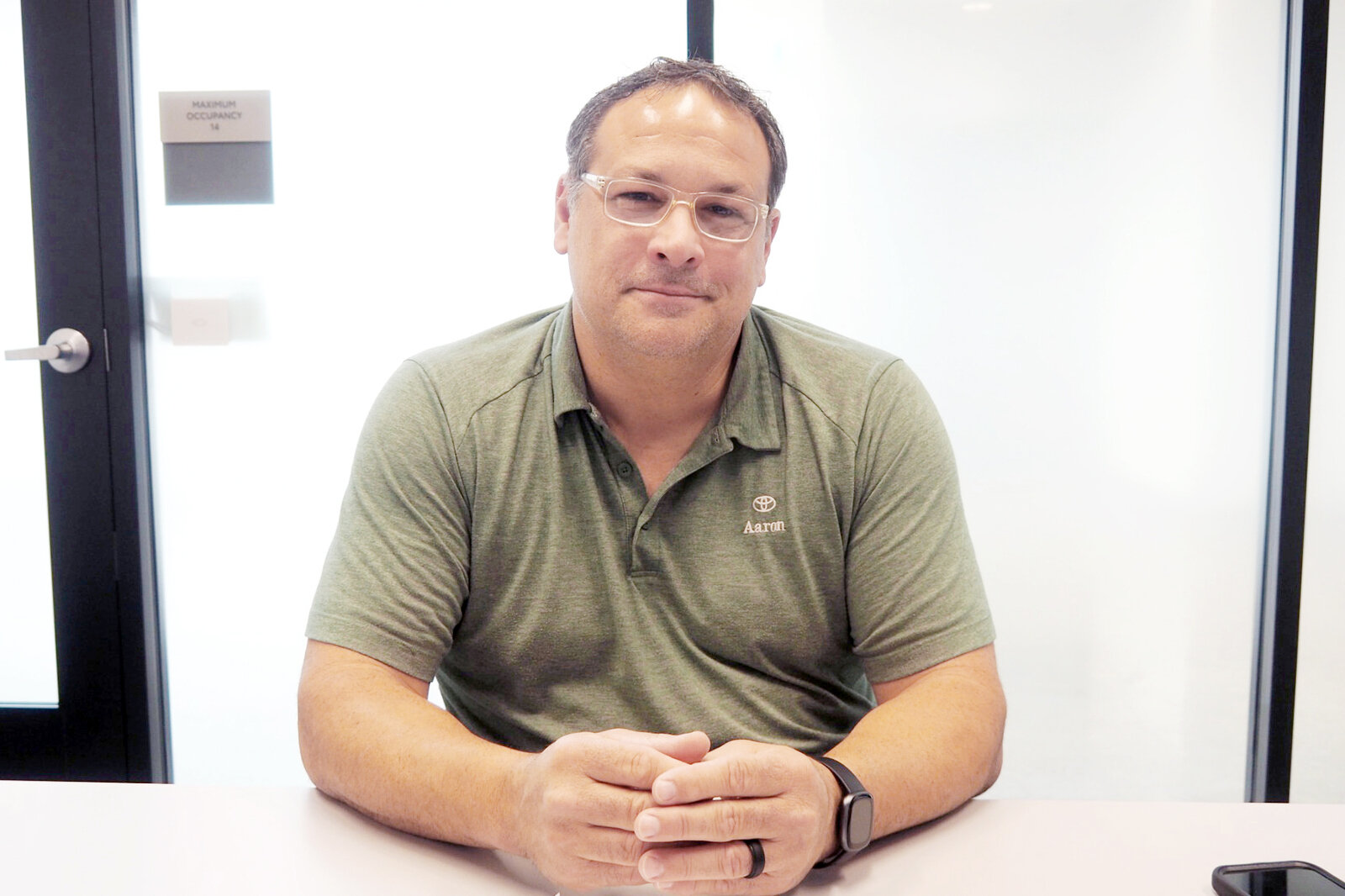
The radiator was a real surprise. It was so small that we could pick it up by hand without an assist. That kind of difference in weight is harder to understand in a digital environment.
Seeing the actual vehicle helped us understand what we need to think about differently because it’s a smaller vehicle, and what we can approach the same way we do today.
Some techniques were difficult to describe. One example was feeding the antenna through a narrow front pillar. When the TMMI members could not get it through cleanly, they asked the Daihatsu Kyushu operator to demonstrate.
Otsubo explains:
"There's a trick to feeding the antenna through the pillar. You don't just push it straight in. Partway through, you rotate it slightly so that it clears the inner panel. This distinctive process has been used since the early days of the kei truck."
This kind of hands-on know-how can be difficult to discover on your own or capture in digital data or written instructions.
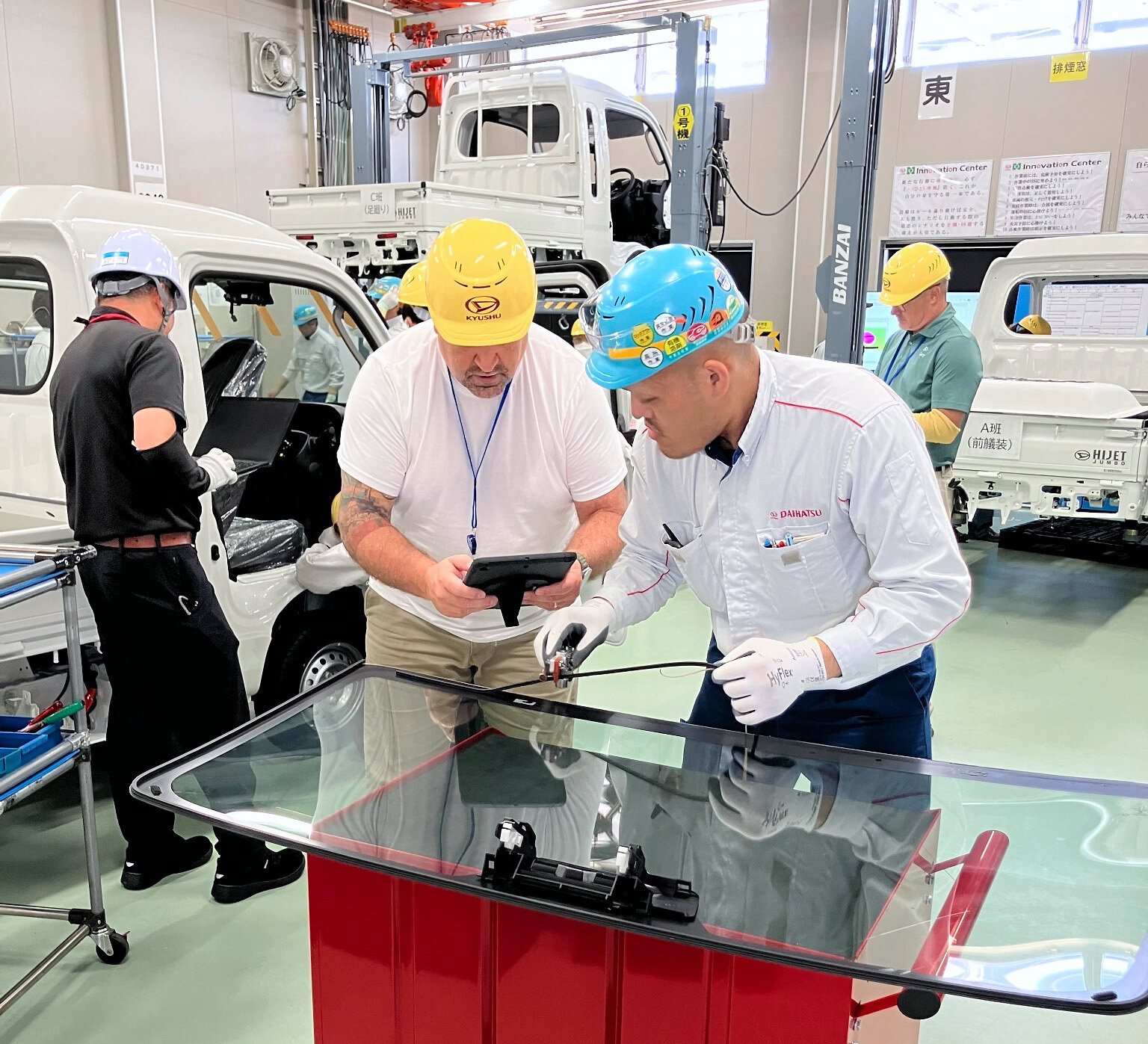
Chris Dyer has spent about nine years in Pilot supporting new-model launches. One technique that stood out to him at Daihatsu Kyushu was the rear-window installation.
Chris Dyer, TMMI
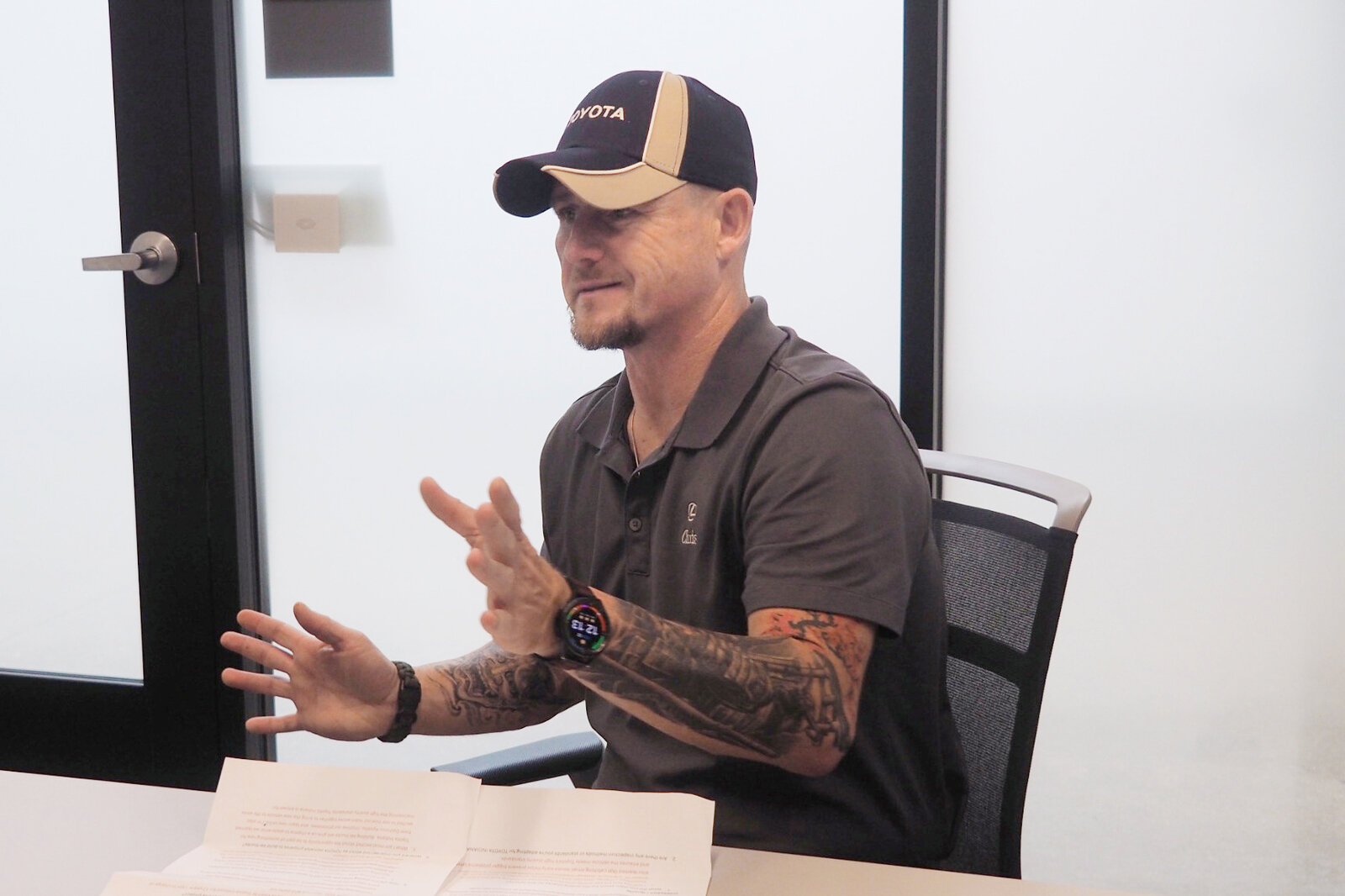
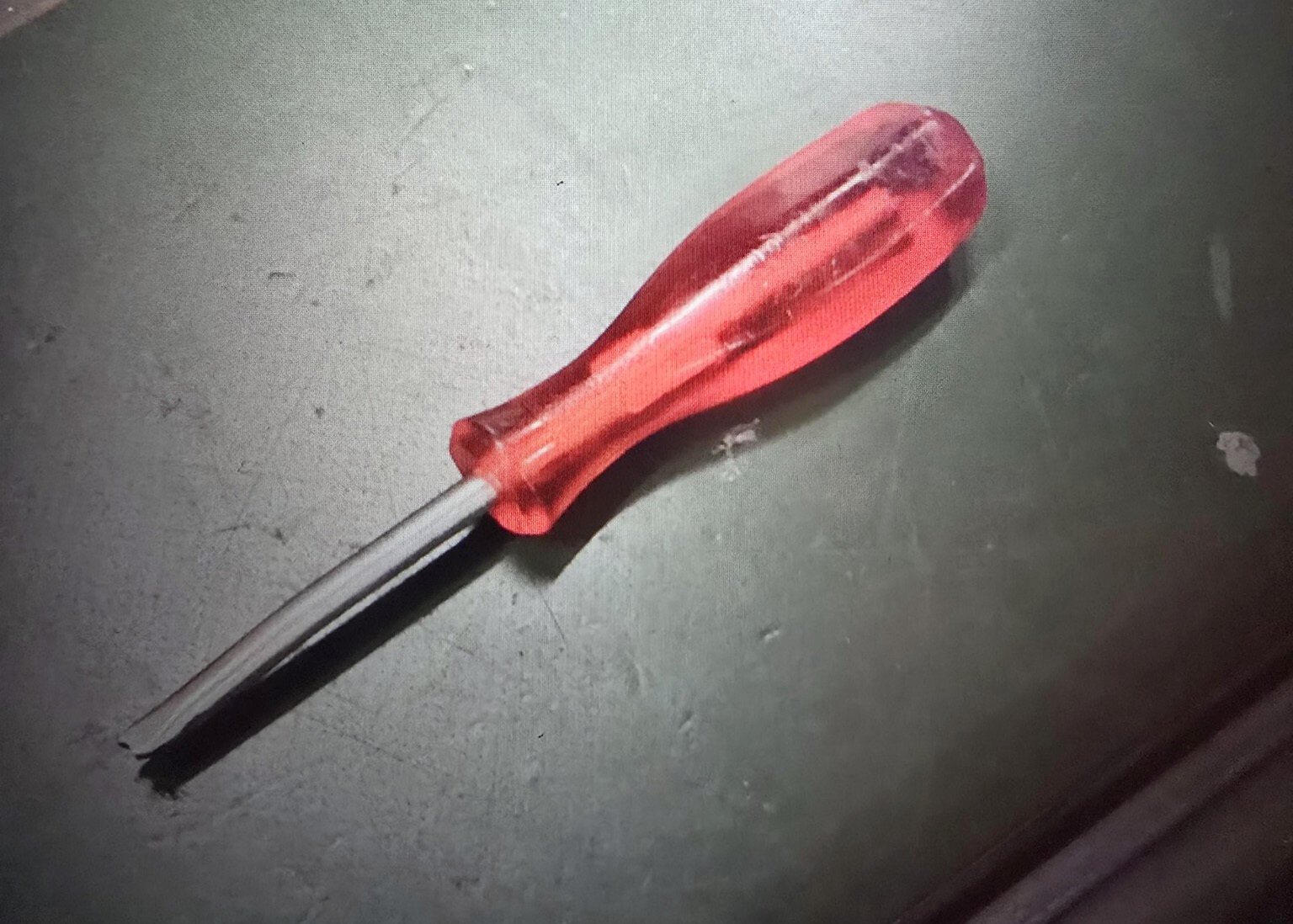
For the rear window glass, you fit a weather strip around the glass and run a rope through it to help pull the glass into the body.
At Daihatsu Kyushu, they were using a special jig made by modifying an off-the-shelf tool to feed the rope through the weather strip. We’ll need the same kind of tool at TMMI, so on the last day they gave me one to bring back.
The two weeks at Daihatsu Kyushu were a continuous process of adding hands-on know-how gained through genchi-genbutsu to the work the team had initially prepared digitally.