



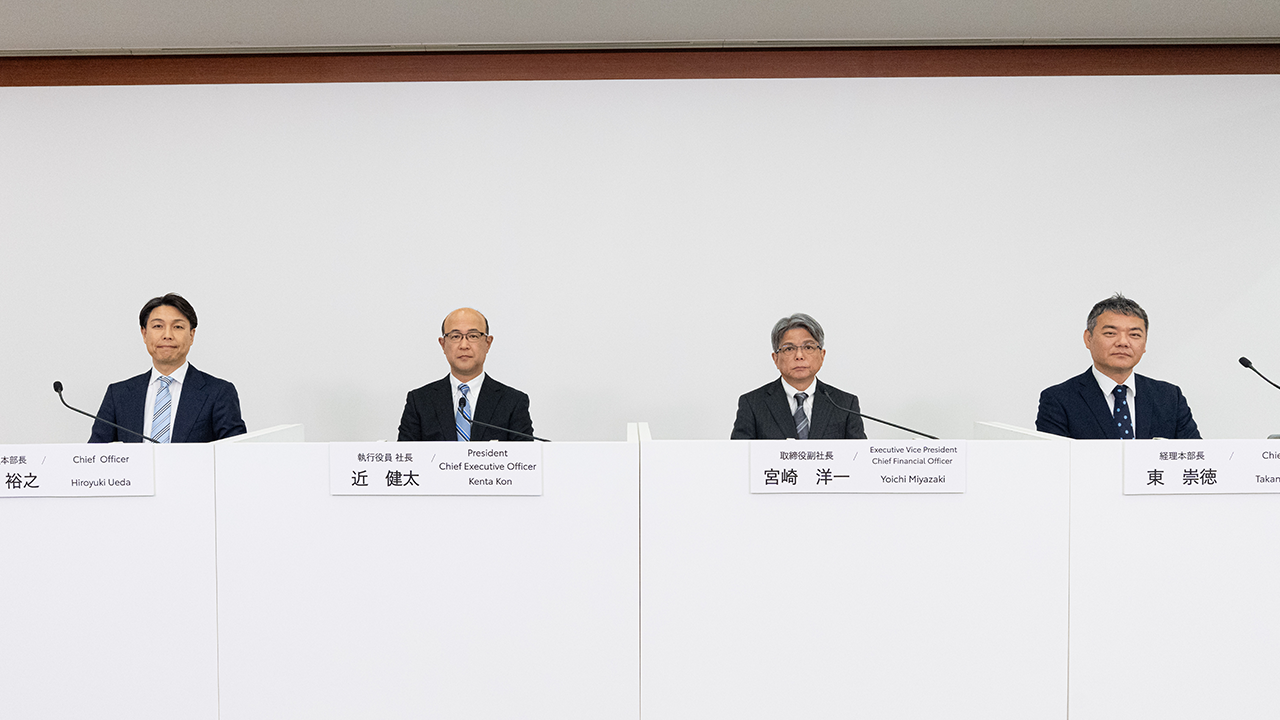
Toyota posted operating income of 3.8 trillion yen in its financial results for the fiscal year ending March 2026 despite the impact of U.S. tariffs. In a Q&A session with the media, the company outlined its path toward sustainable growth.
IV. Achieving an ROE above 20%
— How important is improving ROE, and over what timeframe does Toyota aim to achieve its benchmark target of above 20%?
President Kon
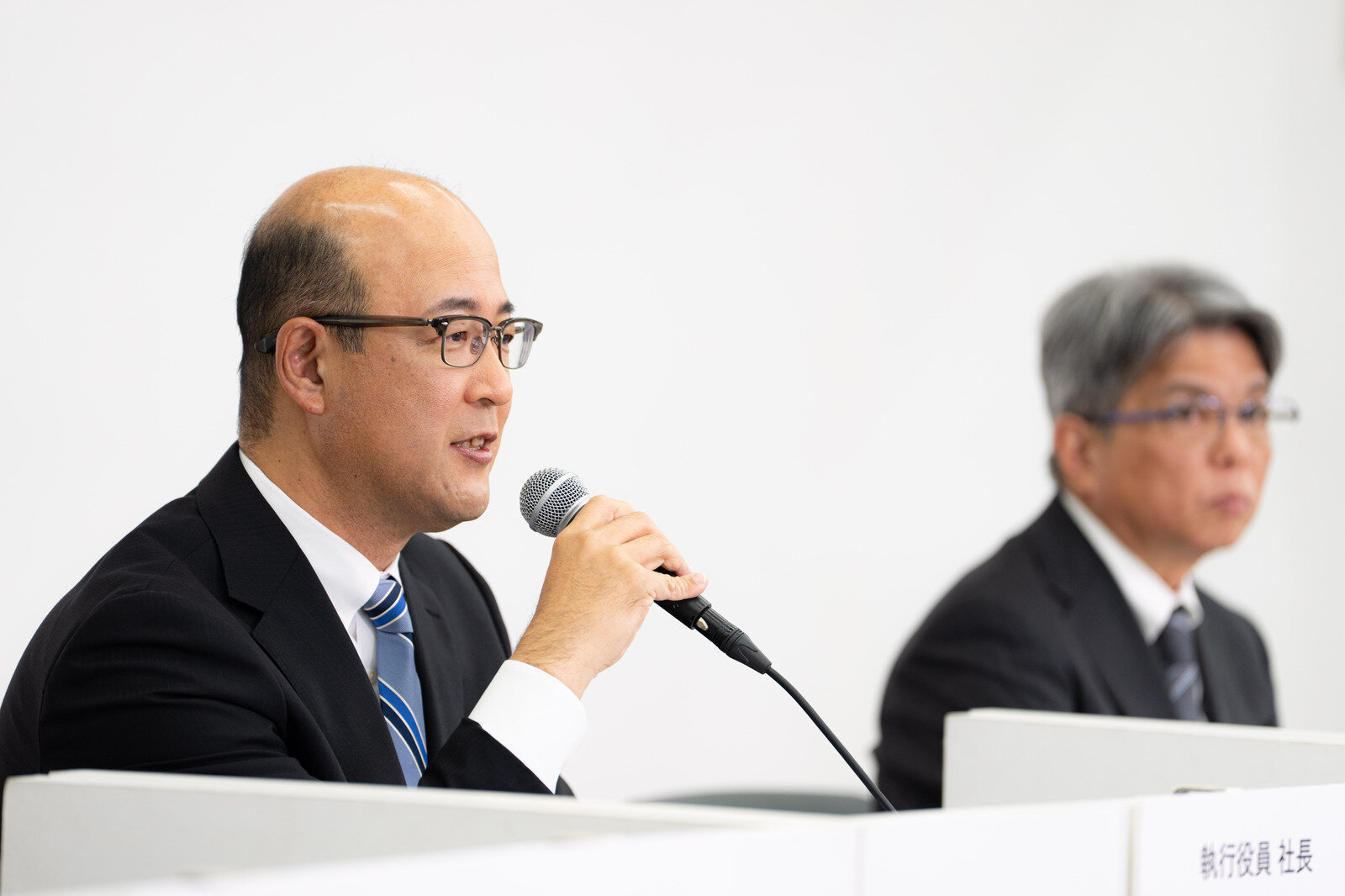
At this stage, we do not have a specific timeframe in mind for achieving that target. However, we do aim to pursue transformational growth.
As Vice President Miyazaki mentioned earlier, one pillar is increasing profits and improving operating margins through the value chain and new business areas such as software-defined vehicles (SDVs) and connected services.
Another pillar relates to capital. As our earnings structure shifts toward areas such as the value chain, we can naturally envision a lighter capital structure better suited to that business model. Since this involves capital entrusted to us by our shareholders, I believe this is something we must pursue while listening carefully to shareholder perspectives.
By continuing these efforts while firmly keeping the 20% target in sight, we intend to advance a wide range of initiatives.
V. Ever-better carmaking through motorsports
— Toyota has continued advancing ever-better carmaking through motorsports, but sustaining it as a business also requires vehicles that can generate profits. What kind of vehicles does Toyota hope to build going forward?
President Kon
Ever-better carmaking through motorsports is at the very heart of Toyota’s development philosophy, and we intend to continue pursuing it strongly.
I may not be able to convey the hands-on reality of carmaking myself, but under the extreme conditions of motorsports—where both resources and time are tightly constrained—vehicles are pushed to their limits, revealing issues that would never appear during normal production-stage testing.
I believe thoroughly pursuing that kind of true strength is extremely important in carmaking. The fact that Toyota is now achieving results even in the world of professional motorsports is truly remarkable.
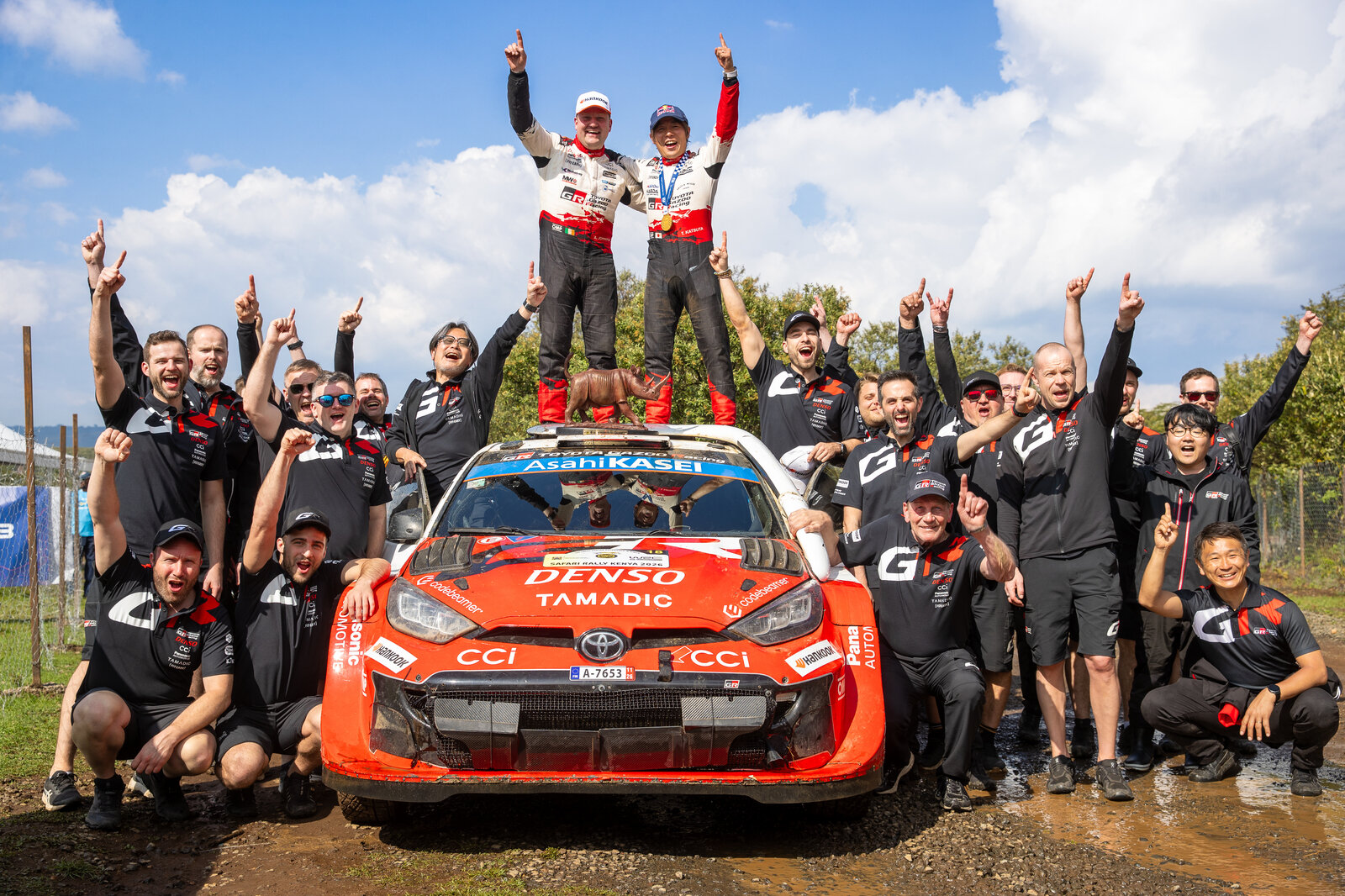
At the same time, sustaining this as a business is not simply a matter of finding a promising opportunity and making massive investments. I believe it is extremely important to continue innovating within a certain set of constraints and within a realistic capacity.
We will continue investing steadily in motorsports, but not without limits. TOYOTA Racing, GAZOO Racing, and Rookie Racing all operate within their respective capacities while continuing development through ingenuity.
In that process, development advances and people grow as well.
As a result, the GR Yaris has elevated the Yaris brand in Europe, while the base model itself has also been highly praised by customers.
The Corolla has also been well received in North America. I believe that over time, customers come to appreciate not only these brands and vehicle lineups, but also the inherent strengths of vehicles refined through motorsports.
In that sense, I believe it is important to continue these efforts sustainably over the long term, and my role is to firmly support them.
VI. Toyota’s approach toward suppliers
— How does Toyota view its relationships with suppliers?
President Kon
At various meetings with Kyohokai and Eihokai,* suppliers referred to Toyota as a “comrade.” In order to be called a comrade by our suppliers, we as an OEM must face general customers—the toughest customers of all—without turning away, and continue delivering vehicles to them. I believe that is the first condition for being called a comrade by our suppliers. If we cannot do that, then we do not deserve to be called comrades.
*Kyohokai: An organization of Toyota parts suppliers. Eihokai: An organization of suppliers related to equipment, construction, and logistics.
At the same time, I also believe Toyota must remain “the toughest customer” for its suppliers.
After all, if it is truly for the purpose of delivering better vehicles to customers, then naturally we must sometimes say difficult things. That is not for Toyota’s sake, but for the customer’s sake, and in that sense we must communicate candidly with suppliers as well.
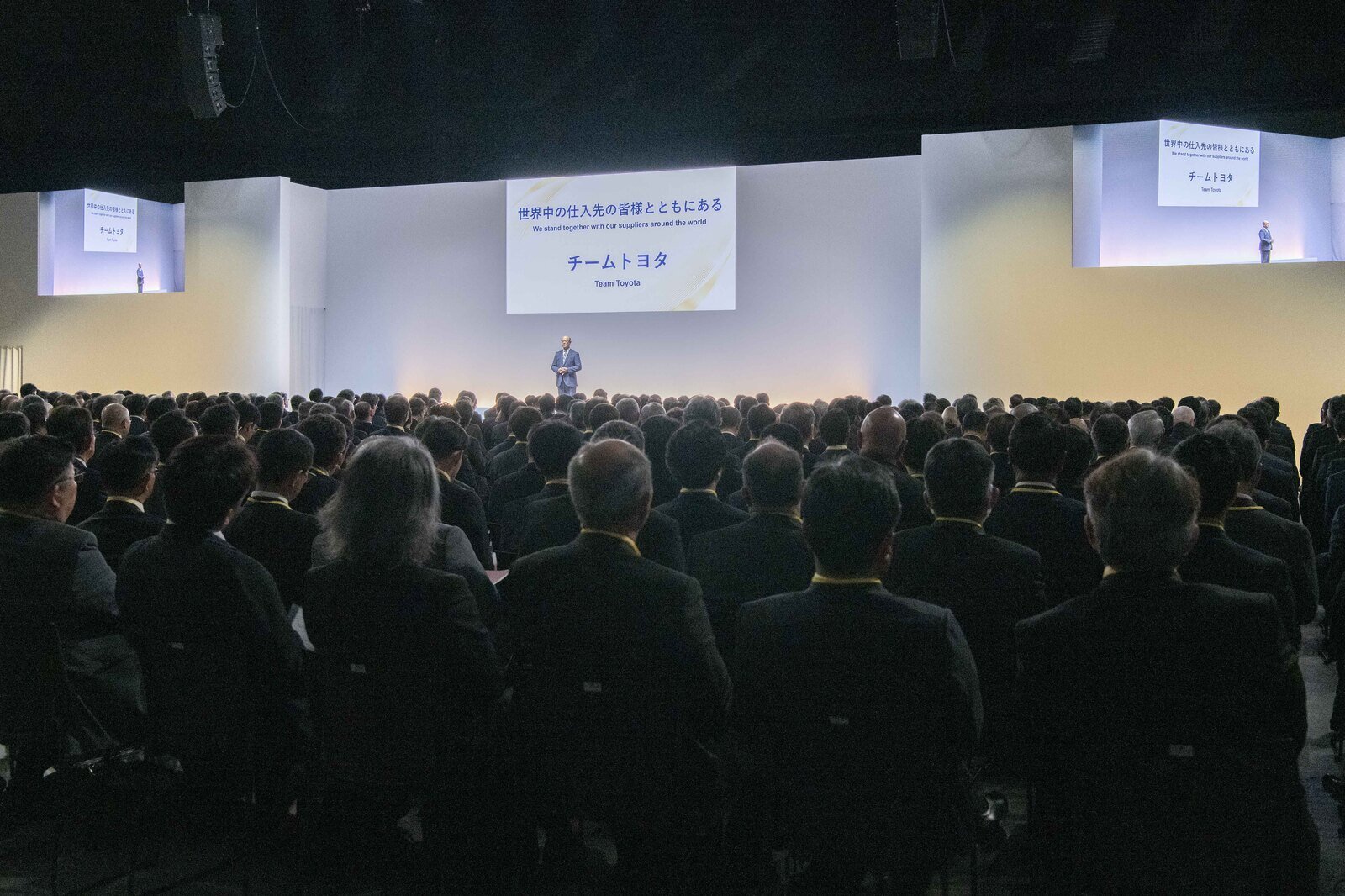
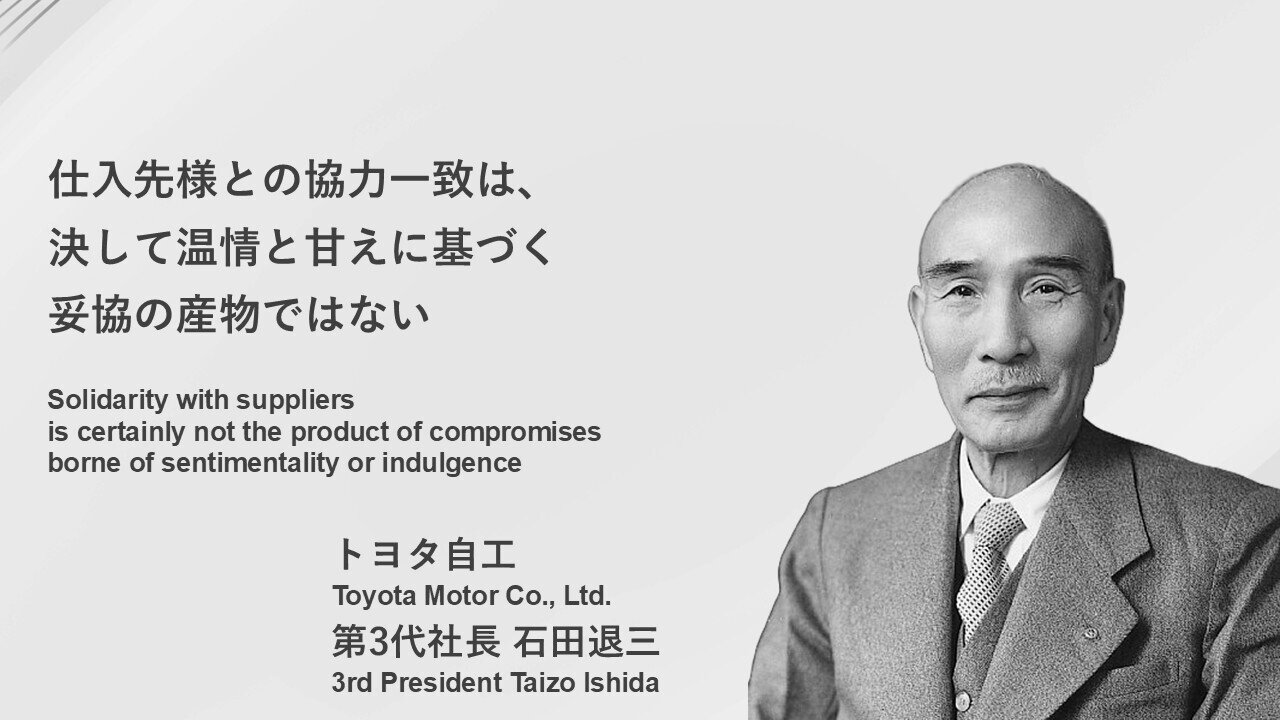
At the same time, when suppliers are truly struggling or facing a real crisis, we want to continue being a company that works together with them, collaborates with them, and when necessary, supports them. That is how I personally interpret Taizo Ishida’s words: “Solidarity with suppliers is certainly not the product of compromises borne of sentimentality or indulgence.”
Even amid dramatic changes in the business environment, Toyota remains committed to becoming a stronger company capable of sustainable growth. That determination was clearly expressed throughout this financial results briefing.
At one point during the Q&A session, a member of the media offered encouragement by saying: “Earlier, Mr. Kon said that in order to step on the accelerator, you need good brakes. But brakes are not only for stopping—they are also used for turning. I hope Toyota will steer itself in the right direction.”