



An initiative launched by Toyota and its suppliers to address genba concerns and align quality with customer expectations is now spreading throughout the automotive industry.
An unusual scene unfolded at Toyota’s Tahara Plant in Aichi Prefecture in late July.
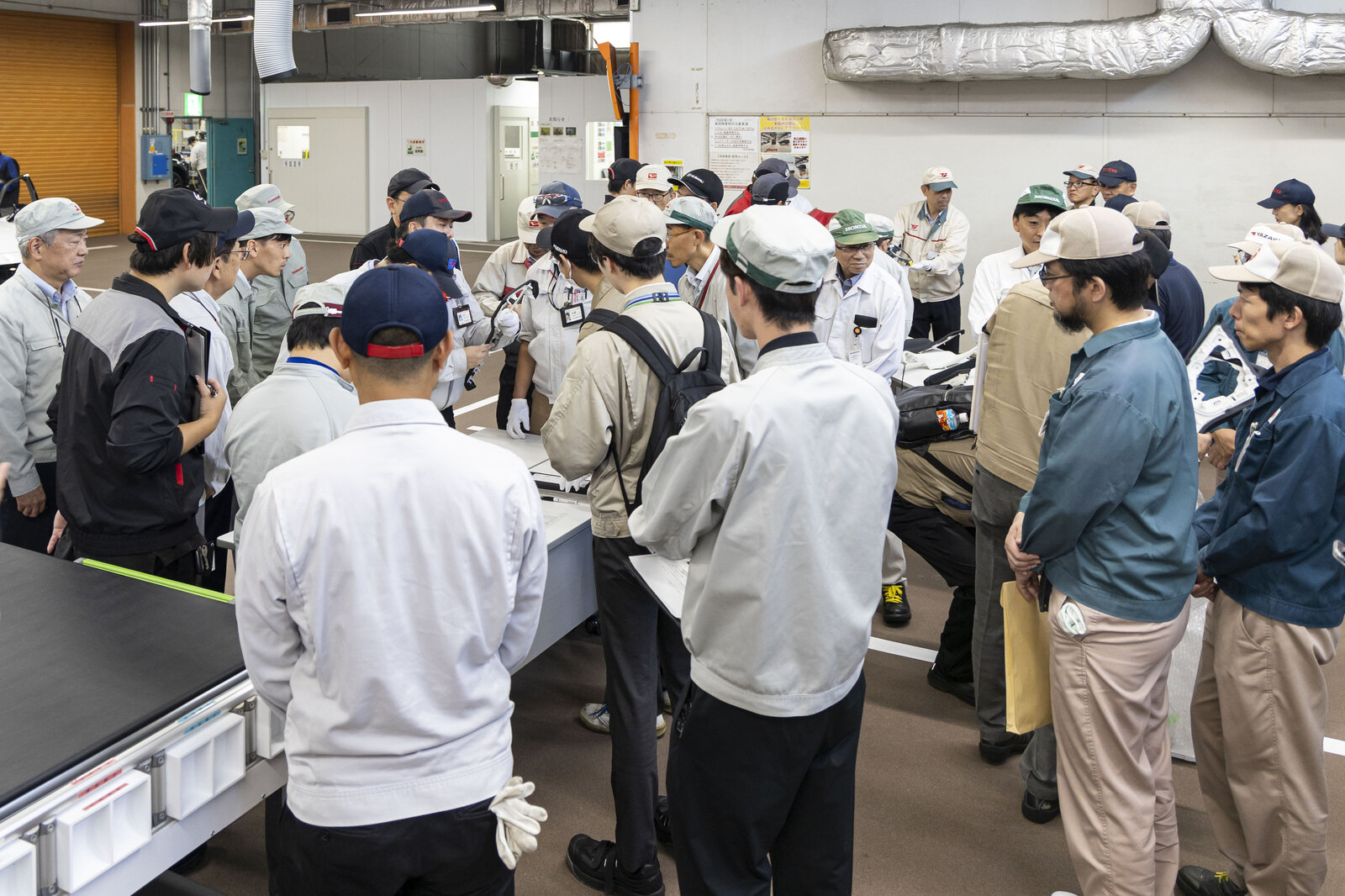
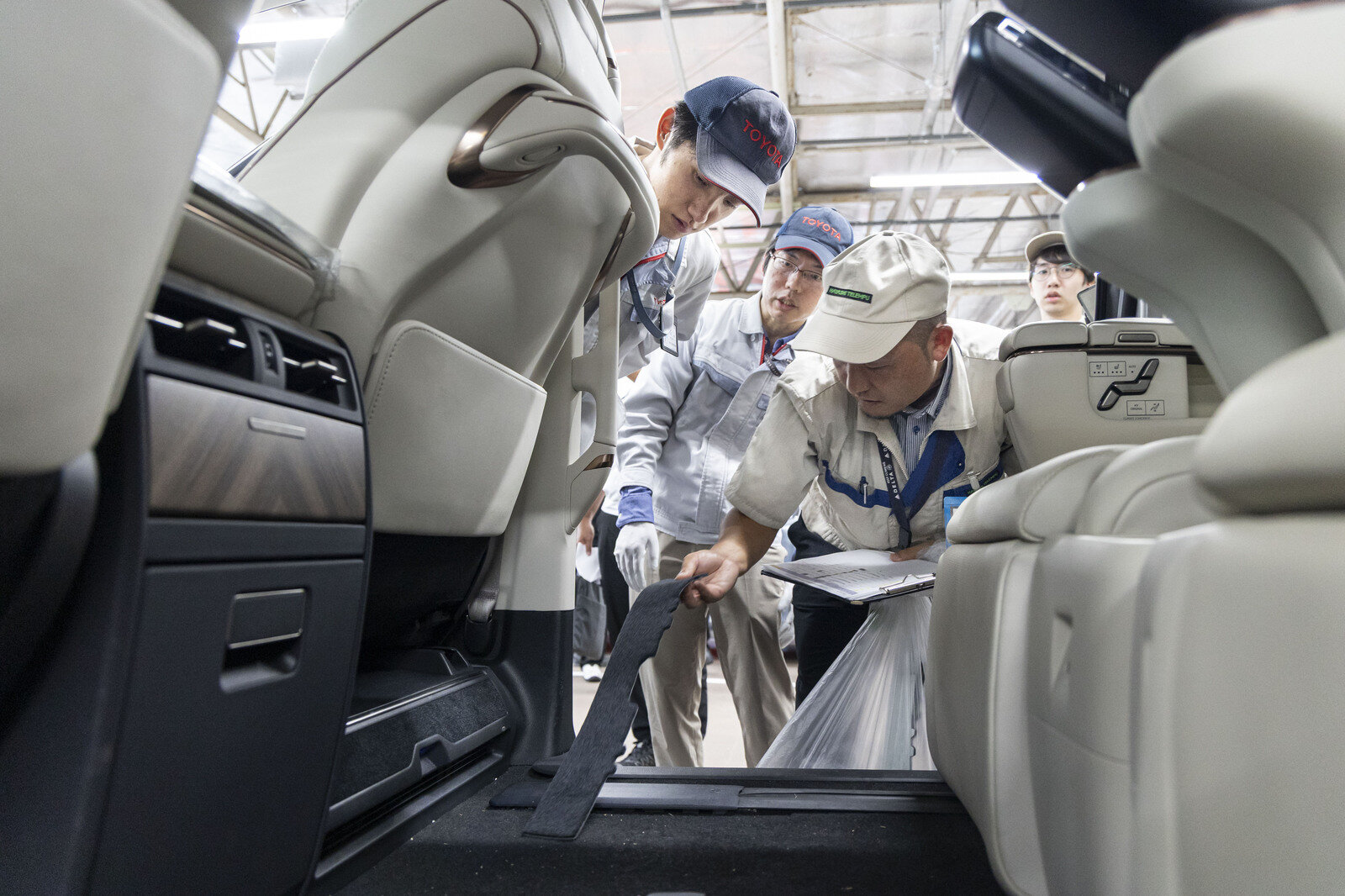
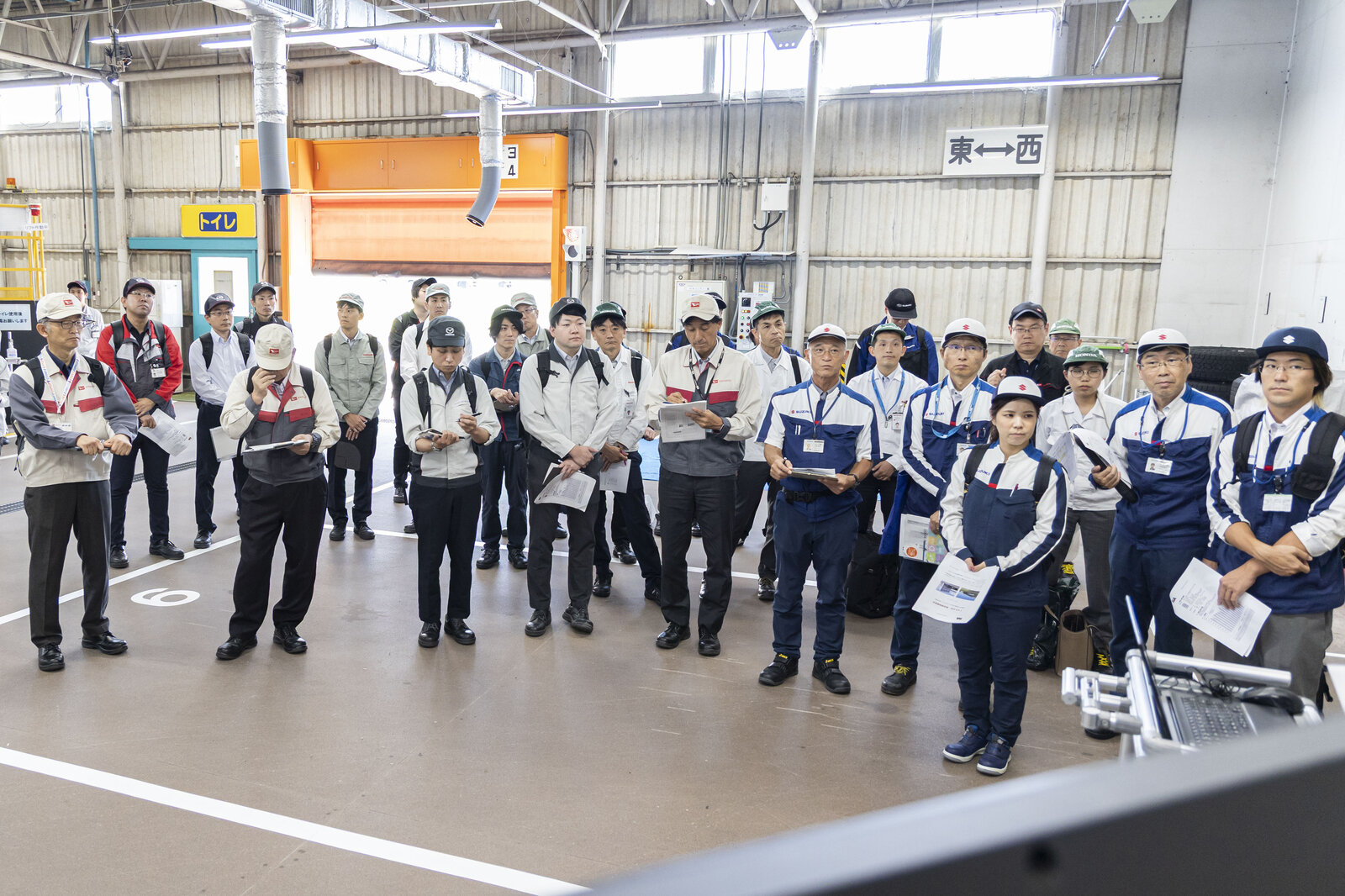
Members of Toyota’s quality control team and suppliers of Lexus interior and exterior components gathered around a selection of parts. Purchasing and quality personnel from Honda, Mazda, Suzuki, Mitsubishi Motors, and other automakers—who would normally be competitors—were closely observing the exchanges.
Over 100 auto industry professionals, wearing a variety of uniforms, gathered at the venue. Participants examined parts in hand and engaged in discussions throughout the room.
See It, Decide It on the Spot
What took place that day was an “on-the-spot decision session,” part of Toyota’s Smart Standard Activity (SSA) initiative, which aims to optimize quality and performance standards.
At the end of 2017, Toyota launched SSA with its suppliers to make monozukuri more competitive. While Toyota and its suppliers have quality standards for individual components, it is difficult to anticipate every minor issue that might arise on the genba, such as small scratches or blemishes that do not affect performance. At the same time, suppliers cannot easily make their own judgments on matters not explicitly covered by the standards.
SSA brings suppliers and manufacturers together to address production genba issues and assess whether quality standards and judgments truly reflect customer expectations. If requirements exceed customer expectations, they are adjusted. If they fall short, improvements are made.
These decisions must, of course, be based on what customers actually expect from their vehicles. Yoshio Nakamura, Deputy Chief Officer of Toyota’s Production Group, explains:
Deputy Chief Officer Nakamura
I think it all begins with understanding what customers expect. If customers care strongly about a certain aspect, we may find that our initial ideas are not enough.
The key is to ensure that our perspective is always aligned with what customers expect.
One opportunity to check this approach against actual parts is on-the-spot decision sessions. Suppliers present their components and production concerns, enabling Toyota personnel to evaluate each situation and decide how to address it on the spot.
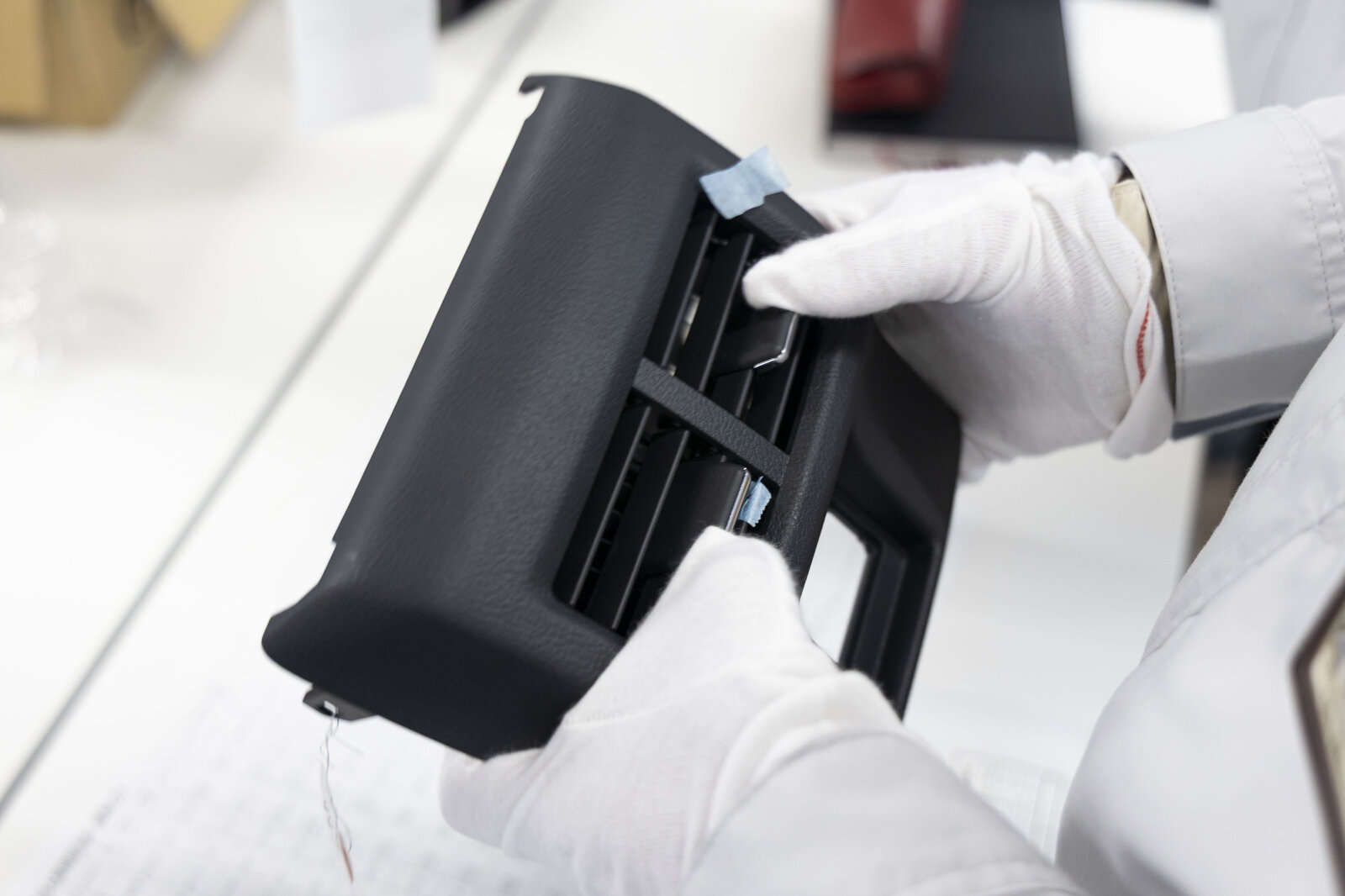
Take, for example, a plastic rear-seat air-conditioning vent. The part is made by injection molding, in which molten plastic is injected into a mold. Factors such as temperature and humidity can subtly affect the finish, and in rare cases fine scuff marks may appear on the vanes that direct the airflow. Although the marks do not affect the vent’s function, parts with such marks had previously been scrapped whenever they were found during inspection.
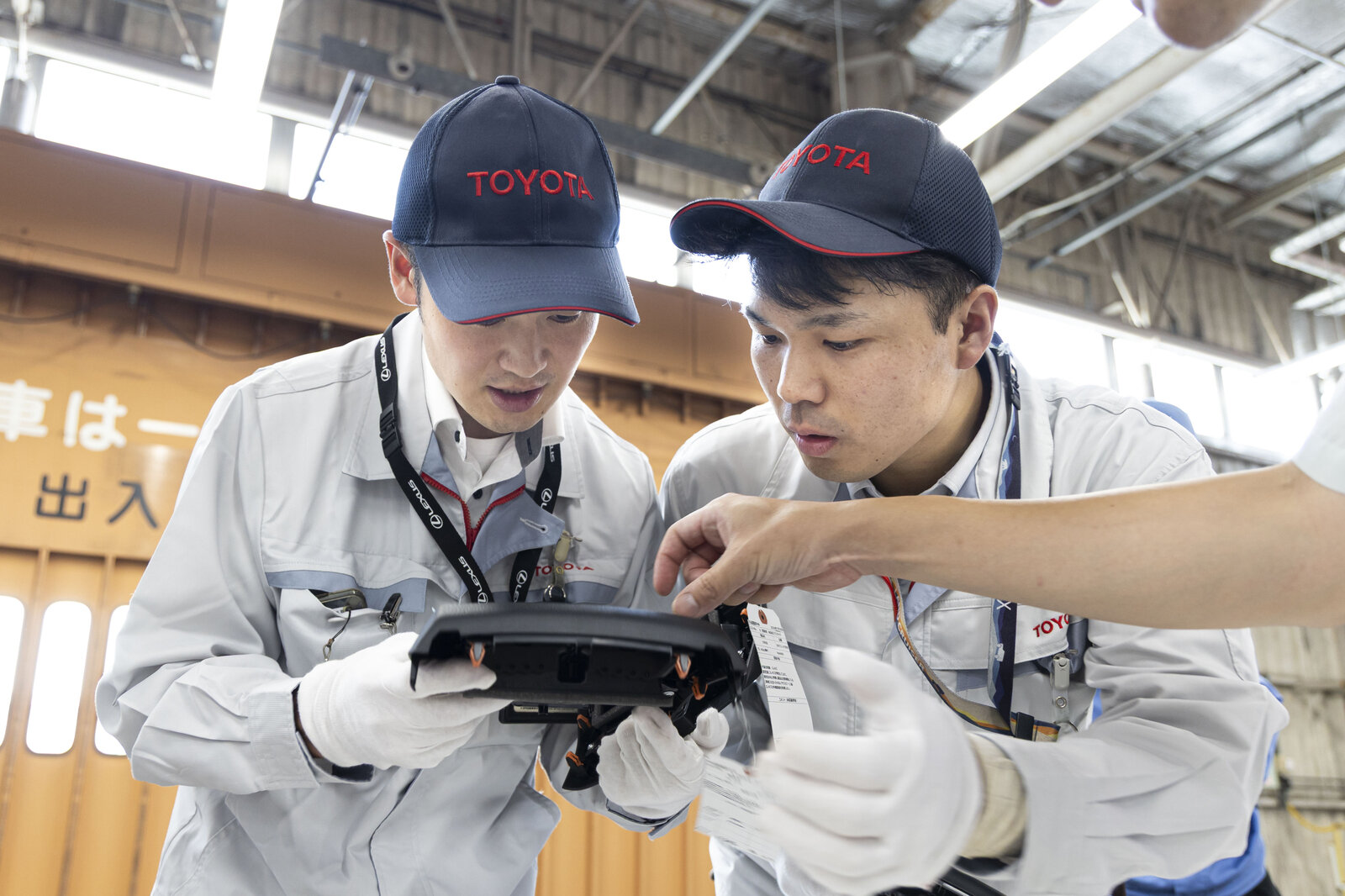
"Now that we've pinpointed the area, let's see what it looks like once it's fitted to the car."
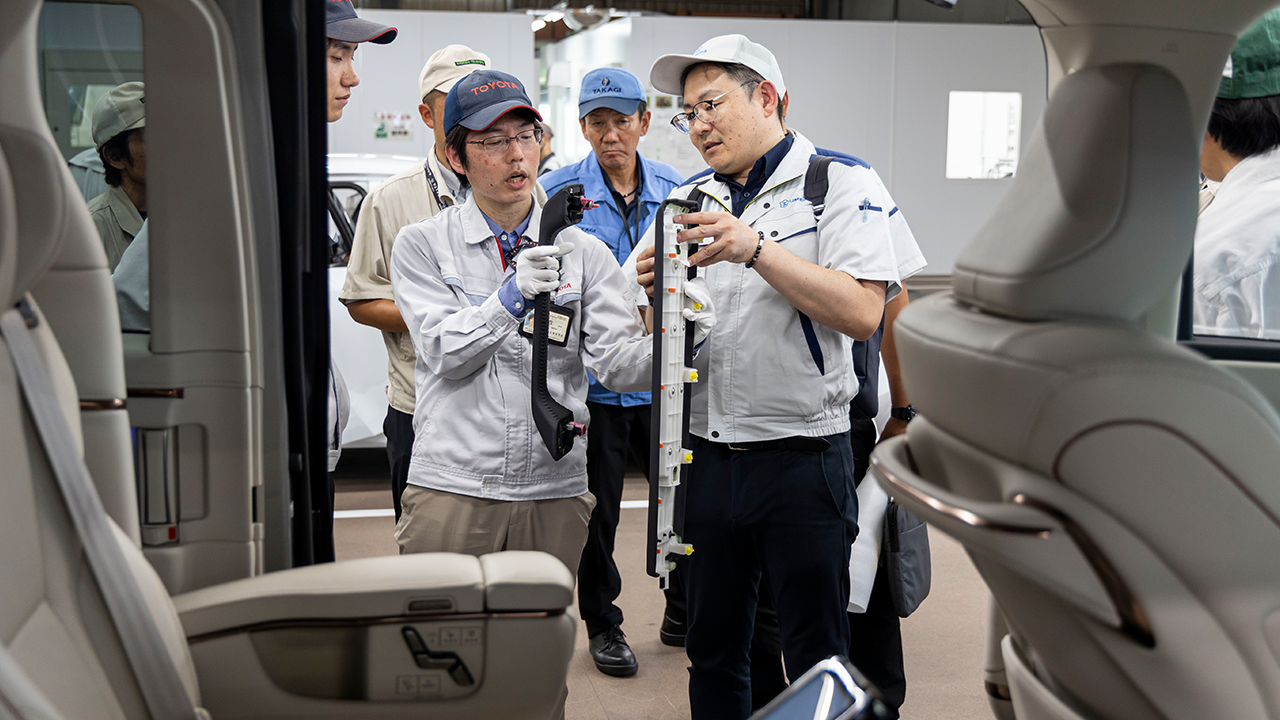
A Toyota staff member sat in the rear seat of a vehicle set up for the session and checked the part from the customer’s perspective, holding it in its intended position.

“I can't see the scuff marks from here.”
As the marks were on the underside of the vanes, they could only be seen from the floor when looking up at the vent. The part was then deemed fit for use, and the Toyota representative signed off on the decision.
Another case involved the surface material used for the centre console lid between the front seats. The manufacturing process can sometimes leave streak-like markings on the surface. These lines were barely noticeable inside the vehicle on a white lid, but stood out on a black one when the light hit at certain angles.

In this case, the decision was put on hold. "We want to compare samples with different levels of marking to determine the acceptable threshold."
As the name suggests, these sessions are about making quick decisions. However, if necessary, you can check parts in the vehicle and put difficult decisions on hold. Speed matters, but the outcome is not predetermined.
SSA Does Not Mean Lower Quality
Customers might feel uneasy about an initiative that accepts parts suppliers had previously judged unacceptable. However, Project General Manager Shoji Nishihara, who leads SSA efforts throughout Toyota, insists that “SSA does not reduce product quality.”
Project General Manager Nishihara
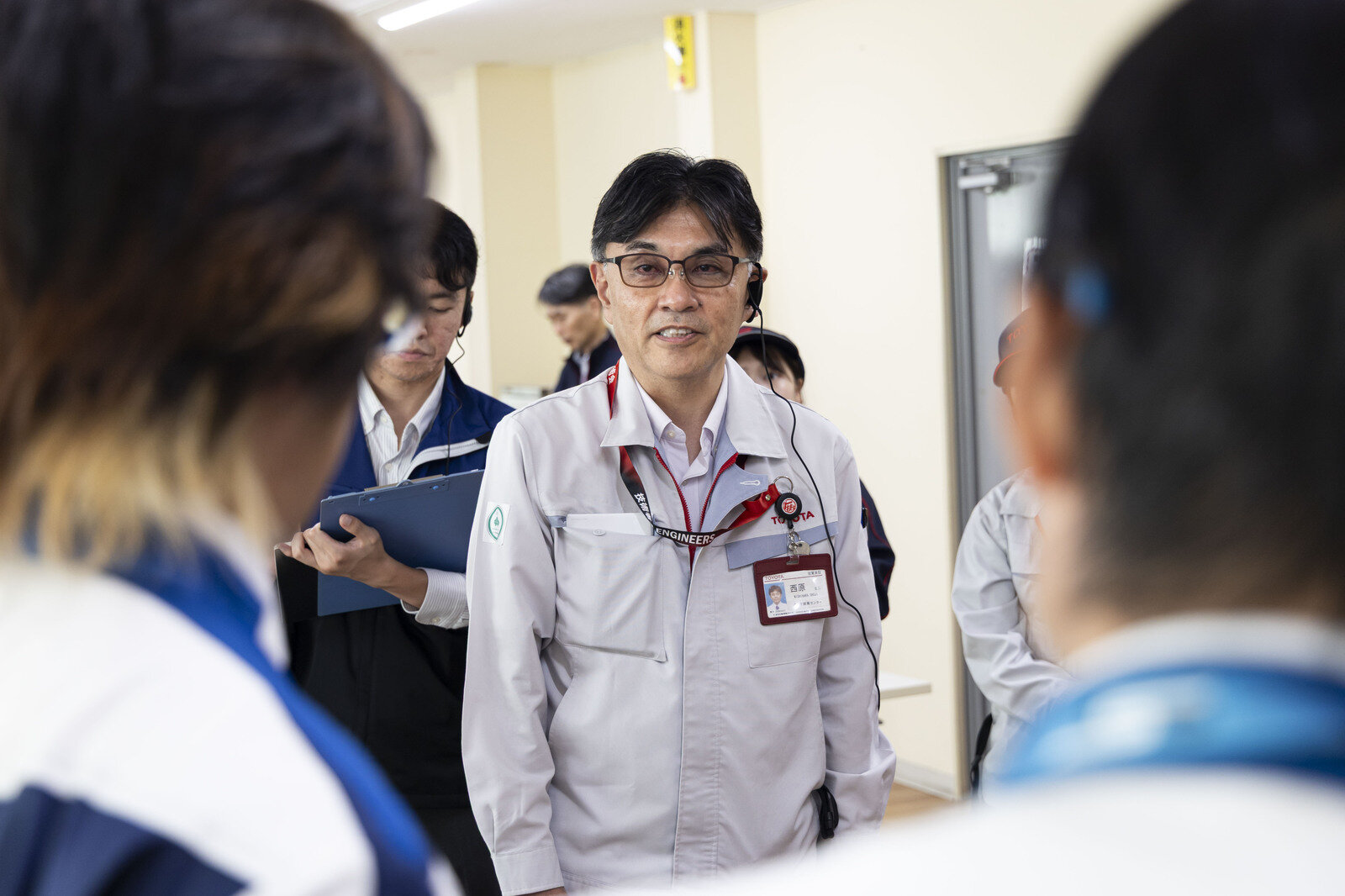
SSA aims to optimize our standards in line with customer safety, peace of mind, and expectations. This helps make our monozukuri more competitive. This does not mean relaxing quality requirements across the board. We adjust requirements that go too far while earnestly improving areas that fall short.
For example, parts were sometimes scrapped or reworked due to minor cosmetic differences that had no impact on performance or function. Clarifying vague quality standards can reduce unnecessary inspections and scrap, freeing up resources for further process improvements and quality enhancement.
How did such “overly strict” standards come about? One factor is the genba’s dedication to high quality. Kazuhiko Nakamura, a project general manager at Toyota Boshoku who participated in the spot-decision session, describes the reality on the ground for suppliers.
Kazuhiko Nakamura, Project General Manager, Toyota Boshoku
There were no clearly defined acceptance criteria or specifications for appearance for certain vehicle interior parts, so inspections were conducted under the general requirement that parts be “free from defects.”
Consequently, in some cases, suppliers discarded parts with even the slightest cosmetic flaw to avoid concerns being raised further downstream.
This dedication to product quality sometimes leads to unnecessarily rigorous inspections and assessments. More scrap also means greater manufacturing losses. Nevertheless, it is difficult for a supplier to approach an automaker and ask, “Do you really need this level of quality?”
SSA is a platform where suppliers and carmakers can candidly discuss such concerns. However, this does not mean immediately deciding that an issue is acceptable. “In manufacturing, the first step is to tackle the source of the issue,” explains Project General Manager Nishihara.
SSA comes into play when a phenomenon continues to occur at a certain rate despite repeated countermeasures and improvements to the production process. Only then is the condition assessed against customer expectations to determine whether it truly poses a problem.
Getting Suppliers to Speak Up
Although SSA provides an opportunity for suppliers to voice their concerns, the framework alone cannot eliminate the reservations and anxieties that have been built up over years of business relationships. According to Project General Manager Nishihara, there is a "psychological barrier" to speaking up.
Project General Manager Nishihara
Suppliers may worry that raising concerns with a client will affect their next order or pricing, or that the client will come back with even stricter demands.
This barrier can only be broken down by the carmaker. I believe SSA provides the impetus to overcome such deference. SSA is also a framework for resolving issues that suppliers face on the production floor.
Getting suppliers to speak candidly has been an ongoing challenge, and the issue has repeatedly come up in Toyota’s labor-management discussions.
During the 2021 discussions, voices from supplier genba were shared, including: “Even as we question whether Toyota’s standards are excessive, we do everything we can to meet them. The result is many discarded parts.” The union also pointed out that simply telling suppliers to “let us know if there’s a problem” would not encourage them to speak up.
The same challenge arose again during the 2022 labor-management discussions. Senior Toyota employees who had worked closely with suppliers through SSA reflected that their initial goal of “improving supplier profitability” had itself contributed to creating a barrier. They wore supplier uniforms, joined the genba as team members, and worked with Toyota departments on behalf of the suppliers—sometimes even reviewing Toyota’s own evaluation methods. They said that only through such efforts did they gradually come to be accepted as part of the team.
Since 2018, the number of SSA cases handled by Toyota’s company-wide SSA office has increased every year. By 2025, the cumulative total had reached approximately 7,500, with 67% of proposals adopted. Suppliers voice their concerns and collaborate with carmakers to find solutions. What changes has this collaborative effort brought to the genba?
After observing the on-the-spot decision session at the Tahara Plant, the group visited Hamana Plastic in Kosai City, Shizuoka Prefecture. Hamana Plastic is a Tier 2 supplier to Toyoda Gosei and primarily manufactures plastic parts such as air conditioning vents. Hamana has addressed issues arising on the genba one by one in consultation with Toyoda Gosei. Hamana ranks among Toyoda Gosei’s top suppliers in terms of SSA proposals.
Hiroyasu Sahara, President, Hamana Plastic
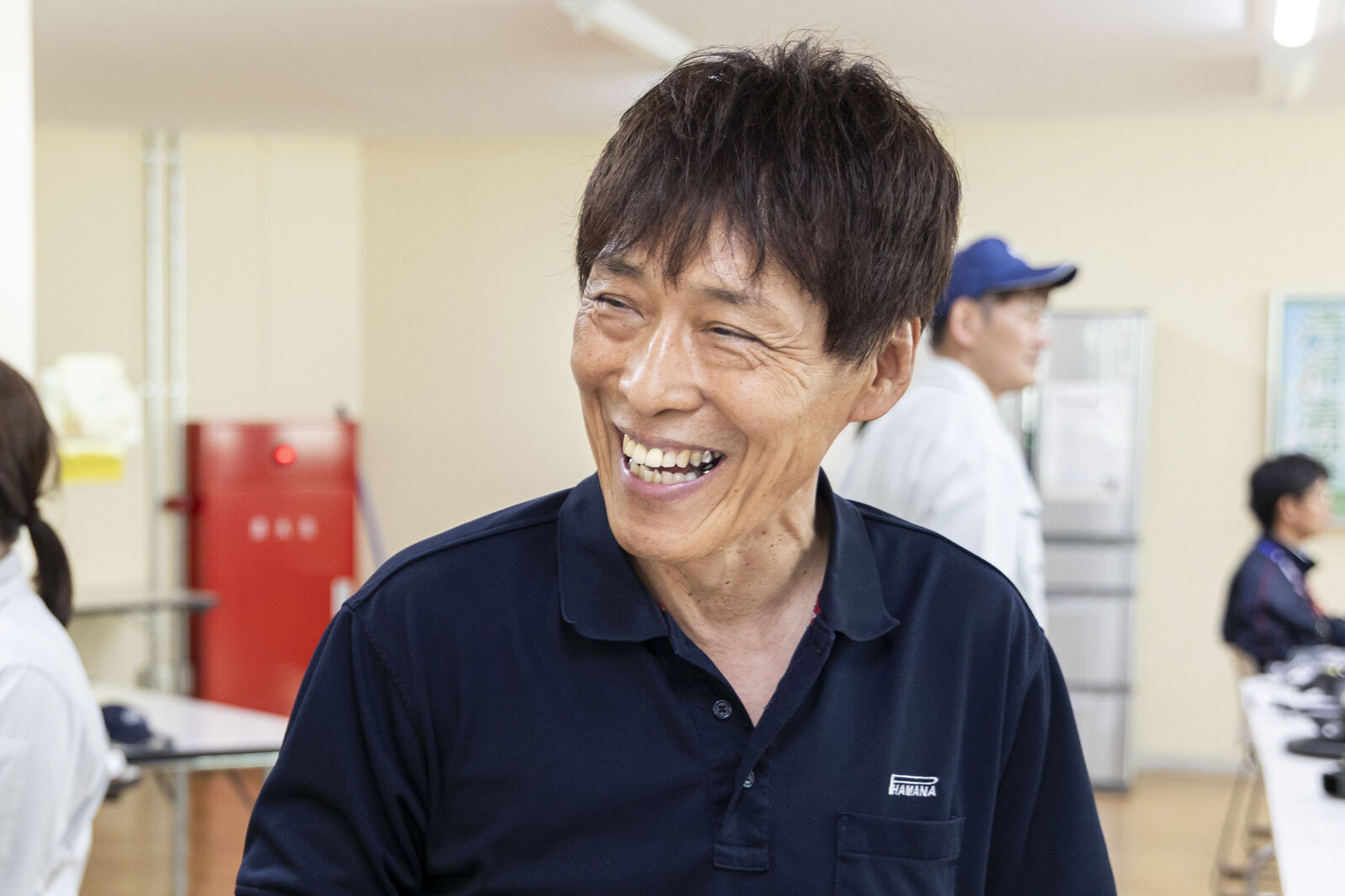
SSA has been extremely helpful to us. In the past, especially during inspections, we would scrutinize parts for even the slightest imperfection, including flaws that were barely visible. This placed a considerable burden on our frontline staff.
For parts that have been checked and approved through SSA, we have been able to reduce the inspection workload and manufacturing losses. As a result, employees have been working less overtime, allowing us to devote more attention to improving other processes.
Suppliers are speaking up and collaborating with manufacturers to reevaluate standards. The benefits are being felt across a growing number of genba. However, as these efforts expand, they are also highlighting challenges that the Toyota Group cannot solve alone.
“It’s not enough for Toyota to change alone.”
Such sentiments have begun to surface among suppliers, many of whom work with multiple automakers. Naturally, each manufacturer has its own customers, approach to carmaking, and quality standards.
These differences are not a problem in themselves. The challenge for suppliers working with multiple carmakers is meeting the different requirements of each automaker.
When parts for multiple automakers are produced on the same line, even if one automaker optimizes its standards, the supplier must still meet the different requirements of the others. This can make production-floor management more complex in some cases.
In response to feedback from suppliers, Toyota started collaborating with other automakers in 2022. One example of this collaboration was the gathering of procurement and quality personnel from various automakers at the Tahara Plant’s on-the-spot decision session.
Project General Manager Nishihara
We have been exchanging views with other companies and visiting suppliers together. This gives them the opportunity to see the benefits of SSA firsthand and understand why it is necessary. However, proceeding one company at a time could take one, two, or even three years—or perhaps even longer.
By working through an industry-wide framework, SSA can benefit suppliers that do business with multiple automakers. If the initiative spreads more broadly, it can benefit the industry as a whole. Momentum has naturally begun to build in that direction.
In April 2025, the Japan Automobile Manufacturers Association (JAMA) and the Japan Auto Parts Industries Association (JAPIA) established a joint SSA working group. The following March, they issued the SSA Promotion Declaration, signaling an industry-wide commitment to supporting each company’s efforts.
On July 14, JAMA and JAPIA held a joint media briefing to reiterate their aim to expand SSA beyond individual companies and strengthen the competitiveness of Japan’s automotive industry as a whole.
Where to Compete and Where to Cooperate
That said, competing automakers cannot standardize everything. The JAMA/JAPIA joint SSA working group does not address competitive areas, including pricing, volumes, transaction terms, proprietary technologies, and undisclosed know-how. Instead, joint discussions focus on “non-competitive areas,” such as appearance quality—areas that have little impact on customers’ purchasing decisions.
During the July media briefing, Kohei Yukimoto of Toyoda Gosei presented an overview of the joint SSA working group’s activities.
Kohei Yukimoto, Toyoda Gosei
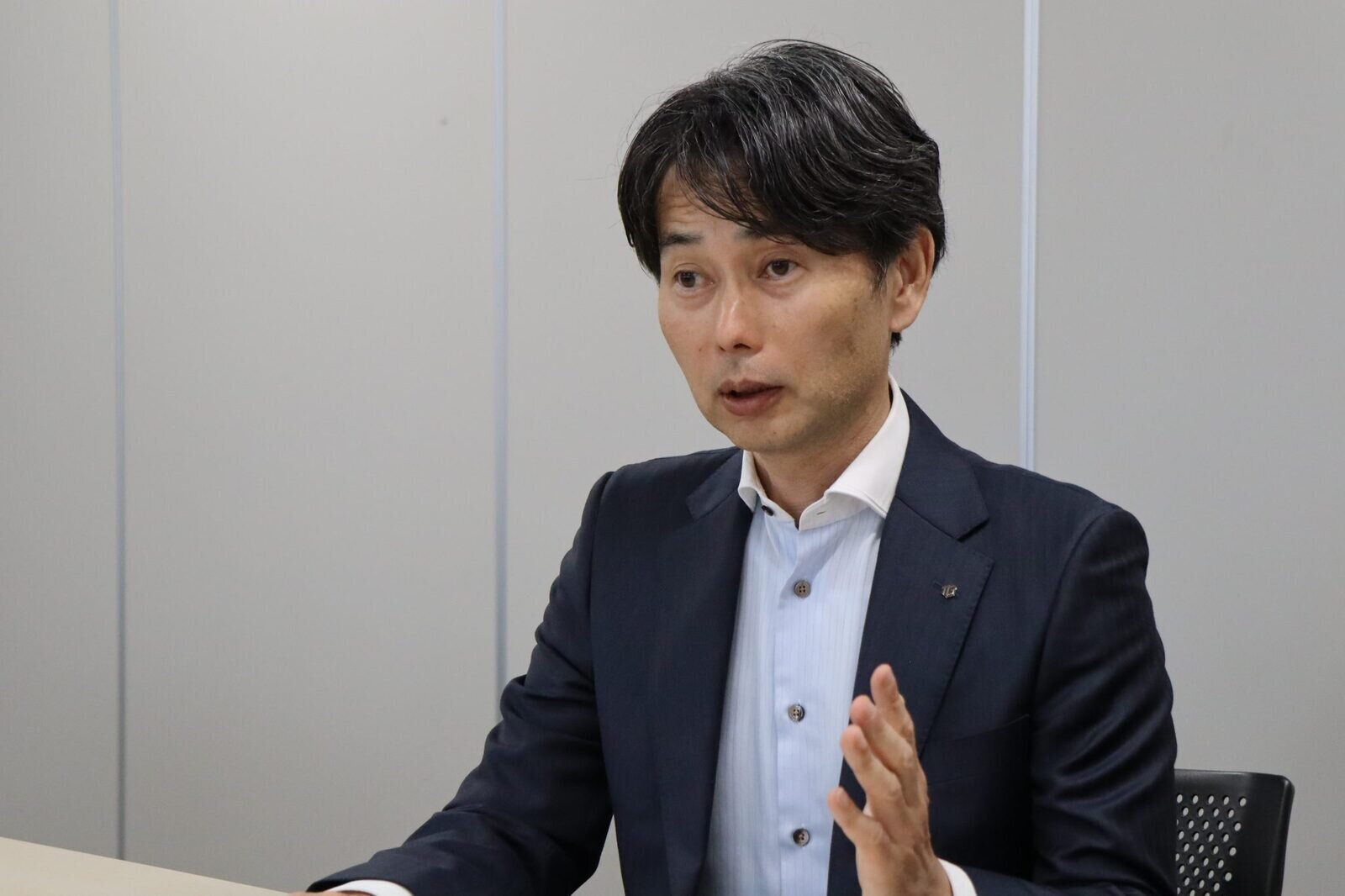
SSA is fundamentally driven by activities within individual companies. The JAMA/JAPIA joint working group supports these efforts by identifying common challenges, sharing examples, issuing the SSA Promotion Declaration, and developing guidelines.
Rather than aligning all automakers under a single quality standard, each company remains responsible for its own SSA efforts. Issues that can be shared across the industry are brought together across company lines to speed up solutions.
Automakers compete where necessary, while joining forces where cooperation is possible. The goal is to leverage this collaboration to boost productivity and sustainability throughout the supply chain and ultimately strengthen the competitiveness of Japan’s automotive industry.
Representatives from other automakers who observed the on-the-spot decision session at the Tahara Plant also spoke candidly about the current state of their own efforts.
I feel that our SSA efforts are still in the formative stage. We have not yet established a system for holding regular sessions like this one and making on-the-spot judgments.
While I believe we should pursue SSA, the challenge lies in conveying its benefits to others in the company and turning that into action.
Another automaker representative said that visiting the Tahara Plant and Hamana Plastic reinforced their conviction that “we need to do this too.”
At the Tahara Plant, I was impressed by the young staff’s ability to make decisions on the spot and their “let’s give this a try” attitude. At Hamana Plastic, I saw firsthand that making parts easier to produce can also lead to better quality.
These experiences reaffirmed for me that continuing efforts like these is essential to maintaining and strengthening monozukuri competitiveness.
Each company faces different challenges and takes a different approach to addressing them. This is why the JAMA/JAPIA joint SSA working group is so valuable. It provides a forum for bringing these challenges to the table and working through them together.
Growing the SSA Movement
What will the future look like as SSA spreads across the industry? According to Deputy Chief Officer Nakamura, expanding these efforts across the sector starts with understanding how companies differ.
Deputy Chief Officer Nakamura
There are certainly challenges involved in working across company lines. Each company serves different customers with different expectations. So, we should start by understanding how we differ.
Rather than trying to align everything right away, we should first get to know one another and see how much we can accomplish together. I think we can move forward through continued communication.
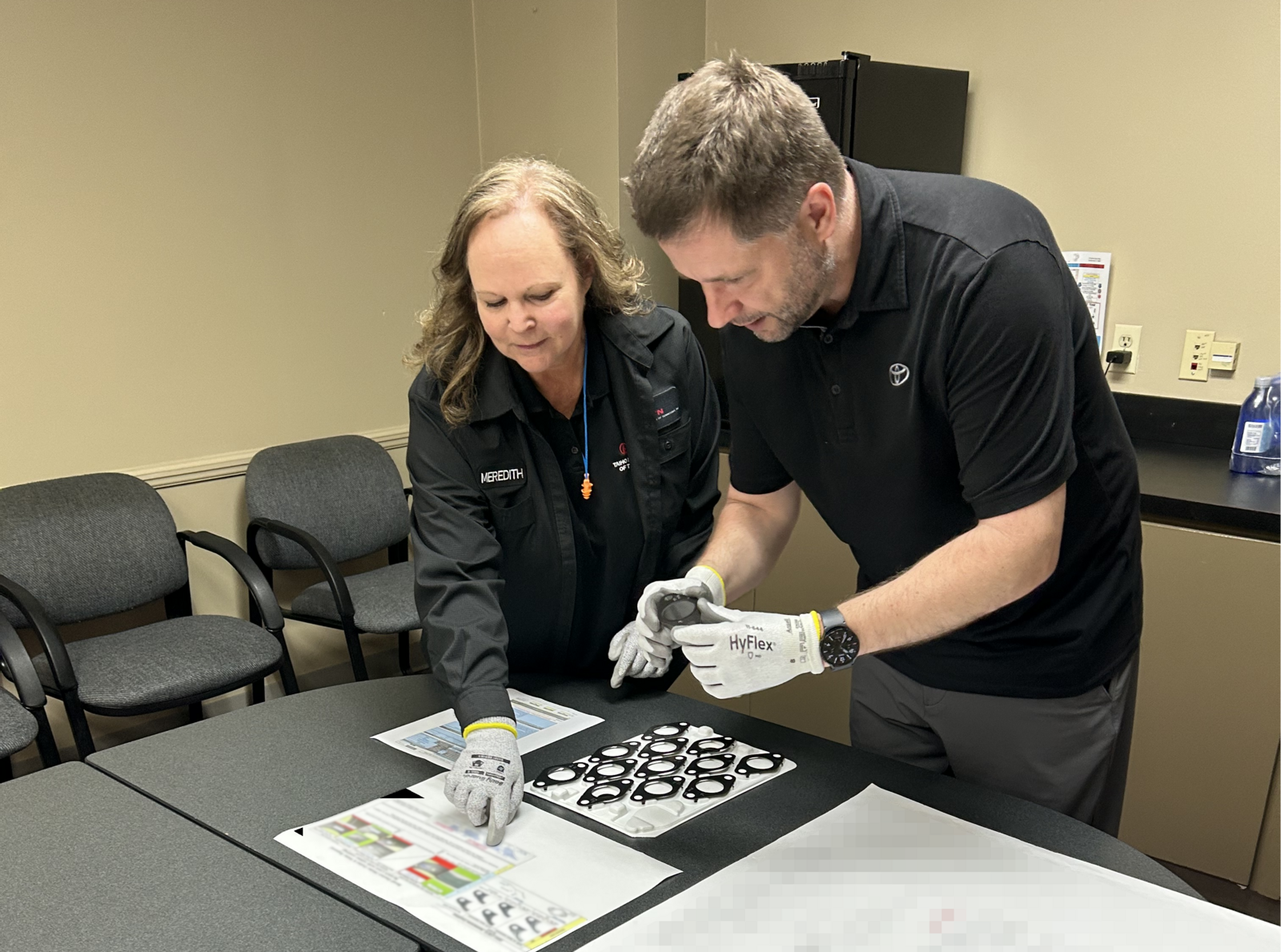
SSA is also spreading beyond Japan. Toyota has established a dedicated SSA team in North America and is expanding its activities in Europe and Asia.
Project General Manager Nishihara
The overseas rollout of SSA is still a work in progress. That said, a growing number of local team members understand why SSA is important and the benefits it can deliver. They are taking the initiative to move these activities forward themselves.
This does not mean simply taking the standards and methods established in Japan and applying them overseas. As Deputy Chief Officer Nakamura points out, “Regional efforts are best led by the people who know local customers best.”
Deputy Chief Officer Nakamura
Instead of imposing Japan’s way of doing things, we want to understand the expectations of customers in each region and reflect them in our optimization efforts. We aim to provide robust support for this process from Japan.
Deputy Chief Officer Nakamura also envisions an even bigger future for SSA.
Deputy Chief Officer Nakamura
I hope that SSA can grow into a broader movement reaching the 5.5 million people working in Japan’s automotive industry and help spark what you might call an “All-Japan” movement.
Not one company, but an entire industry working together.
They compete where they should and join forces where they can.
SSA is evolving into a broader effort to strengthen Japan’s automotive industry.