



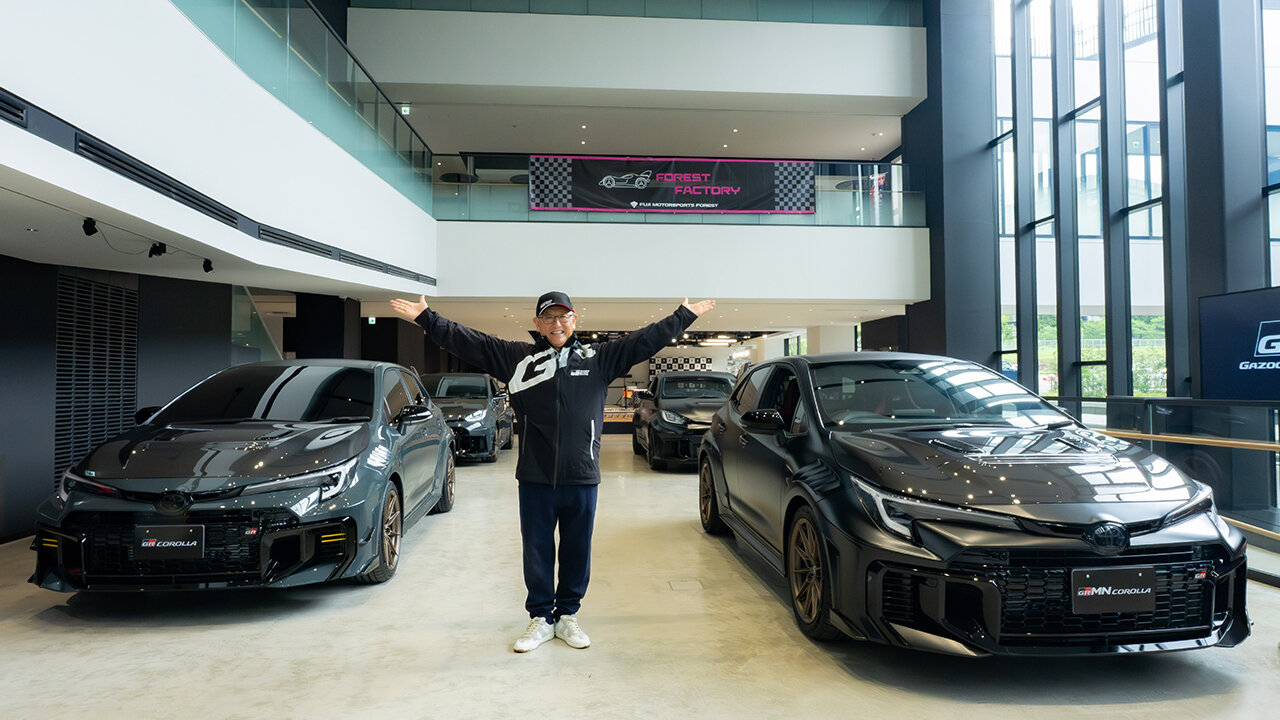
Sixty years after the arrival of the first-generation Corolla, Toyota has unveiled a new GRMN edition. We attended the media briefing held during Round 3 of the 2026 Super Taikyu Series, the Fuji 24 Hours.
Making ever-better cars through motorsports. This approach to carmaking can be considered a part of Toyota’s DNA.
In 1952, Toyota Motor Corporation founder Kiichiro Toyoda wrote about the relationship between racing and the global automotive sector, stating, “Races must not be regarded as a simple matter of curiosity, for they are indispensable to the development of Japan’s automobile manufacturing industry.”
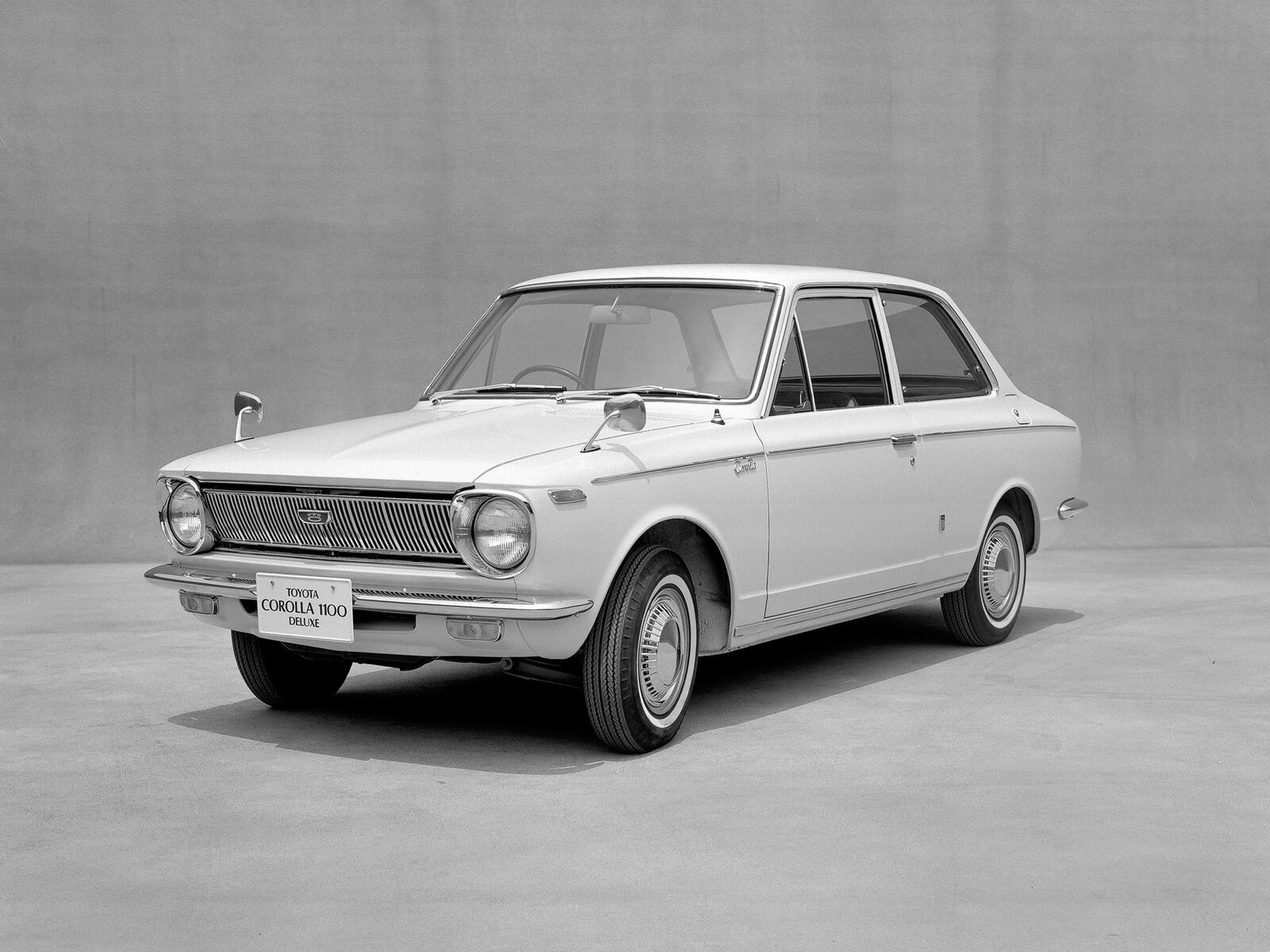
Fourteen years later, in 1966, the first-generation Corolla made its debut. This year, as the model marks its 60th anniversary, on June 1, Toyota unveiled a new GRMN Corolla.
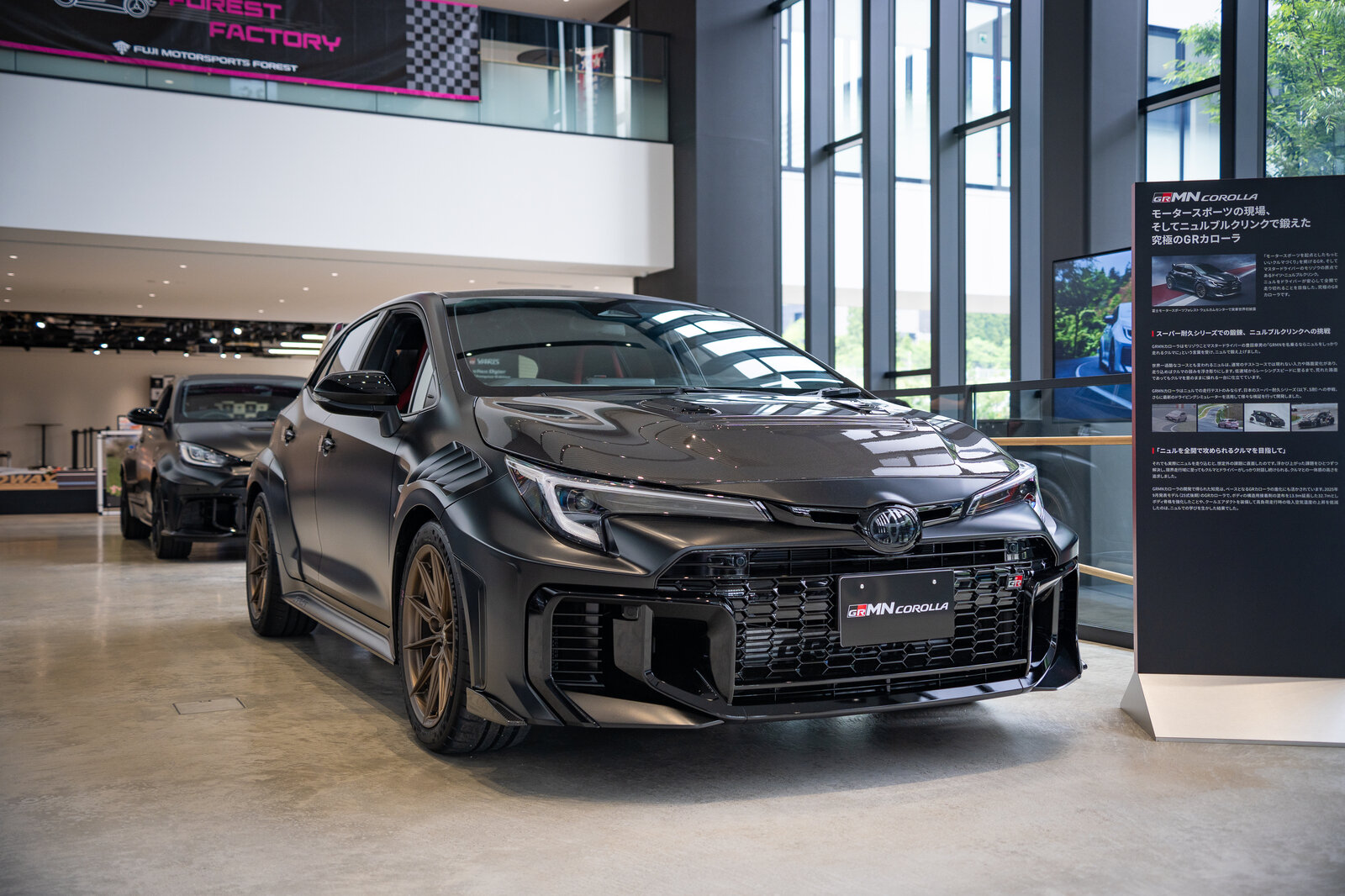
GRMN stands for “GAZOO Racing tuned by Meister of Nürburgring.”
The car was presented to the media at a briefing during Round 3 of the 2026 Super Taikyu Series, the Fuji 24 Hours, held from June 5 to 7.
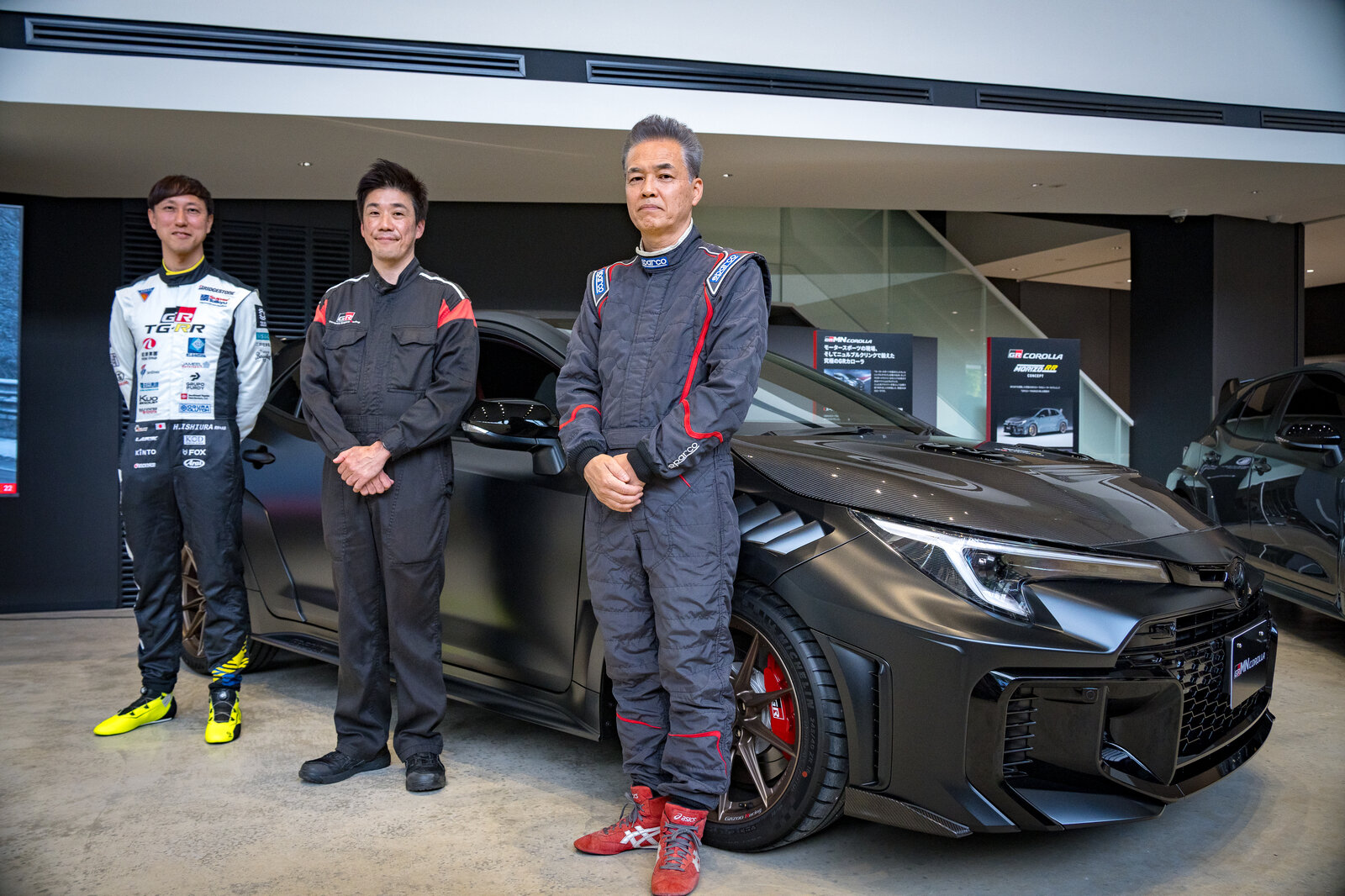
The session was led by Chief Engineer (CE) Naoyuki Sakamoto of the GR Company’s GR Management Division, who oversaw the GRMN’s development, as well as professional driver Hiroaki Ishiura and Grand Expert Akihiro Osaka (Advanced Technical Skills Institute Division), both of whom were involved in developing the GRMN. CE Sakamoto began by outlining the Corolla’s history.
CE Sakamoto
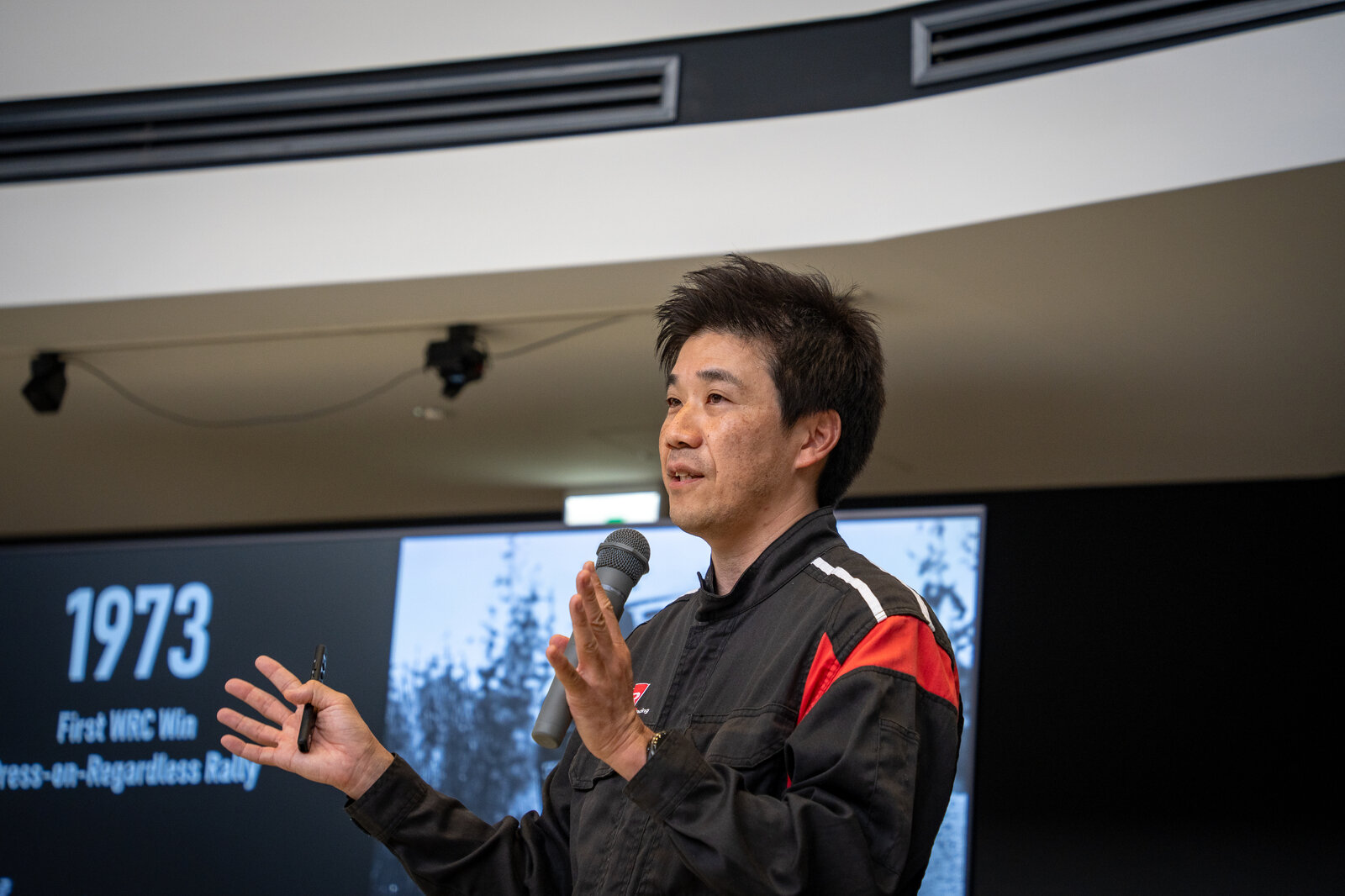
Seven years after its release in 1966, the Corolla became the first Toyota car to win in the WRC. So began the journey of refining our vehicles by competing in motorsports.
In 1973, a privateer driver supported by a Canadian dealership claimed victory in the Press-on-Regardless Rally in the United States.
Two years later, a factory-backed Toyota team triumphed in Finland’s 1000 Lakes Rally, marking the start of the Corolla’s official ties to motorsport.
As many of you may know, Corolla models such as the AE86 have continued to evolve through motorsports, taking on countless challenges and earning the loyalty of customers around the world, with total sales now topping 50 million vehicles.
Although the Corolla tends to be viewed as a conventional mass-market car, in reality it won the hearts of so many customers by tackling numerous challenges. In that sense, it can be regarded as the trailblazer in our efforts to make ever-better cars through motorsports.
Race and production vehicles take different paths
Over time, however, the connection between production models and motorsport vehicles gradually weakened.
CE Sakamoto
At the same time, the push for lower costs and higher performance in motorsports fueled a shift towards specialized racing machines. The paths of production models and motorsport vehicles gradually diverged, with the latter focused more on advanced technologies and marketing, and increasingly having little connection to production car development.
Against this backdrop in 2007, Hiromu Naruse, who preceded Morizo as Toyota’s master driver, and Akio Toyoda himself, then serving as vice president, set out to make ever-better cars by first developing the necessary talent on the racetrack. This goal led them to take on the Nürburgring 24-hour race in Germany.
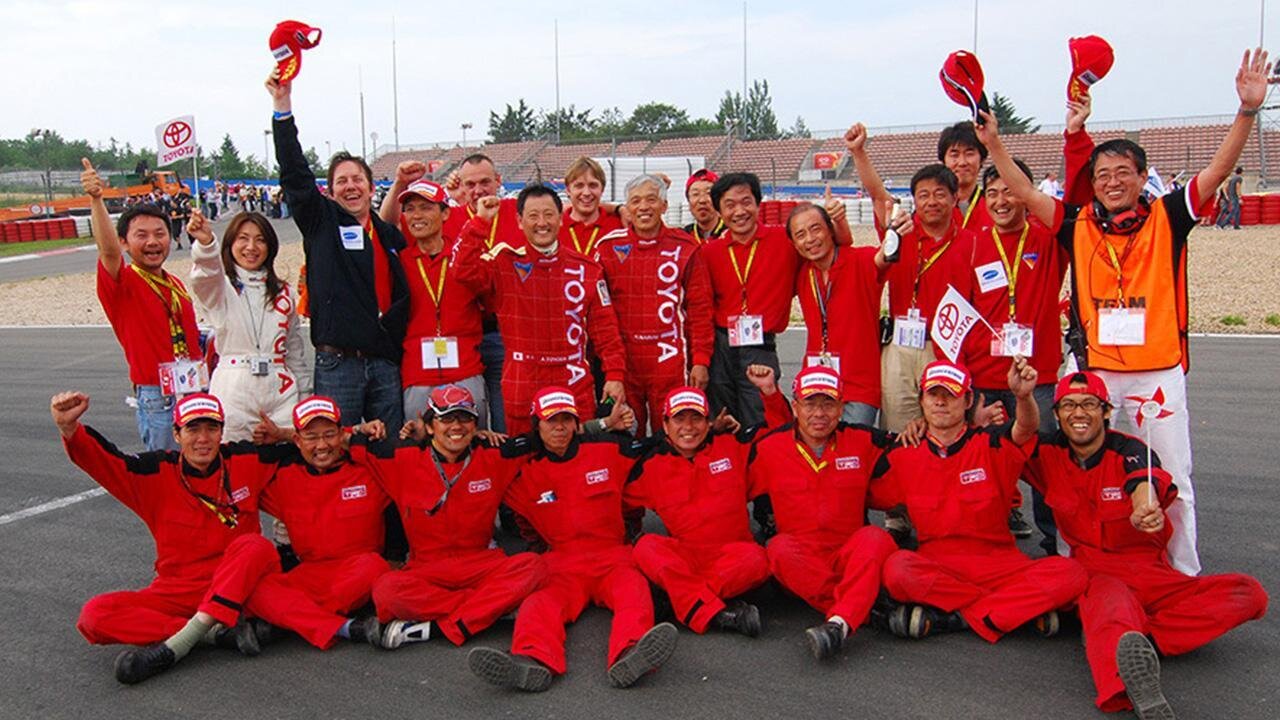
As it happens, both Ishiura and Osaka were there on the front lines from the outset, competing as drivers. They were involved from the earliest stages, supporting Toyota’s efforts to make ever-better cars through motorsports.
These efforts led to the Lexus LFA in 2010, followed by the 86 in 2012 and the Supra in 2019.
But those cars represented only part of the journey. The LFA was a limited-edition model, while the 86 and Supra were only able to make their return to Toyota’s sports car lineup with the help of other companies. Then finally in 2020, the GR Yaris was born, followed by the GR Corolla in 2022.
These were mass-produced sports cars built with our own hands, through countless attempts and failures, as we continued to take on new challenges on the front lines together with Toyota’s mechanics, engineers, and drivers. That is the history behind these cars.