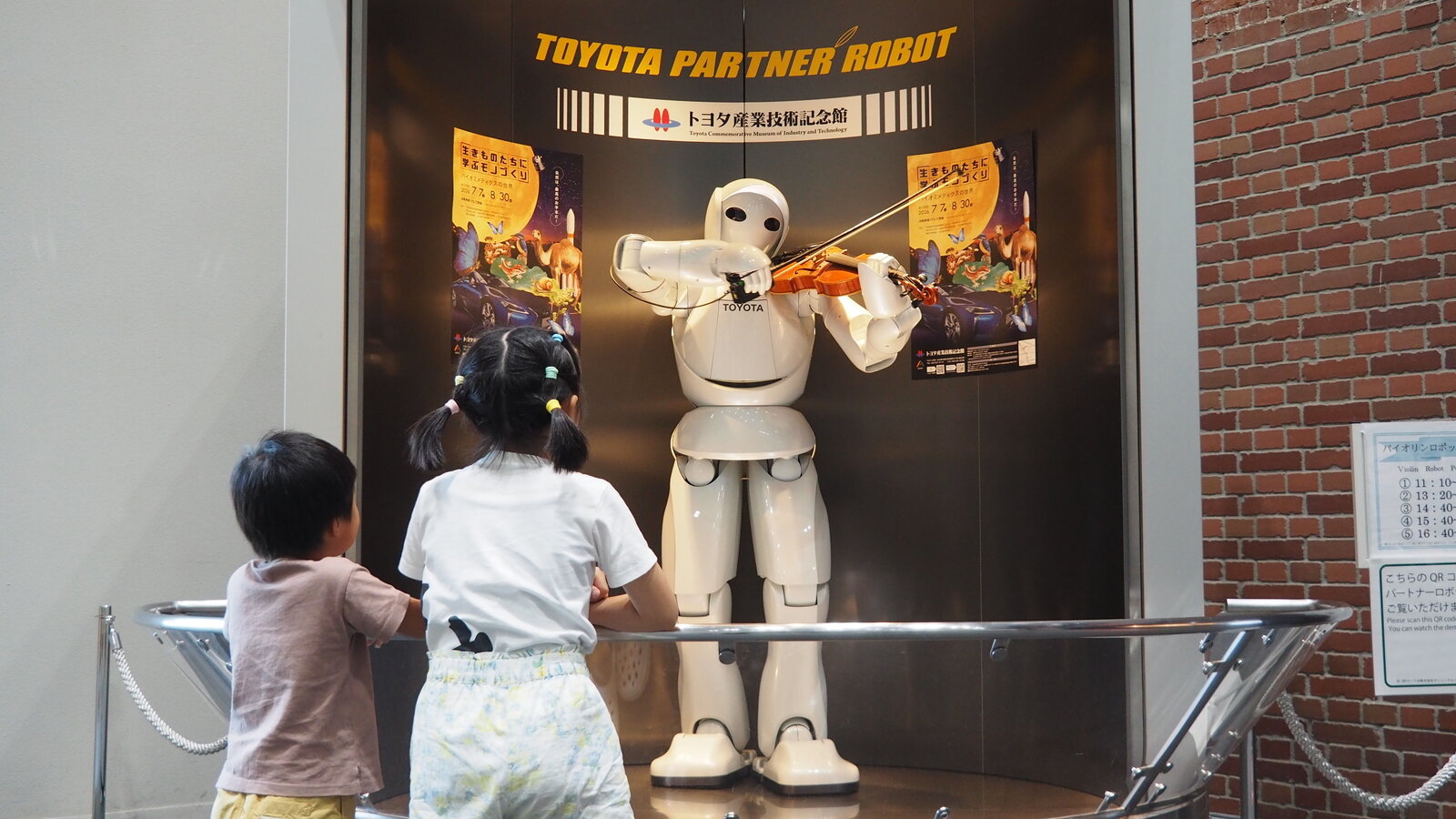
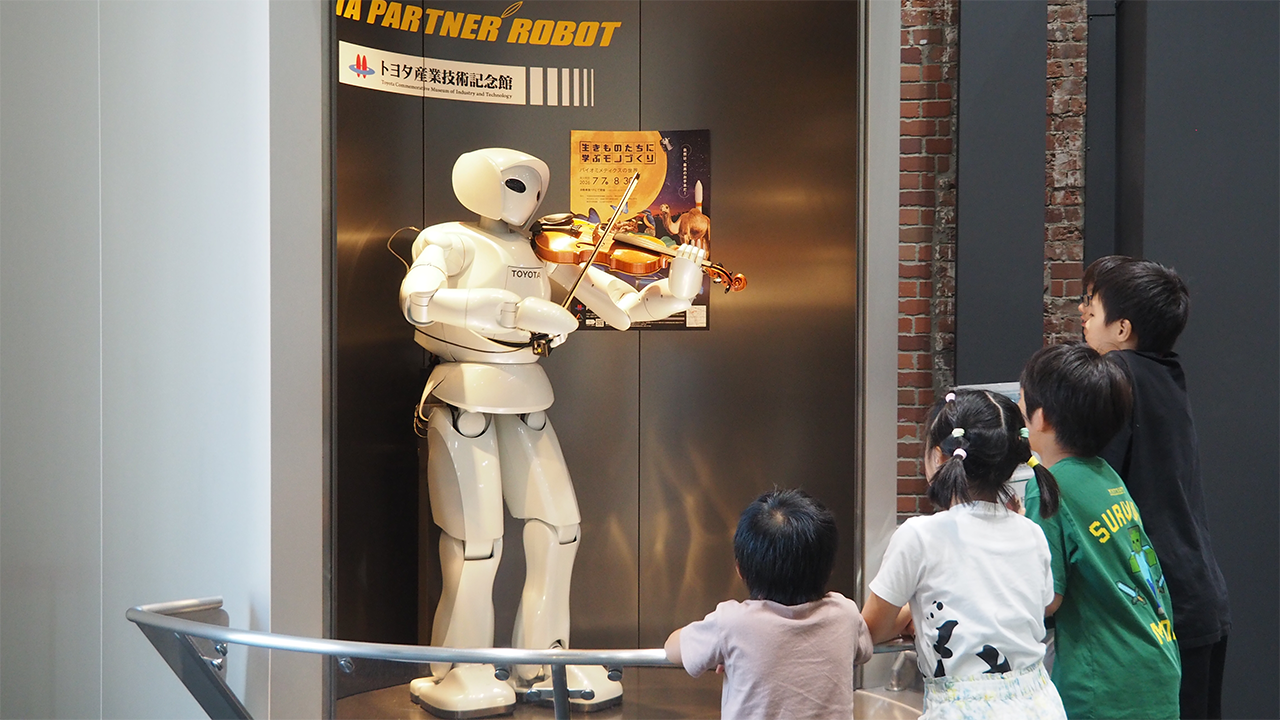
Toyota's violin-playing robot first drew attention at Expo 2010 Shanghai. Though its stage has changed, its music continues to this day. This year, a technical issue reunited it with two former developers for the first time in over a decade.
After the Expo, a new stage
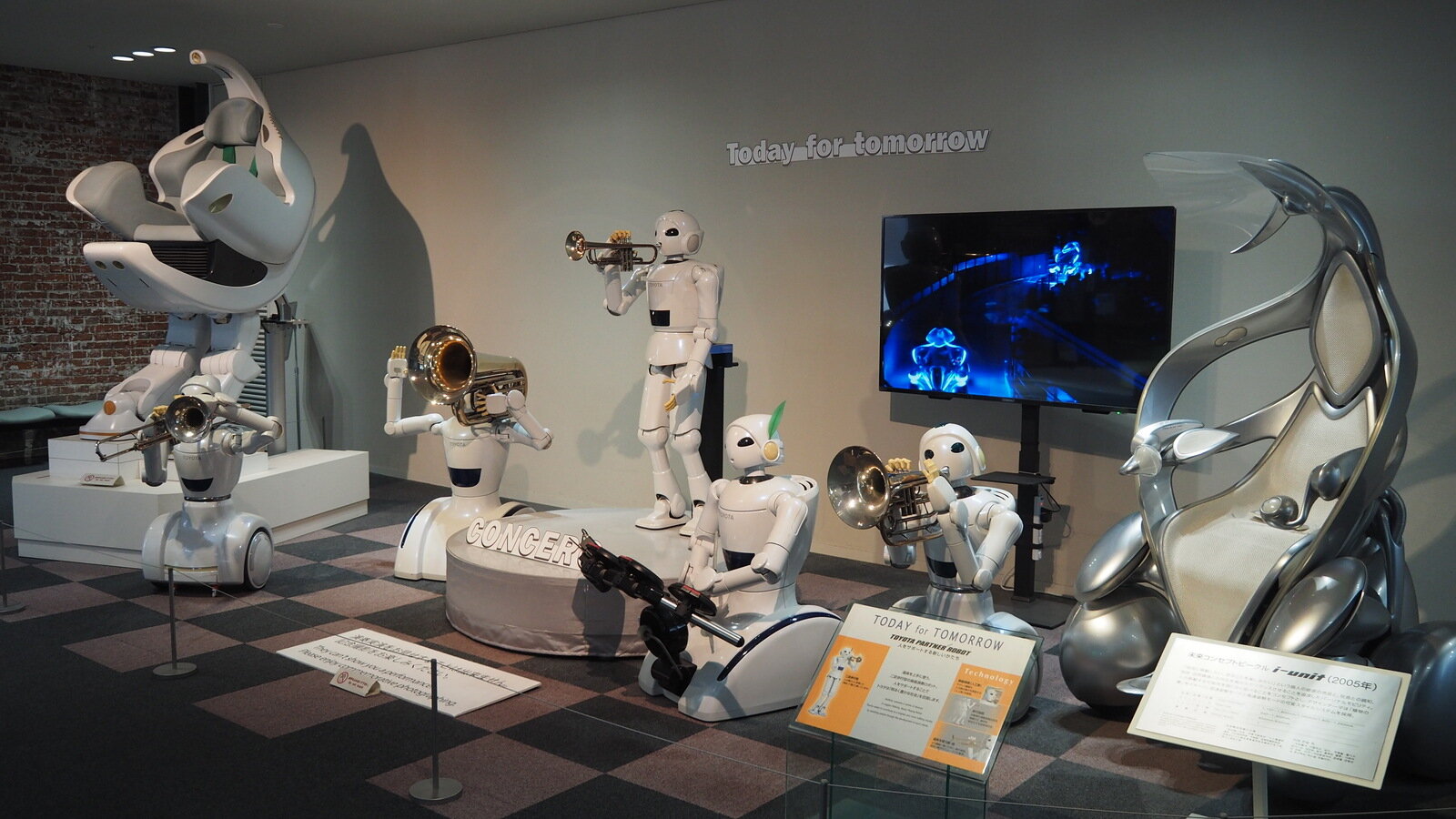
Following the Expo, the instrument-playing robots moved to new venues, including Toyota exhibition facilities, where they continued to perform for visitors.
In 2014, the violin-playing robot used in Shanghai began performing at the Toyota Commemorative Museum of Industry and Technology and was given the name Pearl. Today, Pearl II—another robot originally built for Expo 2010—has taken over from the original and continues to perform.
“If an error comes up just before showtime, I get a little nervous wondering whether we’ll make it in time,” says Yuri Minamikawa, a staff member at the museum.
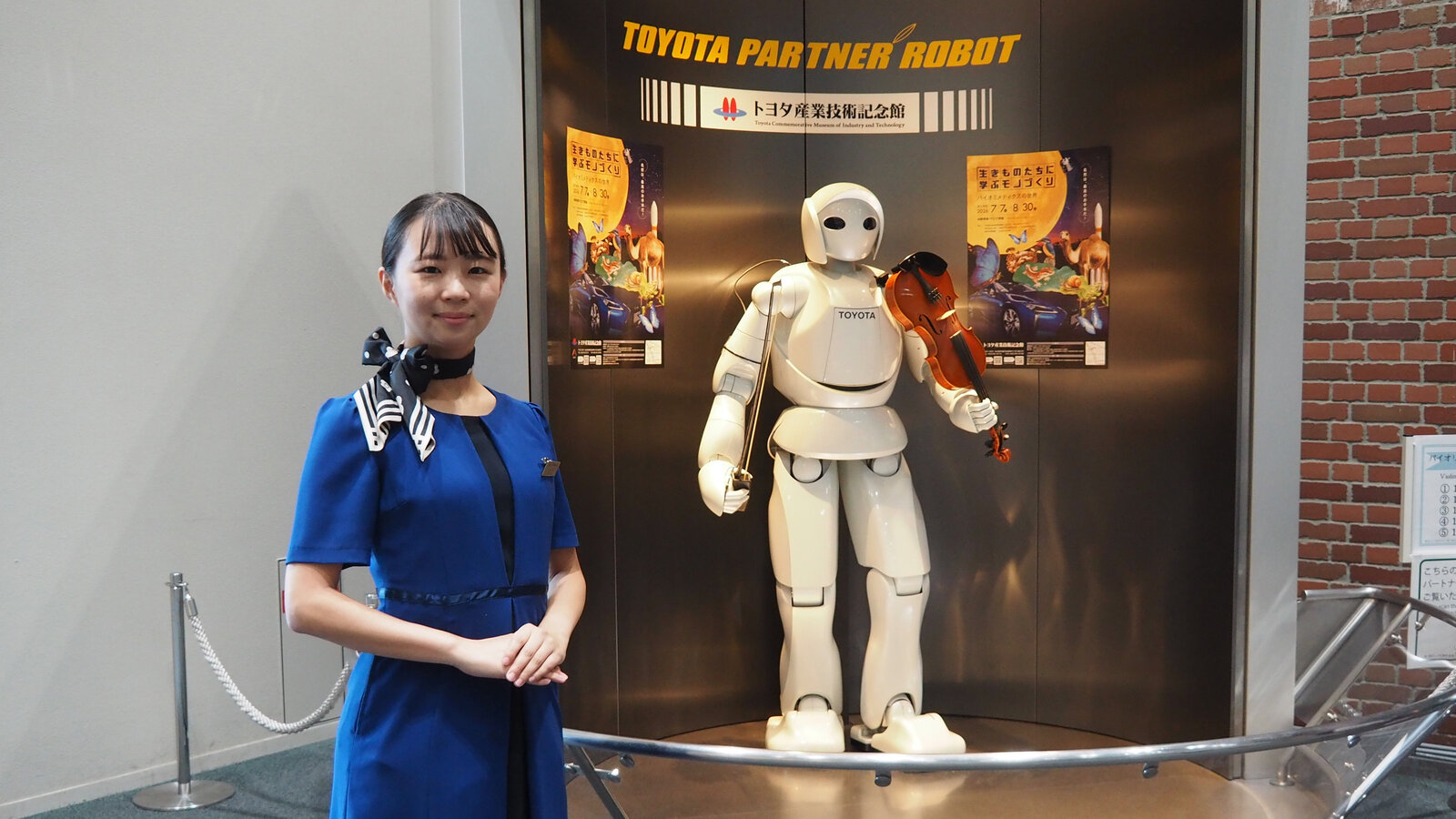
Her day begins with starting up Pearl before the museum opens. Before each performance, Minamikawa tunes the violin, applies rosin to the bow, and has Pearl play the strings one by one to make sure everything is working properly.
Yuri Minamikawa
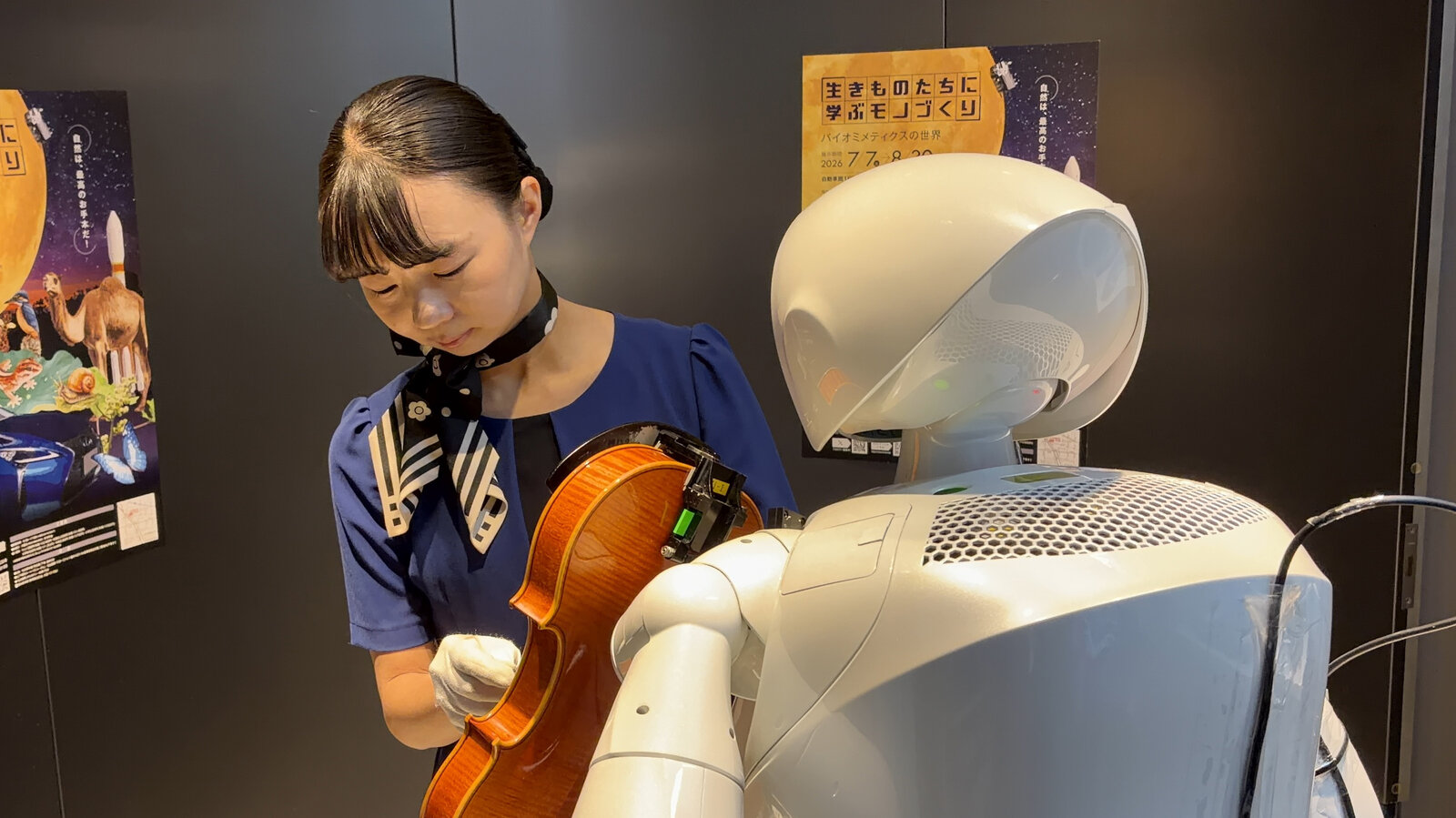
If a restart doesn’t fix the error, we have to cancel that particular performance. But visitors are really happy when we get it back up and running.
One visitor even told me that their child began learning the violin after hearing the robot perform. On the other hand, some people say Pearl has a tin ear (laughs).
It may not be a perfect performance, but perhaps that is part of what makes it feel human.
Keeping Pearl running: the work of a former maintenance technician
Motoharu Sato of the Toyota Commemorative Museum of Industry and Technology previously worked in equipment maintenance at Toyota’s Takaoka Plant. Drawing on that experience, he and his colleagues have done everything they can to keep Pearl running, handling as much as possible themselves.
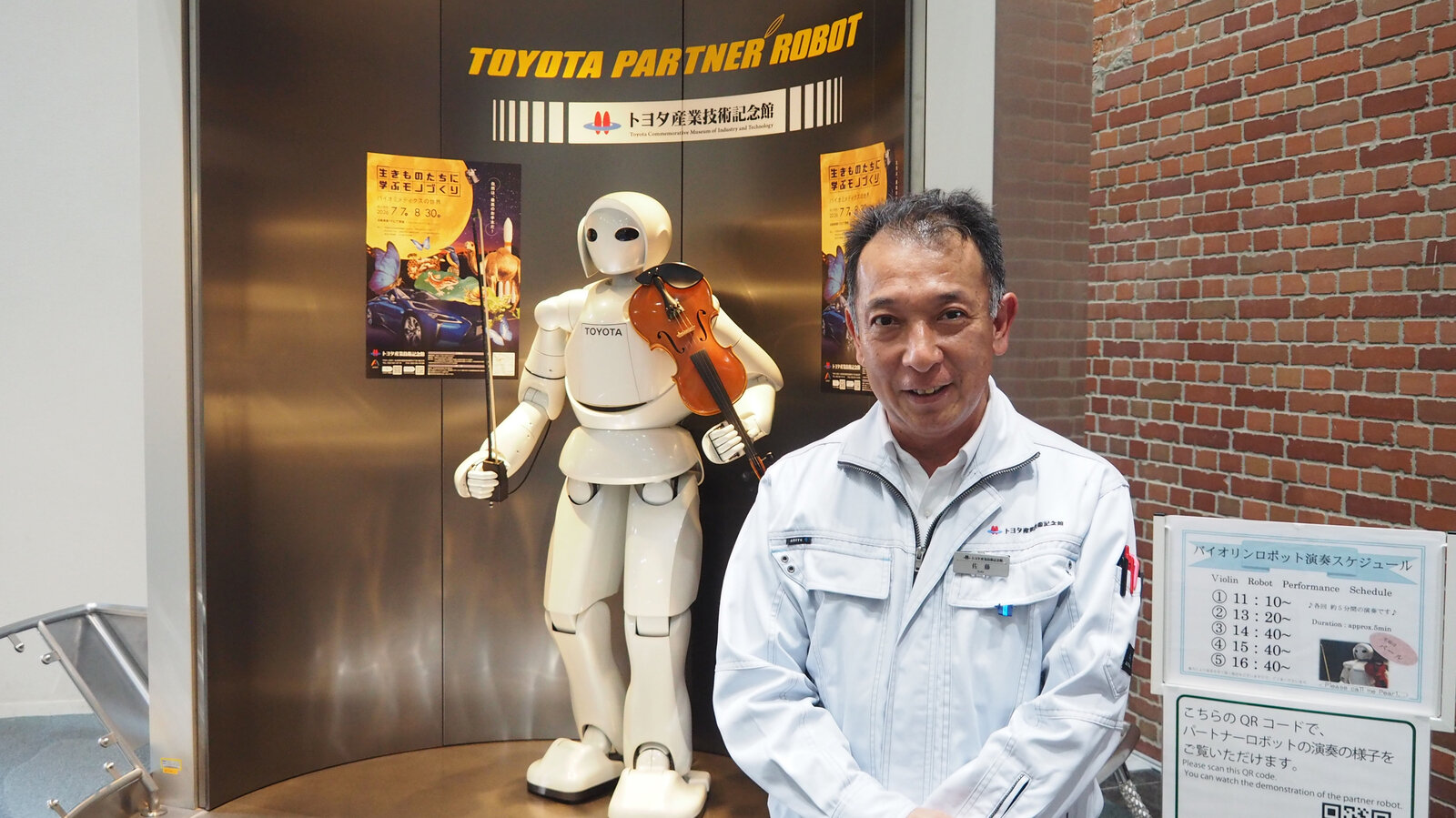
In May, however, the robot developed a communication error in its right arm, along with a problem that prevented the bow from being properly adjusted. Working with the inspection provider, Sato systematically narrowed down the possible causes, checking the wiring one connection at a time.
One of the causes was a communication cable inside the right arm that carries signals used to detect the condition of the bow. After years of repeated operation, the connection had become unreliable, causing the robot to work normally at times and suddenly generate errors at others.
Normally, the damaged cable would be replaced inside the robot. However, that would take time, leaving the robot unable to perform in the meantime.
“Visitors want to see the robot perform.”
Sato instead chose to route the cable outside the robot’s body and connect it to the right hand. He then had Pearl perform around 100 times to make sure the cable would not catch or become strained. Once he confirmed that everything worked properly, the repair was complete.
Motoharu Sato
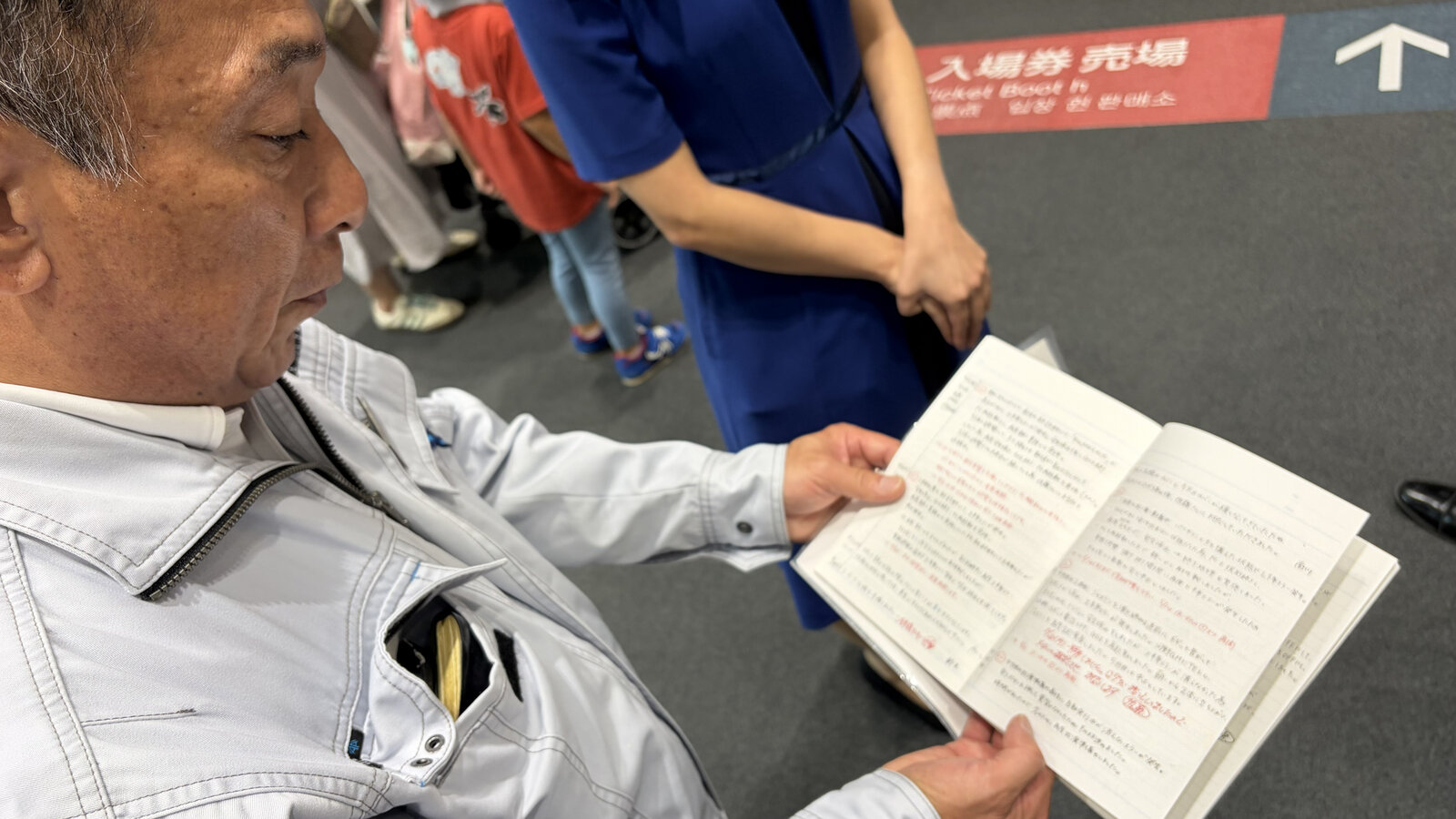
On the mechanical side, I do what I can to keep it running. There’s always a new challenge.
Running the cable on the outside has been a necessary workaround. At some point I hope to bring it back inside the body.
The immediate problem had been solved. However, given that the machine was more than a decade old, similar issues could resurface. At the same time, a growing list of parts, including capacitors, had gone out of production and could no longer be sourced.
Faced with this situation, Sato decided to consult Toyota about ways to extend Pearl’s service life. However, few people remained in the department now responsible for robot development who were familiar with the project from more than 16 years earlier.
Following the trail eventually led back to the engineers who had originally developed the violin-playing robot.
Revisiting the original design documents
When he received an update on Pearl’s condition, Kobayashi pulled out the design drawings and specifications from the robot’s development. He had kept the documents all these years.
Makoto Kobayashi
I didn’t keep them because I thought a day like this would come. I simply kept them because I had a strong attachment to the project.
When I opened them again after a long time, the memories came flooding back. "That’s right—if I remove this bolt, I can access this electrical component."
Kobayashi reviewed the situation using the documents. However, his expertise was in electrical systems, not the violin itself.
"Maybe I should reach out to Izu, too."
After comparing notes, the two agreed, “Let’s go see it for ourselves,” and headed to the Toyota Commemorative Museum of Industry and Technology.
There, for the first time, they saw how Sato and his colleagues had been keeping Pearl going for more than a decade.
Hiroki Izu
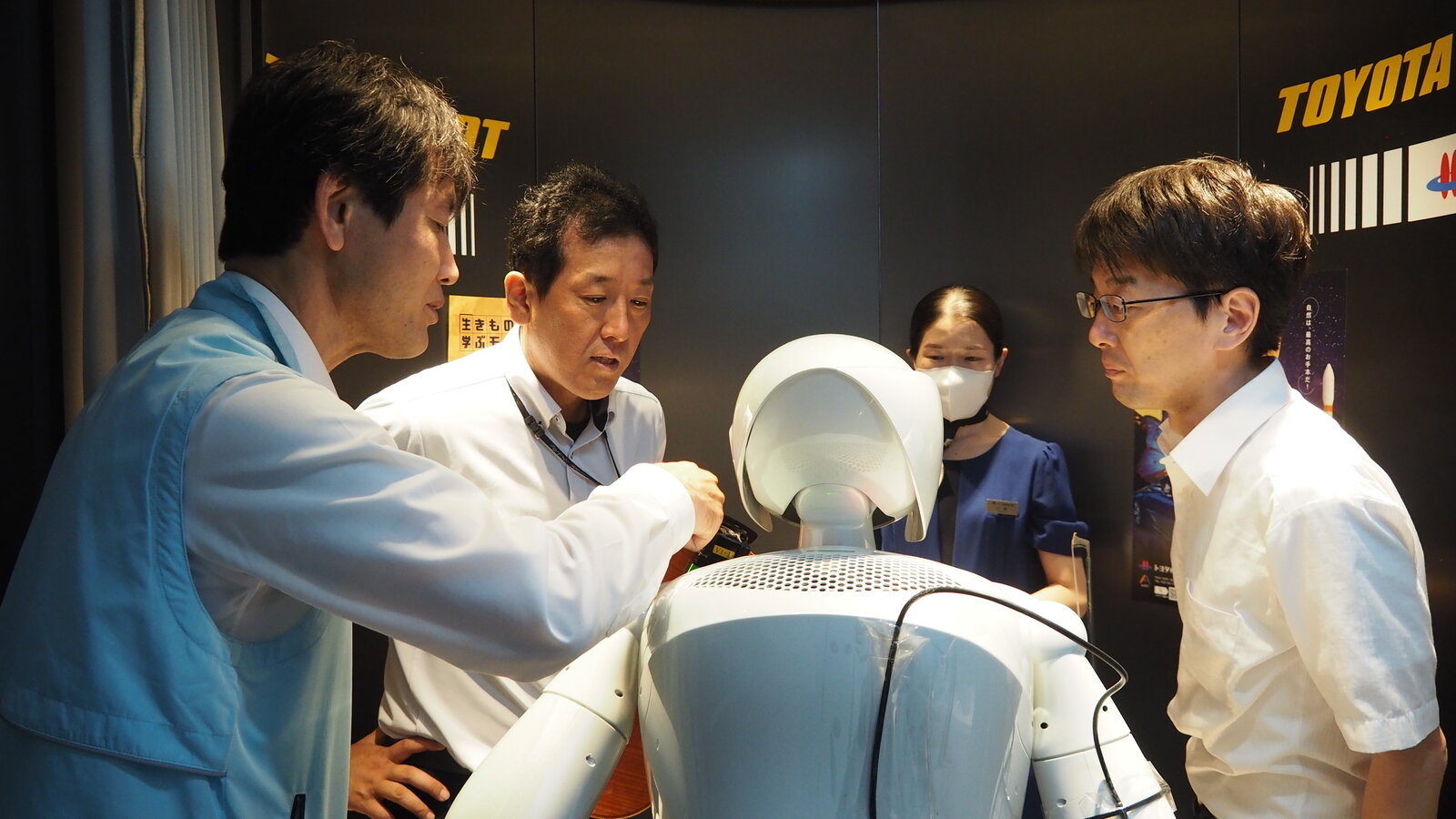
It was really moving to see the robot again and realize it was still running. Even the way the notes were slightly off was just as I remembered it (laughs). You could sense the dedication and craftsmanship of everyone who had kept it running all this time.
Opening the outer panels revealed more than memories of the past. There were repaired cables and tags bearing notes of caution.
These were signs of the resourcefulness and determination of the people who had kept Pearl running for more than a decade.
Makoto Kobayashi
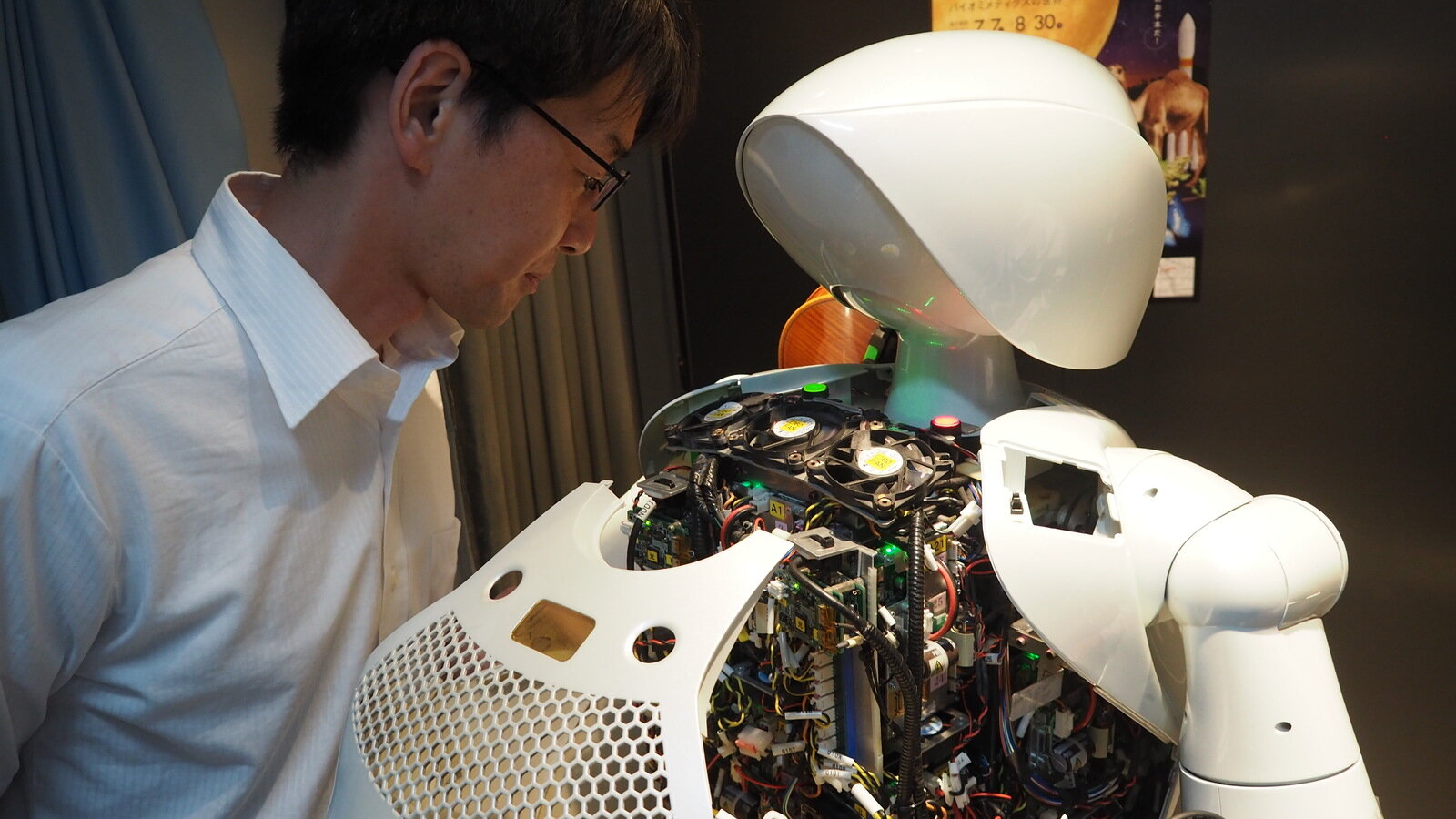
I felt almost like I was praising a child: “You did well. You’ve been such a good one.” Until then, I hadn’t realized just how much the people here had done to keep Pearl going, simply because they wanted visitors to enjoy its performances.
Realistically, it could have stopped working at any time. I think they had done an extraordinary job keeping it running.
As the pair checked the machine, Sato and his colleagues briefed them on the repairs and maintenance carried out over the years. They also discussed ways to keep Pearl performing, including the possible use of parts from a backup robot.
In the process, they discovered that the violin had shifted slightly from its proper position over the years. After adjusting it, the pitch improved noticeably.
Keeping the music alive—and passing it on
Today, Pearl is still performing at the Toyota Commemorative Museum of Industry and Technology.
Minamikawa puts it this way:
Yuri Minamikawa
I hope Pearl’s performance helps people see how technologies developed through carmaking can take on new forms and applications.
It would be wonderful if Pearl could keep playing for many years to come.
After bringing the violin-playing robot to life, Izu and Kobayashi went on to apply their robotics experience in different roles.
Looking at Pearl today, Izu reflected:
Hiroki Izu
I’m very pleased that it has been kept in working condition like this. I’m also grateful that this robot is being displayed in a place that showcases Toyota’s technological history.
The past 20 years have brought tremendous advances in robotics around the world. I like to think that our efforts more than a decade ago are, in some small way, part of that journey. That makes me really happy.
After Expo 2010 Shanghai, Kobayashi went on to work on technologies and businesses that support human movement, including the Welwalk rehabilitation support robot and the Welgain activity tracking system. His reunion with Pearl brought him back to where his journey as an engineer began.
Makoto Kobayashi
I joined Toyota after seeing robots play musical instruments at Expo 2005 Aichi and thinking, “I want to help develop robots like that.”
Seeing Pearl again reminded me of those original aspirations: to value the people I meet and to stay involved in monozukuri (manufacturing craftsmanship / making things) that can benefit society and contribute to the future.
Minamikawa recalls a question once asked by a child after hearing Pearl perform:
“When I grow up, how can I build robots like this?”
The music passed down by so many people continues to spark something in someone, even today.