



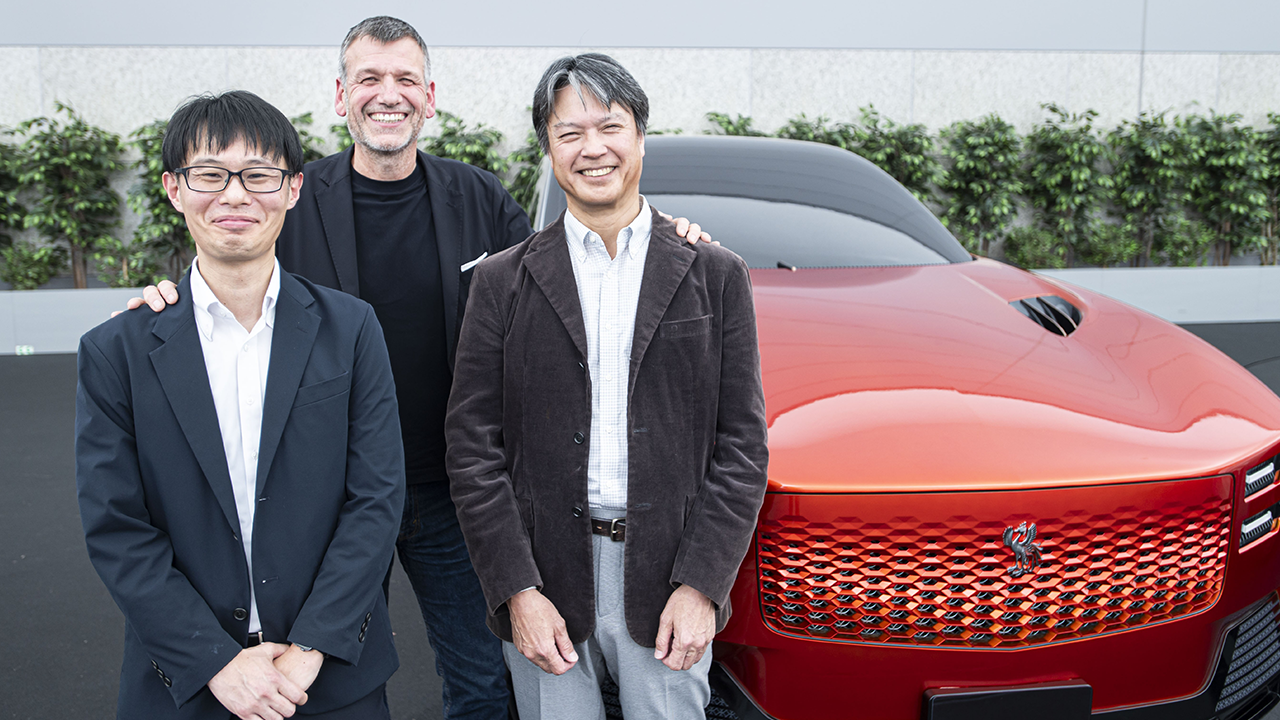
Designers shape the look of a car. Toyota's Intellectual Property Division protects the many rights behind each vehicle. In the shared pursuit of ever-better cars, the two sides have built a bond that runs deep.
Repeated redefinition
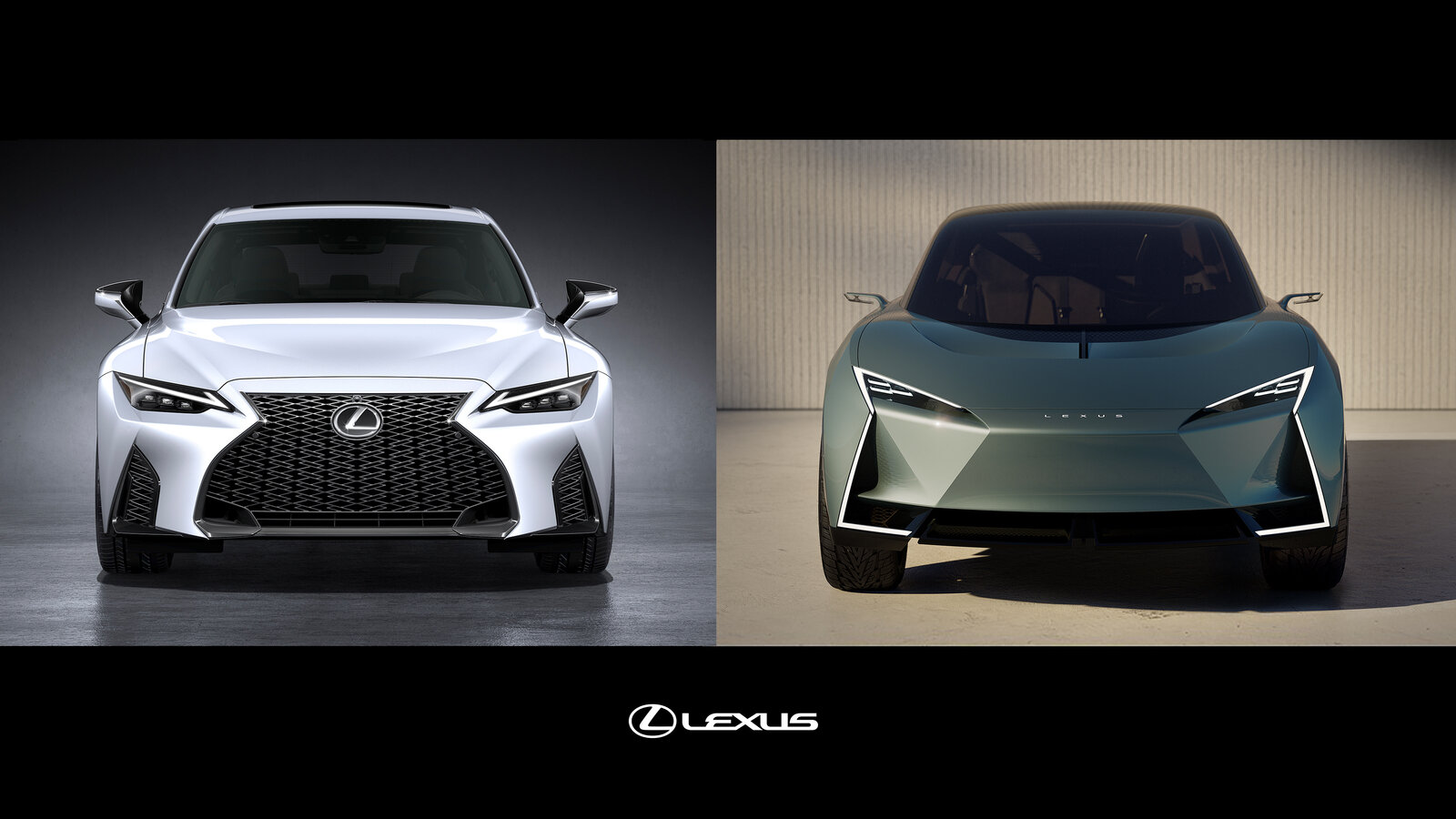
That same sense of conviction sits behind the Hammerhead and the Spindle Grille, two of the design elements singled out in this year’s award.
Take today’s Prius. Its starting point was the idea that an eco-car could still deliver a dynamic drive. For Lexus, the starting point was a dignified, resolute presence.
Toyota’s Hammerhead and Lexus’s Spindle Grille and Spindle Body are what emerge when design and function are brought together to give that conviction physical form. What matters most, Humphries says, is not the shape itself, but the conviction carried within it.
CBO Humphries
“Once people fix on an idea of what a spindle grille is, it stops changing. So when we say we need to ‘break’ it, we do not mean erase it. We mean redefine it, again and again.
And the hardest part is that the spindle grille is already so well regarded. Around the world, people say it is good. We have protected it through design rights, too.
But that also means it can become something that is hard to change. At times like that, the chairman says, ‘Even if it is good, break it. Even if it is good, move on to the next place.’”
The Lexus LS Coupe Concept shown at last year’s Japan Mobility Show was born from exactly that line of thinking.
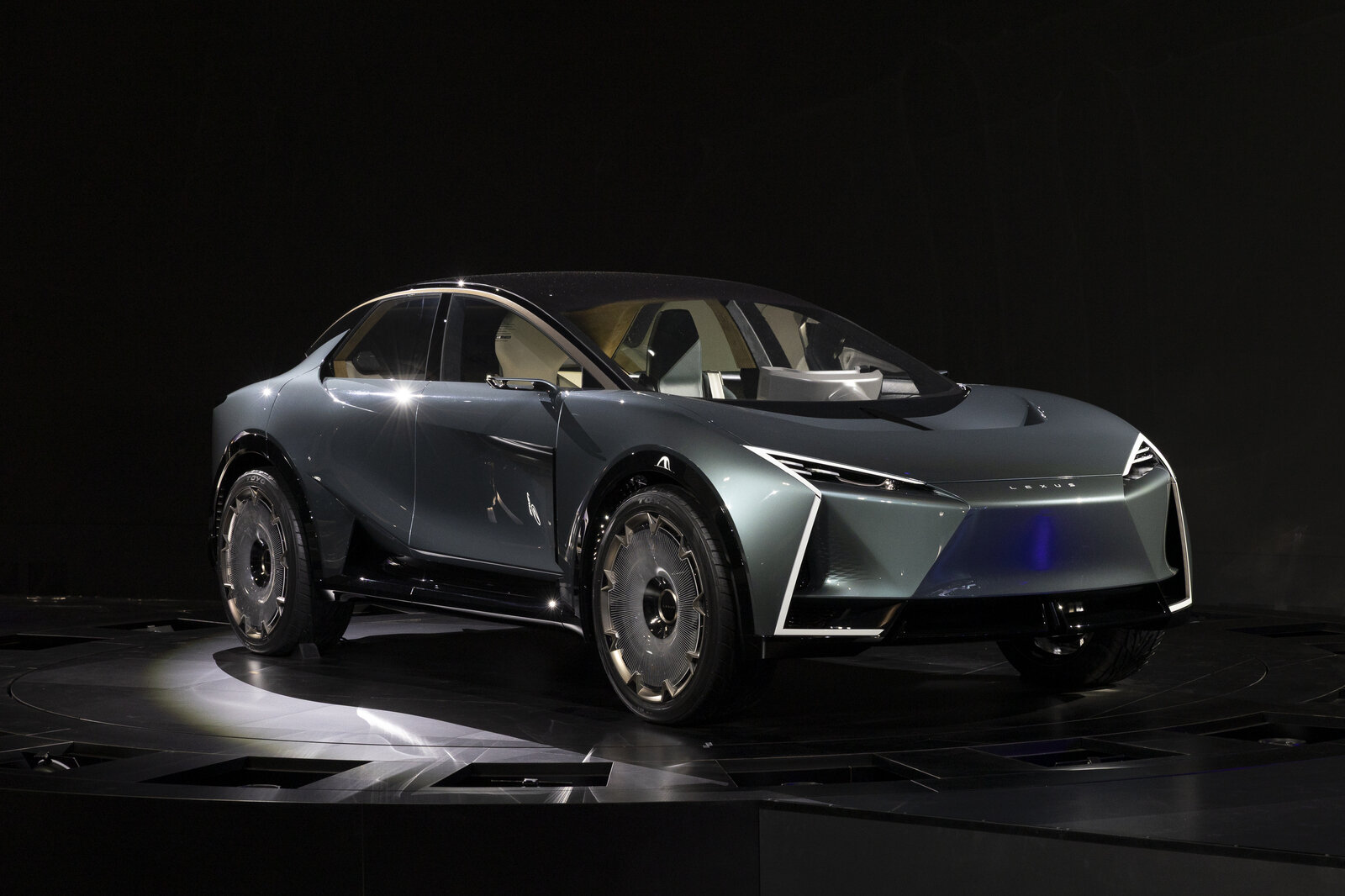
“The means may change a little,” Humphries says, “but the conviction is not disappearing. It is evolving.”
That is where the challenge begins. Even when people speak of “Hammerhead” or “Spindle Grille” as if they were single ideas, the actual designs differ from car to car.
CBO Humphries
“We are not making copy-and-paste cars. Alphard has its needs, Yaris has its needs, Land Cruiser has its needs. Amid all those different needs, we are always trying to arrive at the best answer for each one.
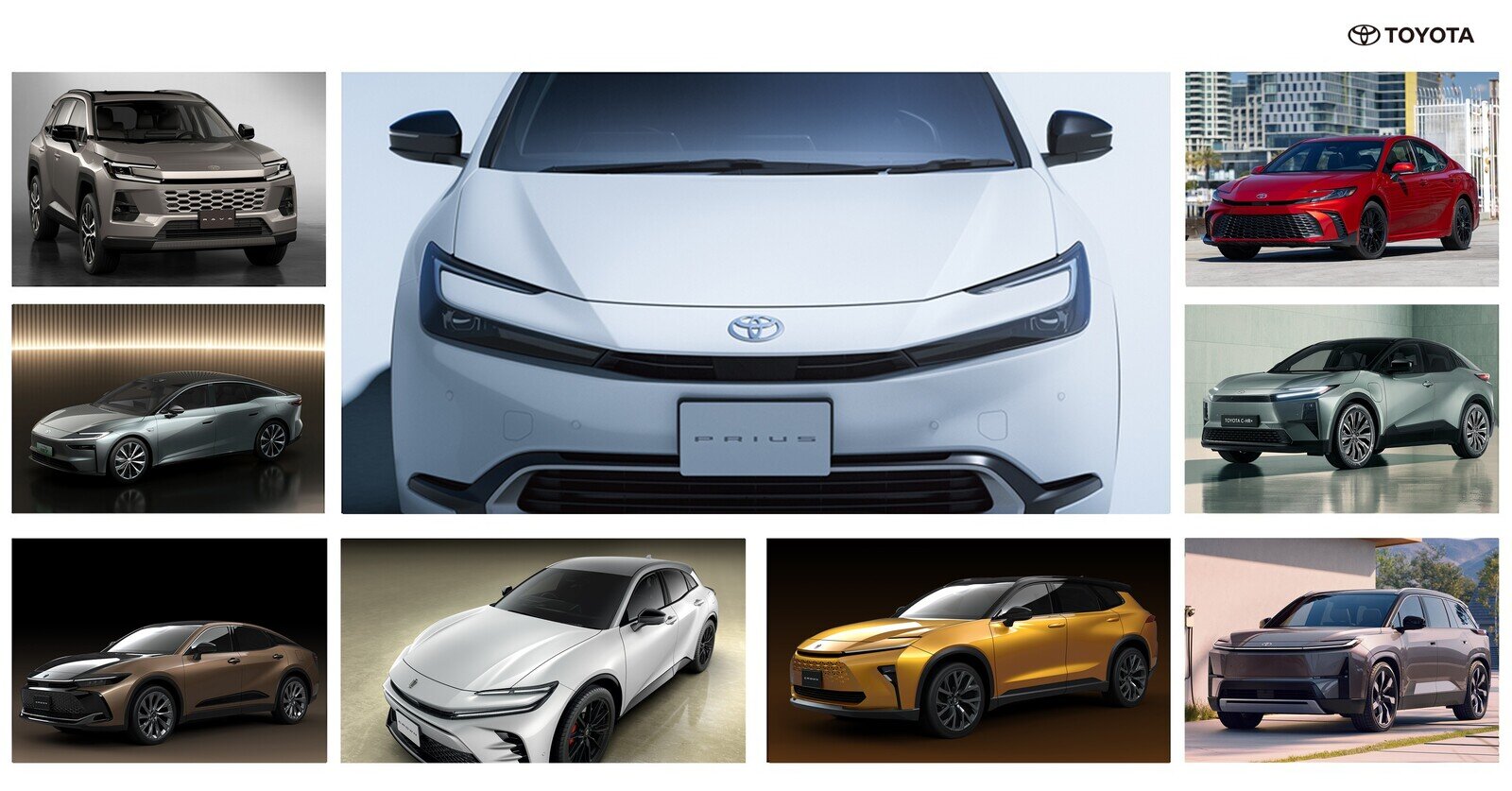
And whatever need a car is built to meet, we still want people to feel Toyota in it. RAV4 and Prius, for example, are completely different in shape.
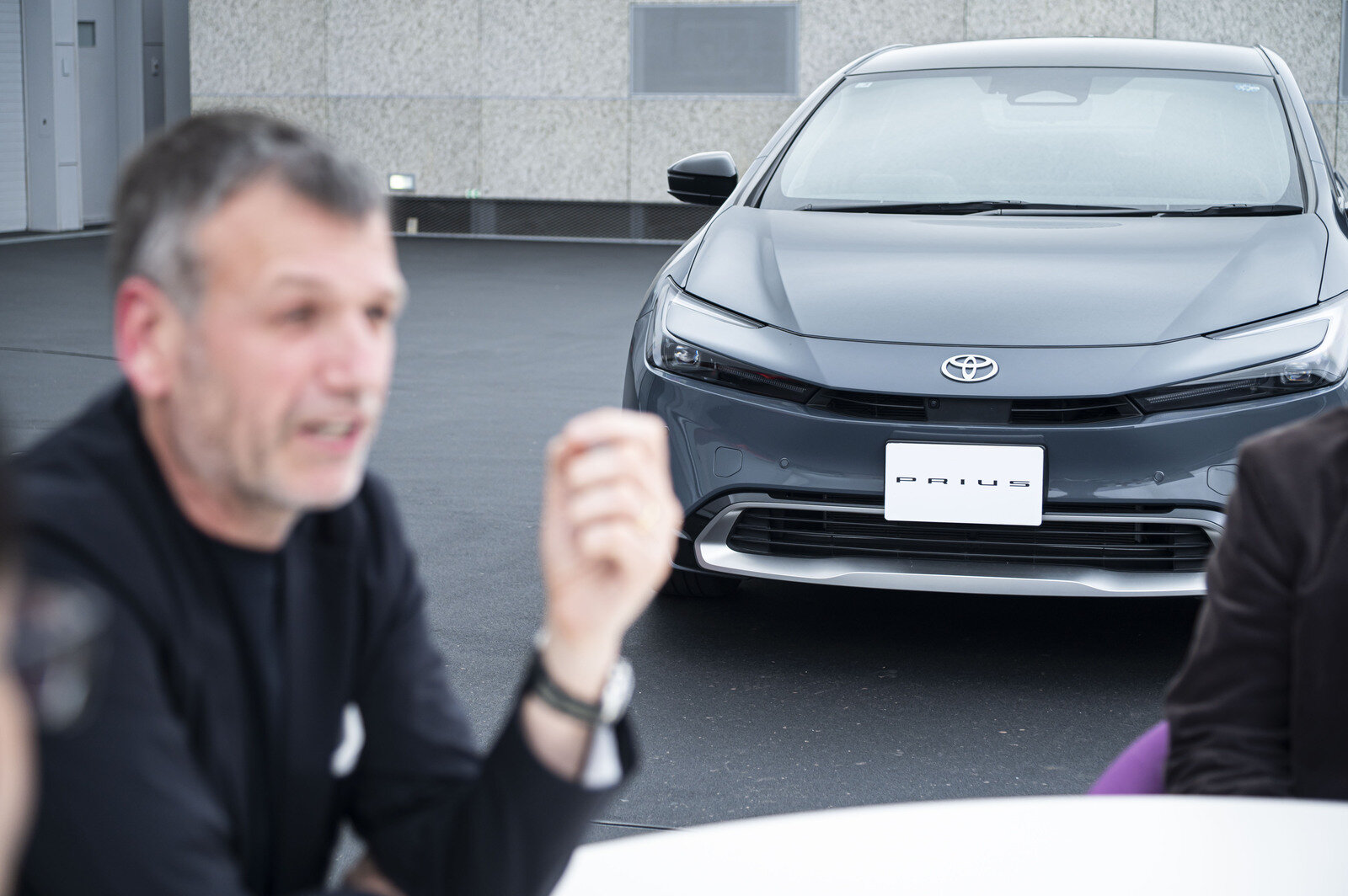
RAV4 is a tough, fun car for the outdoors. Prius has a smooth look, and it is an eco-car that can still feel dynamic. But if we use the Hammerhead motif well, people can still sense Toyota through that Hammerhead, even when the vehicles themselves are shaped very differently.
Within the world of design rights, it is incredibly important that we have room for that variation.”
The real test for the Intellectual Property Division is protecting those very different RAV4 and Prius Hammerhead designs as variations on a shared motif.
Hattori
“A single design right can only protect so much, so we strengthen that protection by using a system for filing related designs.
That system lets us protect Hammerhead variations in a comprehensive way.”
Protecting invention
At last year’s Japan Mobility Show and this year’s Tokyo Auto Salon, cars embodying each brand drew the eyes of visitors. Naturally, the concept cars shown there were also covered by design applications.
Looking back, Humphries says, “I think everyone contributed.” He adds, “If we do not handle the design registrations properly, together, all the hard work that went into making something can be undone.”
CBO Humphries
“I once had a conversation with Takeshi Uchiyamada, our former chairman, and he said patents are not there to make money. They are there to protect our property.
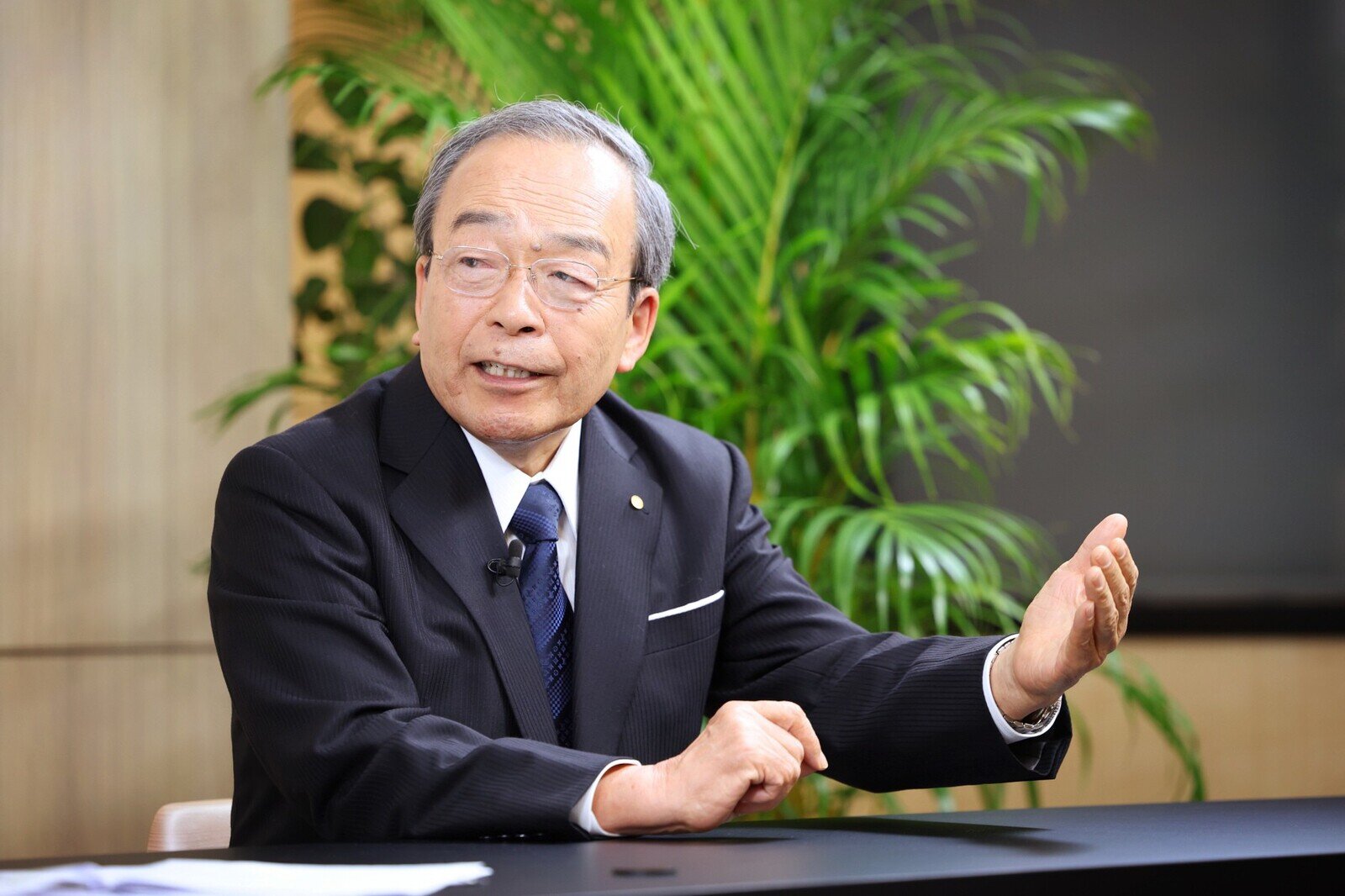
People often think of rights in terms of selling them to other companies. But that is not what they are for. They are there to protect the inventions we have poured time, money, and imagination into—and to protect the company itself.
That is very important.”
The story about former Chairman Uchiyamada was new to Jikuhara and Hattori as well, and it seemed to renew their resolve to contribute to the company through the Intellectual Property Division.
Hattori
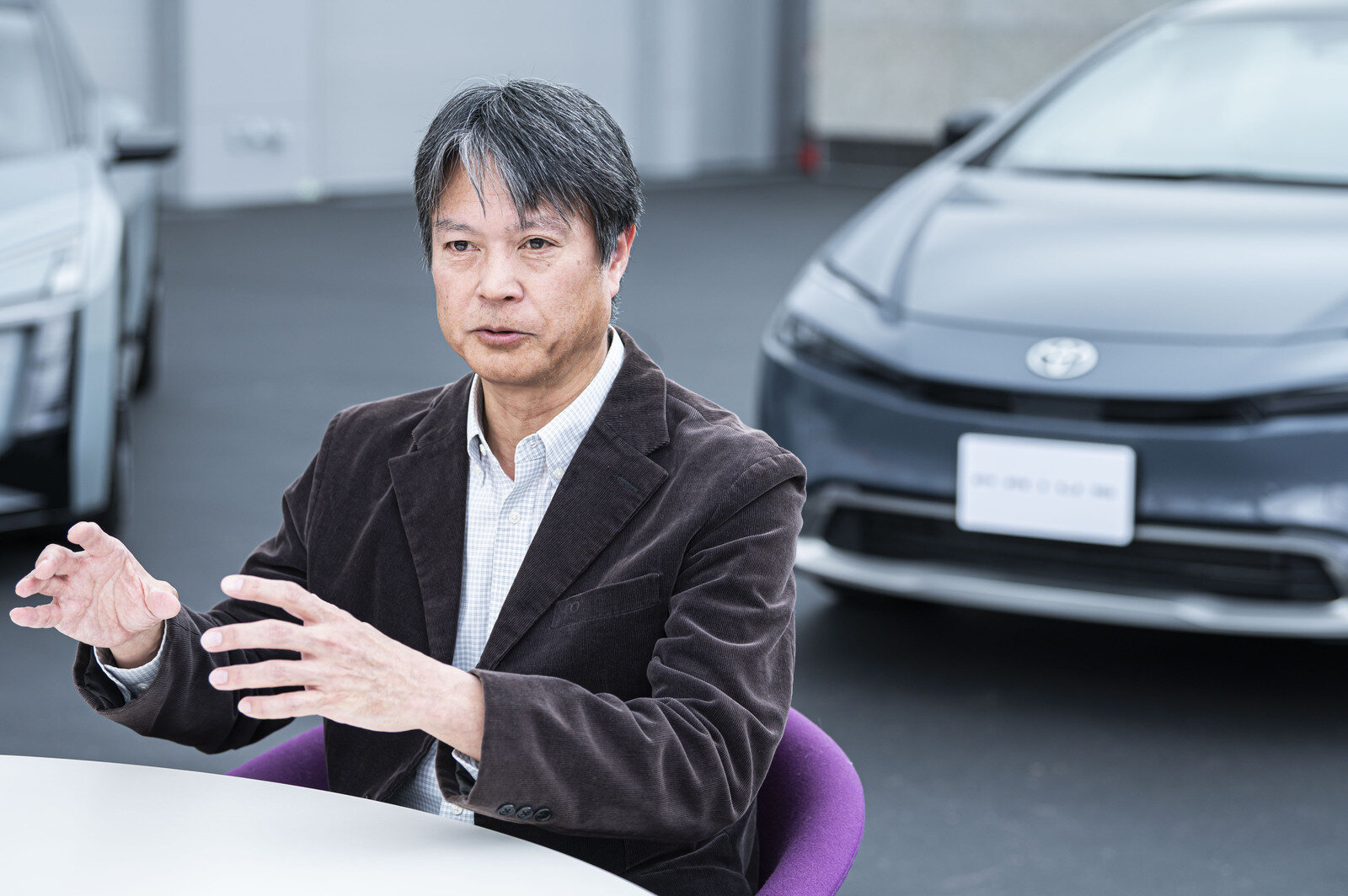
“You can only look at a design and say, ‘Yes, this became part of the brand identity,’ after it has been adopted across many vehicles. It is very hard to tell, with the first car, whether a design will truly grow into that identity.
That is why communication with designers matters so much. We learn from them, we ask questions, and we draw things out from them. By valuing that dialogue, we want to make sure distinctive designs—including those that become part of a brand’s identity—are firmly secured as rights.”
Jikuhara

“The basic premise is to protect, through intellectual property rights, the things Toyota has sweated over and thought through.
That is how we protect Toyota’s business. One of the Intellectual Property Division’s major guiding principles is simple: we do not let IP issues stop Toyota’s business. Hearing this discussion again reminded me just how important that is.
We want to keep doing solid work not only in design rights and patents, but across intellectual property more broadly as well.”
What came through most clearly in the conversation was the trust each of the three places in the others’ work, along with the hopes they share for the future of Toyota design and the people who protect it.
By then, the prepared questions had run their course, and the interview seemed ready to end. Then Jikuhara added, “One more thing . . .”
From here, we invite you to imagine the three of them talking among themselves.