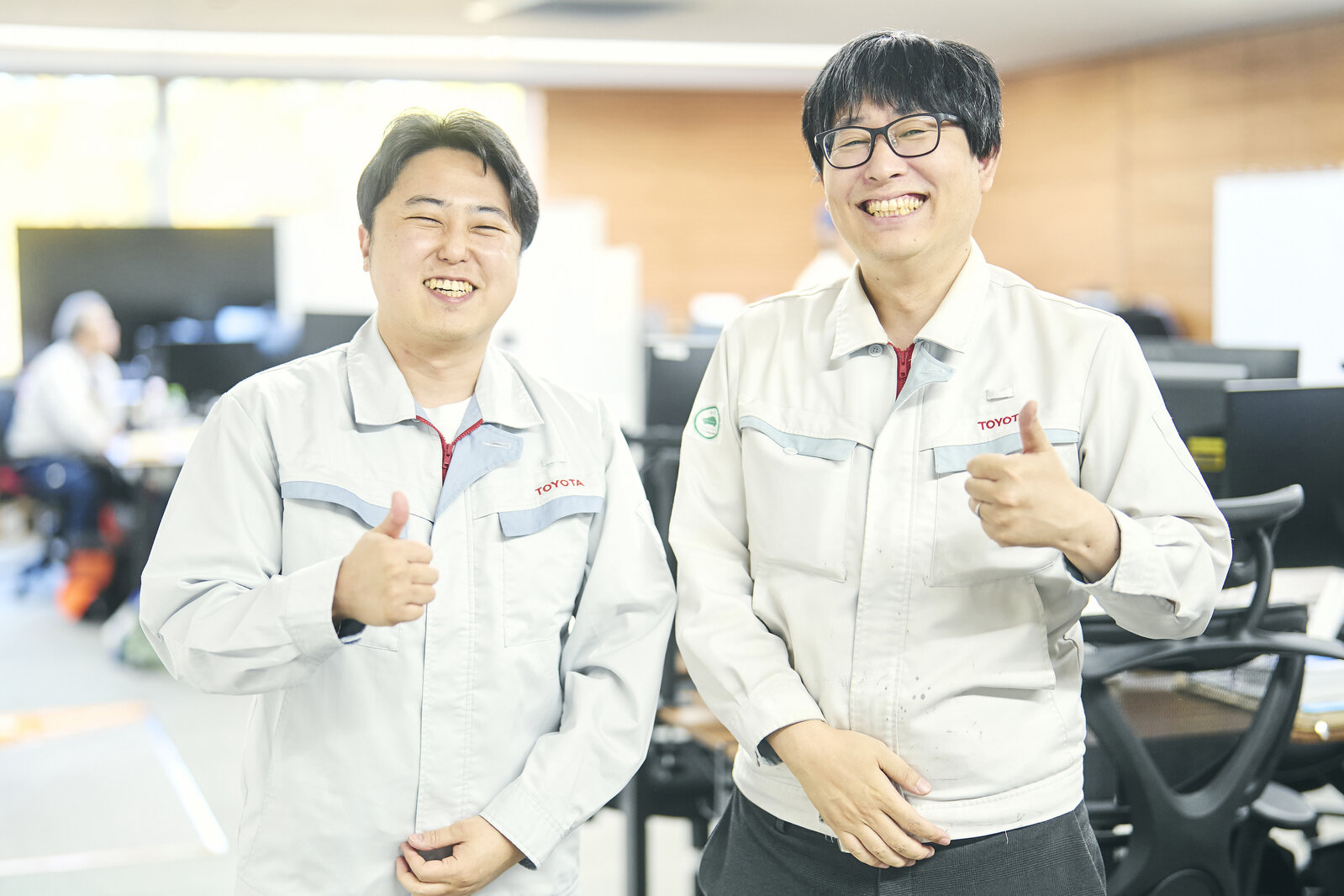
"People don't join Toyota to work in AI.""Would you recommend Toyota as a place for your children to work?"Comments like these came up in interviews with the people behind D-ROOM, whose mission is to help the next generation work in ways that feel right.
A development environment in just nine minutes!
“I’d like to try AI-based visual inspection on the production line. Can I borrow a development environment?”
Just nine minutes after the post appeared on the Teams channel “Come Join D-ROOM Planets,” a reply came back:
“You can borrow one at the Miyoshi Plant D-ROOM.”
Post a problem, and someone responds almost immediately. Then someone else shares their experience. This, we’re told, is an everyday occurrence.
“Start by posting your challenge on the Teams channel. Once you see how quickly people respond and how much information comes back, you’ll immediately understand its value.” That’s how Masaya Furutani, one of the founding members, describes it.
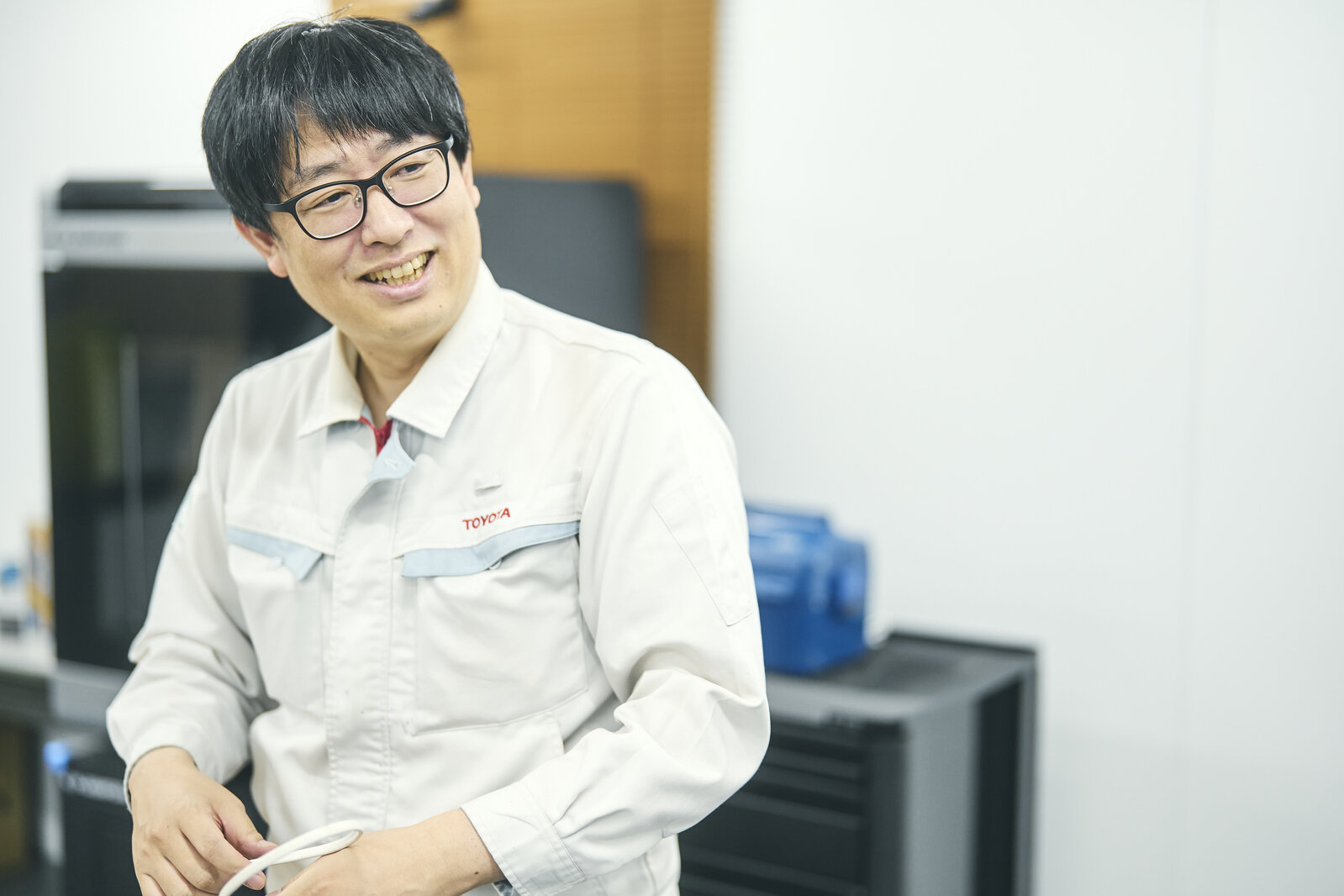
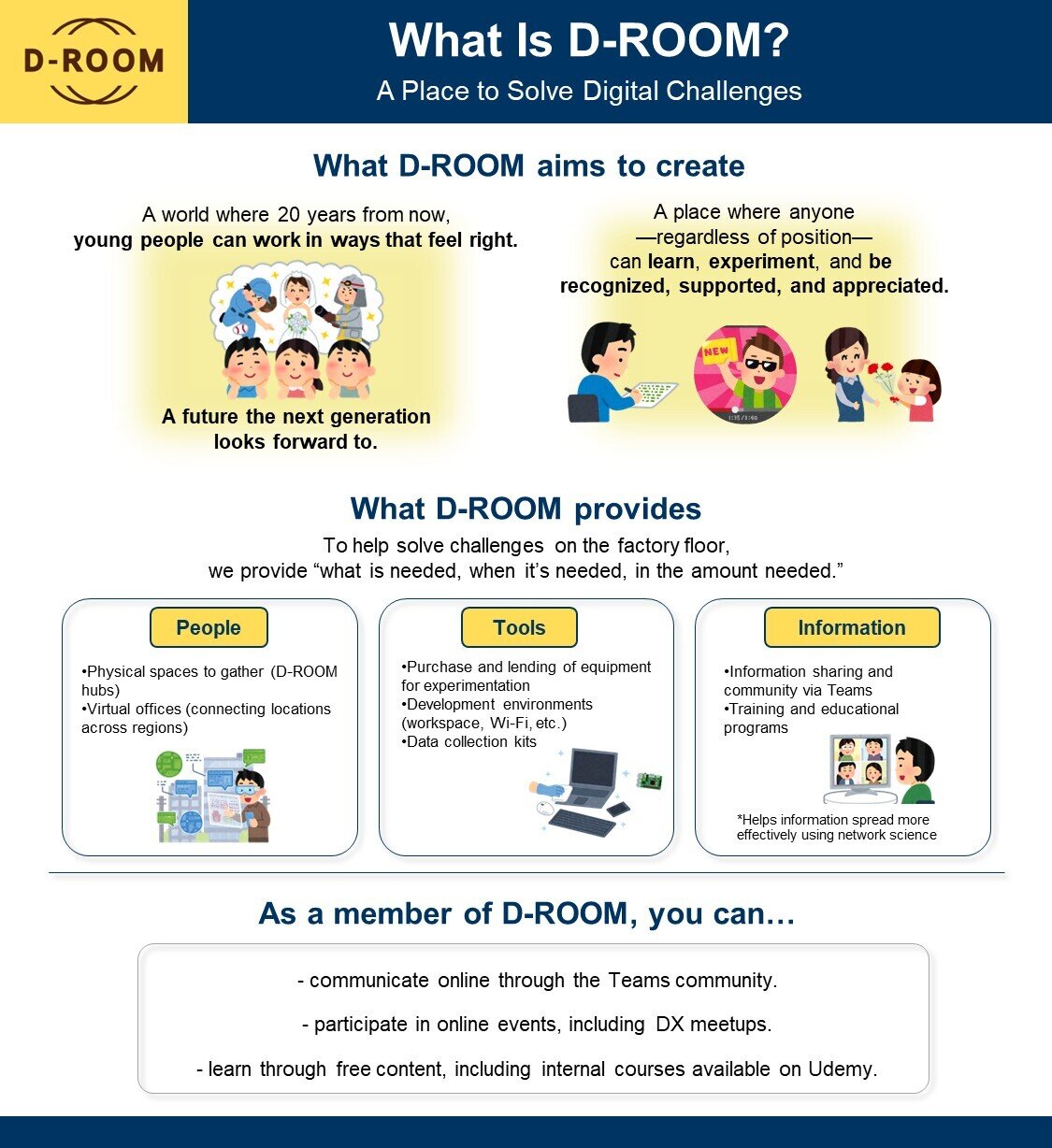
D-ROOM is an internal Toyota community built around the mission of helping the next generation work in ways that feel right. Alongside its Teams channels, it has 18 on-site hubs across plants such as Miyoshi Plant and Motomachi Plant.
It’s a system that gives people access to the information they need, when they need it—a place where people can ask questions and share knowledge across departmental lines while improving productivity.
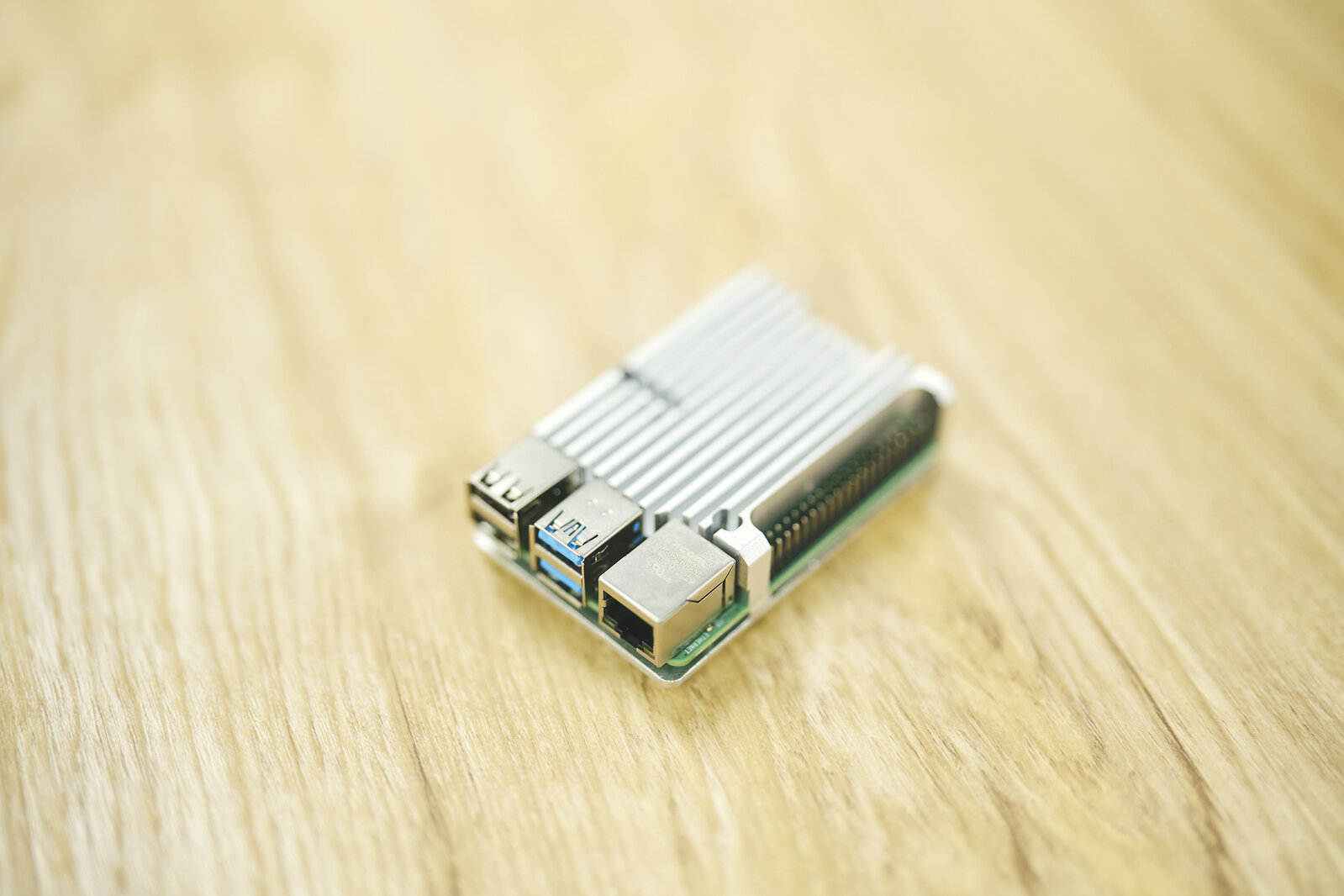
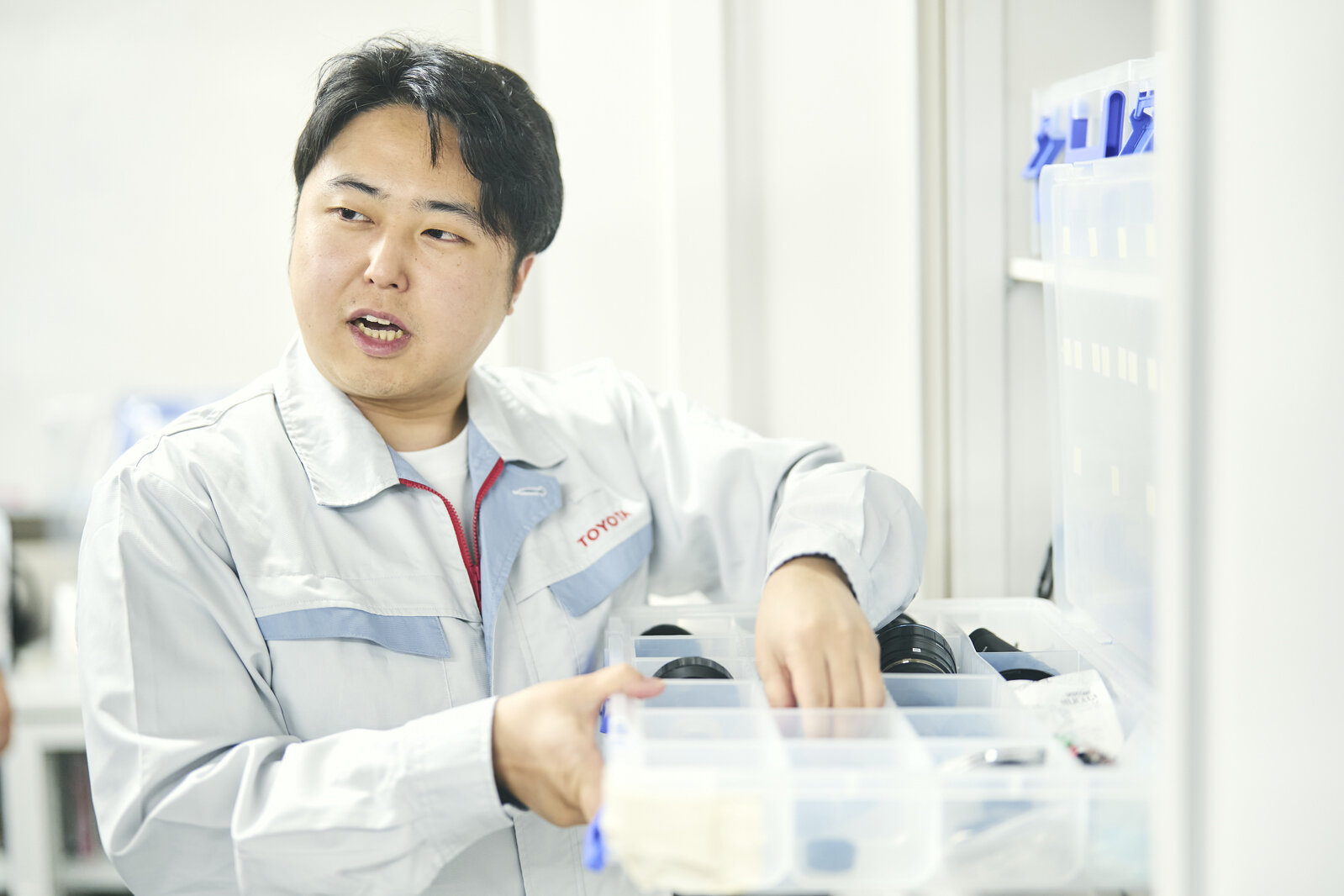
The employee who posted the question had attended a “self-guided Raspberry Pi workshop”* at D-ROOM and wanted to see if they could build an AI visual inspection system themselves. With D-ROOM’s help, they borrowed a Raspberry Pi, a USB camera, various lenses, and a keyboard, and were able to run experiments directly on site.
In another case, a post about connection issues drew 79 responses, including detailed setup advice, past examples, and precautions. One even said, “That plant’s close—I’ll come over! Let’s fix the error together.”
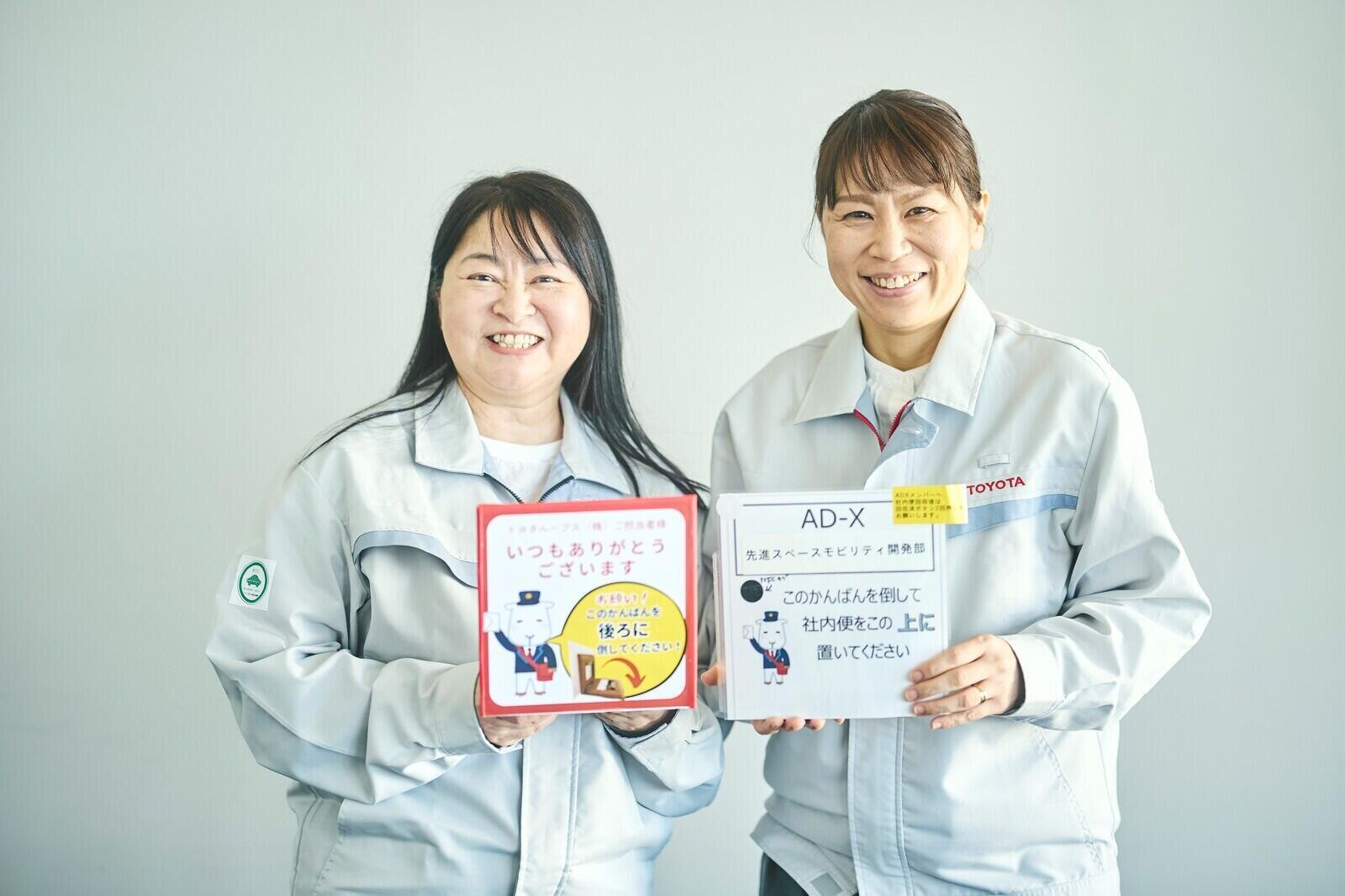
D-ROOM has also supported initiatives previously featured in Toyota Times, such as the digital system that notifies staff when internal mail arrives. It’s become a place where employees can turn for help with AI- and digital-related challenges.
For all that D-ROOM has become, it began with a single remark from a supervisor.
A vague assignment reveals AI’s potential
“There’s this thing called AI that looks promising. Why don’t you try something with it?”
In 2018, Masaya Furutani and Manabu Okuyama, then working in the Quality Control Div.* at the Miyoshi Plant, were taken aback by this request.
*The division is responsible for checking whether vehicles, workplace conditions, and materials meet quality standards. It also verifies that inspections on the factory floor are being carried out properly.
“It was incredibly vague,” Okuyama recalls with a laugh.
At the time, AI essentially meant machine learning. They began studying on their own and attended external training sessions.
Furutani
“I was really struck by AI’s potential. Before joining Quality Control, I spent more than 10 years in Production Engineering. In Production Engineering, we look at the equipment and processes needed to manufacture a product, then provide lines that people on the factory floor can actually use.
I always wanted to make things easier for the people on the factory floor, but I had never really been able to make that happen. With AI, I felt the factory floor could really change.”
Okuyama
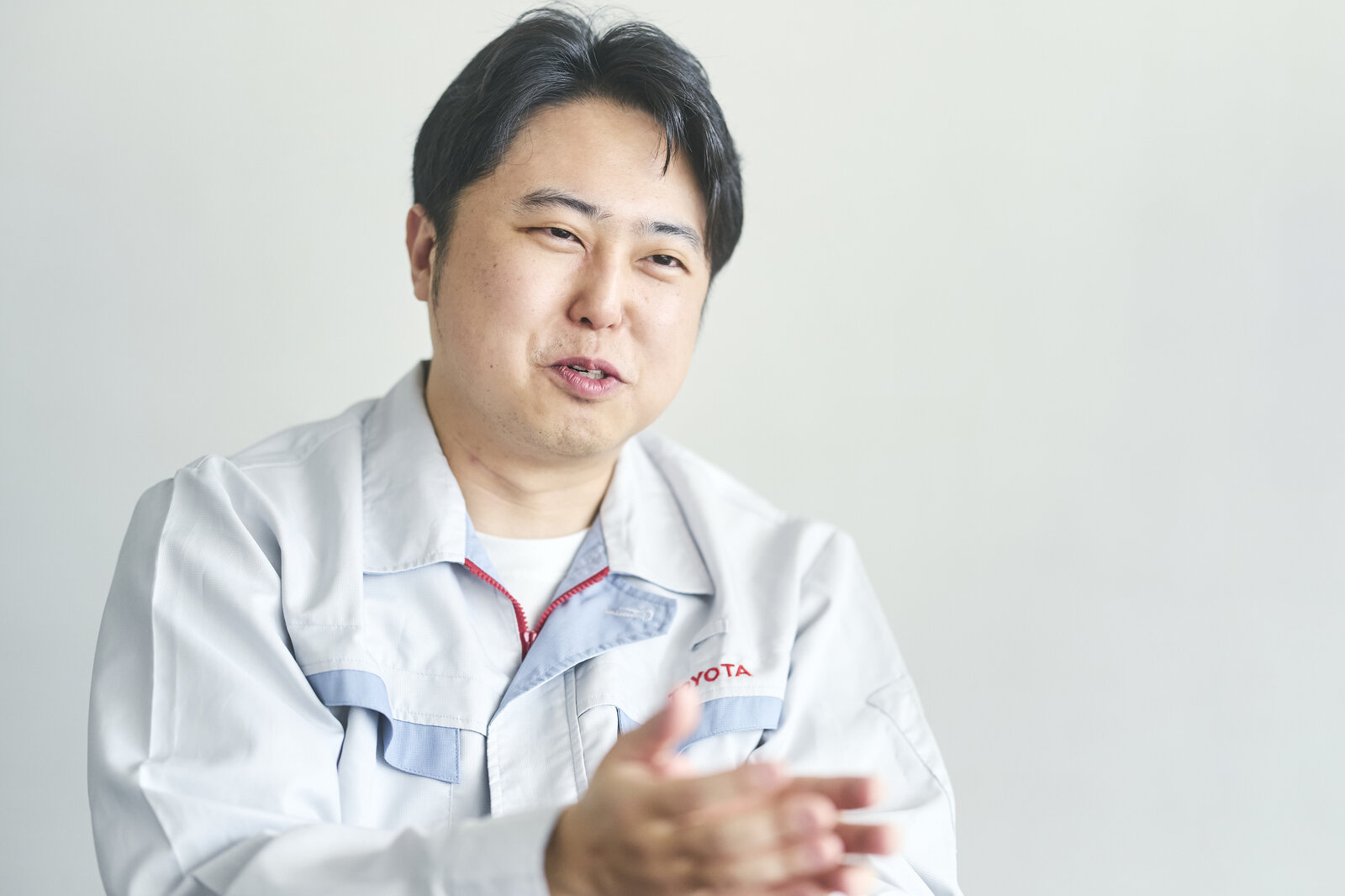
“AI takes us from an era where we set the rules with formulas and get data out of them to one where the data leads us to the answer. I immediately felt that this was a strong fit for manufacturing, where we have large volumes of data.”
But there was a gap between learning about it and actually implementing.
Building a sandbox that won’t affect—or be affected by—company infrastructure!
Furutani and Okuyama wanted to put AI into practice right away. But they had nowhere to test it.
On company PCs, internal rules meant they couldn’t set up a programming environment. Even downloading dedicated software required an application and approval process.
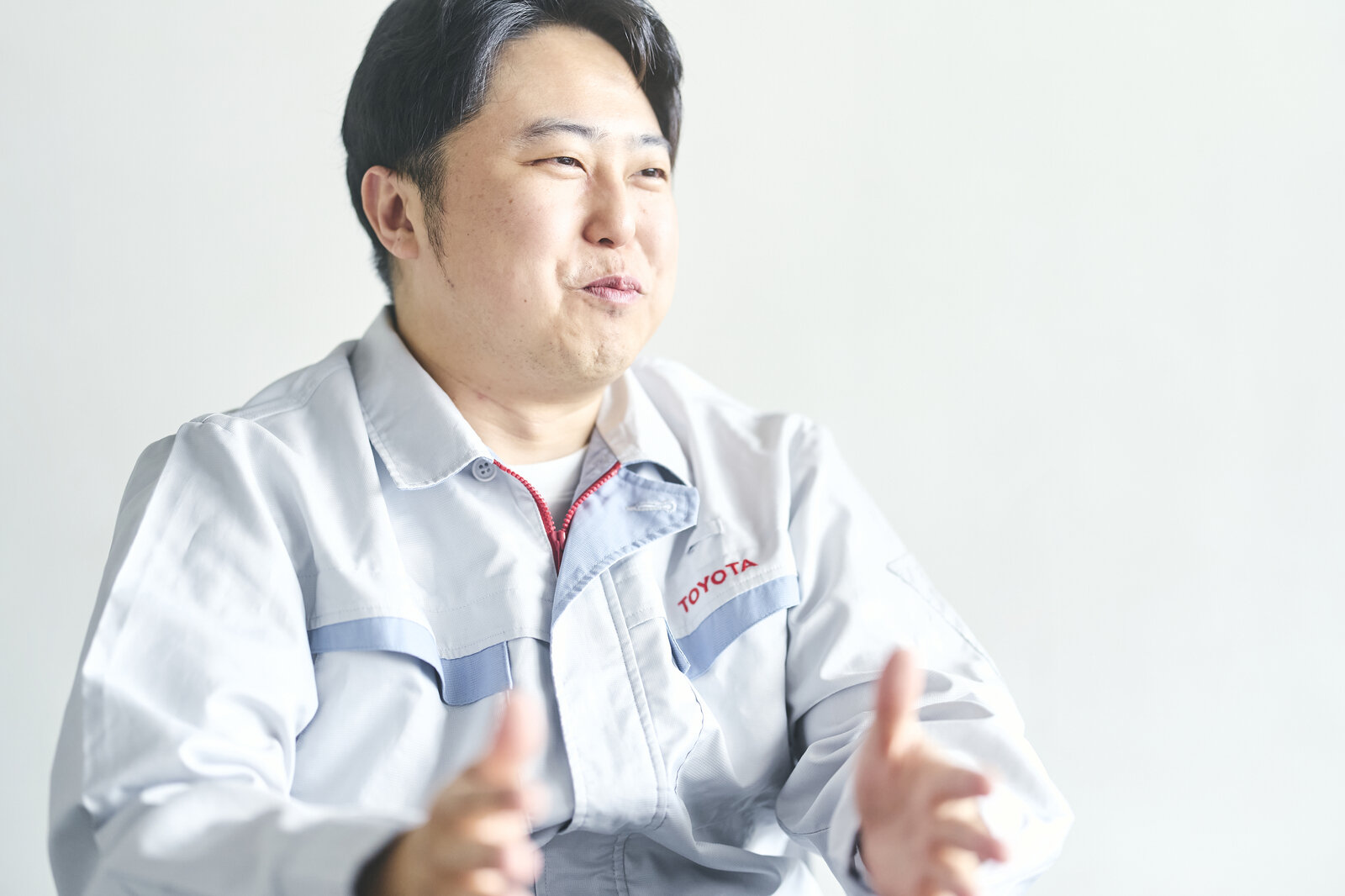
So they made a decision: to create an independent environment that would not put the company’s infrastructure at risk.
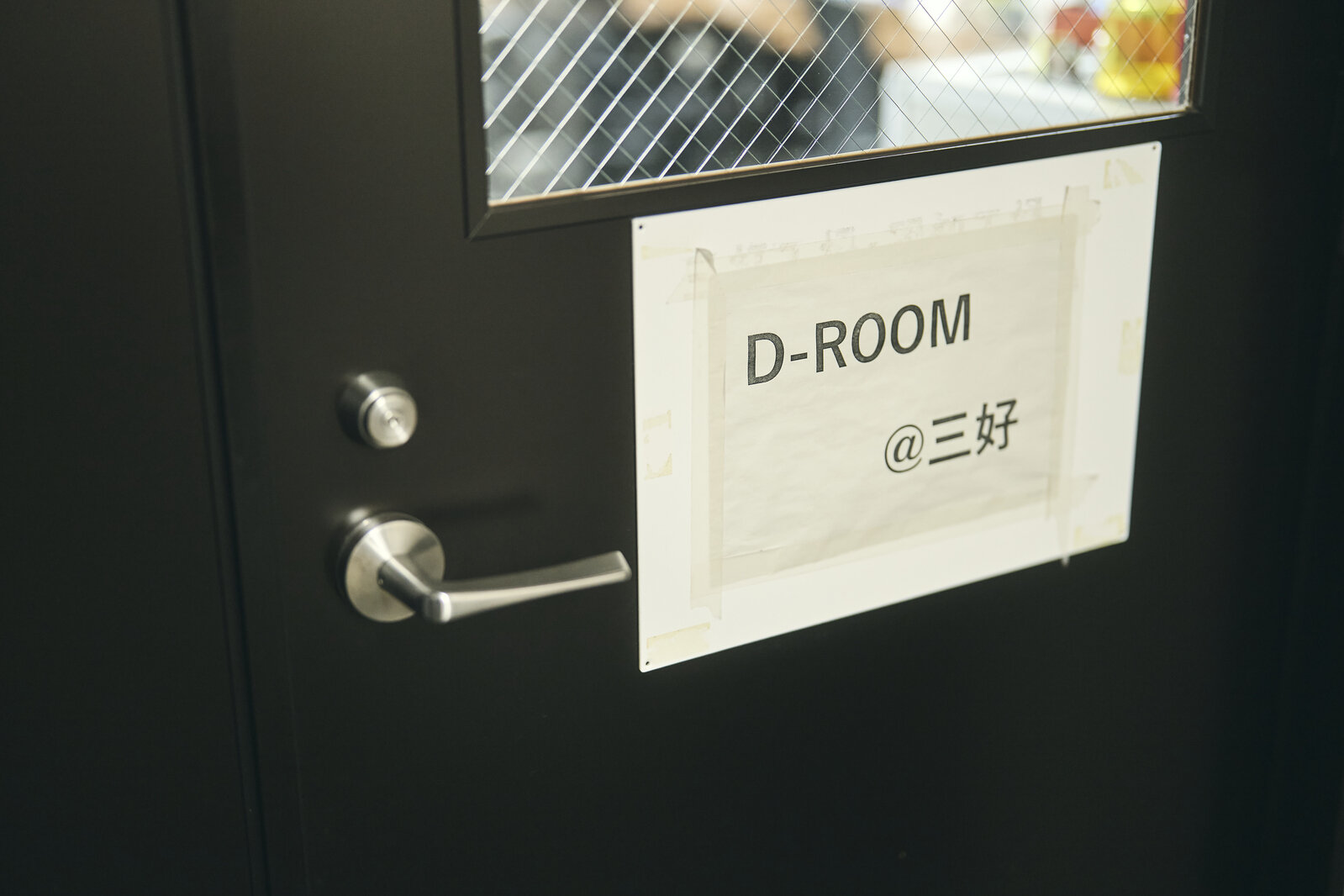
In 2019, they went straight to the Miyoshi Plant General Manager, making a passionate case for AI. After some persistence, they managed to secure part of a meeting room. They set up their own network line, separate from the company’s infrastructure, and a small experimental space was born. This became the prototype of D-ROOM—the “special mission group.”
Their initial goal: deploy three AI models on the factory floor. Outsourcing was considered, but the quoted cost exceeded 100 million yen.
Furutani
“So we decided to do it ourselves. I was confident that if we could get the AI models built, integrating them with factory equipment would go smoothly.”
Okuyama
“Anyone can build an AI inspection model on a PC if they put in the study. The real challenges come after that—figuring out how to integrate it into equipment that is already running on the factory floor.
Since Furutani came from Production Engineering, he knew that equipment inside out. If I could put together the programming needed to connect everything, the wiring was something we could handle. We could also make the quality calls ourselves.
Once we got that far, I felt we had a real shot at making it work in-house.”
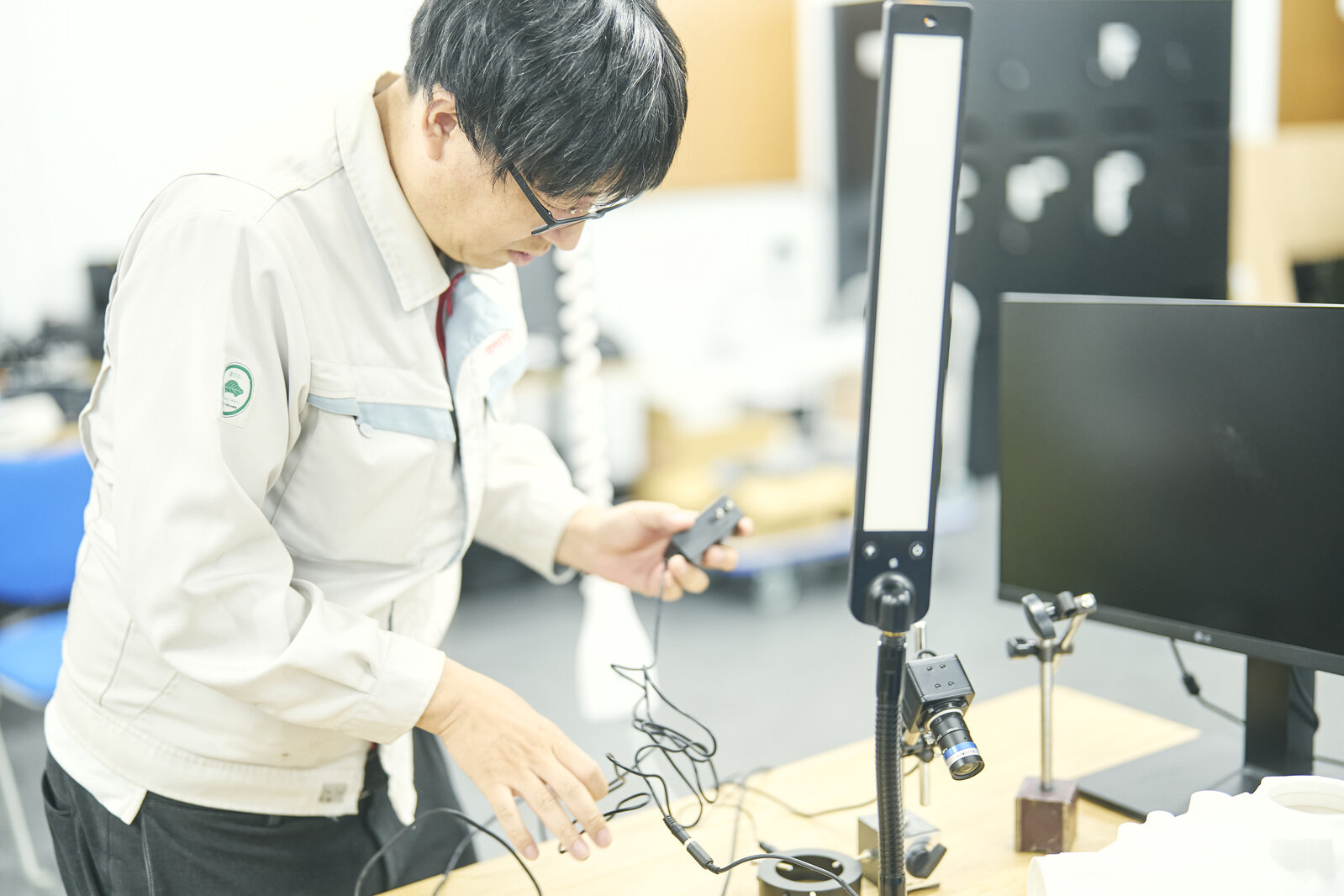
Furutani
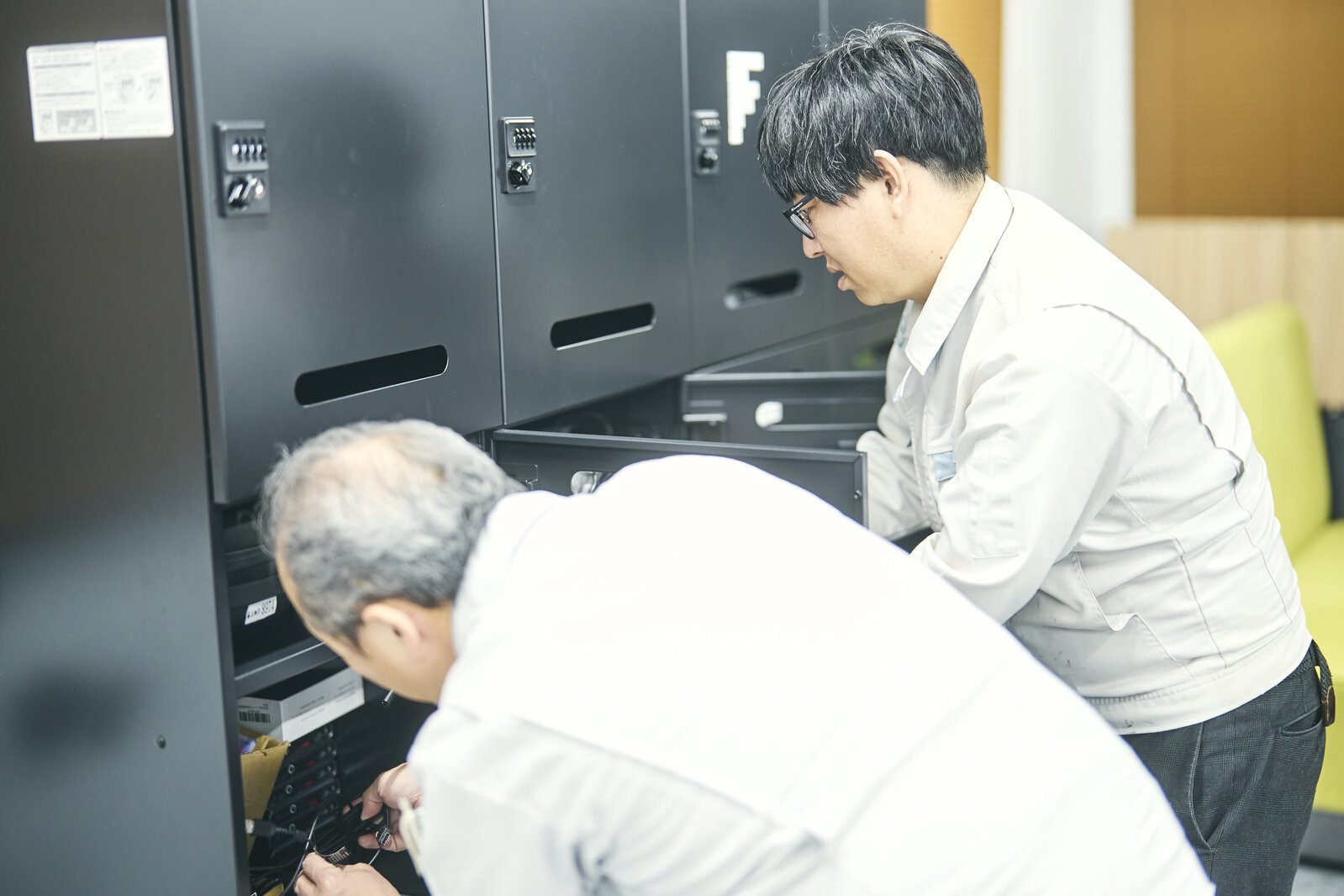
“This was around the time when affordable Raspberry Pi devices started to become available. I remember us talking about how we might be able to do it for under 10,000 yen. As implementations increased, we were able to put together tiered setups to match different needs.”
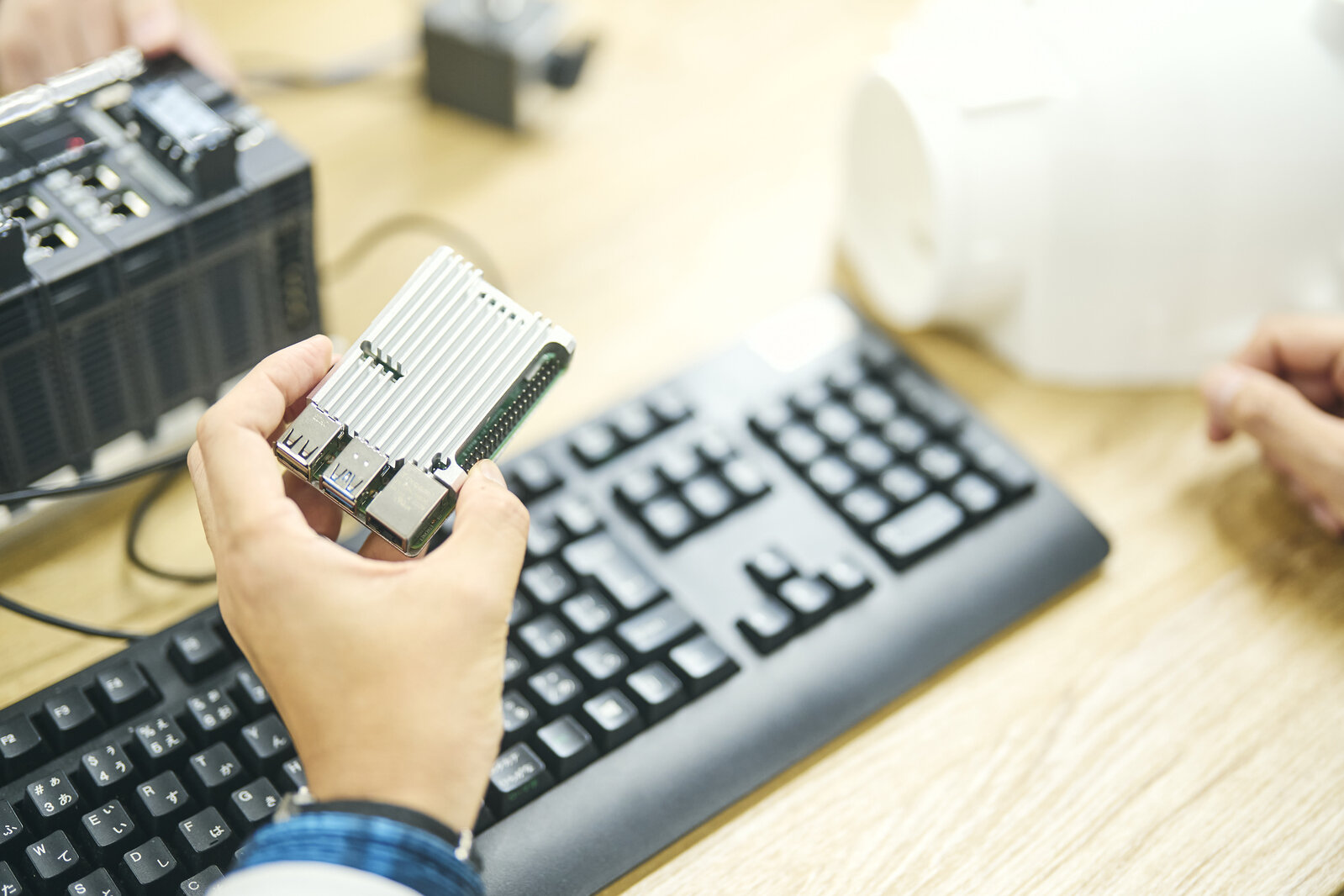
There were always people asking, “Why is Quality Control doing this?” But they shared what they knew with anyone who was interested, including people outside the company such as suppliers. As a result, they reached their target of three on-site implementations within six months.
“We never intended for this to end with just one location. We knew there had to be others struggling with the same issues, and many of them were running into the same environmental hurdles.” Furutani says.
Learn, experiment, and find support—building a community for new challenges
Furutani
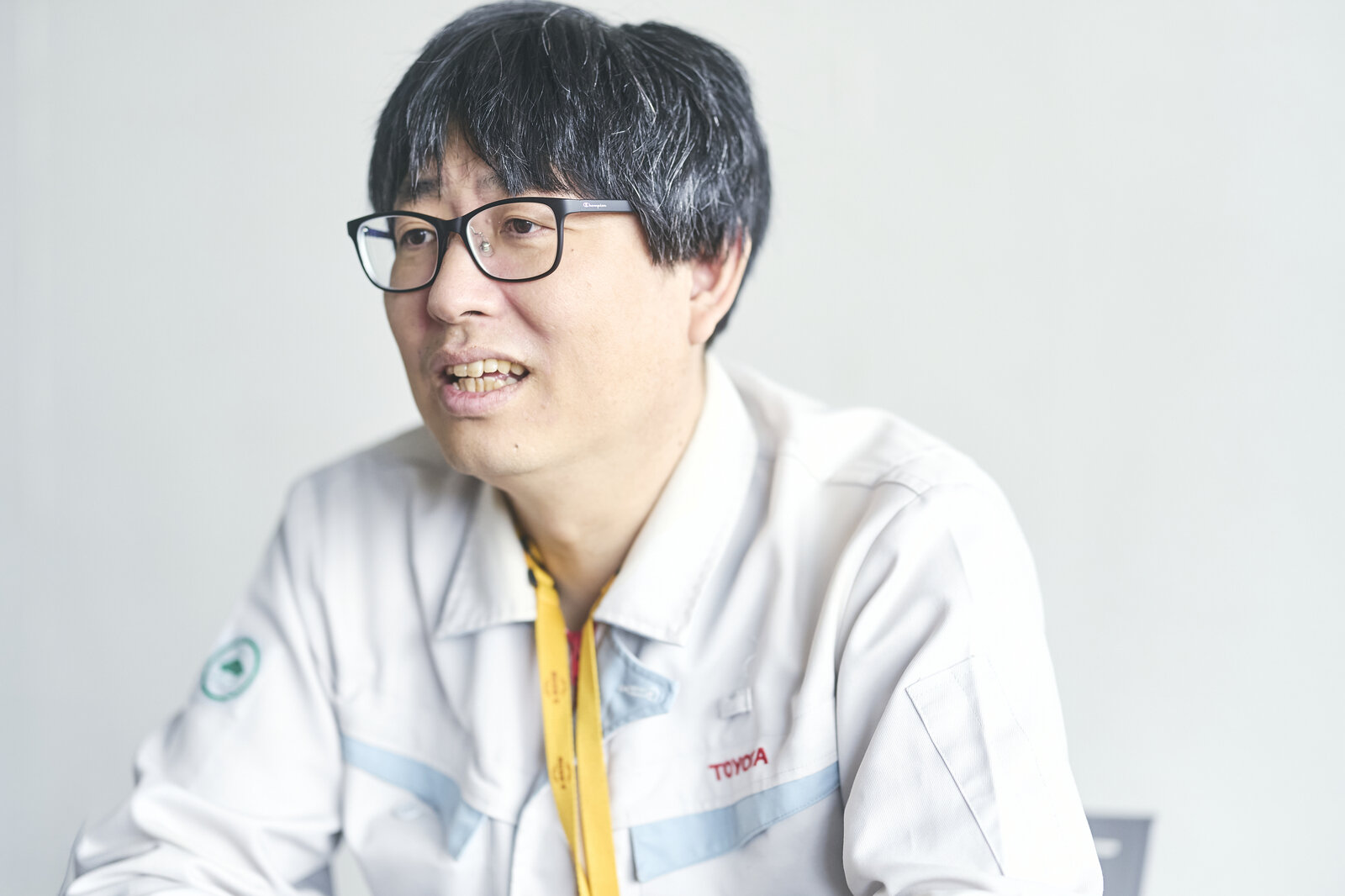
“We started hearing many people say that learning about AI made their work more interesting—that they could see new possibilities at the company. It matched the chairman’s words: ‘If you don’t show the courage to step up to the plate, ‘Wow!’ just won’t happen.’ So we started thinking about how to give it broader reach.”
That led Furutani and Okuyama to focus on online communities. At a time when phone calls and email were still the norm, they launched an open chat that quickly grew to around 500 members.
When Toyota shifted company-wide to Teams during COVID-19 in 2020, D-ROOM launched its own channels. Activities expanded organically from there, evolving beyond AI into a place for solving all kinds of digital challenges.
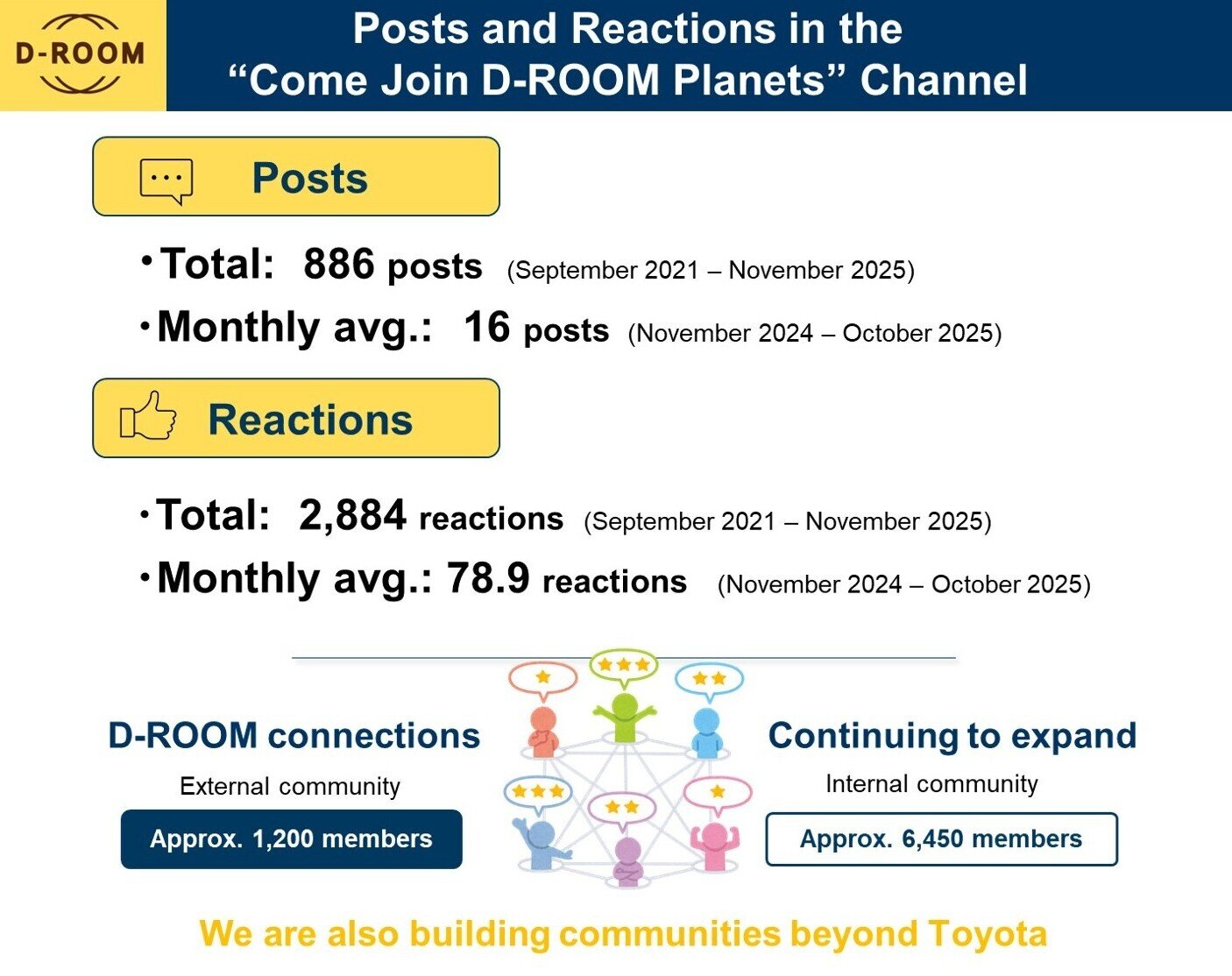
Physical D-ROOM spaces were later established at plants such as Motomachi Plant and Tahara Plant. Each location was led by volunteers, who handled everything from setup to day-to-day operations. Another defining feature was the absence of dedicated staff.
D-ROOM handles the infrastructure side, and as long as it does not cause problems for the company, each location is run in the way that works best for that site.
Furutani
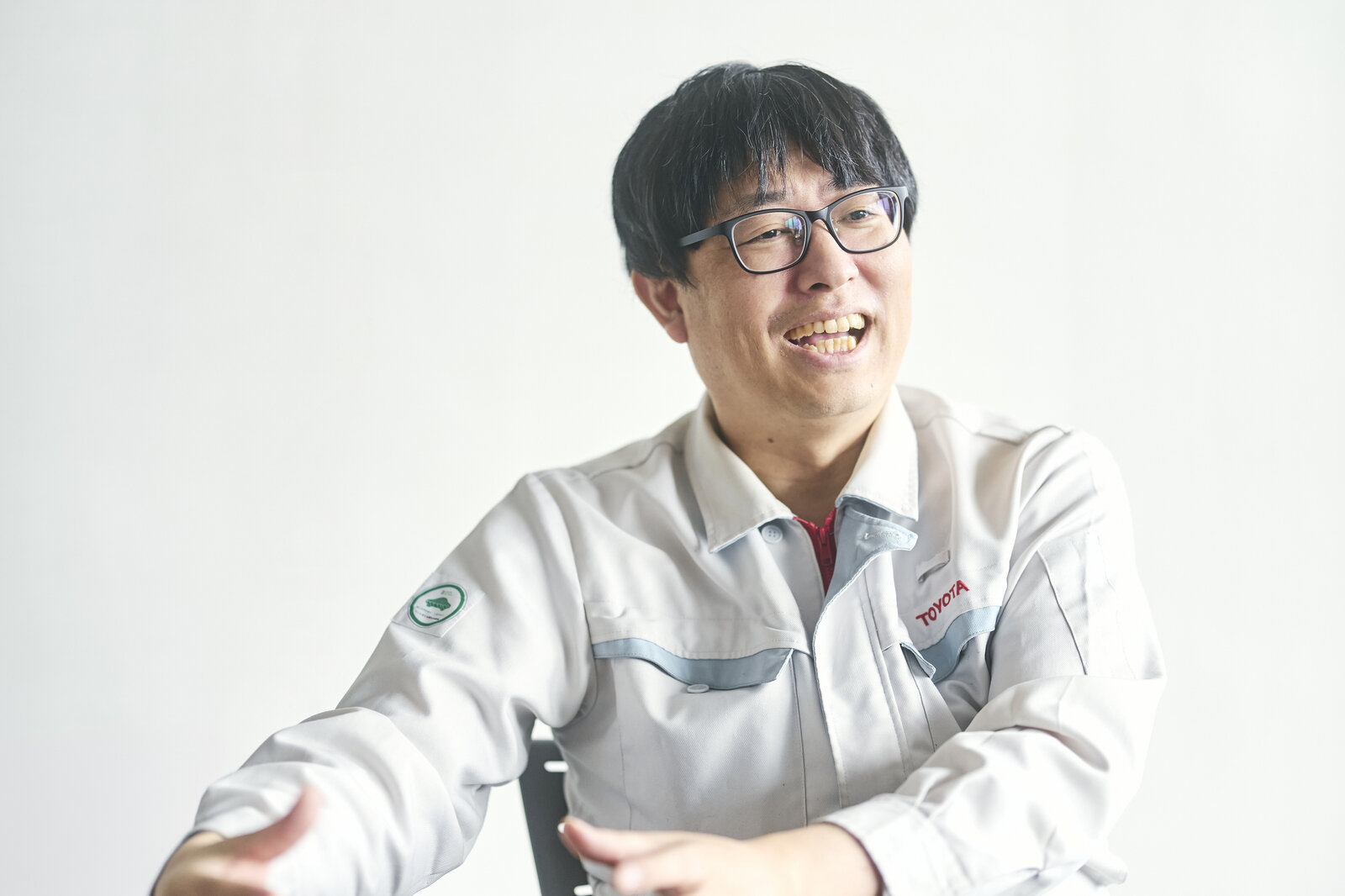
“The idea behind D-ROOM is to create a world where, 20 years from now, young people can work in ways that feel right. It is a place to learn, a place to try things out, and a place where people can find support. It is also a place where people can do things for themselves. Our role is to give them the push they need to take on a challenge.
This is a sandbox, so if you fail, nothing disastrous happens. Someone once asked me, ‘If I break a borrowed PC, do I have to write a report?’ I told them, ‘You’re not fully fledged until you’ve broken three PCs.’ When someone actually did break one, I had to laugh (laughs).”
Because it’s a place for self-driven challenges, it’s also tolerant of failure.
Okuyama
“There’s even a Teams channel where people show off their failures. The more interesting the failure, the more likes it gets. Because of those examples, the pitfalls everyone runs into become visible. Honestly, what’s wrong with failing?”
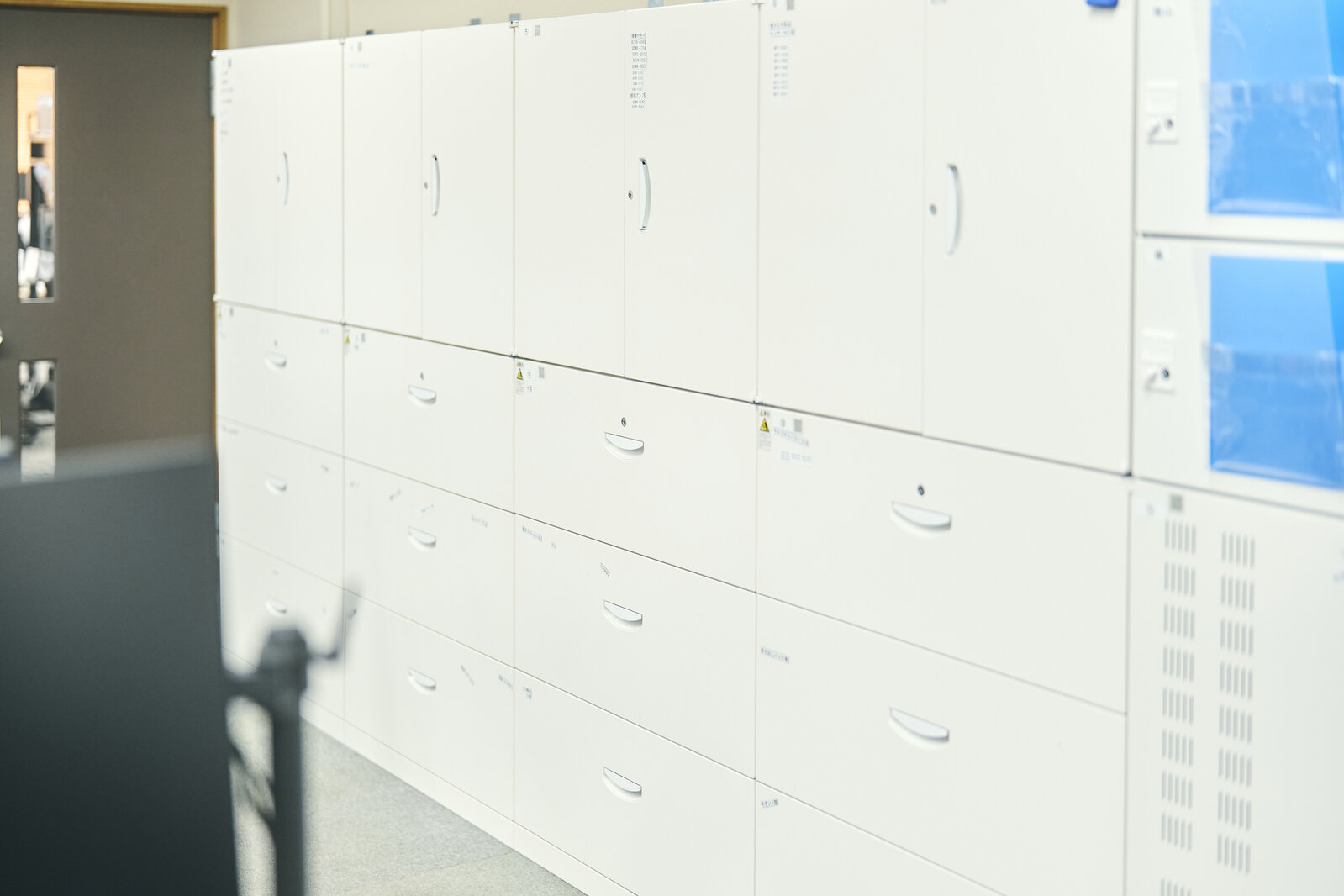
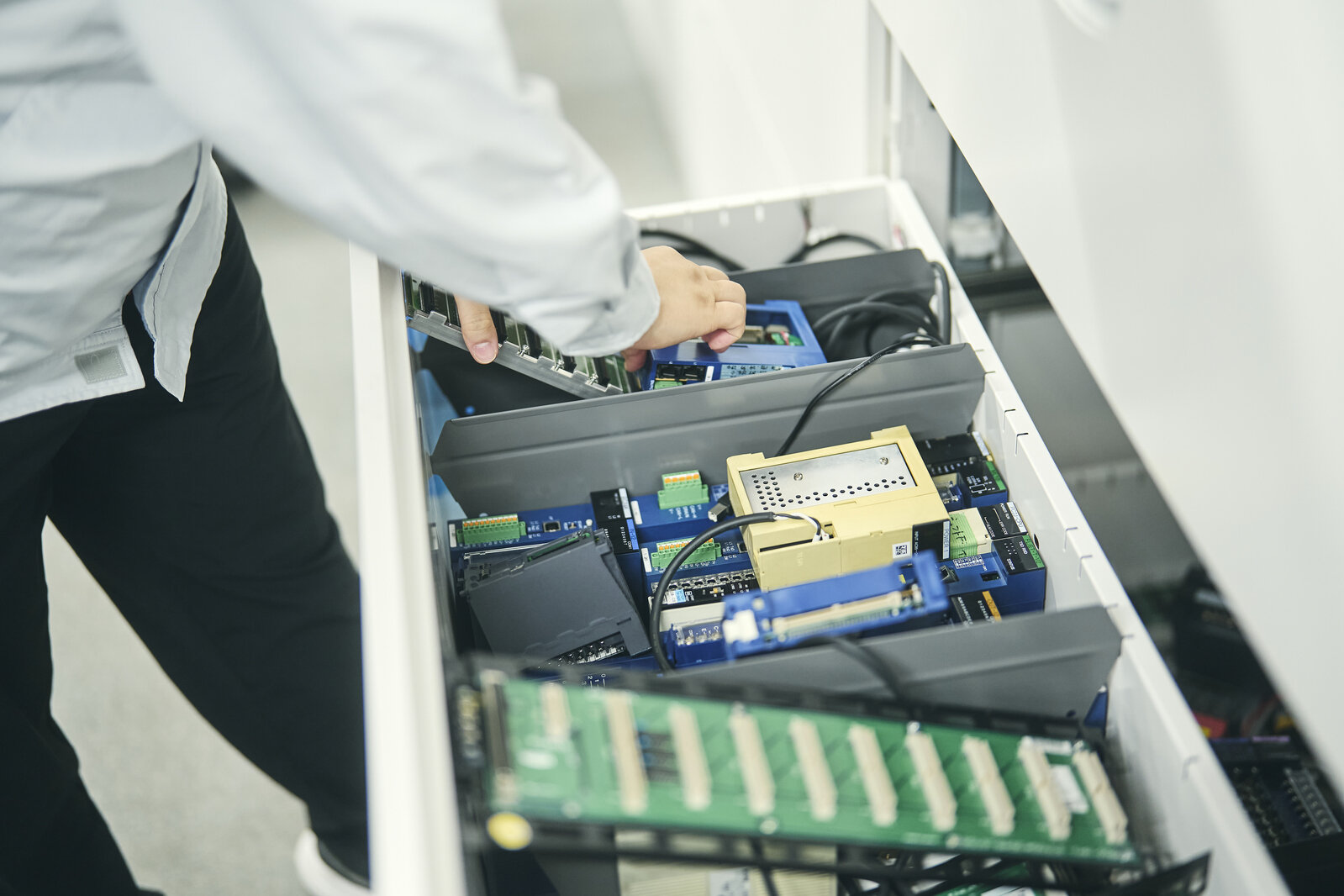
When a new employee posted, “I want to talk to a chief engineer,” the community connected them within an hour.
“Once you create a place like this, things start moving on their own,” Furutani adds.
In 2022, D-ROOM became part of the Digital Transformation Promotion Division.
This division was established to drive Toyota’s transformation into a true mobility company. As a directly managed unit, it has greater budget flexibility, making it possible to provide more advanced support, including purchasing and lending the equipment people need.
Toward a world where the next generation can work in ways that feel right
We closed by asking what D-ROOM’s mission—to create a world where the next generation can work in ways that feel right—truly means.
Furutani
“When we ask people inside the company, ‘Would you recommend Toyota as a place for your children to work?’ a lot of them fall silent.
We want more adults who can say with pride, ‘There is a place here where you can take on challenges. It is a place where you can try AI and digital initiatives, as well as many other things and even fail.’ That was the question it all started from: what would it take for people to choose Toyota?”
Okuyama
“People rarely come to Toyota because they want to work in AI. But I want them to know that if they do come here, they can do truly interesting work in AI.
If we are serious about becoming a mobility company, openness and breadth matter. By expanding the range of things people can take on, I want us to broaden what Toyota is able to embrace, so that we can casually say to young people, ‘Come check out Toyota.’
People should be able to do what they need to do while still being free to take on new challenges. I believe a company is strong when many of its people genuinely enjoy doing that.”
When someone feels ready to try something new, there is a place for that effort to grow. At D-ROOM, people continue to support one another’s challenges and efforts in practice, regardless of position, and that support is met with shared appreciation.