




Autonomous model cars tear around a racetrack, part of a contest that brings adults and kids head-to-head. We had to find out more!
Two days before the end of summer holidays, a handful of junior high students had gathered inside their nearly empty school building.
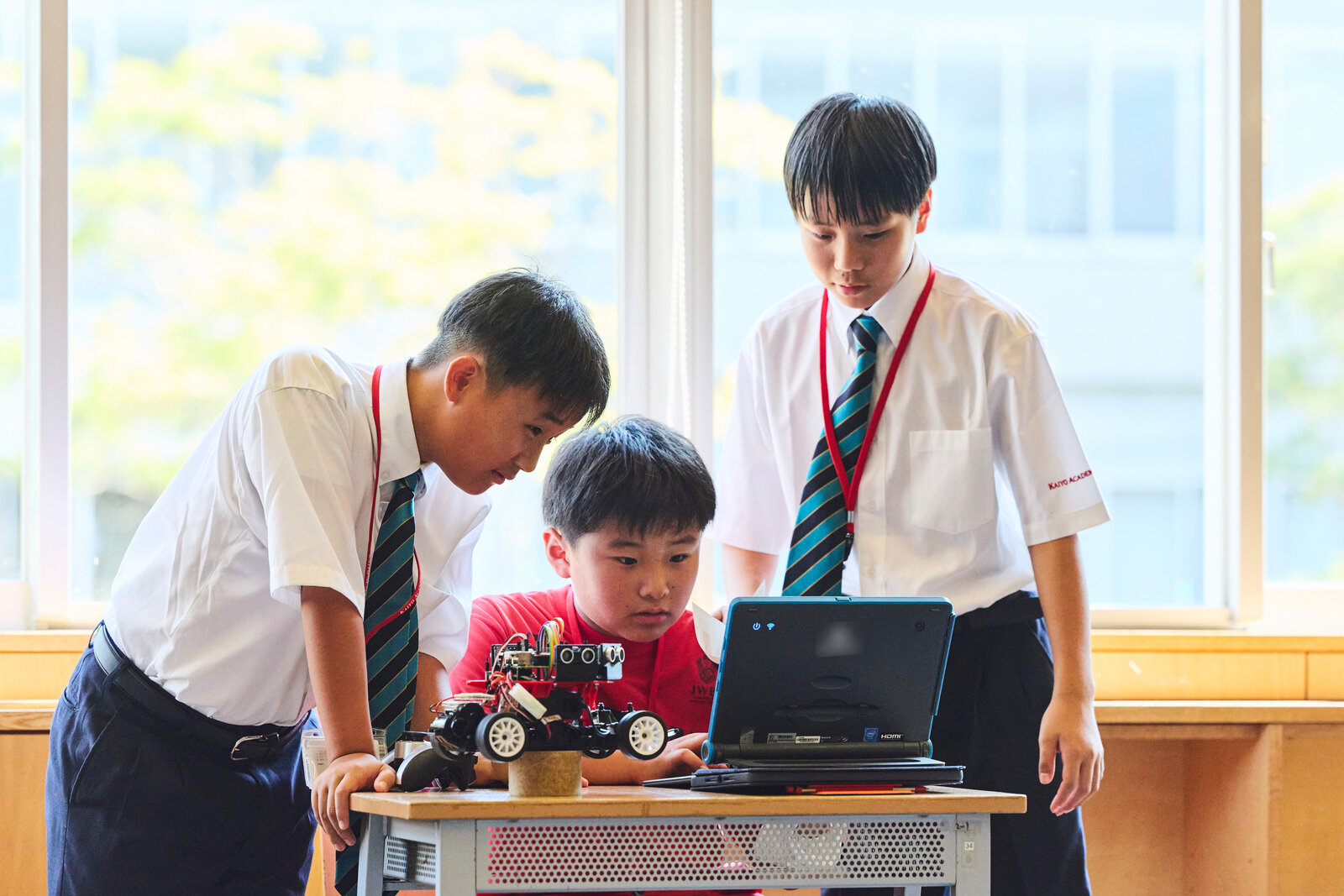
They were huddled around a computer screen filled with complex-looking equations. The tension in the air made us reluctant to approach.
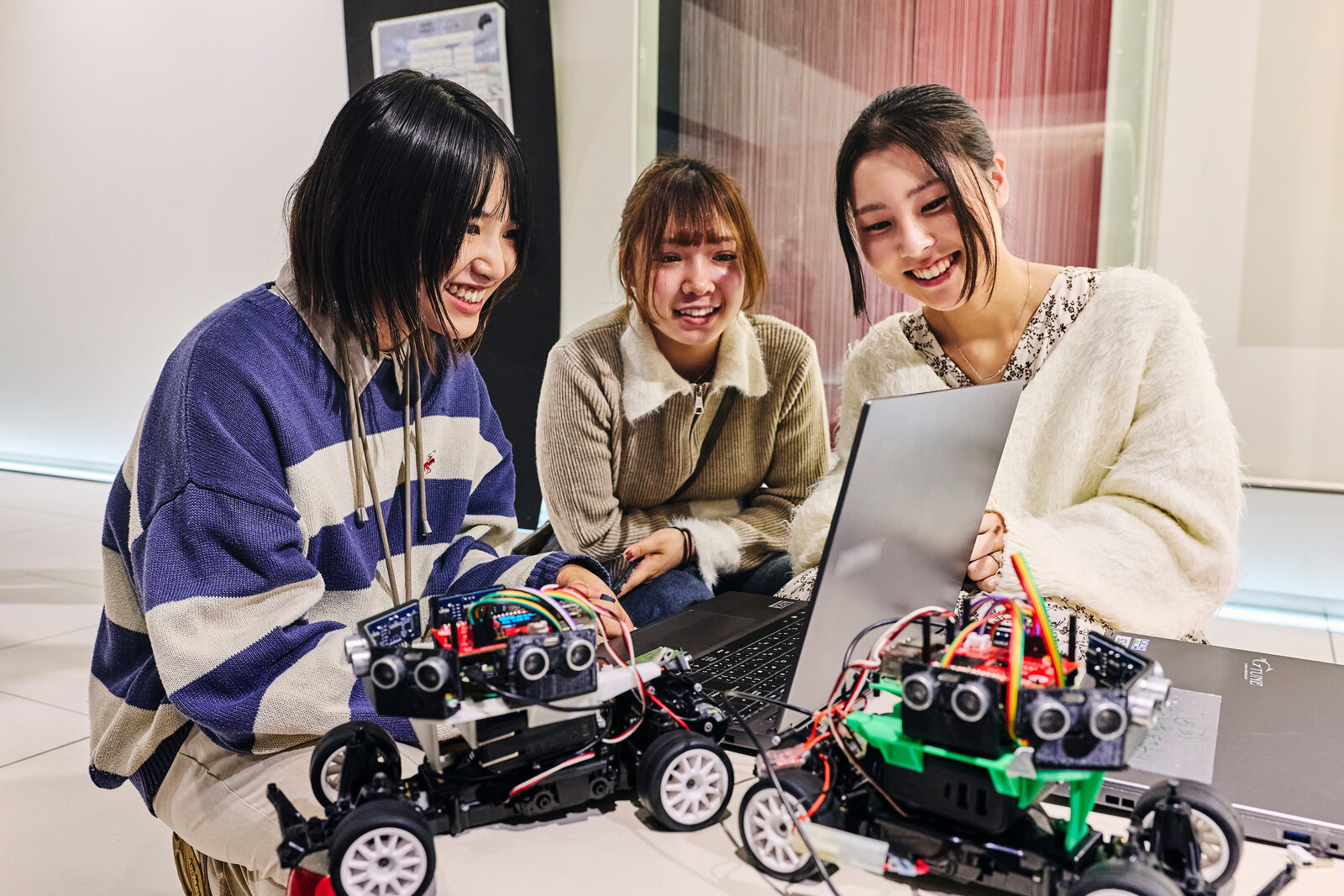
These students were trying to develop autonomous model cars powered by artificial intelligence (AI).
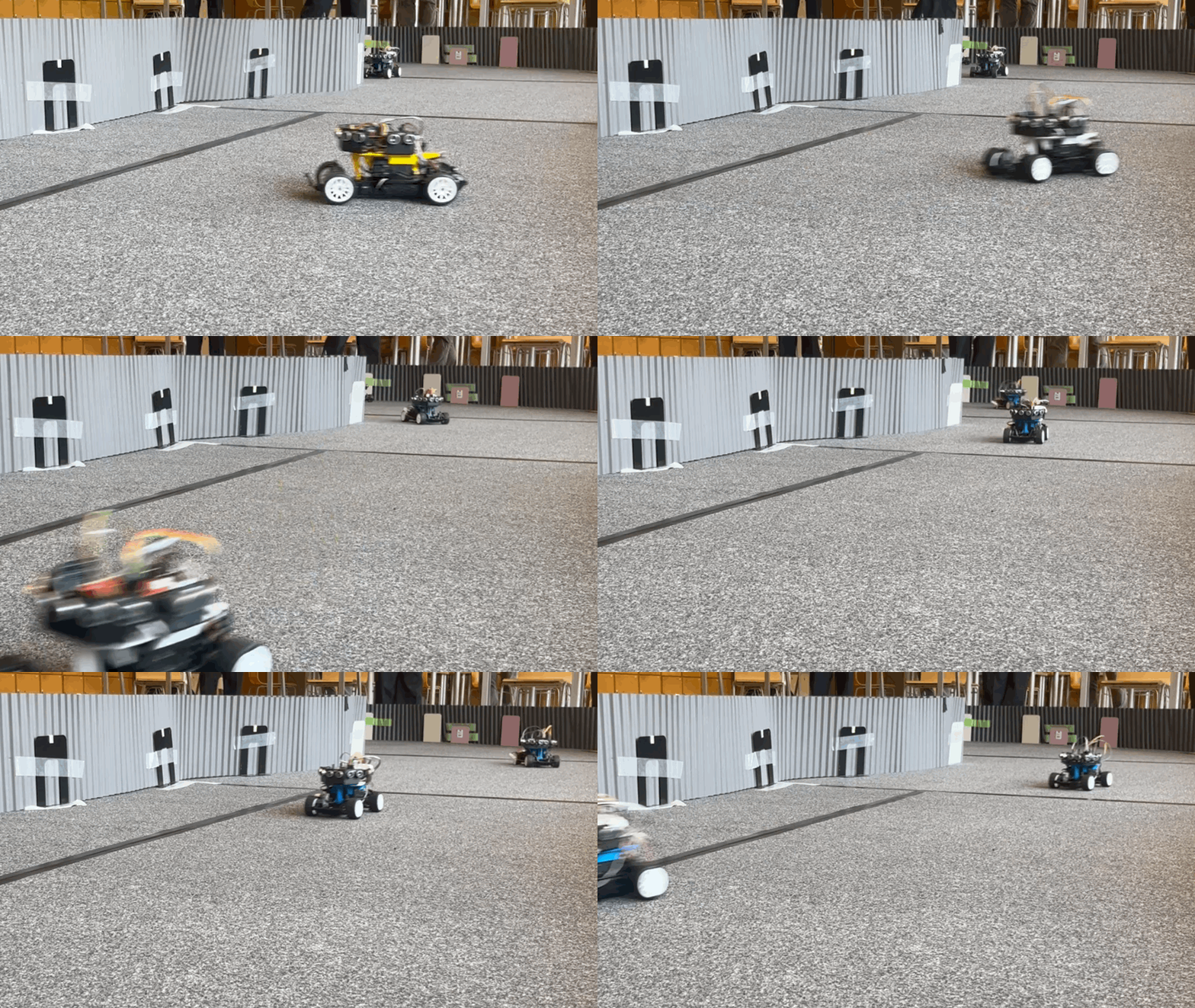
The cars zip around at high speeds without crashing into walls. Sensors detect obstacles, and AI maps the driving route.
We were astonished to find these junior high students applying programming and machine learning skills that are typically studied in college.
They looked completely at ease as they monitored the model cars.
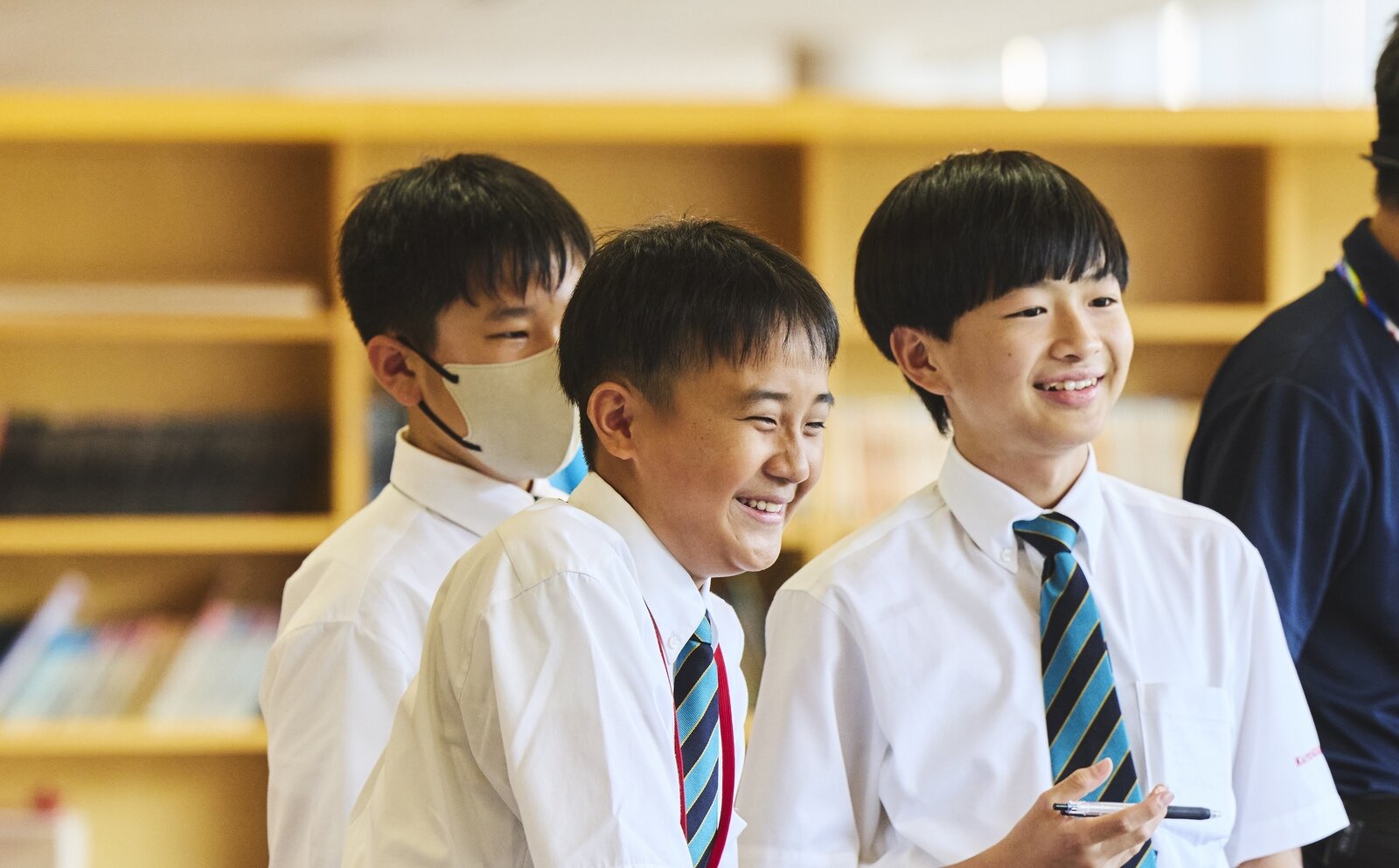
As it turns out, these extracurricular activities are part of a competition organized by a group of Toyota volunteers.
Autonomous cars take to the track
The Toyota Engineering Society (TES) is a volunteer group of more than 20,000 engineers and other Toyota employees. Since 2019, some of those members have been running the Autonomous Model Car Battle.
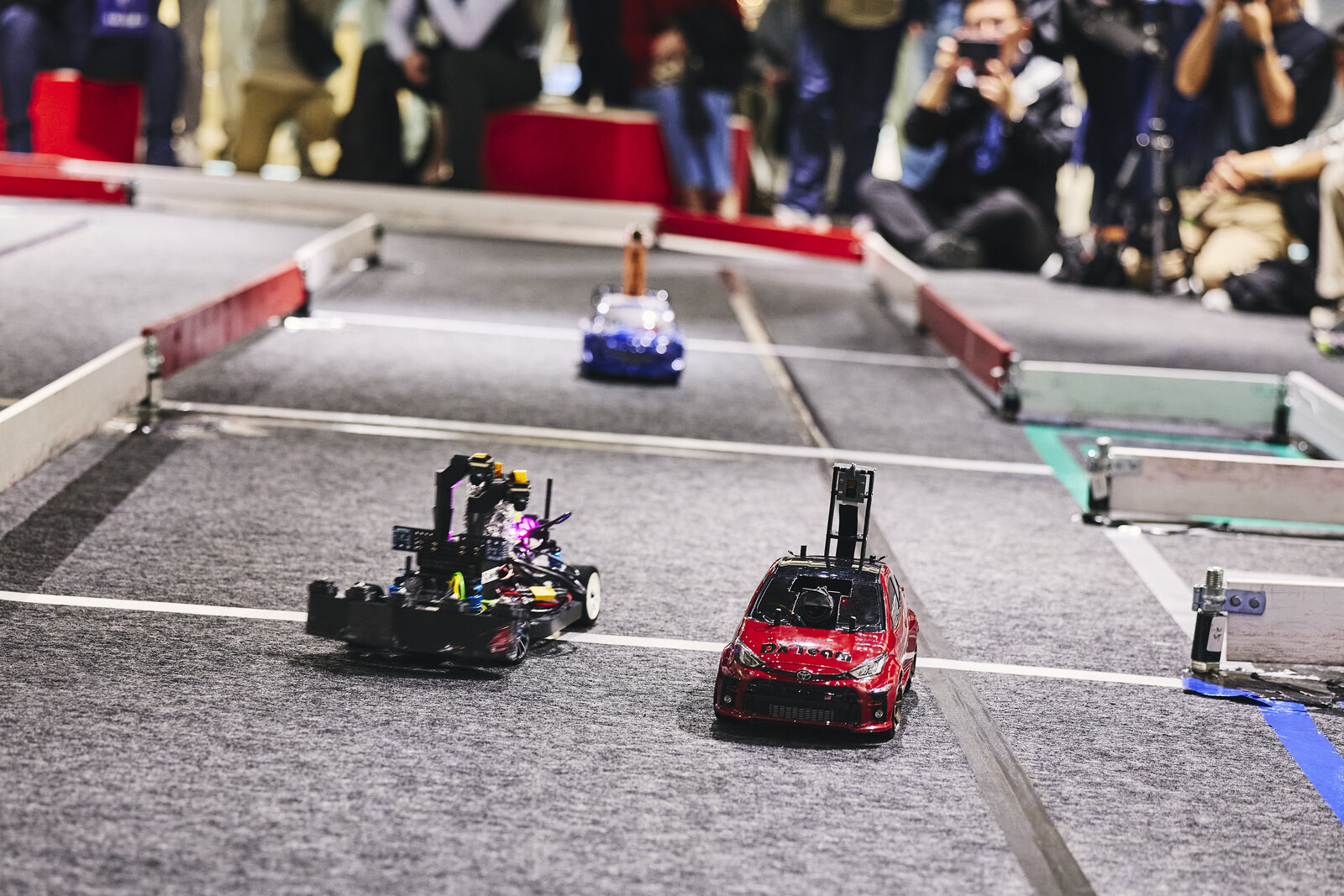
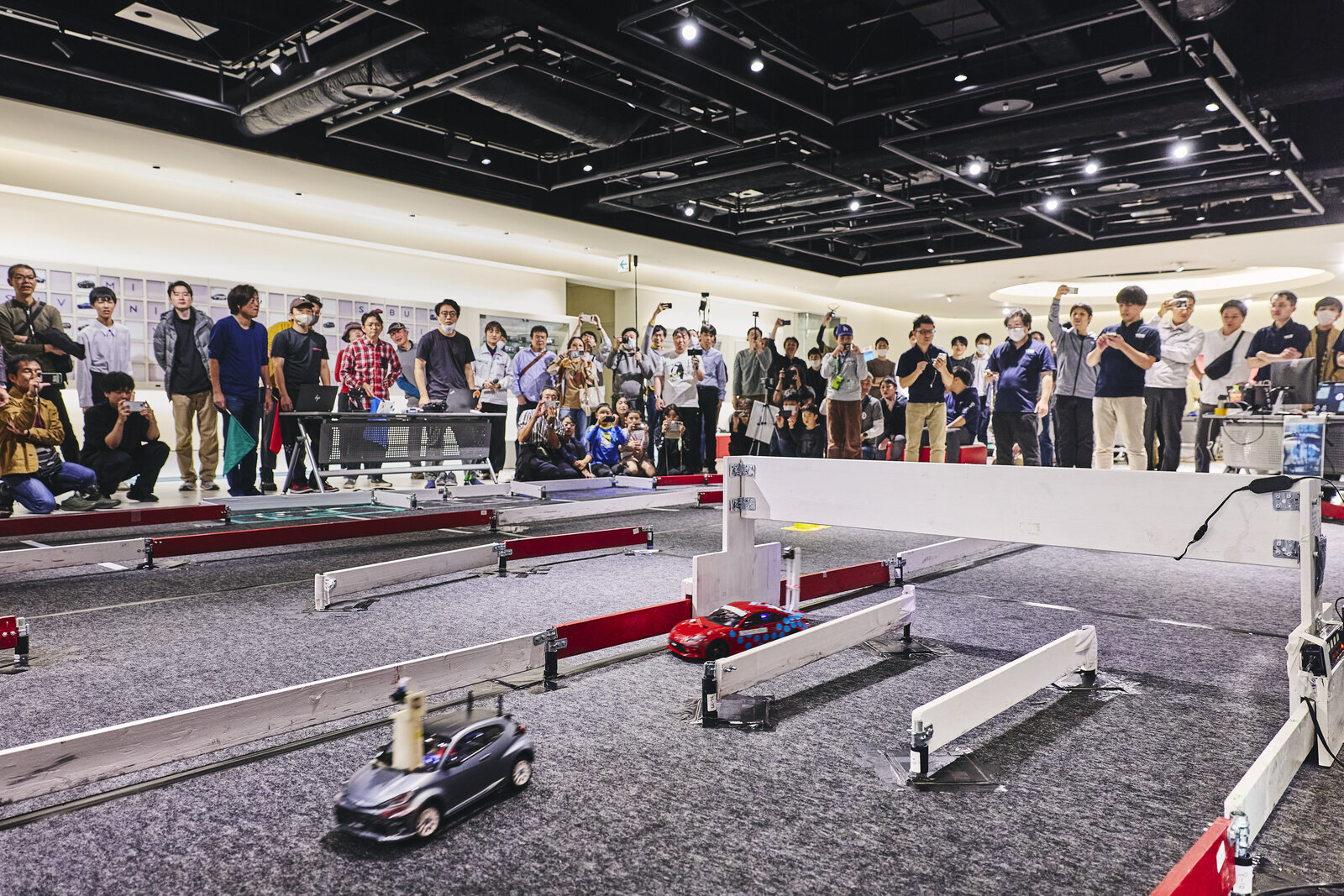
The contest consists of races between RC cars modified to drive autonomously. In 2025, the event drew over 200 participants. Cheers filled the venue as the cars battled neck-and-neck in a mini version of motorsports.
At one corner, the track surface turns white. What could that possibly be for?
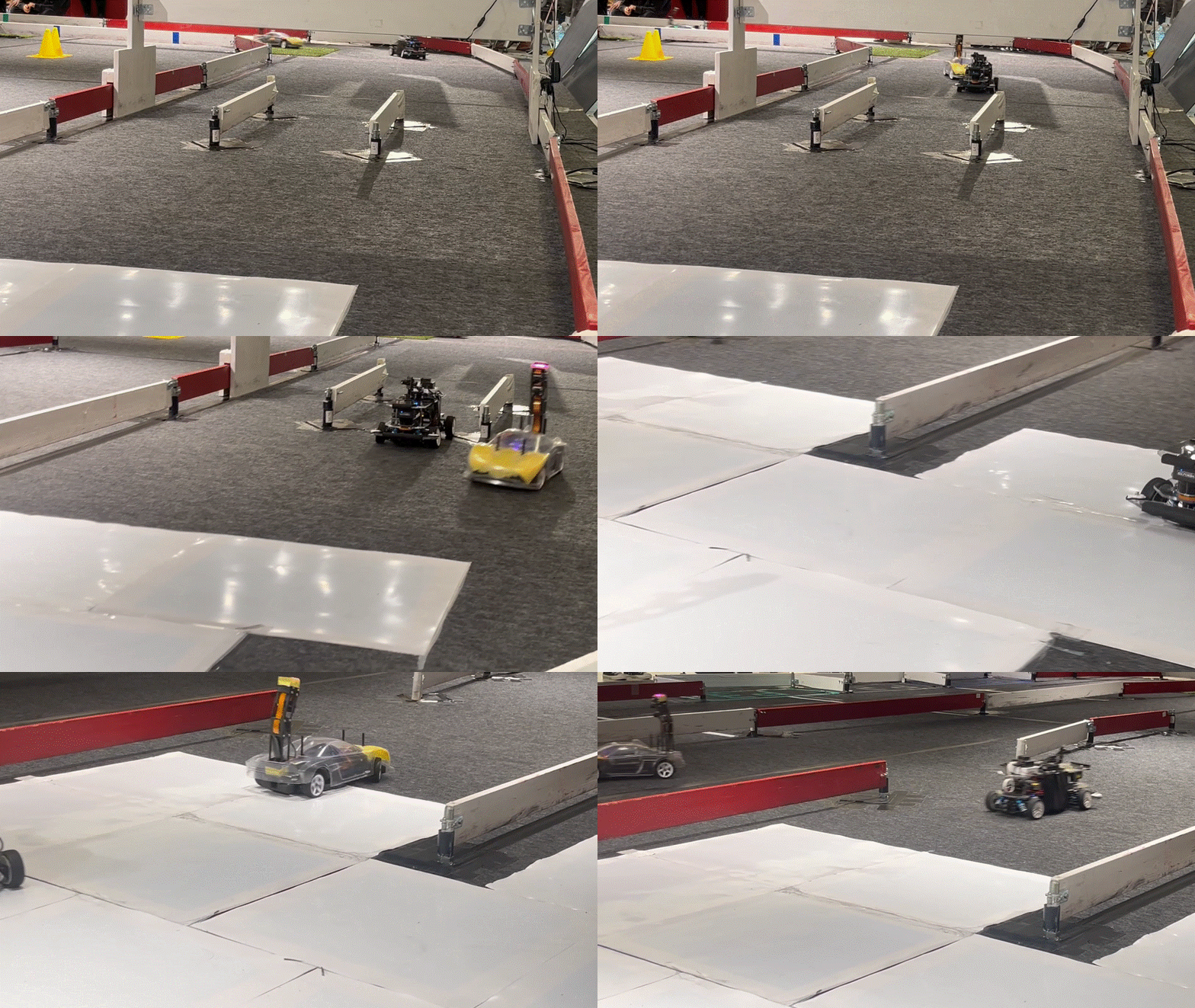
In fact, it is meant to simulate a slippery snow-covered road. The course also features a three-lane section and off-road surfaces, making the ability to tackle all kinds of terrain crucial.
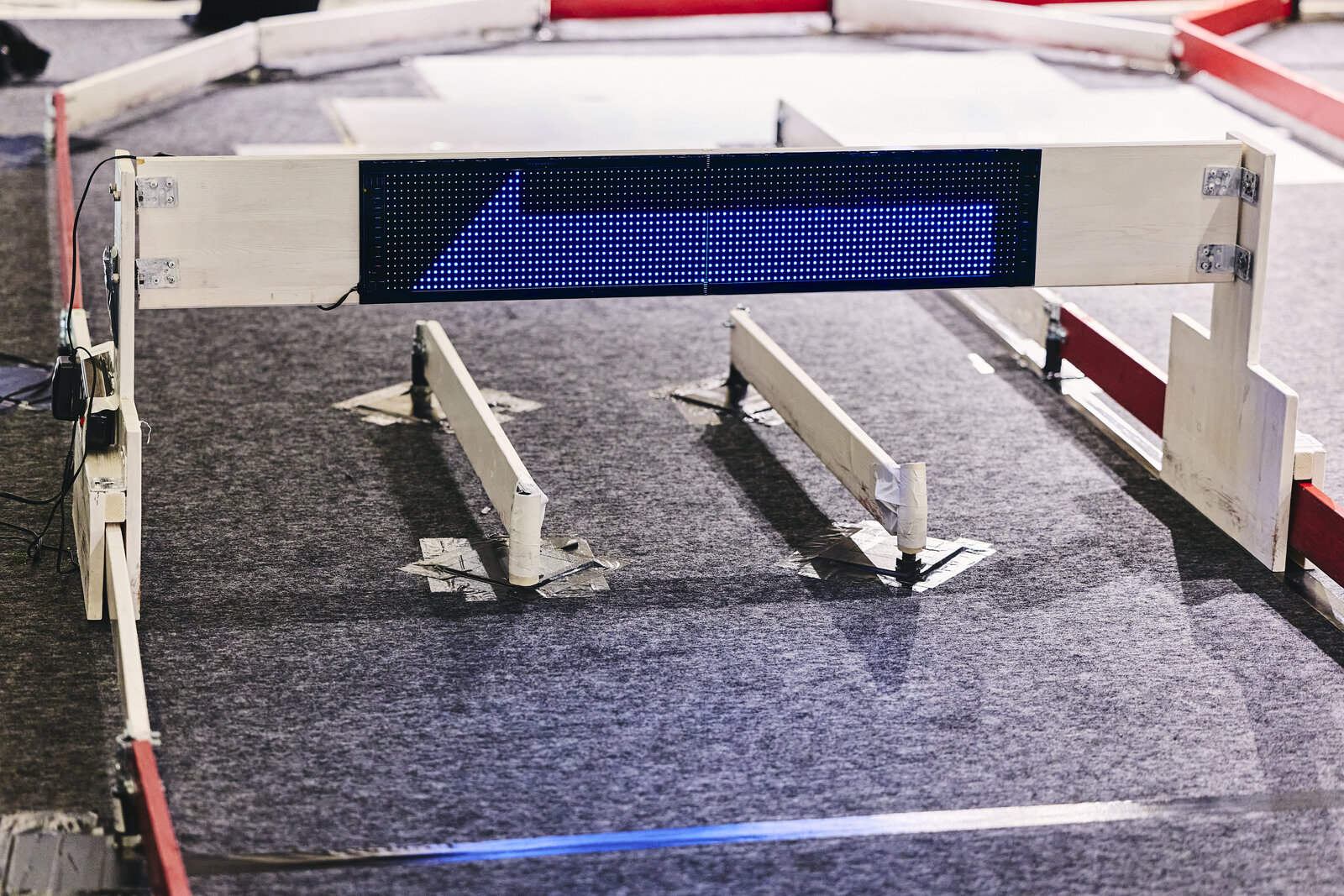
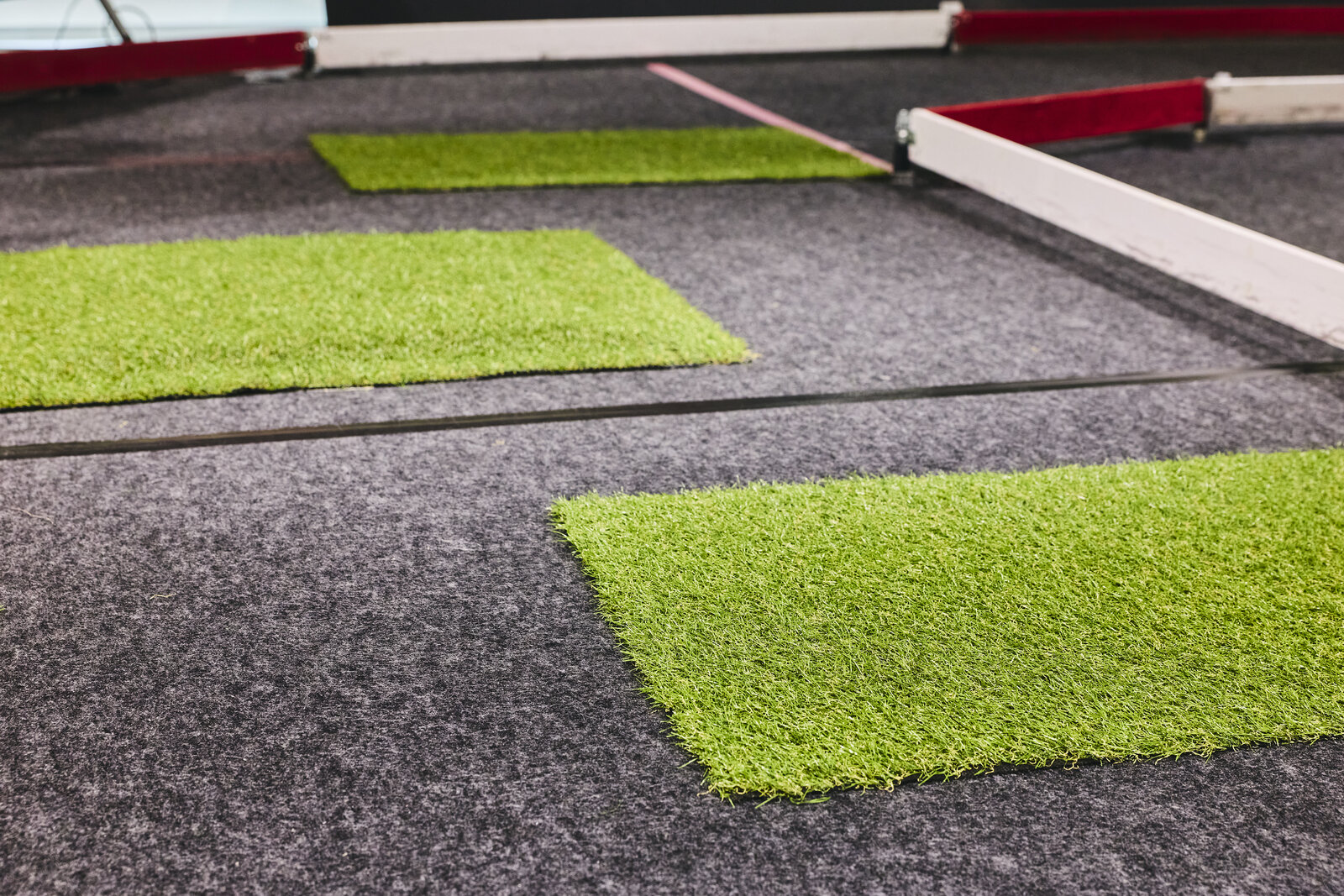
Just like regular cars, autonomous model cars are honed on the road.
The event is divided into two categories:
・A “Restricted Division” for newcomers to programming and model car-building
・An “Unrestricted Division” for advanced competitors, featuring the likes of Subaru, Daihatsu, and Tamiya alongside Toyota
Participants of all ages and backgrounds compete either individually or in teams, building a single model car and testing their autonomous driving programming skills.
Up to 2024, the contest was run as part of an annual family event* organized by TES.
*Waku-Waku World, jointly organized by the Toyota Monozukuri Festa Executive Committee and TES. Providing children with opportunities to experience monozukuri firsthand, the event has been held 22 times as of 2025.
In 2025, however, it became a standalone competition. The venue also changed, creating an environment where participants could immerse themselves more fully in the contest.
Miniature cars, real-world technologies
Kodai Yokomura, Planning Committee Member, TES
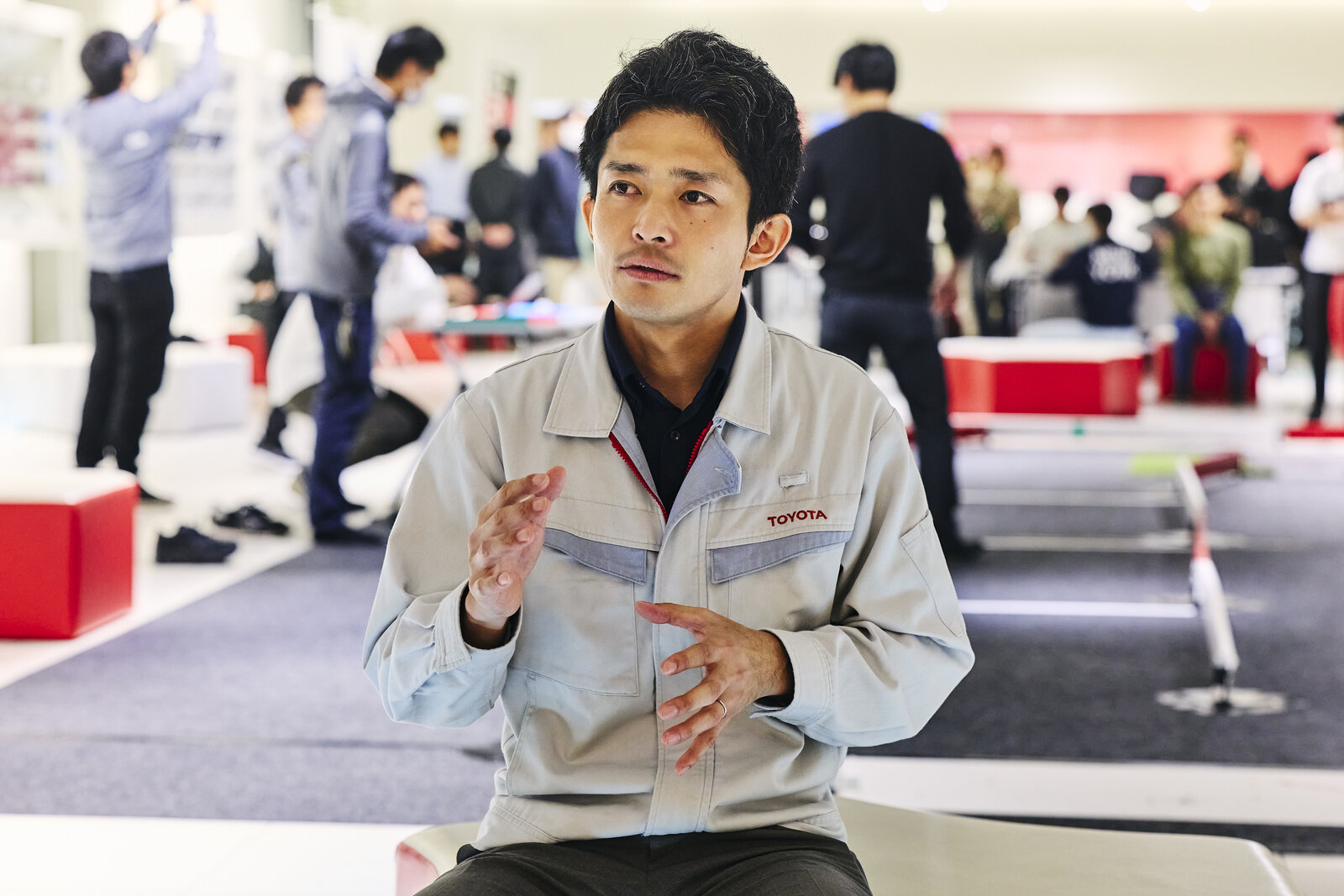
The aim of this contest is to cultivate technologies and talent. We hope students will discover the joy of getting a car running with their own hands, and in doing so, be inspired to pursue engineering.
Detecting obstacles with cameras and sensors, harnessing AI and programming to find the optimal route—while the cars may be small, the technologies also apply to real-world autonomous driving.
Knowledge of AI and programming has become essential to carmaking. That’s why we hope to spark joy and passion in the younger generation and inspire them to become engineers. At the same time, we want to create a more exciting future for the auto industry.
Students from both junior and senior high schools take part in the competition. Yukiya Oshima from Toyota Nishi High School in Toyota City, Aichi, says he has been researching topics such as AI and autonomous driving.
Oshima, Toyota Nishi High School
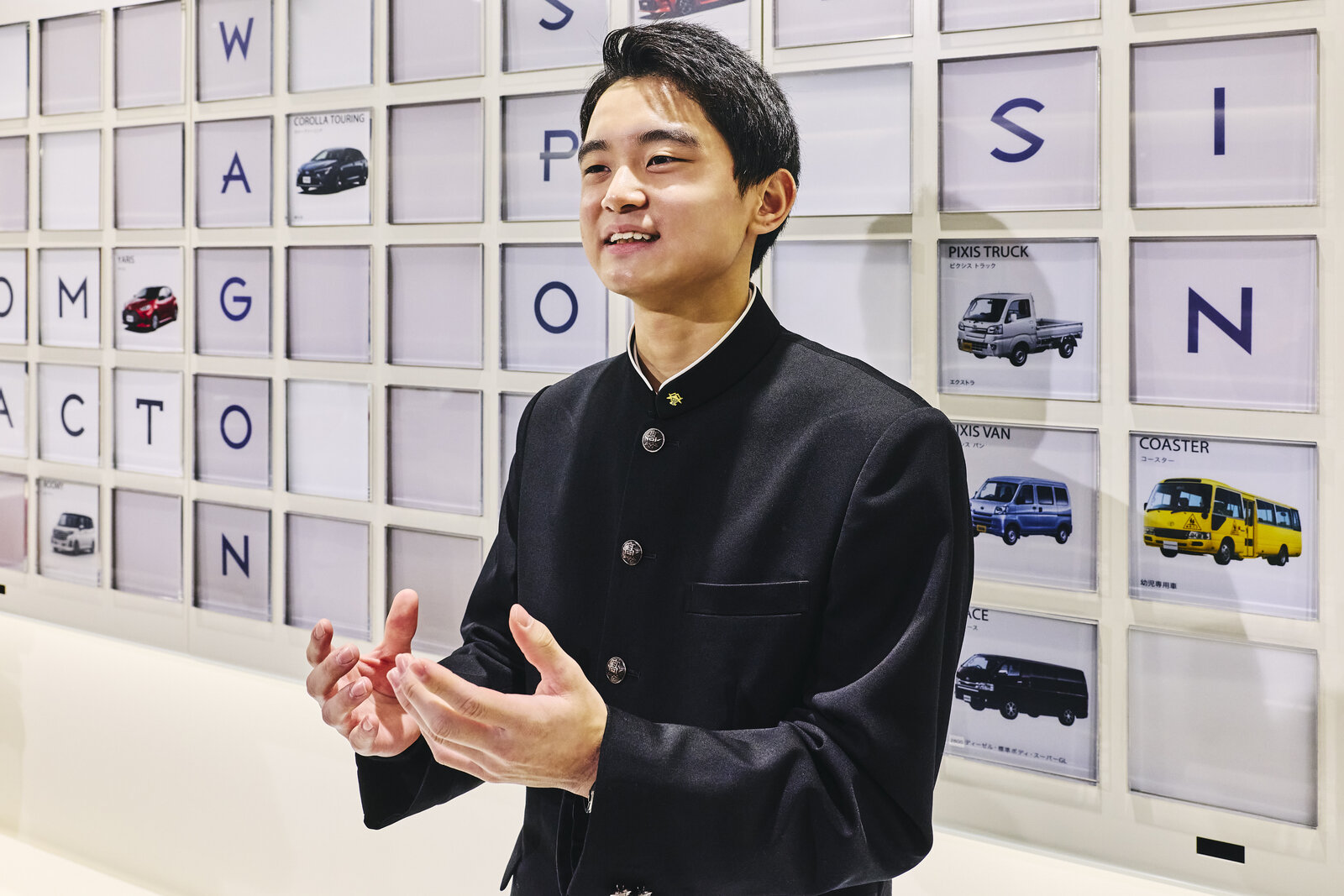
No matter how meticulously you prepare the AI and programming, when it comes to actually driving the car, even the slightest bit of light or friction can throw off your calculations. That’s what I found really interesting.
In the future, I want to work with AI and programming, and this has only strengthened my conviction.
“To cultivate future engineers, we want the event to be genuinely challenging,” says Yokomura of TES.
To that end, a few months before qualifying begins, TES members teach outreach classes at various schools. They work hard to make sure these sessions are not just memorable experiences, but also an opportunity to deepen knowledge and hone skills.
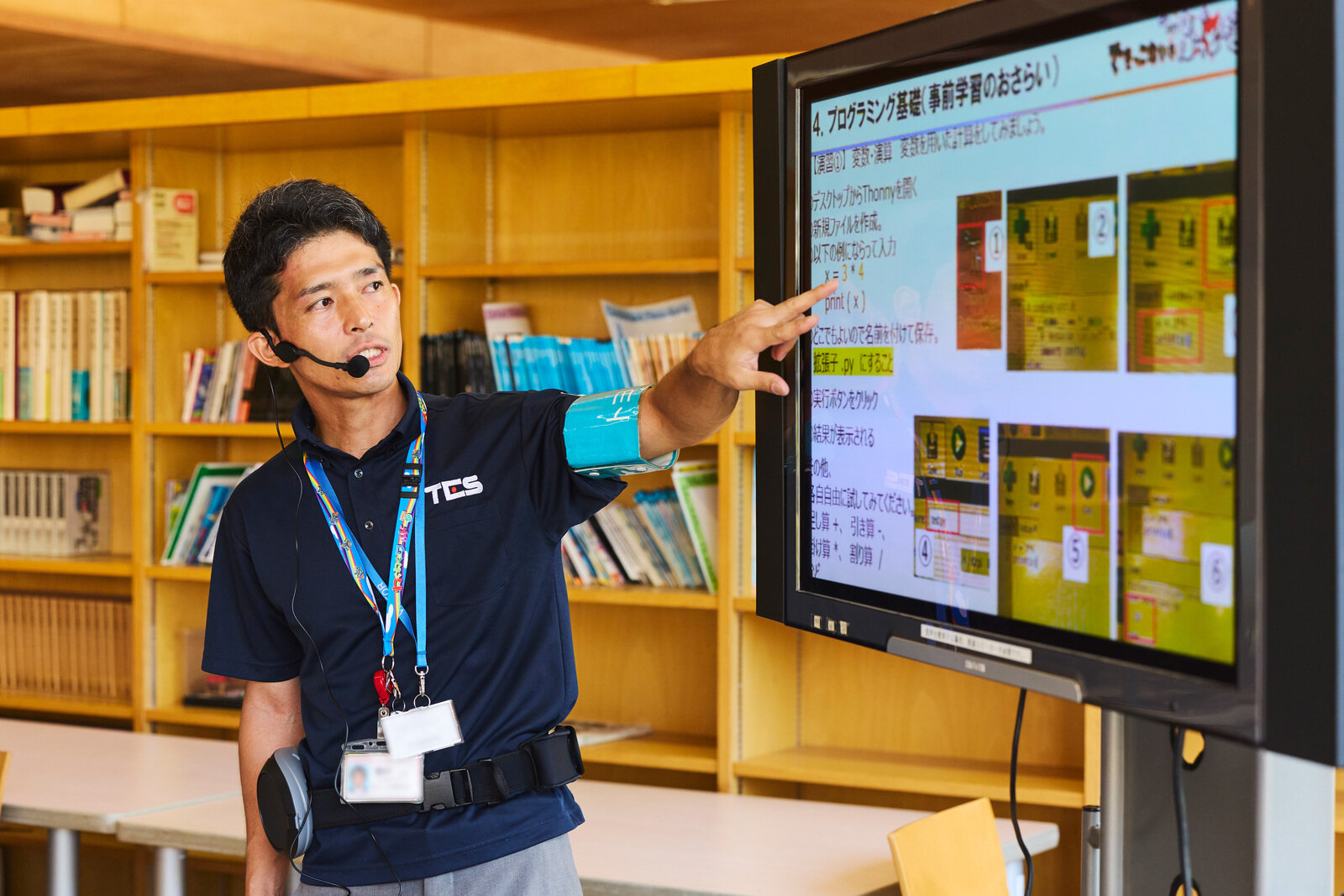
“We want to create a space where the younger generation can genuinely go head-to-head with adults. And we also hope they will come out on top (laughs).”
That’s all well and good, but developing autonomous driving seems like a tough ask for high school students. So how would they stack up against adults in a serious, AI-powered showdown?