





Toyota's brand concept "TO YOU," announced in 2025, now has a special site introducing the thinking behind it and the actions it has inspired.
In autumn 2025, Toyota introduced a new brand structure.
Century became a brand of its own. Alongside Lexus, Toyota, GR, and Daihatsu, each now carries a clear vision.
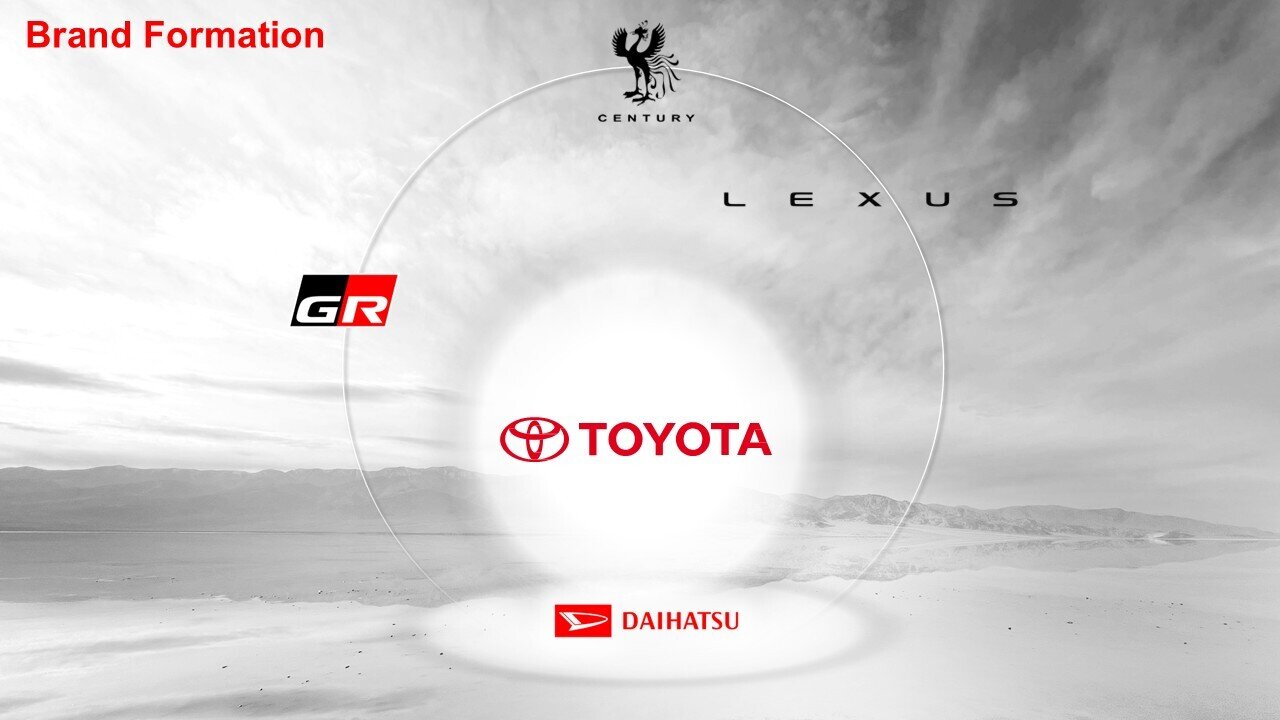
Century: One of One
Lexus: Discover, Imitate no one
GR: THE SOUL LIVES ON.
Daihatsu: Daihatsumei for me.
And Toyota… "TO YOU."
With Century, Lexus, GR, or Daihatsu, you can more or less imagine who they are for.
But Toyota?
It is far too broad to define in a single phrase.
A first car.
A family car.
A work truck.
An SUV crossing a desert.
A vehicle that might one day drive on the Moon.
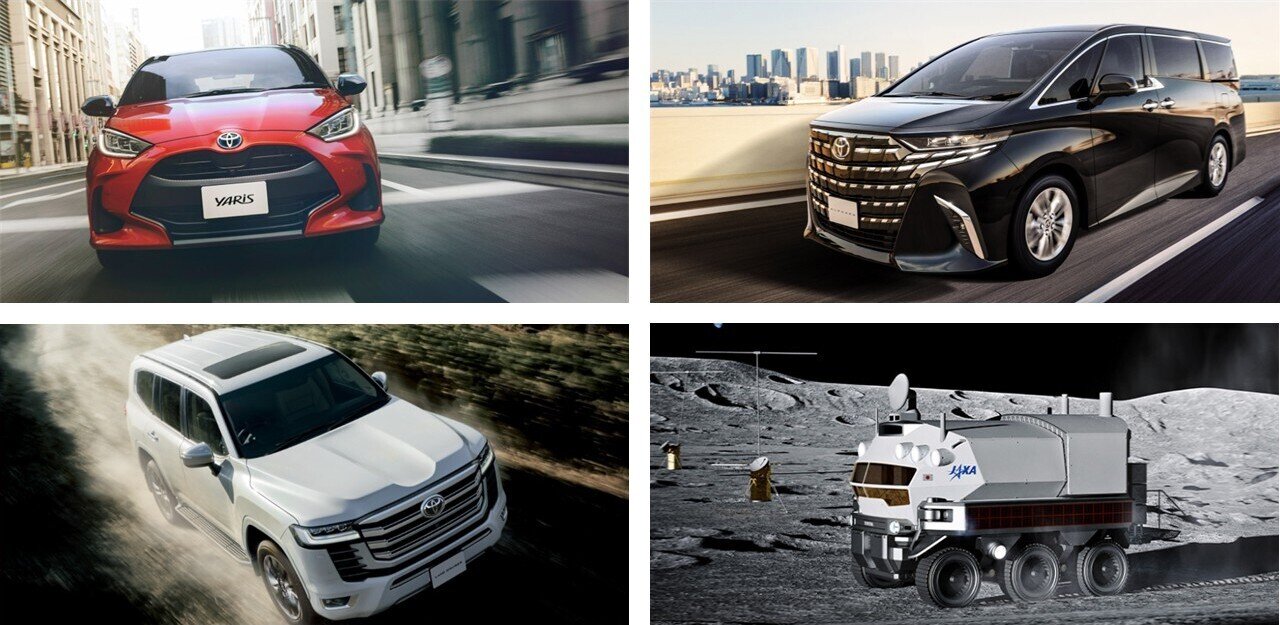
The school run in the morning. A weekend drive. Everyday life.
Completely different uses.
Completely different lives.
And yet—
the same badge.
So, how do you define something...
that belongs to everyone?
A special site has been launched to share the initiatives taking shape under "TO YOU."
Here, we begin to unfold the thinking and intentions behind it.
Isn’t it "Mobility for All"?
You might ask: wasn’t Toyota always about "Mobility for All"?
That question is natural.
"Mobility for All" is the vision of Toyota as a whole—including Lexus and Century.
"TO YOU," on the other hand, is the vision of the Toyota brand itself.
That may sound simple, but it doesn’t fully explain it.
So what does "for all" really mean?
Does it mean designing for the average?
For the middle?
For the safe answer?
If you try to serve everyone the same way, you risk moving no one at all.
Think back to when Prius first appeared, about 30 years ago.

At the time, it was clearly not a car for everyone. It looked different. It felt different. It challenged what a car could be.
But for those who believed in it, it became something more.
A signal. A choice. A point of view.
Prius did not just introduce new technology. It introduced a new way of thinking.
So perhaps the goal is not to answer everyone. But to mean something— to someone.
To understand that, we had to go to the genba - the place where things actually happen.
Is Corolla "for all"?
We began with Corolla.
Since its launch in 1966, it has been loved in countries around the world. At first glance, it may seem like the embodiment of "for all."
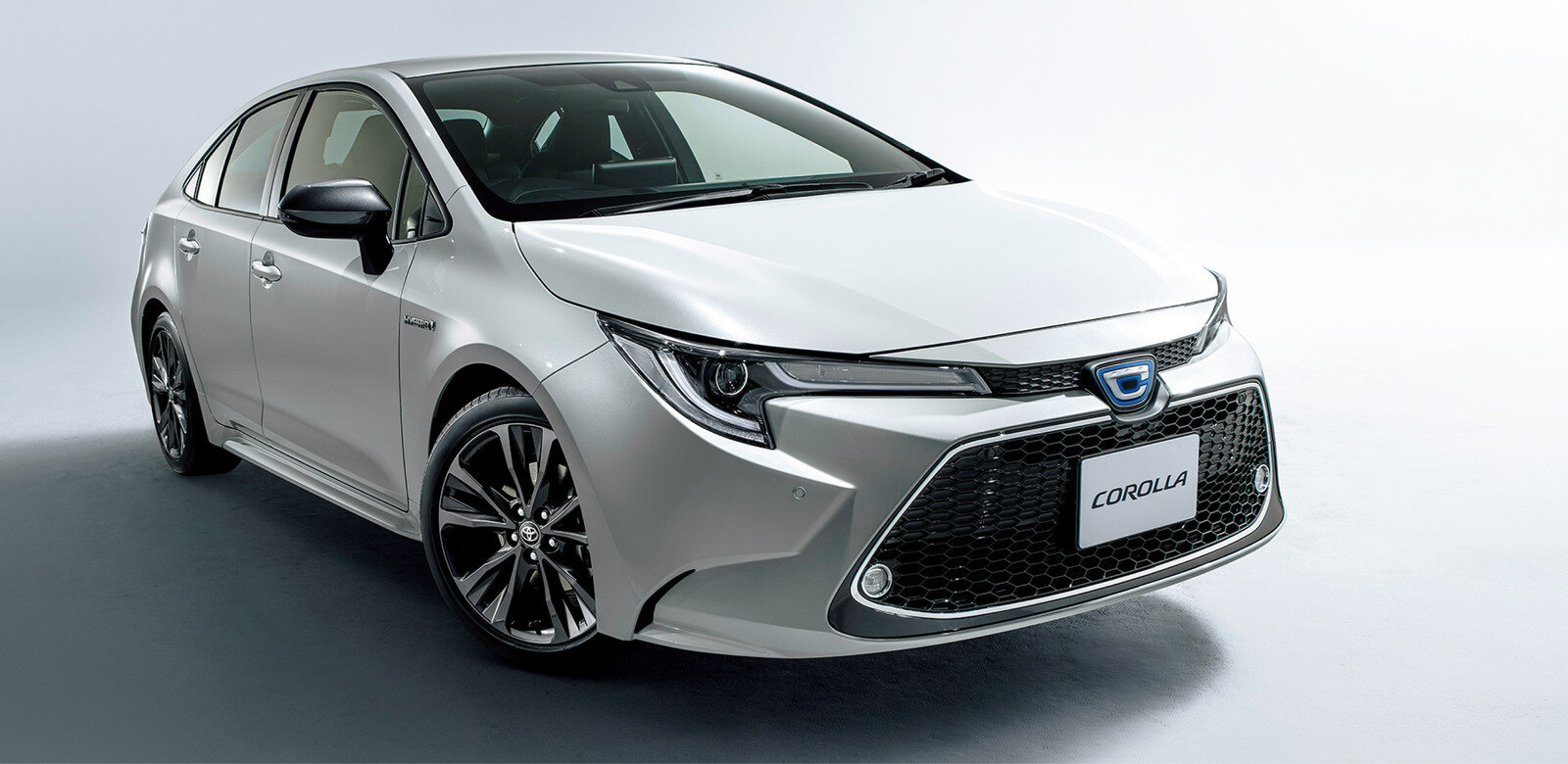
But that is not quite right. Corolla has never been just one thing. It has taken many forms - sedan, hatchback, wagon...

Changing with the times, with roads, with people’s lives.
Energy conditions vary from place to place.
Even in the same city, a battery EV may suit one person, while a hybrid suits another.
In some regions, gasoline vehicles are still essential.
Whatever the energy conditions, whatever the way of life, the goal is to create a Corolla that someone there will want.
And to do that, it must also be built in a way that sustains the business.
At the genba, the thinking was clear:
"to make the future Corolla a car that customers around the world truly want."
This is not about aiming for the greatest common denominator. It is about imagining a person—and creating something for them.
Corolla succeeds not because it is universal, but because it responds to individuals.
Not "for all" as an abstraction— but for someone.
That is what Corolla planning and development is all about.
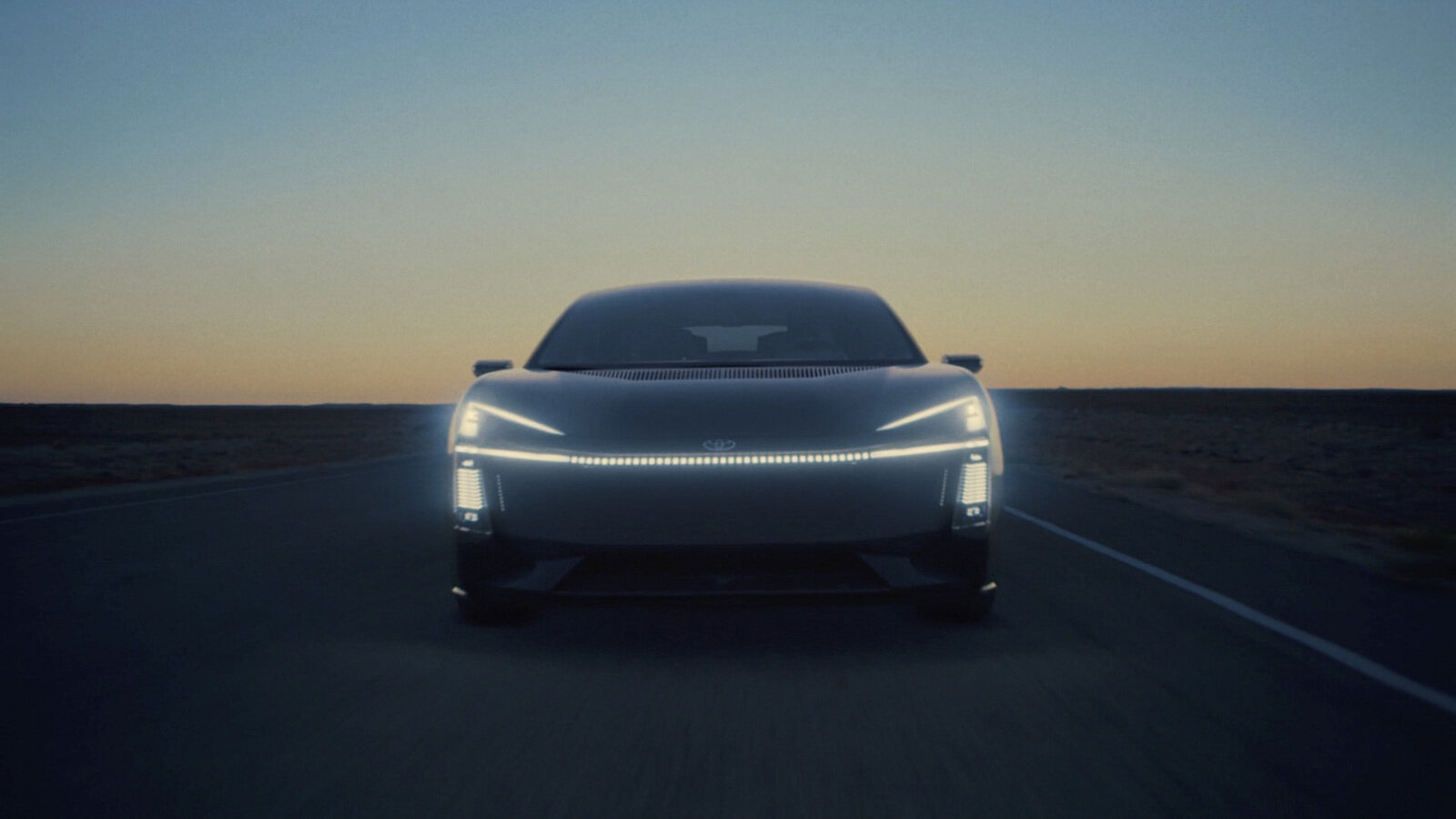
At its foundation is "Mobility for All."
But when it comes to actually creating a car, the perspective changes. It is no longer about "for all" as an average. It becomes about imagining each individual—in other words, "TO YOU."
To understand this more deeply, we visited another genba.
Built with Africa in mind
"IMV Origin."
A vehicle being developed today, for people living in Kenya. Standing there, you begin to see something.
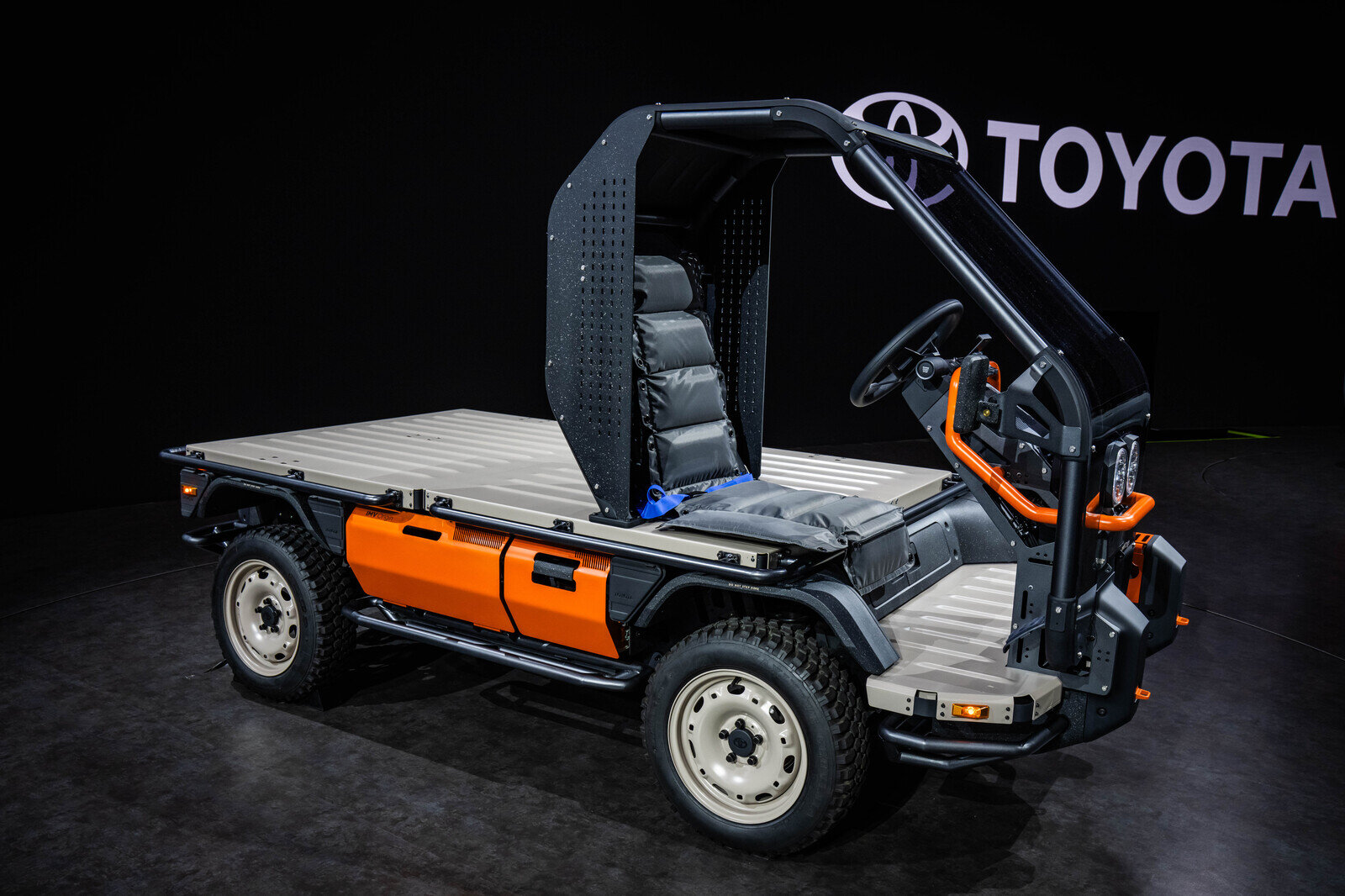
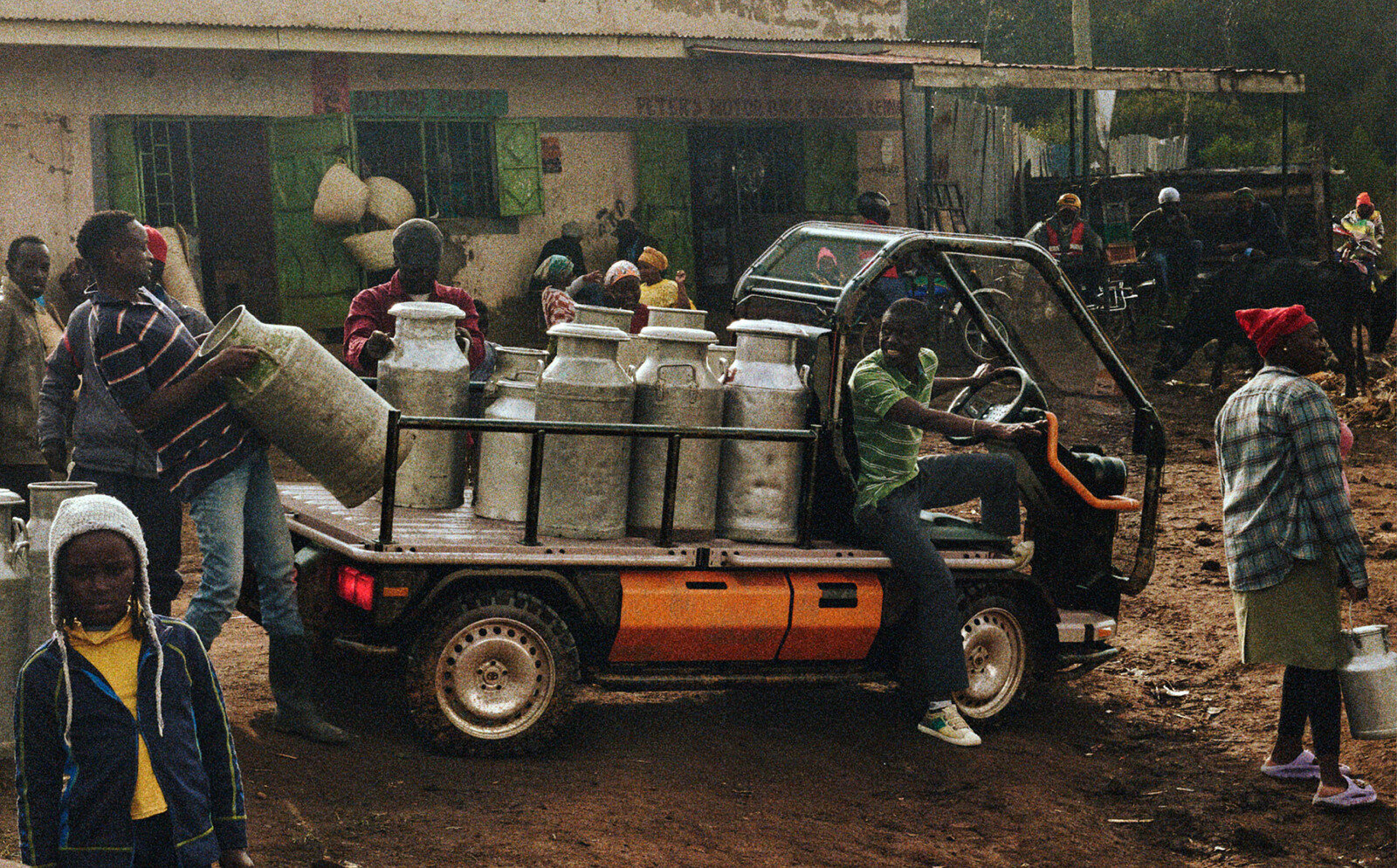
A car does not mean the same thing everywhere.
Seats are folded. Goods take the place of passengers. What is being carried is not people—but livelihood.
A vehicle here is not just transport. It supports work. It supports families.
It creates opportunity.
IMV was born from that reality.
It is not about delivering something finished. In some cases, it is even designed to be imported as a near-complete kit, with final assembly carried out locally.
The people who live there give it meaning, shaping it to fit their own lives.
The same vehicle, yet with more than one meaning. What matters is not imposing what we think is "needed."
It is about offering something that people can make their own.
"TO YOU" has always been there
This way of thinking is not new.
At the very beginning, Sakichi Toyoda, the founder of the Toyota Group, did not set out to contribute to Japan’s industrial development.
His starting point was far smaller—and far more personal.
He wanted to make life easier for his mother. That was it.
Day after day, she worked at the loom. Work that could not stop. Work that allowed no rest.
Sakichi asked himself a simple question: How can I ease her burden?
The answer became a loom that could be operated with one hand.
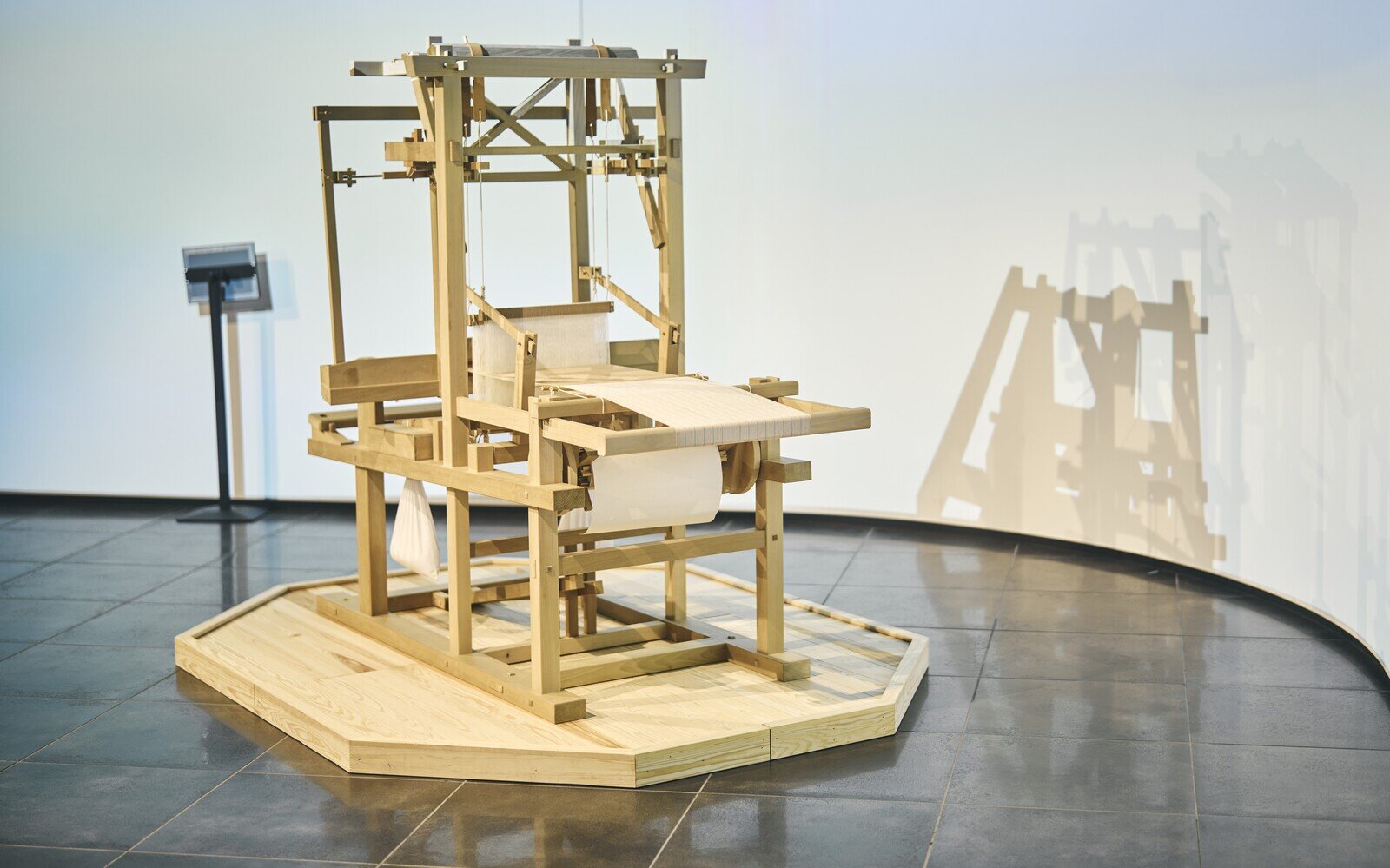
One person. That’s where it begins.
That same thinking still lives on today in Toyota’s approach to monozukuri.
There was a time when this was lost. Focus shifted to numbers—volume, share, profit. Without realizing it, things drifted toward safe answers.
But in 2009, Akio Toyoda, then newly appointed president, reminded everyone.
"Let’s make ever-better cars." Not more. Not cheaper. "Better".
Cars that move people. Cars that make someone smile. It was not textbook theory. It was a belief born from driving, from being behind the wheel.
Today, Toyota delivers more than 10 million vehicles a year. That means engaging with more than 10 million lives.
What matters is not scale, or market share. It is responsibility.
To think of someone. To create something for them.
And when those efforts accumulate, they become "Mobility for All." This is Toyota’s philosophy of monozukuri—one that continues to this day.
And "TO YOU" is simply that idea, expressed in the language of today.
A Shared Responsibility
"TO YOU" is what Toyota stands for.
From large to small,
from engine to electric,
from Japan to Africa,
from Earth to the Moon.
Different cars. Different lives.
One shared idea: to imagine someone—and create for them.
TO YOU.